

contact@haitiwonderland.com+509 36184317

Discover

Shopping Cart

Haïti : Citadelle la FerrièreHaïti : Citadelle la Ferrière

News / Ecology / View Recent Posts

Nature March 18, 2024

Haiti: The Center department, one of the departments most resistant to natural earthquakes

The Center department, commonly called Plateau Central, is one of the ten (10) departments of Haïti most robust in the face of certain natural phenomena. Before becoming one of the ten (10) departments of Haiti, the Center department was part of the Great North. It is renowned for its natural landscapes, its biosphere climate and its resistance to certain natural phenomena. In addition to its natural productions such as corn, millet and livestock, the Center department is also known for its high mountains which constitute a robust defense against certain natural phenomena such as earthquakes and floods. Composed mainly of high mountains, the department of Charlemagne Peralte and Benoît Batravil is the only one of the ten (10) not to have an outlet to the sea. However, its inhabitants take advantage of the vast rivers, rivers and lakes which cross it . With an area of ​​3,487 km², the population of the Center department is estimated at 678,626 according to a study carried out in 2009. On this same area, the department is divided into four (4) districts and twelve (12) communes. Bordered to the east by the Dominican Republic, the Center department connects other departments of the country such as Nord and Artibonite, and connects the two countries of the island through border areas like Balladère, Hinche and Cerca Carvajal. In the Center department, there are sites that could attract tourists for their natural beauty. In Saut d’Eau, there is the Saut d’Eau waterfall, in Hinche we find the Zim basin, the Péligre lake, the Péligre hydroelectric dam, the Artibonite river, and the Deux river (2 ) Rooms in Thomonde, more precisely in "El Manni", not far from the communal section of Caille-Epin. Thanks to its strong mountains and its natural climate, the Center department remains one of the most resistant departments in the event of an earthquake in Haiti.

Par Malia Balan | 2
Learn more
Events and Festivals February 20, 2024

Haiti: A look back at the First Rara Weekend in Petit-Goave

Haitian culture is a true treasure, woven from the creativity of its artists, its rich heritage and the diversity of its cultural expressions. Among these cultural gems, the rara stands as a true national emblem, uniting Haitians through its captivating rhythms and centuries-old traditions. During the first Rara weekend, this very essence of Haitian culture shone brightly, revealing palpable social cohesion. Despite the absence of law enforcement, tranquility reigned in Petit-Goâve, testifying to the ability of citizens to come together in peace and conviviality. However, media attention was mainly focused on the first plain, leaving a certain imbalance in the coverage of the festivities. Ratyèfè, three-time reigning champion, once again captivated minds with his talent and artistic mastery, offering an unparalleled spectacle. But his rival, Lambi gran dlo, was not to be outdone, displaying a determination to compete for first place. The event was also marked by unfortunate incidents, reminding us that despite the beauty of tradition, tensions can arise. Clashes between fans of different groups tarnished the festive atmosphere, highlighting the need for careful management of celebrations to avoid such excesses. At the heart of this musical competition, where each group aspires to recognition and victory, a complex picture of rivalries and alliances emerges. Chenn tamarin, although appearing asleep in the first moments, shows signs of waking up, ready to shake up the established order. On Sunday evening, Lambi gran dlo honored the memory of one of its loyal supporters, while Grap Kenèp was the scene of violence between fans, recalling the fragility of social cohesion when passion runs wild. In this whirlwind of emotion and competition, it is crucial to keep in mind that it is the journalist who must look to the events, and not the other way around. This is how we draw up the first ranking for this first weekend: 1. Ratyèfè 2. Lambi grand dlo 3. Chenn tamarind Beyond the results, it is the preservation of unity and mutual respect that must remain at the heart of these celebrations, making the rara not only a musical festival, but above all a symbol of the wealth and resilience of the people Haitian.

Par Gladimyr Vaval |
Learn more
Culture November 25, 2023

Christmas in Haiti: Between Magic, Discoveries and Delicacies

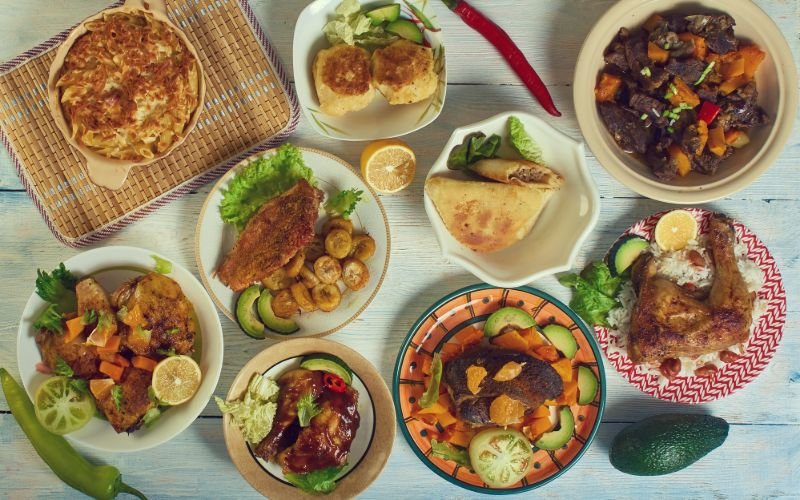
The joyful ringing of bells echoes through the streets of Haïti as the holiday season approaches. Christmas is a magical time when the streets light up, families gather and a warm atmosphere invades the island. Between traditions, cultural discoveries and gourmet feasts, Christmas in Haïti promises a unique experience. b~The Magic of Lights and Decorations~b From the beginning of December, Haïti is adorned with sparkling lights and festive decorations. The markets come alive with shimmering garlands, twinkling stars and ornate fir trees. The streets of Port-au-Prince in Jacmel shine with a special magic, inviting locals and visitors to immerse themselves in the festive spirit. b~Haitian Traditions at Christmas~b Christmas in Haïti is celebrated with a unique combination of religious traditions and local customs. Midnight Mass is a deeply rooted tradition, drawing worshipers to churches to celebrate the birth of Jesus in a vibrant atmosphere of song and prayer. A popular tradition is the "Dawn Mass" which takes place at dawn on December 25. The faithful gather to welcome Christmas Day with special fervor, testifying to the deep spirituality that permeates the festivities. The festivities are not limited to churches. Street parades, folk dances and concerts are commonplace, creating a joyful atmosphere throughout the country. Traditional Haitian music, such as direct compass and voodoo, adds a special dimension to these celebrations. b~Cultural Discoveries: Haitian Crafts~b Christmas is also an ideal opportunity to discover unique Haitian crafts. Christmas markets offer a variety of handicrafts, such as wooden sculptures, vivid paintings, wrought iron items and traditional jewelry. These works of art reflect the artistic talent of the Haitian people and provide unique and meaningful gifts. Local markets, such as the Ferrier market in Cap-Haitien and the Jacmel market, are essential places to discover the authenticity of Haitian crafts. These purchases also help support local artists and the community economy. b~Gourmet Feasts: Christmas Cuisine~b Christmas in Haïti is also a gastronomic celebration. Families gather around festive tables laden with traditional culinary delights. “Joumou soup”, a pumpkin soup, is an essential specialty of the holiday season. Pork, lamb and chicken dishes are also common, accompanied by rice and local vegetables. Traditional desserts, such as “Pen patat” and “Tablèt Pistach,” add a sweet touch to the celebration. Tropical fruits, such as mangoes and bananas, are also often present on Christmas tables, recalling the richness of Haitian biodiversity. Christmas in Haïti is a vibrant celebration that blends the magic of lights, religious traditions, local crafts and delicious cuisine. It is a time when joy and generosity are in the spotlight, and when Haitians open their hearts to share the magic of the season with the world.

Par Appolon Guy Alain | 1
Learn more

Recently Posted

Rutshelle Guillaume and Blondedy Ferdinand Team Up to Launch RGGlow

Elephant Haitian music and film icons Rutshelle Guillaume and Blondedy Ferdinand are adding another string to their bow with the launch of "RGGlow," a premium skincare brand. This unprecedented collaboration reflects their shared commitment to female empowerment and the celebration of beauty in all its diversity. Set to launch on December 12, 2024, the "RGGlow" line promises products designed to nourish, rejuvenate, and brighten the skin. Made with quality ingredients, "RGGlow" products aim to meet the specific needs of women looking for effective and elegant solutions for their beauty routine. The official launch will take place during an exclusive event at Blondedy Ferdinand Studio, starting at 5 p.m. The event will bring together celebrities, beauty professionals, and fans to celebrate this unique initiative. This is an anticipated moment that will mark the beginning of an ambitious and inspiring project. Beforehand, an exclusive live will be broadcast on December 11 at 7 p.m. on all platforms, allowing the general public to discover the behind the scenes of this entrepreneurial adventure. Rutshelle Guillaume and Blondedy Ferdinand will share the inspirations behind RGGlow, while revealing some secrets about the products that make up this range. This project represents much more than a simple cosmetics brand. RGGlow positions itself as a symbol of unity and determination, carried by two powerful and influential figures. Through this collaboration, Rutshelle and Blondedy wish not only to offer quality products, but also to convey a strong message: every woman deserves to feel beautiful, radiant and confident.

Guédés: When Haïti celebrates its ancestors with color and fervor

Every November 1st and 2nd, Haïti comes alive with the colors black and purple to celebrate the Guédés, spirits venerated in the voodoo religion, symbols of a powerful bond between the living and the dead. Fascinating, indomitable and provocative, the Guédés form a true family in the pantheon of Haitian voodoo, where they are respected for their role as spiritual guides of the deceased to the afterlife. Led by iconic figures such as the legendary Baron Samedi and his companion Grann Brigitte, the Guédés embody the paradoxes of life and death. Each Baron has a unique personality: Baron Cimetière, Baron Kriminel, and Baron La Croix are the guardians of the souls that wander on the borders of the world of the dead. Together, they form a powerful and somewhat frightening presence, but one that is deeply rooted in Haitian culture. The Guédés are not like other voodoo spirits; they demonstrate their fearlessness in a spectacular way. Accustomed to death, they are fearless and are provocative: they eat glass, raw peppers, and coat their sensitive parts with rum and pepper. These gestures mark their indifference to danger and remind us that they have already known earthly life. They are thus psychopomps – these beings who lead the souls of the dead – and act as bridges between the world of the living and that of the dead. Some Guédés, like Guédé Nibo, wear black, purple, and white clothing, each with unique characteristics. They are many and varied: Guédé Fouillé, Guédé Loraj, Papa Guédé, and many others. These are the spirits who, each year, remind Haitians of the importance of remembering and honoring the deceased. The cult of the Guédés is not only religious; it is also cultural and historical. According to tradition, their spiritual territory, or “Fètomè” – nicknamed the “Country without Hats” – is a place where the souls of ancestors reside. According to stories, the origins of this cult go back to the Abomey plateau, the ancient capital of the kingdom of Dahomey, in Africa, where death and life coexist in a form of symbiosis. This celebration in Haïti even finds echoes in ancient history. The Romans also honored their dead with the “Fête des Lémuria”, which took place in February, to ward off spirits and restore peace between the world of the living and that of the deceased. For Haitians, honoring the Guédés is about accepting death as a part of life and celebrating the invisible bonds that unite us with those who have left us. It is also a way of resisting, because life, despite its challenges, must be celebrated in all its complexity and depth.

Recently Posted

History

History

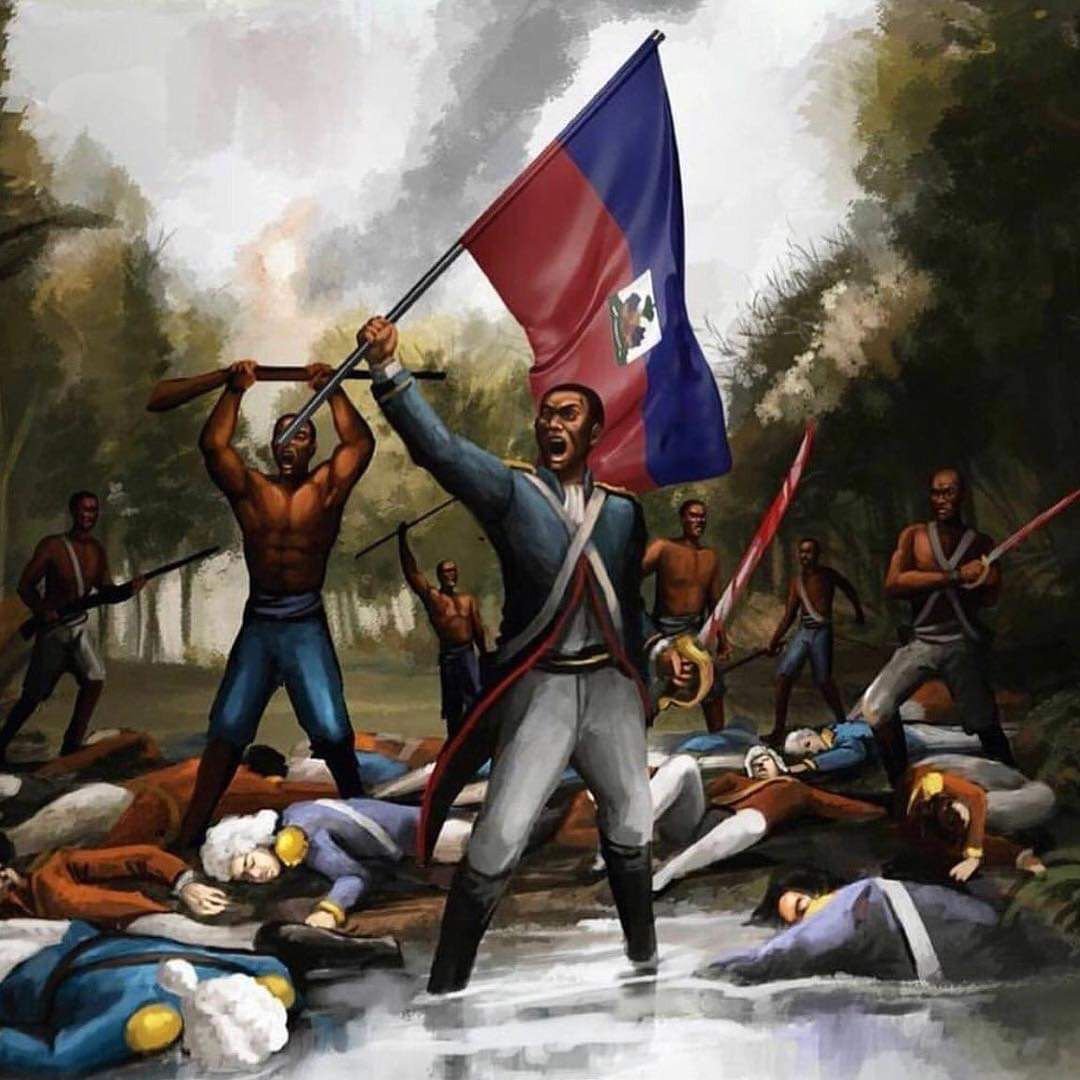
First black nation to free itself from slavery and gain independence from France in 1804 and influenced other liberation movements around the world, inspiring struggles for freedom and equality.

Natural beauty

Natural beauty

Haïti is blessed with spectacular natural landscapes, including white sand beaches, mountains and rich biodiversity.

Heritage

Heritage

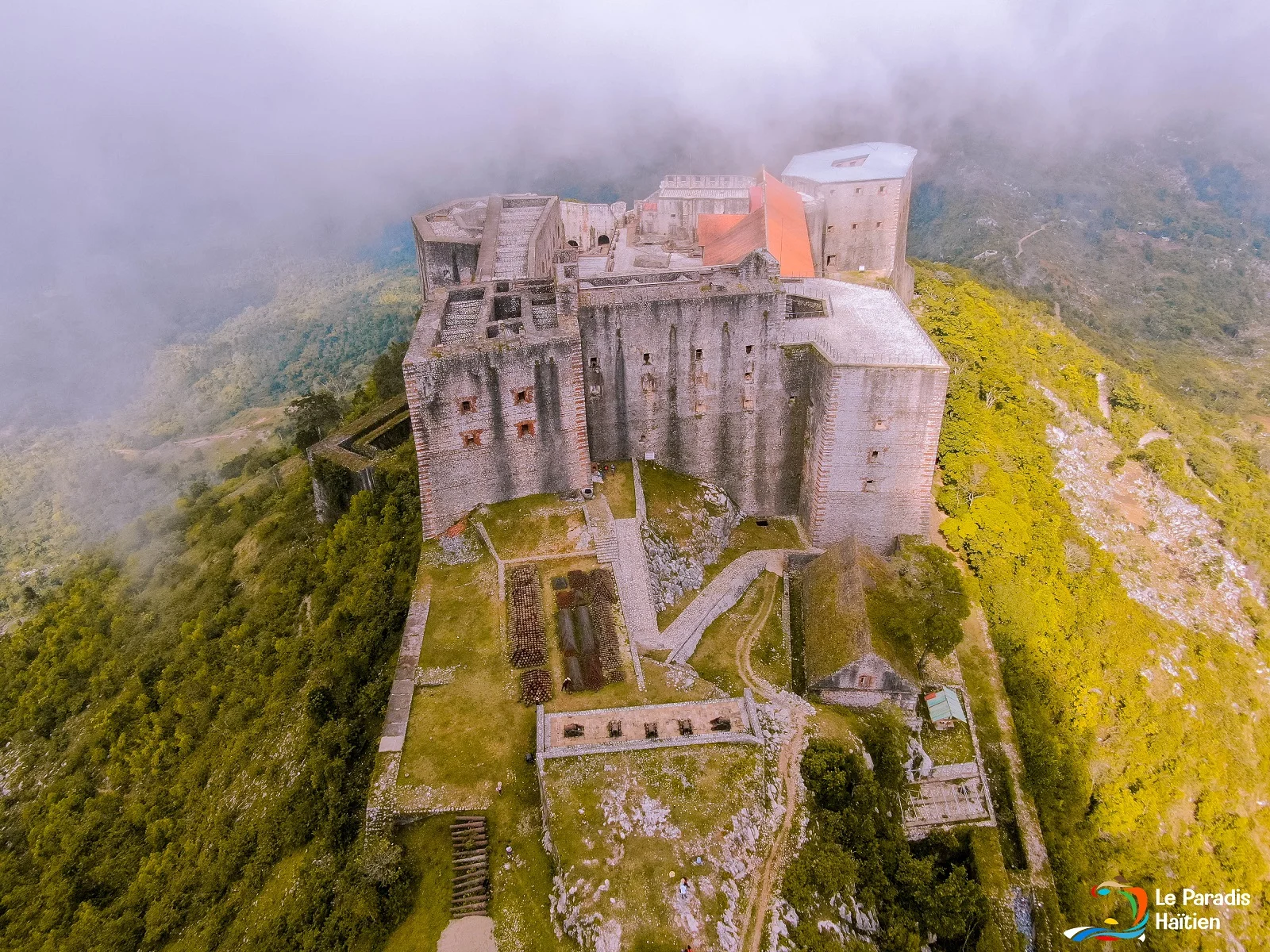
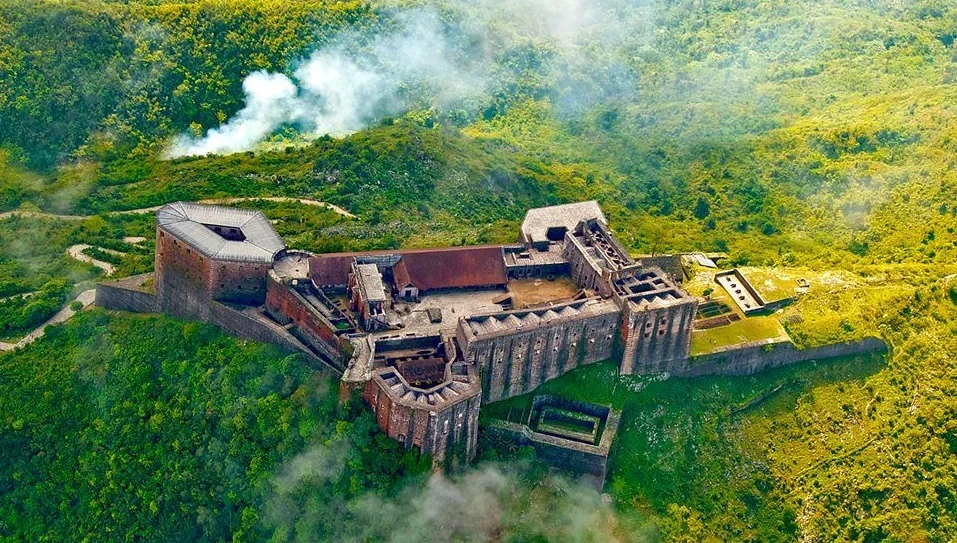
Haïti has a rich historical heritage, including sites like the Citadelle Laferrière and the Sans-Souci Palace, listed as UNESCO World Heritage Sites.

Culture

Culture

Haïti has a rich and diverse culture, influenced by African, European and indigenous elements. Haitian music, dance, art and cuisine are celebrated around the world.

  • +
    • Post