

Career, Hits, and Influence: Tony Mix, Haiti’s Essential DJ
Discover the career, hits, and influence of Tony Mix, Haiti's essential DJ who rocks the national and international music scene.

Haiti, a country rich in history and culture, is divided into several administrative departments that structure its territory and reflect its geographical and cultural diversity. Each department has unique characteristics, contributing to the wealth of the nation. Discover the 10 departments of Haiti, their characteristics, and their role in the life of the country.
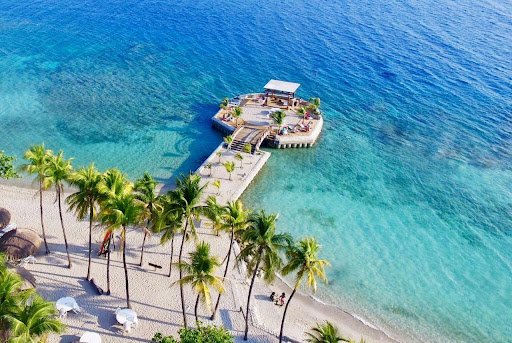
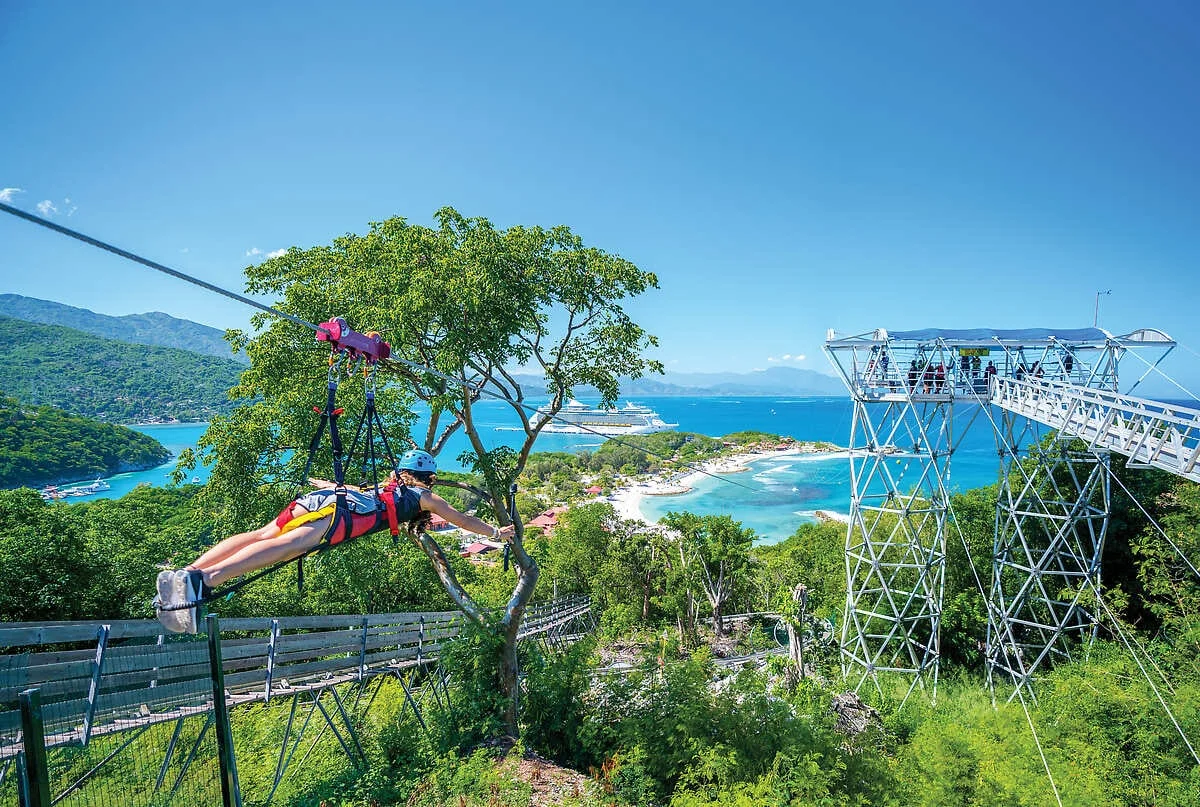
Haiti, often recognized for its rich history, vibrant culture and mountainous landscape, is also blessed with a stunning coastline lined with picturesque beaches. Haitian beach resorts offer a unique experience where white sand meets the crystal clear waters of the Caribbean Sea. These beach destinations are emerging as hidden gems, ready to be discovered by travelers hungry for sun and adventure. A Rich and Cultural History Haiti’s resorts don’t just offer breathtaking scenery; they are also steeped in rich history and culture. Visitors can explore historic sites such as the Citadelle Laferrière, a majestic fortress built in the early 19th century, or the Palais Sans-Souci, a former royal residence dating back to the colonial era. Additionally, Haitian music, dance and cuisine bring a lively and colorful touch to the seaside experience, giving visitors an authentic insight into local culture. Heavenly Beaches Haiti’s beaches are some of the most beautiful in the Caribbean, offering miles of pristine white sand bordered by sparkling turquoise waters. Destinations such as Jacmel, Labadee and Île-à-Vache offer tranquil retreats where visitors can relax in the tropical sun or indulge in a host of water activities, such as snorkeling, sailing and boating. kayak. Whether you’re looking for excitement or tranquility, Haiti’s beaches offer something for everyone. An Emerging Ecotourism Haïti is also becoming a popular destination for ecotourism enthusiasts. With its unique biodiversity and unspoilt landscapes, the country offers unique opportunities for bird watching, jungle hiking and discovering spectacular natural sites such as the Saut-d’Eau waterfalls and caves. Environmentally conscious travelers will find in Haïti a perfect balance between adventure and nature conservation. Haiti’s resorts offer much more than spectacular beaches. They offer immersion in a vibrant culture, fascinating history and preserved nature. By choosing to visit Haiti, travelers have the opportunity to discover a jewel of the Caribbean, while contributing to the economic development and well-being of this extraordinary country.
On March 23, 2024, in an atmosphere full of emotion and reflection, the Alliance française de Jacmel witnessed a unique cultural event of its kind. In collaboration with the Jacmel Jazz Festival, Plume en Quête presented a captivating show entitled “The Haitian woman is an asset”. Under the artistic direction of Jean Kenia, this captivating show drew on the provocative writings of the famous philosopher Simone de Beauvoir. Through striking artistic performances, the audience was transported on an introspective journey about the central role of women in Haitian society. The spectators, who came in large numbers to witness this event, were deeply touched by the evocative power of the show. “It was an incredible experience,” said one spectator. “This show captured the strength and resilience of Haitian women in a striking way.” Beyond its artistic aspect, this show also raised important questions about gender equality and women’s empowerment. By highlighting the essential contribution of Haitian women to society, he called for collective reflection on the need to promote social justice and gender equality. In short, this evening at the Alliance Française was much more than just entertainment: it was a vibrant testimony to the strength, resilience and beauty of Haitian women, as well as a call to action in favor of a fairer and more equitable future for all.
Haiti, a jewel nestled in the heart of the Caribbean, stands out for its cultural, natural and historical wealth. This vibrant nation is divided into 10 departments, each offering unique treasures to discover. Originally formed from the three provinces of the colony of Santo Domingo (North, South and West), these departments have evolved over the years, subdividing into a mosaic of dynamic and distinct regions. Today, Haïti is organized into 42 districts, 146 communes and 575 communal sections. These subdivisions reflect a geographic and cultural diversity that is worth exploring. Ready for a captivating journey through the 10 departments of Haiti? We take you on an exciting exploration of their districts, towns and cities that make them up. Hang in there, the adventure starts here!
Haiti, a land rich in history and culture, has had several names over the centuries, each reflecting a significant period in its evolution. These names reveal the changing identity of the island, from pre-Columbian times to today. Let’s discover together the different names that this emblematic territory has had and their meaning.
We are all familiar with the words of this song: "Caonabo fut mis en prison à Isabella et quelques mois plus tard embarqué pour l’Espagne, il disparut en mer avec le bateau qui le portait...". But do you know the story of CAONABO, the first to defend the island?
In 2025, the name Jephte Estiverne echoes ever louder in the Haitian literary world. A poet, linguist, and trained sports journalist, this young author with a meteoric rise, originally from Carrefour-Feuilles, is establishing himself as one of the most promising voices of his generation. Through personal insights and reflections, he shares his journey, his relationship with writing, his vision of the country, literature, and poetic commitment.
On January 25, 2025, the Banj headquarters, in Delmas 64, vibrated to the rhythm of the 3rd Young Activists Summit, an event organized by Rivalpromo509. More than 200 passionate and determined young people gathered to discuss the theme: "Political and technological exploration for a connected youth"
Time management in Haïti follows a practice shared by several countries: daylight saving time. Adopted for several decades, daylight saving time consists of moving the clocks forward by one hour for part of the year in order to maximize the use of daylight. This article explores how and why this measure is applied in Haiti, as well as its impact on the daily lives of Haitians.
On Monday, April 28, 2025, UNESCO, represented by Mr. Éric Voli Bi, Director for Haiti, the Haïti Jazz Foundation, represented by Ms. Milena Sandler, Executive Director, and Mr. Joel Widmaier, Artistic Director of PAP Jazz, along with the Ministry of Culture and Communication, represented by Ms. Stéphanie Saint-Louis, Director of Cultural Affairs at the MCC, held a press conference at UNESCO’s office on Rue Geffrard in Pétion-Ville. During the event, they announced their alliance to promote Kreyol Jazz.
With the arrival of Christopher Columbus in Haïti in 1492, life on this small piece of peaceful territory would radically change into the most sinister chaos. Experiencing a major dive into crime, and the darkest barbarity, known as slavery. The arrival of black people captured in Africa, violently crossing the Atlantic to end up on Haitian soil, is part of this tragic story. The Amerindians (the first inhabitants of Haiti) having suffered a large-scale genocide, under the weight of European slavery, were unable to resist and were replaced by these Africans, who centuries later would arrive to put an end to this shameful system, through an unparalleled revolution.
On August 24, 2024, in the heart of the sumptuous Manoir Adriana in Jacmel, Cathiana Désiré, a lawyer and feminist, and Darlin Johancy Michel, a producer and cultural operator, reinvented the Haitian wedding in a dazzling celebration of their roots. While traditional weddings often consist of white dresses and suits, this union was distinguished by its deep respect for Haitian traditions and its emphasis on a captivating spirituality.
Haiti’s bustling streets often echo with the tantalizing murmur of street vendors selling one of the country’s most prized culinary marvels: Fritay. This street feast, with its mouth-watering fried foods, is a true celebration of Haitian cuisine.

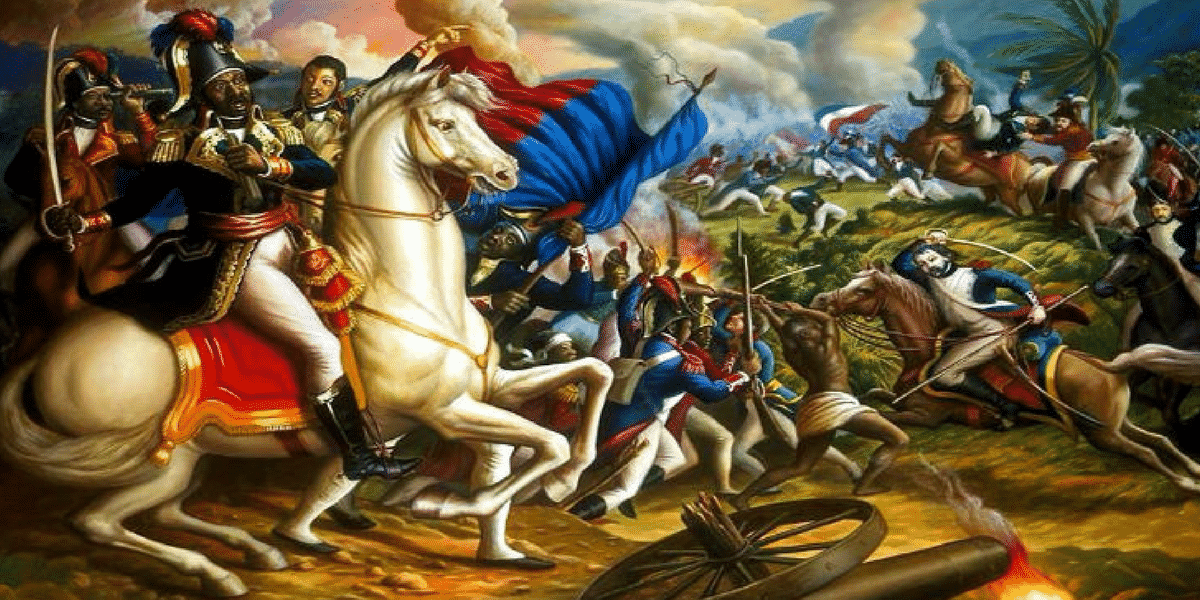
First black nation to free itself from slavery and gain independence from France in 1804 and influenced other liberation movements around the world, inspiring struggles for freedom and equality.

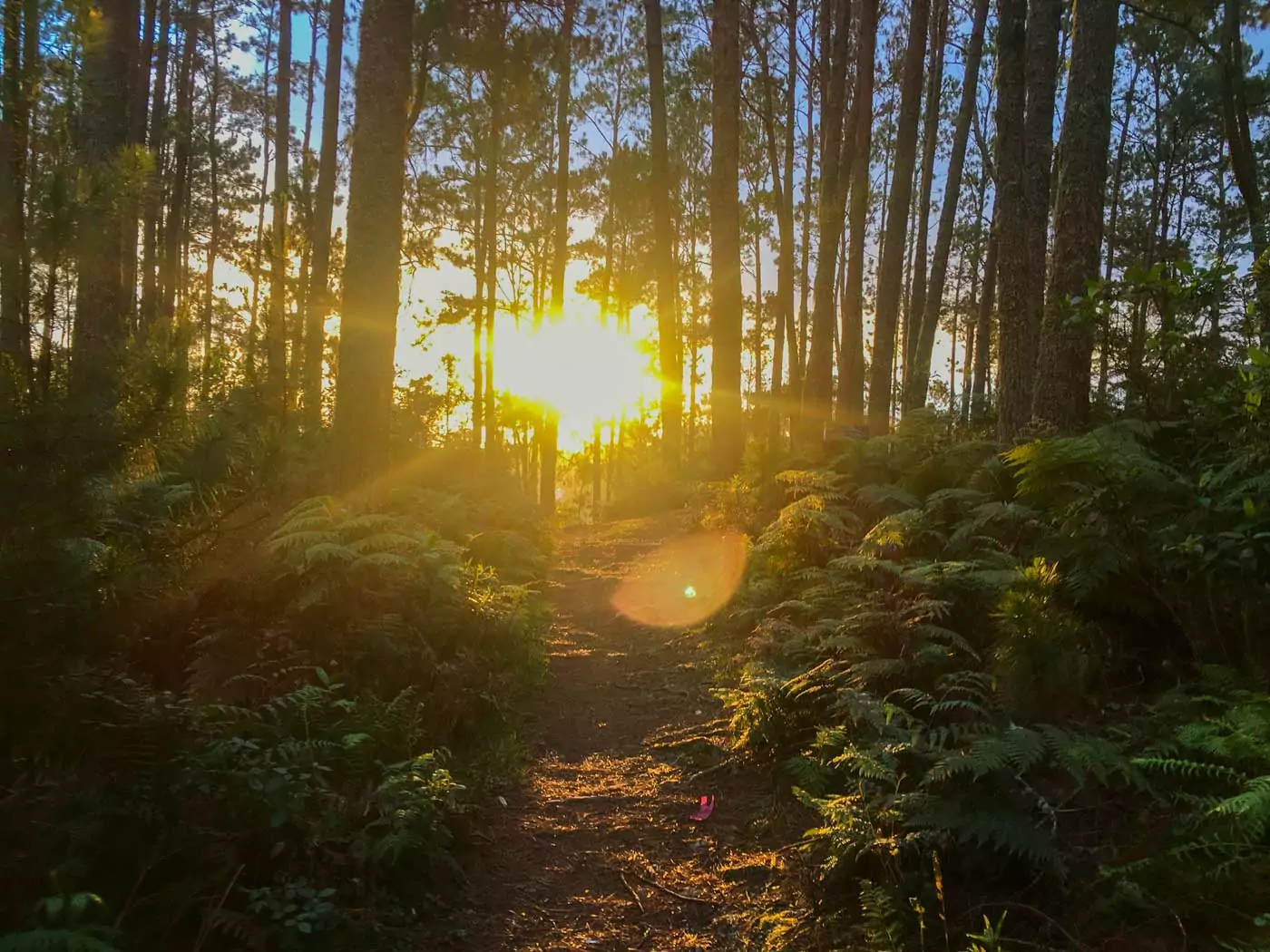
Haïti is blessed with spectacular natural landscapes, including white sand beaches, mountains and rich biodiversity.

Haïti has a rich historical heritage, including sites like the Citadelle Laferrière and the Sans-Souci Palace, listed as UNESCO World Heritage Sites.

Haïti has a rich and diverse culture, influenced by African, European and indigenous elements. Haitian music, dance, art and cuisine are celebrated around the world.