
contact@haitiwonderland.com+509 36184317

Discover

Shopping Cart

Haïti : Citadelle la FerrièreHaïti : Citadelle la Ferrière
Tourism November 21, 2023

Haïti: The Pearl of the Antilles

Located in the Caribbean Sea, Haïti is often nicknamed "The Pearl of the Antilles". This laudatory title not only reflects the beauty of its idyllic beaches, but also the history, culture and natural wealth of this island nation. Throughout the centuries, Haïti has acquired this prestigious reputation for various reasons, which go beyond its picturesque landscapes. b~Natural Beauty:~b Haïti is blessed with an abundance of natural beauty. Its sandy beaches, crystal clear waters, majestic mountains and lush valleys make it a dream destination for travelers from all over the world. Generous nature has endowed Haïti with impressive ecological diversity, which has helped shape its image as the pearl of the Antilles. b~Cultural Wealth:~b Beyond its landscapes, it is the richness of Haïtian culture which contributes to its reputation as a pearl. Haïti has a fascinating history, blending influences from indigenous Taino people, European settlers and African slaves. This cultural fusion gave rise to a unique artistic and musical tradition, embodied in expressions such as voodoo, naive painting and compass music. b~Historical Heritage:~b Haïti has played a central role in the history of the struggle for freedom and equality. In 1804, it became the first independent republic in Latin America and the Caribbean, after a revolution led by freed slaves. This courageous act of independence established Haïti as a symbol of resistance and determination, adding a historic dimension to its status as the pearl of the Antilles. b~Natural Resources~b Haïti is abundant in valuable natural resources, which has contributed to its nickname as the Pearl. Mineral-rich mountains, fertile soils and abundant water reserves have made Haïti a land of opportunity. Haïti, the pearl of the Antilles, is much more than just a tourist destination. It is a country whose natural beauty, cultural richness, historical heritage and natural resources contribute to a unique identity. It remains a jewel in the crown of the Caribbean, reminding the world of the strength and resilience of the Haïtian people.

Par Appolon Guy Alain |
Learn more

Recently Posted

Jean-Jacques Dessalines, leader of the Haitian Revolution

In the annals of the history of Haiti, an island located in the Caribbean at the entrance to the Gulf of Mexico and shared with the Dominican Republic, Jean-Jacques Dessalines emerges like a phoenix from the ashes of oppression. Born a slave on September 20, 1758 in the home of Henri Duclos, in Cormier (Grande-Rivière-du-Nord), in the French colony of Saint-Domingue, Dessalines was a Creole of African (Afro-Caribbean) origin. Freed during the 1794 abolition achieved through slave revolts, actually served as an officer in the French army during the French Revolution. At that time, the ideas of freedom and equality were at the heart of the concerns of the inhabitants of the colonies. Dessalines actively participated in the fighting against the Spanish and British forces, alongside the French, in Santo Domingo. Having risen to the rank of Lieutenant General, Jean-Jacques Dessalines turned against the French during the Leclerc expedition, sent to Saint-Domingue by Bonaparte to reestablish colonial authority and slavery during the Haitian Revolution. After the capture and deportation of Toussaint Louverture to France on June 7, 1802, Dessalines assumed a leading role in continuing the struggle for independence. He led numerous battles, including the battle of Crête-à-Pierrot in March 1802, where he galvanized his soldiers with his famous declaration: “Let those who want to remain slaves of the French leave the fort, let those, on the contrary, who want to die as free men, line up around me.” On January 1, 1804, Jean-Jacques Dessalines achieved the long-awaited goal of independence by proclaiming Haïti as a sovereign nation, becoming the second country in the Americas to gain independence from a colonial power. He became the first leader of the newly formed nation and was named Emperor under the name James I. However, his imperial reign was marked by authoritarian and brutal policies, including the massacre of many white settlers and the redistribution of land to peasants that was in the hands of the generals of the independence army. In addition, he organized the hunt for delinquents in the city while implementing rigorous agrarian policies, considering that they represented a threat to the stability of the nation, these controversial actions caused divisions within Haitian society. Dessalines was assassinated on October 17, 1806 following a plot organized by some of his generals in the Haitian army. His death marked the end of his brief but influential period in power. Despite the controversies surrounding his methods, he is recognized as the main architect of Haiti’s independence and his name was honored in 1903 by being attributed to the Haitian national anthem, La Dessalinienne, composed by Justin Lhérisson.Finally, the great visionary man Jean Jacques Dessalines remains an emblematic figure in the history of Haiti, recognized for his role in the fight for independence and the end of slavery in the region.

Haiti: In the Kingdom of Legends: Le Colombier, Keeper of the Secrets of Belle-Anse

In the heart of the azure waters of the Caribbean Sea, stands majestically the Colombier, an imposing rock mass that defies time and the elements. Located off the picturesque coast of Belle-Anse in southeastern Haiti, the Colombier is more than just a geological formation; it is a symbol of the natural beauty and cultural heritage of the region. Dominating the marine horizon with its imposing silhouette, the Colombier is shrouded in mystery and legends passed down from generation to generation. According to local stories, this rock was formed by the sea gods themselves, testifying to their passage through these crystal clear waters. A legend which adds an aura of fascination to this already enchanting place. But beyond its mythical appearance, the Colombier also offers a breathtaking visual experience. Visitors who venture to this natural wonder are rewarded with breathtaking panoramas: steep cliffs plunging into turquoise waters, isolated coves hemmed with golden sand, and abundant marine flora that enlivens the seabed. Le Colombier is also a refuge for remarkable biodiversity. Its waters are home to a multitude of marine species, from colorful fish to spectacular corals and majestic sea turtles. Scuba diving and snorkeling enthusiasts will find a preserved paradise there, where nature reigns supreme and each immersion is a fascinating exploration. As a tourist spot, Le Colombier offers an unforgettable getaway for travelers looking for adventure and authentic discoveries. Boat excursions from Belle-Anse allow visitors to get up close and personal with this natural wonder, contemplate its spectacular shapes and let themselves be captivated by its captivating beauty. In short, the Colombier embodies the quintessence of Haiti’s natural beauty, a hidden treasure in the heart of the Caribbean Sea. Between its breathtaking landscapes, its cultural heritage rich in legends and its exceptional biodiversity, this maritime jewel fully deserves its reputation as an essential tourist destination. Come discover the Colombier and let yourself be carried away by the magic of this exceptional place.

Recently Posted

History

History

First black nation to free itself from slavery and gain independence from France in 1804 and influenced other liberation movements around the world, inspiring struggles for freedom and equality.

Natural beauty

Natural beauty

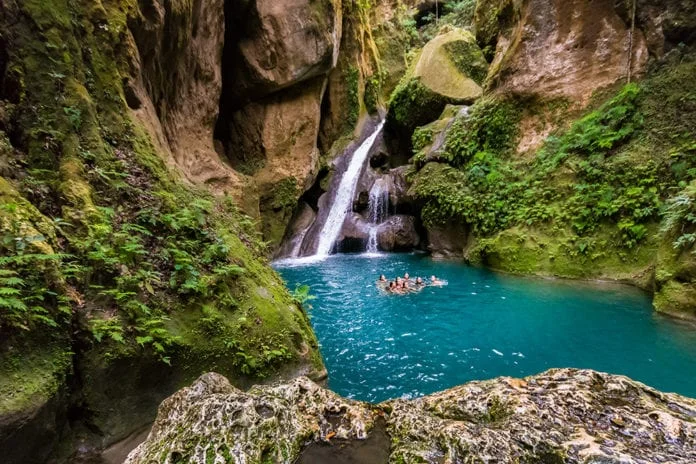
Haïti is blessed with spectacular natural landscapes, including white sand beaches, mountains and rich biodiversity.

Heritage

Heritage

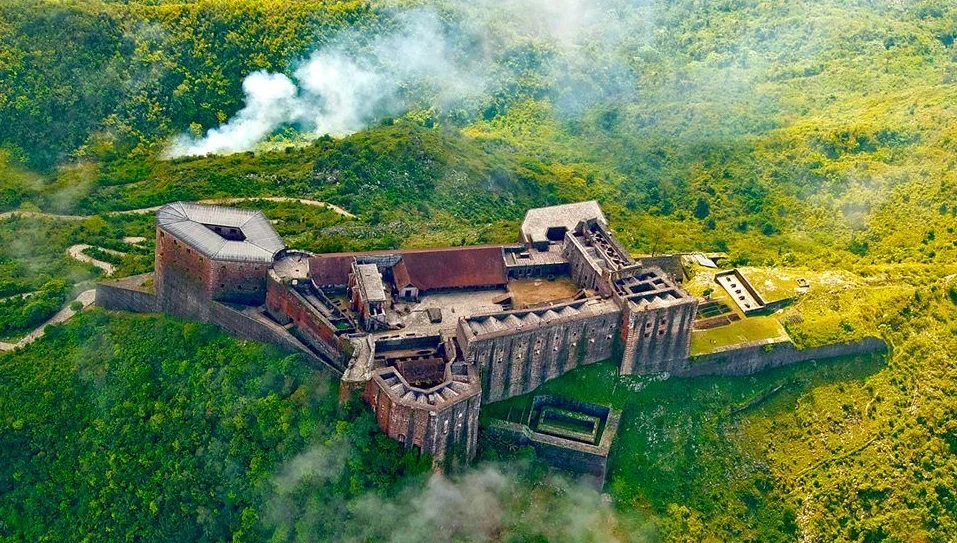
Haïti has a rich historical heritage, including sites like the Citadelle Laferrière and the Sans-Souci Palace, listed as UNESCO World Heritage Sites.

Culture

Culture

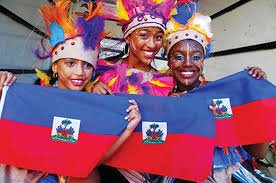
Haïti has a rich and diverse culture, influenced by African, European and indigenous elements. Haitian music, dance, art and cuisine are celebrated around the world.

  • +
    • Post