
Cap-Haïtien: 70 Schoolchildren Learn Programming Thanks to Coding Club Haiti
From Python to JavaScript: How 70 young people from Cap-Haïtien are becoming Haiti's future developers with the NUMECO program.

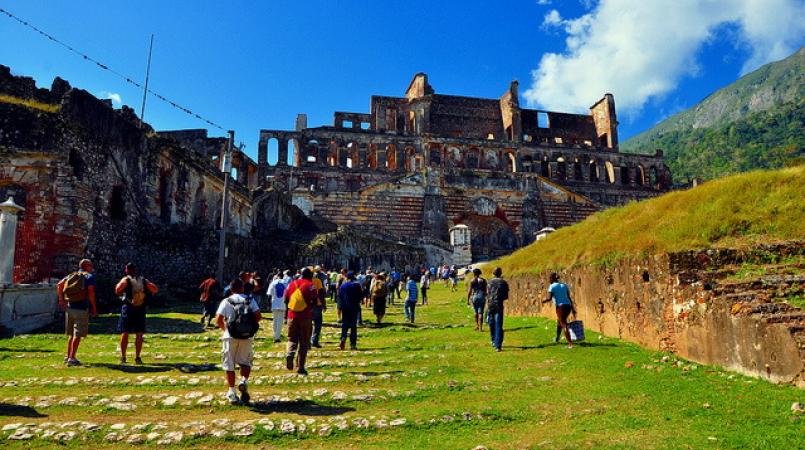
Perched majestically on the verdant mountain peaks of northern Haiti, Citadelle Laferrière stands as an enduring symbol of the resilience and greatness of the Haitian nation. This impressive historical monument is much more than just a stone structure; he embodies the spirit of freedom and pride that animates the Haitian people.
Jennifer EUGÈNE was born in Port-au-Prince on May 1st, 1995. She is an author and lawyer by training, and she skillfully combines her two passions: the defense of human rights and writing. From a young age, she found shelter and refuge in words, offering solace against a world that is often too chaotic and difficult. While other young people of her age shared their lives out loud, she immersed herself in her own universe, that of writing. At the age of fourteen, writing became for her more than just a hobby: it became a means of finding inner peace, overcoming struggles, and understanding herself. It was in this context that she found her true vocation.
Summer in Haiti, which generally runs from June to September, is a time marked by sunny days, high temperatures, and a lively atmosphere. If you’re wondering what this season is like in one of the jewels of the Caribbean, here’s what you need to know about summer in Haiti.
Among the world’s architectural and historical treasures, the Citadelle Laferrière, perched high in the north of Haiti, occupies a unique place. Dubbed by some the “Eighth Wonder of the World,” this colossal fortress is much more than a feat of engineering: it is a powerful symbol of freedom, resilience, and national pride. Discover why this impressive site continues to captivate visitors from around the world and deserves this honorary distinction.
The second edition of the Port-au-Prince Book Fair is scheduled for Friday, December 13, 2024, at the premises of the French Institute in Haiti, from 9 a.m. to 3 p.m. "Politics, dictatorship and literature in Haiti" is the theme chosen for this second edition. "We chose this theme because of the senior authors who should be with us for this edition. These themes are very present through their works," Emmanuel Pacorme, general coordinator of the organization behind the fair, told us. Indeed, this great literary celebration, which is mainly for the benefit of young authors, will be delighted with the presence of three of the greatest contemporary Haitian writers, a reference to the immortals Marc Exavier, Évelyne Trouillot and Dédé Dorcely.
The Jacmel Jazz Festival, one of the most anticipated cultural events of the year in Haiti, returns in force with its 8th edition. Organized by the cultural association of the same name, under the direction of Richecard Cine, founding president, the festival will take place on April 30, 2024 in the picturesque town of Jacmel, known for its rich artistic and cultural heritage.
Cap-Haïtien is preparing to host OKAP Flavors 2025, the unmissable event celebrating Haitian gastronomy, entrepreneurship, and creativity. To get you in the mood for the 2025 edition, relive some of the highlights from last year, which thrilled the entire city.
The map of Haïti is an essential tool for understanding the geography of the country, its political organization, and its different regions. Whether for travelers, researchers, or those interested in the history of Haiti, this map provides crucial information on the location of cities, mountains, coastlines, and borders. This article explores the map of Haiti, its key elements, and what it represents for the Haitian people.
The Haitian Creole language, or Kreyòl Ayisyen, is one of the most remarkable features of Haitian culture. Speaking Creole is not only about communicating, but also about asserting an identity, a heritage, and a history of resilience in the face of adversity. But where does this unique language come from? What is its origin and how did it become a symbol of Haitian culture? Let’s dive into the fascinating history of the Haitian Creole language.
As the summer heat sets in on the island, the town of Cap-Haïtien comes alive and vibrates to the rhythm of the holidays. In the lively streets of this historic city in northern Haiti, a joyful and relaxed atmosphere reigns. Residents take full advantage of the simple pleasures of the summer months. The beaches, like cathedrals of fine sand, welcome devotees in search of sun, relaxation and sparkling waves. The lively terraces become the new places of worship, where we savor culinary delights to the rhythm of hearty laughter. Cap-Haïtien, a historic jewel, stands as a summer paradise, inviting everyone to immerse themselves in the sweetness of life in the tropics.
In Haiti, rice is often preferred to wheat, corn, or other grains. However, today, we’re going to make an exception and enjoy a delicious red bean and wheat dish. To begin, boil the red peas. Meanwhile, heat the oil in a large saucepan over medium heat. Add the onion and garlic, sautéing until golden. Then, stir in the tomato paste and cook for a few minutes, stirring constantly. Next, add the drained red peas, chicken or vegetable broth, salt, and pepper. Mix everything well. Pour the water into the saucepan and bring to a boil. Once the water boils, add the wheat and simmer until tender and the water is absorbed. Finally, reduce the heat and stir occasionally to prevent the mixture from sticking to the bottom of the pan. Once cooked, adjust the seasoning to your taste and serve hot.
Among the world’s architectural and historical treasures, the Citadelle Laferrière, perched high in the north of Haiti, occupies a unique place. Dubbed by some the “Eighth Wonder of the World,” this colossal fortress is much more than a feat of engineering: it is a powerful symbol of freedom, resilience, and national pride. Discover why this impressive site continues to captivate visitors from around the world and deserves this honorary distinction.

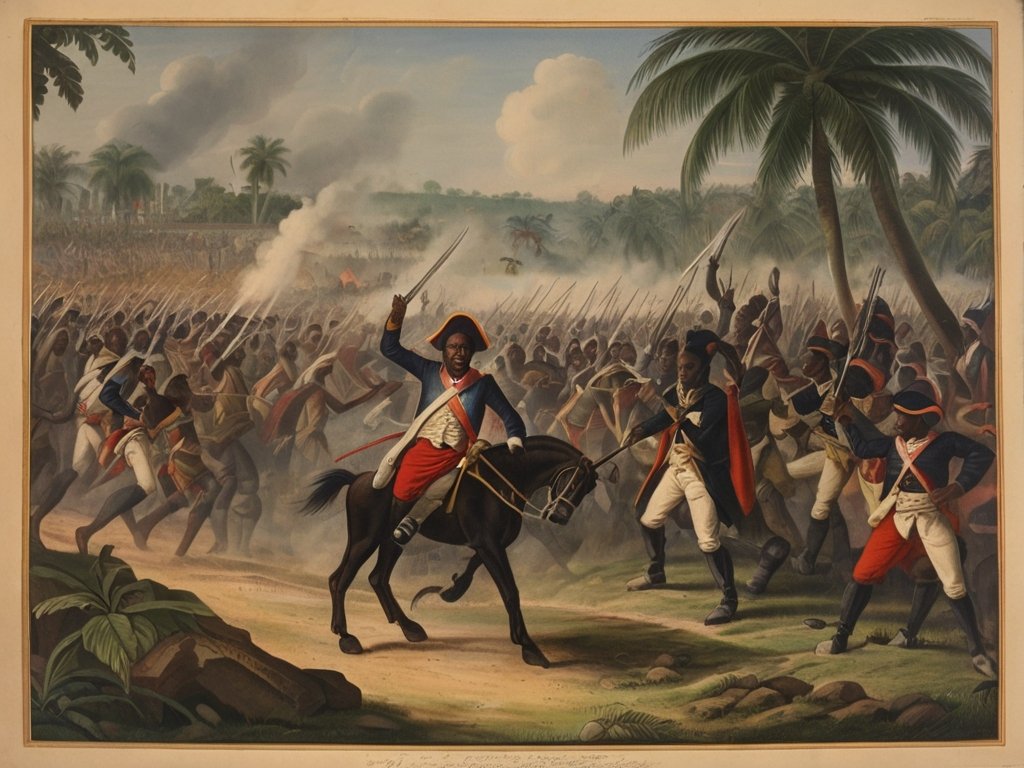
First black nation to free itself from slavery and gain independence from France in 1804 and influenced other liberation movements around the world, inspiring struggles for freedom and equality.

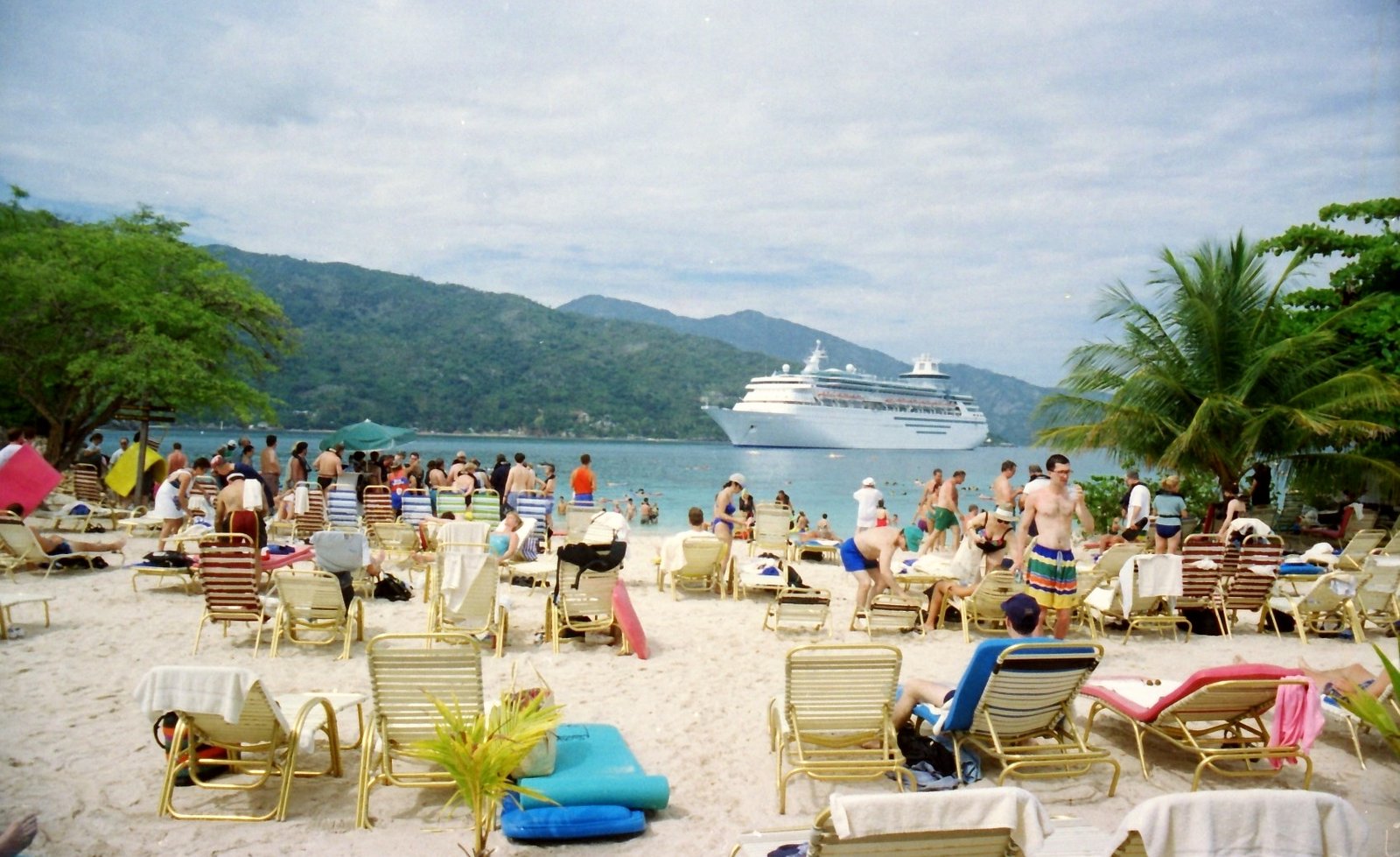
Haïti is blessed with spectacular natural landscapes, including white sand beaches, mountains and rich biodiversity.

Haïti has a rich historical heritage, including sites like the Citadelle Laferrière and the Sans-Souci Palace, listed as UNESCO World Heritage Sites.

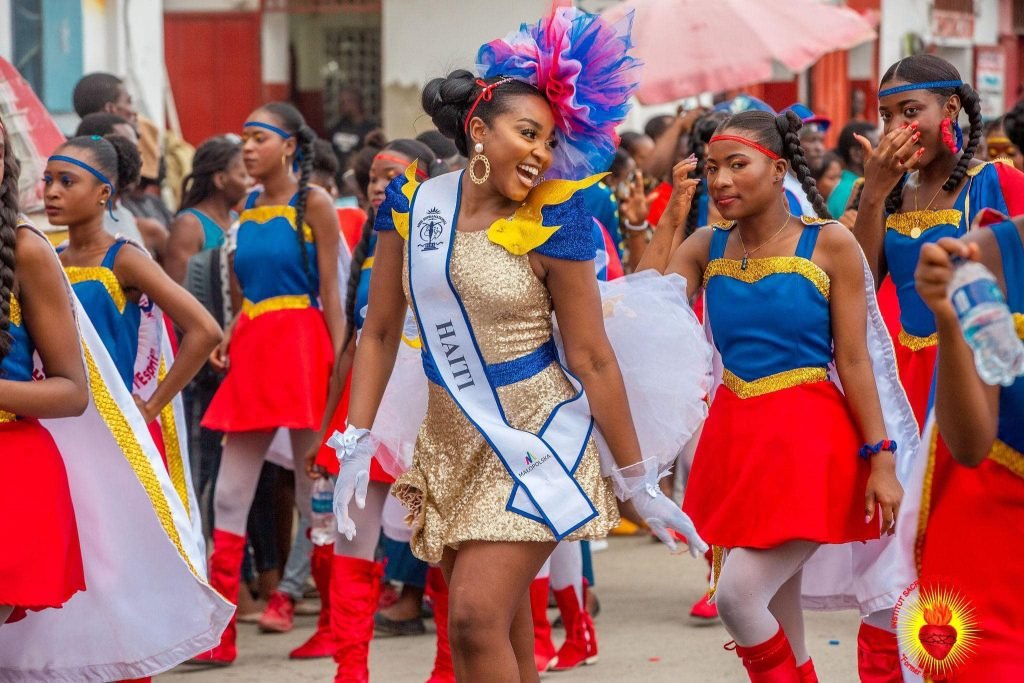
Haïti has a rich and diverse culture, influenced by African, European and indigenous elements. Haitian music, dance, art and cuisine are celebrated around the world.