contact@haitiwonderland.com+509 36184317

Discover

Shopping Cart

Haiti’s Citadelle Laferrière: Eighth Wonder of the World?

Haiti’s Citadelle Laferrière: Eighth Wonder of the World?

Among the world’s architectural and historical treasures, the Citadelle Laferrière, perched high in the north of Haiti, occupies a unique place. Dubbed by some the “Eighth Wonder of the World,” this colossal fortress is much more than a feat of engineering: it is a powerful symbol of freedom, resilience, and national pride. Discover why this impressive site continues to captivate visitors from around the world and deserves this honorary distinction.

Haïti
Haïti
Haïti

A Monument Born of the Struggle for Freedom

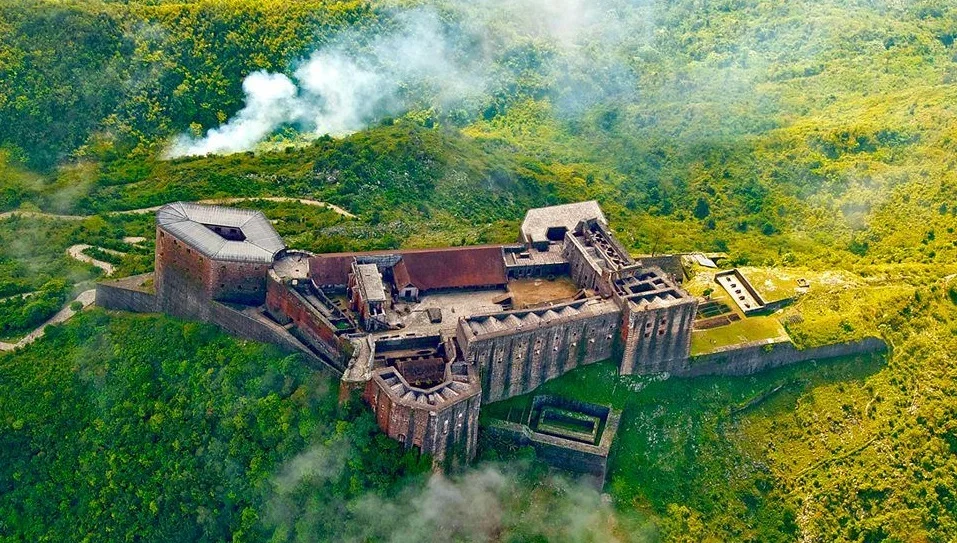
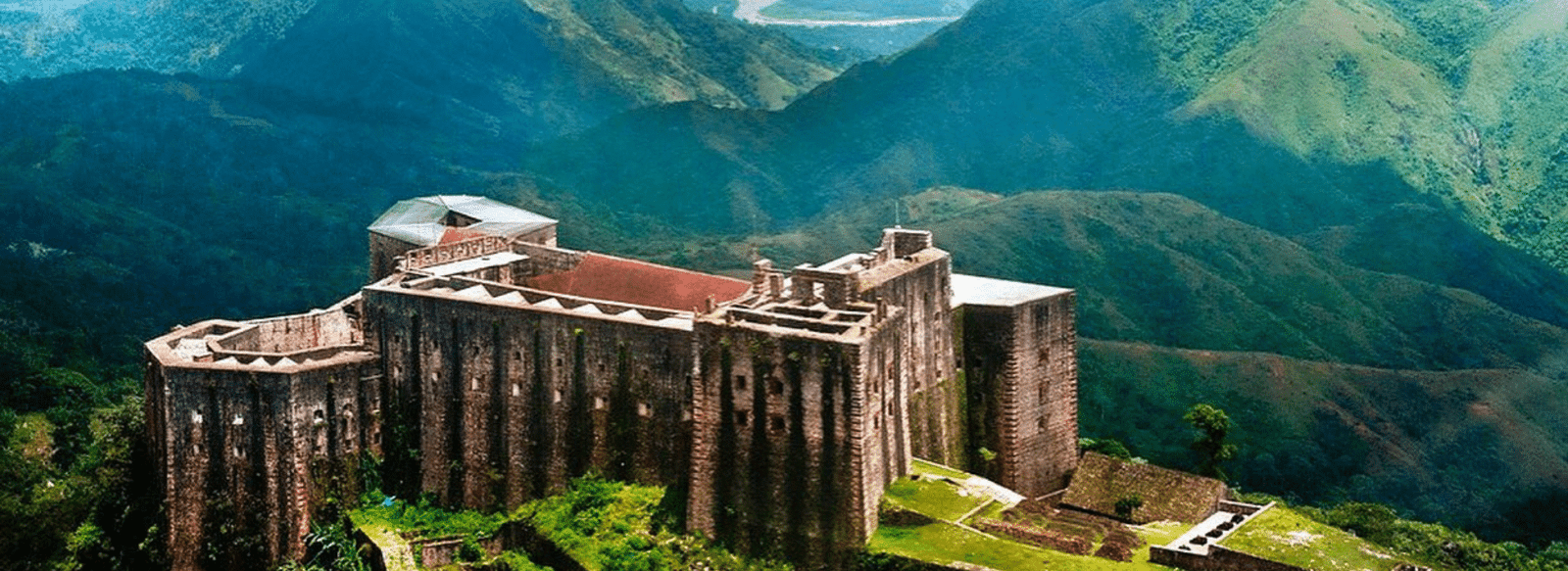
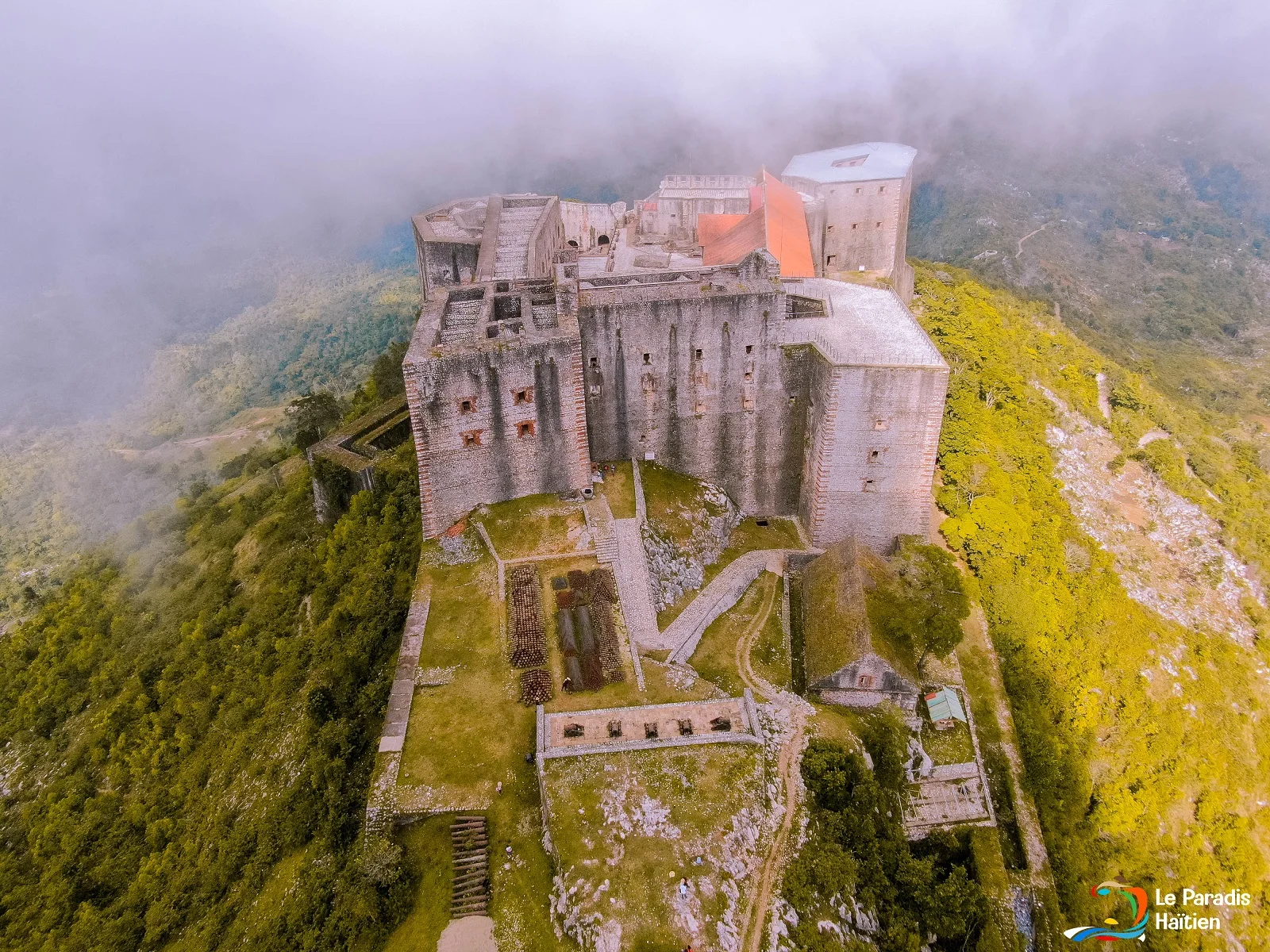
After Haïti gained independence in 1804, acquired through fierce struggles against the French colonial army, King Henri Christophe ordered the construction of the Citadelle Laferrière to protect the young nation from possible attempts at reconquest. Built between 1805 and 1820, this imposing fortress dominates the surrounding plains at an altitude of nearly 900 meters, offering a strategic view of the entire north of Haïti and, on a clear day, all the way to the Cuban coast.

With massive walls sometimes reaching 40 meters high, the Citadel was designed to withstand the most violent bombardments. Its capacity to accommodate up to 5,000 soldiers, combined with its reserves of food, water and ammunition, made it an impregnable refuge.

Haïti
Haïti
Haïti

Impressive dimensions

Ranked among the largest fortresses in the world, the Citadelle Laferrière covers an area of ​​10,000 square meters. Here are some key figures that illustrate its scale:
- 365 cannons of various sizes, from different Napoleonic battles, are stored there. - Tons of cannonballs, perfectly stacked, bear witness to the meticulous preparation for defense.
- More than 20,000 workers participated in its construction, using local materials transported by man and mule.

Its robust and imposing design makes it a masterpiece of military architecture.

Haïti
Haïti
Haïti

A UNESCO World Heritage Site

In 1982, the Citadelle Laferrière was inscribed on the UNESCO World Heritage List in recognition of its historical and cultural importance. It is part of the National Historical Park, alongside the Sans Souci Palace and other remains from the era of Henri Christophe.

This classification highlights not only its role as a symbol of freedom for Haiti, but also its impact on universal history as a testimony to the first free black nation in the world.

Haïti
Haïti
Haïti

Why the "Eighth Wonder of the World"?

The nickname "Eighth Wonder of the World" given to the Citadelle Laferrière is not official, but it reflects the admiration it inspires in those who visit it. This title evokes:
- Its architectural ingenuity: Few fortresses in the world combine such size, strategic design and resistance to the natural elements.
- Its historical role: It embodies the spirit of struggle and independence of a people who defied the colonial powers of the time.
- Its majestic beauty: Nestled atop a mountain, the Citadel offers a spectacular panoramic view of the surrounding valleys and the Atlantic Ocean.

Haïti
Haïti
Haïti

A world-renowned tourist attraction

Every year, thousands of local and international tourists visit the Citadelle Laferrière. It is often the highlight of their trip to Haiti.

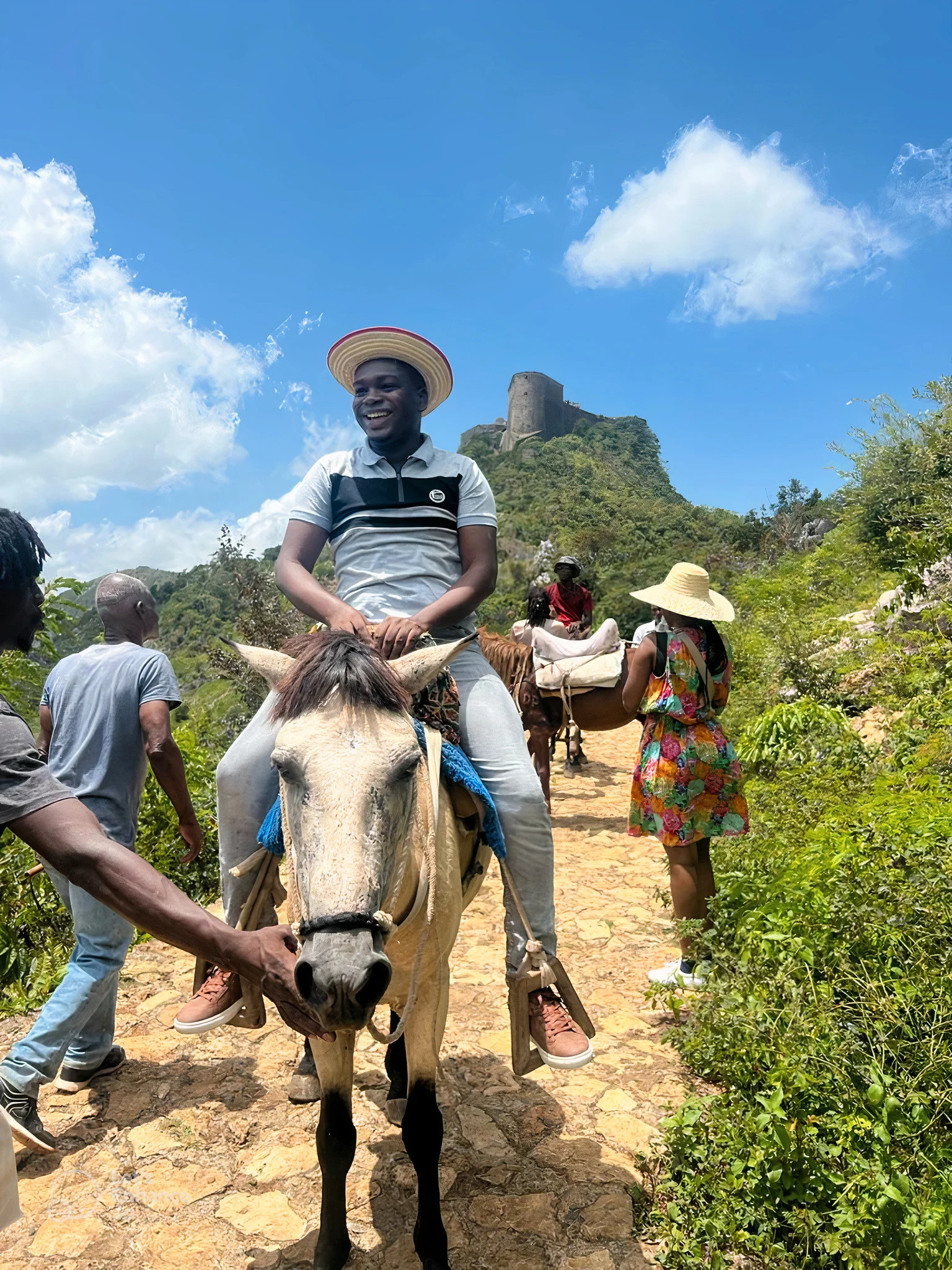
Access to the Citadel is by hiking or horseback riding, adding an adventurous dimension to the experience. Once at the top, visitors are rewarded with a breathtaking spectacle and a deep insight into Haiti’s heroic history.

Some key facts about the Citadel

- Strategic position: It overlooks the northern plains, offering a clear view of possible enemy approaches.
- Symbolic construction: The fortress was built to represent freedom, even though it has never been attacked.
- An intact masterpiece: After more than two centuries, it remains in excellent condition and continues to fascinate with its solidity.

A symbol of resilience for future generations

The Citadelle Laferrière is not only a historical monument, but also a source of inspiration for Haitians and the world. It is a reminder of the price of freedom and the importance of preserving one’s heritage.

If you haven’t had the opportunity to visit the Citadel yet, it deserves to be at the top of your list of destinations. Come discover this wonder, share your experience and, why not, contribute to making Haïti shine on the world stage.

And you, what do you think of this "Eighth Wonder of the World"? Do you have any anecdotes or memories to share? Do so in the comments!

Share
About the Author
Appolon Guy Alain
Appolon Guy Alain
Appolon Guy Alain

Full Stack Developer, Créatif, expérimenté, passionné des nouvelles technologies et de l’art.

See other articles from Appolon Guy Alain
KEMIH SANROAH

Je suis en Afrique de l'ouest dans la republique soeur de Haití et je veux connaitre plus sur la 8eme merveille svp
Merci

August 04, 2025 - 01:33:02 PM
Leave a comment

Recently Posted

The Haïtian Compas: A Musical and Cultural Journey

Music has always been an essential part of Haïtian culture, and among the many genres that have emerged from this Caribbean island, Compas holds a special place. It is a musical style that carries with it the history, cultural diversity and vibrant energy of Haïti. b~Origins and Evolution~b The Compas Haïtien, also known as Kompa, has deep roots in Haïtian and African musical traditions. Its development was influenced by genres such as Dominican merengue, Cuban salsa, jazz and even rock. This fusion of styles has resulted in a distinctive sound that embodies the cultural richness and diversity of Haïti. The Haïtian Compass has evolved over the decades, moving from a more traditional style to more modern and sophisticated forms. Iconic artists such as Nemours Jean-Baptiste and Tabou Combo helped shape the genre and propel it onto the international music scene. b~The Characteristics of the Compass~b Le Compas Haïtien is characterized by its intoxicating rhythm and complex arrangements. Traditional instruments such as guitar, saxophone, drums, and of course, bass, play a crucial role in creating this catchy music. The lyrics, often sung in Haïtian Creole, address varied themes, from love and joy to social and political issues. Dance is an inseparable component of the Haïtian Compass. The irresistible rhythms encourage the dancers to sway to the music. Traditional dance moves, such as "Kompa Direk" and "Kompa Love," reflect the joyful expression and sensuality that characterize this musical genre. b~Global Influence~b Over the years, the Haïtian Compas has transcended the borders of Haïti to conquer the international stages. Haïtian artists helped popularize the genre around the world, bringing with them the warmth and vitality of Haïtian culture. Music festivals dedicated to Compas attract fans from around the world, providing an immersive experience of this catchy music. The Haïtian Compass is much more than a musical genre; it is a standard bearer of Haïtian culture, a mirror reflecting the history, diversity and resilience of the Haïtian people. Discovering the Haïtian Compas means diving into a world of captivating rhythms, passionate dances and captivating stories, while celebrating Haïti’s unique musical heritage. Whether you are a world music lover or simply curious about new experiences, the Compas Haïtien is an invitation to an unforgettable sound journey.

Haïti: The Pearl of the Antilles

Located in the Caribbean Sea, Haïti is often nicknamed "The Pearl of the Antilles". This laudatory title not only reflects the beauty of its idyllic beaches, but also the history, culture and natural wealth of this island nation. Throughout the centuries, Haïti has acquired this prestigious reputation for various reasons, which go beyond its picturesque landscapes. b~Natural Beauty:~b Haïti is blessed with an abundance of natural beauty. Its sandy beaches, crystal clear waters, majestic mountains and lush valleys make it a dream destination for travelers from all over the world. Generous nature has endowed Haïti with impressive ecological diversity, which has helped shape its image as the pearl of the Antilles. b~Cultural Wealth:~b Beyond its landscapes, it is the richness of Haïtian culture which contributes to its reputation as a pearl. Haïti has a fascinating history, blending influences from indigenous Taino people, European settlers and African slaves. This cultural fusion gave rise to a unique artistic and musical tradition, embodied in expressions such as voodoo, naive painting and compass music. b~Historical Heritage:~b Haïti has played a central role in the history of the struggle for freedom and equality. In 1804, it became the first independent republic in Latin America and the Caribbean, after a revolution led by freed slaves. This courageous act of independence established Haïti as a symbol of resistance and determination, adding a historic dimension to its status as the pearl of the Antilles. b~Natural Resources~b Haïti is abundant in valuable natural resources, which has contributed to its nickname as the Pearl. Mineral-rich mountains, fertile soils and abundant water reserves have made Haïti a land of opportunity. Haïti, the pearl of the Antilles, is much more than just a tourist destination. It is a country whose natural beauty, cultural richness, historical heritage and natural resources contribute to a unique identity. It remains a jewel in the crown of the Caribbean, reminding the world of the strength and resilience of the Haïtian people.

Newsletter

Subscribe to our newsletter to stay informed of all our activities and news on Haiti.

Bassin Bleu in Jacmel: The Ultimate Natural Retreat in Southeast Haiti

Nestled in the picturesque coastal town of Jacmel, in southeastern Haiti, Bassin Bleu is a true haven of tranquility in the heart of nature. Its crystal-clear blue waters and imposing rock formations make it a breathtakingly beautiful site, attracting travelers from around the world in search of escape and discovery. The sparkling turquoise waters of Bassin Bleu offer a feast for the eyes, inviting visitors to relax and rejuvenate in this idyllic setting. Whether swimming in its refreshing waters or lounging on its lush green banks, this natural oasis provides a welcome escape from the hustle and bustle of daily life. Surrounded by lush tropical vegetation, Bassin Bleu is home to exceptional biodiversity, with a multitude of unique plants and animals to discover. Hiking enthusiasts can venture along winding trails that meander through the surrounding forest, offering spectacular views of this pristine landscape. As a tourist destination, Bassin Bleu also offers economic development opportunities for local communities. By promoting sustainable tourism, it contributes to job creation, infrastructure development, and the promotion of local culture. Moreover, by raising awareness among visitors about the importance of preserving this fragile natural environment, tourism plays an essential role in its long-term conservation. Bassin Bleu in Jacmel is much more than just a tourist attraction: it is a true natural treasure to be preserved and appreciated. With its stunning natural beauty, remarkable biodiversity, and sustainable development opportunities, this magical place offers an authentic experience for travelers seeking moments of tranquility in the heart of nature.

Recently Posted

History

History

First black nation to free itself from slavery and gain independence from France in 1804 and influenced other liberation movements around the world, inspiring struggles for freedom and equality.

Natural beauty

Natural beauty

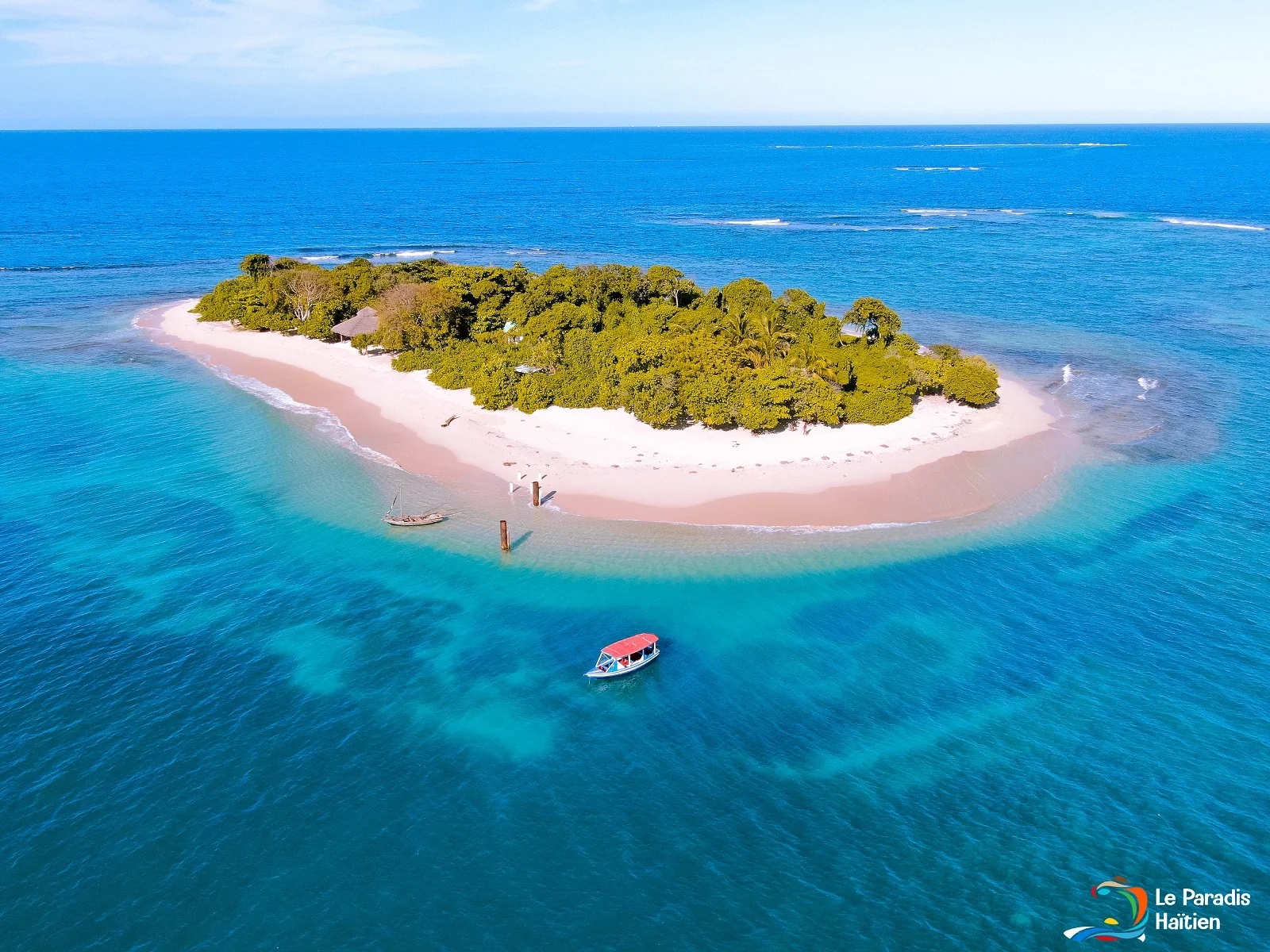
Haïti is blessed with spectacular natural landscapes, including white sand beaches, mountains and rich biodiversity.

Heritage

Heritage

Haïti has a rich historical heritage, including sites like the Citadelle Laferrière and the Sans-Souci Palace, listed as UNESCO World Heritage Sites.

Culture

Culture

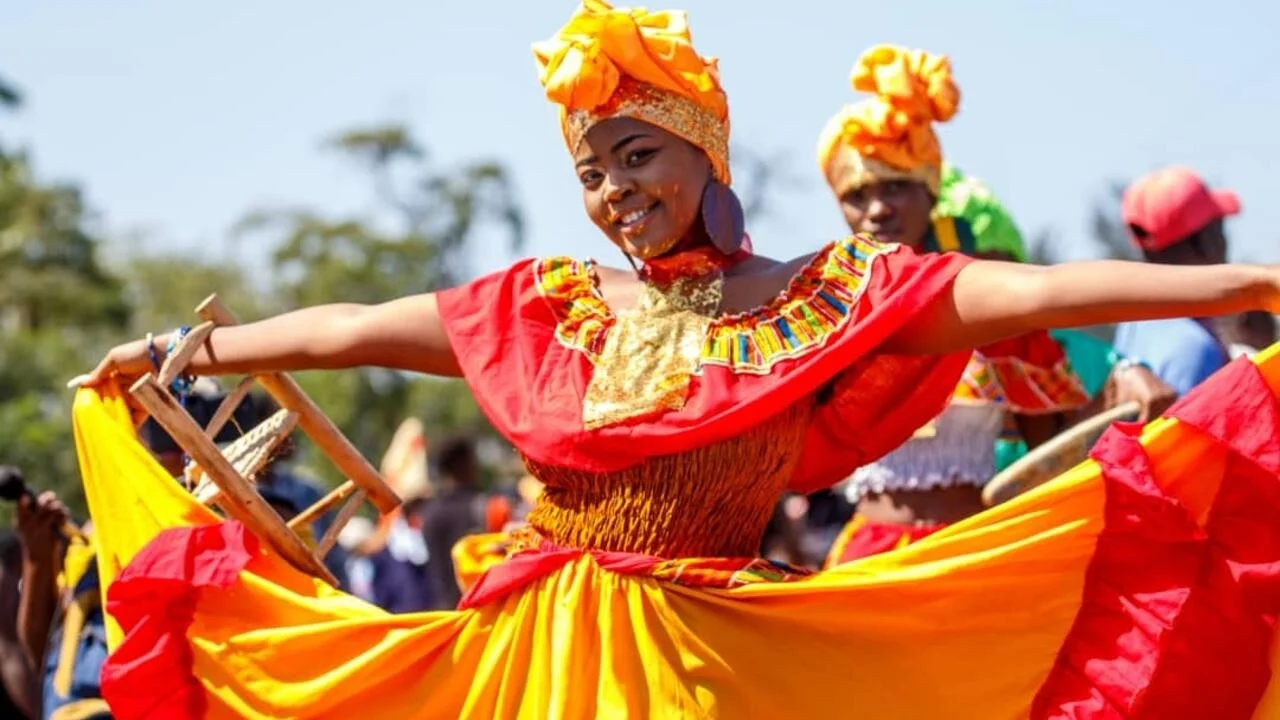
Haïti has a rich and diverse culture, influenced by African, European and indigenous elements. Haitian music, dance, art and cuisine are celebrated around the world.

  • +
    • Post