

Spectacular Nature: Hidden Wonders to Discover
Haïti is home to an incredible diversity of landscapes, which will enchant nature and adventure lovers.
When we talk about the Caribbean, images of white sand beaches, turquoise waters and luxurious resorts often come to mind. But Haïti offers much more than a classic postcard. With its fascinating history, vibrant culture and breathtaking natural landscapes, Haïti stands out as a unique destination. Whether you are a culture vulture, nature enthusiast or curious foodie, Haïti is a treasure trove to explore. Discover why this country deserves a top spot on your travel list.
Read the article in :
Haïti is home to an incredible diversity of landscapes, which will enchant nature and adventure lovers.

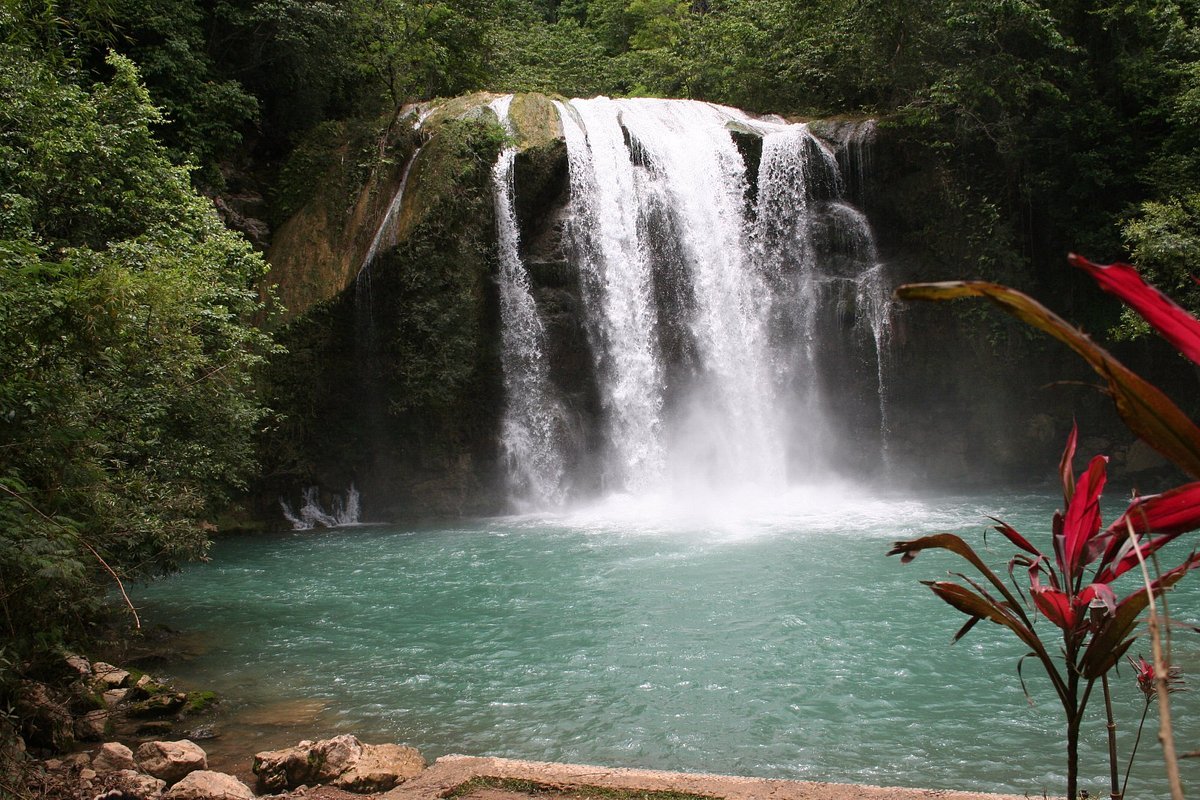
La Visite National Park and Macaya Park offer unforgettable hikes in the heart of Haitian biodiversity. With its mountain peaks, tropical forests and waterfalls, Haïti is a dream for hikers and nature photographers.

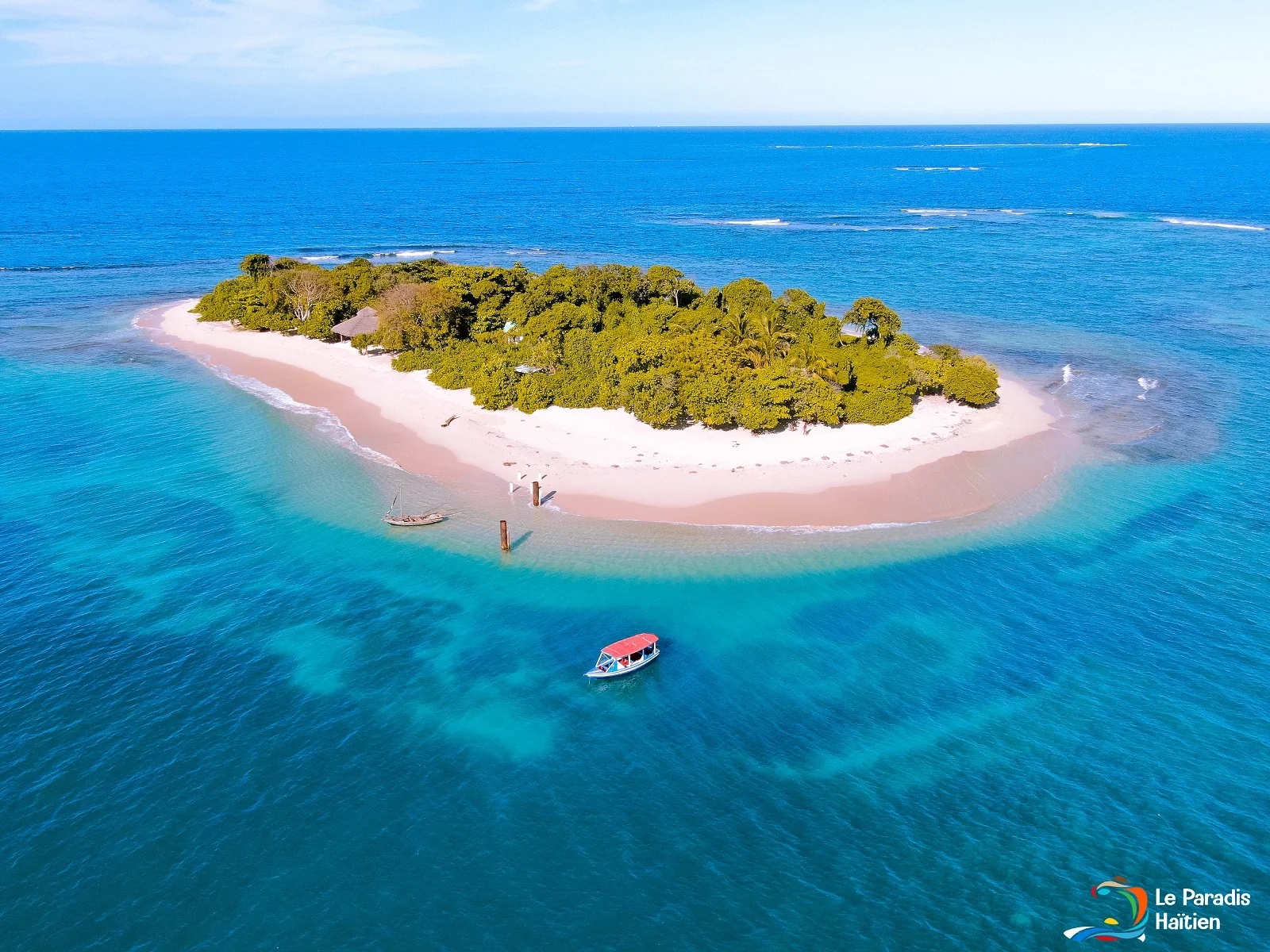
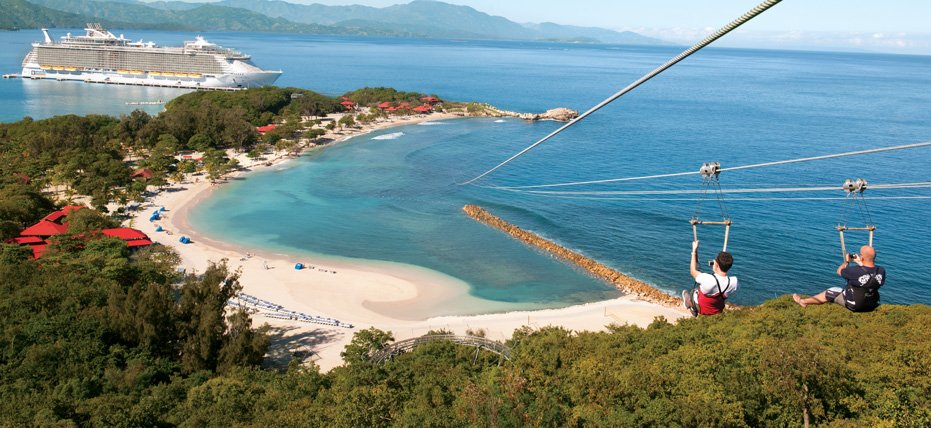
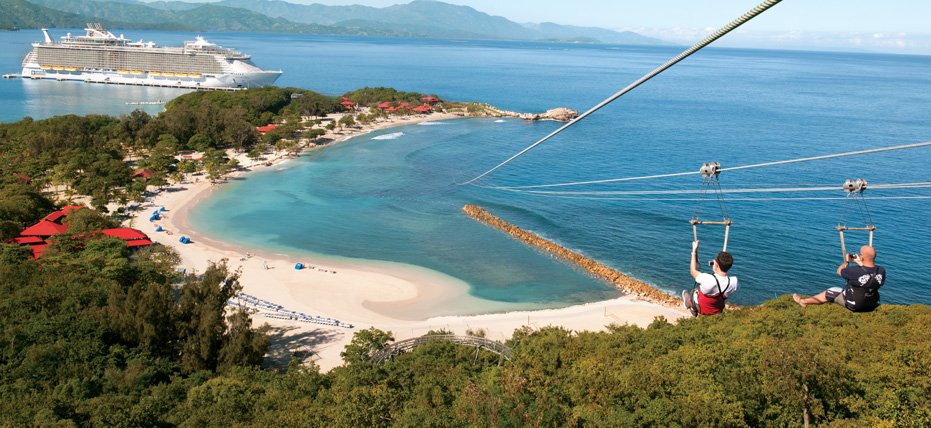
Haïti has beaches worthy of the most beautiful seaside destinations. Labadee and Cormier Plage are perfect places to enjoy a sunny day. Gonâve Island and Île-à-Vache are also ideal spots to escape far from it all.

The Marie Jeanne cave and the Saut-Mathurine waterfalls fascinate adventurers and add a touch of mystery to the exploration of the country.

Haïti is the first black country to have conquered its independence in 1804, an event that marked world history.

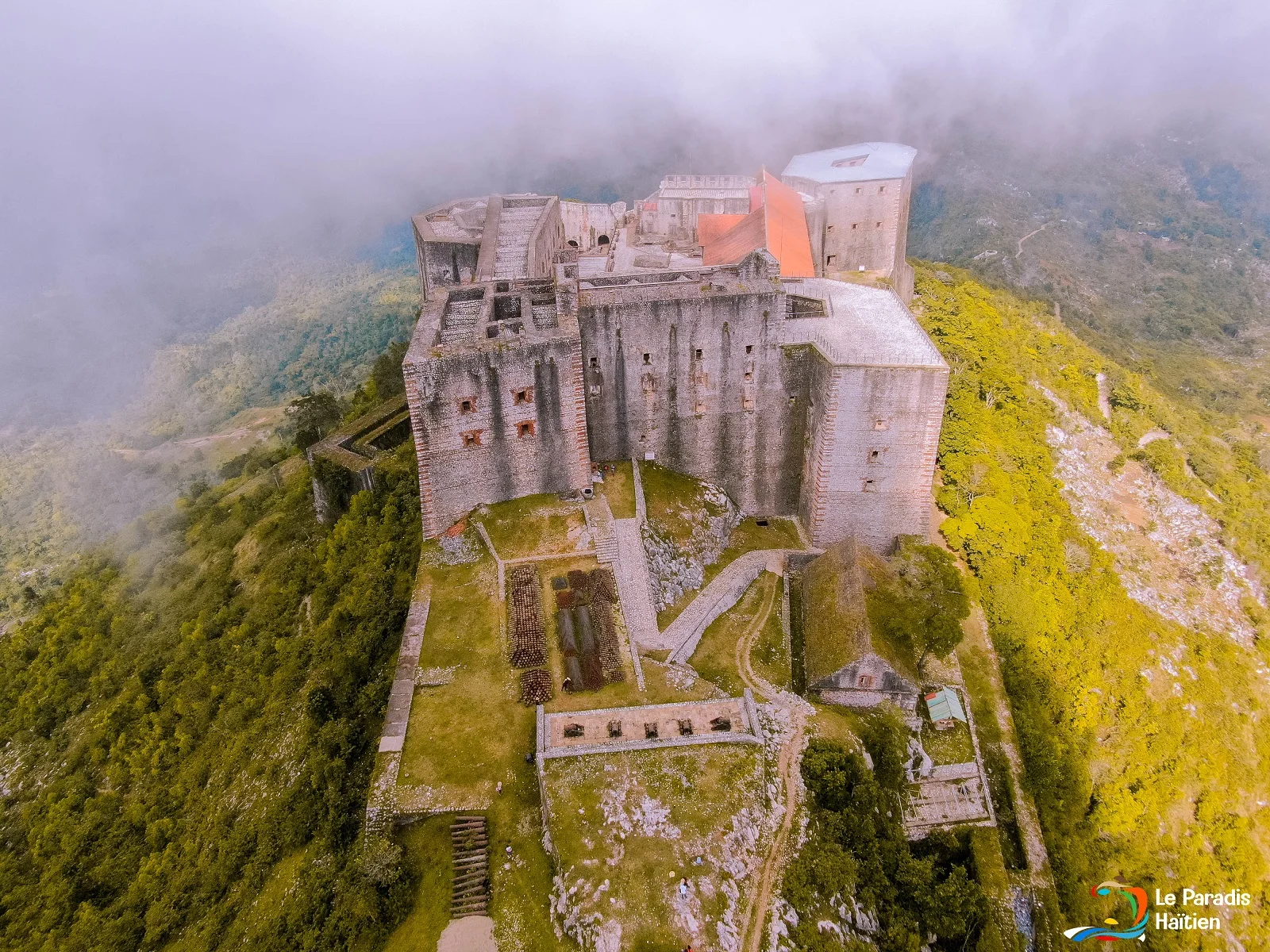
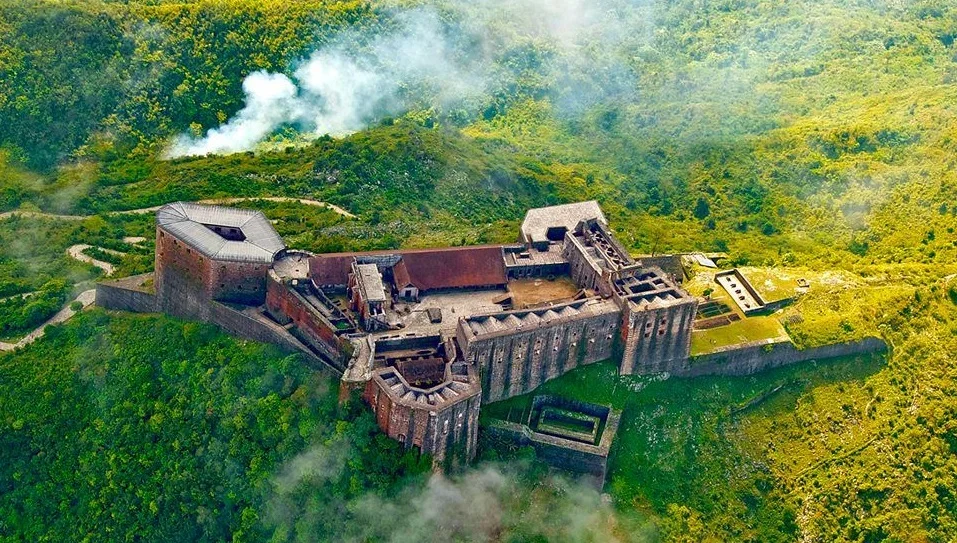
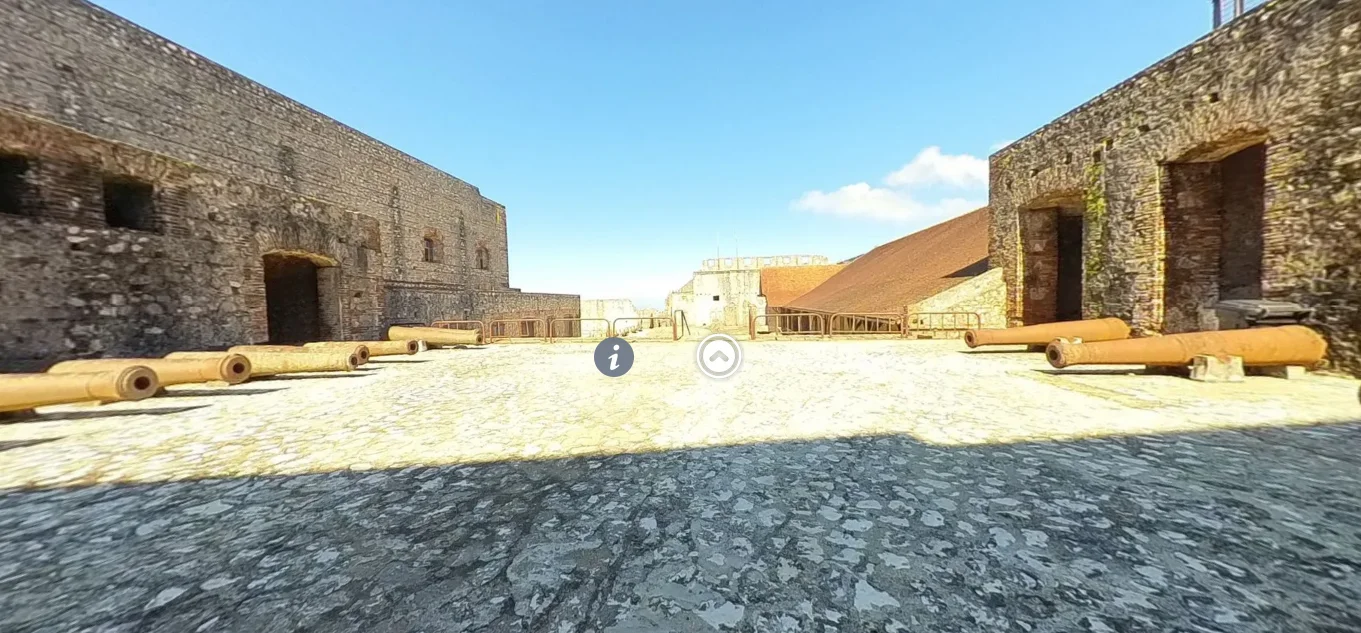
Located in the North, the Citadelle is a masterpiece of engineering and a symbol of freedom. Classified as a UNESCO World Heritage Site, it offers a breathtaking panoramic view and a dive into the history of the Haitian struggle for independence.

This palace is another testament to the grandeur of the post-colonial era. Located in Milot, it offers visitors a fascinating glimpse into the cultural richness of Haïti in the early 19th century.

Haïti is renowned for its vibrant culture and deep-rooted traditions.

The country hosts unique cultural events, such as Carnival with its artisanal costumes and artistic performances. The rara festivals, with their captivating rhythms, are also a captivating spectacle for any visitor.

Renowned worldwide, Haitian crafts are rich in color and creativity. From naive paintings to metal sculptures, each piece tells a story of resilience and cultural pride.

Haitian cuisine is a savory blend of African, French, and Creole influences.

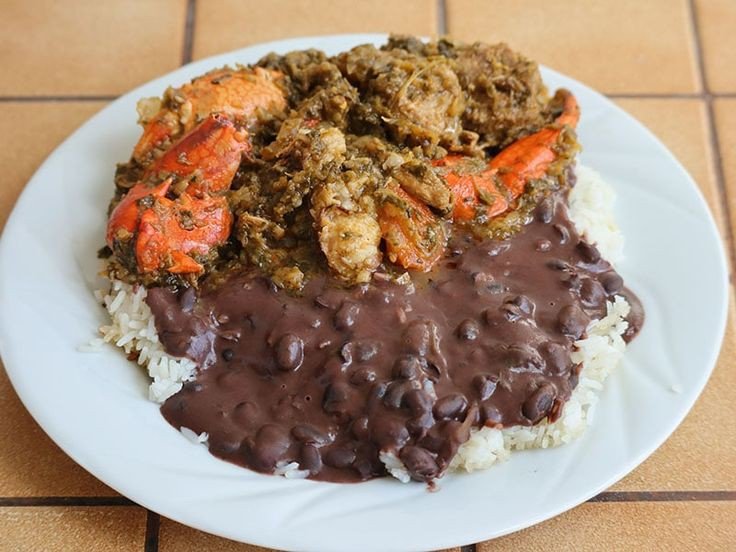
Sample local delicacies like griot (marinated and fried pork), diri ak djon djon (rice with black mushrooms), and lalo (a dish made from local spinach). Each dish is prepared with unique spices that tantalize the taste buds.

In addition to Haitian rum, renowned for its quality, don’t miss clairin, a traditional spirit, and jus de corossol, a refreshing drink made from soursop fruit.
To learn more about Haitian cuisine, check out this article: https://haitiwonderland.com/haiti/cuisine/les-delices-de-la-cuisine-haitienne--20-plats-incontournables/24

Haïti is much more than a tourist destination, it is an immersion in a rich culture and an intense history. By visiting Haiti, you are also helping to encourage sustainable and responsible tourism, allowing local communities to thrive while preserving the wonders of the country. Don’t miss the opportunity to discover such a fascinating country, where every corner reveals a new treasure to explore.
Ready to Go? Haïti Awaits You!

Facebook : https://www.facebook.com/haitiwonderland
Youtube : https://www.youtube.com/@haitiwonderland
Instagram : https://www.instagram.com/haitiwonderland/
Twitter : https://twitter.com/haitiwonderland
Linkedin : https://www.linkedin.com/in/haitiwonderland/
Elephant Haitian music and film icons Rutshelle Guillaume and Blondedy Ferdinand are adding another string to their bow with the launch of "RGGlow," a premium skincare brand. This unprecedented collaboration reflects their shared commitment to female empowerment and the celebration of beauty in all its diversity. Set to launch on December 12, 2024, the "RGGlow" line promises products designed to nourish, rejuvenate, and brighten the skin. Made with quality ingredients, "RGGlow" products aim to meet the specific needs of women looking for effective and elegant solutions for their beauty routine. The official launch will take place during an exclusive event at Blondedy Ferdinand Studio, starting at 5 p.m. The event will bring together celebrities, beauty professionals, and fans to celebrate this unique initiative. This is an anticipated moment that will mark the beginning of an ambitious and inspiring project. Beforehand, an exclusive live will be broadcast on December 11 at 7 p.m. on all platforms, allowing the general public to discover the behind the scenes of this entrepreneurial adventure. Rutshelle Guillaume and Blondedy Ferdinand will share the inspirations behind RGGlow, while revealing some secrets about the products that make up this range. This project represents much more than a simple cosmetics brand. RGGlow positions itself as a symbol of unity and determination, carried by two powerful and influential figures. Through this collaboration, Rutshelle and Blondedy wish not only to offer quality products, but also to convey a strong message: every woman deserves to feel beautiful, radiant and confident.
Subscribe to our newsletter to stay informed of all our activities and news on Haiti.
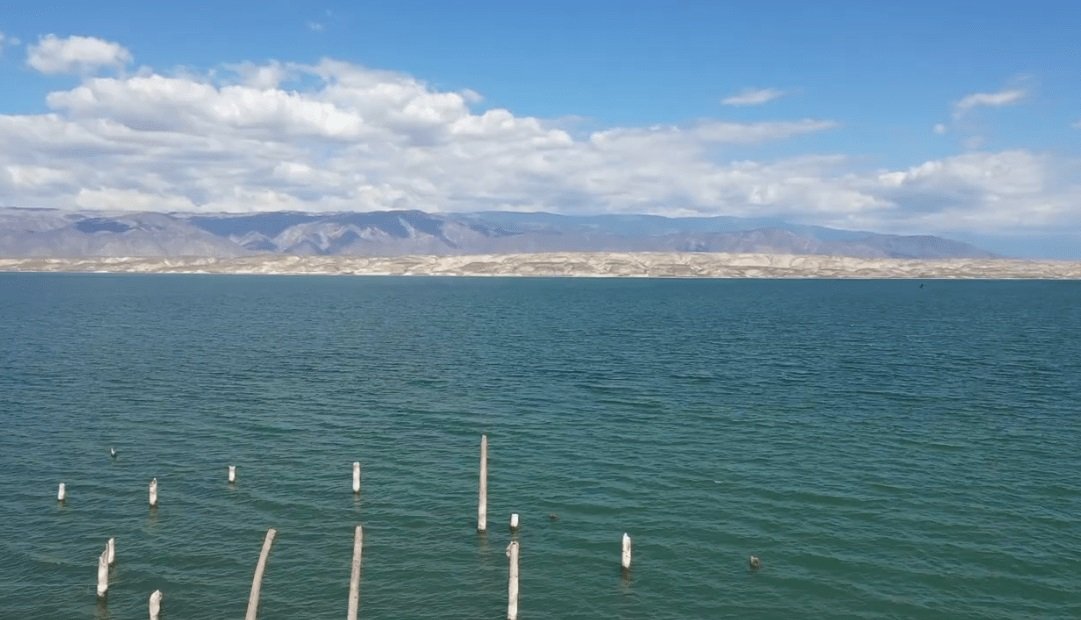
Haiti, a country rich in varied landscapes, is home to several natural treasures. Among them is the largest lake in the country, a little-known gem that plays a crucial role in the local ecosystem. Discover everything you need to know about this lake, its importance and its beauty.
Since the beginning of the week, an unfounded rumor has been circulating in the United States, particularly in the state of Ohio, accusing Haitians in the diaspora of killing and consuming pets, as well as ducks in public ponds. These allegations, widely relayed by certain public and political figures, have been formally denied by local authorities and the police in Springfield, the city where these alleged events allegedly took place. Despite these denials, the rumor continues to thrive, fueling stigmatization against Haitian migrants.
La cuisine haïtienne, riche et colorée, offre des plats savoureux comme le "Diri kole ak sòspwa" et le "Legim". Le Diri kole ak sòspwa, un mélange réconfortant de riz et de haricots rouges, est un pilier de l’alimentation haïtienne, souvent accompagné de viande ou de poisson. Le Legim, quant à lui, est un ragoût végétarien épicé fait de chou, de carottes, et d’épinards, épaissi avec de la purée d’aubergine et enrichi d’épices. Ces plats, profondément ancrés dans la tradition, symbolisent la fusion unique des influences africaines, françaises et taïno qui caractérise la cuisine haïtienne.

First black nation to free itself from slavery and gain independence from France in 1804 and influenced other liberation movements around the world, inspiring struggles for freedom and equality.

Haïti is blessed with spectacular natural landscapes, including white sand beaches, mountains and rich biodiversity.

Haïti has a rich historical heritage, including sites like the Citadelle Laferrière and the Sans-Souci Palace, listed as UNESCO World Heritage Sites.

Haïti has a rich and diverse culture, influenced by African, European and indigenous elements. Haitian music, dance, art and cuisine are celebrated around the world.