Tourism is a vital sector for the economic and cultural development of a country, and Haïti is no exception. With a rich historical heritage, breathtaking landscapes, and a vibrant culture, Haïti has a unique tourism potential that can play a crucial role in its development. Let’s find out why tourism is so important to Haïti and how it can transform the country.
Tourism represents a considerable economic opportunity for Haiti.
- Job creation: The tourism sector directly or indirectly employs thousands of people, particularly in hotels, restaurants, tour guides, and transportation.
- Contributions to GDP: Before the pandemic, tourism represented approximately 5% of Haiti’s gross domestic product (GDP). With strategic investments, this figure could double or even triple.
- Foreign currency inflows: International tourists spend an average of $300 to $500 per visit to Haiti, boosting the local economy.
A thriving tourism sector can provide stable revenues and help diversify the Haitian economy.
Haïti is a true mosaic of cultures, history and traditions.
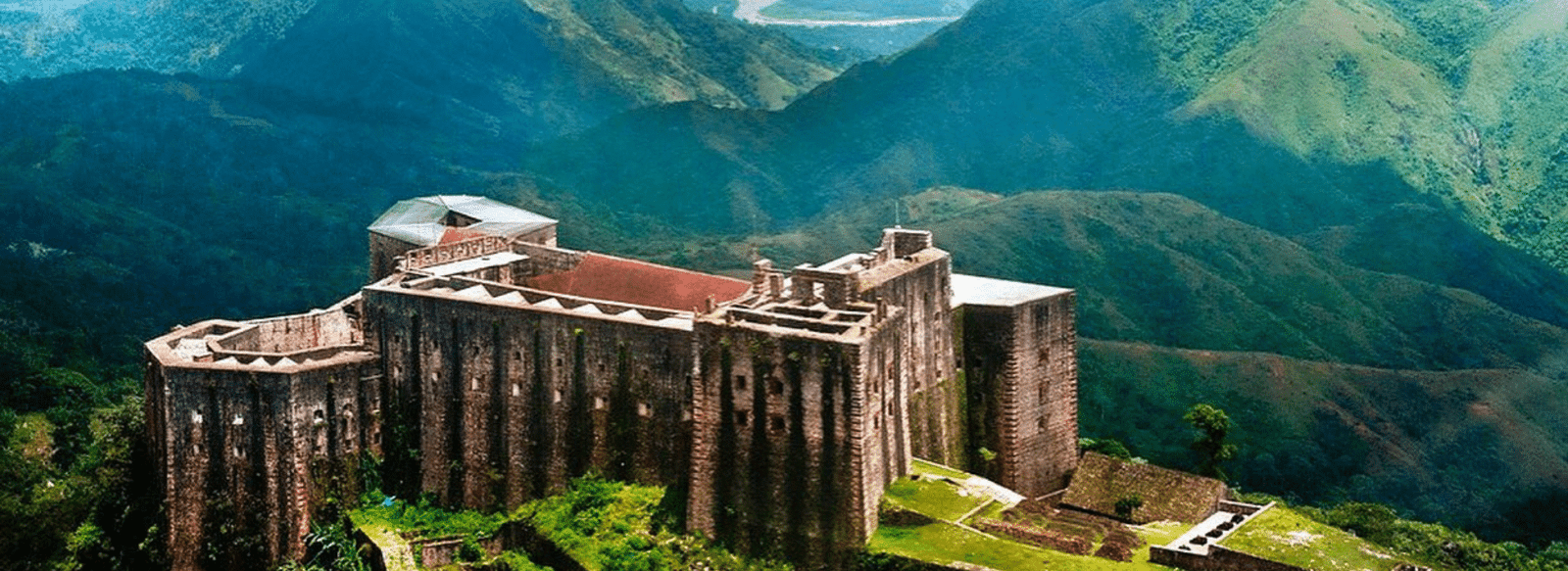
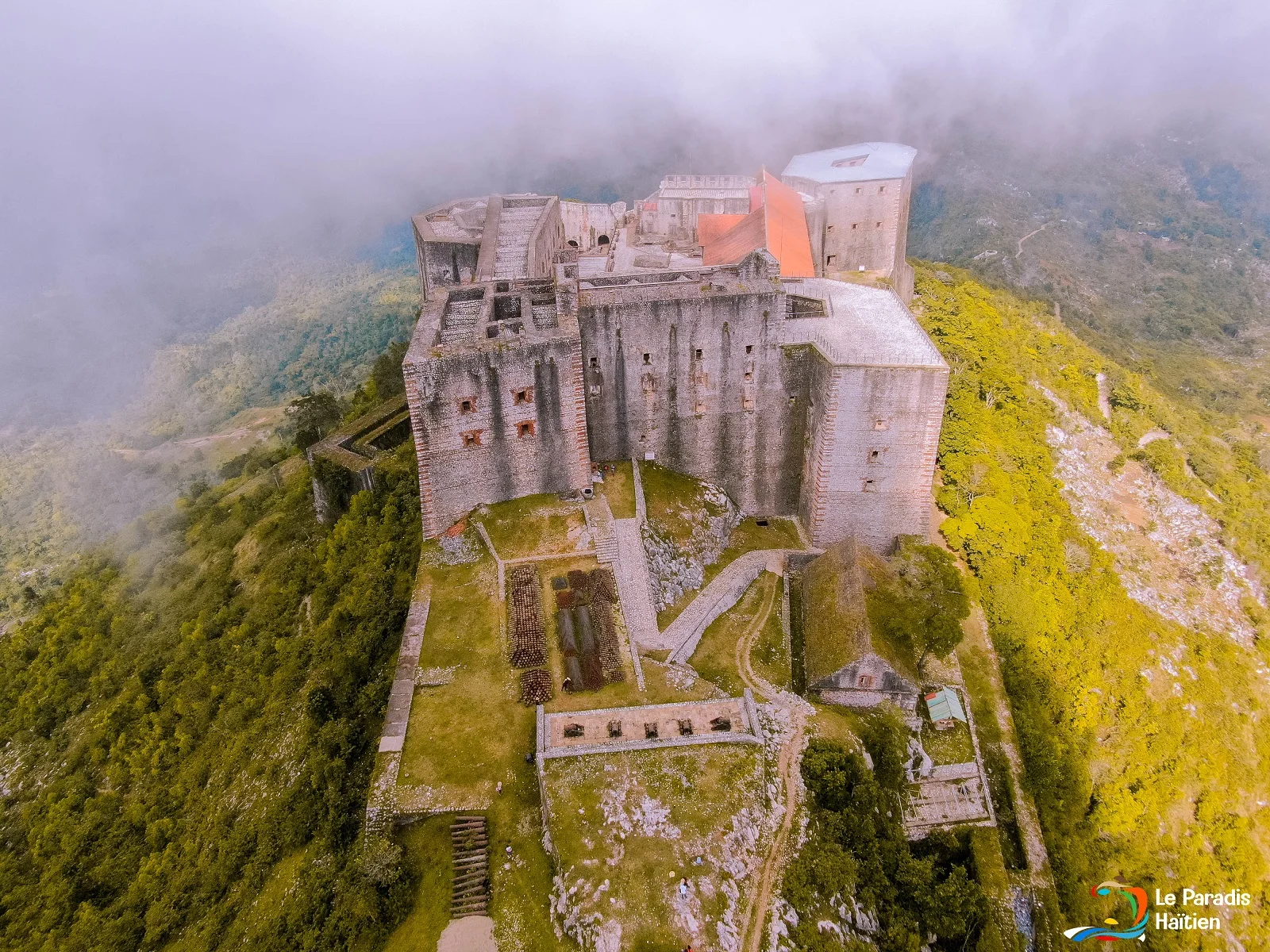
- Historical monuments: Sites such as the Citadelle Laferrière, a UNESCO World Heritage Site, attract thousands of visitors each year.
- Cultural festivals: Events such as the Jacmel Carnival and the Port-au-Prince International Jazz Festival showcase Haitian creativity and art.
- Gastronomy: Traditional dishes such as diri sòs pwa, griot and soupe joumou are an integral part of the tourist experience in Haiti.
By investing in the preservation and promotion of this heritage, Haïti can strengthen its attractiveness to travelers.
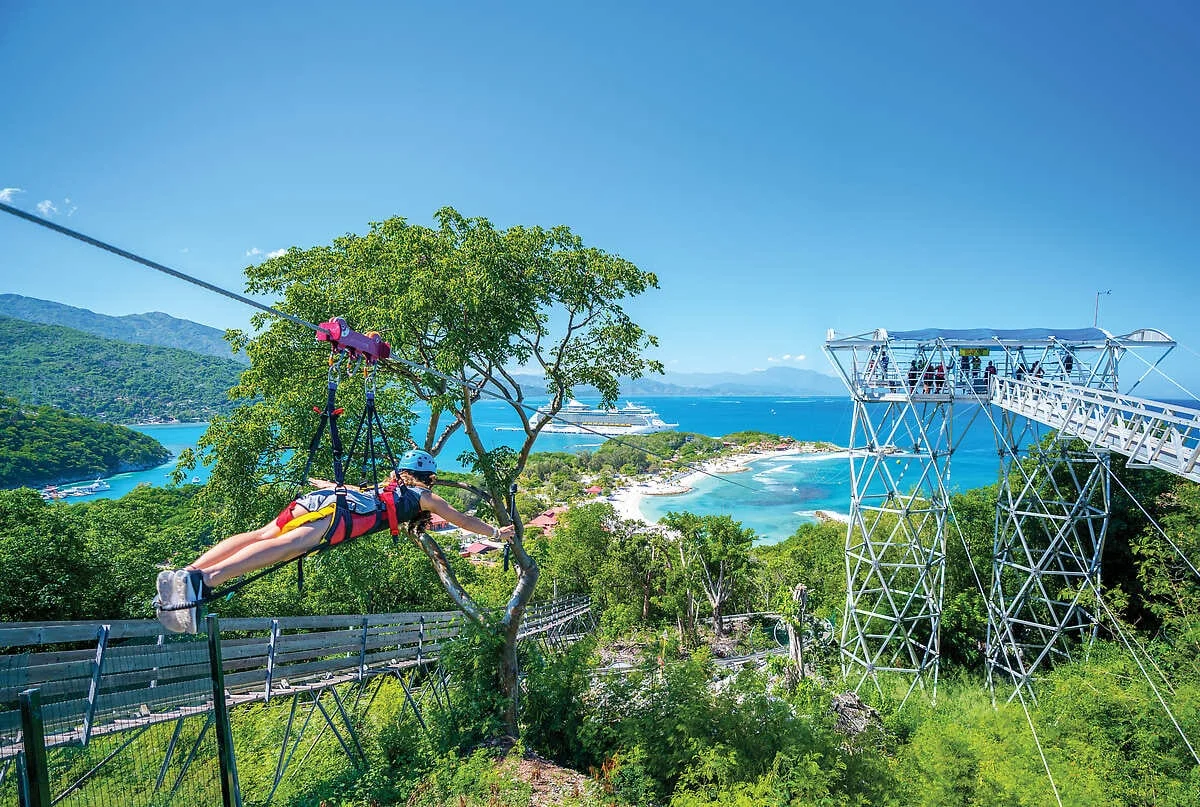
Tourism can also play a role in the development of rural and coastal regions.
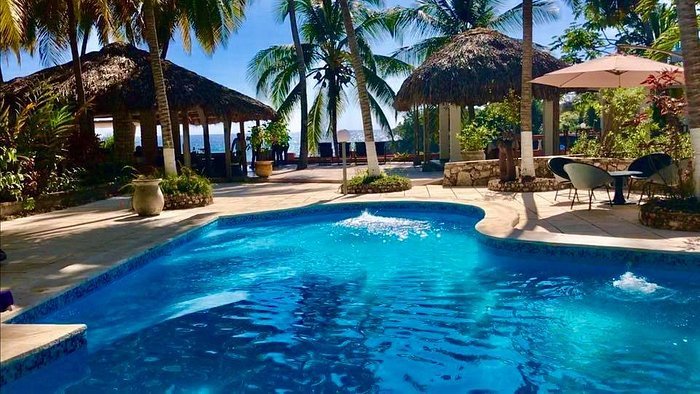
- Improved infrastructure: The construction of roads, airports and hotels in tourist areas contributes to the development of often neglected regions.
- Support for local communities: Community tourism projects, such as ecological circuits or craft workshops, allow residents to benefit directly from economic spinoffs.
- Environmental preservation: Sustainable tourism encourages the protection of natural resources such as forests, beaches and coral reefs, which are essential for attracting travelers.
Well-planned initiatives can transform tourism into a development engine for the entire country.
Here are some data that illustrate the importance of tourism for Haiti:
- $4.3 million: Estimated tourism revenue generated in 2019.
- 600,000 international visitors: Number of tourists who visited Haïti before the pandemic.
- 50,000 jobs: Estimated positions directly linked to the tourism sector.
- 2,000 potential tourist sites: Spread throughout Haiti, according to the Ministry of Tourism.
These figures show that tourism in Haïti has considerable potential, which is still largely underexploited.
Tourism is not limited to economic benefits; it also helps to improve Haiti’s image on a global scale.
- Promoting Haitian Identity: Each visitor leaves with a better understanding of the country’s cultural and historical richness.
- International Partnerships: Collaborations with travel agencies and international organizations help to strengthen Haiti’s visibility.
- Attracting the Diaspora: Tourism encourages members of the Haitian diaspora to return to the country, creating cultural and economic exchanges.
By focusing on an effective tourism marketing strategy, Haïti can position itself as a leading Caribbean destination.
Although Haiti’s tourism sector has faced challenges, including political and natural crises, its potential remains immense.
With strategic investments, targeted promotion, and a commitment to sustainable tourism, Haïti can transform this sector into a pillar of its economic and social development.
Have you visited Haïti or want to know more about its tourist attractions? Share your experiences or questions in the comments. Together, let’s celebrate and promote the unique beauty of Haiti!
Share
About the Author
Appolon Guy Alain
Appolon Guy Alain
Full Stack Developer, Créatif, expérimenté, passionné des nouvelles technologies et de l’art.
Aujourd’hui, le tourisme apparaît comme une expérience importante concernant l’efficacité du concept du développement touristique. En effet, grâce à ses exigences de qualité, de développement de services et de maintien du patrimoine, il peut être un moteur essentiel du développement durable.
Notre zone d’étude, qui est composée du Département du Nord-Ouest en général et de la Commune du Môle Saint-Nicolas en particulier, présente un environnement favorable en riches potentialités naturelles, en patrimoine historique et culturel, arguments majeurs pour vendre les potentialités de l’activité touristique du Môle Saint-Nicolas malgré certaines faiblesses.
L’activité touristique est faible, malgré les efforts des acteurs locaux, à ce jour, les ferveurs défenseurs de l’idée de faire le Môle Saint-Nicolas le poumon économique de cette région ont les mains liées et demeurent impuissantes face à cette situation qui prévaut dans cette région, au point de qualifier l’activité touristique de « fréquentation touristique ».
La promotion des activités touristiques est de nature à contribuer directement au développement socio-économique des zones concernées (création d’emplois directs et indirects, réalisation d’infrastructures d’accès et d’hébergement, etc.). Ces activités permettent aussi d’aider à la sauvegarde de ce patrimoine, dans la mesure où sa préservation et sa valorisation sont perçues comme sources de développement économique et d’amélioration des conditions de vie.
De nombreuses suggestions et efforts doivent être soutenus, comme la valorisation des sites naturels et touristiques, les richesses patrimoniales et artisanales dans le but de séduire le touriste exigeant à la recherche d’un séjour riche et varié.
L’Etat doit œuvrer à appliquer ses politiques touristiques en collaboration avec les acteurs locaux et agir pour vendre les potentialités touristiques du Môle Saint-Nicolas.
Après tous nos enquêtes et entretiens, nous avons constaté que chaque secteur a besoin de l’autre afin de se développer ; sans ce secteur d’activité touristique à Môle Saint-Nicolas, nous pouvons affirmer que le Département du Nord-Ouest dépendra toujours de la rente en devises de ses émigrés ainsi de quelques redistributions de richesses.
First black nation to free itself from slavery and gain independence from France in 1804 and influenced other liberation movements around the world, inspiring struggles for freedom and equality.
Natural beauty
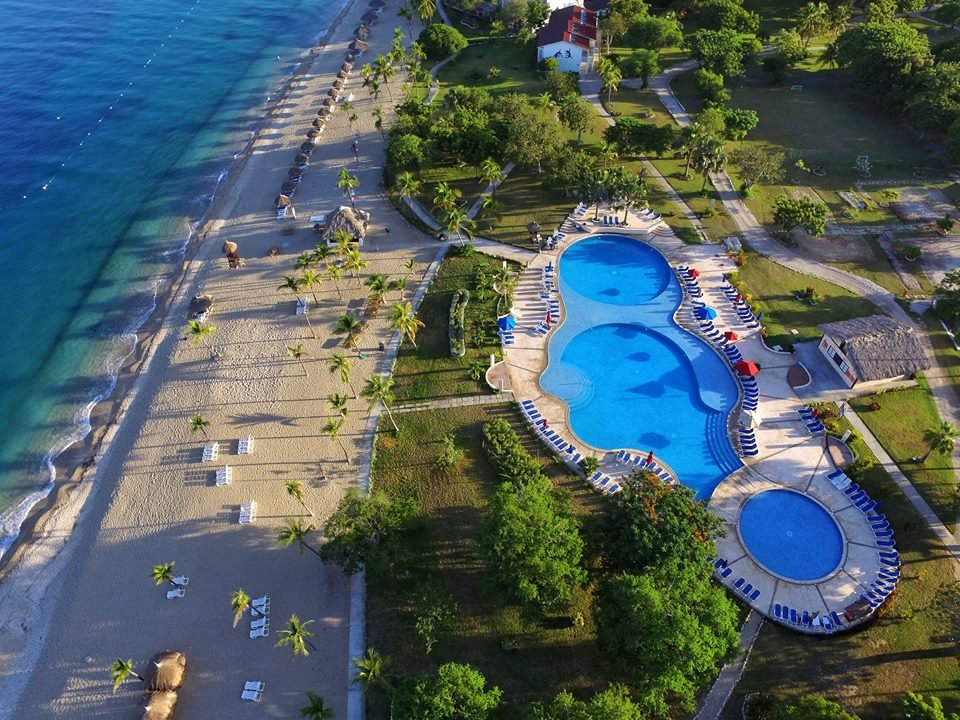
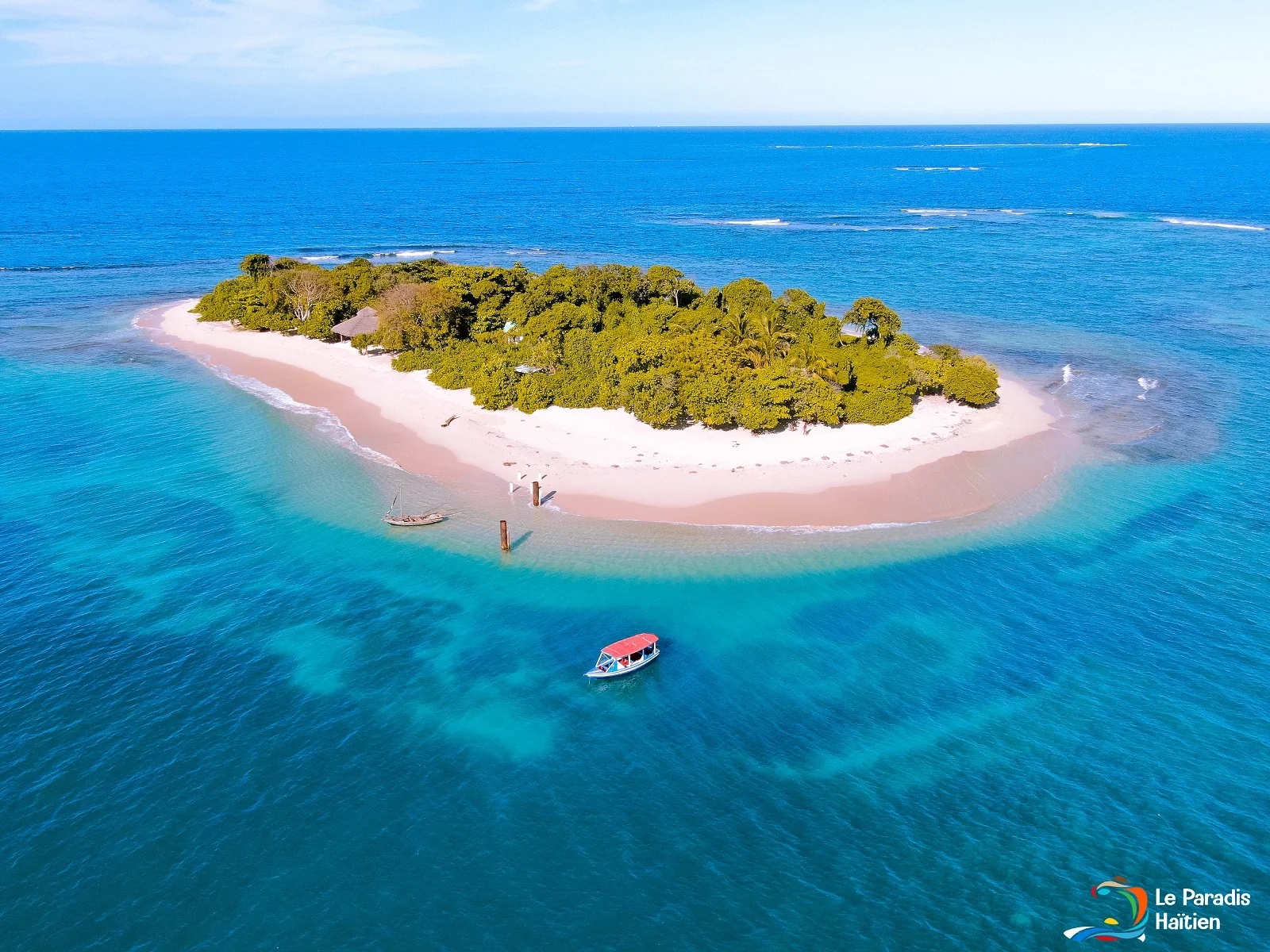
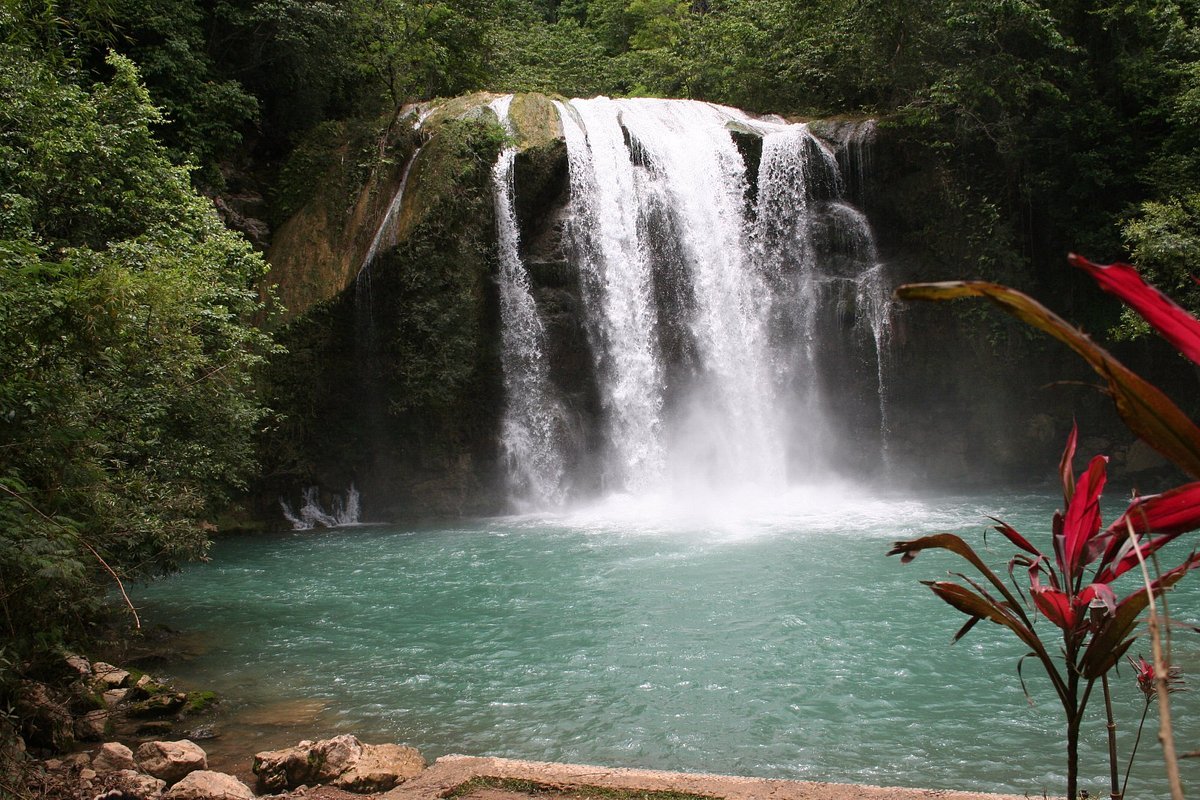
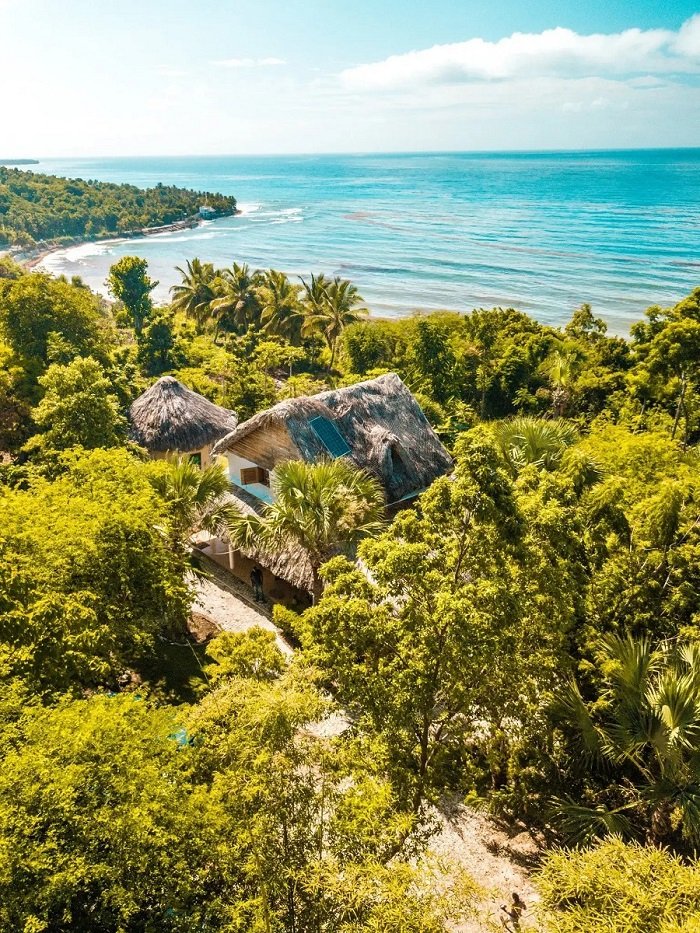
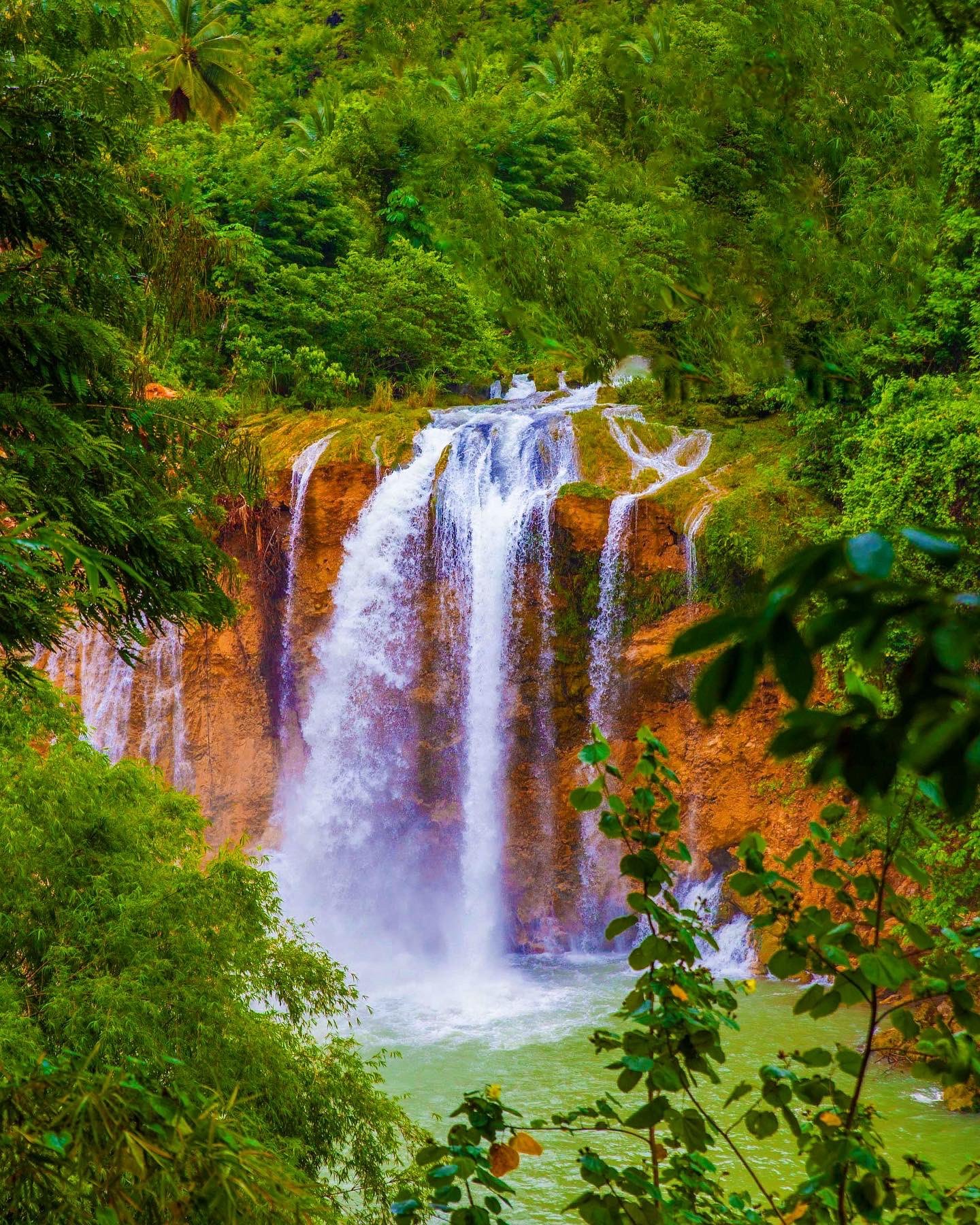
Haïti is blessed with spectacular natural landscapes, including white sand beaches, mountains and rich biodiversity.
Heritage
Haïti has a rich historical heritage, including sites like the Citadelle Laferrière and the Sans-Souci Palace, listed as UNESCO World Heritage Sites.
Culture
Haïti has a rich and diverse culture, influenced by African, European and indigenous elements. Haitian music, dance, art and cuisine are celebrated around the world.

































Aujourd’hui, le tourisme apparaît comme une expérience importante concernant l’efficacité du concept du développement touristique. En effet, grâce à ses exigences de qualité, de développement de services et de maintien du patrimoine, il peut être un moteur essentiel du développement durable.
August 07, 2025 - 11:44:59 AMNotre zone d’étude, qui est composée du Département du Nord-Ouest en général et de la Commune du Môle Saint-Nicolas en particulier, présente un environnement favorable en riches potentialités naturelles, en patrimoine historique et culturel, arguments majeurs pour vendre les potentialités de l’activité touristique du Môle Saint-Nicolas malgré certaines faiblesses.
L’activité touristique est faible, malgré les efforts des acteurs locaux, à ce jour, les ferveurs défenseurs de l’idée de faire le Môle Saint-Nicolas le poumon économique de cette région ont les mains liées et demeurent impuissantes face à cette situation qui prévaut dans cette région, au point de qualifier l’activité touristique de « fréquentation touristique ».
La promotion des activités touristiques est de nature à contribuer directement au développement socio-économique des zones concernées (création d’emplois directs et indirects, réalisation d’infrastructures d’accès et d’hébergement, etc.). Ces activités permettent aussi d’aider à la sauvegarde de ce patrimoine, dans la mesure où sa préservation et sa valorisation sont perçues comme sources de développement économique et d’amélioration des conditions de vie.
De nombreuses suggestions et efforts doivent être soutenus, comme la valorisation des sites naturels et touristiques, les richesses patrimoniales et artisanales dans le but de séduire le touriste exigeant à la recherche d’un séjour riche et varié.
L’Etat doit œuvrer à appliquer ses politiques touristiques en collaboration avec les acteurs locaux et agir pour vendre les potentialités touristiques du Môle Saint-Nicolas.
Après tous nos enquêtes et entretiens, nous avons constaté que chaque secteur a besoin de l’autre afin de se développer ; sans ce secteur d’activité touristique à Môle Saint-Nicolas, nous pouvons affirmer que le Département du Nord-Ouest dépendra toujours de la rente en devises de ses émigrés ainsi de quelques redistributions de richesses.