contact@haitiwonderland.com+509 36184317

Discover

Shopping Cart

Jacmel, Haiti: An Artistic City to Discover

Jacmel, Haiti: An Artistic City to Discover

Nestled on the southern coast of Haiti, Jacmel is a city that never ceases to seduce with its natural beauty, colonial architecture and incredible artistic wealth. Nicknamed the cultural capital of Haiti, Jacmel is a place where creativity flourishes and where every street corner seems to tell a unique story. Discover what this artistic city has to offer and why it deserves a special place in your next trip to Haiti.

Haïti
Haïti
Haïti

A Unique Architectural Heritage

Jacmel is a true architectural treasure. The city has preserved much of its colonial heritage, with brightly colored wooden buildings, ornate balconies and picturesque alleys that recall the colonial era.

The traditional wooden houses, decorated with carved patterns and fine details, are a remarkable example of the 19th-century Haitian architectural style. These buildings have been restored as part of a preservation project, helping to maintain the authenticity of the city while attracting more and more visitors each year. Jacmel’s central square, with its bustling market and imposing church, is another must-see place to visit.

Haïti
Haïti
Haïti

A vibrant art scene

Jacmel is truly the beating heart of Haitian art. The city is home to a multitude of artists, painters, sculptors, and artisans who draw inspiration from the local culture, natural landscapes, and Haitian traditions. Art galleries and workshops abound, providing a platform to discover unique works, ranging from vibrant paintings to metal and wood sculptures.

The city is also the birthplace of Haiti’s famous papier-mâché, a traditional art that uses recycled materials to create expressive sculptures and masks. These creations are not only objects of art, but they are also an integral part of local festivals and celebrations.

Haïti
Haïti
Haïti

The Jacmel Carnival: An Event Not to Be Missed

The Jacmel Carnival, held every year, is one of the largest cultural events in the country. This colorful and lively celebration brings together thousands of people who come to admire traditional costumes, dances and musical performances. The papier-mâché masks, true masterpieces, are the main attraction of the carnival, representing mythological characters, political figures or animals, in an explosion of colors and creativity.

The carnival is an ideal opportunity to discover Haitian culture at its best, with parades that invade the streets of Jacmel, accompanied by musicians and dancers. The festive atmosphere and the joy that results from it make this event a must for any visitor to the city.

Haïti
Haïti
Haïti

A breathtaking natural setting

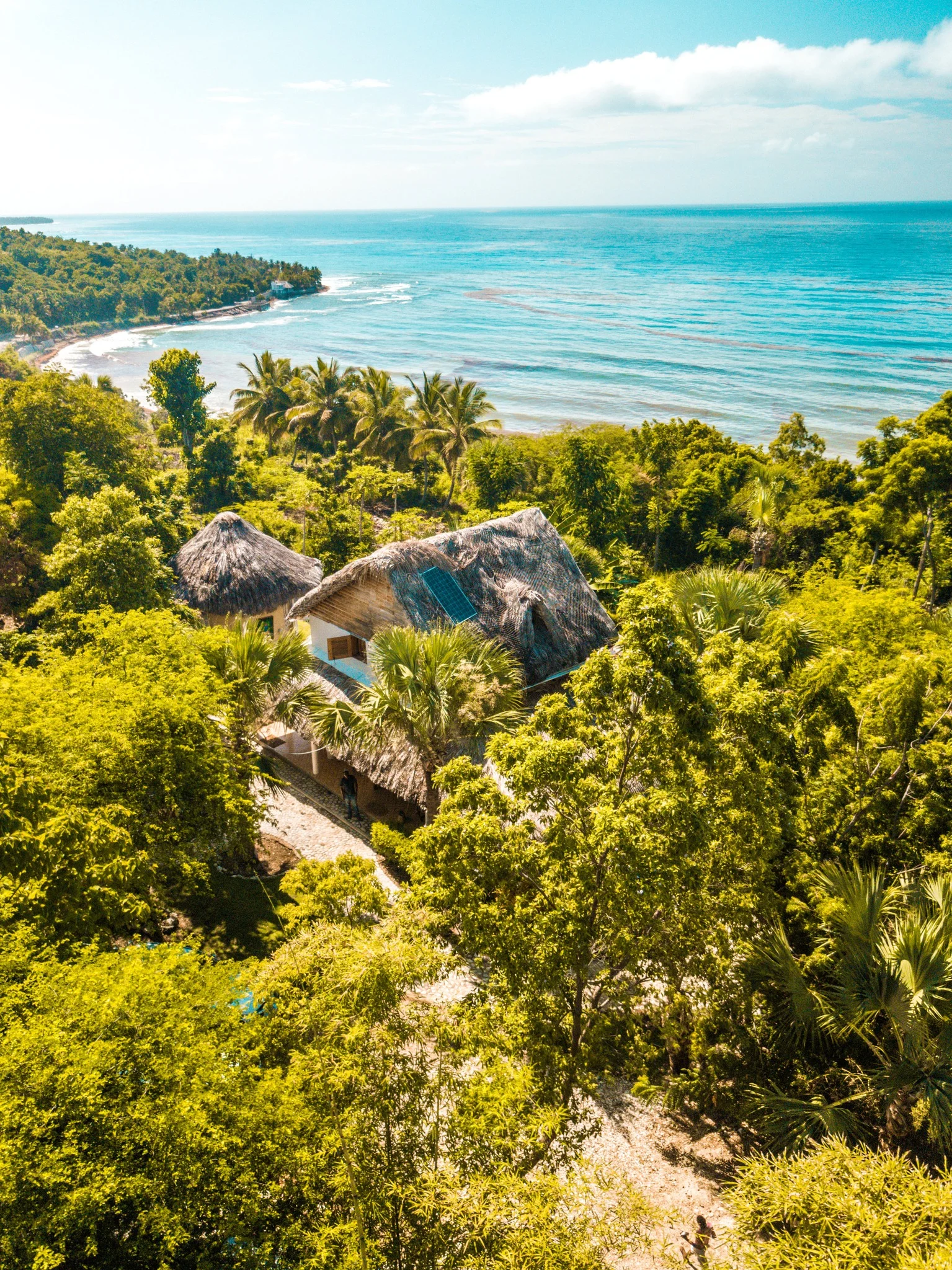
In addition to its art scene, Jacmel is also surrounded by stunning natural landscapes. Just a few kilometers from the city are idyllic beaches like Manigat and Raymond-les-Bains, where you can relax in the sun, swim or enjoy water sports.

The mountains surrounding Jacmel also offer opportunities for hiking and exploring, with trails leading to spectacular waterfalls such as the Saut d’Eau waterfall. This natural setting contributes to the city’s calming ambiance and its appeal to nature lovers.

Haïti
Haïti
Haïti

A place conducive to inspiration

Jacmel is an inspiring city, whether you are an artist, writer, photographer or simply a culture vulture. The city has attracted many foreign artists who come to find inspiration, while also contributing to the enrichment of the local art scene.

The people of Jacmel are proud of their heritage and welcome visitors with open arms, offering an authentic glimpse into Haitian life. If you are looking for a place where creativity meets history and natural beauty, Jacmel is the place for you.

How to Visit Jacmel?

Jacmel is easily accessible from the capital, Port-au-Prince, by car or bus. The journey takes about 2 to 3 hours and passes through varied landscapes, ranging from green hills to picturesque valleys. Once in Jacmel, you can explore the city on foot or by bike, which will allow you to better appreciate its unique charm.

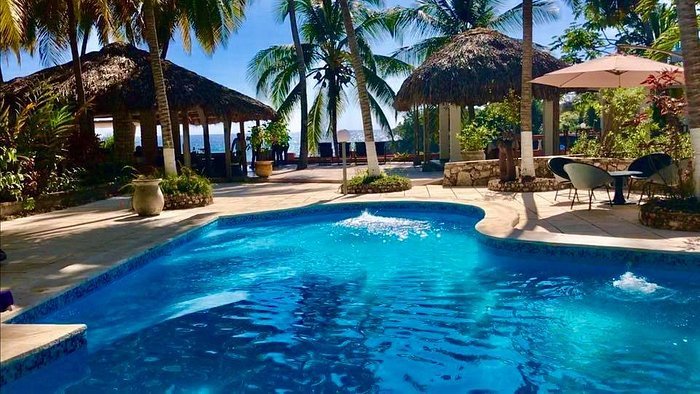
Visitors can also stay in local hotels, hostels or guesthouses that reflect Haitian hospitality. Many establishments offer stunning views of the sea or the surrounding mountains.

Haïti
Haïti
Haïti

The Beating Heart of Haitian Art

Jacmel is a true hidden gem of Haiti, a city where art, history and nature meet to offer an unforgettable experience. If you are a culture enthusiast, an art lover or simply a traveler in search of beauty, Jacmel deserves to be on your itinerary.

So, the next time you think about traveling to Haiti, do not miss to discover this must-see artistic city. And if you have already visited Jacmel, share your experiences and tips in the comments below!

Share
About the Author
Appolon Guy Alain
Appolon Guy Alain
Appolon Guy Alain

Full Stack Developer, Créatif, expérimenté, passionné des nouvelles technologies et de l’art.

See other articles from Appolon Guy Alain
ibrahim Bouba

Bonjour monsieur madame Demande de quelques jours je dois aller visiter en Haïti

February 20, 2025 - 04:40:11 PM
Leave a comment

Recently Posted

Haiti: The History of the World’s First Free Black Nation

Haiti, the pearl of the Antilles, is a Caribbean island with a rich and complex history. However, its special status as the world’s first free black nation gives it a unique place in the annals of history. This small island was the scene of an extraordinary revolution which resulted in independence, thus marking the beginning of a new era for the black community and the abolition of slavery. Let’s delve into the captivating story of the birth of the first black republic, Haiti. b~The colonial era and slavery~b Haiti’s history dates back to the arrival of Europeans in the 15th century, when Christopher Columbus discovered the island. European settlers, mainly Spanish and French, introduced slavery to exploit the island’s resources, including sugar, coffee and cotton. The indigenous Native American population was decimated, paving the way for the massive importation of African slaves. b~The Haitian Revolution~b On August 14, 1791, Haitian slaves rose up against their oppressors, sparking the Haitian Revolution. Under the leadership of iconic figures such as Toussaint Louverture, Jean-Jacques Dessalines and Henri Christophe, the insurgent slaves inflicted defeats on European armies, demonstrating fierce resistance and a desperate quest for freedom. b~The Declaration of Independence and the creation of the Republic of Haiti~b On January 1, 1804, Haïti proclaimed its independence, becoming the world’s first free black nation. This historic declaration symbolized the end of slavery and the triumph of the will of a people determined to live free. The Republic of Haïti was born in struggle and blood, asserting its autonomy in the face of the colonial powers. b~Post-independence challenges~b However, independence did not mean the end of challenges for Haiti. The country had to face external pressure, reparations imposed by France in exchange for recognition of its independence, as well as internal unrest. Despite these obstacles, Haïti strove to build a free and sovereign nation. The story of Haïti is that of a nation that overcame countless challenges to emerge as a pioneer of freedom for the black population. The Haitian Revolution remains a unique example of resistance, courage and determination, and Haïti continues to carry the torch of independence in the contemporary world. The legacy of this small Caribbean island still resonates today, reminding the world that freedom is a universal right that can be won even in the most difficult circumstances.

Newsletter

Subscribe to our newsletter to stay informed of all our activities and news on Haiti.

Haïti / Ganthier: I Let You In, an Ode to Modern Relationships by Igens VIL

The Meaning of the Essence of Love The commune of President Boniface Alexandre and Martial CELESTIN produces a talented artist. Yes, Ganthier stands out as one of its best representatives on the international scene. "I Let You In" is a title that lays bare the complexity of heterogeneous relationships around the world. This opus, both provocative and touching, awakens the mind, body and soul. I am deeply moved by the way in which the artist Igens VIL, a true emblematic figure of Ganthier, evokes intense emotions and provokes reflection on the issues of contemporary romantic relationships. Each verse of this composition, co-written with Dayvin Kaponda, contains profound messages about tolerance towards others, our aspirations and ambitions, the true foundations of authentic love. It is the very essence of life. Despite the tumults of daily life and the inevitable misunderstandings in human relationships, he reminds us that “in my life, there is always a me; I have tried everything. Even if it means taking a step back, I am ready to do it. And if it means, I will get down on my knees”. The singer, who spent a large part of his adolescence in Galette-Chambon, the first communal section of the commune of Ganthier, is now active in the French music industry. He eloquently and skillfully addresses the complex triangle of sentimental relationships: sacrifice, tolerance and communication. This remarkable work deserves to be heard everywhere; it inspires faith, reflection and action. Gensbe, known as Igens VIL, deserves awards for this song. Guitarist, singer, composer and academic in France, he embodies a rare mix of talents for a young Haitian engaged in these demanding fields that require time, sacrifice and a lot of energy. Today, Gensbe is at his peak and never gives up. More songs are in the works for you, dear listeners. Subscribe to Gensbe on YouTube and other platforms. He is without a doubt one of the best Haitian artists among the big international names. I’ll let you in.

Haiti: The Center department, one of the departments most resistant to natural earthquakes

The Center department, commonly called Plateau Central, is one of the ten (10) departments of Haïti most robust in the face of certain natural phenomena. Before becoming one of the ten (10) departments of Haiti, the Center department was part of the Great North. It is renowned for its natural landscapes, its biosphere climate and its resistance to certain natural phenomena. In addition to its natural productions such as corn, millet and livestock, the Center department is also known for its high mountains which constitute a robust defense against certain natural phenomena such as earthquakes and floods. Composed mainly of high mountains, the department of Charlemagne Peralte and Benoît Batravil is the only one of the ten (10) not to have an outlet to the sea. However, its inhabitants take advantage of the vast rivers, rivers and lakes which cross it . With an area of ​​3,487 km², the population of the Center department is estimated at 678,626 according to a study carried out in 2009. On this same area, the department is divided into four (4) districts and twelve (12) communes. Bordered to the east by the Dominican Republic, the Center department connects other departments of the country such as Nord and Artibonite, and connects the two countries of the island through border areas like Balladère, Hinche and Cerca Carvajal. In the Center department, there are sites that could attract tourists for their natural beauty. In Saut d’Eau, there is the Saut d’Eau waterfall, in Hinche we find the Zim basin, the Péligre lake, the Péligre hydroelectric dam, the Artibonite river, and the Deux river (2 ) Rooms in Thomonde, more precisely in "El Manni", not far from the communal section of Caille-Epin. Thanks to its strong mountains and its natural climate, the Center department remains one of the most resistant departments in the event of an earthquake in Haiti.

Recently Posted

History

History

First black nation to free itself from slavery and gain independence from France in 1804 and influenced other liberation movements around the world, inspiring struggles for freedom and equality.

Natural beauty

Natural beauty

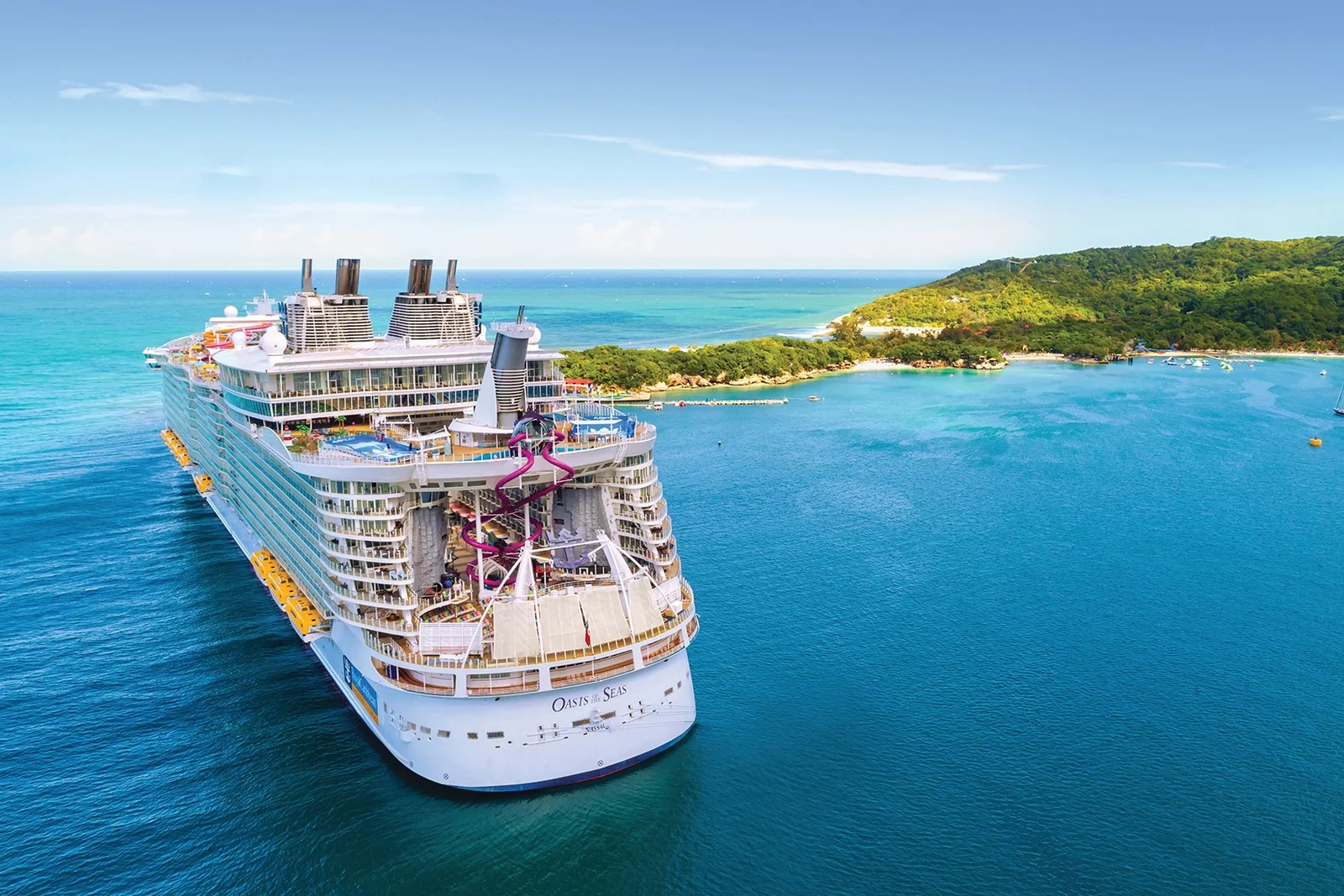
Haïti is blessed with spectacular natural landscapes, including white sand beaches, mountains and rich biodiversity.

Heritage

Heritage

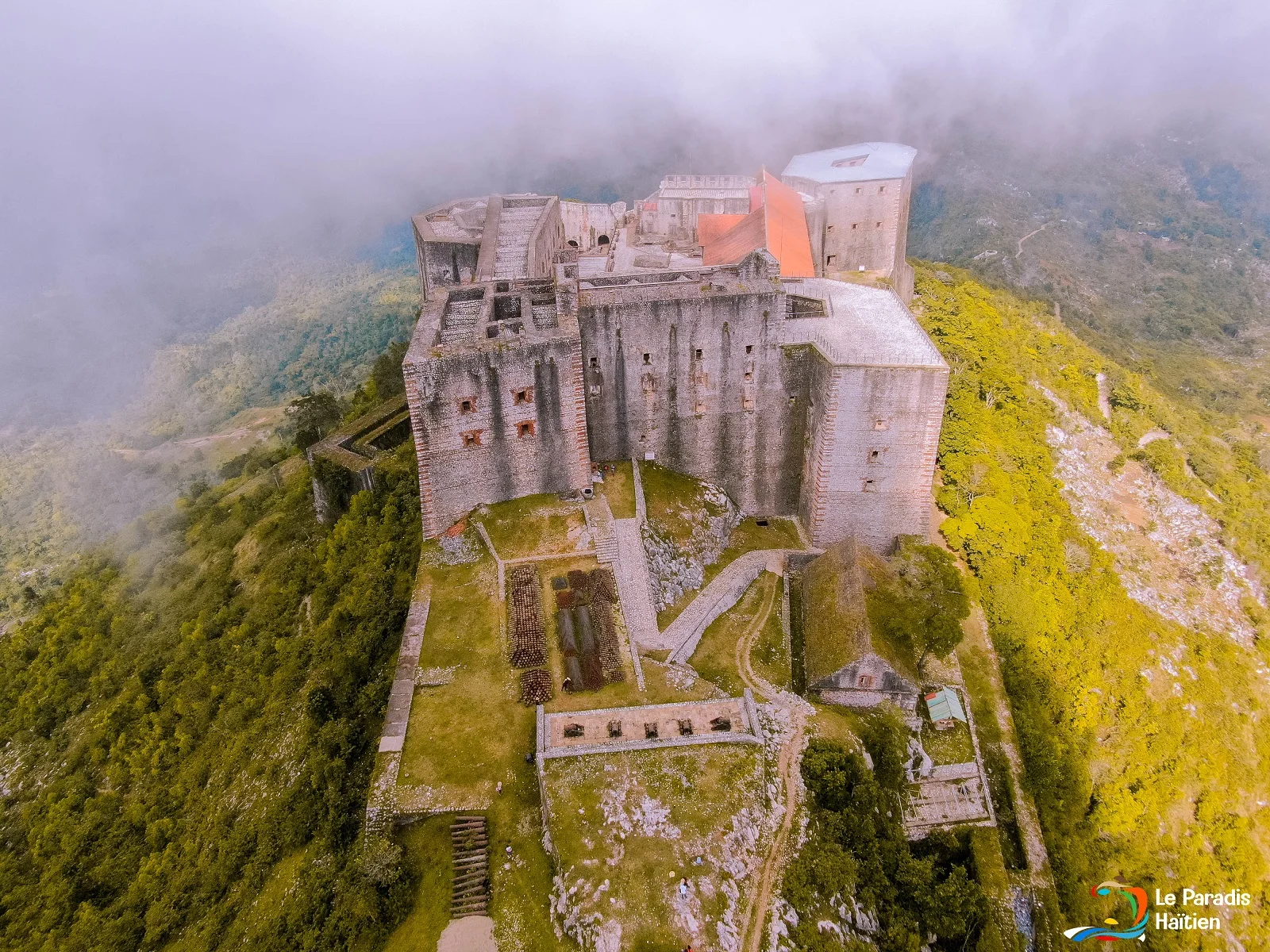
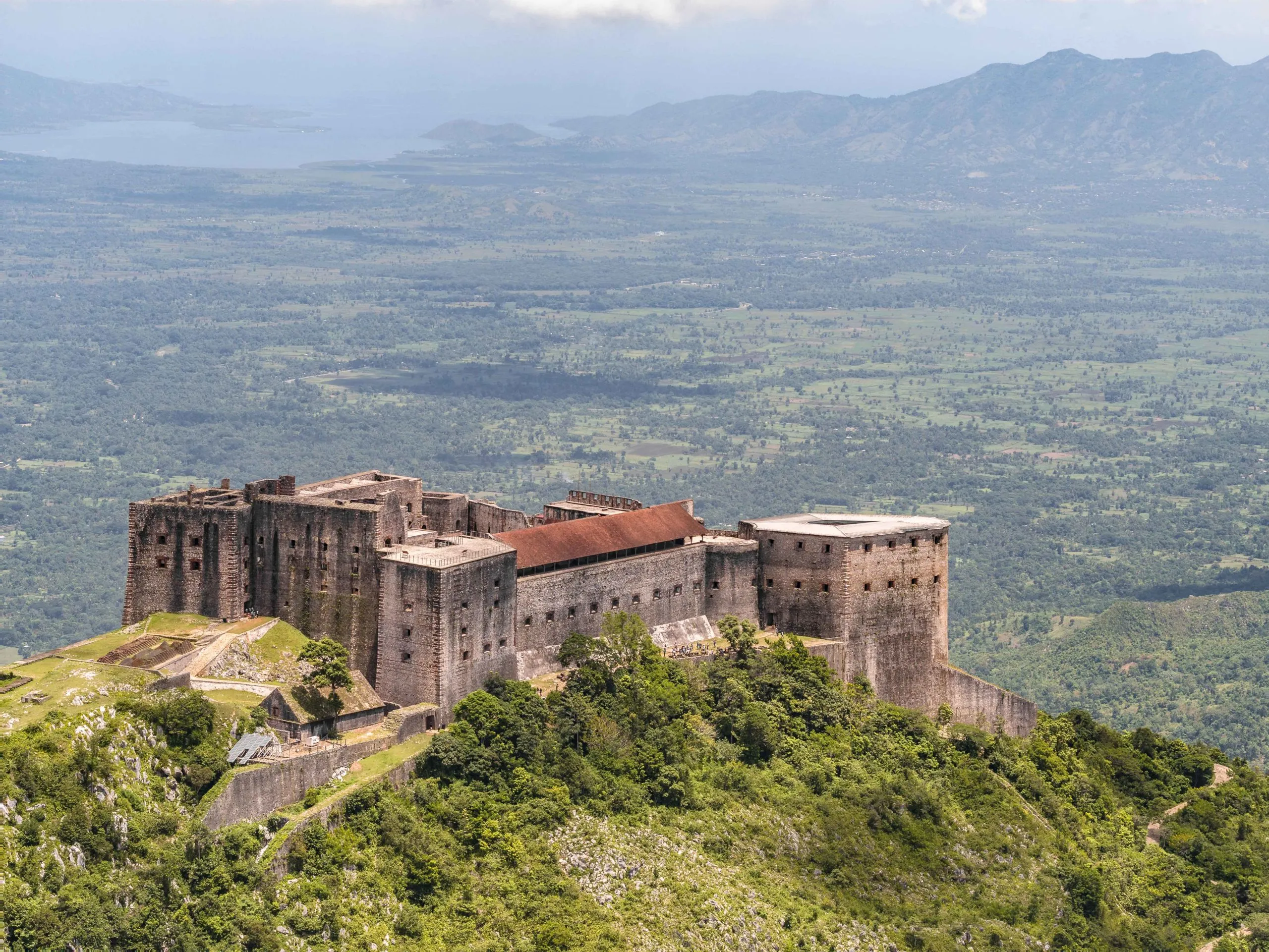
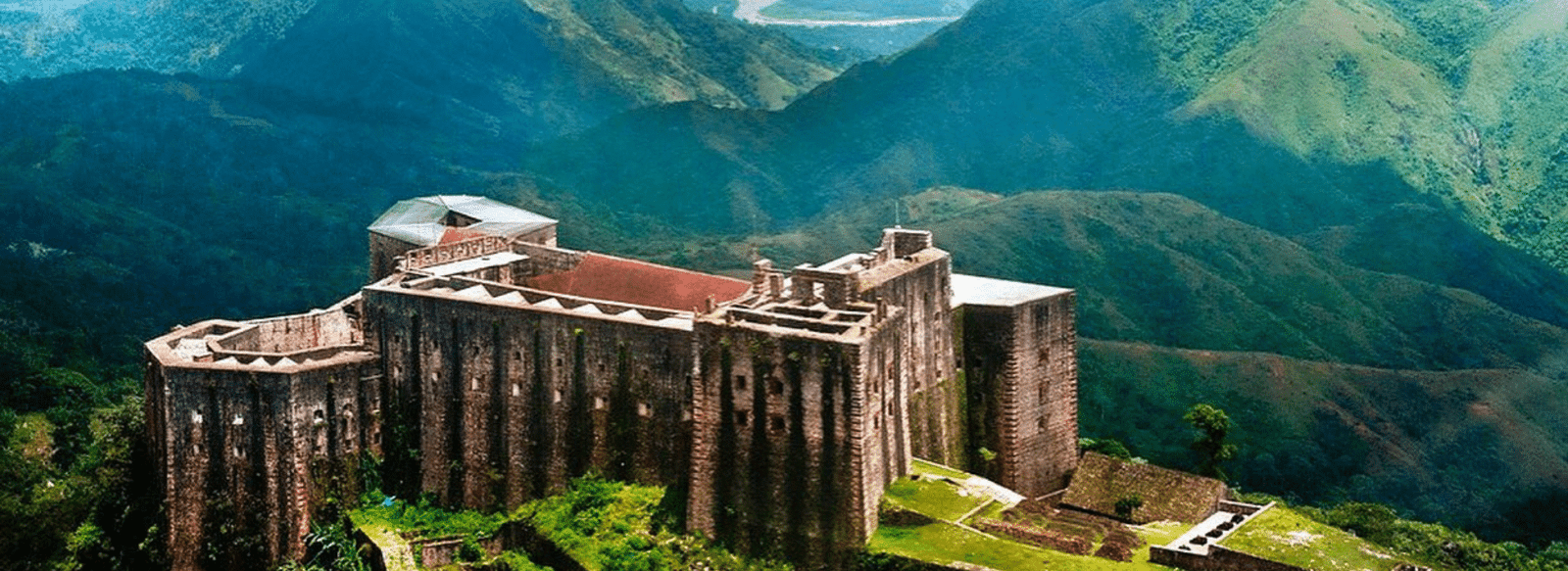
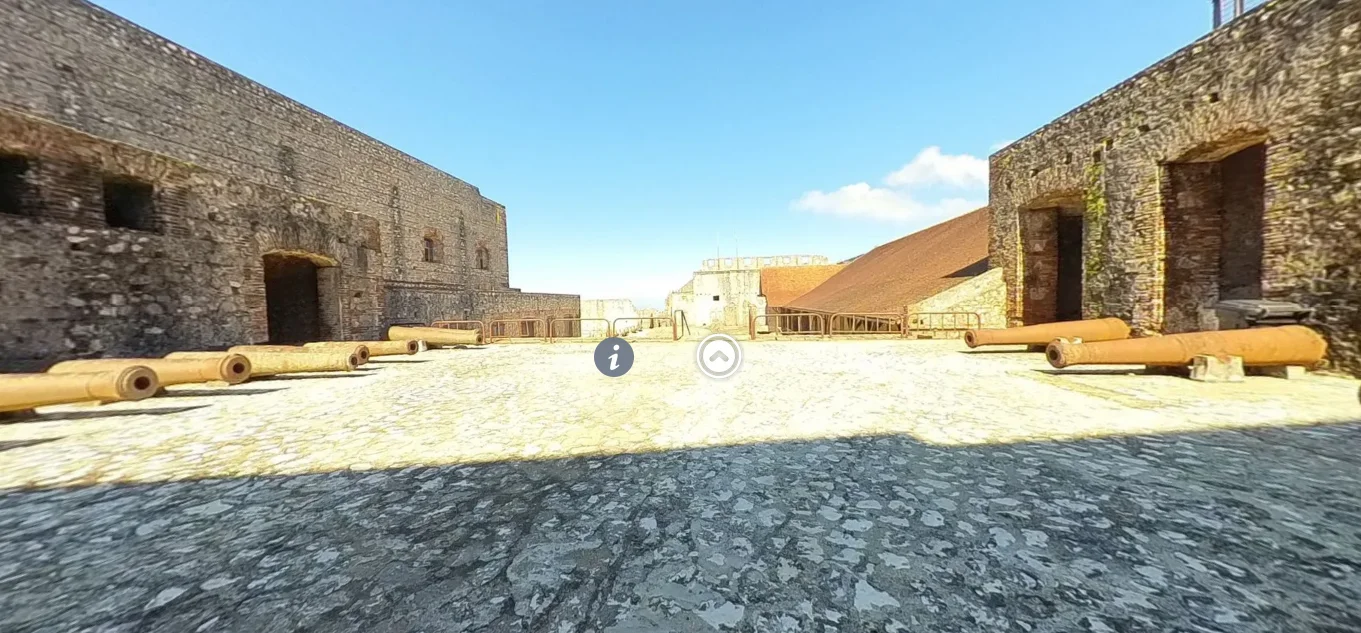
Haïti has a rich historical heritage, including sites like the Citadelle Laferrière and the Sans-Souci Palace, listed as UNESCO World Heritage Sites.

Culture

Culture

Haïti has a rich and diverse culture, influenced by African, European and indigenous elements. Haitian music, dance, art and cuisine are celebrated around the world.

  • +
    • Post