contact@haitiwonderland.com+509 36184317

Discover

Shopping Cart

20 Best Places to Visit in Haiti: Tourist attractions, Beaches and More.

20 Best Places to Visit in Haiti: Tourist attractions, Beaches and More.

Haiti, a Caribbean island, is full of natural and cultural treasures just waiting to be discovered. From majestic mountains to white-sand beaches to fascinating historical remains, Haïti offers a variety of attractions that captivate travelers from around the world. Here is an overview of the main attractions not to be missed during your stay in Haiti:

Citadelle Laferrière

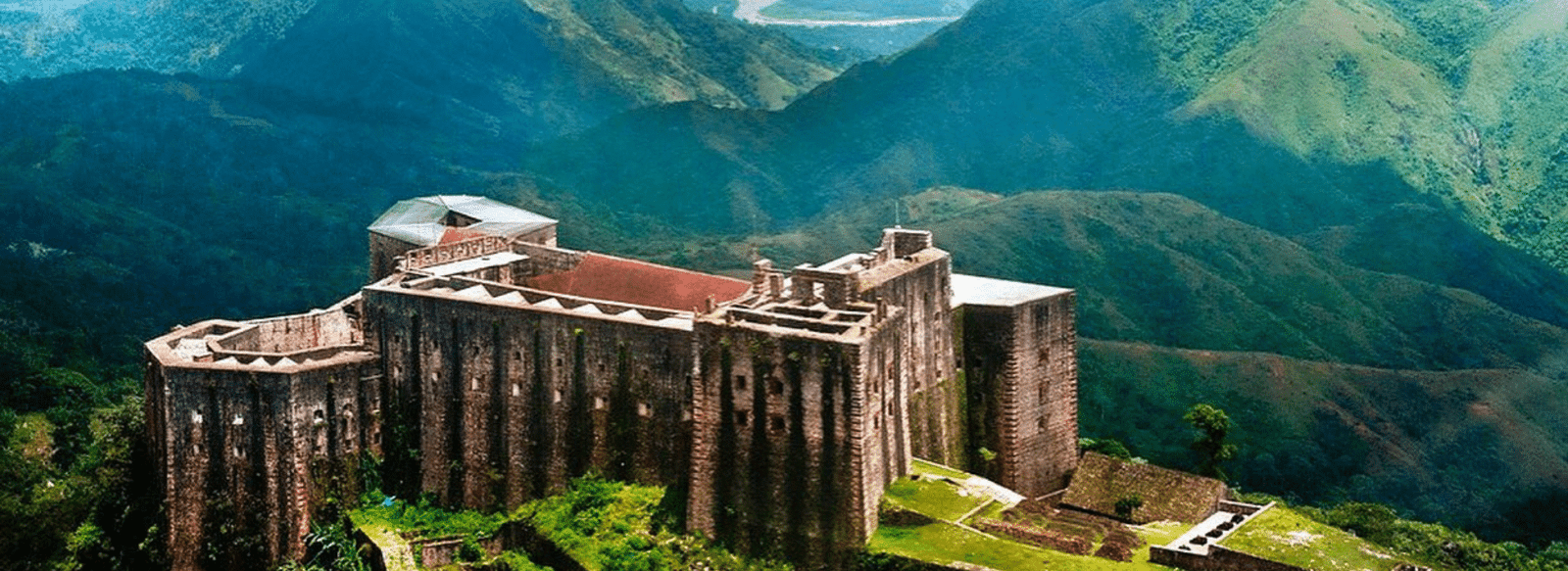
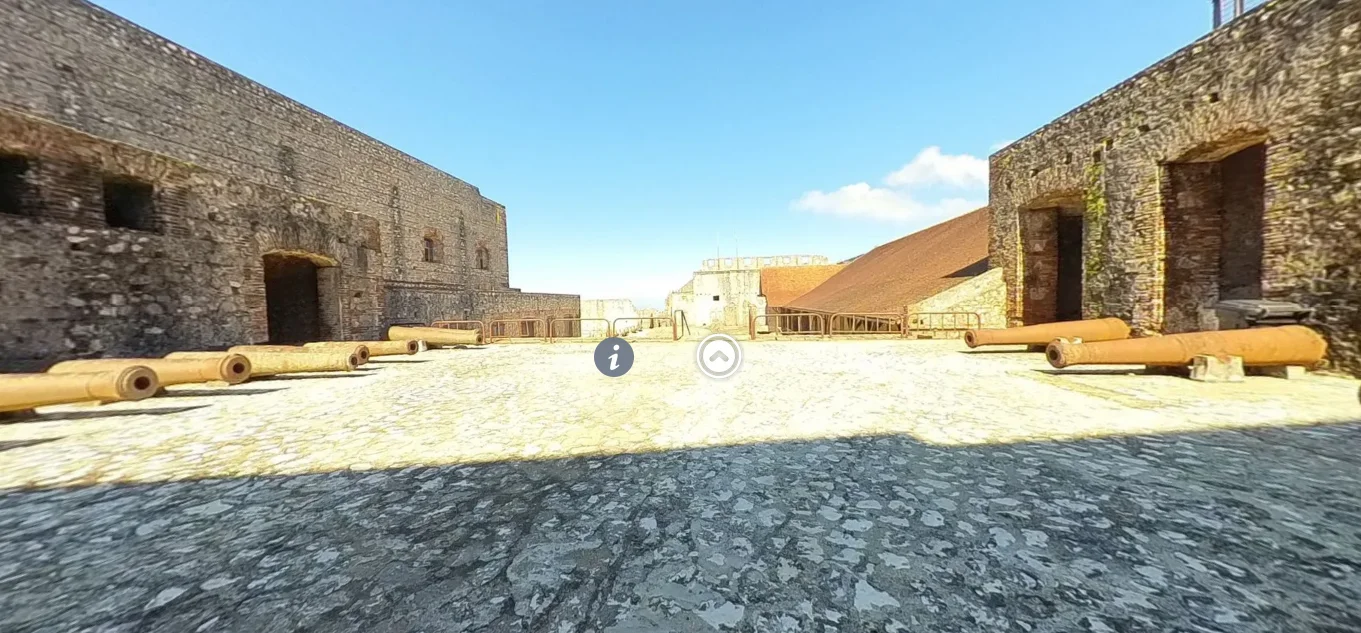
Citadelle la Ferrière - Cap-Haitien

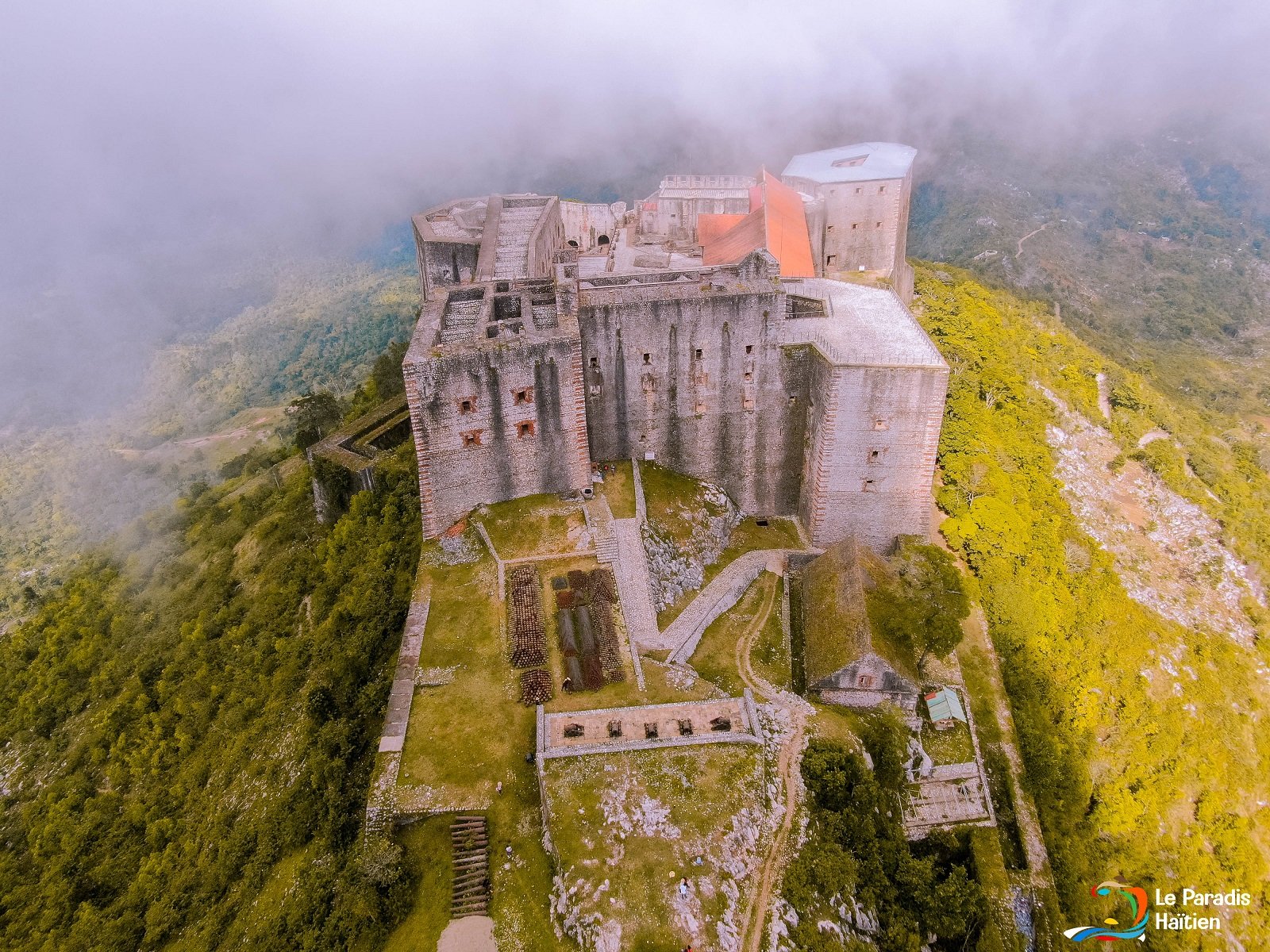
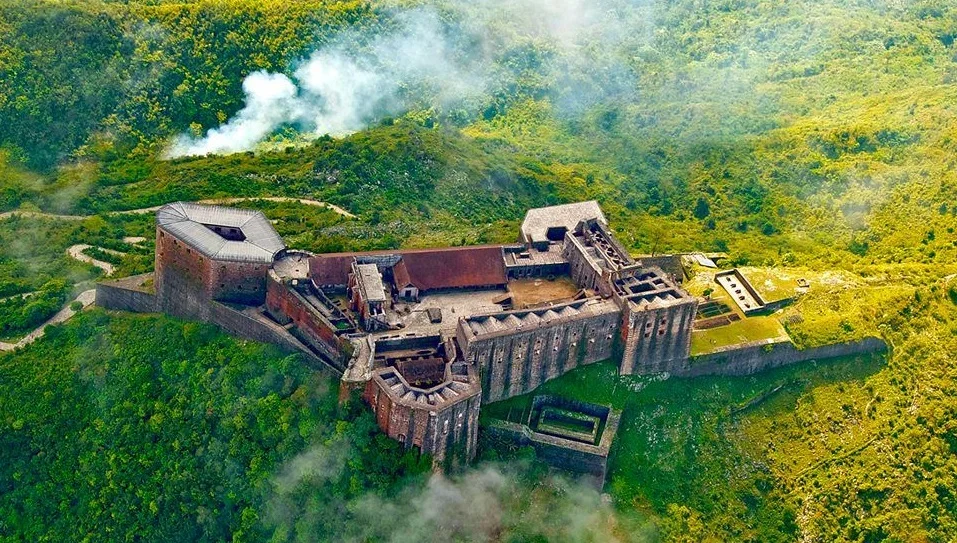
Perched on a mountain ridge, the Citadelle la Ferrière is an impressive and emblematic fortress in the history of Haiti. Built at the beginning of the 19th century to defend against foreign invasions, this citadel offers a breathtaking panoramic view of the surrounding area.

The architecture of the Citadel is impressive, and it is a UNESCO World Heritage Site due to its historical importance and unique architecture. Visitors today can explore the Citadel and enjoy panoramic views of the surrounding countryside. It is one of the most popular tourist attractions in Haiti, offering visitors a glimpse into the nation’s fascinating history and cultural heritage.

Explore the Citadelle Laferrière in virtual reality! : https://haitiwonderland.com/haiti-virtual-reality-ht/monuments-histoire/haiti--citadelle-la-ferriere--visite-virtuelle/1

Haïti : Labadee
Haïti : Labadee
Haïti : Labadee

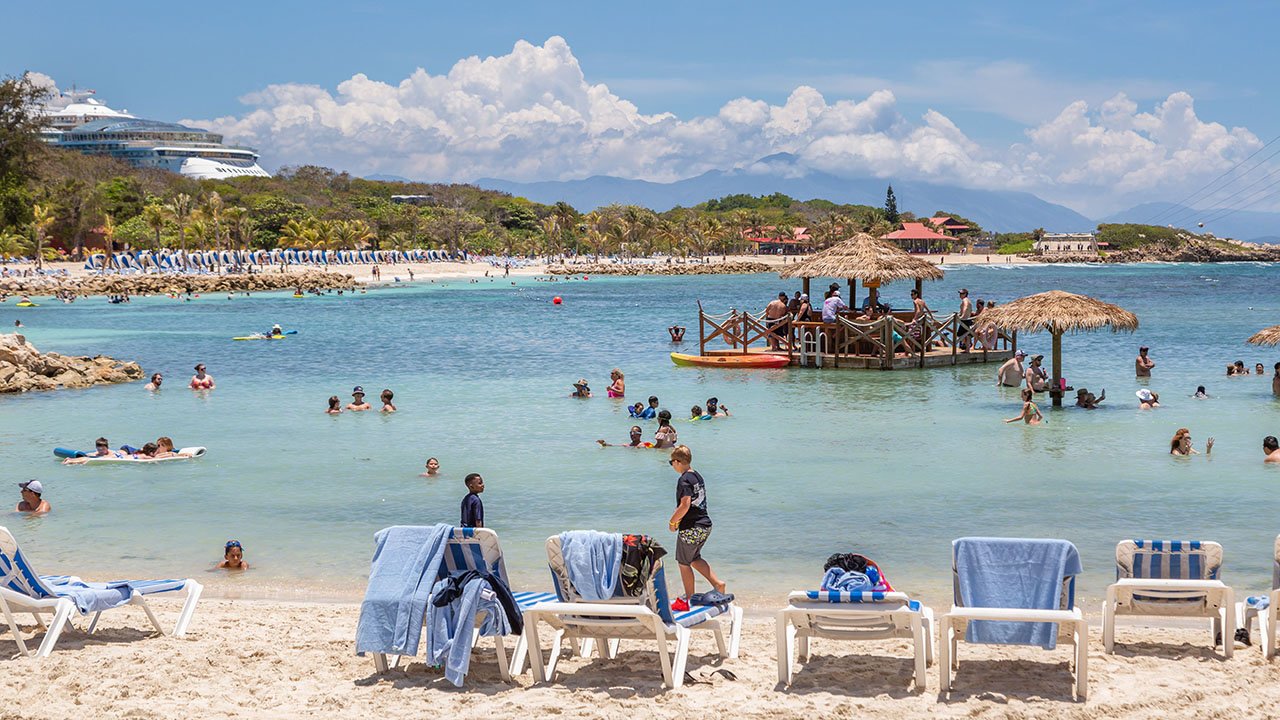
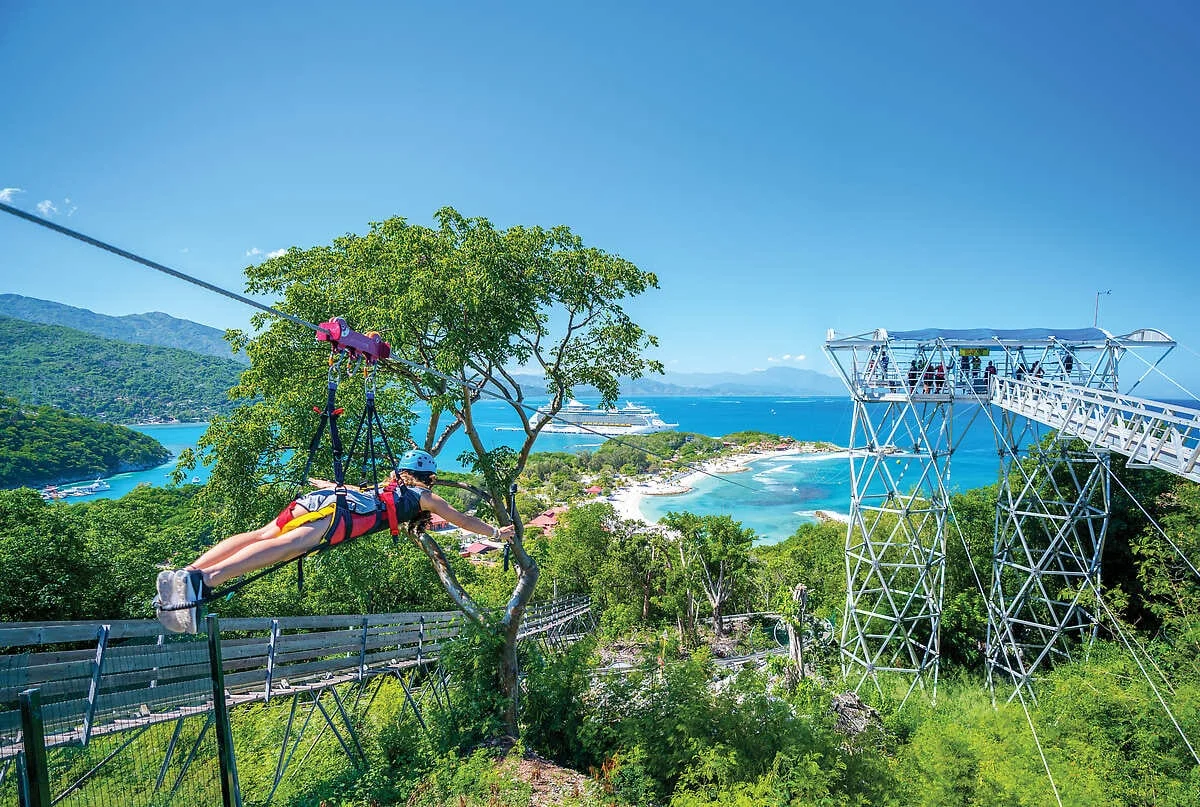
Labadee - Cap-Haitien

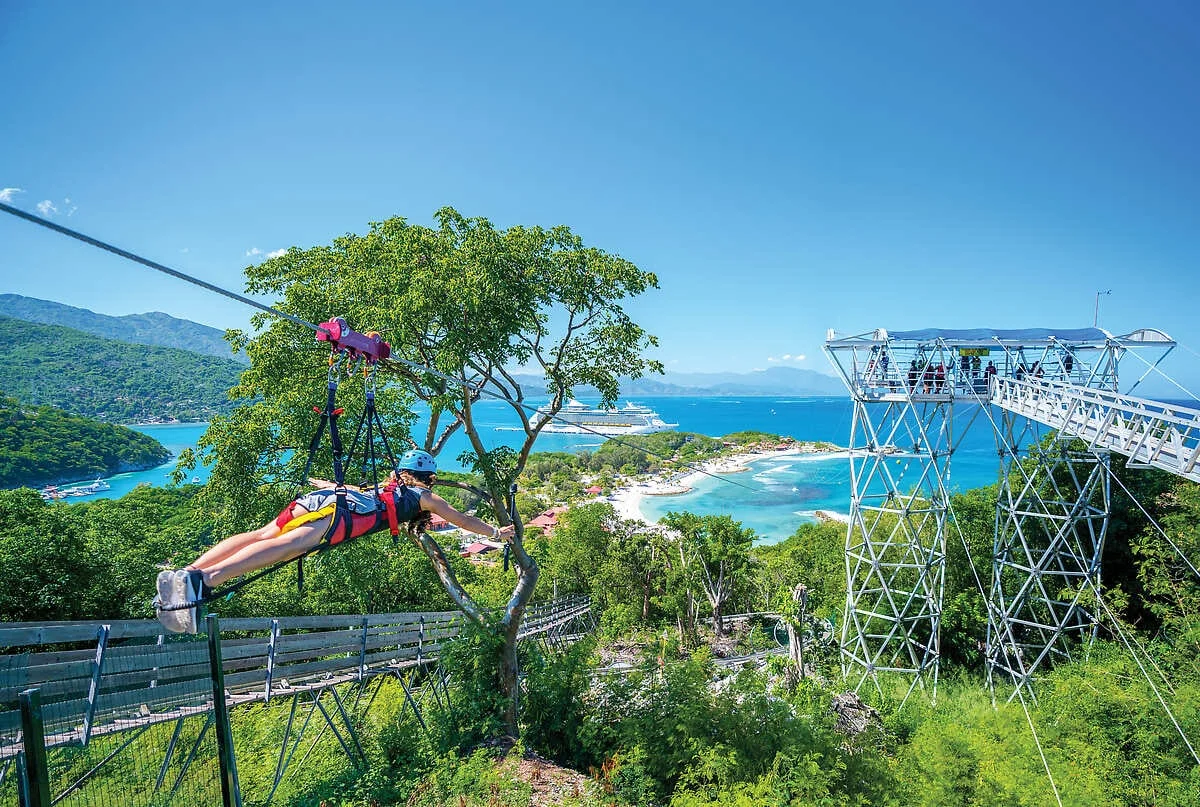
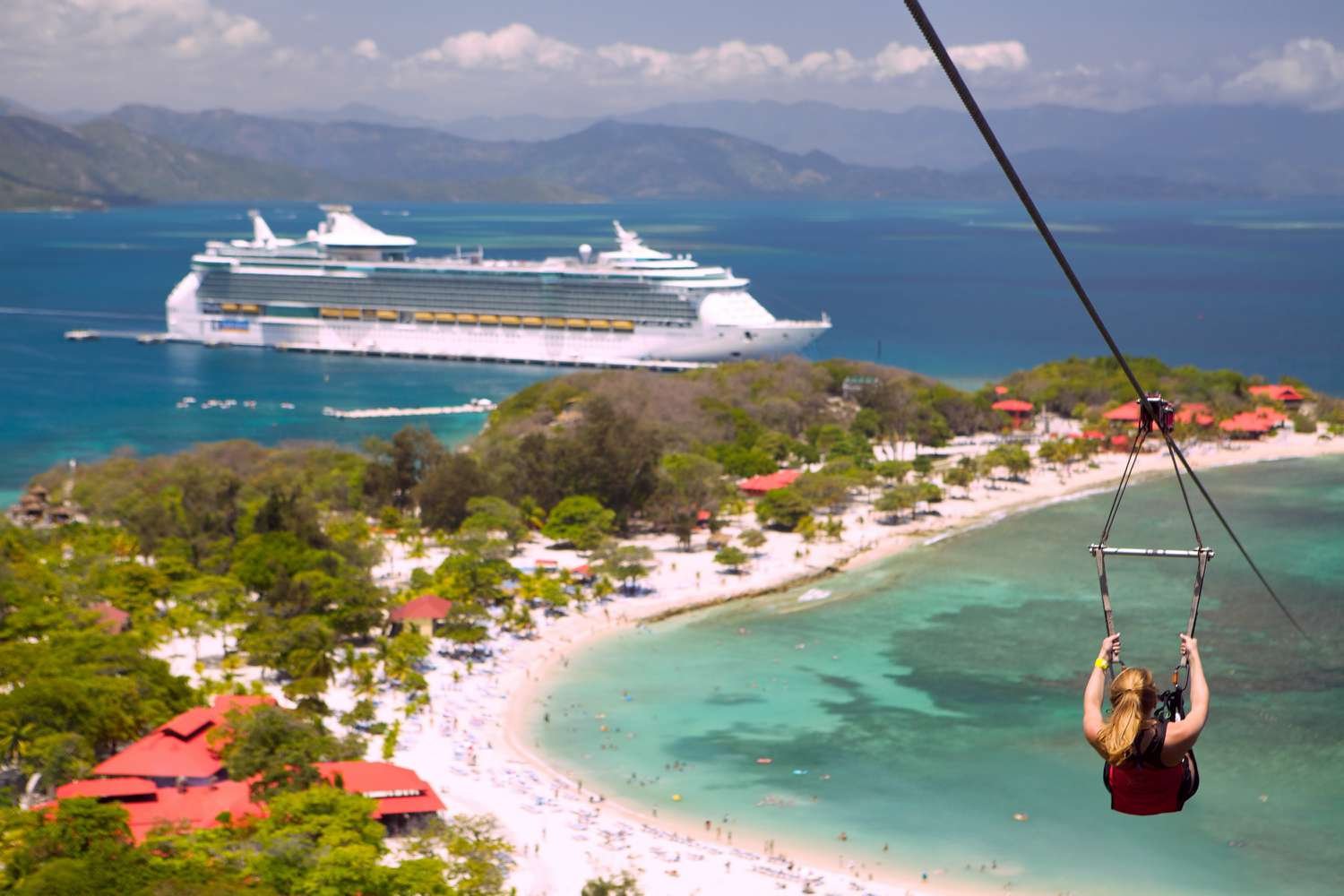
Labadee, a peninsula in the north of Haiti, a dream destination for beach lovers. With its crystal clear waters and white sand beaches lined with palm trees, Labadee is the perfect place to relax and soak up the Caribbean sun. Owned by the Royal Caribbean International cruise line, this private enclave is a must-see stopover for travelers plying the turquoise waters of the Caribbean aboard the company’s cruise ships.

Jardin botanique des Cayes

Cayes Botanical Garden - Cayes

Nestled in the heart of the town of Les Cayes, this botanical garden offers an oasis of greenery and tranquility. Visitors can admire a wide variety of tropical plants, as well as peaceful ponds and winding paths. This botanical garden is a place dedicated to the preservation and presentation of local flora, as well as raising public awareness of the importance of biodiversity conservation.

Why Choose Haïti as a Tourist Destination?

Why Choose Haïti as a Tourist Destination?

Haiti, the pearl of the Antilles, is attracting more and more attention from travelers looking for unique and authentic experiences. This Caribbean jewel is full of cultural, historical and natural riches that make it an unmissable tourist destination. So why choose Haïti among so many other destinations? b~The Fascinating History~b Haïti has a rich history, marked by the Haitian Revolution of 1804, which led to the country’s independence and made Haïti the first independent black republic. Historical sites such as the Citadelle Laferrière, listed as a UNESCO world heritage site, bear witness to this glorious past. History lovers will be delighted by the colonial remains, museums and monuments that dot the country. b~An Exuberant Nature~b The natural landscapes of Haïti are breathtaking. From white sand beaches to lush mountains and picturesque waterfalls, the country offers a diversity of vistas to explore. La Visite National Park and the Bassin Bleu are must-sees for nature lovers and adventurers in search of discoveries. b~Cultural Wealth~b Haïti is the birthplace of Voodoo, an Afro-Caribbean religion that has deeply influenced Haitian culture. Visitors have the opportunity to experience voodoo ceremonies, traditional dances and captivating music. Colorful markets, lively festivals and local artisans offer total immersion into daily Haitian life. b~A Living Art~b The Haitian art scene is vibrant and unique. Painting, sculpture and traditional crafts reflect the boundless creativity of the Haitian people. Local art galleries and markets are full of colorful and expressive works, offering visitors the opportunity to acquire unique pieces as souvenirs of their trip. b~Haitian Hospitality~b Haitians are renowned for their warmth and exceptional hospitality. Visitors are greeted with a genuine smile and remarkable kindness. Hospitality traditions are deeply rooted in Haitian culture, creating a warm and friendly atmosphere that makes each stay memorable. Haïti stands out for its captivating blend of culture, history, nature and hospitality. Choosing Haïti as a tourist destination means opting for an authentic adventure in the heart of the Caribbean, where each corner of the island reveals a new facet of its beauty and wealth. So, let yourself be seduced by the Haitian magic and set off to discover this unique Caribbean treasure.

Bassin Bleu
Bassin Bleu
Bassin Bleu

Bassin Bleu - Jacmel

For an adventure in the great outdoors, head to Bassin Bleu in Jacmel. This picturesque site is made up of three waterfalls surrounded by lush vegetation. Visitors can swim in natural pools of turquoise water and even zipline over the falls.

Palais Sans Souci
Palais Sans Souci
Palais Sans Souci

Palais Sans Souci - Cap-Haïtien

Former residence of King Henry I of Haiti, Palais Sans Souci is an architectural masterpiece nestled in the mountains near Cap-Haïtien. Visitors can explore the ruins of this majestic palace and imagine the island’s past grandeur. In 1982, the Sans Souci Palace was listed as a UNESCO World Heritage Site, in recognition of its historical and architectural importance.

Explore the Sans Souci Palace in virtual reality! : https://haitiwonderland.com/haiti-virtual-reality-ht/monuments-histoire/haiti--palais-sans-souci--visite-virtuelle/3

Royal Decameron Indigo

Royal Decameron Indigo - Montouis

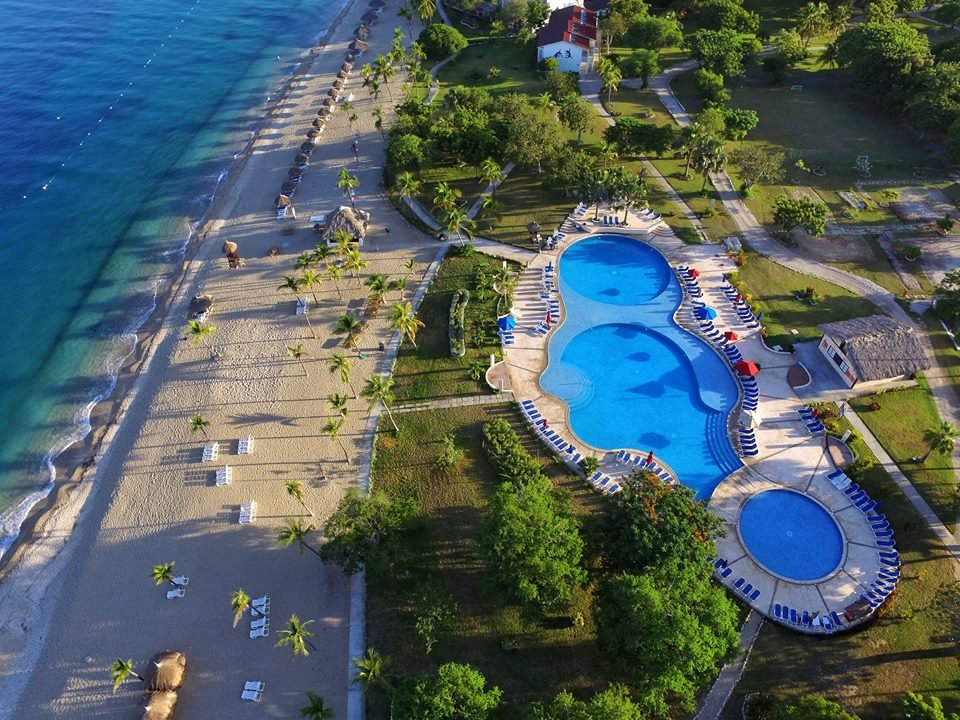
Located on the northern coast of Haiti, this all-inclusive resort offers the perfect blend of relaxation and adventure. With its private beaches, world-class restaurants and water activities, the Royal Decameron Indigo is a haven for travelers seeking comfort.

Grotte Marie-Jeanne
Grotte Marie-Jeanne
Grotte Marie-Jeanne

Grotte Marie-Jeanne - Cayes

This spectacular cave near the town of Les Cayes is a true paradise for caving enthusiasts. Visitors can explore its underground galleries, admire its stalactites and stalagmites. It played a significant role in the Haitian Revolution which resulted in Haitian independence in 1804. It is said that the cave served as a refuge for rebel slaves led by General Jean-Jacques Dessalines. This cave has become a symbol of the struggle for freedom and is often visited by tourists and Haitians to commemorate this history.

Île à Rat
Île à Rat
Île à Rat

Île à Rat - Cap-Haïtien

Accessible by boat from Cap-Haitien, Île à Rat is a small, unspoilt tropical paradise. Visitors can snorkel among the colorful coral reefs, relax on its white sand beaches, or simply enjoy the tranquility of the island.

MUPANAH
MUPANAH
MUPANAH

MUPANAH - Port-au-Prince

The Musée du Panthéon National Haïtien in Port-au-Prince houses an impressive collection of artifacts and works of art that trace the turbulent history of Haiti, from pre-Columbian times to the present day. Visitors can discover historical artifacts, famous paintings and interactive exhibits.

Saut-Mathurine
Saut-Mathurine
Saut-Mathurine

Saut-Mathurine - Cayes

Located near the town of Les Cayes, this picturesque waterfall is one of the highest in Haiti. Visitors can swim in its refreshing waters, have picnics by the river, or simply admire its natural beauty.

Kenscoff et Furcy
Kenscoff et Furcy
Kenscoff et Furcy

Kenscoff and Furcy - Kenscoff

Nestled in the mountains near Port-au-Prince, the villages of Kenscoff and Furcy offer a peaceful refuge from the hustle and bustle of the city. Visitors can go on scenic hikes, learn about the local culture, and enjoy traditional Haitian dishes.

Moulin Sur Mer
Moulin Sur Mer
Moulin Sur Mer

Moulin Sur Mer - Montouis

This former sugar plantation transformed into a hotel complex is a hidden gem on the northern coast of Haiti. Visitors can stay in quaint cottages, explore the ruins of the old sugar mill, and relax on its private beaches.

Parc Historique de la Canne à Sucre

Parc Historique de la Canne à Sucre - Tabarre

This historic park near Port-au-Prince traces the history of sugar cane in Haiti, from cultivation to processing. Visitors can discover sugar cane plantations, restored mills, and even take part in local rum tastings.

Cascade Saut d’Eau
Cascade Saut d’Eau
Cascade Saut d’Eau

Saut d’Eau Waterfall - Center Department

This sacred waterfall is an important place of pilgrimage for many Haitians. Every year, thousands of faithful come to bathe in its waters and pay homage to the Virgin Mary during the Saut d’Eau festival.

Heroes of Vertières - Cap-Haitien

This monument commemorates the decisive victory of Haitian troops over French forces at the Battle of Vertières in 1803, which led to Haiti’s independence. Visitors can discover monumental sculptures and learn more about the history of the Haitian revolution.

Cormier Beach
Cormier Beach
Cormier Beach

Cormier Beach - Cap-Haïtien

This quiet beach near Cap-Haitien is a true haven of peace for travelers looking for relaxation

Haiti, with its unique natural and cultural treasures, offers an unforgettable travel experience for those who dare to explore its hidden wonders. From historical remains to idyllic beaches to vibrant cities, every corner of this Caribbean gem is infused with the richness and diversity of Haitian culture. Whether you are a history buff, nature enthusiast, or intrepid adventurer, Haïti has something to offer every visitor.

Haïti : Côte des Arcadins

Côte des Arcadins - Montouis

Côte des Arcadins is a coastal region located on the west coast of Haiti, north of the capital Port-au-Prince. It is famous for its magnificent white sand beaches, crystal clear waters and tropical atmosphere. The area is home to several resorts, resorts and restaurants offering visitors a range of activities, from relaxing on the beach to water sports like scuba diving and sailing. The Côte des Arcadins is also known for its lively nightlife, with bars, clubs and open-air concerts. It is a popular destination for tourists looking for sun, sea and relaxation in an exotic setting.

Haïti : Fort-Jacques & Alexandre

Fort-Jacques & Alexandre - Port-au-Prince

Fort-Jacques and Fort Alexandre are two historic sites located in Haiti, near the capital Port-au-Prince.

Fort-Jacques: This fort, built at the end of the 18th century, overlooks the town of Pétion-Ville. It was erected during the French colonial period to defend the region against possible attacks. Today, it is a popular tourist site offering panoramic views of the surrounding region and serving as a reminder of Haiti’s turbulent history.

Fort Alexandre: Also known as Fort Alexandre Pétion, it is also located in Pétion-Ville, near Fort-Jacques. Built under the presidency of Alexandre Pétion, one of the first Haitian leaders after the country’s independence, this fort played an important role in the defense of the region. It also offers a panoramic view and constitutes a testimony to the military history of Haiti.

These two forts are fascinating historical sites, offering visitors insight into Haiti’s history and military architecture, as well as spectacular views of the surrounding region.

Haïti : Fort Picolet

Fort Picolet - Cap-Haïtien

Fort Picolet is an ancient fortification located in the town of Cap-Haitien, in northern Haiti. Built in the 17th century, this fort was part of the French colonial defense system established to protect the region against enemy attacks, including those from pirates and enemy fleets.

Fort Picolet is notable for its strategic location, perched on a hill overlooking the bay of Cap-Haitien. From here it provided a commanding view of the sea and surrounding areas, allowing defenders to monitor and repel potential attacks.

Today, Fort Picolet is one of the most important historical sites in Cap-Haïtien. Although partially in ruins, it remains a major tourist attraction, offering visitors a unique opportunity to learn about Haiti’s colonial history and admire the impressive remains of this ancient fortification.

Explore the ruins of Fort Picolet in virtual reality! : https://haitiwonderland.com/haiti-virtual-reality-ht/monuments-histoire/haiti--fort-picolet--visite-virtuelle/14

Haïti : Parc national La Visite

Parc national La Visite

La Visite National Park is one of the most important national parks in Haiti. Located in the mountains of the Massif de la Selle chain, it offers remarkable biodiversity as well as spectacular natural landscapes.

The park is a privileged place for lovers of hiking and ecotourism. It has marked trails that allow visitors to explore the natural beauty of the area while enjoying stunning views of the surrounding mountains. Local guides are often available to accompany visitors and provide information on the flora, fauna and history of the area.

Share
About the Author
Appolon Guy Alain
Appolon Guy Alain
Appolon Guy Alain

Full Stack Developer, Créatif, expérimenté, passionné des nouvelles technologies et de l’art.

See other articles from Appolon Guy Alain
Leave a comment

Recently Posted

Pity or the work of an old soul crushed under the weight of an absinthe-flavored existence

The word crisis carries an infinite number of meanings. No intention of revealing them all this afternoon. However, a few clarifications are necessary. A kid whose parents do not have enough money at Christmas to buy her a Little Black Mermaid doll has a fit and locks herself in her room without touching her meals for the day. A boy whose dog was suddenly poisoned by a neighbor in revenge or shot after contracting rabies, losing a faithful friend overnight, enters into crisis. Finally, a society in the grip of all sorts of mutations and whose leaders are weak, perhaps prolonged in a deep crisis. In the first case, the young girl sulks to attract the attention of her parents in order to feel appreciated by children her age at school or in the neighborhood. Today, thirty minutes of negotiations can be enough to find a lasting solution. In my day, a few well-aimed belt blows would have overcome this whim. But, humanity evolves, they say. In the second case, this boy can find his smile again after a few weeks. He needs a little attention and, probably, another dog. As Stendhal would say, only passion triumphs over passion. In the last case, this society led by inepts is shaken to its deep foundations. Its institutions can disintegrate one by one. The vital forces dissolve in no time. This situation creates a societal tsunami that destroys all life within this community. It is indeed a crisis. The crisis from this point of view constitutes an alarming, desperate situation in the existence of a community where nothing is going well. Chaos reigns supreme. The very essence of life disappears. The individual can take precedence over the community. Everyone tries to solve their problems without worrying about others. The closest neighbor is relegated light years away from you. How can we turn to creation? How can we continue to conceive of otherness? How can the artist absorb this great collective disarray as a source of motivation? These are the questions I must answer. An artist sees and feels what ordinary mortals cannot even imagine in a thousand-year life. He creates to denounce, when his conscience as a human being is revolted. He exalts heroes or the homeland according to his feelings. He sings the beauty of an irresistible, captivating or ugly resplendent woman. He can also use the ambient desolation to give meaning to life. Creating in literature as in the arts in general does not depend on the situation. The act of creation depends on the creator’s disposition. Events paralyze some and galvanize others. Creating is enjoyable. Everyone therefore enjoys according to their own whim. Writing opens the way to change. The writer takes a different look at the world. By embedding himself in reality, he embellishes it, makes it better or hideous depending on the message he intends to share. All things considered, with him, life is never fixed. Writing is putting the world in a jar to travel the universe. The artist broods over his work in all weathers. Oswald Durand was delighted to see Choucoune’s beautiful body from his secret observatory. Musset, on the other hand, was in pain writing his October night. As for Dany Laferrière, in exile, he described the horrors of the Duvalier dictatorship and the carefree attitude of the young girls in his neighborhood in this violent and dangerous world. Ultimately, the writer lives in a society with values ​​that he shares or not. They condition his existence or have no hold on him. In many ways, the surrounding world serves as his laboratory. He carries out his experiments there. He casts a new, worn, disillusioned, melancholic, violent, bitter look at the world depending on his mood. Pitié is the work of an old soul crushed under the weight of an existence that tastes of absinthe. Young Mike Bernard Michel lives by expedients and lies. The hands of life fall on him with indescribable violence. Misfortune embraces him day and night. Should we give up? Musset liked to say: "Man is an apprentice, pain is his master. And no one knows himself until he has suffered." The artist must produce under all skies. Such is his vocation. Incompetents in power, legal or highway bandits, the high cost of living, unemployment, heartaches are all subjects of concern for him. If it is true that a hungry belly has no ears, the fact remains that it keeps the brain awake. What am I saying, it stimulates it to the point of creating timeless works. Mr. Pitié, you have a bright future ahead of you. Work of Jean Rony Charles, the book is available from Éditions Repérage.

Newsletter

Subscribe to our newsletter to stay informed of all our activities and news on Haiti.

Rutshelle Guillaume and Blondedy Ferdinand Team Up to Launch RGGlow

Elephant Haitian music and film icons Rutshelle Guillaume and Blondedy Ferdinand are adding another string to their bow with the launch of "RGGlow," a premium skincare brand. This unprecedented collaboration reflects their shared commitment to female empowerment and the celebration of beauty in all its diversity. Set to launch on December 12, 2024, the "RGGlow" line promises products designed to nourish, rejuvenate, and brighten the skin. Made with quality ingredients, "RGGlow" products aim to meet the specific needs of women looking for effective and elegant solutions for their beauty routine. The official launch will take place during an exclusive event at Blondedy Ferdinand Studio, starting at 5 p.m. The event will bring together celebrities, beauty professionals, and fans to celebrate this unique initiative. This is an anticipated moment that will mark the beginning of an ambitious and inspiring project. Beforehand, an exclusive live will be broadcast on December 11 at 7 p.m. on all platforms, allowing the general public to discover the behind the scenes of this entrepreneurial adventure. Rutshelle Guillaume and Blondedy Ferdinand will share the inspirations behind RGGlow, while revealing some secrets about the products that make up this range. This project represents much more than a simple cosmetics brand. RGGlow positions itself as a symbol of unity and determination, carried by two powerful and influential figures. Through this collaboration, Rutshelle and Blondedy wish not only to offer quality products, but also to convey a strong message: every woman deserves to feel beautiful, radiant and confident.

Recently Posted

History

History

First black nation to free itself from slavery and gain independence from France in 1804 and influenced other liberation movements around the world, inspiring struggles for freedom and equality.

Natural beauty

Natural beauty

Haïti is blessed with spectacular natural landscapes, including white sand beaches, mountains and rich biodiversity.

Heritage

Heritage

Haïti has a rich historical heritage, including sites like the Citadelle Laferrière and the Sans-Souci Palace, listed as UNESCO World Heritage Sites.

Culture

Culture

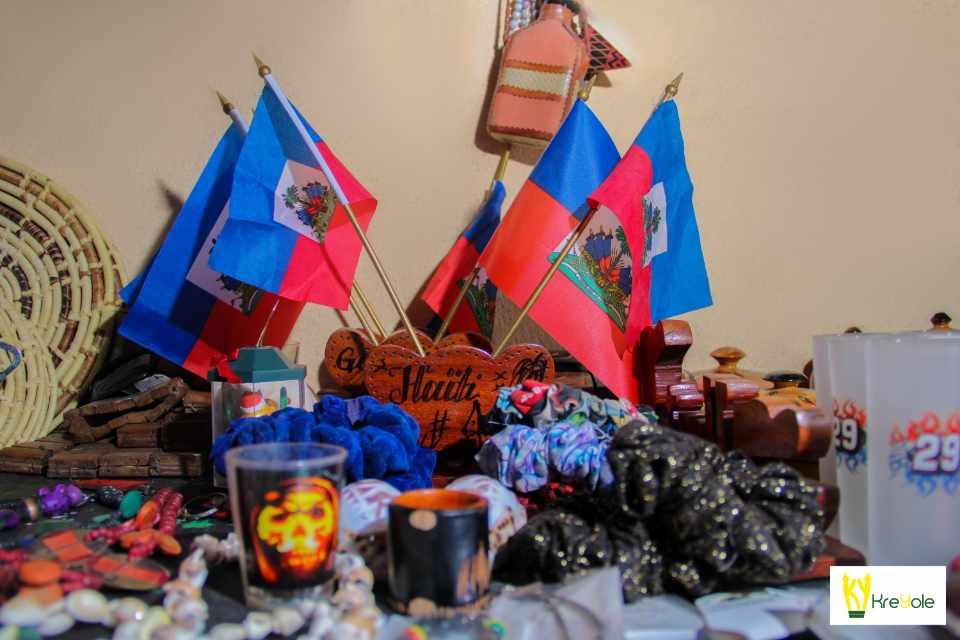
Haïti has a rich and diverse culture, influenced by African, European and indigenous elements. Haitian music, dance, art and cuisine are celebrated around the world.

  • +
    • Post