Haitian Creole is our identity, it deserves to be valued: History, Origin and Evolution
The Haitian Creole, born in the 17th century during the French colonization on the island of Hispaniola, is not only a communication tool; it is an essential part of the Haitian identity. Despite being recognized as an official language in 1987, French is still considered an elite language, creating a social divide. In the educational system, where French is the language of instruction, Creole is often neglected, which affects the ability of students to understand what they are learning, especially for children from rural areas. It has a unique grammatical structure that facilitates learning, and serves as a means of cultural expression in literature, music, and other arts. The advancement of technology will allow Creole to gain more visibility in social media, but the stigmatization of the language still exists. Therefore, it is important for Creole to be valued in education and other sectors, to allow the new generation to grow up with pride for their heritage.
The Haitian Creole language, which is the first language for the majority of people in Haiti, is not only a means of communication, but it is also a reflection of the cultural wealth and history of the people. In a country full of diversity, Creole and its origin, its evolution and its place in society, is a testimony of resistance and adaptation.
Read the article in :
French : Le Créole Haïtien est notre identité, il mérite d’être valorisé : Histoire, Origine et Evolution
Spanish : El criollo haitiano es nuestra identidad, merece ser valorada: Historia, Origen y Evolución
Creole : Kreyòl Ayisyen an se idantite nou, li Merite Valorize : Istwa, Orijin ak Evolisyon
Reference page : Haitian Creole is our identity, it deserves to be valued: History, Origin and Evolution
Other version : Le Créole Haïtien est notre identité, il mérite d’être valorisé : Histoire, Origine et Evolution
Origin of Haitian Creole
Haitian Creole is a language that was born in the 17th century, when France established a colony in the west of the island of Hispaniola, which is today Haiti. But its origin dates back to the period of Spanish rule. When Spain first established a colonization on the island in the 15th century, it was the Tainos who occupied the space. The contact of these two peoples has developed among them, a communication tool. After the extermination of the Africans, they went to look for blacks in various regions of Africa to work in the plantations. Arriving in the colony, black slaves contributed to the emergence of this tool with words from their spoken language.
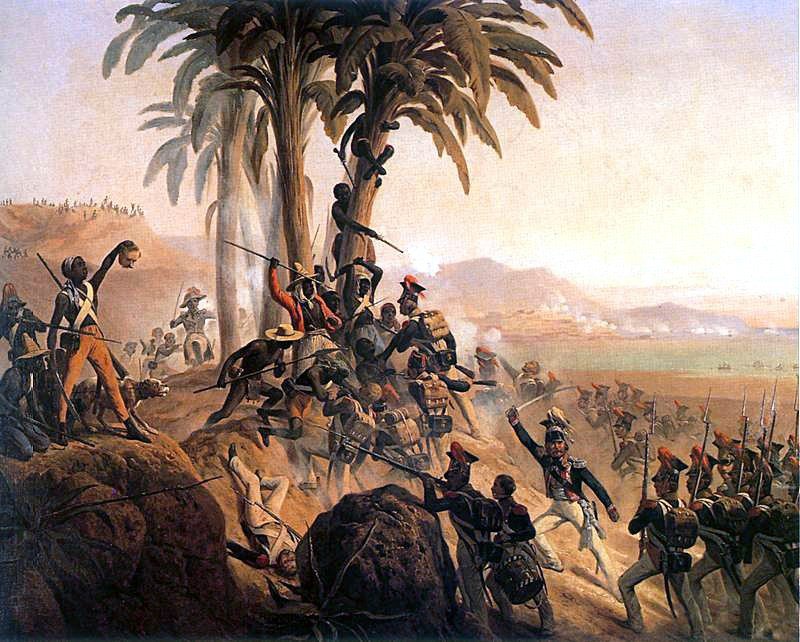
The reason why our Creole language has a French lexical base is because the French have been colonizing us for a long time. They took control of the western part of the island with the Treaty of Wiswick from 1697 to 1804, establishing a system that depended exclusively on the labor of African slaves. The French colonists used the French language as the official language. As the slaves sought to communicate with each other, even with the French colonists. There was the creation of a new language that facilitated communication between these different groups of people. Creole, which has a French lexical base, but incorporates many words and grammatical structures from African languages, Tainos and Spanish, which makes it a rich and dynamic language.
In 1987, the Haitian Creole language was recognized as the official language in the country’s constitution, which reflected a change in the country’s political and social thinking. Many Haitians saw this as a recognition of their cultural identity. But despite this, many people still believed that the French language, which was considered the language of the elite, was better. This has created a division between those who are more comfortable speaking Creole, which is their mother tongue, and those who can say a few words of French and value this language more.
Structure and Dimensions of Haitian Creole
Haitian Creole has a grammatical structure similar to all languages, it is unique in understanding and use. This language has its own rules, allowing the community to communicate efficiently without confusion. For example, Creole does not have a verb tense system, which makes it more accessible to learners. This makes it a language that adapts to the needs of the community, allowing a better understanding and an easier interaction.
The phonology and morphology of Haitian Creole are other aspects that make it interesting. Creole has 32 phonemes, including vowels and consonants. The phonological system allows the distinction between words, which is essential for understanding the meaning of sentences. Morphology, which deals with the formation of words, allows their combination to create new meanings. This shows how language is a dynamic system.
In addition to its structural aspects, Haitian Creole also serves as a tool for cultural expression. In music, literature, and other art forms, it is a means of sharing the history, traditions, and cultural values that are important to the people. It is an integral part of the Haitian identity that allows them to express what they feel, what they think, and what they believe. It is not only as a communication tool, but as a living part of the Haitian culture
Haitian Creole in Education
Despite its importance, Haitian Creole is often neglected in the educational system in Haiti. Schools use French as the language of instruction, which creates a barrier for children from rural areas, where Creole is the mother tongue. This barrier can affect children’s ability to understand what they are learning, leading to a lack of interest and engagement in education. The lack of use of Creole in the classroom also creates a distance between the students and what they are studying, because they cannot connect with the content in the language they feel more comfortable with.
To address this problem, there must be a change in the educational system that should encourage the use of Creole as the language of instruction. Integrating it into education not only facilitates learning, but it valorizes the cultural heritage, which is important for the development of a sense of pride and identity. When children learn in the language they know from an early age, they can develop a better understanding of the content, which can improve their academic results.
There are several teaching models that can be implemented to support this change, such as bilinguistic or trilinguistic instruction, which can allow students to learn in kindergarten while being exposed to other languages. These models can strengthen the connection between students and what they are learning. Additionally, this can help children develop the ability to manage multiple languages, which is an important skill in a globalized world.
Haitian Creole: A Living Language
Haitian Creole is not just a tool for communication; it is a platform for reflection on Haitian history and culture. In literature, many authors such as Jacques Roumain and Edwidge Danticat use Creole in their works, there are many others who have published novels and collections of poems in Creole, to show the complexity and beauty of the language. This provides a voice for cultural expression that allows the Haitian people to tell their own stories, share their traditions, and reflect on their challenges.
With the advancement of technology, the Haitian Creole is gradually finding its place in social media and other digital platforms. This allows a new generation to express themselves in their language and to share their culture around the world. Moreover, the use of Creole in the digital media contributes to improving the visibility of the language, which is important for the development of a collective cultural awareness and to draw attention to the problems affecting the Haitian community.
Despite these advances, many Haitians face stigmatization, which can make them feel degraded when they use their mother tongue, especially in administrative contexts, and spaces associated with French. That is why it is important to continue working on the valorization of the language in all sectors, including education, media, and culture. It is only through these efforts that Creole can become a language that is respected, valued, and used in all aspects of Haitian life.
Finally, Haitian Creole could be called the "Haitian language", it is an essential part of the identity of the Haitian people. With a history filled with resilience and adaptation, this language must be valued as a tool for education, communication and cultural expression. For a brighter future for Haiti, it is important to place Creole at the center of the educational system, so that children can grow up in an environment that respects their language, culture, and identity. Only when we value Creole as the language of instruction, we will allow a generation with more knowledge and more pride in their heritage.