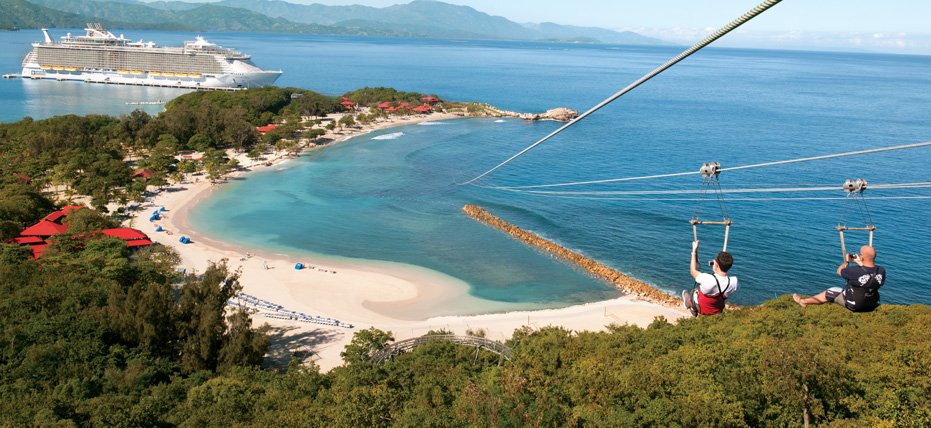


Spectacular Nature: Hidden Wonders to Discover
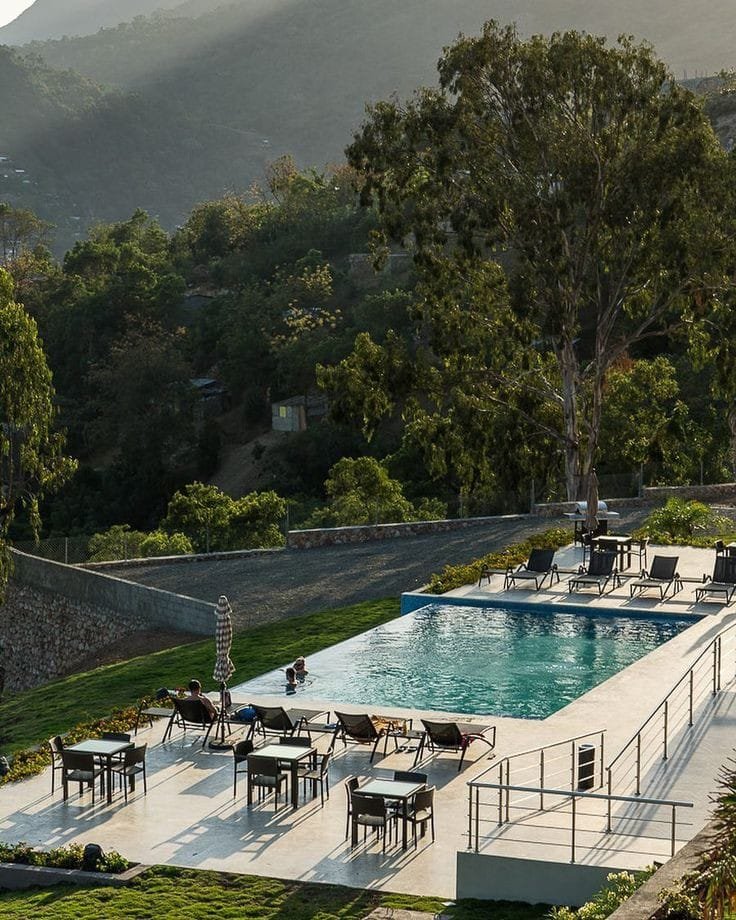
Haïti is home to an incredible diversity of landscapes, which will enchant nature and adventure lovers.
When we talk about the Caribbean, images of white sand beaches, turquoise waters and luxurious resorts often come to mind. But Haïti offers much more than a classic postcard. With its fascinating history, vibrant culture and breathtaking natural landscapes, Haïti stands out as a unique destination. Whether you are a culture vulture, nature enthusiast or curious foodie, Haïti is a treasure trove to explore. Discover why this country deserves a top spot on your travel list.
Read the article in :
Haïti is home to an incredible diversity of landscapes, which will enchant nature and adventure lovers.

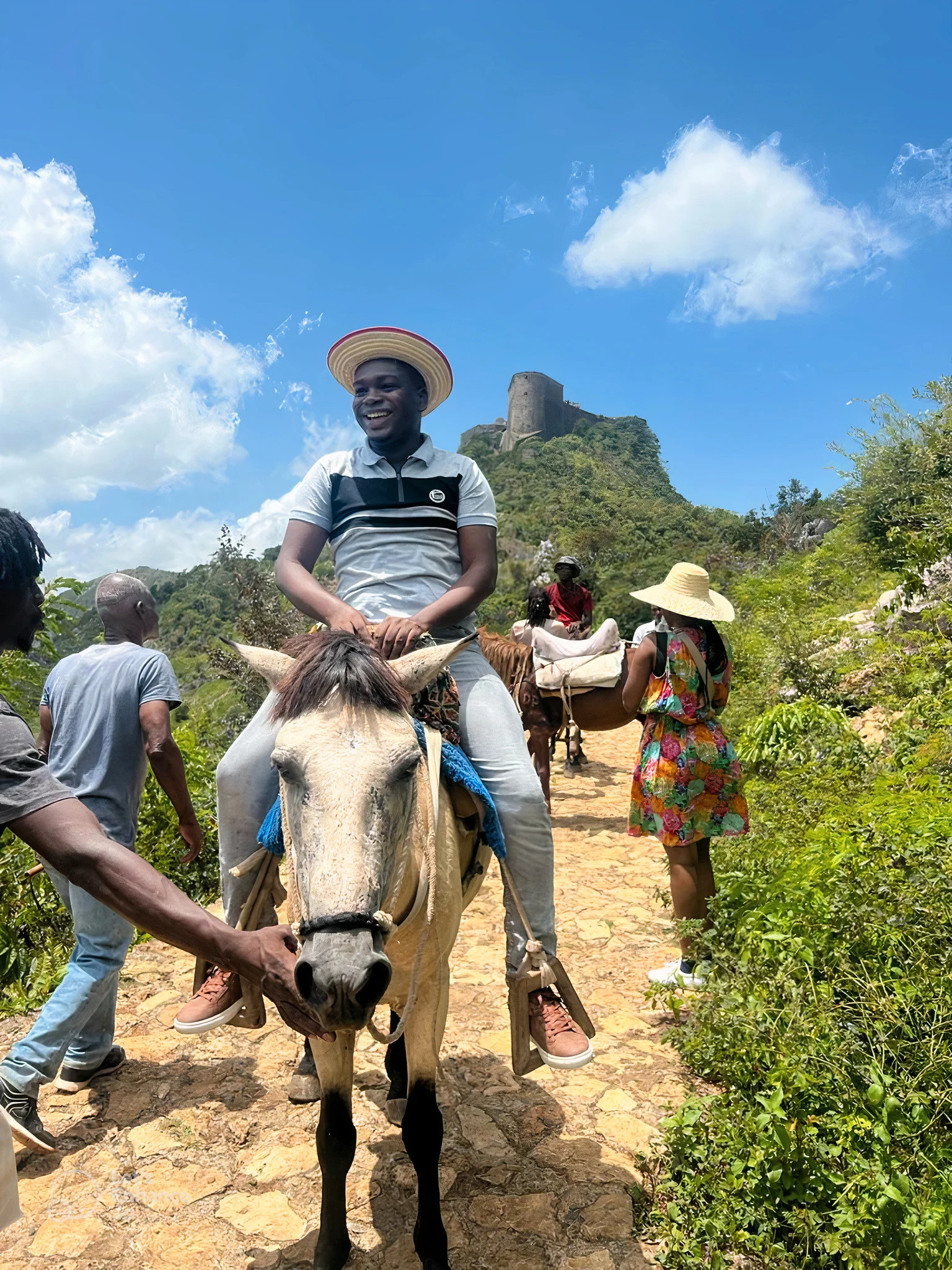
La Visite National Park and Macaya Park offer unforgettable hikes in the heart of Haitian biodiversity. With its mountain peaks, tropical forests and waterfalls, Haïti is a dream for hikers and nature photographers.

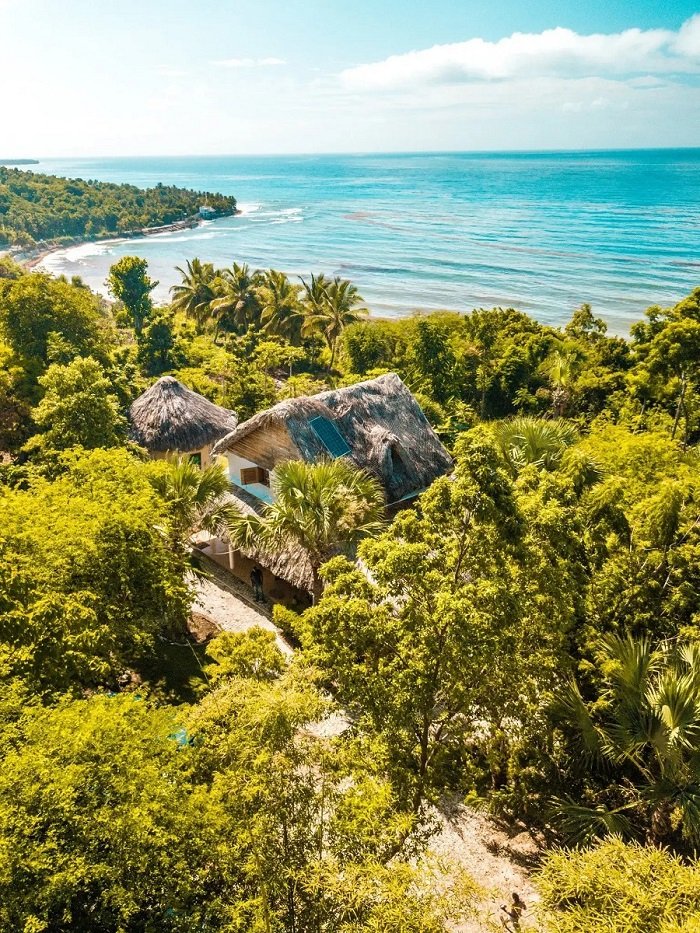
Haïti has beaches worthy of the most beautiful seaside destinations. Labadee and Cormier Plage are perfect places to enjoy a sunny day. Gonâve Island and Île-à-Vache are also ideal spots to escape far from it all.

The Marie Jeanne cave and the Saut-Mathurine waterfalls fascinate adventurers and add a touch of mystery to the exploration of the country.

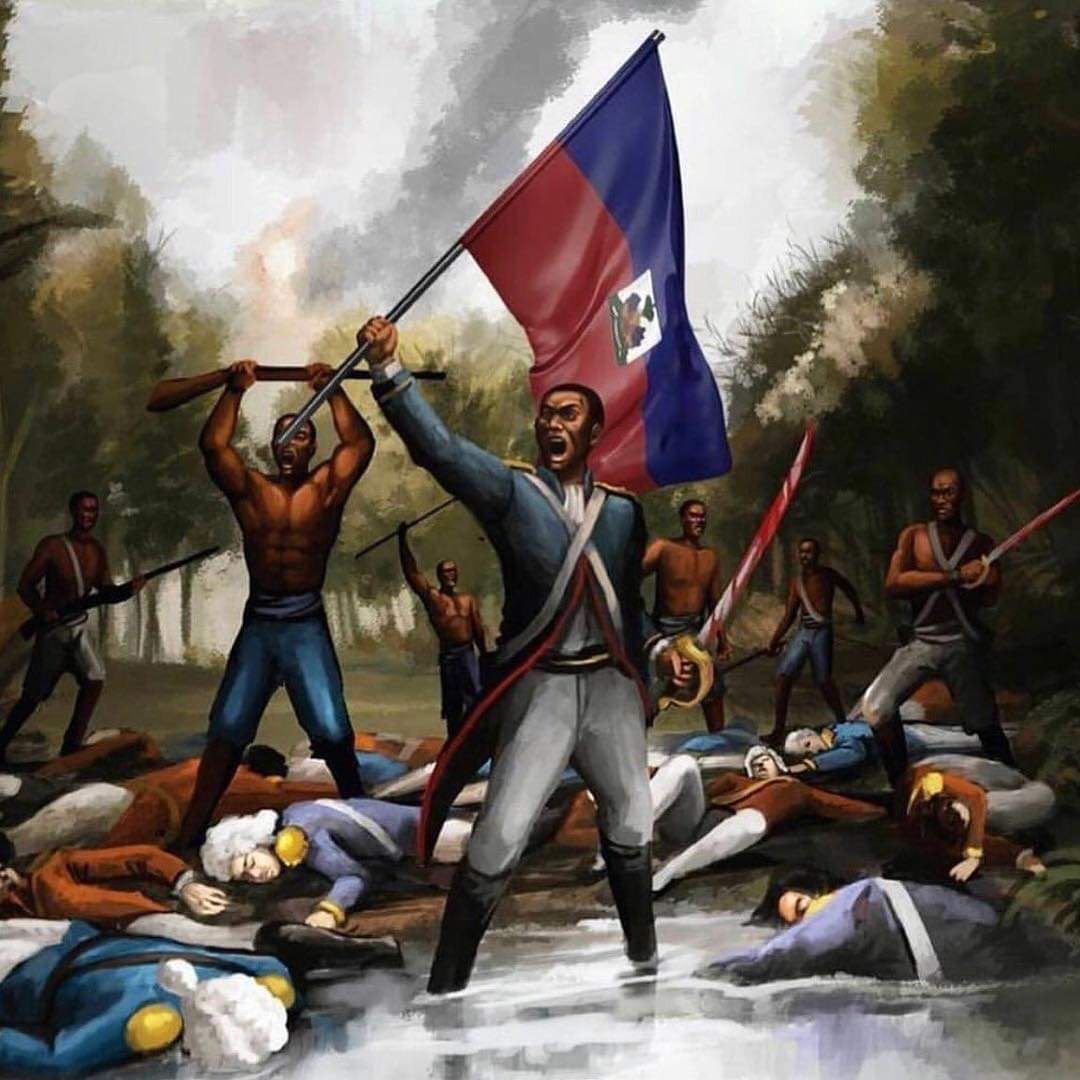
Haïti is the first black country to have conquered its independence in 1804, an event that marked world history.

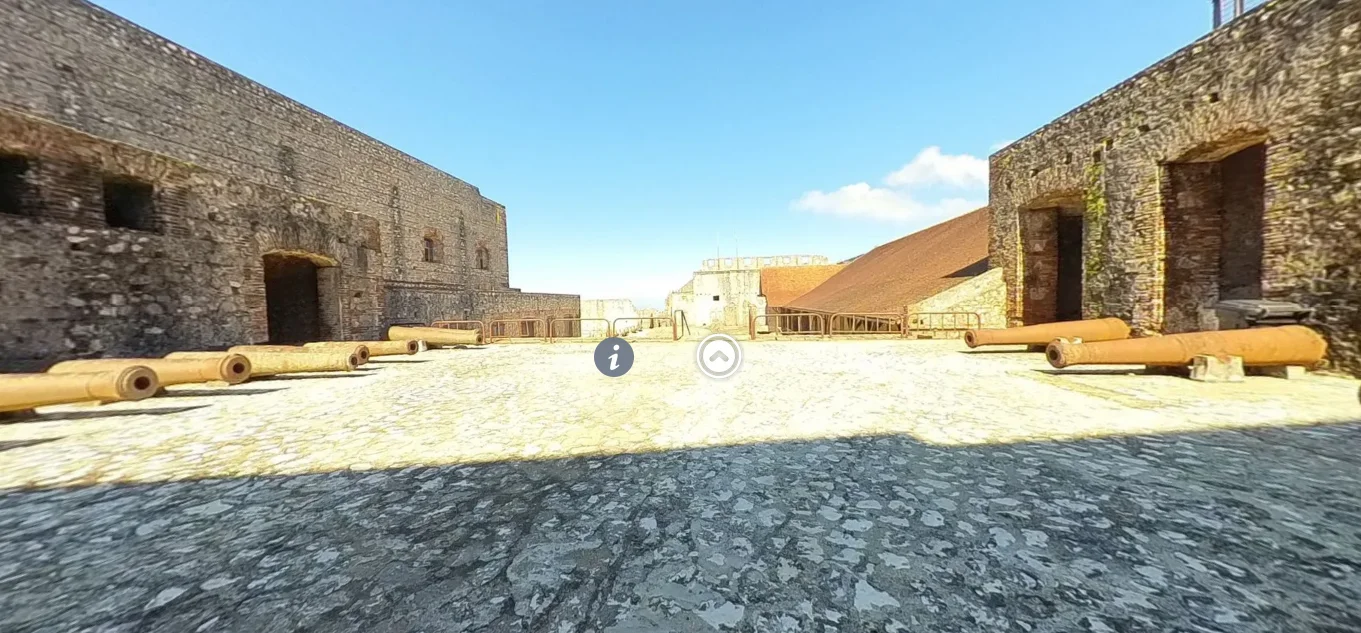
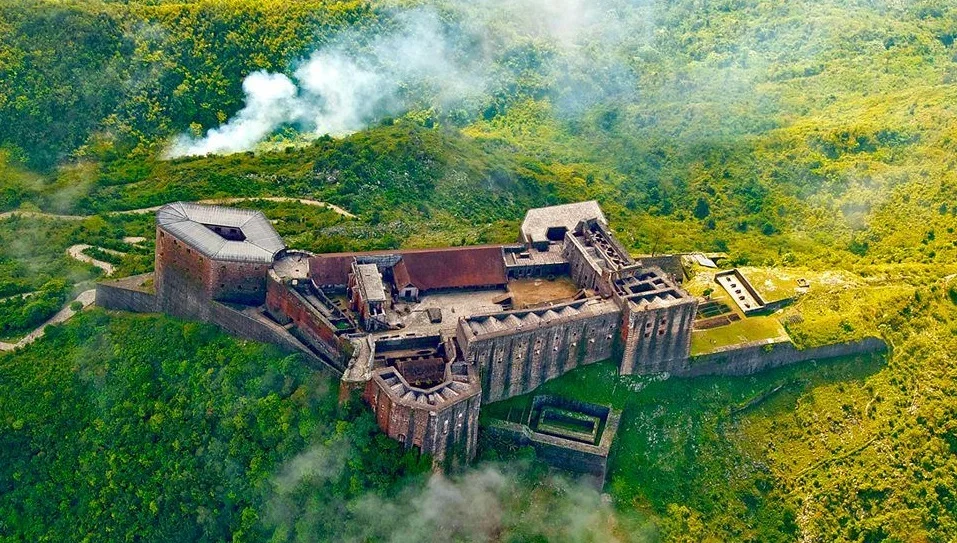
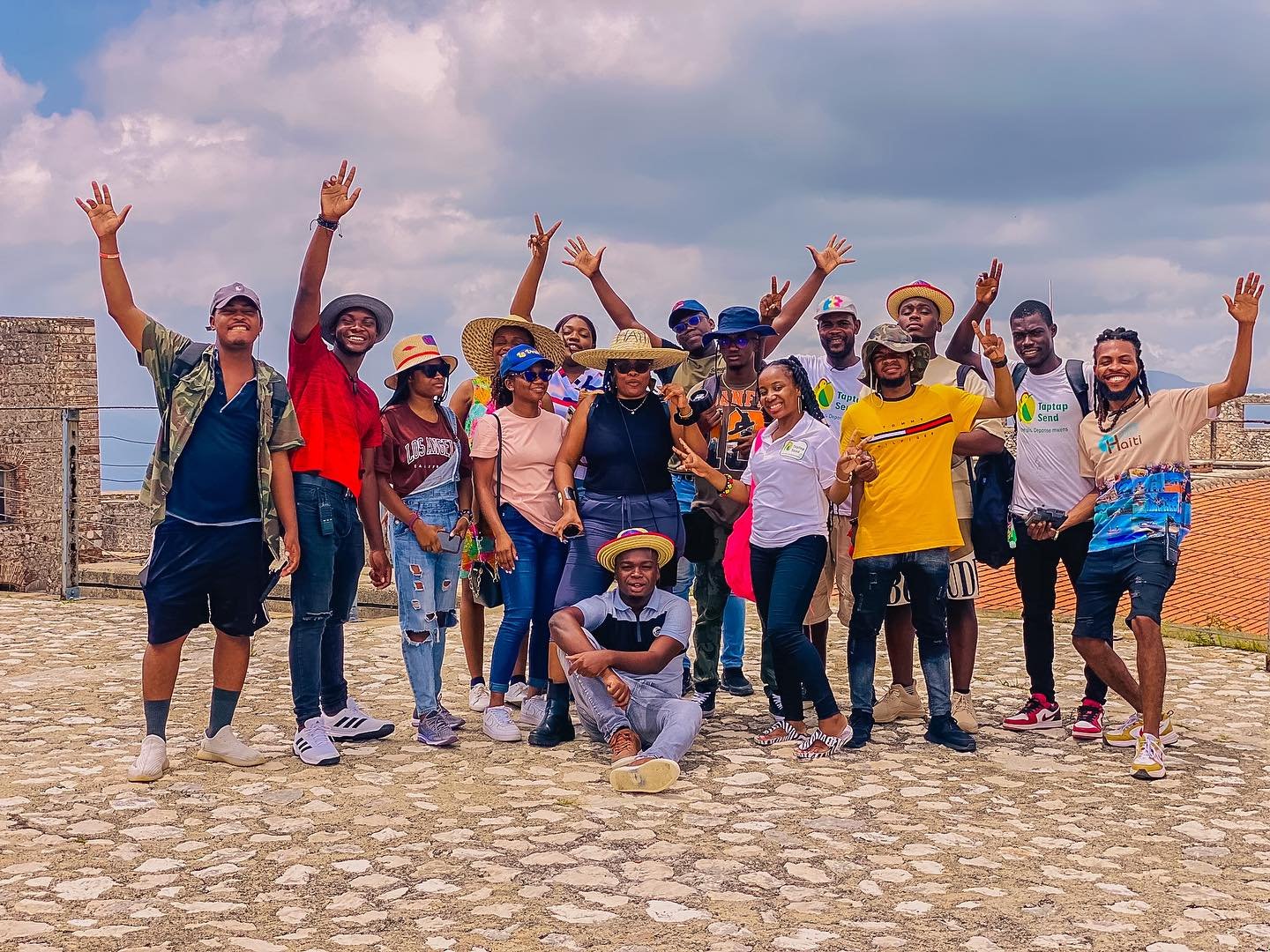
Located in the North, the Citadelle is a masterpiece of engineering and a symbol of freedom. Classified as a UNESCO World Heritage Site, it offers a breathtaking panoramic view and a dive into the history of the Haitian struggle for independence.

This palace is another testament to the grandeur of the post-colonial era. Located in Milot, it offers visitors a fascinating glimpse into the cultural richness of Haïti in the early 19th century.

Haïti is renowned for its vibrant culture and deep-rooted traditions.

The country hosts unique cultural events, such as Carnival with its artisanal costumes and artistic performances. The rara festivals, with their captivating rhythms, are also a captivating spectacle for any visitor.

Renowned worldwide, Haitian crafts are rich in color and creativity. From naive paintings to metal sculptures, each piece tells a story of resilience and cultural pride.

Haitian cuisine is a savory blend of African, French, and Creole influences.

Sample local delicacies like griot (marinated and fried pork), diri ak djon djon (rice with black mushrooms), and lalo (a dish made from local spinach). Each dish is prepared with unique spices that tantalize the taste buds.

In addition to Haitian rum, renowned for its quality, don’t miss clairin, a traditional spirit, and jus de corossol, a refreshing drink made from soursop fruit.
To learn more about Haitian cuisine, check out this article: https://haitiwonderland.com/haiti/cuisine/les-delices-de-la-cuisine-haitienne--20-plats-incontournables/24

Haïti is much more than a tourist destination, it is an immersion in a rich culture and an intense history. By visiting Haiti, you are also helping to encourage sustainable and responsible tourism, allowing local communities to thrive while preserving the wonders of the country. Don’t miss the opportunity to discover such a fascinating country, where every corner reveals a new treasure to explore.
Ready to Go? Haïti Awaits You!

Facebook : https://www.facebook.com/haitiwonderland
Youtube : https://www.youtube.com/@haitiwonderland
Instagram : https://www.instagram.com/haitiwonderland/
Twitter : https://twitter.com/haitiwonderland
Linkedin : https://www.linkedin.com/in/haitiwonderland/
Nestled on the southern coast of Haiti, Jacmel is a city that never ceases to seduce with its natural beauty, colonial architecture and incredible artistic wealth. Nicknamed the cultural capital of Haiti, Jacmel is a place where creativity flourishes and where every street corner seems to tell a unique story. Discover what this artistic city has to offer and why it deserves a special place in your next trip to Haiti.
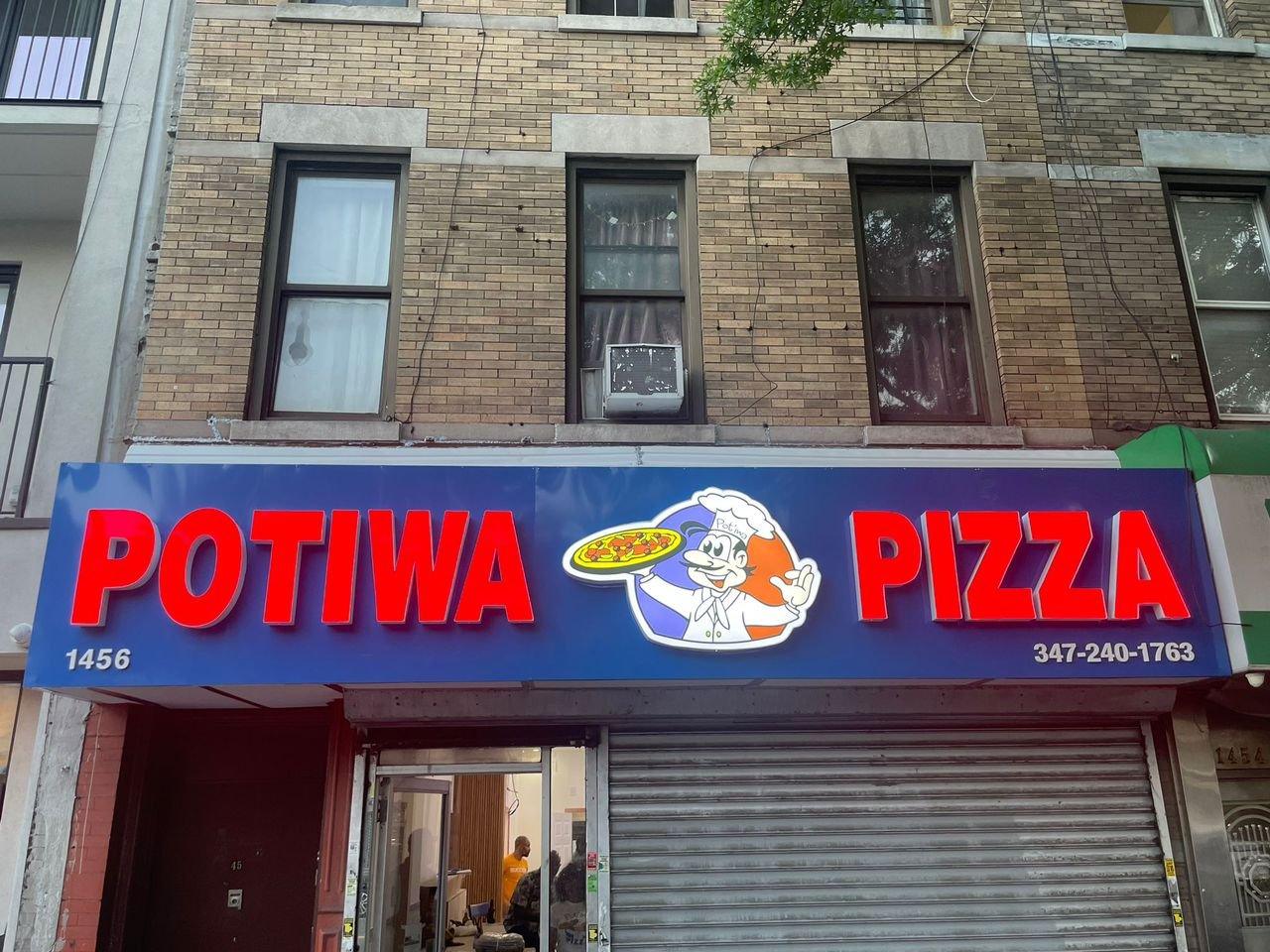
Pot’iwa Pizza, a Haitian company renowned for its pizzas with authentic Haitian flavors, continues to expand its international footprint with the imminent opening of its fifth restaurant, located in Brooklyn, New York. This new opening marks an important step in the growth of Pot’iwa Pizza and demonstrates its undeniable success since its creation.
Subscribe to our newsletter to stay informed of all our activities and news on Haiti.
Moïse François is a young Haitian journalist, poet and law student at the State University of Haiti. He was born on November 13, 1999 in Port-au-Prince and is the eldest of a family of three children. He grew up between his hometown and Camp-Perrin, a small town in southern Haiti. Moïse François is a young Haitian with a remarkable academic and professional background, showing a deep passion for literature, journalism, social commitment and justice. He embodies this type of dynamic young person that the thirst of any great human society demands. Moïse claims above all to be a surveyor of the countries of his read books. "Literature, the kind that sets free, is my first home. I frequented Prague under the Soviet occupation of Milan Kundera, thanks to its literature, much better than some corners of Port-au-Prince, my hometown, largely plunged into horror and constant fear," he says. His great literary culture has largely contributed to his open-mindedness, his survival in this country and his impressive creativity.
The Haitian People proclaim this Constitution: To guarantee their inalienable and imprescriptible rights to life, liberty and the pursuit of happiness; in accordance with their Act of Independence of 1804 and the Universal Declaration of Human Rights of 1948. To constitute a Haitian nation that is socially just, economically free and politically independent. To re-establish a stable and strong State, capable of protecting values, traditions, sovereignty, independence and national vision. To implement democracy that implies ideological pluralism and political alternation and affirm the inviolable rights of the Haitian People. To strengthen national unity, by eliminating all discrimination between urban and rural populations, by accepting the community of languages and culture and by recognizing the right to progress, information, education, health, work and leisure for all citizens. To ensure the separation and harmonious distribution of State Powers in the service of the fundamental and priority interests of the Nation. To establish a governmental regime based on fundamental freedoms and respect for human rights, social peace, economic equity, consultation and participation of the entire population in major decisions affecting national life, through effective decentralization.
Nestled in the heart of the Caribbean Sea, the Republic of Haïti reveals its unique charms, proudly blending its rich historical heritage with breathtaking tropical nature. This majestic island, cradle of the first independent black republic, continues today to embody the resilience and spirit of freedom that shaped its unique destiny.

First black nation to free itself from slavery and gain independence from France in 1804 and influenced other liberation movements around the world, inspiring struggles for freedom and equality.

Haïti is blessed with spectacular natural landscapes, including white sand beaches, mountains and rich biodiversity.

Haïti has a rich historical heritage, including sites like the Citadelle Laferrière and the Sans-Souci Palace, listed as UNESCO World Heritage Sites.

Haïti has a rich and diverse culture, influenced by African, European and indigenous elements. Haitian music, dance, art and cuisine are celebrated around the world.