contact@haitiwonderland.com+509 36184317

Discover

Shopping Cart

7 Must-Visit Places in Haiti

7 Must-Visit Places in Haiti

Haiti, the "Pearl of the Antilles," is much more than just a beach destination. This country is full of unique historical, natural and cultural sites that bear witness to its rich past and exceptional biodiversity. Here is a selection of 7 must-see places that will immerse you in the history, culture and beauty of Haiti.

Haïti
Haïti
Haïti

Citadelle Laferrière: Symbol of Pride and Ingenuity

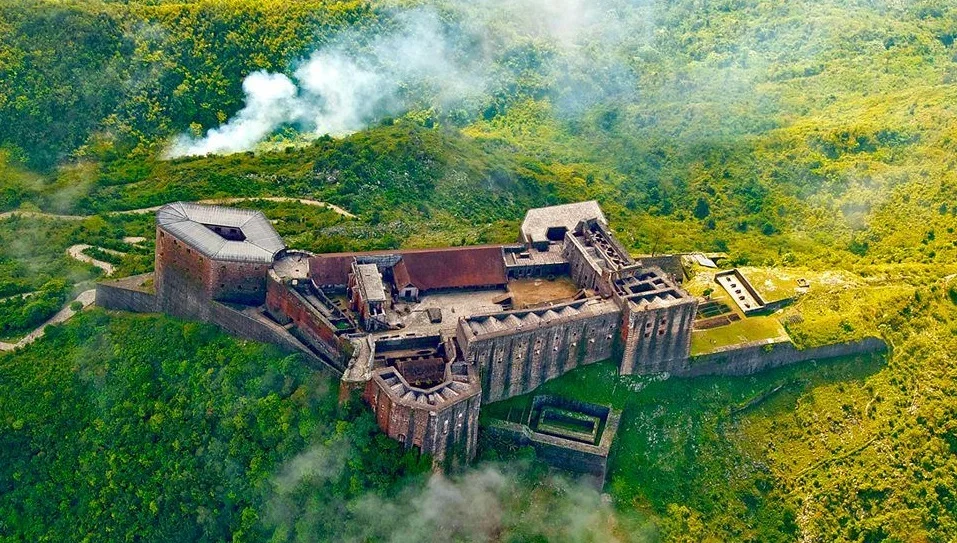
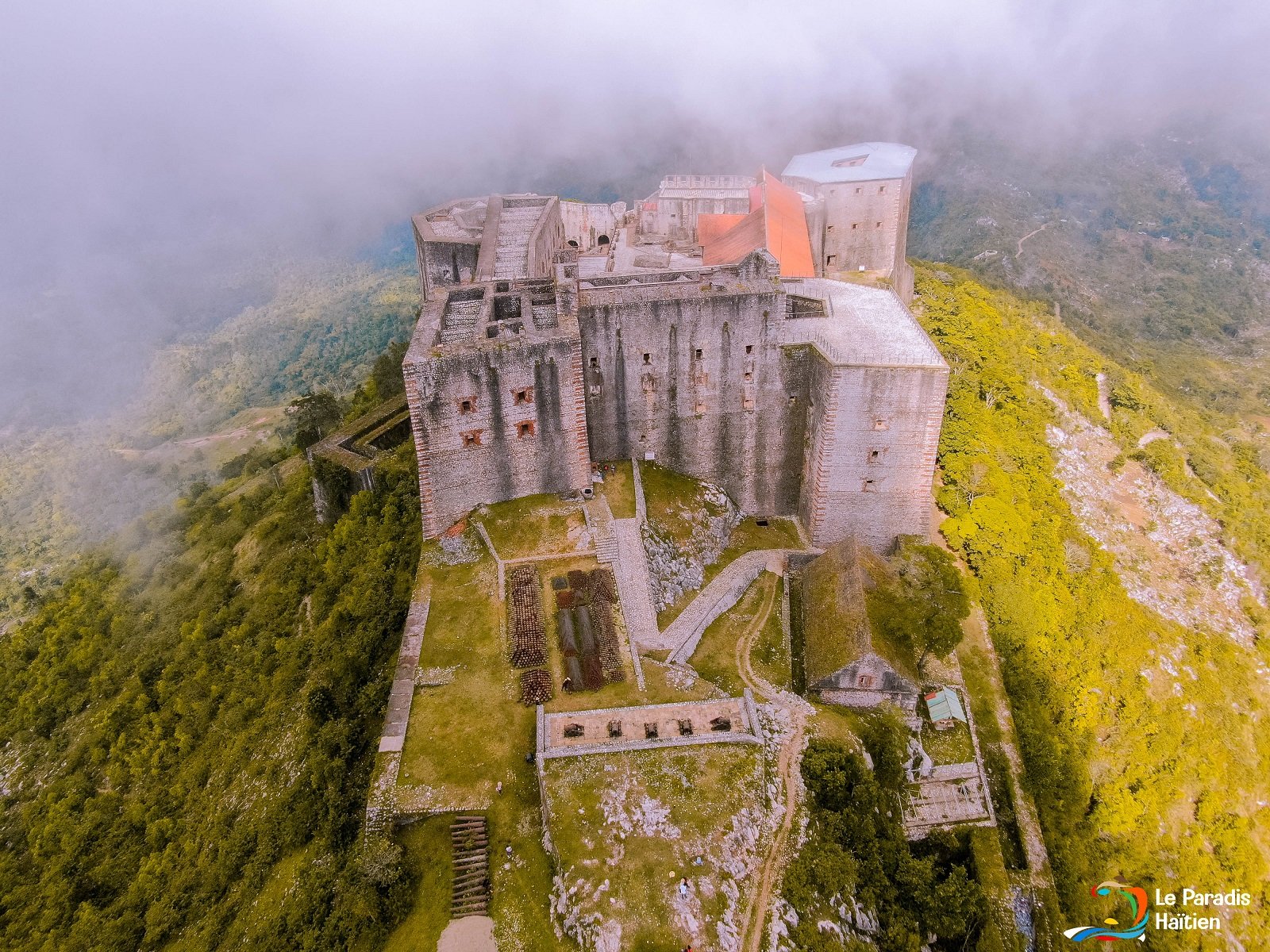
A UNESCO World Heritage Site, the Citadelle Laferrière is one of the most impressive monuments in the Caribbean. Built in the early 19th century by Henri Christophe to defend the recently acquired independence, this massive fortress:
- Stands 900 meters above sea level on the northern mountains.
- Offers panoramic views of the surrounding plains and all the way to the sea, on a clear day.

Visiting it is a memorable experience, combining history, architecture and breathtaking landscapes.

Haïti
Haïti
Haïti

Palais Sans Souci: A vestige of the Kingdom of Haiti

Not far from the Citadel, the Palais Sans Souci was the royal residence of Henri Christophe. This site, nicknamed the "Versailles of the Caribbean," bears witness to the grandeur and ambition of the time:
- Its majestic ruins recall the importance of Haitian independence.
- It is surrounded by lush vegetation that adds a touch of serenity to the place.

The Palais Sans Souci embodies the history and resilience of the Haitian people.

Haïti
Haïti
Haïti

Grotte Marie-Jeanne: A unique underground adventure

Located in Port-à-Piment, in the south of Haiti, the Grotte Marie-Jeanne is the largest network of caves in the Caribbean. Visitors can:
- Explore its 3 kilometers of underground galleries.
- Admire impressive limestone formations and rare wildlife.

This immersive experience will delight nature and adventure lovers.

Haïti
Haïti
Haïti

MUPANAH: Dive into the history of Haiti

The Musée du Panthéon National Haïtien (MUPANAH), located in Port-au-Prince, is a must-see to understand the history of the country. This museum:
- Brings together precious artifacts related to Haiti’s independence, such as Christopher Columbus’ anchor or Henri Christophe’s crown.
- Highlights the heroes and heroines who shaped the nation.

This is an essential visit for those who wish to better understand Haitian identity and culture.

Haïti
Haïti
Haïti

Jardin Botanique des Cayes: A Sanctuary for Biodiversity

Created to preserve and celebrate local flora, the Jardin Botanique des Cayes is an ideal place for nature lovers. This site offers:
- An impressive collection of tropical and medicinal plants.
- Peaceful trails where visitors can reconnect with nature.

It is a perfect example of Haiti’s ecological wealth and its commitment to conservation.

Haïti
Haïti
Haïti

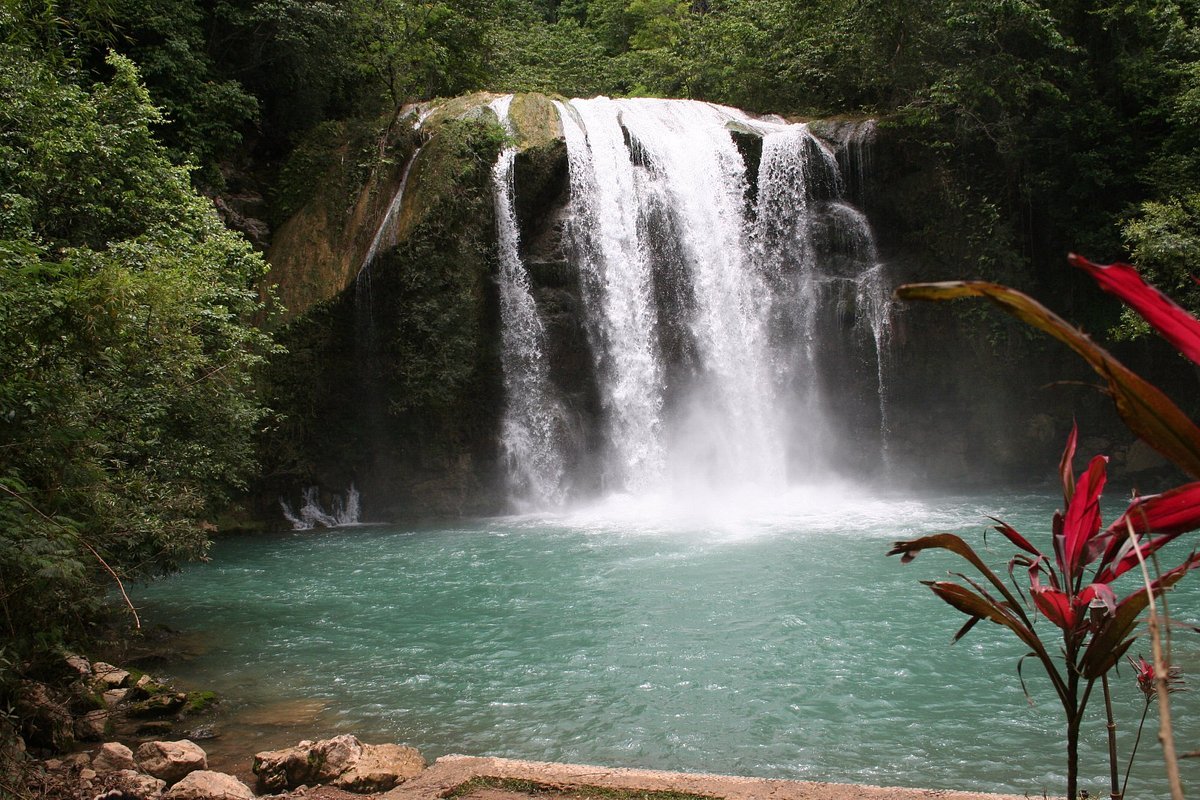
Bassin-Bleu: A Natural Jewel in the South of Haiti

Near Jacmel, Bassin-Bleu is a magical place composed of several natural pools with turquoise blue waters. Visitors can:
- Swim in these natural pools surrounded by lush vegetation.
- Access the pools via a short hike or on horseback.

It is an ideal site for lovers of adventure and relaxation.

Haïti
Haïti
Haïti

Sugar Cane Historical Park: A Window on the Colonial Past

Located in Tabarre, this park traces the history of the sugar industry in Haïti and its impact on society. Visitors can:
- Explore old machinery and plantations.
- Discover educational exhibits on Haiti’s agricultural heritage.

The park is a place where history and nature meet harmoniously.

Haïti
Haïti
Haïti

Haiti: An invitation to wonder

These 7 places are just a glimpse of Haiti’s tourist wealth. The country is full of fascinating places to discover, each offering a unique perspective on its history, culture and nature.

Do you know of other tourist places in Haïti that are worth a visit? Feel free to share them in the comments to enrich this list and inspire future visitors to this magnificent island.

Share
About the Author
Appolon Guy Alain
Appolon Guy Alain
Appolon Guy Alain

Full Stack Developer, Créatif, expérimenté, passionné des nouvelles technologies et de l’art.

See other articles from Appolon Guy Alain
Leave a comment

Recently Posted

Haïti / Fort Picolet: Historical Guardian of Liberty

Cap-Haïtien, Haiti’s historic jewel, is home to a fascinating architectural relic: Fort Picolet. Built at the end of the 18th century by the French, this imposing bastion majestically dominates the bay of Cap-Haïtien, bearing witness to the tumults of Haitian history and the fierce struggle for independence. The history of Fort Picolet is closely linked to that of Haiti, particularly at the time of the Haitian Revolution. During this tumultuous period, when slaves and freedmen rose up against colonial oppression, the fort was the scene of epic battles and fierce sieges. Sometimes used by French forces, sometimes by Haitian revolutionaries, Fort Picolet was a silent witness to the events that shaped the destiny of the nation. Designed with a strategic vision, the fort embodies the military architecture of its era. Its thick stone walls, strategically positioned cannons and viewpoints overlooking the bay make it an impregnable bastion. Its name, Fort Picolet, pays homage to General Louis Marie, Marquis de Picolet, French governor of Cap-Français at the end of the 18th century. Today, Fort Picolet remains much more than a simple historical monument. It is a living symbol of the resilience and determination of the Haitian people. Visitors who wander through its ruins can feel the imprint of history and contemplate the remains of a tumultuous past. From up there, a panoramic view of the bay of Cap-Haitien is available to them, offering a unique perspective on the strategic importance of this place in the maritime history of Haiti. As a pillar of Haitian tourism, Fort Picolet attracts visitors from around the world. Its historical aura, combined with the natural beauty of its environment, makes it a must-see destination for history and culture lovers. More than just a tourist attraction, Fort Picolet is a poignant testimony to the endless struggle for freedom and the cultural richness of Haiti. Throughout the centuries, Fort Picolet has survived the test of time, reminding everyone that freedom is an inalienable right, hard won and carefully preserved. By exploring its ramparts, contemplating its silent cannons, visitors find themselves immersed in the tormented history of Haiti, a story of courage, resistance and hope. Live an extraordinary experience by virtually visiting the ruins of Fort Picolet: https://haitiwonderland.com/haiti-virtual-reality-ht/monuments-histoire/haiti--fort-picolet--visite-virtuelle/14

Newsletter

Subscribe to our newsletter to stay informed of all our activities and news on Haiti.

Haiti: Carnival and Rara: Crossed Perspectives on Culture and Haitian Identity

In our tradition, carnival represents an essential cultural activity. Indeed, for the holding of it this year, the State had drawn from the public treasury not only a huge sum but also a strong concentration of law enforcement to ensure the protection and security of carnival-goers in the area. metropolitan. Despite numerous criticisms and concerns expressed by certain media on the one hand, then on the other hand by the democratic opposition. While it is true that in Port au Prince these concerns had had a no less valuable consequence on the progress of this festivity. It is no less true that this was the case in other provincial towns, as proof in the southeast department the authorities did not record anything as an element of accident or incident during the progress of the carnival unlike Port au Prince. Certainly, socio/economic problems are increasingly worrying, nevertheless what makes us what we are today, a free and independent people is none other than our exceptionality. This deeply expresses our intrinsic characteristic in relation to people. In fact, historically we are a people who laugh and cry, smile and irritate, dance and hit the system, sing and fight so well that "grenadya alaso sa ki mouri zafè ya yo" is the most emblematic song of the slaves for the conquest of our freedom. We do not intend to claim that those who expressed their disagreement with the carnival are showing a historical deficit. However, we leave in the shadows a fundamental question: why is carnival taken care of by the State while the rara is like an abandoned child? The rara is not only a simple cultural tradition but, above all, it is the heritage of our valiant warriors who bravely fought the French expeditionary army, the most powerful of the time. While, this mass cultural, she is still marginalized by state authorities. It is emphasized that social cohesion is the dead point of carnival. On the other hand, this is the strong point of rara. As proof, the Thursday of the Dead in our Voudouesque tradition which represents the opening ceremony for the rara bands is the blatant testimony of this social cohesion. And, in fact, there were circles of people who took divergent directions to attend the opening ceremony of their rara bands. For this opening ceremony the atmosphere was a taste of carnival in terms of color. On the side of Croix Hilaire, for the title champion Ratyèfè full force band, the color of his club was very diverse, a long dress of apricot yellow, mauve white, then white scarf. In terms of performance, this band had completely proven its champion skills thanks to its arsenal of musicians who were not in their testing phase. To tell the truth, they performed their note with surgical precision as a doctor-surgeon in his surgical procedure. The synchronization between the musicians, the instruments and then the fans form a whole and harmonize perfectly well. This band not only has the magic of words and verbs, it seems that they also have the magic to thrill even the most reluctant fans. Moreover, his performance for this dead Thursday was a challenge for his rivals this weekend to the extent that their performances were less good. On the symbol side of light, Grap Kenèp was the wonder of the Thursday evening of the dead. His club dressed in the appropriate color for this evening, purple scarf, purple jersey, then white “kolan”. In a symbolic way, this marriage of color represents Baron in Haitian Vodou. Without a doubt, it was the most beautiful symbolic representation of the evening. In terms of performance, returning from the cemetery we felt a very strong warmth of jubilation, elation, and playfulness for a completely balanced performance. As far as Chenn Tamarin is concerned, it was already 2 a.m. when our team met him, it was a less good performance than what we were accustomed to. On the symbolic side it leaves something to be desired. His news was that he had his own media. Petit-Goave/Culture and Society

Recently Posted

History

History

First black nation to free itself from slavery and gain independence from France in 1804 and influenced other liberation movements around the world, inspiring struggles for freedom and equality.

Natural beauty

Natural beauty

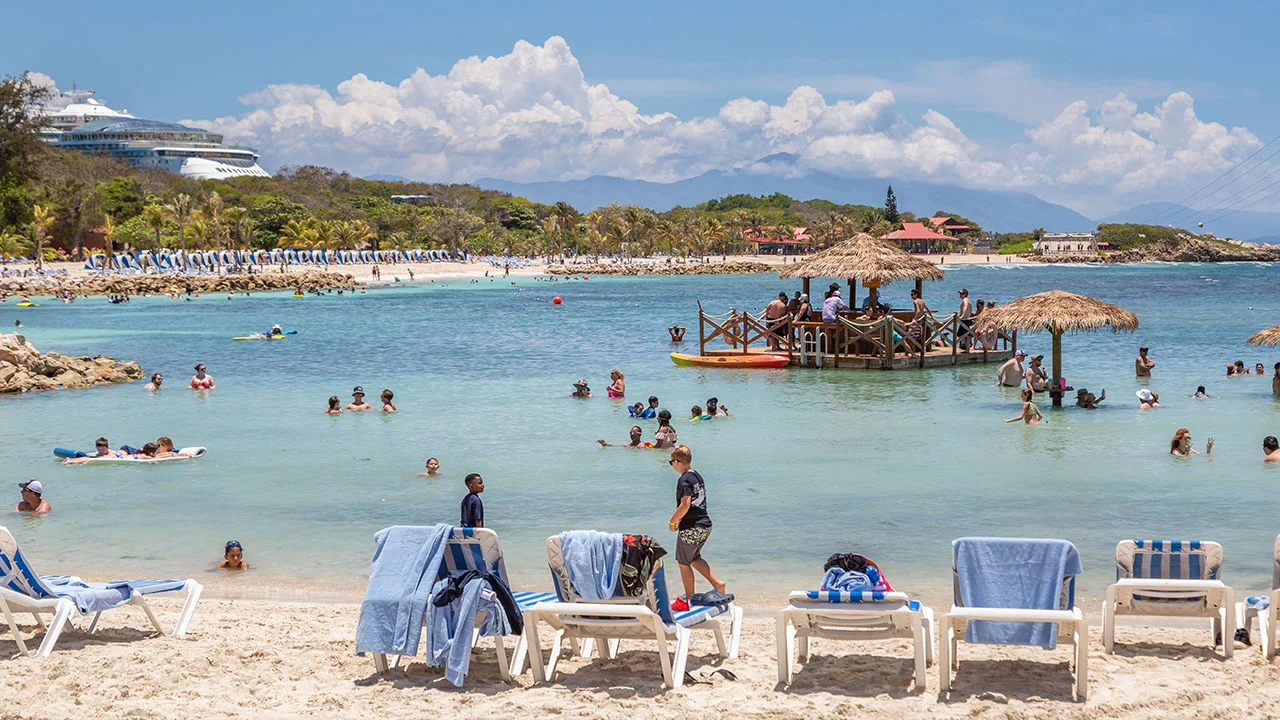
Haïti is blessed with spectacular natural landscapes, including white sand beaches, mountains and rich biodiversity.

Heritage

Heritage

Haïti has a rich historical heritage, including sites like the Citadelle Laferrière and the Sans-Souci Palace, listed as UNESCO World Heritage Sites.

Culture

Culture

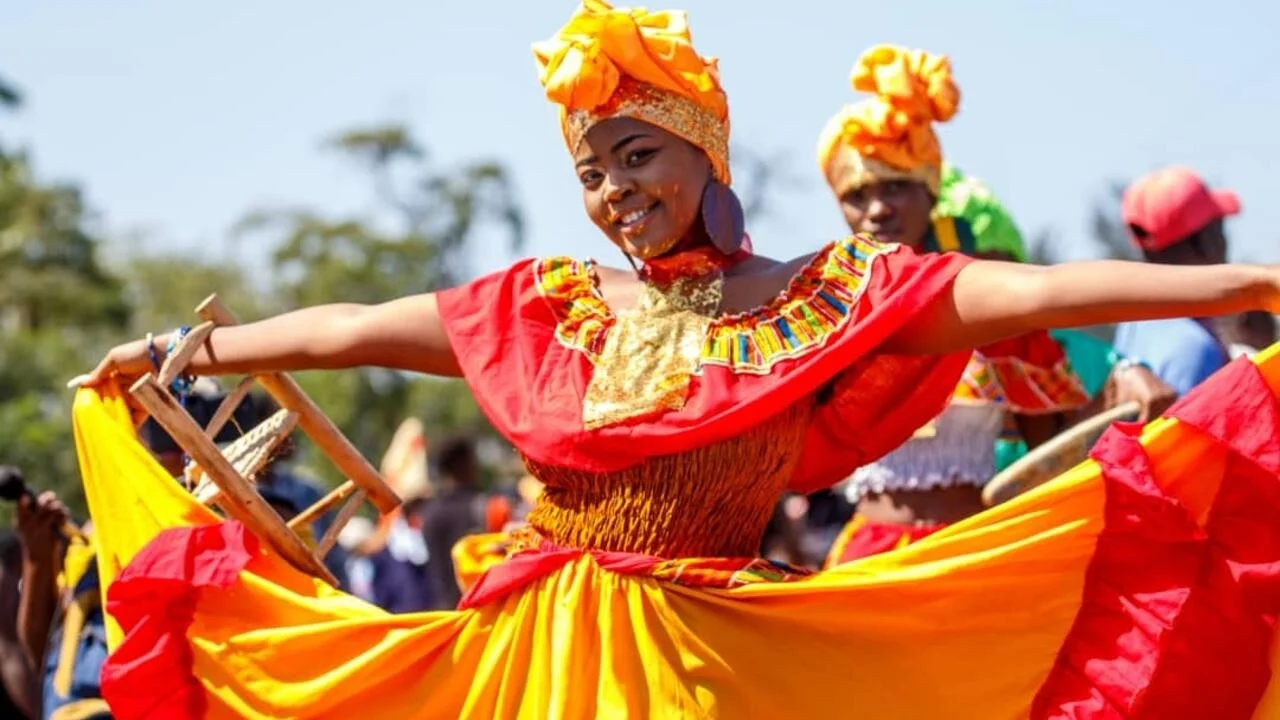
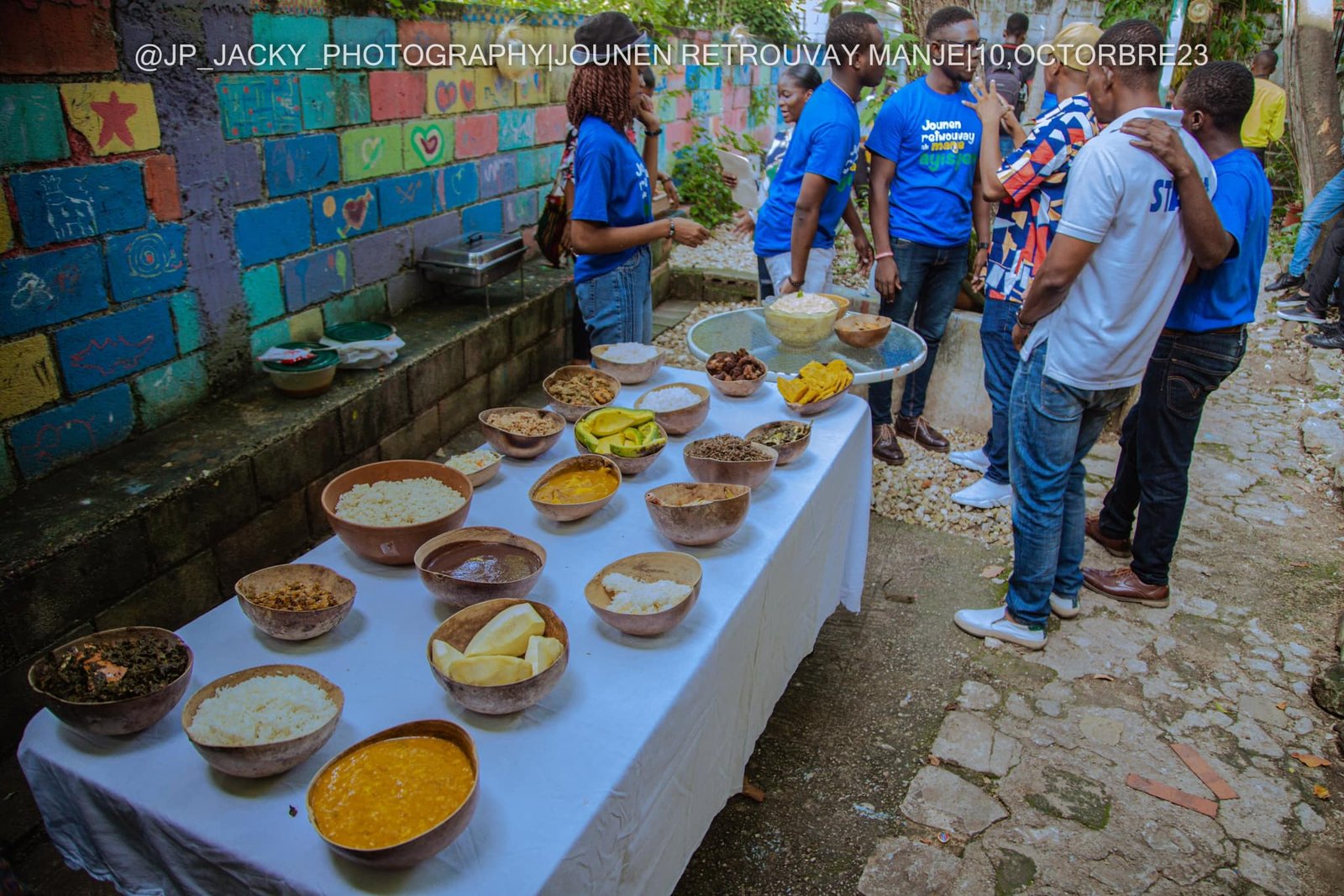
Haïti has a rich and diverse culture, influenced by African, European and indigenous elements. Haitian music, dance, art and cuisine are celebrated around the world.

  • +
    • Post