contact@haitiwonderland.com+509 36184317

Discover

Shopping Cart

It’s summer in Haiti!

It’s summer in Haiti!

Summer in Haiti, a vibrant and sunny time, is much more than just a season. It is a celebration of life, culture and nature in this Caribbean country. Let me take you on a journey through the different facets of the Haitian summer, where the sun shines brightly, music resonates and nature flourishes.

Read the article in :

French : C’est l’été en Haïti !

Spanish : ¡Es verano en Haití!

Creole : Se ete an Ayiti!

Reference page : It’s summer in Haiti!

Other version : C’est l’été en Haïti !

Haïti
Haïti
Haïti

Climate and Nature

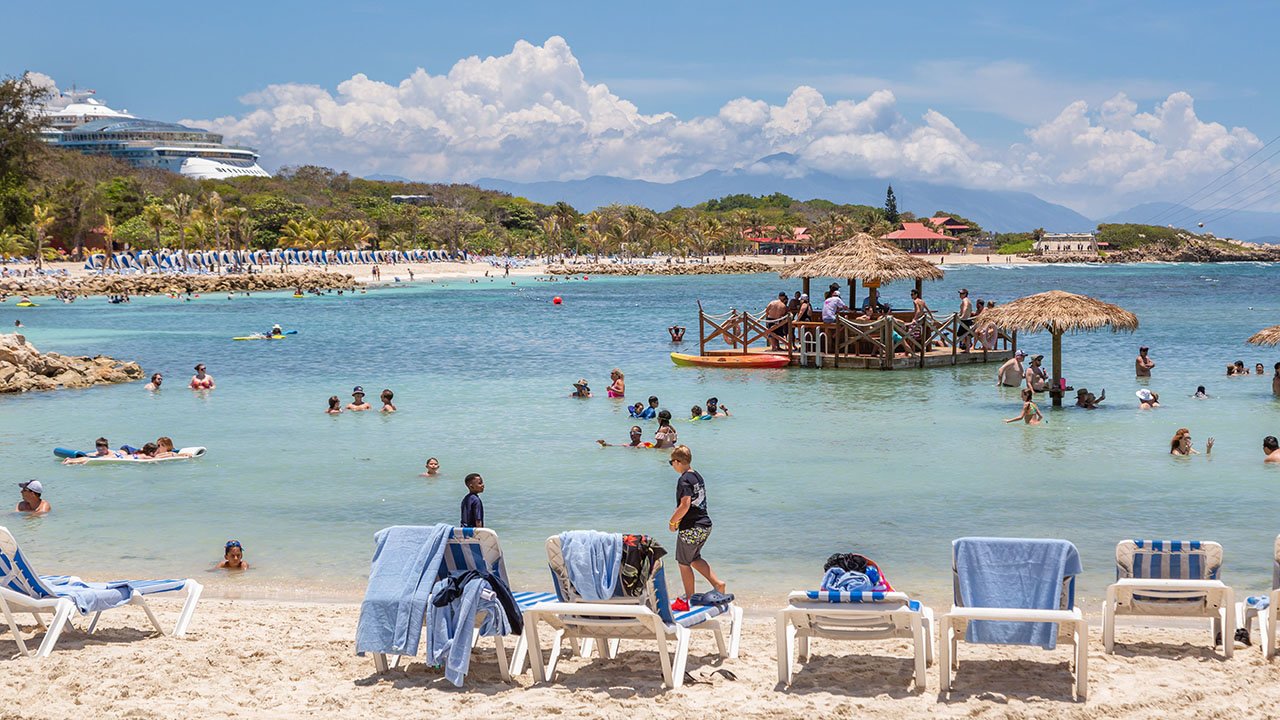
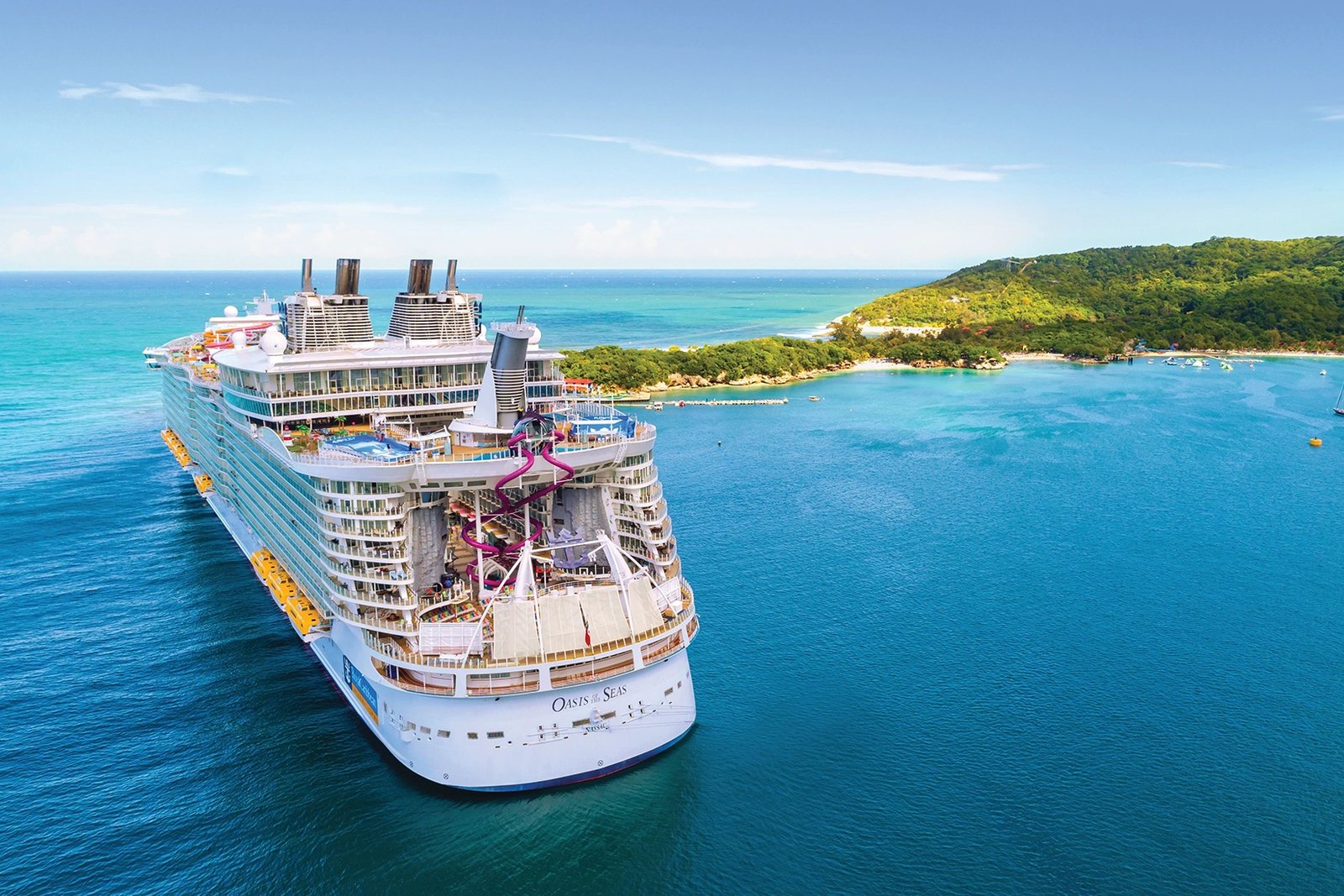
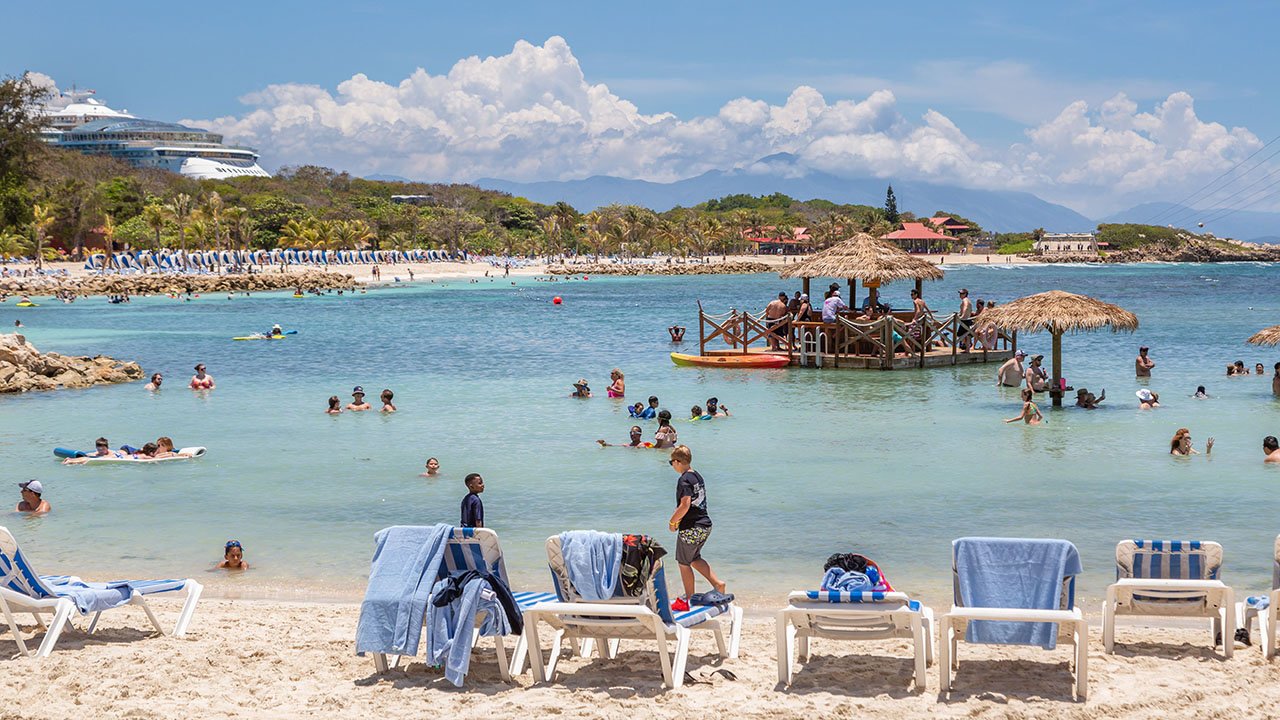
Summer in Haiti, which runs from June to August, is characterized by high temperatures, often around 30 degrees Celsius, and palpable humidity. The sun reigns supreme, offering long and bright days. Haiti’s beaches, such as Labadee, Cormier, Pointe sable, Raymond les Bains and Moulin Sur Mer, become paradises of white sand and turquoise waters, attracting locals and tourists seeking relaxation and aquatic fun.

The north coast, spearhead of summer destinations, offers total immersion in a postcard setting. Cap-Haïtien, the undisputed queen of vacations, exudes the joy of living. On its fine sandy beaches, families and friends come together for wild games of beach soccer, deliciously refreshing baths or pure moments of relaxation, lulled by the sea breeze.

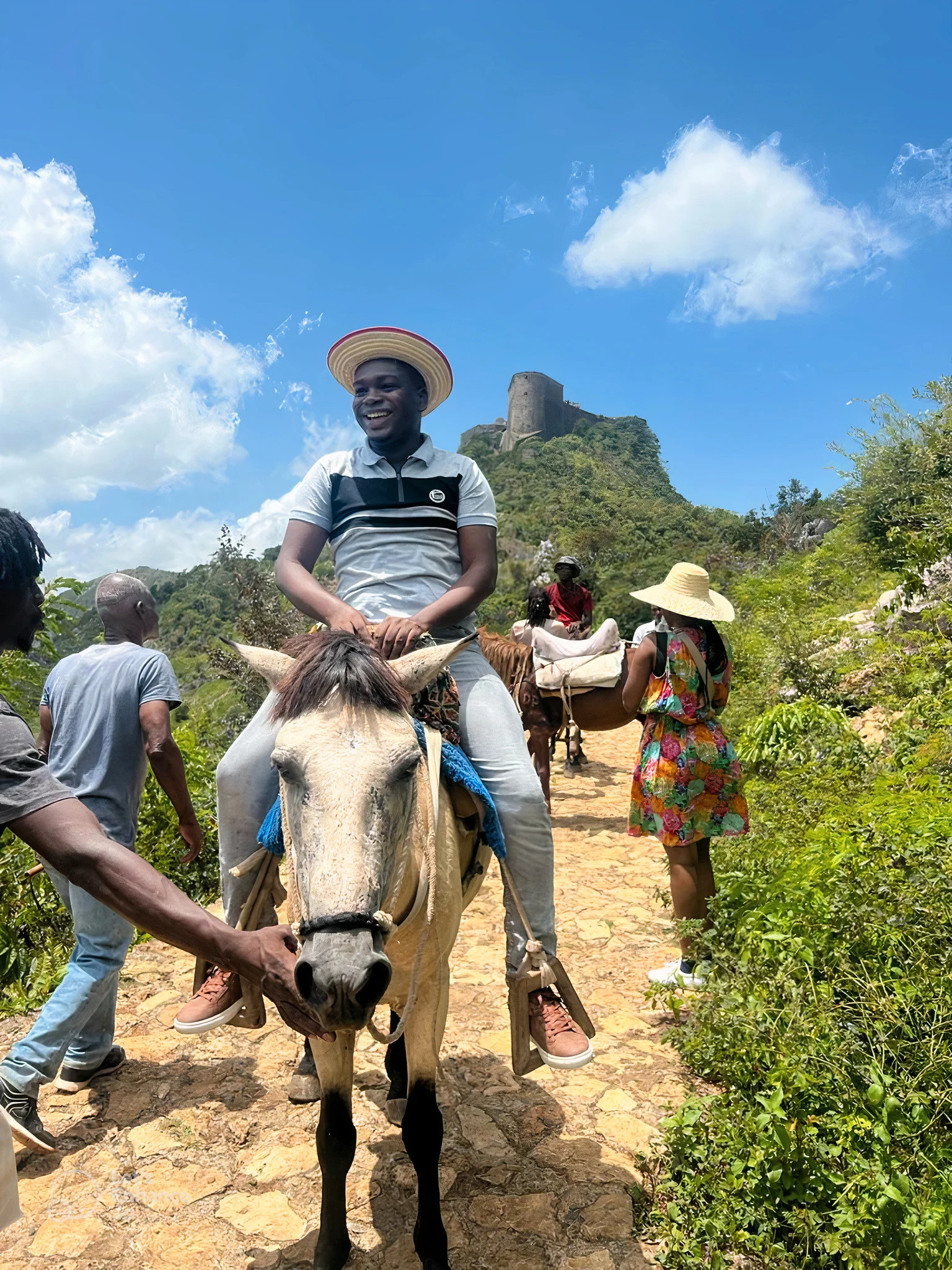
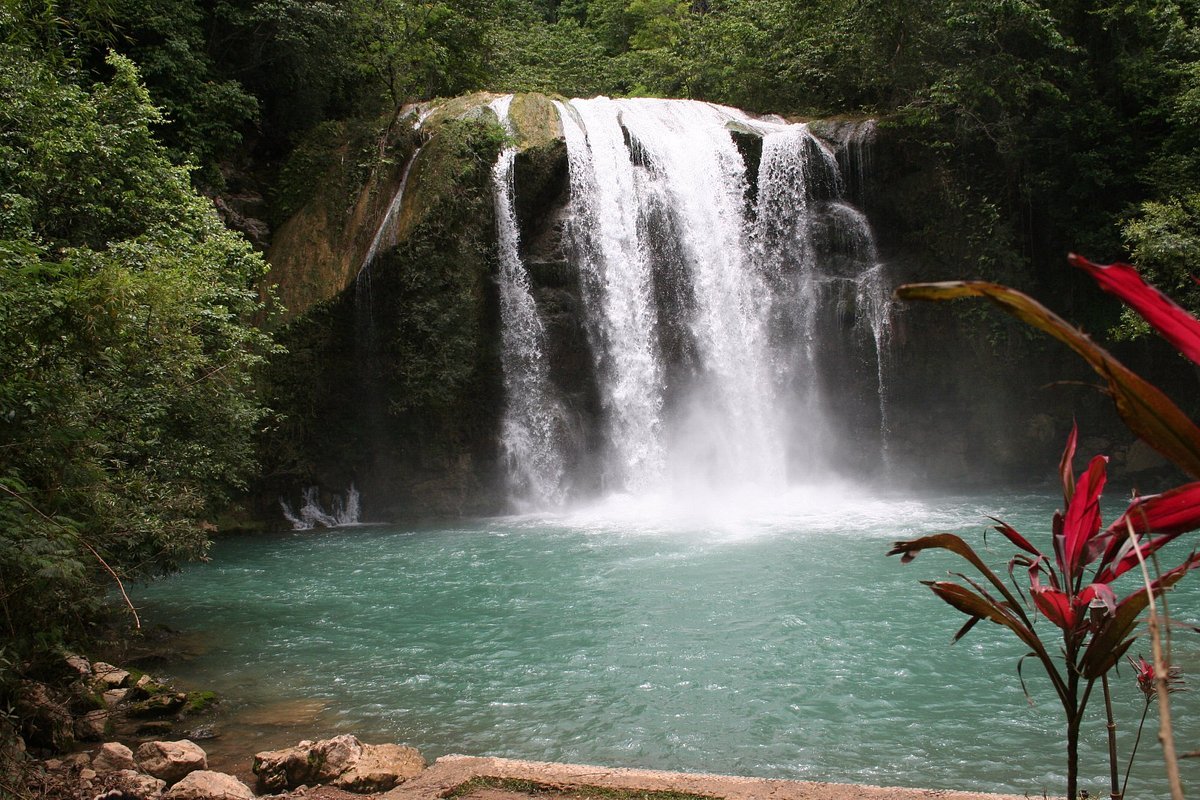
Further south, adventure lovers will be charmed by the steep hiking trails that crisscross the majestic mountains. An idyllic escape into the freshness of the undergrowth, interspersed with crystal-clear waterfalls where you can cool off.

The country’s lush green mountains and rainforests provide a refreshing contrast. Hikes through the winding trails of La Visite National Park or Massif de la Hotte reveal rich biodiversity and stunning landscapes, from hidden waterfalls to panoramic views.

Haïti
Haïti
Haïti

Culture and Festivities

Summer is also a time of festivities and cultural celebrations in Haiti. Breathtaking festivities await visitors, starting with the legendary SumFest. This unmissable event brings together the big names of the Haitian music scene for a weekend of pure madness, all bathed in an idyllic setting by the sea.

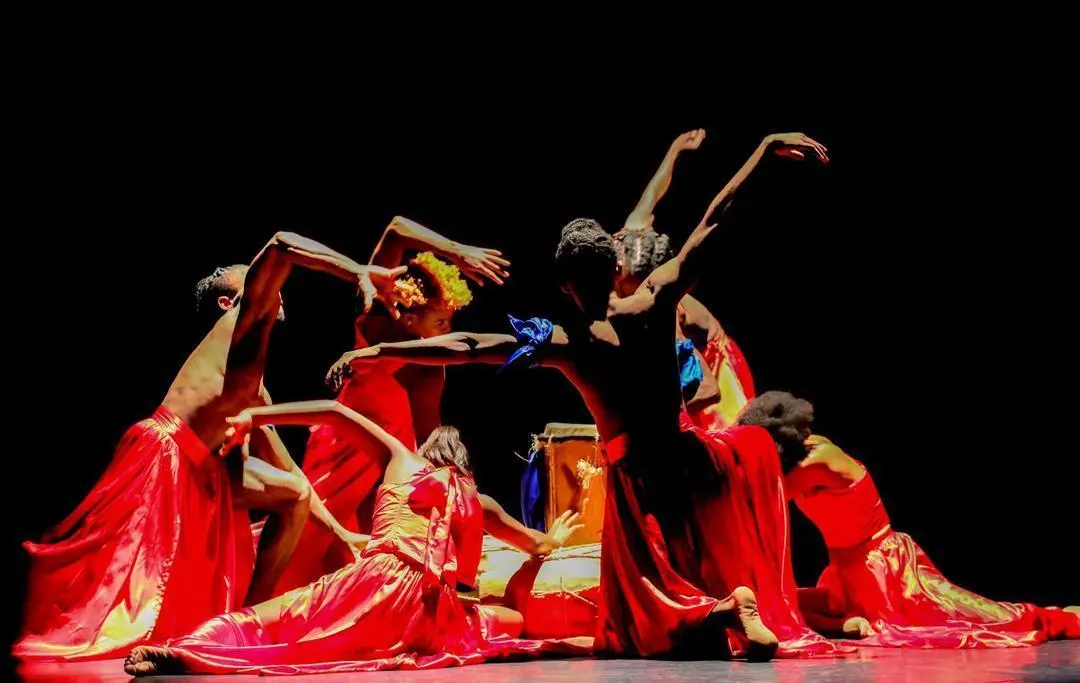
But the star attraction undoubtedly remains the Carnival of Flowers, generally celebrated in the bustling streets of Port-au-Prince. Inspired by the traditional carnival but adapted to the summer season, this thrilling event makes the capital vibrate with electrifying energy. Dancers, musicians and artists converge from the four corners of the country for a veritable surge of colors, intoxicating rhythms and contagious jubilation.

Music, the true soul of Haitian culture, resonates with increased intensity during the summer. Lively konpa, hypnotic rara and other traditional and contemporary genres invade the streets, beaches and clubs in a supercharged atmosphere. Music festivals, such as the prestigious Port-au-Prince International Jazz Festival, attract world-renowned artists and fans from all walks of life, eager to immerse themselves in this unique musical excitement.

Haïti
Haïti
Haïti

Gastronomy

Summer is also a feast for the taste buds in Haiti. Local markets are full of seasonal tropical fruits like mangoes, papayas, avocados and passion fruit. Haitians enjoy traditional dishes such as griot (marinated and fried pork), acra and tassot. Refreshing drinks like sugarcane juice, iced papaya and Barbancourt rum are a must to quench thirst under the summer sun.

Haïti
Haïti
Haïti

Tradition and Spirituality

Summer is also a time of deep spirituality for many Haitians. On July 16, the feast of Our Lady of Mount Carmel is celebrated with fervor, particularly in Saut-d’Eau, a famous pilgrimage site. Thousands of worshipers gather to honor the Virgin Mary, participating in Vodou and Catholic rituals in a unique symbiosis of beliefs.

Summer in Haïti is a rich sensory and emotional experience. It is a season when the natural beauty of the country, the human warmth of its people and the depth of its culture are fully revealed. Whether you’re drawn to sunny beaches, lush green mountains, upbeat music, or spiritual traditions, Haïti in summer offers an unforgettable and enchanting trip.

Share
About the Author
Appolon Guy Alain
Appolon Guy Alain
Appolon Guy Alain

Full Stack Developer, Créatif, expérimenté, passionné des nouvelles technologies et de l’art.

See other articles from Appolon Guy Alain
Leave a comment

Recently Posted

Haiti: seaside resorts

Haiti, often recognized for its rich history, vibrant culture and mountainous landscape, is also blessed with a stunning coastline lined with picturesque beaches. Haitian beach resorts offer a unique experience where white sand meets the crystal clear waters of the Caribbean Sea. These beach destinations are emerging as hidden gems, ready to be discovered by travelers hungry for sun and adventure. A Rich and Cultural History Haiti’s resorts don’t just offer breathtaking scenery; they are also steeped in rich history and culture. Visitors can explore historic sites such as the Citadelle Laferrière, a majestic fortress built in the early 19th century, or the Palais Sans-Souci, a former royal residence dating back to the colonial era. Additionally, Haitian music, dance and cuisine bring a lively and colorful touch to the seaside experience, giving visitors an authentic insight into local culture. Heavenly Beaches Haiti’s beaches are some of the most beautiful in the Caribbean, offering miles of pristine white sand bordered by sparkling turquoise waters. Destinations such as Jacmel, Labadee and Île-à-Vache offer tranquil retreats where visitors can relax in the tropical sun or indulge in a host of water activities, such as snorkeling, sailing and boating. kayak. Whether you’re looking for excitement or tranquility, Haiti’s beaches offer something for everyone. An Emerging Ecotourism Haïti is also becoming a popular destination for ecotourism enthusiasts. With its unique biodiversity and unspoilt landscapes, the country offers unique opportunities for bird watching, jungle hiking and discovering spectacular natural sites such as the Saut-d’Eau waterfalls and caves. Environmentally conscious travelers will find in Haïti a perfect balance between adventure and nature conservation. Haiti’s resorts offer much more than spectacular beaches. They offer immersion in a vibrant culture, fascinating history and preserved nature. By choosing to visit Haiti, travelers have the opportunity to discover a jewel of the Caribbean, while contributing to the economic development and well-being of this extraordinary country.

Newsletter

Subscribe to our newsletter to stay informed of all our activities and news on Haiti.

Jacmel: the Haitian city whose history is linked to the liberation of Latin America

Jacmel is a city located on the southern coast of Haiti, specifically in the southeastern department. To this day, the city is known for its well-preserved colonial architecture and rich historical heritage, as well as its carnival, one of the most famous in the Caribbean. Jacmel is one of the oldest cities in Haiti. Its origins, according to some historians, trace back to the time of the Taíno people, the island’s first inhabitants, who lived here long before the arrival of Christopher Columbus and his settlers in 1492. Long before it became Jacmel, this city in southeastern Haïti was called Yakimel. The renaming of Jacmel was carried out by the French during their colonization of the western part of the island of Hispaniola. Over the years, Jacmel has transformed into a city where living well blends with the beauty of the sea, in the hearts of its visitors. Nature is fully embraced here, and the sea remains a source of joy throughout the day. Jacmel offers all of this, in addition to its glorious past, which anchors it as a major location in Haiti’s grand history. With its unique charm, Jacmel is among the Haitian cities that can leave a lasting impression. In the 1950s and 60s, until the early 1980s, Jacmel was one of the most popular tourist destinations in the Caribbean due to its reputation as a city with unmatched natural beauty and grace. During this time, the Jacmel coastline warmly welcomed cruise ships filled with tourists from all corners of the world. It was also during this period that Jacmel was one of the most commercially active cities in Haiti, among the country’s most economically flourishing, thanks to the significant influx of tourists.

The Monferrier Dorval Chair of Constitutional Law, a gesture from the State University of Haiti, for the preservation of the memory of Professor Dorval

The Monferrier Dorval Chair of Constitutional Law is a high-intellectual-intensity initiative, taken by the State University of Haïti (UEH), through the leadership of its rectorate, in agreement with the leaders of the Faculty of Law and Economics (FDSE). The initiative’s primary goal is to honor and perpetuate the memory of the valiant and brilliant Professor Monferrier Dorval, assassinated in unclear circumstances, about three years ago. And in order to make a scientific contribution to the great debate that has been going on in Haitian society for about ten years about the need to change or not, the constitution of March 29, 1987, amended on May 11, 2011. Shouldn’t we try to apply it preferably? If it needs to be changed, should this change be radical, otherwise what should it have in terms of change within a new mother law for a better institutional organization of Haiti. The chair is scientifically chaired by Professor Henri Marge. Dorléans, (current head of AFPEC), and is vice-chaired by the dean of the faculty of law and economics, Me Eugène Pierre Louis. The Chair is materialized by a set of conferences and debates (15 in total), which take place in the premises of the Office of the Protection of the Citizen OPC, under the name of Wednesday of the Monferrier Dorval Chair. It is in this sense that for the fifth edition of the Wednesday of the chair (which took place this Wednesday, October 9, 2024 at the OPC, in the presence of the protector of the citizen, Me Renan Hédouville), attention was placed on education within the debate surrounding the possible development of a new constitution for Haiti. This 5th meeting took place under the theme of: "Education, Teaching, Research, Science and Technologies". The conference was hosted by three greats of the Haitian intellectual community, including two eminent professors of the UEH, namely, Professor Odonel Pierre Louis, academic director of the École normale supérieure (ENS); the vice rector of the UEH, Professor Jacques Blaise. Their interventions were followed by that of the director of the national institute of vocational training (INFP) Mr. Dikel Delvariste.

Recently Posted

History

History

First black nation to free itself from slavery and gain independence from France in 1804 and influenced other liberation movements around the world, inspiring struggles for freedom and equality.

Natural beauty

Natural beauty

Haïti is blessed with spectacular natural landscapes, including white sand beaches, mountains and rich biodiversity.

Heritage

Heritage

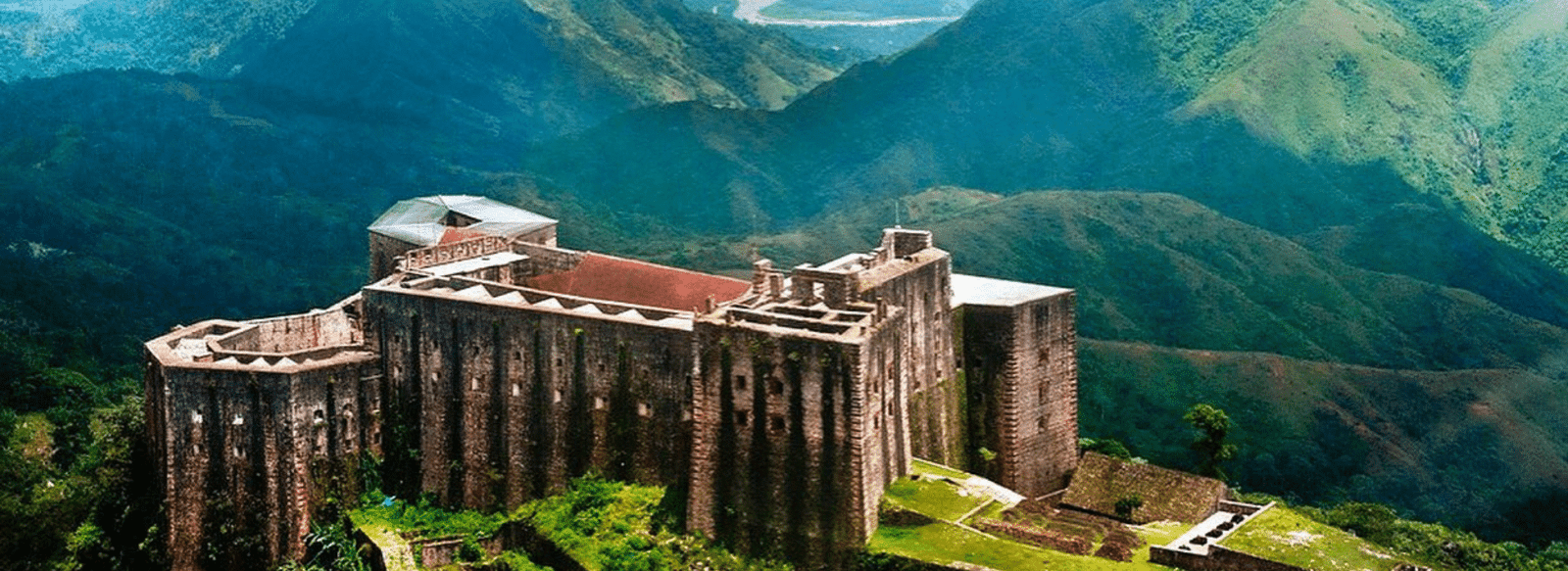
Haïti has a rich historical heritage, including sites like the Citadelle Laferrière and the Sans-Souci Palace, listed as UNESCO World Heritage Sites.

Culture

Culture

Haïti has a rich and diverse culture, influenced by African, European and indigenous elements. Haitian music, dance, art and cuisine are celebrated around the world.

  • +
    • Post