Introducing Haiti: Discover the Island’s Authentic Beauty, History and CultureIntroducing Haiti: Discover the Island’s Authentic Beauty, History and Culture
Introducing Haiti: Discover the Island’s Authentic Beauty, History and Culture
Haïti is a small but fascinating Caribbean country with a unique history, vibrant culture and stunning landscapes. Located on the island of Hispaniola, which it shares with the Dominican Republic, Haïti is distinguished by its resilience, historical independence, and natural and cultural wealth. This article offers you a detailed overview of this impressive country, from its history to the geographical and cultural features that make it a must-see destination.
A Little History: The First Independent Black Country
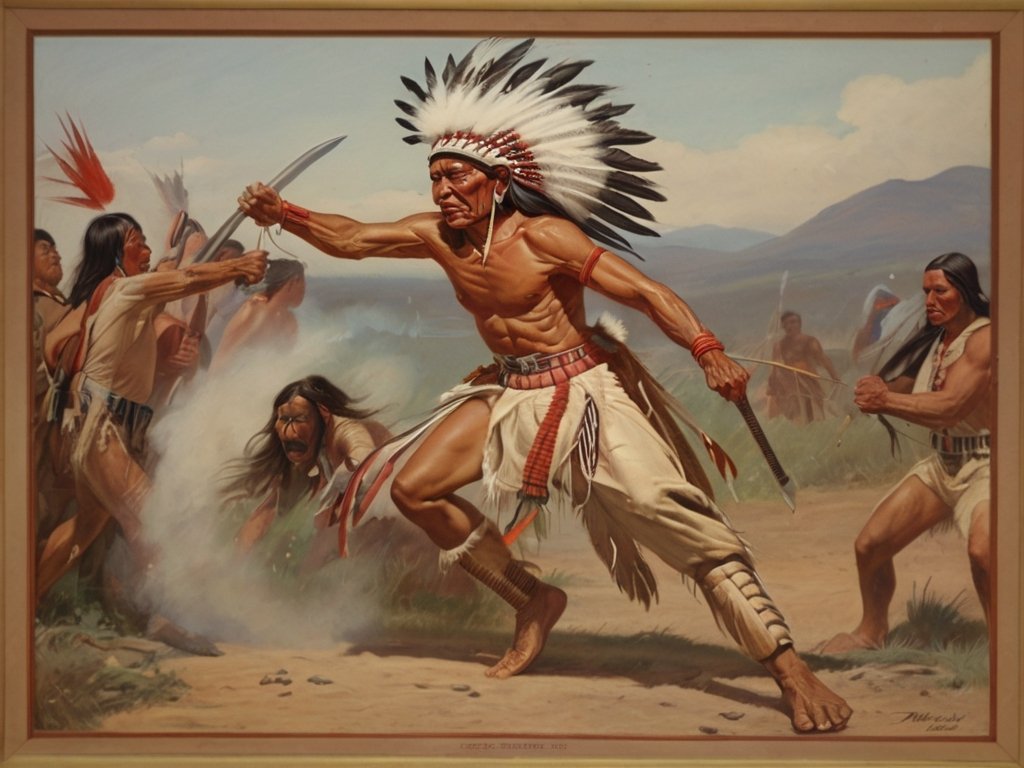
On January 1, 1804, Haïti became the world’s first independent black country, marking a major turning point in world history. After a long struggle led by black slaves, Haïti managed to free itself from French colonial rule, a feat unique in the annals of history. This struggle, known as the Haitian Revolution, is an example of emancipation that has inspired many other independence movements around the world. Haiti’s victory demonstrated that a people could resist and free themselves from colonial oppression. As of 2023, the country has a population of approximately 12 million, many of whom retain a deep sense of pride in the legacy of this independence.
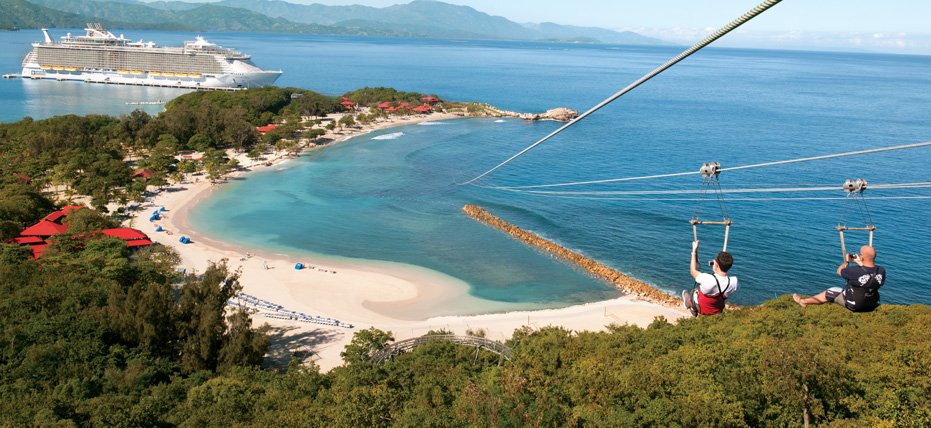
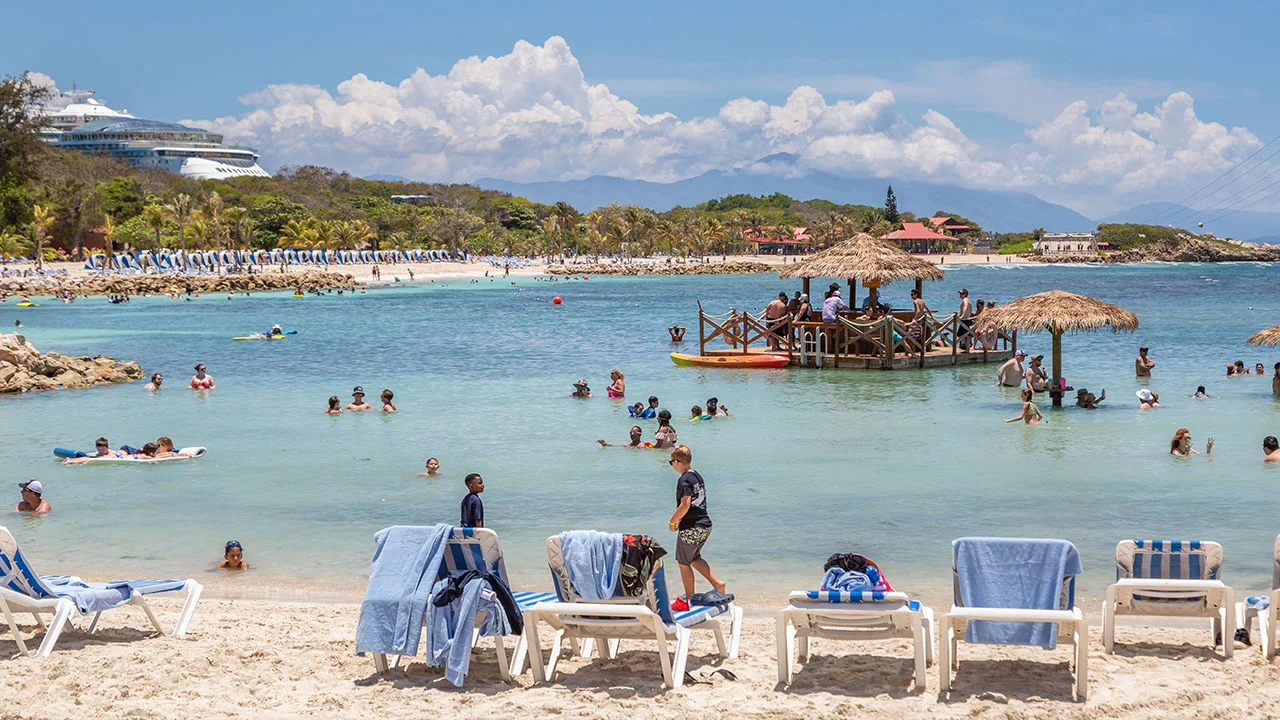
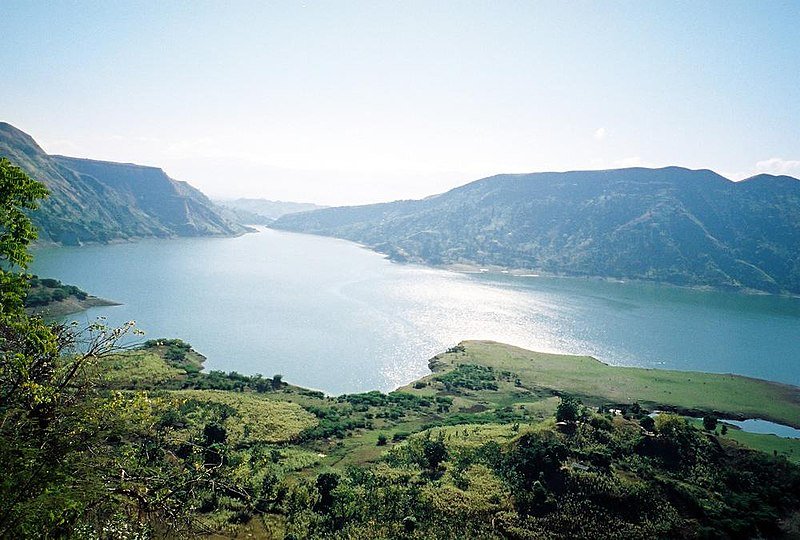
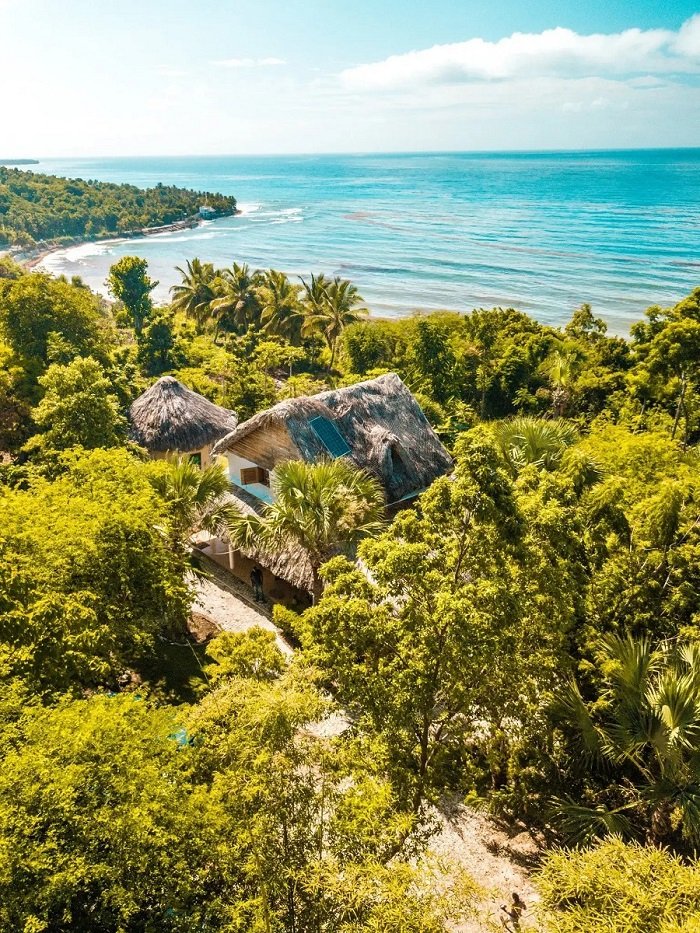
Haïti covers an area of 27,750 km². Located in the Caribbean region, the island of Hispaniola is shared between Haïti to the west and the Dominican Republic to the east. Haïti has a varied geography, ranging from mountains to paradisiacal beaches. The country is dominated by mountains, with peaks that exceed 2,500 meters in altitude, such as the Montagne de la Selle, the highest point in the country. Its geographical diversity also includes beaches such as Labadie, Bassin-Bleu, and rivers of great beauty. The country enjoys a tropical climate, with average temperatures around 27°C, making it an ideal destination all year round.
Haïti has two official languages: French and Haitian Creole. Creole is spoken by approximately 95% of the population, and it has become a strong symbol of Haitian identity, rooted in the history of the Revolution. Haitian culture is a rich blend of African, French and indigenous influences, visible in its arts, music and dances. Haïti is particularly famous for its folk art, especially painting and sculptures, which are known worldwide for their unique style. Haitian music is also a central part of its culture, with genres like kompa, zouk, and rasin punctuating the country’s festivities.
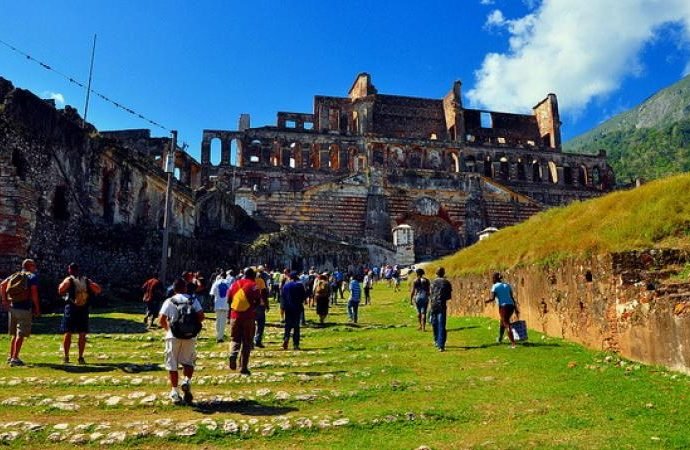
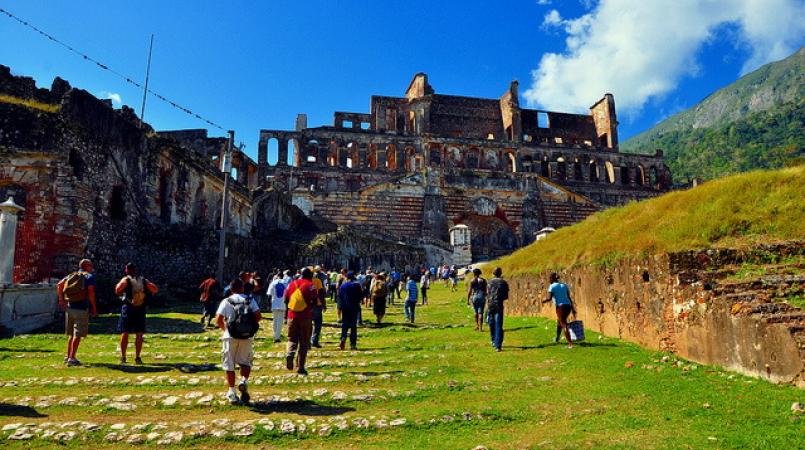
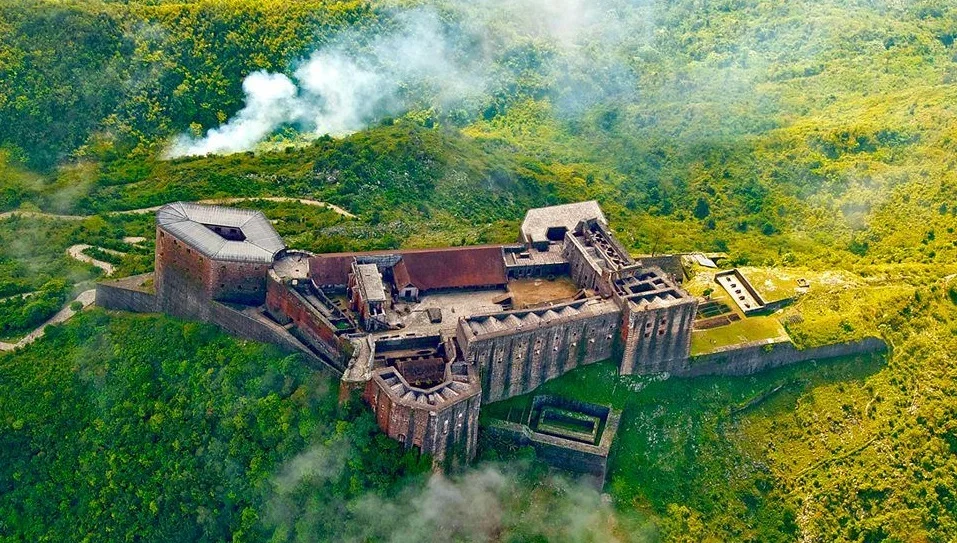
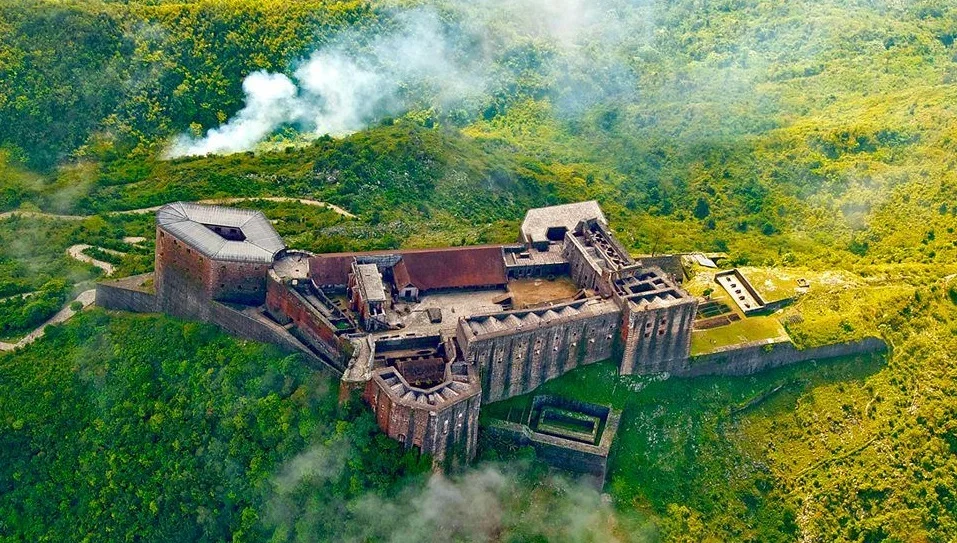
Haïti is proud of its heritage, and this is reflected in its historic sites, including the Citadelle Laferrière, a UNESCO World Heritage Site. Built by freed slaves after the war for independence, the Citadelle is a symbol of victory over French colonizers. Another important site is the Sans Souci Palace, the royal residence of King Christophe. This historic heritage is of major importance, and Haïti attracts tourists who are passionate about history to explore these iconic monuments. The country also has other valuable cultural sites such as the Musée du Panthéon National Haïtien (MUPANAH), which displays relics and objects that have marked the country’s history.
Haïti is blessed with impressive biodiversity, with over 1,100 species of plants, some of which are endemic, as well as 300 species of birds. The country is home to many protected natural areas, such as La Visite National Park, which is a prime example of the richness of its ecosystem. The country also has heavenly beaches, such as Île-à-Rat, a favorite spot for nature and sea lovers. These natural wonders are crucial to the country’s economy, particularly the tourism sector, which is a driver of growth. In 2019, the tourism sector accounted for approximately 4% of Haiti’s GDP, although it remains underexploited.
Haiti’s economy is growing, despite challenges such as political crises, natural disasters, and persistent poverty. Agriculture remains one of the economic pillars, with products such as coffee, bananas, mangoes, and sugarcane. The country also has untapped mineral resources, including gold and copper. However, Haïti faces a high poverty rate, with approximately 60% of its population living below the poverty line. The government and various international organizations are working to improve infrastructure and promote foreign investment, particularly in free zones and the textile industry.
A Resilient People
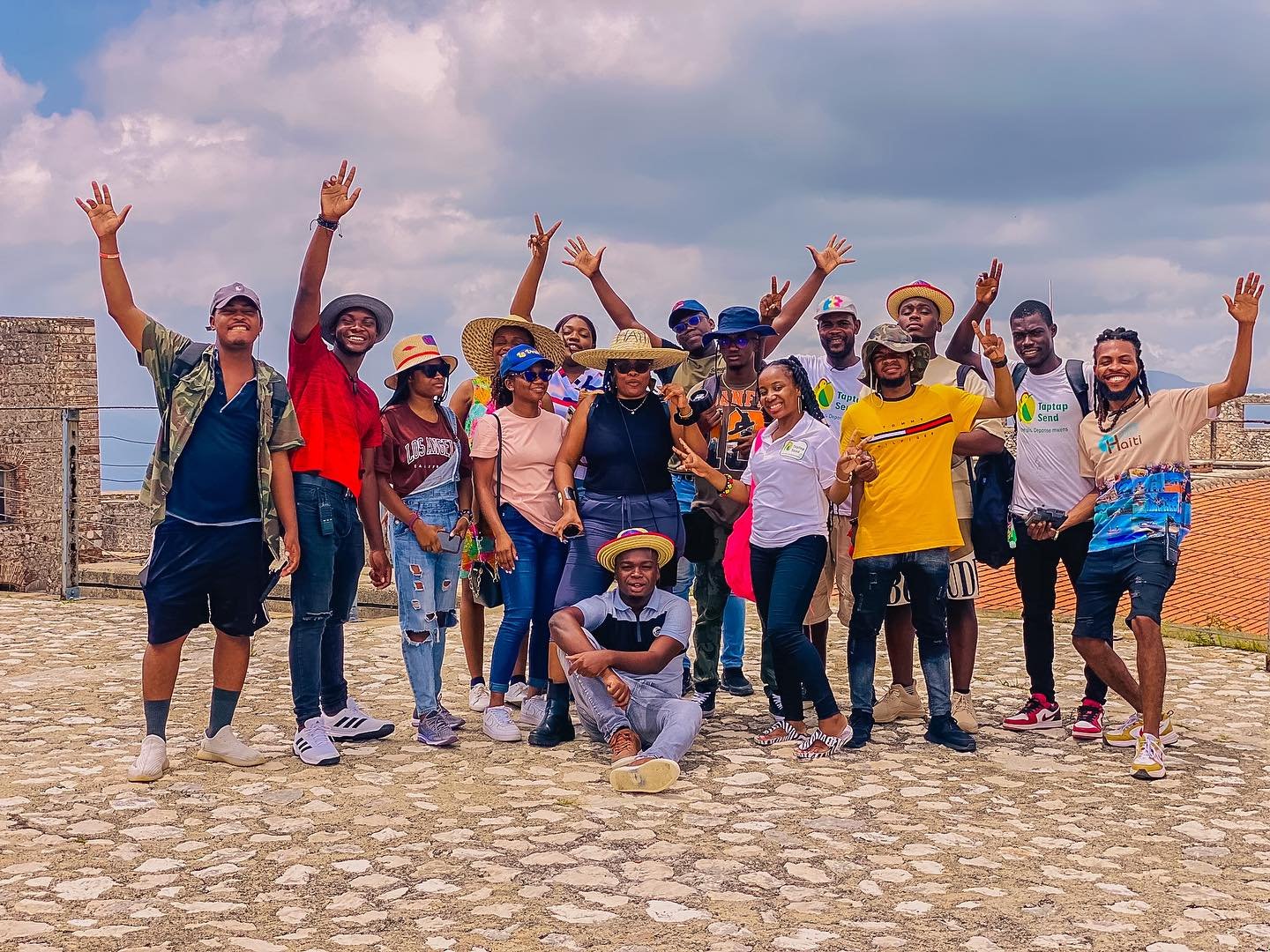
Haiti, despite the challenges, is an example of resilience. The Haitian people have overcome many obstacles over the centuries, including devastating natural disasters such as the 2010 earthquake, which killed more than 230,000 people and displaced millions more. The Haitian people’s ability to rise up after these tragedies is a testament to their strength and indomitable spirit. Haitians are known for their solidarity, community spirit, and ability to keep their culture alive in the face of adversity.
Haïti is much more than its challenges. It is a country rich in history, culture, and nature, with a proud and resilient people. Its independence, historical sites, exquisite cuisine, and beautiful landscapes make it a must-see destination for travelers. Haïti is a nation of hope and determination, a model of resistance and freedom. The country has enormous potential and continues to fight to improve the living conditions of its people while preserving its heritage and culture.
Haïti deserves to be seen in a positive light, not only for its historic struggle for independence, but also for its spirit of solidarity, diversity, and the beauty of its landscapes. If you have visited Haïti or would like to share other fascinating aspects of this country, leave a comment below.
Share
About the Author
Appolon Guy Alain
Appolon Guy Alain
Full Stack Developer, Créatif, expérimenté, passionné des nouvelles technologies et de l’art.
First black nation to free itself from slavery and gain independence from France in 1804 and influenced other liberation movements around the world, inspiring struggles for freedom and equality.
Natural beauty
Haïti is blessed with spectacular natural landscapes, including white sand beaches, mountains and rich biodiversity.
Heritage
Haïti has a rich historical heritage, including sites like the Citadelle Laferrière and the Sans-Souci Palace, listed as UNESCO World Heritage Sites.
Culture
Haïti has a rich and diverse culture, influenced by African, European and indigenous elements. Haitian music, dance, art and cuisine are celebrated around the world.