contact@haitiwonderland.com+509 36184317

Discover

Shopping Cart

What is the most important holiday in Haiti?

What is the most important holiday in Haiti?

In Haiti, holidays are of particular importance, as they are a way to celebrate the country’s history, culture, and identity. However, one of the nation’s biggest holidays is January 1st, which marks Haiti’s independence. Find out why this day is so significant to Haitians and how it is celebrated across the country.

Haïti
Haïti
Haïti

January 1st: Haiti’s Independence Day

January 1st is arguably the most important holiday of the year in Haiti. It commemorates the country’s independence, gained in 1804, when Haïti became the first country in the Americas and the second in the world (after the Republic of Santo Domingo) to abolish slavery and establish itself as a black republic. This day symbolizes the end of centuries of colonization, exploitation, and oppression, and marks the beginning of a new era of freedom for the Haitian people.

Haitian independence was the result of a victorious revolution led by slaves, primarily of African descent, who fought against the French colonizers. The success of this revolution was a landmark event, not only for Haiti, but for the entire world, as it inspired other liberation and anti-slavery movements around the world.

Haïti
Haïti
Haïti

Independence Day Celebrations: An Act of Remembrance and Pride

On January 1, the celebration of independence begins with official ceremonies that take place in the capital, Port-au-Prince, as well as in other cities across the country. These events are marked by speeches, patriotic songs, military parades, and prayers to honor the heroes of the revolution.

On this occasion, a special mass is celebrated in churches, and the President of the Republic takes part in wreath-laying ceremonies at the foot of national monuments dedicated to independence heroes, such as Jean-Jacques Dessalines and Toussaint Louverture.

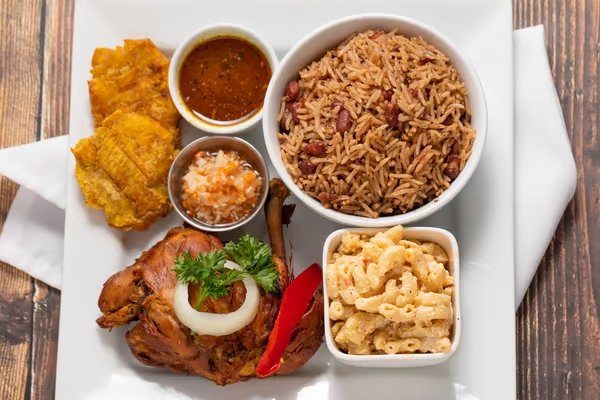
In Haitian homes, the day is an opportunity to gather with family and celebrate with traditional meals, including the famous soupe joumou, a symbolic dish that dates back to the period of slavery. This meal is an act of remembrance and a tribute to the ancestors who fought for freedom.

Haïti
Haïti
Haïti

Soup Joumou: A Symbolic Dish of Independence

One of the most significant aspects of Haitian Independence Day is the consumption of soupe joumou, a traditional squash dish. During the colonial period, soupe joumou was a dish reserved for French colonists, while slaves were not allowed to touch it. After the victory of the slaves in the revolution, soup joumou became a symbol of freedom and regained dignity.

On January 1st, Haitians from all walks of life come together to prepare and enjoy this dish, marking the unity of the Haitian people and the triumph over oppression. Soup joumou is more than just a meal; it is the embodiment of resistance, reconciliation, and the celebration of freedom.

Haïti
Haïti
Haïti

The Meaning of January 1st to Haitians

January 1st is more than just a date on the calendar. It is a day when Haitians remember their struggle for freedom and their victory over colonialism. This holiday is an opportunity to celebrate the resistance, resilience, and unity of the Haitian people. It is a reminder that independence was not only a political event, but a moment of social transformation and collective liberation.

It is also a day of reflection on the future of the country, where Haitians reaffirm their commitment to social justice, freedom and equality. Speeches delivered on this occasion call for national unity and the reconstruction of the country, in accordance with the ideals of equality and solidarity that presided over the founding of the nation.

Haïti
Haïti
Haïti

Independence: A Source of National Pride

Haiti’s independence remains a source of national pride and a symbol of Haitians’ ability to fight for their dignity and rights. January 1st is an opportunity to reaffirm Haitian identity, celebrate the heritage of ancestors and strengthen the ties that unite Haitians, both within the country and abroad.

For Haitians, this holiday is an expression of a spirit of independence and freedom that has endured through generations, making January 1st a date that deeply marks the history and culture of the country. Each year, this celebration takes on a more than symbolic character; it is a living tribute to past struggles and the promise of a better future for Haiti.

Share
About the Author
Appolon Guy Alain
Appolon Guy Alain
Appolon Guy Alain

Full Stack Developer, Créatif, expérimenté, passionné des nouvelles technologies et de l’art.

See other articles from Appolon Guy Alain
Leave a comment

Recently Posted

Newsletter

Subscribe to our newsletter to stay informed of all our activities and news on Haiti.

Holidays in Haiti

Haiti, the pearl of the Antilles, is a country rich in history and culture. Its public holidays are moments of celebration, commemoration and reflection on its glorious past. Each date has a special meaning, plunging Haitians into a festive and memorable atmosphere. b~January 1: National Independence Day and New Year~b January 1st is a doubly special day in Haiti. On the one hand, it is National Independence Day, commemorating the victory of Haitian slaves over French colonial forces in 1804. On the other hand, it is New Year’s Eve, marking the start of a new year full of promises and hopes. b~January 2: Feast of the Forefathers~b January 2 is dedicated to the memory of ancestors. It is an opportunity for Haitians to remember their roots, to celebrate the cultural heritage passed down from generation to generation. b~February: Carnival, Shrove Monday, Fat Tuesday, Ash Wednesday~b The month of February is marked by Carnival, one of the most colorful and dynamic festivities in Haiti. The streets fill with parades, lively music and wild dancing. Mardi Gras is the culmination of Carnival, followed by Ash Wednesday, marking the start of Lent. b~April: Easter, Maundy Thursday, Good Friday~b Easter celebrations in Haïti include the religious traditions of Maundy Thursday and Good Friday. It is a time of prayer and reflection for many Haitians. b~May 1: Agriculture and Labor Day~b May 1 is dedicated to celebrating the work and importance of agriculture in the life of the country. It is an opportunity to recognize the efforts of workers and to highlight the agricultural sector. b~May 18: Flag Festival~b Flag Day celebrates the Haitian flag, a symbol of independence and national pride. Haitians honor their colors and remember the courage of their ancestors in the fight for freedom. b~May 23: National Sovereignty Day~b This day commemorates the recognition of Haitian sovereignty by France in 1805. It is a moment of national pride and reaffirmation of independence. b~May - August: Ascension~b The Ascension is celebrated between May and August, a religious festival marking the ascension of Jesus Christ into heaven. b~June: Fête-Dieu~b Fête-Dieu, also known as the Feast of the Body and Blood of Christ, is an important religious celebration in June. b~August 15: Assumption of Mary~b The Assumption of Mary is a Christian holiday marking the ascension of the Virgin Mary into heaven. It is celebrated with fervor in Haiti. b~September 20: Birth Anniversary of Jean-Jacques Dessalines~b This date commemorates the birth of Jean-Jacques Dessalines, one of the founding fathers of Haïti and a key leader in the struggle for independence. b~October 17: Death of Dessalines~b October 17 is a day of commemoration of the death of Jean-Jacques Dessalines, recalling his impact on Haitian history. b~November 1: All Saints’ Day~b All Saints’ Day is a religious holiday honoring all saints, celebrated with prayers and visits to cemeteries. b~November 2: Day of the Dead~b All Souls’ Day is an opportunity to pay homage to the deceased by decorating graves and participating in religious ceremonies. b~November 18: Commemoration of the Battle of Vertières~b This day honors the decisive Haitian victory at the Battle of Vertières in 1803, marking the end of the French occupation. b~December 5: Discovery Day~b December 5 celebrates the discovery of the island by Christopher Columbus in 1492. b~December 25: Christmas~b Christmas celebrations in Haïti are marked by family reunions, festive meals and religious traditions. Public holidays in Haïti are much more than breaks from everyday life; these are moments that embody the soul and resilience of a people. Each celebration provides an opportunity to come together, remember the past and look to the future with hope and determination.

Carrefour: Kay Jèn Yo s’ouvre aux enfants

Dans le cadre du programme de promotion des droits et de l’épanouissement de l’enfant "Timoun se moun" piloté par l’organisation Action Communautaire de Transformation et d’Intégration Formelle (ACTIF), Kay Jèn Yo organise, du 18 au 24 août 2025 (9h am - 1h pm), "Espas Lajwa", un camp d’été qui cible trente (30) enfants de 7 à 15 ans. Une grande panoplie d’activités éducatives, créatives et ludiques sont programmées pour le plus grand bien des enfants. Ils auront droit à des ateliers de : peinture, crochet, macramé, langue des signes, théãtre, lecture, échec, etc. Dans un contexte aussi traumatogène où la violence est monnaie courante, de telles initiaves sont d’une importance capitale. " Les enfants ne sont pas imperméables au stress et autres pathologies que peut provoquer la situation morbide qui sévit dans le pays actuellement", souligne Blondy Wolf Leblanc (Gabynho) DG a.i de ACTIF. "Espace Lajwa se veut donc, un refuge, un lieu où les enfants peuvent s’exprimer en toute sécurité, un espace sécurisant où ils peuvent exprimer leurs émotions à travers plusieurs médiums", précise-t-il. Plus loin, l’animateur socioculturel encourage d’autres structures à travers le pays à prendre des initiatives de ce genre au bénéfice de la santé mentale des enfants. Espas Lajwa est quasiment gratuit. Un frais de participation de 150 gourdes est requis pour la semaine. Quid Kay Jèn Yo Issu du projet "Pran Swen Tèt ou", Kay Jèn Yo est un projet de l’organisation ACTIF supporté par La Perfection École de Haute Couture visant à combattre la violence par l’engagement communautaire à travers des programmes de formation professionnelle et artistique. Situé au numéro 18, imp. Thoby, rue Desdunes, Mahotière 79, Kay Jèn Yo est ouvert du lundi au dimanche (9h am - 6h pm). Sebastien Jean Michel

Recently Posted

History

History

First black nation to free itself from slavery and gain independence from France in 1804 and influenced other liberation movements around the world, inspiring struggles for freedom and equality.

Natural beauty

Natural beauty

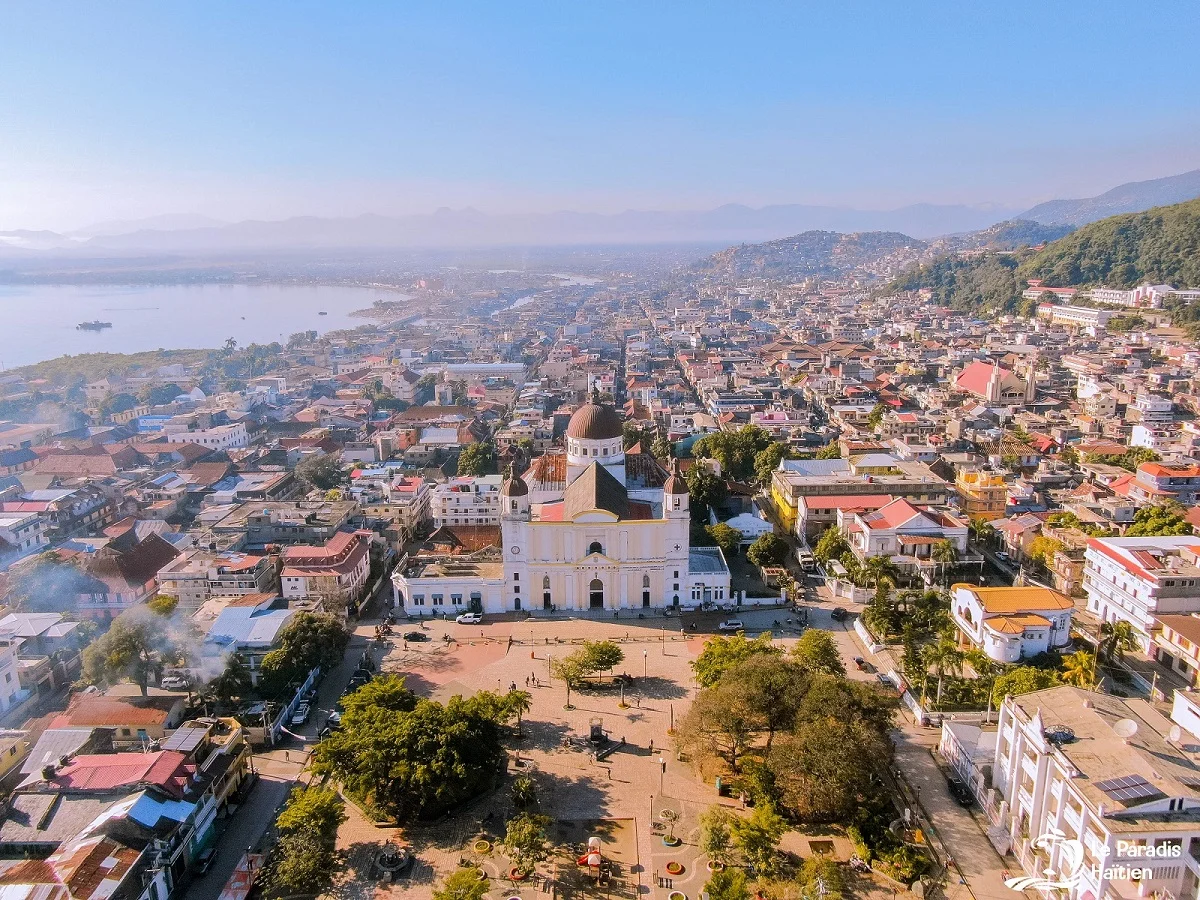
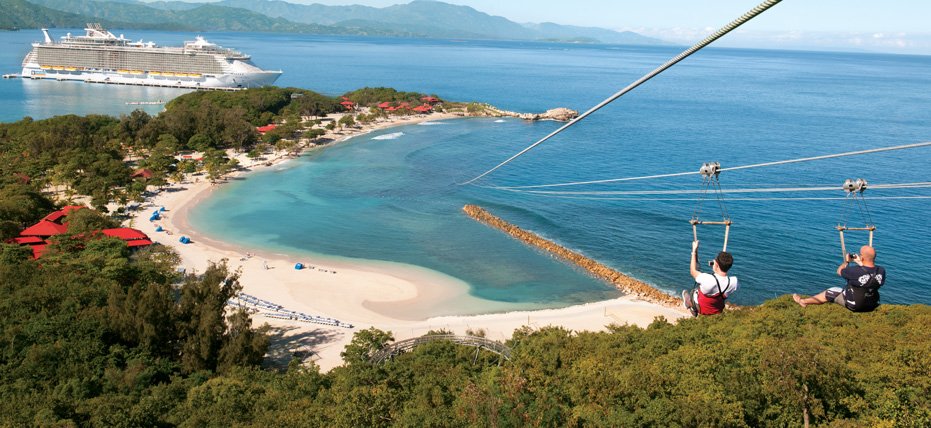
Haïti is blessed with spectacular natural landscapes, including white sand beaches, mountains and rich biodiversity.

Heritage

Heritage

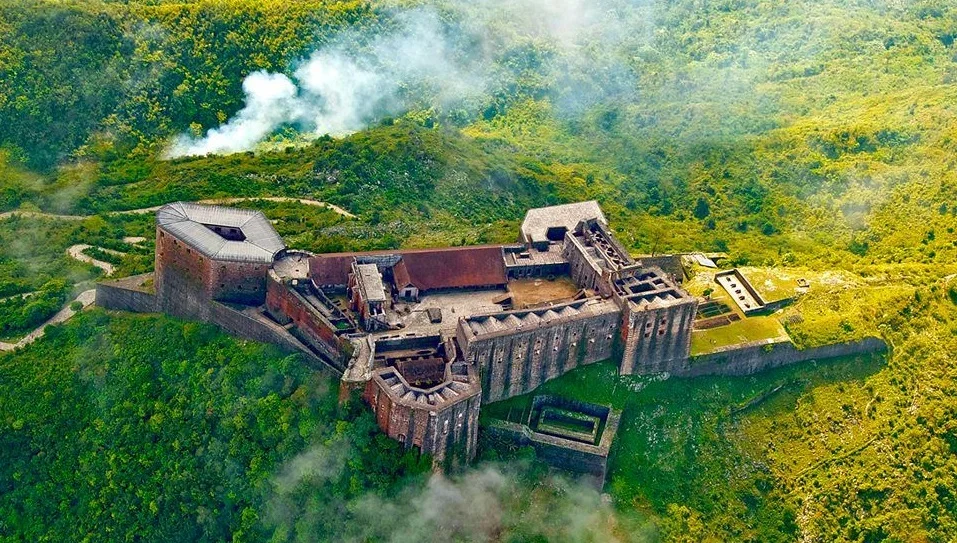
Haïti has a rich historical heritage, including sites like the Citadelle Laferrière and the Sans-Souci Palace, listed as UNESCO World Heritage Sites.

Culture

Culture

Haïti has a rich and diverse culture, influenced by African, European and indigenous elements. Haitian music, dance, art and cuisine are celebrated around the world.

  • +
    • Post