contact@haitiwonderland.com+509 36184317

Discover

Shopping Cart

How is Carnival Celebrated in Haiti? An Explosion of Colors and Culture

How is Carnival Celebrated in Haiti? An Explosion of Colors and Culture

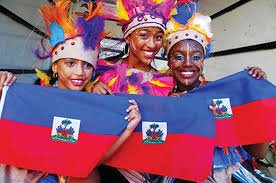
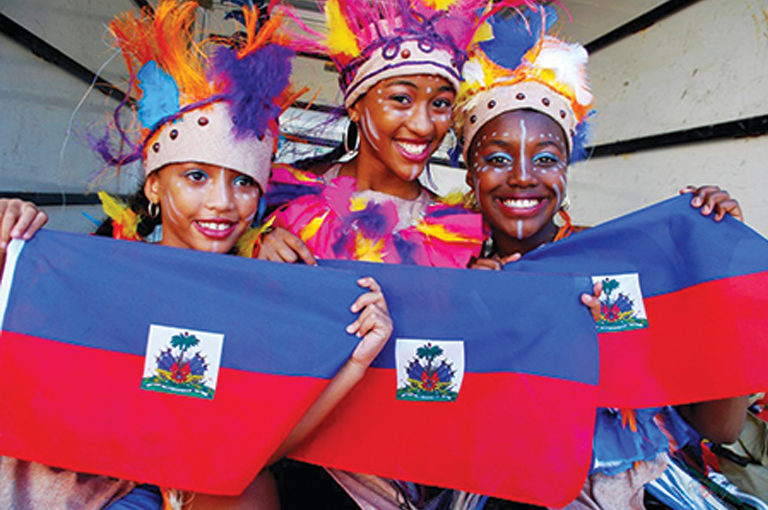
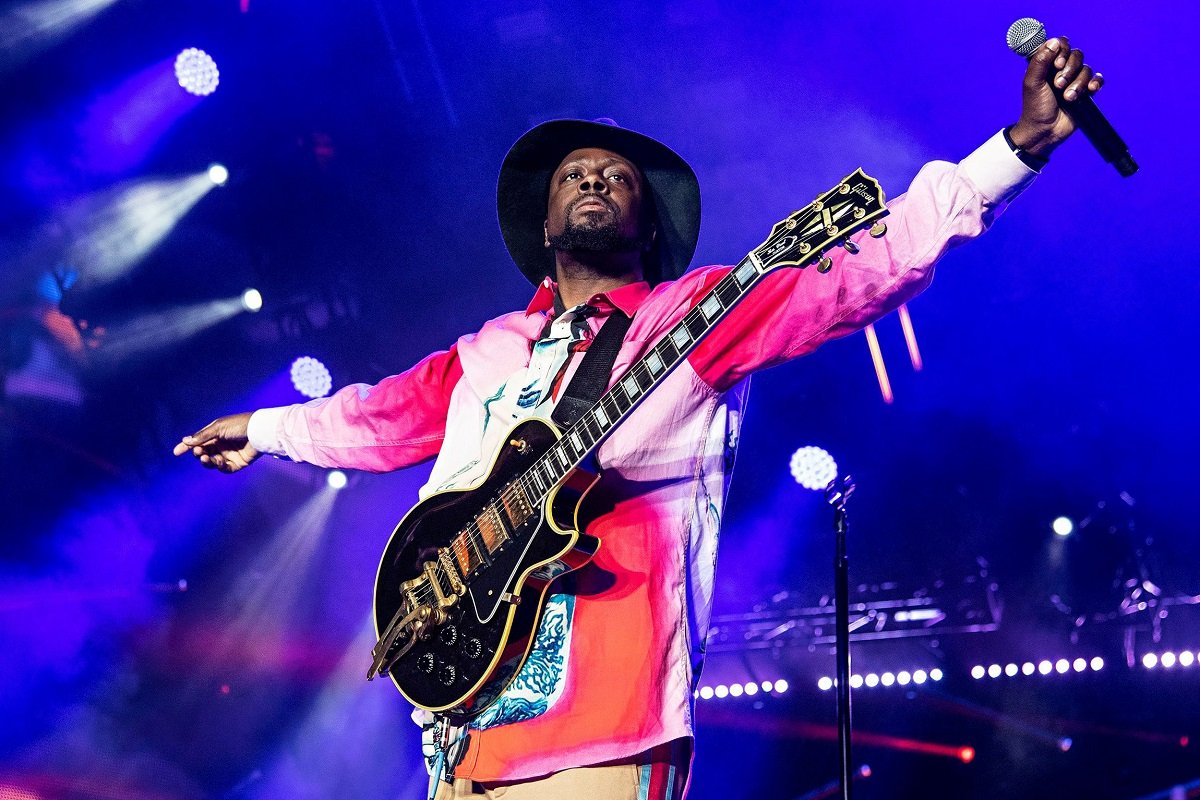
Carnival in Haïti is a must-see celebration that embodies the vibrant and festive soul of the country. Each year, this spectacular celebration attracts thousands of participants and visitors, fascinated by the energy, creativity and cultural richness of Haiti. It is a time when music, dance and traditions intertwine in a whirlwind of joy and national pride. Immerse yourself in the enchanting world of Haitian Carnival and discover everything that makes it a unique event.

Haïti
Haïti
Haïti

1. A Party with a Deep Heritage

Carnival, or "Kanaval" in Creole, draws its roots from colonial history and African traditions.
- Origins: This celebration, linked to the Christian calendar, precedes Lent and offers a moment of freedom and joy before a period of spiritual reflection.
- Cultural Influences: Haitian Carnival blends European, African and indigenous elements, creating a celebration that is unique in the world.

Haïti
Haïti
Haïti

2. Key Dates of Carnival in Haiti

Haitian Carnival generally begins in January and culminates in the three days preceding Ash Wednesday.
- Dimanche Gras, Lundi Gras and Mardi Gras: These three days are the most important, marked by spectacular parades and a general festive atmosphere.
- Preparations: The festivities begin well before, with musical evenings, band rehearsals and costume contests.

Haïti
Haïti
Haïti

3. Spectacular Parades: The Heart of the Celebration

The streets of Haiti’s main cities, including Port-au-Prince, Jacmel and Cap-Haïtien, are transformed into open-air stages.
- Extravagant Costumes: Participants wear elaborate and colorful costumes, often inspired by historical, cultural, or social themes.
- Allegorical Floats: Beautifully decorated floats pass through the streets, accompanied by rhythmic music and dancers.
- Rara and Live Music: Foot bands, *compas* and *rara* groups punctuate the festivities with captivating percussion and lively songs.

Haïti
Haïti
Haïti

5. A Cultural and Political Dimension

The Haitian Carnival is not just a celebration: it is also a space for social and political expression.
- Social messages: Costumes and songs often address themes such as politics, the environment or social struggles.
- Humorous satires: Performances include humorous critiques of current events, reflecting the creative and engaged spirit of Haitians.

Haïti
Haïti
Haïti

6. Gastronomy and Street Food Tastings

The Carnival is also an opportunity to savor Haitian specialties.
- Fritay: These street foods, such as bananas pesées, griot and acra, are very popular during the festivities.
- Local sweets: Sweets such as douce kokoye (coconut candy) and roasted pistachios add a sweet touch to the event.
- Traditional drinks: Local drinks such as clairin (artisanal rum) and natural juices are omnipresent.

Haïti
Haïti
Haïti

Carnival in Haïti is an inclusive celebration that brings together all levels of society.
- For families: Areas are set up so that children and families can enjoy the festivities in complete safety.
- Artists and artisans: Painters, sculptors and fashion designers take advantage of this period to exhibit their unique creations.
- Tourists: Many foreign visitors come to discover the authenticity and beauty of this incomparable celebration.

Haïti
Haïti
Haïti

8. Why Haitian Carnival is Unique

Haitian Carnival is distinguished by its cultural depth and contagious energy.
- Authenticity: It is a celebration where traditions and modernity coexist harmoniously. - National Pride: Each participant expresses, through his costume, his dance or his music, his love for Haitian culture.
- Artistic Richness: The creativity displayed in the costumes, floats and performances is a true spectacle for the eyes.

Haïti
Haïti
Haïti

Experience Carnival in Haiti

Attending Carnival in Haïti means diving into a celebration where culture, history and joy come together. Between the intoxicating rhythms, the colorful parades and the warm welcome of the Haitians, this celebration is an unforgettable experience. Whether you are a spectator or a participant, the Haitian Carnival will leave you with lasting memories.

Share
About the Author
Appolon Guy Alain
Appolon Guy Alain
Appolon Guy Alain

Full Stack Developer, Créatif, expérimenté, passionné des nouvelles technologies et de l’art.

See other articles from Appolon Guy Alain
Leave a comment

Recently Posted

Timoun se Moun: A poetry competition to promote children’s rights in Haiti

A wounded country. Bent under the weight of a multidimensional crisis. Widespread violence. Hope slammed shut. A sacrificed generation. Children are increasingly threatened. They are increasingly confronted with all forms of vulnerability that hinder their overall development. ACTIF is launching the second edition of the "Timoun se Moun" poetry competition. A citizen initiative in which the organization uses writing as a springboard to build what life deprives Haitian children of. Pain can be turned into gold. For ACTIF (Community Action for Transformation and Formal Integration), poetry is a philosopher’s stone. Not only for this organization, but also for all those who believe that writing can help rekindle the stars. Faced with this urgent need for action, this is "an initiative to raise awareness, denounce, and affirm loud and clear that every child matters, every child deserves protection, hope, and a future," reads the competition’s descriptive document. So what do you intend to do with your human light? Through this competition, participants have the opportunity to engage in an act of resistance, like a cry of conscience to raise the voice of broken childhoods. Open from May 18 to June 18, "Timoun se Moun" is open to all Haitians living in the country and aged 18 and over. Texts must be submitted in Creole. Behind this initiative, ACTIF intends, on the one hand, to affirm our cultural and linguistic identity, and on the other, to enrich our Creole literature, promote it, and encourage creativity in our vernacular. The text must not exceed 500 words. The format chosen is PDF, Times New Roman font, size 12, and 1.5 line spacing. This competition aims to offer a touch of affection to these children who are the first victims of the country’s descent into hell. To evaluate the literary quality and essence of the submitted texts, a jury is composed of Ruthza Paul, Douglas Zamor, and Darly Renois. The former is a physician and winner of the first edition of this competition. The other two work in the fields of sociology, psychology, and literature. In addition to the "Jury Prize: 15,000 HTG + books + certificate" and "Audience Prize: 5,000 HTG + certificate + books" prizes, the best texts will be included in an anthology to be published by Éditions Répérages. It should be noted that there will be one winner for each prize. This initiative reflects ACTIF’s commitment to honoring authors who embrace the cause of underprivileged children while enriching Haiti’s literary heritage. This competition extends a helping hand to all those who believe that through poetry, one can transform one’s life into a masterpiece. At the same time, it offers the opportunity to contribute to ACTIF’s child protection program. Each participant may submit a single text. It must be sent by email to the following address: actifkonkoupwezi@gmail.com. The partial results will be published on June 30, 2025, and the final results on July 18, 2025. For more information, visit ACTIF at the following address: 18 Rue Desdunes, Imp. Thoby, Mahotière 79, Carrefour, Haiti, or contact the organization at the following number: (+509) 38 44 57 57. More than just a contest, ACTIF invites you to say No. No to forgetting. No to passivity. No to violence against children and the violation of their rights.

Newsletter

Subscribe to our newsletter to stay informed of all our activities and news on Haiti.

Why Choose Haïti as a Tourist Destination?

Haiti, the pearl of the Antilles, is attracting more and more attention from travelers looking for unique and authentic experiences. This Caribbean jewel is full of cultural, historical and natural riches that make it an unmissable tourist destination. So why choose Haïti among so many other destinations? b~The Fascinating History~b Haïti has a rich history, marked by the Haitian Revolution of 1804, which led to the country’s independence and made Haïti the first independent black republic. Historical sites such as the Citadelle Laferrière, listed as a UNESCO world heritage site, bear witness to this glorious past. History lovers will be delighted by the colonial remains, museums and monuments that dot the country. b~An Exuberant Nature~b The natural landscapes of Haïti are breathtaking. From white sand beaches to lush mountains and picturesque waterfalls, the country offers a diversity of vistas to explore. La Visite National Park and the Bassin Bleu are must-sees for nature lovers and adventurers in search of discoveries. b~Cultural Wealth~b Haïti is the birthplace of Voodoo, an Afro-Caribbean religion that has deeply influenced Haitian culture. Visitors have the opportunity to experience voodoo ceremonies, traditional dances and captivating music. Colorful markets, lively festivals and local artisans offer total immersion into daily Haitian life. b~A Living Art~b The Haitian art scene is vibrant and unique. Painting, sculpture and traditional crafts reflect the boundless creativity of the Haitian people. Local art galleries and markets are full of colorful and expressive works, offering visitors the opportunity to acquire unique pieces as souvenirs of their trip. b~Haitian Hospitality~b Haitians are renowned for their warmth and exceptional hospitality. Visitors are greeted with a genuine smile and remarkable kindness. Hospitality traditions are deeply rooted in Haitian culture, creating a warm and friendly atmosphere that makes each stay memorable. Haïti stands out for its captivating blend of culture, history, nature and hospitality. Choosing Haïti as a tourist destination means opting for an authentic adventure in the heart of the Caribbean, where each corner of the island reveals a new facet of its beauty and wealth. So, let yourself be seduced by the Haitian magic and set off to discover this unique Caribbean treasure.

Guédés: When Haïti celebrates its ancestors with color and fervor

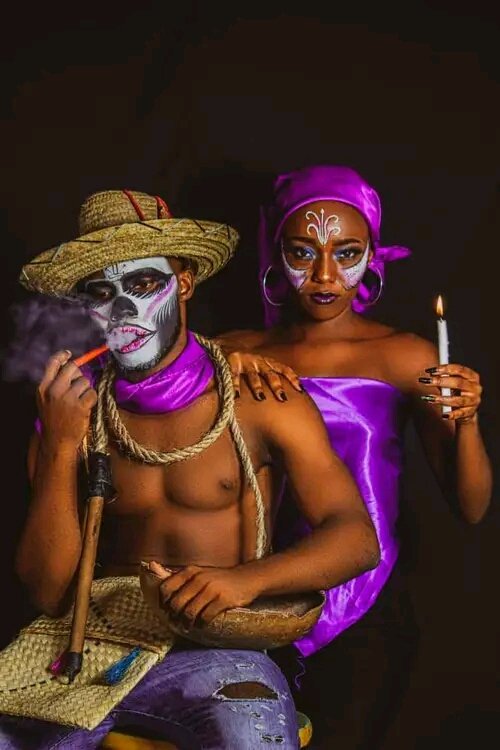
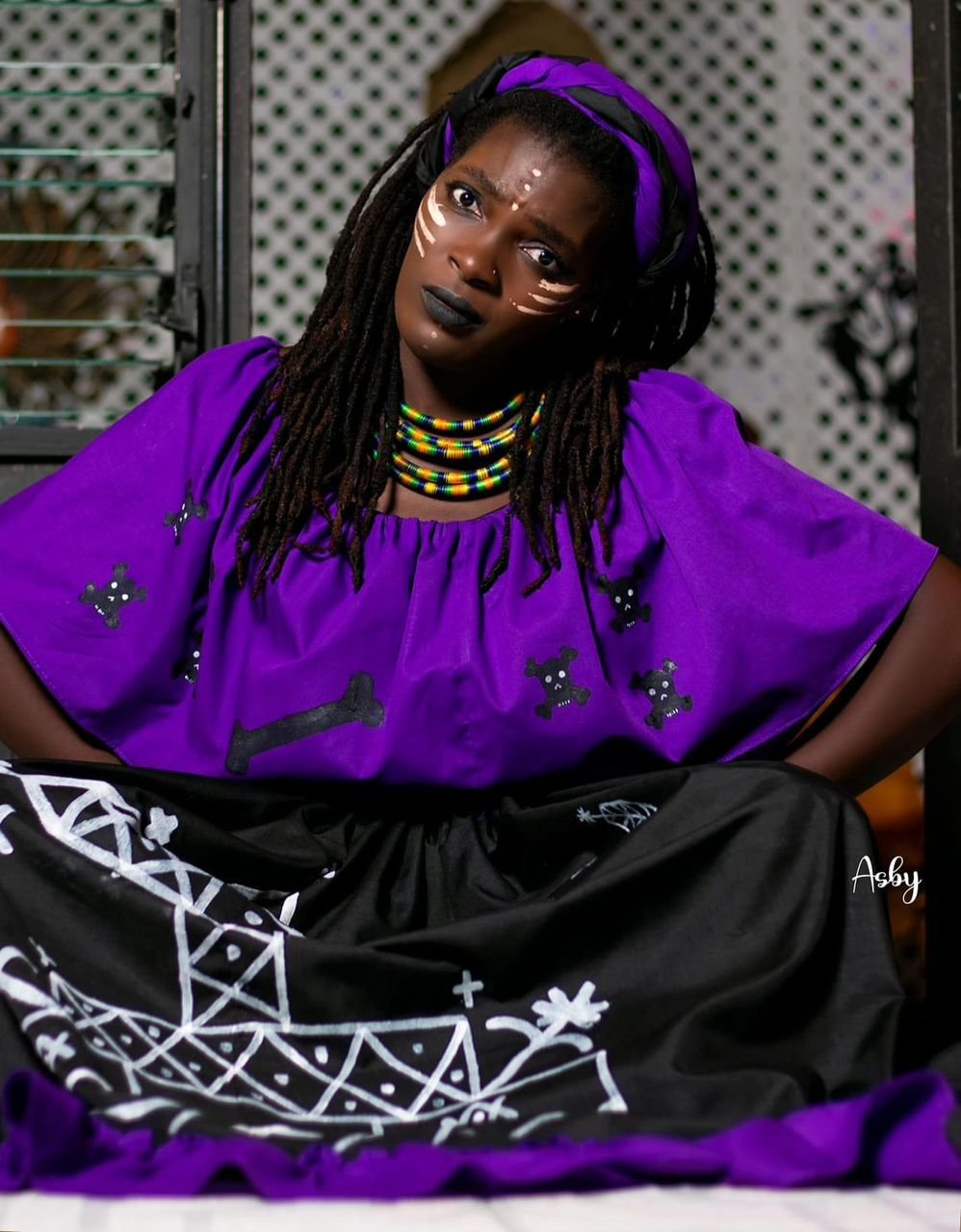
Every November 1st and 2nd, Haïti comes alive with the colors black and purple to celebrate the Guédés, spirits venerated in the voodoo religion, symbols of a powerful bond between the living and the dead. Fascinating, indomitable and provocative, the Guédés form a true family in the pantheon of Haitian voodoo, where they are respected for their role as spiritual guides of the deceased to the afterlife. Led by iconic figures such as the legendary Baron Samedi and his companion Grann Brigitte, the Guédés embody the paradoxes of life and death. Each Baron has a unique personality: Baron Cimetière, Baron Kriminel, and Baron La Croix are the guardians of the souls that wander on the borders of the world of the dead. Together, they form a powerful and somewhat frightening presence, but one that is deeply rooted in Haitian culture. The Guédés are not like other voodoo spirits; they demonstrate their fearlessness in a spectacular way. Accustomed to death, they are fearless and are provocative: they eat glass, raw peppers, and coat their sensitive parts with rum and pepper. These gestures mark their indifference to danger and remind us that they have already known earthly life. They are thus psychopomps – these beings who lead the souls of the dead – and act as bridges between the world of the living and that of the dead. Some Guédés, like Guédé Nibo, wear black, purple, and white clothing, each with unique characteristics. They are many and varied: Guédé Fouillé, Guédé Loraj, Papa Guédé, and many others. These are the spirits who, each year, remind Haitians of the importance of remembering and honoring the deceased. The cult of the Guédés is not only religious; it is also cultural and historical. According to tradition, their spiritual territory, or “Fètomè” – nicknamed the “Country without Hats” – is a place where the souls of ancestors reside. According to stories, the origins of this cult go back to the Abomey plateau, the ancient capital of the kingdom of Dahomey, in Africa, where death and life coexist in a form of symbiosis. This celebration in Haïti even finds echoes in ancient history. The Romans also honored their dead with the “Fête des Lémuria”, which took place in February, to ward off spirits and restore peace between the world of the living and that of the deceased. For Haitians, honoring the Guédés is about accepting death as a part of life and celebrating the invisible bonds that unite us with those who have left us. It is also a way of resisting, because life, despite its challenges, must be celebrated in all its complexity and depth.

Recently Posted

History

History

First black nation to free itself from slavery and gain independence from France in 1804 and influenced other liberation movements around the world, inspiring struggles for freedom and equality.

Natural beauty

Natural beauty

Haïti is blessed with spectacular natural landscapes, including white sand beaches, mountains and rich biodiversity.

Heritage

Heritage

Haïti has a rich historical heritage, including sites like the Citadelle Laferrière and the Sans-Souci Palace, listed as UNESCO World Heritage Sites.

Culture

Culture

Haïti has a rich and diverse culture, influenced by African, European and indigenous elements. Haitian music, dance, art and cuisine are celebrated around the world.

  • +
    • Post