contact@haitiwonderland.com+509 36184317

Discover

Shopping Cart

Cap-Haïtien: 70 Schoolchildren Learn Programming Thanks to Coding Club Haiti
  • News
  • September 18, 2025

Cap-Haïtien: 70 Schoolchildren Learn Programming Thanks to Coding Club Haiti

From Python to JavaScript: How 70 young people from Cap-Haïtien are becoming Haiti's future developers with the NUMECO program.

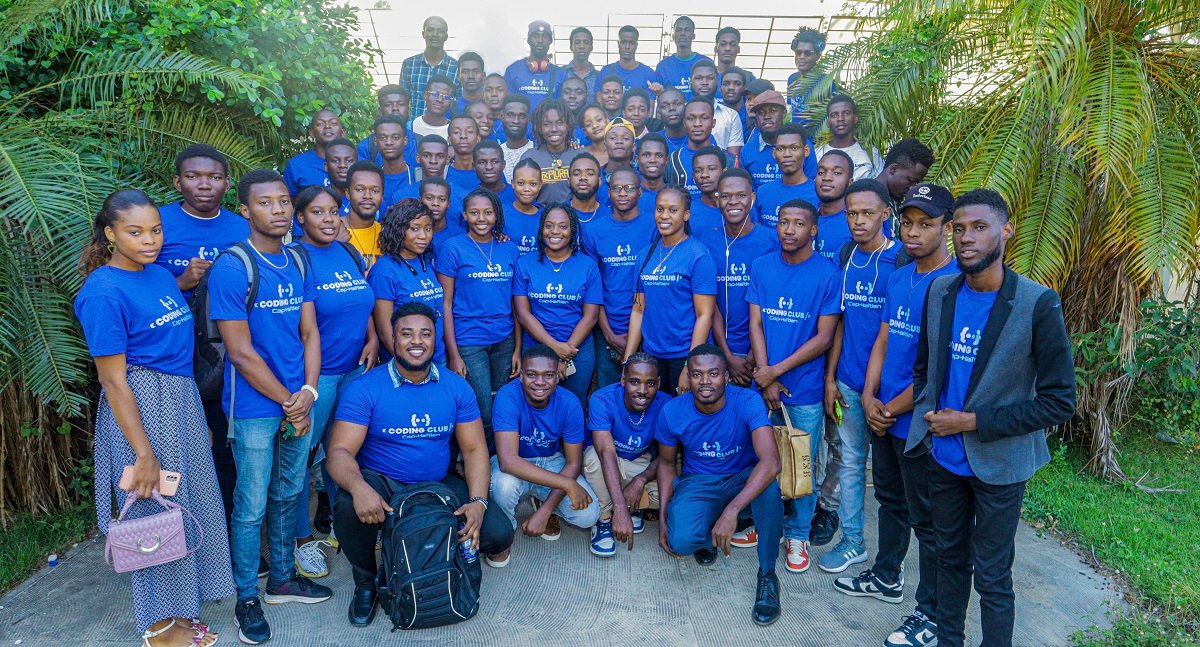
Friday, August 29, 2025, will remain a memorable date in Cap-Haïtien: The closing of the first edition of NUMECO, a pioneering program that introduced more than 70 schoolchildren to the exciting world of computer programming.

A Springboard for Digital Youth

The NUMECO program, organized by Coding Club Haiti, marked a turning point in Haitian digital education. More than just training, this initiative represents a real investment in the country’s technological future.

Thanks to this initiative, more than 80 students from 11 schools completed an intensive 6-month training program, during which they learned:

Python
The solid foundations of the world’s most sought-after programming language

Web Development
Mastery of HTML, CSS, and JavaScript technologies with Appolon Guy Alain as expert trainer

Digital Entrepreneurship
Business vision and innovation with Toutpuissant Jefferson as trainer

See as well

The 11 schools involved in this adventure

The NUMECO program brought together students from NS1 to NS4 from the following schools:

- Institution Saint-Joseph
- Institut Sacré-Cœur du Cap-Haïtien

- Collège Adventiste du Cap-Haïtien
- Collège Bell Angelot Cap-Haïtien
- Collège Simone de Beauvoir
- Lycée National Philippe Guerrier Cap-Haïtien
- Lycée Dutty Boukman
- Collège Pratique du Nord
- Collège Le Christophien
- Collège Alexandre Dumas Fils
- Collège Le Lighthouse

The goal of Coding Club Haïti is to create a community of excellent, collaborative, and innovative developers capable of bringing local and international projects to fruition while remaining at the forefront of global technologies.

A moment of emotion, satisfaction, and hope

The closing ceremony was an intensely emotional moment. The event culminated with the "Best Website" challenge, a stimulating competition where each team had to create a website for their school. Creativity and innovation were on full display!

The grand winner? The Adventist College of Cap-Haïtien, which brilliantly integrated a virtual reality tour directly into their website. This technical feat impressed the jury and demonstrated the exceptional potential of our young talents.

Coding Club Haiti: Catalyst for Digital Transformation

Founded by Appolon Guy Alain, Coding Club Haïti is a dynamic community of passionate developers committed to creating innovative projects with economic and social impact.

This community works to democratize digital learning and create a sustainable technology ecosystem.

I believe technology can be an economic lever in Haiti. I dream of seeing Haitian platforms emerge internationally and bring enormous economic benefits to the country.

,Appolon Guy Alain, Co-founder and President

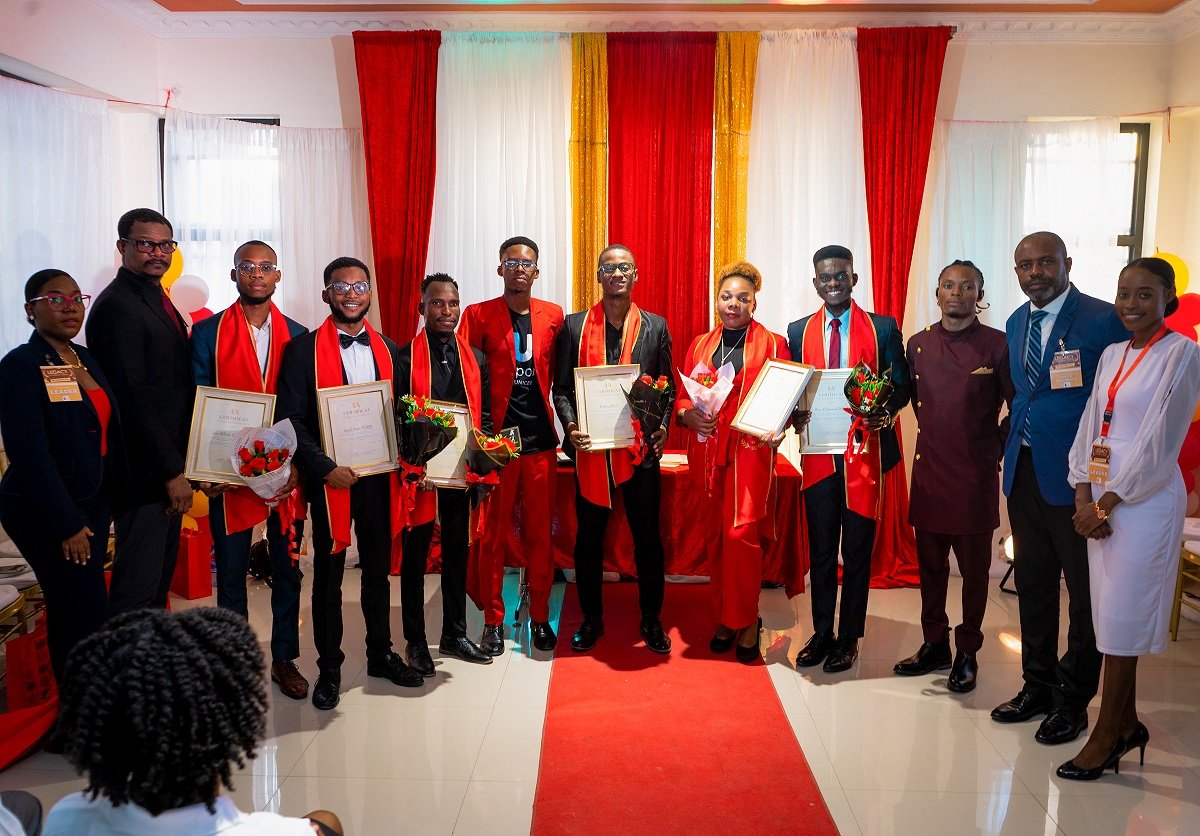
71 Certificates Awarded: A New Generation of Budding Developers

71 schoolchildren received their certificates, rewarding their remarkable commitment and determination. Parents, friends, and school officials witnessed exceptional achievements that portend a promising digital future for Haiti.

Future Vision: Expansion and National Impact

Coding Club Haiti’s ambition doesn’t stop there. For the coming years, the organization plans to:

- Integrate more schools into the program
- Expand the program to various other cities across the country
- Provide personalized support for young talent to bring their projects to fruition

A Tangible Socioeconomic Impact

These budding young developers aren’t just learning: they’re already innovating! Several projects with strong social and economic potential are currently being developed, with the continued support of Coding Club Haiti.

August 29, 2025, will be remembered as the day Cap-Haïtien laid the foundations for a truly Haitian digital revolution. NUMECO is not simply a training program: it is the first chapter in a transformation that will place technology at the heart of Haiti’s socioeconomic development.

Towards a digital future for Haiti

With NUMECO, Coding Club Haïti is laying the foundations for a sustainable technology ecosystem, training the next generation of Haitian developers and opening new perspectives for the future.

August 29 marks the end of NUMECO, but also the beginning of a future where technology will be at the heart of Haiti’s socio-economic transformation, not through grand speeches, but through concrete projects,

, concludes Toutpuissant Jefferson.

Are you an educational institution interested in NUMECO? A company interested in supporting this initiative? Join the movement shaping Haiti’s digital future!

Share
About the Author
Haïti Wonderland
Haïti Wonderland
Leave a comment

Recently Posted

Haïti et son Rôle Pionnier dans l’Abolition de l’Esclavage Mondial

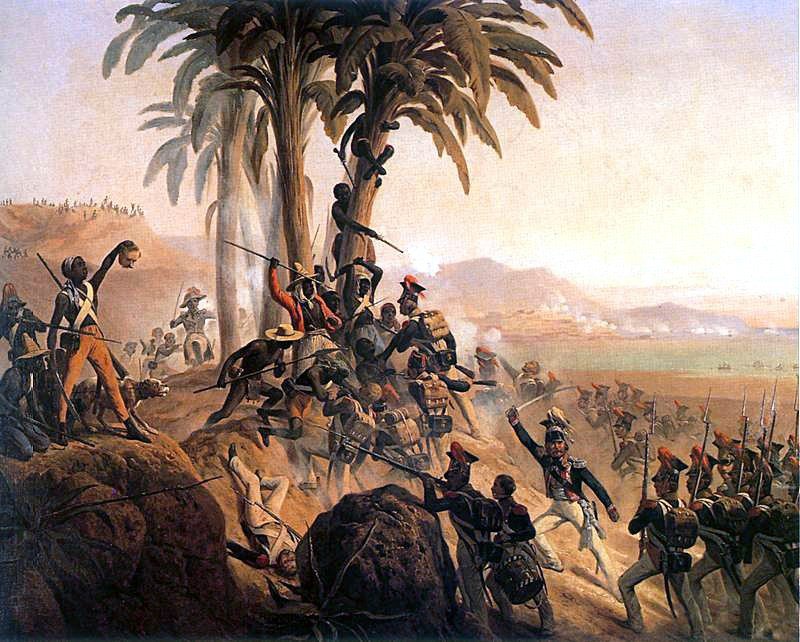
For centuries, the institution of slavery has darkened human history, leaving behind a legacy of pain, oppression and the struggle for freedom. However, in this dark tale, one nation stands out for its courage and determination to break the chains of oppression: Haiti. Located in the Caribbean, Haïti played a pioneering role in the abolition of slavery, laying the foundation for the fight for freedom and equality around the world. The history of slavery in Haïti dates back to the arrival of Europeans on the island, which was then called Santo Domingo, in the 15th century. French colonists quickly established an economy based on sugar and coffee production, cruelly exploiting millions of African slaves deported to work on plantations. However, this brutal system engendered fierce resistance from slaves, whose fight for freedom ultimately led to one of the most significant revolutions in history. In 1791, under the leadership of iconic figures such as Toussaint Louverture, Jean-Jacques Dessalines and Henri Christophe, Haitian slaves rose up against their oppressors in an unprecedented rebellion. This revolt resulted in a war of independence that lasted more than a decade, but ultimately resulted in the proclamation of Haiti’s independence in 1804, making that country the first post-colonial nation ruled by people from slavery. The impact of the Haitian Revolution on the abolition of slavery worldwide cannot be overstated. By breaking the chains of oppression and proclaiming their independence, Haitians have sent a powerful message to all oppressed peoples around the world: freedom is possible, and it is worth the struggle. The example of Haïti inspired other movements for the abolition of slavery in the Americas and beyond, thus helping to shake the very foundations of the institution of slavery. Haiti’s participation in the fight against slavery was not limited to its territory; it also extended to external actions where Haitian men were sent or actively participated in movements for the abolition of slavery in other regions of the world. For example, Haitian President Alexandre Pétion supported Simón Bolívar, the leader of the South American revolution, by providing him with weapons, money and even men, which contributed to the liberation of several countries in America Latin of colonial domination. Haïti also provided support for independence movements in Central America. Haitian fighters, led by General Jean-Pierre Boyer, helped Venezuelan patriots fight against Spanish rule, contributing to the liberation of that region. The Haitian government financially and diplomatically supported movements for the abolition of slavery in countries such as Venezuela, Colombia and Mexico, contributing to the gradual eradication of this institution throughout the region. Although Haïti did not directly participate in the American Civil War, many Haitians and descendants of Haitians played crucial roles in the abolitionist movement in the United States. Figures who were of Haitian origin or of Haitian ancestry, were important voices in the fight against slavery and for equal rights in the United States. The legacy of the Haitian Revolution remains a symbol of resistance and courage for future generations. Today, as the world continues to struggle against injustice and oppression in various forms, Haiti’s history reminds us that the fight for freedom is a universal fight, one that transcends borders and times. Haiti’s participation in the abolition of slavery throughout the world remains a crucial chapter in the history of humanity. Through their courage and determination, Haitians have paved the way for a future where freedom and equality are inalienable rights for all.

Haïti / Pot’iwa Pizza: A Culinary Odyssey

Since 2015, Pot’iwa Pizza has conquered the hearts and taste buds of the inhabitants of Port-au-Prince, the capital of Haiti. Founded by visionaries Jude Vaillant and Rock André, Pot’iwa Pizza has become a true gastronomic icon by offering a unique specialty: smoked herring pizza. This culinary creation has revived childhood nostalgia among many Haitians, marking the beginning of an exceptional culinary adventure. The very name of the company, "Pot’iwa", is a tribute to the Haitian regions where its founders were born. Jude Vaillant, originally from the "Iwa" region, and his accomplice Rock André, native of "Potino", have united their origins to create a company that harmoniously fuses tradition and innovation. Despite the socio-economic challenges that punctuate Haitian daily life, Pot’iwa Pizza is committed to constantly improving its services. This unwavering determination led to the opening of a second branch of the company, this time in the city of Cap-Haïtien, in the north of the country. The inhabitants of this region now have the privilege of tasting the famous herring pizza, previously reserved for the inhabitants of Port-au-Prince. Aware of the importance of protecting its culinary heritage, the company made a strategic decision by filing a patent in the United States to protect its specialty: herring pizza. Jude Vaillant, CEO of the company, shares his vision behind the choice of herring: "In Haiti, our childhood was rocked by a particular flavor, present in many traditional dishes. We decided to bring this flavor to an emblematic dish like pizza, to create a unique culinary experience." Pot’iwa Pizza embodies the passion, nostalgia and perseverance of Haitians for their traditional cuisine. It is a story of flavors and success that continues to seduce palates around the world. For those who want to taste this delicious herring pizza, go to Pot’iwa Pizza, located at 26 boulevard Cap-Haïtien, or contact them at +509-47-30-9090. And for fans residing in Miami, USA, Pot’iwa Pizza is also available at 12485 NE 6th CT, North Miami, FL 33161. To order, call 305-456-5152. Also explore the immersive experience of Pot’iwa Pizza through your smartphone or virtual reality headset, and dive into their mouth-watering menu by visiting the following link: https://haitiwonderland.com/haiti-virtual-reality-ht/ bar--restaurant/haiti--pot-iwa-pizza--virtual-tour/9.

Newsletter

Subscribe to our newsletter to stay informed of all our activities and news on Haiti.

Carrefour: Kay Jèn Yo s’ouvre aux enfants

Dans le cadre du programme de promotion des droits et de l’épanouissement de l’enfant "Timoun se moun" piloté par l’organisation Action Communautaire de Transformation et d’Intégration Formelle (ACTIF), Kay Jèn Yo organise, du 18 au 24 août 2025 (9h am - 1h pm), "Espas Lajwa", un camp d’été qui cible trente (30) enfants de 7 à 15 ans. Une grande panoplie d’activités éducatives, créatives et ludiques sont programmées pour le plus grand bien des enfants. Ils auront droit à des ateliers de : peinture, crochet, macramé, langue des signes, théãtre, lecture, échec, etc. Dans un contexte aussi traumatogène où la violence est monnaie courante, de telles initiaves sont d’une importance capitale. " Les enfants ne sont pas imperméables au stress et autres pathologies que peut provoquer la situation morbide qui sévit dans le pays actuellement", souligne Blondy Wolf Leblanc (Gabynho) DG a.i de ACTIF. "Espace Lajwa se veut donc, un refuge, un lieu où les enfants peuvent s’exprimer en toute sécurité, un espace sécurisant où ils peuvent exprimer leurs émotions à travers plusieurs médiums", précise-t-il. Plus loin, l’animateur socioculturel encourage d’autres structures à travers le pays à prendre des initiatives de ce genre au bénéfice de la santé mentale des enfants. Espas Lajwa est quasiment gratuit. Un frais de participation de 150 gourdes est requis pour la semaine. Quid Kay Jèn Yo Issu du projet "Pran Swen Tèt ou", Kay Jèn Yo est un projet de l’organisation ACTIF supporté par La Perfection École de Haute Couture visant à combattre la violence par l’engagement communautaire à travers des programmes de formation professionnelle et artistique. Situé au numéro 18, imp. Thoby, rue Desdunes, Mahotière 79, Kay Jèn Yo est ouvert du lundi au dimanche (9h am - 6h pm). Sebastien Jean Michel

Recently Posted

History

History

First black nation to free itself from slavery and gain independence from France in 1804 and influenced other liberation movements around the world, inspiring struggles for freedom and equality.

Natural beauty

Natural beauty

Haïti is blessed with spectacular natural landscapes, including white sand beaches, mountains and rich biodiversity.

Heritage

Heritage

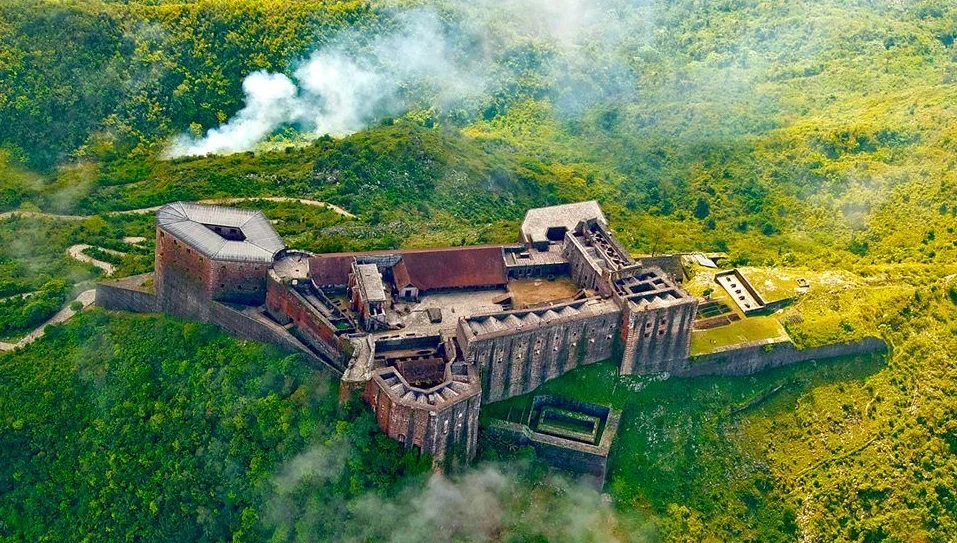
Haïti has a rich historical heritage, including sites like the Citadelle Laferrière and the Sans-Souci Palace, listed as UNESCO World Heritage Sites.

Culture

Culture

Haïti has a rich and diverse culture, influenced by African, European and indigenous elements. Haitian music, dance, art and cuisine are celebrated around the world.

  • +
    • Post