contact@haitiwonderland.com+509 36184317

Discover

Shopping Cart

Haiti: The Ministry of Economy and Finance (MEF) Launches the 2025-2030 Recovery and Development Plan from the Far North
  • News
  • September 07, 2025

Haiti: The Ministry of Economy and Finance (MEF) Launches the 2025-2030 Recovery and Development Plan from the Far North

Haiti launches its 2025-2030 Recovery Plan from the Far North: economy, social services and institutions, heading for a more prosperous future.

Cap-Haïtien, September 4-6, 2025 The Hostellerie Roi Henry Christophe was the scene of a major event for the country’s future: the official launch of the 2025-2030 Recovery and Development Plan by the Ministry of Economy and Finance (MEF), under the leadership of Minister Alfred Fils METELLUS.

This initiative, carried out in collaboration with several sectoral ministries and technical and financial partners, has the ambitious objective of revitalizing the Haitian economy, strengthening basic social services, and consolidating public institutions.

CP : MakoLove
CP : MakoLove
CP : MakoLove

Building Haiti’s Future: An Inclusive and Participatory Plan

The MEF has chosen the Far North as the starting point for this recovery process. The North, North-West, and North-East departments were the focus of the initial consultations, due to their industrial, agricultural, tourism, and cultural potential, as well as their challenges in infrastructure, social services, and governance.

This regional tour is part of a series of inclusive consultations aimed at integrating territorial priorities and local realities into the national plan.

See as well

Three Days of Debates and Consultation

Day 1 September 4, 2025

Discussions began with local authorities, civil society, and the private sector. Together, they identified the main challenges and proposed medium-term solutions to revive the economy and improve public services.

Day 2 September 5, 2025

The day was dedicated to local authorities and young leaders. Youth organizations expressed their frustrations but also made constructive proposals that will play a key role in achieving the plan’s objectives.

Day 3 September 6, 2025

The tour concluded with a meeting with journalists and media stakeholders at the Ekologik Resort. This opportunity for sharing ensured that the population’s key messages were heard and that they would be reflected in future decisions.

Key Objectives of the Consultations

The MEF defined three main objectives for this round of consultations:

Inform and raise awareness about the three pillars of the plan and the rationale guiding future interventions.

Collect and prioritize the needs expressed by elected officials, the private sector, civil society, and youth.

Strengthen consultation between the State, local authorities, socioeconomic stakeholders, and technical and financial partners to better coordinate efforts.

The Monferrier Dorval Chair of Constitutional Law, a gesture from the State University of Haiti, for the preservation of the memory of Professor Dorval

The Monferrier Dorval Chair of Constitutional Law, a gesture from the State University of Haiti, for the preservation of the memory of Professor Dorval

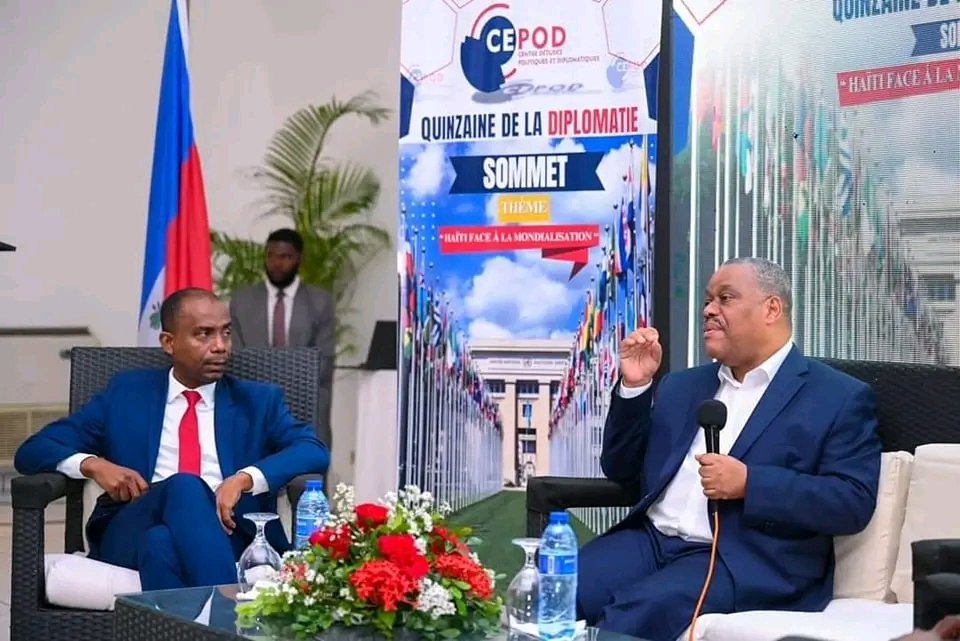
The Monferrier Dorval Chair of Constitutional Law is a high-intellectual-intensity initiative, taken by the State University of Haïti (UEH), through the leadership of its rectorate, in agreement with the leaders of the Faculty of Law and Economics (FDSE). The initiative’s primary goal is to honor and perpetuate the memory of the valiant and brilliant Professor Monferrier Dorval, assassinated in unclear circumstances, about three years ago. And in order to make a scientific contribution to the great debate that has been going on in Haitian society for about ten years about the need to change or not, the constitution of March 29, 1987, amended on May 11, 2011. Shouldn’t we try to apply it preferably? If it needs to be changed, should this change be radical, otherwise what should it have in terms of change within a new mother law for a better institutional organization of Haiti. The chair is scientifically chaired by Professor Henri Marge. Dorléans, (current head of AFPEC), and is vice-chaired by the dean of the faculty of law and economics, Me Eugène Pierre Louis. The Chair is materialized by a set of conferences and debates (15 in total), which take place in the premises of the Office of the Protection of the Citizen OPC, under the name of Wednesday of the Monferrier Dorval Chair. It is in this sense that for the fifth edition of the Wednesday of the chair (which took place this Wednesday, October 9, 2024 at the OPC, in the presence of the protector of the citizen, Me Renan Hédouville), attention was placed on education within the debate surrounding the possible development of a new constitution for Haiti. This 5th meeting took place under the theme of: "Education, Teaching, Research, Science and Technologies". The conference was hosted by three greats of the Haitian intellectual community, including two eminent professors of the UEH, namely, Professor Odonel Pierre Louis, academic director of the École normale supérieure (ENS); the vice rector of the UEH, Professor Jacques Blaise. Their interventions were followed by that of the director of the national institute of vocational training (INFP) Mr. Dikel Delvariste.

Toward Concrete and Measurable Results

These consultations aim to generate:

Recommendations adapted to the unique context of the Far North.

A clear prioritization of priority projects to ensure efficient resource allocation.

Strengthened engagement of local stakeholders to ensure the plan reflects their aspirations.

Sustainable dialogue between the state and local authorities to improve governance and coordination of future initiatives.

A Strong Signal for the Future

This 2025-2030 Recovery and Development Plan constitutes a prioritized investment framework and a strategic budgetary orientation. It does not start from scratch: it incorporates lessons from previous experiences to ensure a realistic, inclusive, and action-oriented approach.

With this launch in the Far North, the MEF is sending a strong signal: Haïti is ready to turn the page on economic stagnation and build a more prosperous, equitable, and resilient future.

Share
About the Author
Appolon Guy Alain
Appolon Guy Alain
Appolon Guy Alain

Full Stack Developer, Créatif, expérimenté, passionné des nouvelles technologies et de l’art.

See other articles from Appolon Guy Alain
Leave a comment

Recently Posted

Christmas in Haiti: Between Magic, Discoveries and Delicacies

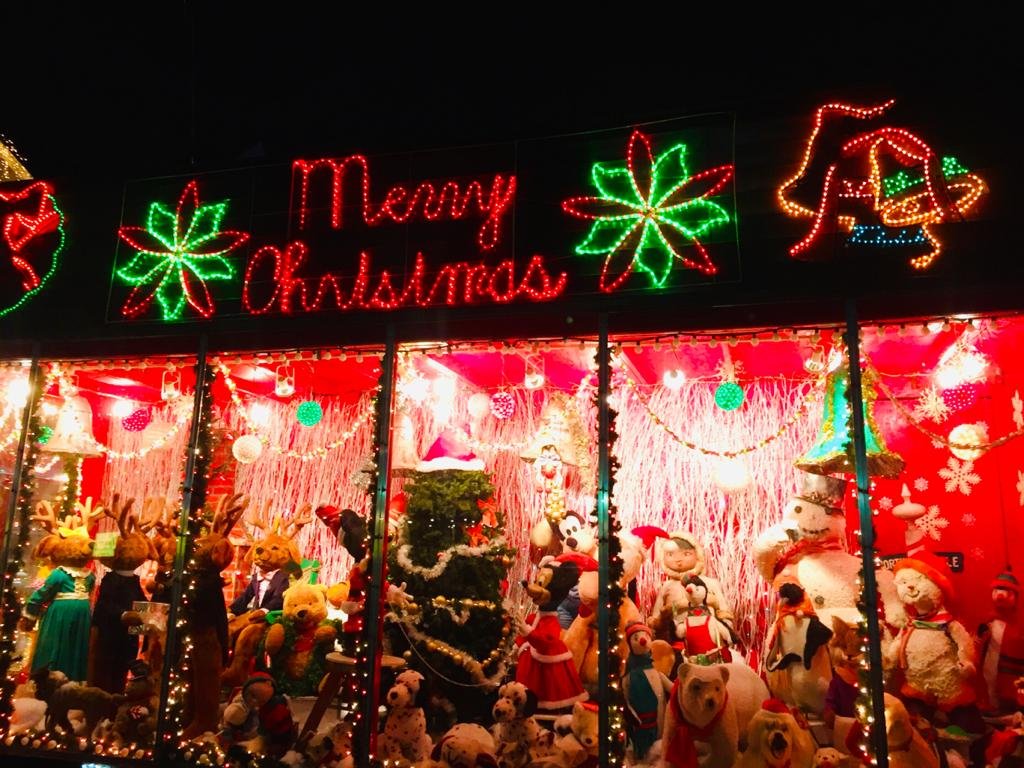
The joyful ringing of bells echoes through the streets of Haïti as the holiday season approaches. Christmas is a magical time when the streets light up, families gather and a warm atmosphere invades the island. Between traditions, cultural discoveries and gourmet feasts, Christmas in Haïti promises a unique experience. b~The Magic of Lights and Decorations~b From the beginning of December, Haïti is adorned with sparkling lights and festive decorations. The markets come alive with shimmering garlands, twinkling stars and ornate fir trees. The streets of Port-au-Prince in Jacmel shine with a special magic, inviting locals and visitors to immerse themselves in the festive spirit. b~Haitian Traditions at Christmas~b Christmas in Haïti is celebrated with a unique combination of religious traditions and local customs. Midnight Mass is a deeply rooted tradition, drawing worshipers to churches to celebrate the birth of Jesus in a vibrant atmosphere of song and prayer. A popular tradition is the "Dawn Mass" which takes place at dawn on December 25. The faithful gather to welcome Christmas Day with special fervor, testifying to the deep spirituality that permeates the festivities. The festivities are not limited to churches. Street parades, folk dances and concerts are commonplace, creating a joyful atmosphere throughout the country. Traditional Haitian music, such as direct compass and voodoo, adds a special dimension to these celebrations. b~Cultural Discoveries: Haitian Crafts~b Christmas is also an ideal opportunity to discover unique Haitian crafts. Christmas markets offer a variety of handicrafts, such as wooden sculptures, vivid paintings, wrought iron items and traditional jewelry. These works of art reflect the artistic talent of the Haitian people and provide unique and meaningful gifts. Local markets, such as the Ferrier market in Cap-Haitien and the Jacmel market, are essential places to discover the authenticity of Haitian crafts. These purchases also help support local artists and the community economy. b~Gourmet Feasts: Christmas Cuisine~b Christmas in Haïti is also a gastronomic celebration. Families gather around festive tables laden with traditional culinary delights. “Joumou soup”, a pumpkin soup, is an essential specialty of the holiday season. Pork, lamb and chicken dishes are also common, accompanied by rice and local vegetables. Traditional desserts, such as “Pen patat” and “Tablèt Pistach,” add a sweet touch to the celebration. Tropical fruits, such as mangoes and bananas, are also often present on Christmas tables, recalling the richness of Haitian biodiversity. Christmas in Haïti is a vibrant celebration that blends the magic of lights, religious traditions, local crafts and delicious cuisine. It is a time when joy and generosity are in the spotlight, and when Haitians open their hearts to share the magic of the season with the world.

Newsletter

Subscribe to our newsletter to stay informed of all our activities and news on Haiti.

Haiti: In the Kingdom of Legends: Le Colombier, Keeper of the Secrets of Belle-Anse

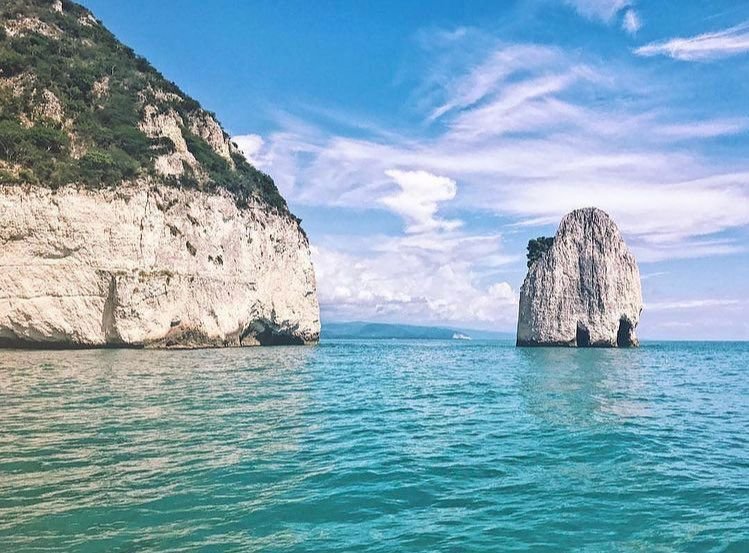
In the heart of the azure waters of the Caribbean Sea, stands majestically the Colombier, an imposing rock mass that defies time and the elements. Located off the picturesque coast of Belle-Anse in southeastern Haiti, the Colombier is more than just a geological formation; it is a symbol of the natural beauty and cultural heritage of the region. Dominating the marine horizon with its imposing silhouette, the Colombier is shrouded in mystery and legends passed down from generation to generation. According to local stories, this rock was formed by the sea gods themselves, testifying to their passage through these crystal clear waters. A legend which adds an aura of fascination to this already enchanting place. But beyond its mythical appearance, the Colombier also offers a breathtaking visual experience. Visitors who venture to this natural wonder are rewarded with breathtaking panoramas: steep cliffs plunging into turquoise waters, isolated coves hemmed with golden sand, and abundant marine flora that enlivens the seabed. Le Colombier is also a refuge for remarkable biodiversity. Its waters are home to a multitude of marine species, from colorful fish to spectacular corals and majestic sea turtles. Scuba diving and snorkeling enthusiasts will find a preserved paradise there, where nature reigns supreme and each immersion is a fascinating exploration. As a tourist spot, Le Colombier offers an unforgettable getaway for travelers looking for adventure and authentic discoveries. Boat excursions from Belle-Anse allow visitors to get up close and personal with this natural wonder, contemplate its spectacular shapes and let themselves be captivated by its captivating beauty. In short, the Colombier embodies the quintessence of Haiti’s natural beauty, a hidden treasure in the heart of the Caribbean Sea. Between its breathtaking landscapes, its cultural heritage rich in legends and its exceptional biodiversity, this maritime jewel fully deserves its reputation as an essential tourist destination. Come discover the Colombier and let yourself be carried away by the magic of this exceptional place.

Recently Posted

History

History

First black nation to free itself from slavery and gain independence from France in 1804 and influenced other liberation movements around the world, inspiring struggles for freedom and equality.

Natural beauty

Natural beauty

Haïti is blessed with spectacular natural landscapes, including white sand beaches, mountains and rich biodiversity.

Heritage

Heritage

Haïti has a rich historical heritage, including sites like the Citadelle Laferrière and the Sans-Souci Palace, listed as UNESCO World Heritage Sites.

Culture

Culture

Haïti has a rich and diverse culture, influenced by African, European and indigenous elements. Haitian music, dance, art and cuisine are celebrated around the world.

  • +
    • Post