Les Éditions Julien Hilaire launches "Temps de poésie"
In collaboration with HPost5, Les Éditions Julien Hilaire are launching a call for contributions for the publication of the first issue of "Temps de poésie", a literary magazine that, according to the initiators, aims to be a space for exchange, creation and celebration of contemporary poetry.
In these times marked by a penchant for destruction, chaos and the law of silence, speaking has become an obligation. Speaking to denounce. Speaking to resist. Speaking to build. The first issue of "Temps de poésie" with the theme "Cathedral under construction, poems as labor" is part of this approach. This theme is an invitation to reflect on the act of building, whether material, spiritual or metaphorical, we read in the press kit. Haïti Wonderland met Ansky Hilaire, the man who leads the project.
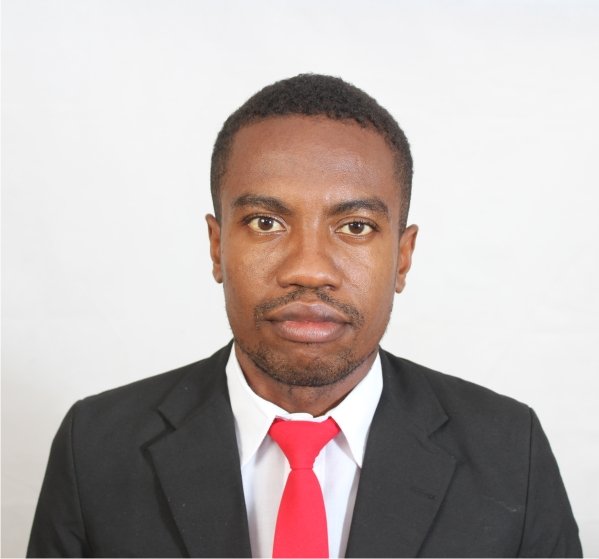
Before talking about the magazine, can you tell us a little about yourself?
Who am I? This question always troubles me. Not because I don’t know myself, but because it is sometimes difficult to define oneself in a country that pushes us to lose ourselves. I don’t like talking about myself, or at least, even more. I can only say that I am that child who grew up in a world where everything seemed hostile: dreams were stifled, love was a luxury loving was forbidden to me and childhood... a privilege that I didn’t have like all children. You know, even today, those clouds think they can slow me down. They come in other forms, but they are always the same. The same, to the point of hurting those who don’t have my talent for poetry. It hurts them to hear that I am called a poet or that I am one of the best pens of this generation. It hurts them because they don’t have my fire, my endurance or my will to move forward despite the storm, nor my courage to dodge the arrows intended to shatter this fragile life of mine. What they don’t know, as Samwell so aptly told Jon, in a less bad context, in the series Game of Thrones: “Soon, there will be arrows for everyone.” A little anecdote to end with this question. You know, sometimes I lie in my room, staring at the ceiling or looking out the window, wondering: what does it feel like to be called a poet or whatever? The answers never come or at least they are always zero. So, talking about myself is like opening a door to a mystery that I prefer to leave closed. All I can say is that I am the one who learned to move forward despite everything, to transform these clouds into words, into poetry.
How did your taste for literature in general, and poetry in particular, come about?
Literature, for me, was a form of remedy, a remedy for these children like me who grow up with the pain of dreaming. It’s like Manno Charlemagne who sings "Le mal du pays", there is also this pain of dreaming that we also sing. I grew up in solitude, surrounded by people who, despite their presence, were not really there for me. I had brothers, sisters, members of my family, but I never felt chosen or a priority. These absences pushed me to look for what I was missing in books: imaginary brothers, a fictional family, friends made of words. As for poetry, it was its mystery that attracted me. I read poems without understanding what the author wanted to express, what he really wanted to say in fact and that’s when I said to myself: "Uh! Dude, you must like poetry. " and that’s when I started writing. To be a poet, you have to know, it’s giving others the freedom to interpret, to guess what you write without knowing what you really wanted to say. I also like this idea that my texts can reveal a lot of things, but never everything. I say what I want to say, and the rest is my little secret, the confidence of the shadows.
You have just launched the magazine "Temps poésie", where did this idea come from?
Since I was little, a phrase has accompanied me throughout my journey: The time of poetry. I have always been fascinated by these words. Do you know why? Because I believe they express a profound truth: despite everything, there is a time when we must let words speak, sing the silences, paint the walls stained by the seasons, and even rebuild collapsed cathedrals. This idea is rooted in my childhood, marked by a constant need to repair what was broken: rebuild bridges, dream of seeing my father again or escape summer, this season that I never liked. For me, summer has never been synonymous with beauty or joy. Holidays, for children like me, had nothing fascinating about them. If you read my poems, you might think that I am a bad poet, obsessed with the seasons, always criticizing them. You might wonder how someone who lives his time so badly can claim to write or give lessons to these same seasons. But, you know what? I don’t care what you think. Say what you want, but reread. You will see that these seasons that I accuse are also, despite everything, my muses. It is therefore in this attachment to time or seasons that I wanted to create a magazine. A magazine that offers a space for words, thoughts and this unique freedom that only poetry can offer.
It’s an ambitious project that requires a lot of manpower, right!?
Absolutely. This project requires a considerable amount of manpower, not only in terms of artistic contributions - which, fortunately, is not lacking thanks to the talents that surround us - but also on the financial level. We hope to mobilize financial support to realize our ambitions: to produce a paper version of the magazine, to organize a closing ceremony worthy of the name, and, above all, to establish literary prizes to honor the most significant contributions. These prizes, moreover, will be exclusively linked to the magazine: only works published in Temps Poésie will be eligible for nominations. This project is therefore a collective adventure that calls for involvement in various forms.
"Cathedral under construction, poems as labor", what justifies this theme in this Haïti where destruction has become commonplace?
This theme is above all a call. An invitation to us, Haitians, to reflect and act to rebuild everything that we have allowed to break over the years. It is not only a physical reconstruction, but also a symbolic one: regaining our lost territories, healing the wounds of our hearts, rebuilding our families, and restoring the pillars of our society. Destruction seems omnipresent, but we have an urgent duty to rebuild, together, on all levels. This "cathedral" is not only a monument; it is a vision of a country reconciled with itself, where each poem becomes a stone to solidify our future.
Submission terms? Any poet, writer, visual artist or photographer, whether established or new, is invited to submit their works to the Temps Poésie magazine. We accept unpublished poems (maximum of 3 per author), essays or critical reflections on the theme (up to 1000 words), as well as visual works such as illustrations, photographs or drawings inspired by the theme. Contributions must be sent no later than January 25, 2025 to the following address: leseditionsjulienhilaire@gmail.com. Texts must be submitted in Word or PDF format, and images in JPEG. We look forward to receiving your contributions and discovering the many forms that this “time of poetry” will take.
First black nation to free itself from slavery and gain independence from France in 1804 and influenced other liberation movements around the world, inspiring struggles for freedom and equality.
Natural beauty
Haïti is blessed with spectacular natural landscapes, including white sand beaches, mountains and rich biodiversity.
Heritage
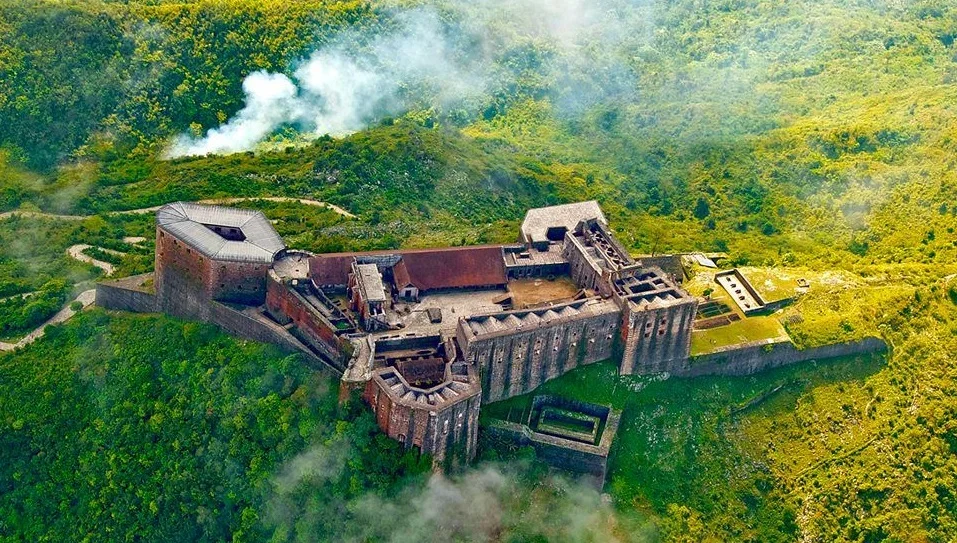
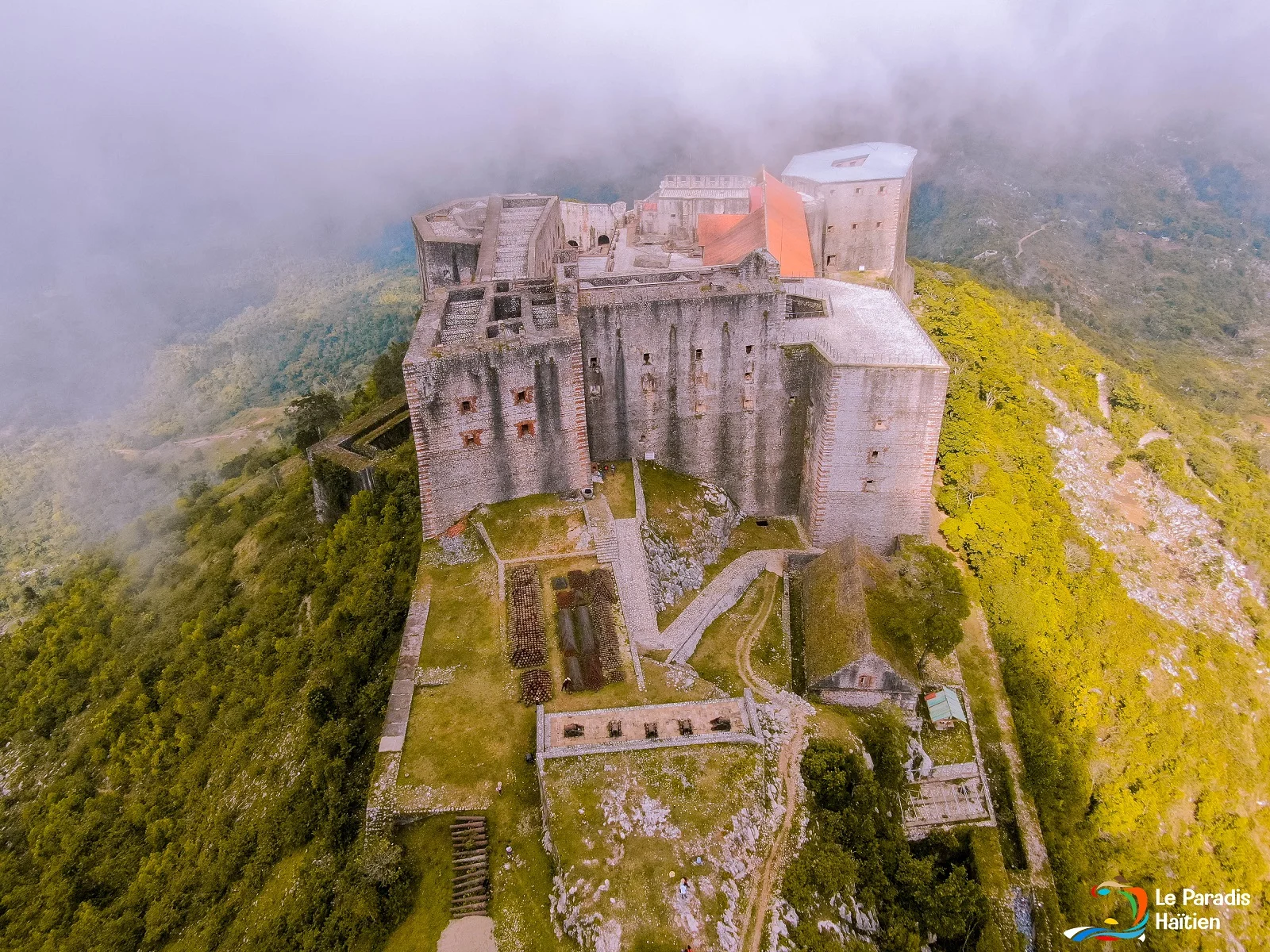
Haïti has a rich historical heritage, including sites like the Citadelle Laferrière and the Sans-Souci Palace, listed as UNESCO World Heritage Sites.
Culture
Haïti has a rich and diverse culture, influenced by African, European and indigenous elements. Haitian music, dance, art and cuisine are celebrated around the world.