contact@haitiwonderland.com+509 36184317

Discover

Shopping Cart

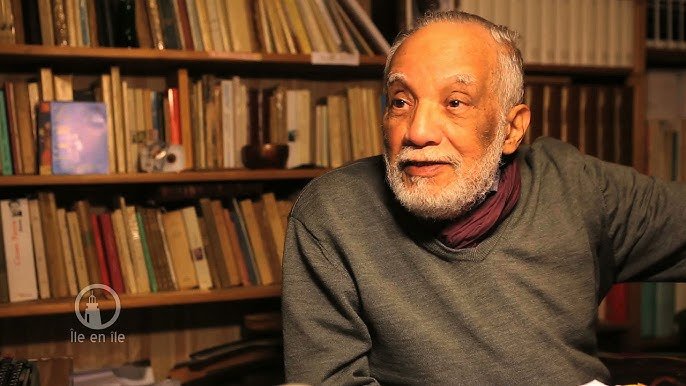
René Depestre, a life of Literature and Commitment

René Depestre, a life of Literature and Commitment

René Depestre had his very first encounter with the Haitian sun on August 29, 1926 in Jacmel, a large coastal city in the southeast of Haïti that welcomed his birth. He completed his primary studies with the Brothers of Christian Instruction in Jacmel. After his father’s death in 1936, he left his mother and brothers and sisters to live with his maternal grandmother. He completed his secondary studies at the Alexandre Pétion high school in Port-au-Prince in 1944. Today, he resides in France, his country of naturalization for several decades, and remains an immense creative, intellectual spirit and great witness to a very important era in the history of men.

Le Jacmelien

Marked by a religious education and the premature loss of his father, René Depestre’s youth in Jacmel was a fertile ground where this literary genius was able to successfully develop his immense creative spirit in his writings.

The influence of Jacmel in Depestre’s literary career is undeniable. Indeed, the hometown plays a crucial role in his work. The beauty of its beaches, the modesty of its young girls, and the great traditional myths of Haitian culture give a unique character to this place in his work. In his great novel "Hadriana dans tous mes rêves" (1988), Jacmel transcends its status as a city to become a metaphor for Haitian culture, its contradictions transforming into a romantic character. Through his stories, Depestre explores the nuances of his lost country, a homeland left behind because of poverty and policies that constantly push Haitians of his category elsewhere. If he leaves, as is planned in the Haitian calendar, Jacmel and the land of Haïti remain an unforgettable and irreplaceable place in his heart.

See as well

The Revolutionary Leader

A young committed student, René Depestre is a key player in the revolutionary movement of January 1946, contributing to the fall of President Élie Lescot in Haiti. As leader of the student movement, he embodies the spirit of change and the hope of a new era for the country. This commitment will make him popular, propelling his name onto the Haitian political scene, particularly in the academic world.

Étincelles, his first collection of poetry, published in 1945, and prefaced by Edris Saint-Amand, quickly made him known. He was only nineteen when he published it, influenced by the marvelous realism of Alejo Carpentier, who had given a lecture on the subject in Haïti in 1942. Depestre then founded a weekly with three friends: Baker, Alexis, and Gérald Bloncourt: La Ruche (1945-46). "We wanted to help Haitians become aware of their ability to renovate the historical foundations of their identity" (he said in Le métier à métisser).

The Committed Exile

After the political repression that followed the 1946 revolution, Depestre began a long wandering around the world. Far from considering himself in exile, he saw himself more as a nomad with multiple roots. Settled in Paris, Prague, Chile, Italy and then Cuba in 1959, where he was invited by Nicolás Guillén, and expelled by the dictator Batista, then returned to Cuba after the revolution under the invitation of Che. There, he distinguished himself to the rank of minister in Castro’s Cuba and actively participated in the cultural management of the country while continuing to build his poetic work. His life in exile was also marked by significant encounters with influential figures in the South American and African literary world, such as Pablo Neruda, Jorge Amado, and Henri Lopes.

His travels across Europe, Latin America and Asia testify to his constant quest for freedom and truth for himself and for humanity.

Timoun se Moun: A poetry competition to promote children’s rights in Haiti

Timoun se Moun: A poetry competition to promote children’s rights in Haiti

A wounded country. Bent under the weight of a multidimensional crisis. Widespread violence. Hope slammed shut. A sacrificed generation. Children are increasingly threatened. They are increasingly confronted with all forms of vulnerability that hinder their overall development. ACTIF is launching the second edition of the "Timoun se Moun" poetry competition. A citizen initiative in which the organization uses writing as a springboard to build what life deprives Haitian children of. Pain can be turned into gold. For ACTIF (Community Action for Transformation and Formal Integration), poetry is a philosopher’s stone. Not only for this organization, but also for all those who believe that writing can help rekindle the stars. Faced with this urgent need for action, this is "an initiative to raise awareness, denounce, and affirm loud and clear that every child matters, every child deserves protection, hope, and a future," reads the competition’s descriptive document. So what do you intend to do with your human light? Through this competition, participants have the opportunity to engage in an act of resistance, like a cry of conscience to raise the voice of broken childhoods. Open from May 18 to June 18, "Timoun se Moun" is open to all Haitians living in the country and aged 18 and over. Texts must be submitted in Creole. Behind this initiative, ACTIF intends, on the one hand, to affirm our cultural and linguistic identity, and on the other, to enrich our Creole literature, promote it, and encourage creativity in our vernacular. The text must not exceed 500 words. The format chosen is PDF, Times New Roman font, size 12, and 1.5 line spacing. This competition aims to offer a touch of affection to these children who are the first victims of the country’s descent into hell. To evaluate the literary quality and essence of the submitted texts, a jury is composed of Ruthza Paul, Douglas Zamor, and Darly Renois. The former is a physician and winner of the first edition of this competition. The other two work in the fields of sociology, psychology, and literature. In addition to the "Jury Prize: 15,000 HTG + books + certificate" and "Audience Prize: 5,000 HTG + certificate + books" prizes, the best texts will be included in an anthology to be published by Éditions Répérages. It should be noted that there will be one winner for each prize. This initiative reflects ACTIF’s commitment to honoring authors who embrace the cause of underprivileged children while enriching Haiti’s literary heritage. This competition extends a helping hand to all those who believe that through poetry, one can transform one’s life into a masterpiece. At the same time, it offers the opportunity to contribute to ACTIF’s child protection program. Each participant may submit a single text. It must be sent by email to the following address: actifkonkoupwezi@gmail.com. The partial results will be published on June 30, 2025, and the final results on July 18, 2025. For more information, visit ACTIF at the following address: 18 Rue Desdunes, Imp. Thoby, Mahotière 79, Carrefour, Haiti, or contact the organization at the following number: (+509) 38 44 57 57. More than just a contest, ACTIF invites you to say No. No to forgetting. No to passivity. No to violence against children and the violation of their rights.

The Immense Writer

René Depestre is a writer with multiple talents. His works include poetry collections such as "A Rainbow for the Christian West" (1967) and novels such as "Hadriana in All My Dreams" (1988). His awards include the Prix Goncourt de la Nouvelle for "Alléluia pour une femme-jardin" (1980) and the Prix Apollinaire de poésie for "Anthologie personnel" (1993). His literary career is also marked by important essays, including "Bonjour et adieu à la négritude", which presents a reflection on his ambivalent position towards the négritude movement founded by Léopold Sédar Senghor, Aimé Césaire and Léon-Gontran Damas. Although impressed by Aimé Césaire and his discourse on surrealism and négritude, Depestre questions the concept of négritude in this work.
Depestre, Césaire and Morin

Depestre’s name deserves its place among the most illustrious thinkers of his time, along with Aimé Césaire and Edgar Morin. Depestre, although influenced by Césaire’s Negritude movement, develops a more nuanced vision through his works. Edgar Morin, whose work focuses on the complexity of modern society, shares with Depestre a political journey enriched by a long sense of commitment to just causes. In addition, all three men were involved in communism before distancing themselves from the movement because of the regimes of terror, such as the one led by Stalin at the head of the USSR, which characterized and embodied it throughout the 20th century.

At 98, René Depestre remains an essential figure in Haitian, French-speaking and world literature. His journey, deeply marked by exile, political commitment and an unwavering attachment to his Haitian roots, illustrates how personal life and social commitment can merge to create an exceptional literary work. To this day, Réne remains and continues to be a living legend who inspires. A presentable Haitian figure, symbolizing excellence spanning the long term.

Share
About the Author
Moise Francois
Moise Francois
Moise Francois

Journalist editor, poet and apprentice lawyer.

See other articles from Moise Francois
Leave a comment

Recently Posted

Haiti: In the Kingdom of Legends: Le Colombier, Keeper of the Secrets of Belle-Anse

In the heart of the azure waters of the Caribbean Sea, stands majestically the Colombier, an imposing rock mass that defies time and the elements. Located off the picturesque coast of Belle-Anse in southeastern Haiti, the Colombier is more than just a geological formation; it is a symbol of the natural beauty and cultural heritage of the region. Dominating the marine horizon with its imposing silhouette, the Colombier is shrouded in mystery and legends passed down from generation to generation. According to local stories, this rock was formed by the sea gods themselves, testifying to their passage through these crystal clear waters. A legend which adds an aura of fascination to this already enchanting place. But beyond its mythical appearance, the Colombier also offers a breathtaking visual experience. Visitors who venture to this natural wonder are rewarded with breathtaking panoramas: steep cliffs plunging into turquoise waters, isolated coves hemmed with golden sand, and abundant marine flora that enlivens the seabed. Le Colombier is also a refuge for remarkable biodiversity. Its waters are home to a multitude of marine species, from colorful fish to spectacular corals and majestic sea turtles. Scuba diving and snorkeling enthusiasts will find a preserved paradise there, where nature reigns supreme and each immersion is a fascinating exploration. As a tourist spot, Le Colombier offers an unforgettable getaway for travelers looking for adventure and authentic discoveries. Boat excursions from Belle-Anse allow visitors to get up close and personal with this natural wonder, contemplate its spectacular shapes and let themselves be captivated by its captivating beauty. In short, the Colombier embodies the quintessence of Haiti’s natural beauty, a hidden treasure in the heart of the Caribbean Sea. Between its breathtaking landscapes, its cultural heritage rich in legends and its exceptional biodiversity, this maritime jewel fully deserves its reputation as an essential tourist destination. Come discover the Colombier and let yourself be carried away by the magic of this exceptional place.

Newsletter

Subscribe to our newsletter to stay informed of all our activities and news on Haiti.

Jacmel: the Haitian city whose history is linked to the liberation of Latin America

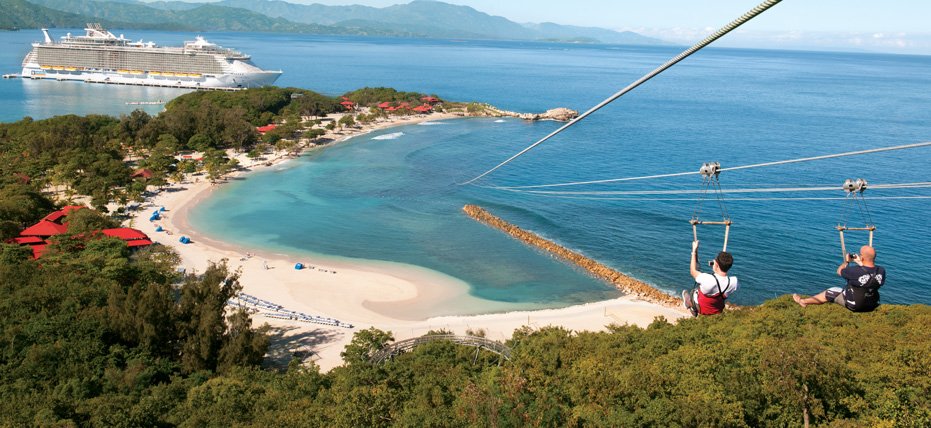
Jacmel is a city located on the southern coast of Haiti, specifically in the southeastern department. To this day, the city is known for its well-preserved colonial architecture and rich historical heritage, as well as its carnival, one of the most famous in the Caribbean. Jacmel is one of the oldest cities in Haiti. Its origins, according to some historians, trace back to the time of the Taíno people, the island’s first inhabitants, who lived here long before the arrival of Christopher Columbus and his settlers in 1492. Long before it became Jacmel, this city in southeastern Haïti was called Yakimel. The renaming of Jacmel was carried out by the French during their colonization of the western part of the island of Hispaniola. Over the years, Jacmel has transformed into a city where living well blends with the beauty of the sea, in the hearts of its visitors. Nature is fully embraced here, and the sea remains a source of joy throughout the day. Jacmel offers all of this, in addition to its glorious past, which anchors it as a major location in Haiti’s grand history. With its unique charm, Jacmel is among the Haitian cities that can leave a lasting impression. In the 1950s and 60s, until the early 1980s, Jacmel was one of the most popular tourist destinations in the Caribbean due to its reputation as a city with unmatched natural beauty and grace. During this time, the Jacmel coastline warmly welcomed cruise ships filled with tourists from all corners of the world. It was also during this period that Jacmel was one of the most commercially active cities in Haiti, among the country’s most economically flourishing, thanks to the significant influx of tourists.

Recently Posted

History

History

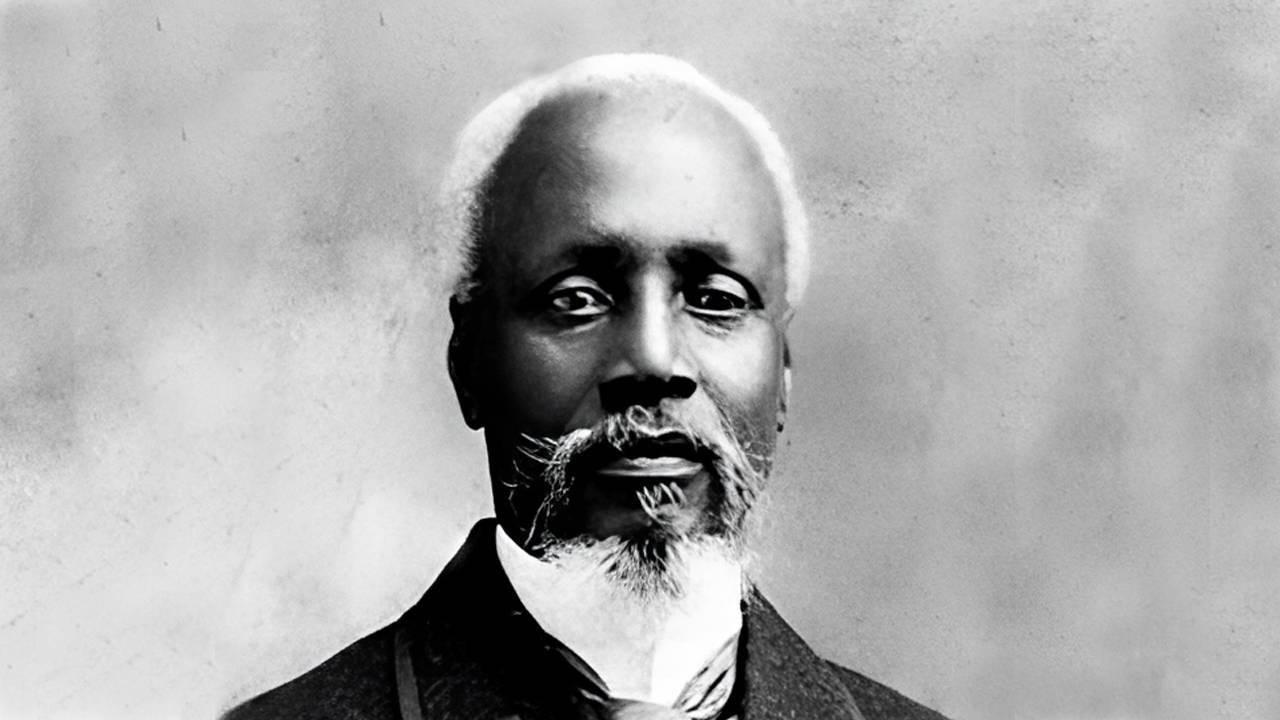
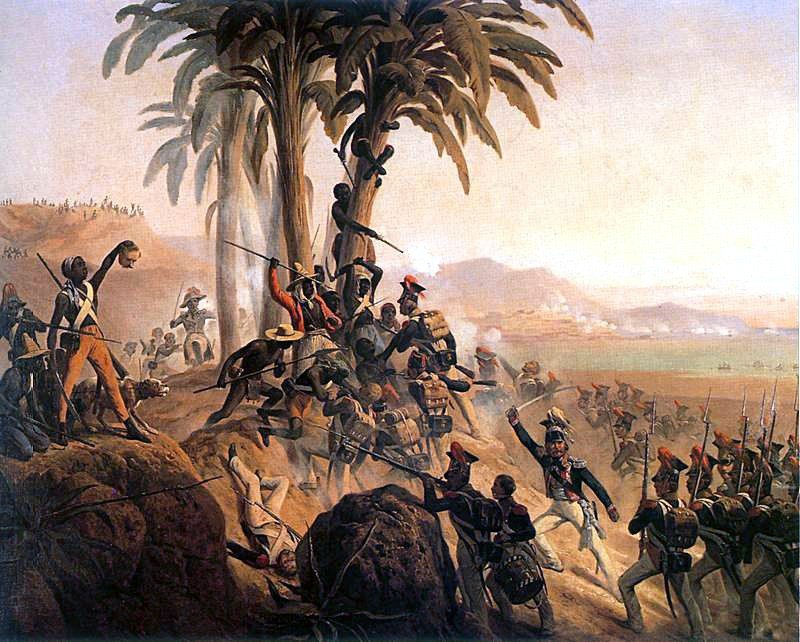
First black nation to free itself from slavery and gain independence from France in 1804 and influenced other liberation movements around the world, inspiring struggles for freedom and equality.

Natural beauty

Natural beauty

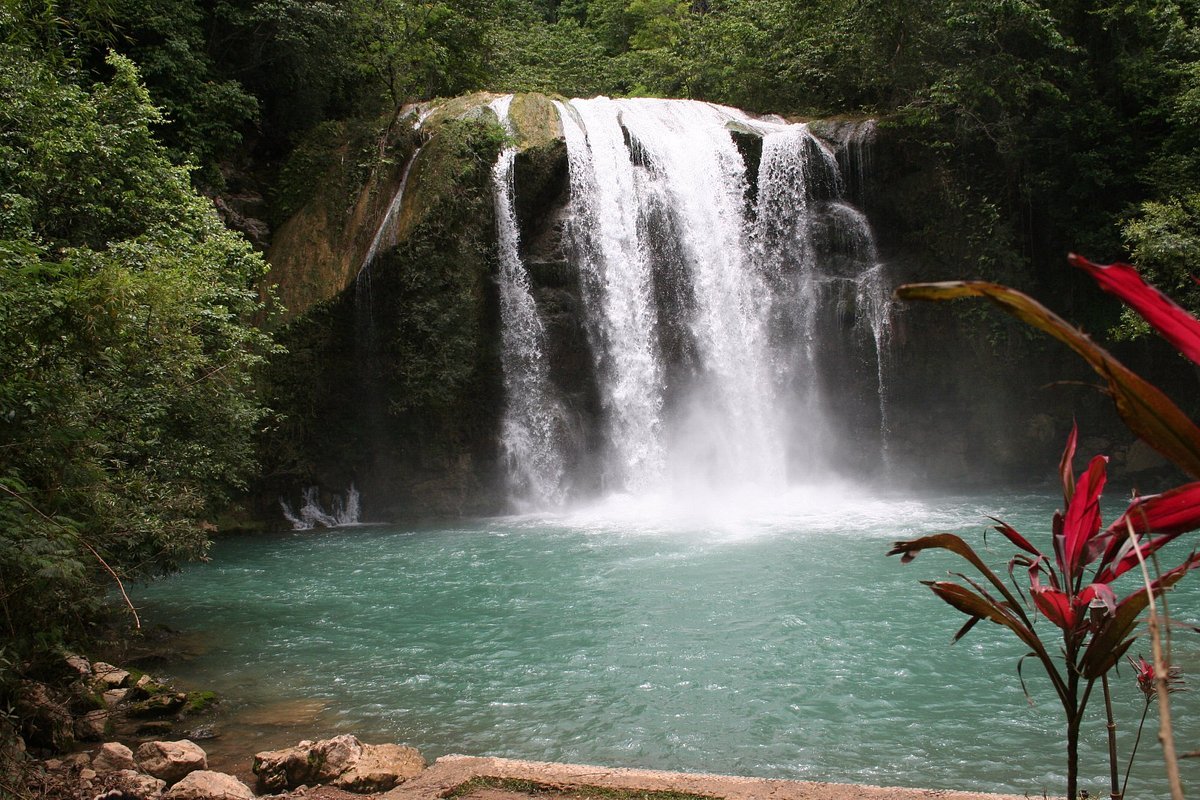
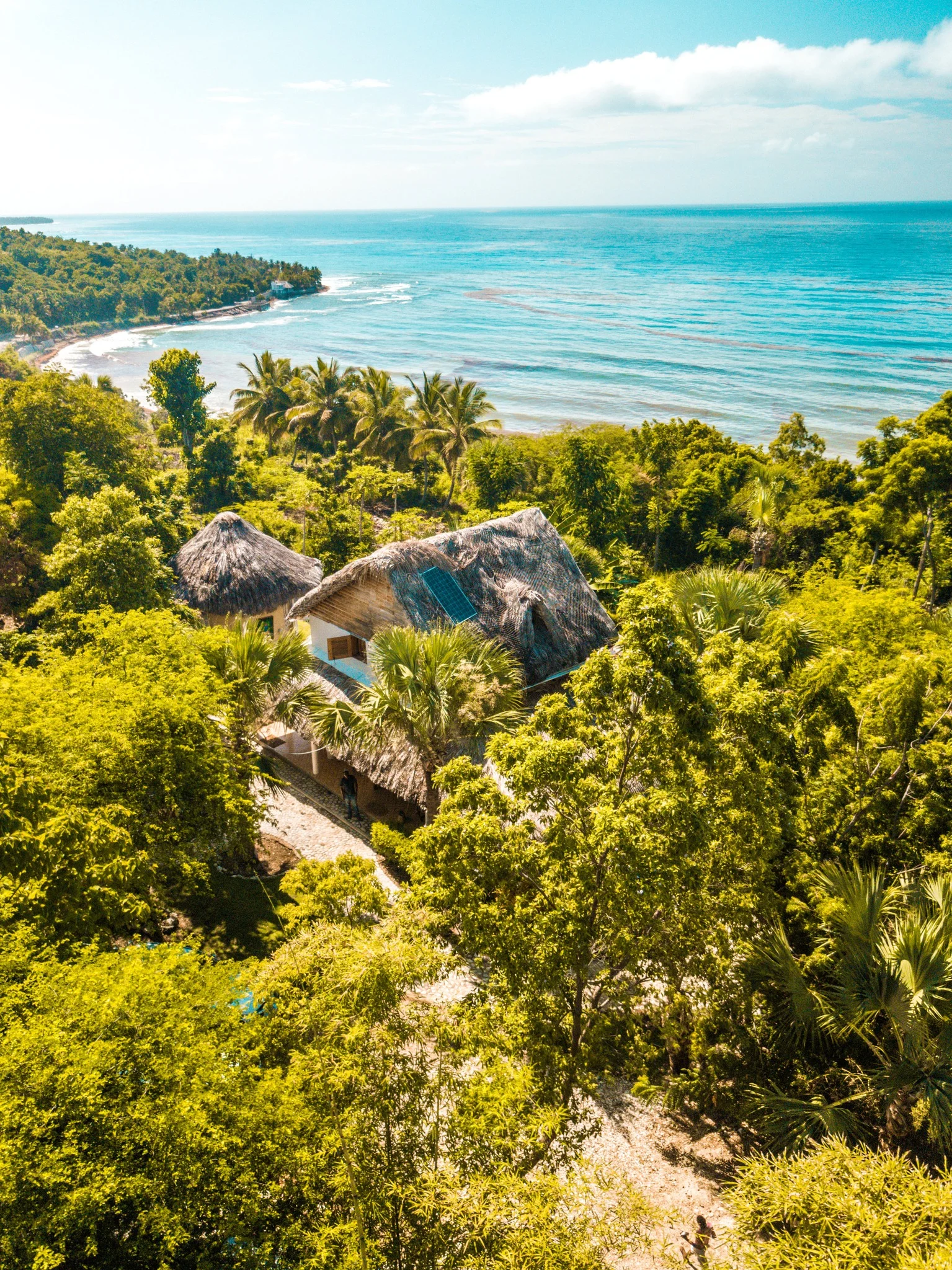
Haïti is blessed with spectacular natural landscapes, including white sand beaches, mountains and rich biodiversity.

Heritage

Heritage

Haïti has a rich historical heritage, including sites like the Citadelle Laferrière and the Sans-Souci Palace, listed as UNESCO World Heritage Sites.

Culture

Culture

Haïti has a rich and diverse culture, influenced by African, European and indigenous elements. Haitian music, dance, art and cuisine are celebrated around the world.

  • +
    • Post