contact@haitiwonderland.com+509 36184317

Discover

Shopping Cart

René Depestre, a life of Literature and Commitment

René Depestre, a life of Literature and Commitment

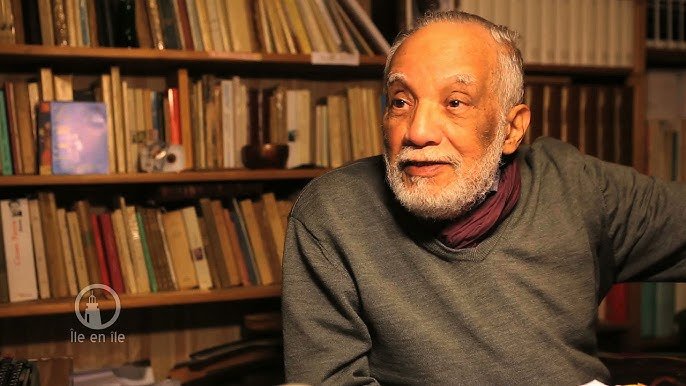
René Depestre had his very first encounter with the Haitian sun on August 29, 1926 in Jacmel, a large coastal city in the southeast of Haïti that welcomed his birth. He completed his primary studies with the Brothers of Christian Instruction in Jacmel. After his father’s death in 1936, he left his mother and brothers and sisters to live with his maternal grandmother. He completed his secondary studies at the Alexandre Pétion high school in Port-au-Prince in 1944. Today, he resides in France, his country of naturalization for several decades, and remains an immense creative, intellectual spirit and great witness to a very important era in the history of men.

Le Jacmelien

Marked by a religious education and the premature loss of his father, René Depestre’s youth in Jacmel was a fertile ground where this literary genius was able to successfully develop his immense creative spirit in his writings.

The influence of Jacmel in Depestre’s literary career is undeniable. Indeed, the hometown plays a crucial role in his work. The beauty of its beaches, the modesty of its young girls, and the great traditional myths of Haitian culture give a unique character to this place in his work. In his great novel "Hadriana dans tous mes rêves" (1988), Jacmel transcends its status as a city to become a metaphor for Haitian culture, its contradictions transforming into a romantic character. Through his stories, Depestre explores the nuances of his lost country, a homeland left behind because of poverty and policies that constantly push Haitians of his category elsewhere. If he leaves, as is planned in the Haitian calendar, Jacmel and the land of Haïti remain an unforgettable and irreplaceable place in his heart.

See as well

The Revolutionary Leader

A young committed student, René Depestre is a key player in the revolutionary movement of January 1946, contributing to the fall of President Élie Lescot in Haiti. As leader of the student movement, he embodies the spirit of change and the hope of a new era for the country. This commitment will make him popular, propelling his name onto the Haitian political scene, particularly in the academic world.

Étincelles, his first collection of poetry, published in 1945, and prefaced by Edris Saint-Amand, quickly made him known. He was only nineteen when he published it, influenced by the marvelous realism of Alejo Carpentier, who had given a lecture on the subject in Haïti in 1942. Depestre then founded a weekly with three friends: Baker, Alexis, and Gérald Bloncourt: La Ruche (1945-46). "We wanted to help Haitians become aware of their ability to renovate the historical foundations of their identity" (he said in Le métier à métisser).

The Committed Exile

After the political repression that followed the 1946 revolution, Depestre began a long wandering around the world. Far from considering himself in exile, he saw himself more as a nomad with multiple roots. Settled in Paris, Prague, Chile, Italy and then Cuba in 1959, where he was invited by Nicolás Guillén, and expelled by the dictator Batista, then returned to Cuba after the revolution under the invitation of Che. There, he distinguished himself to the rank of minister in Castro’s Cuba and actively participated in the cultural management of the country while continuing to build his poetic work. His life in exile was also marked by significant encounters with influential figures in the South American and African literary world, such as Pablo Neruda, Jorge Amado, and Henri Lopes.

His travels across Europe, Latin America and Asia testify to his constant quest for freedom and truth for himself and for humanity.

The Immense Writer

René Depestre is a writer with multiple talents. His works include poetry collections such as "A Rainbow for the Christian West" (1967) and novels such as "Hadriana in All My Dreams" (1988). His awards include the Prix Goncourt de la Nouvelle for "Alléluia pour une femme-jardin" (1980) and the Prix Apollinaire de poésie for "Anthologie personnel" (1993). His literary career is also marked by important essays, including "Bonjour et adieu à la négritude", which presents a reflection on his ambivalent position towards the négritude movement founded by Léopold Sédar Senghor, Aimé Césaire and Léon-Gontran Damas. Although impressed by Aimé Césaire and his discourse on surrealism and négritude, Depestre questions the concept of négritude in this work.

Depestre, Césaire and Morin

Depestre’s name deserves its place among the most illustrious thinkers of his time, along with Aimé Césaire and Edgar Morin. Depestre, although influenced by Césaire’s Negritude movement, develops a more nuanced vision through his works. Edgar Morin, whose work focuses on the complexity of modern society, shares with Depestre a political journey enriched by a long sense of commitment to just causes. In addition, all three men were involved in communism before distancing themselves from the movement because of the regimes of terror, such as the one led by Stalin at the head of the USSR, which characterized and embodied it throughout the 20th century.

At 98, René Depestre remains an essential figure in Haitian, French-speaking and world literature. His journey, deeply marked by exile, political commitment and an unwavering attachment to his Haitian roots, illustrates how personal life and social commitment can merge to create an exceptional literary work. To this day, Réne remains and continues to be a living legend who inspires. A presentable Haitian figure, symbolizing excellence spanning the long term.

Share
About the Author
Moise Francois
Moise Francois
Moise Francois

Journalist editor, poet and apprentice lawyer.

See other articles from Moise Francois
Leave a comment

Recently Posted

Haïti : Boukanye

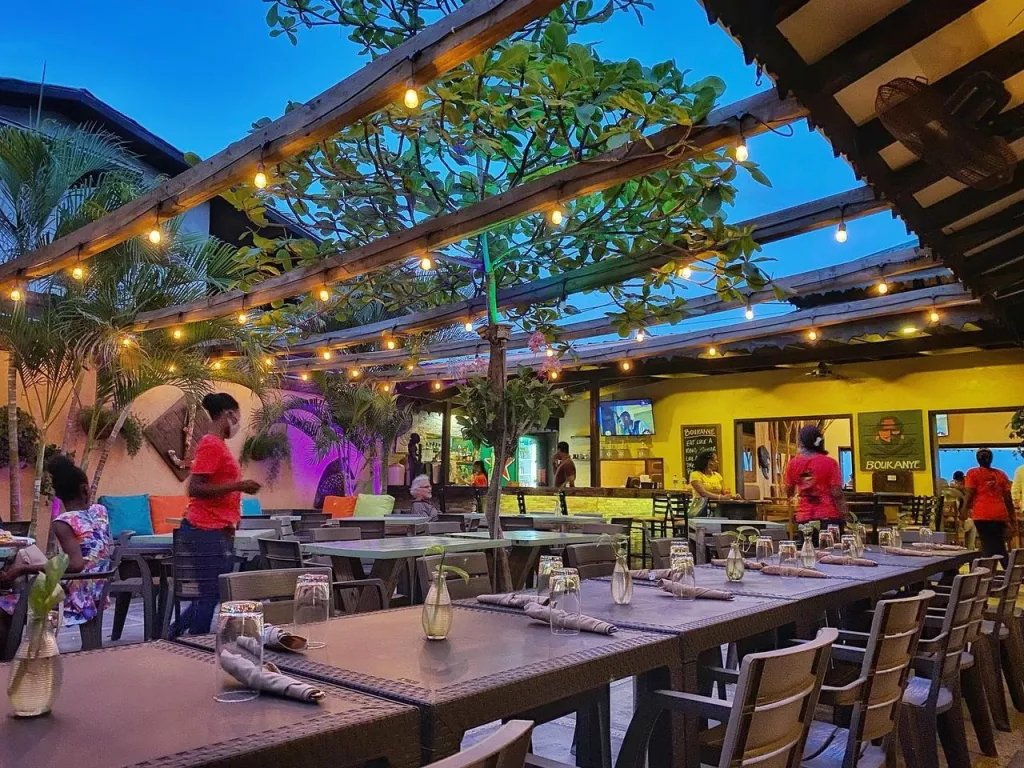
In the picturesque landscape of Cap Haïtien, stands a place that embodies the very essence of Haitian art and cuisine: Boukanye. This pirate house, founded in July 2016, has quickly become a must-see gem among area restaurants, attracting visitors from around the world for its rustic atmosphere and innovative menu. Located on the boulevard, Boukanye is much more than just a restaurant; it’s an experience in its own right. As soon as you walk through its doors, you are greeted by decor that celebrates local craftsmanship and the history of the pirates who once sailed these waters. Walls adorned with vibrant paintings and sculptures demonstrate the venue’s commitment to Haitian art, creating a warm and authentic ambiance. But Boukanye is not content to seduce with its aesthetic; its cuisine is just as captivating. Inspired by local flavors, the restaurant offers an inventive fusion of traditional Haitian dishes and contemporary culinary techniques. Whether for breakfast, lunch or dinner, Boukanye’s menu offers a tantalizing variety of seasonal dishes, accompanied by exquisite cocktails that celebrate local ingredients. What also sets Boukanye apart is his commitment to innovation. By launching a virtual tour accessible via smartphone or virtual reality headset, the restaurant has pushed the boundaries of the culinary experience. Thanks to this immersive technology, visitors from around the world can now explore the charms of Boukanye from home, immersing themselves in its captivating atmosphere and discovering its unique culinary delights. https://haitiwonderland.com/haiti-virtual-reality-ht/bar--restaurant/haiti--boukanye--visite-virtuelle/7 Whether you are a resident of Cap Haïtien or a traveler eager for authentic experiences, Boukanye offers an unforgettable getaway into the very heart of Haitian culture. By combining art, cuisine and innovation, this restaurant perfectly embodies the vibrant and dynamic spirit of Haiti, inviting everyone to embark on an unparalleled sensory journey.

Newsletter

Subscribe to our newsletter to stay informed of all our activities and news on Haiti.

Haitian traditions

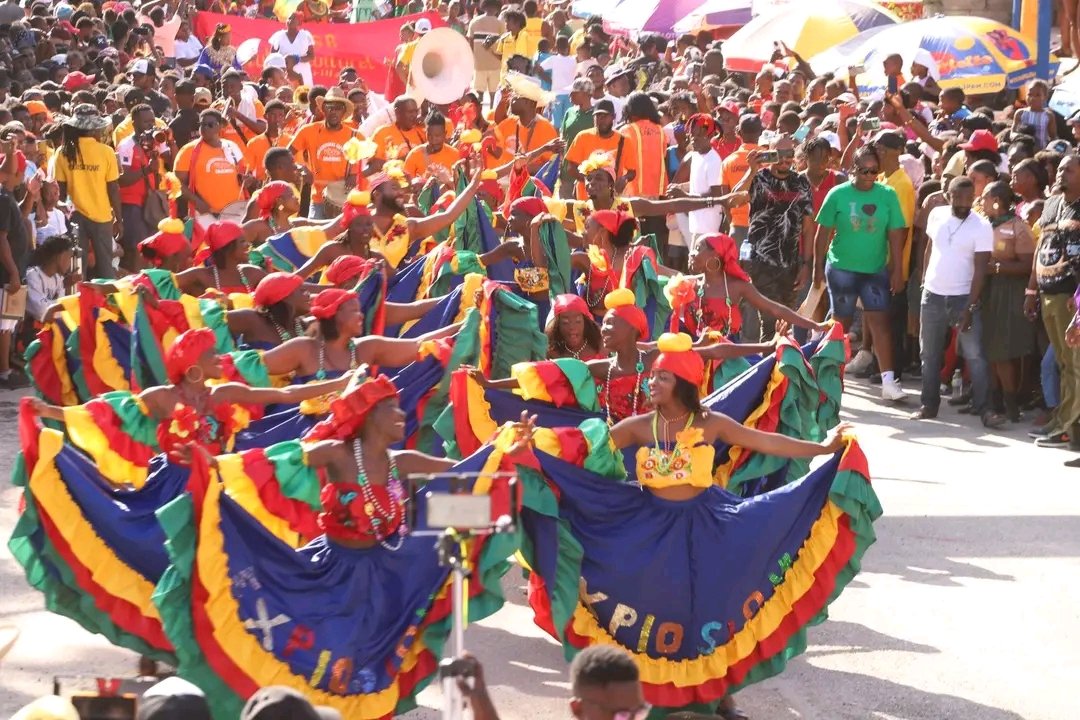
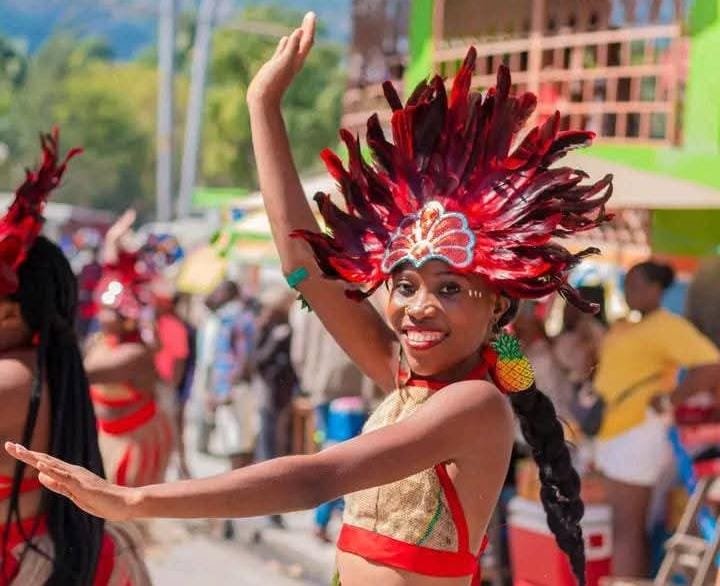
Haiti, the pearl of the Antilles, is a country rich in history and traditions. Its vibrant and diverse culture is reflected through its national holidays, cultural festivities, traditional foods, religious beliefs, folk tales, and traditional games. Let’s immerse ourselves in the social fabric of Haïti to discover the beauty of its traditions. b~National Holidays:~b National holidays in Haïti are moments of pride and national unity as January 1, Independence Day, commemorates the victory of Haitian slaves over French colonial forces in 1804, making Haïti the first independent country in Haiti. Latin America and the Caribbean or the commemoration of the Battle of Vertières on November 18. The Battle of Vertières was one of the last great battles of the revolution. It took place in Vertières, near the town of Cap-Haitien. b~Cultural Festivities:~b Haïti is also famous for its cultural festivities, particularly Carnival, which is an explosion of color, dance, and music. Artistic and craft events, such as the Rara festival, are an opportunity for artists to showcase their talent. The Rara, a musical parade, combines folklore and spirituality, creating a unique experience. b~Traditional Foods:~b Haitian cuisine is a delight for the taste buds. Dishes like griot (fried pork), diri djon djon (rice with black mushrooms), and the legendary joumou (joumou soup) are an integral part of Haitian culinary tradition. Bold flavors, spices and cooking methods inherited from African and French tradition make Haitian cuisine unforgettable. b~Vodou:~b Vodou, often misunderstood, is a synchretic religion that incorporates elements of Catholicism, African animism, and indigenous beliefs. It plays a significant role in the daily lives of Haitians, influencing music, dance, and religious rites. Vodou is a profound expression of Haitian spirituality. The Tales (Krik Krak, Tim Tim, Bwa Sèch): Haitian folk tales, passed down from generation to generation, are rich in morality and wisdom. b~Konbit :~b The concept of Konbit represents community solidarity. Haitians come together to perform community tasks, whether in agricultural fields or for construction projects. It is a living example of the collective spirit that permeates Haitian society. The most recent major project to date concerns the construction of the canal from the Massacre River to Ouanaminthe, which took place between September and December 2023. Thousands of inhabitants of the north of the country mobilized all their forces to erect a canal allowing to collect water intended for irrigation of their plantations, with the aim of obtaining better harvests. Despite their modest means, they were motivated by the slogan "KPK" (Kanal la pap kanpe), a direct response to Dominican President Luis Abinader who warned them and did everything in his power to stop the construction of the canal. This channel represents the deep solidarity of Haitians and reaffirms national pride. Despite economic challenges, the people of northern Haïti have demonstrated exceptional determination to work together for a common goal. The slogan “Kanal la pap kanpe” embodies their resilience in the face of external pressures and demonstrates their unwavering will to continue the construction of the canal. b~Traditional Games:~b Traditional games are an essential part of daily life in Haiti. Games like lido, sote kòd, Yoyo, Ralba, Marèl, TiTaTo, Kay, lago kache, Monte kap, teke mab, woule sèk, twa fwa se manbo, and domino bring people together, promoting camaraderie and fun. Haitian traditions are a harmonious blend of spirituality, community, and cultural diversity. Every aspect, from national holidays to traditional games, helps weave the rich cultural tapestry that makes Haïti proud. These traditions are the beating heart of the nation, a precious heritage that continues to be passed down from generation to generation.

Recently Posted

History

History

First black nation to free itself from slavery and gain independence from France in 1804 and influenced other liberation movements around the world, inspiring struggles for freedom and equality.

Natural beauty

Natural beauty

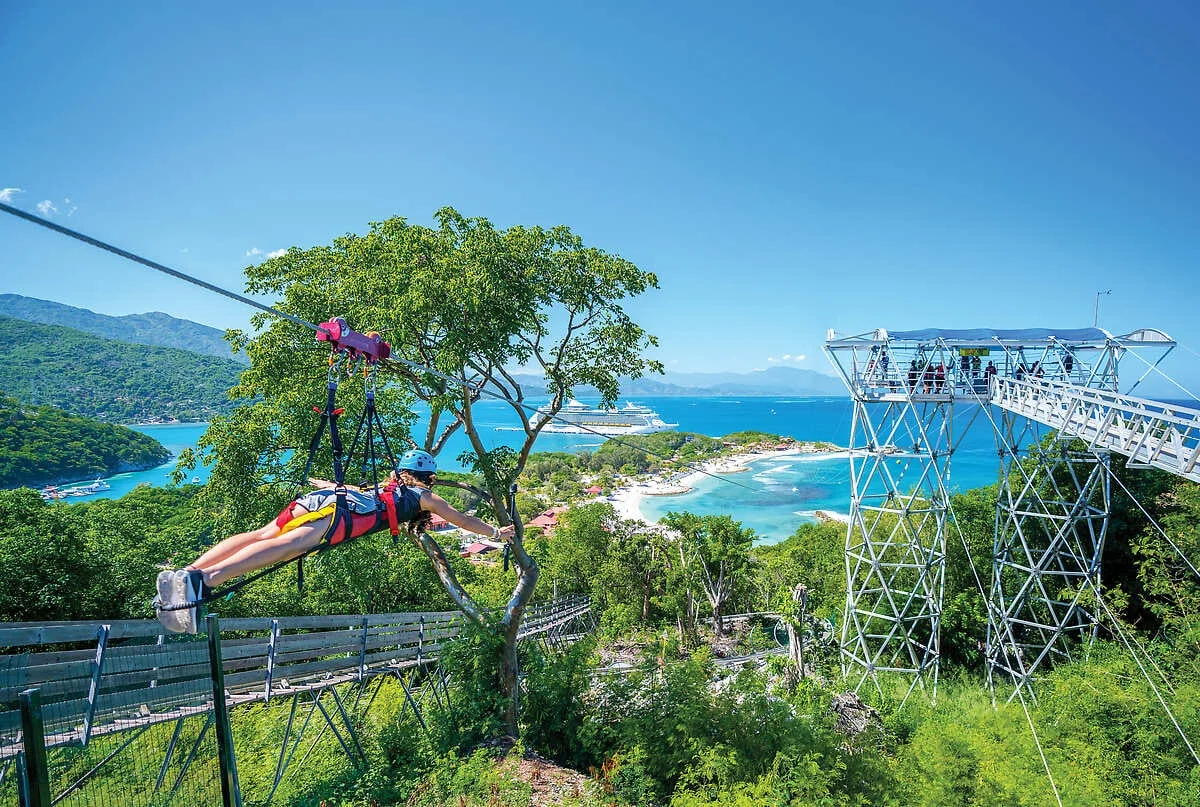
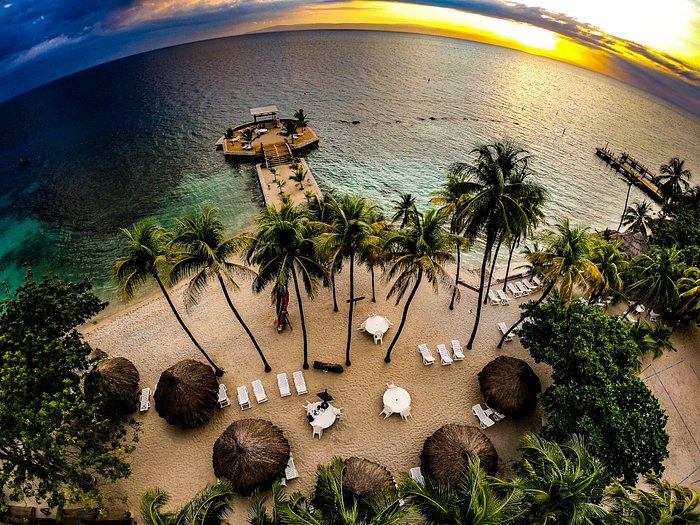
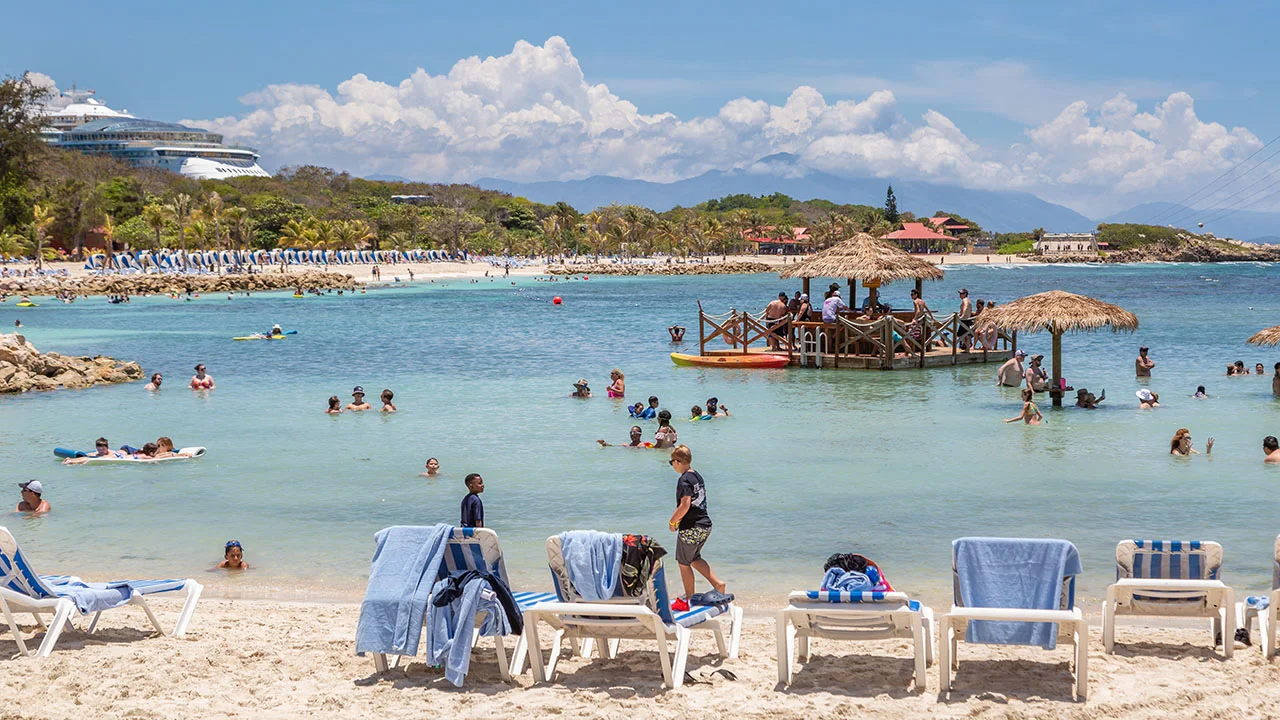
Haïti is blessed with spectacular natural landscapes, including white sand beaches, mountains and rich biodiversity.

Heritage

Heritage

Haïti has a rich historical heritage, including sites like the Citadelle Laferrière and the Sans-Souci Palace, listed as UNESCO World Heritage Sites.

Culture

Culture

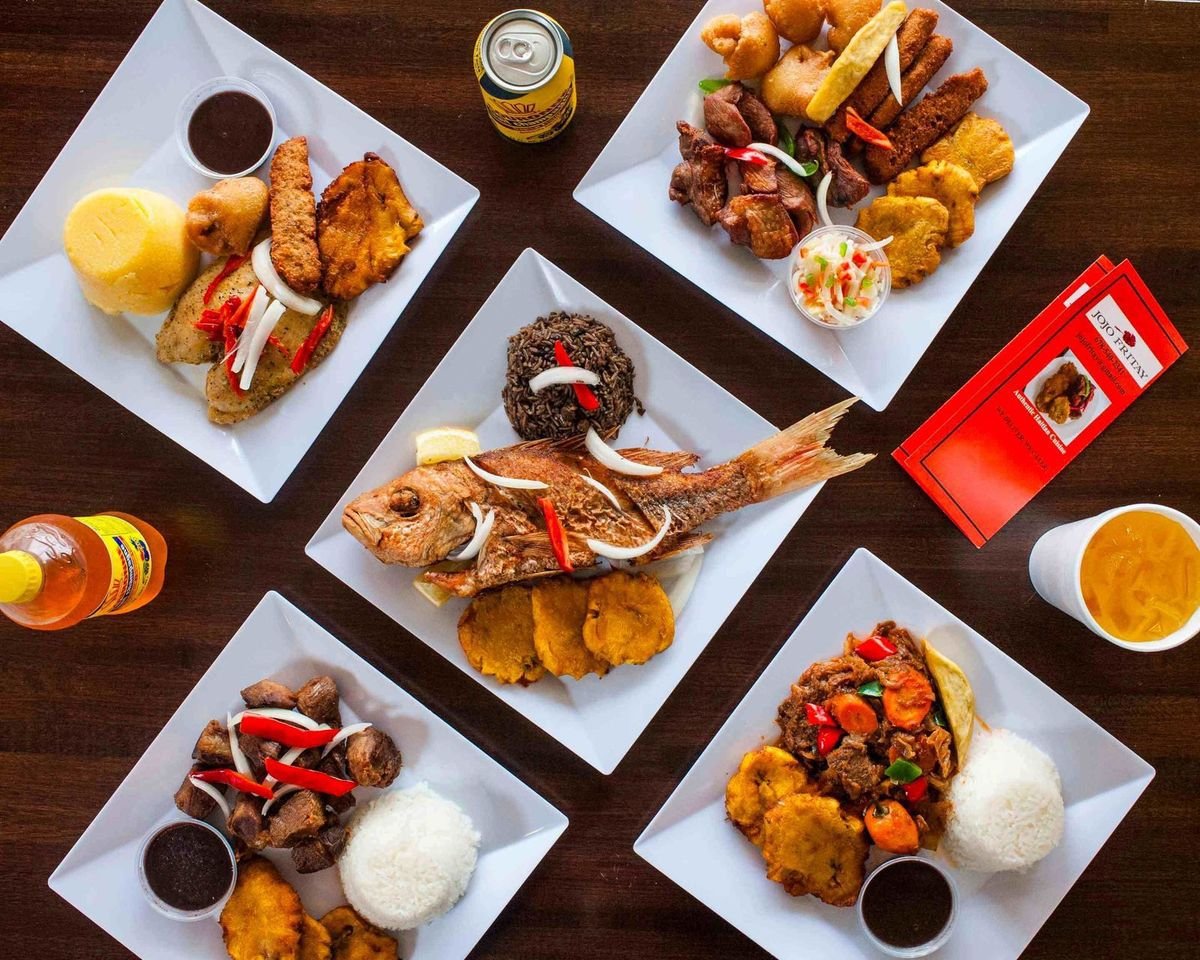
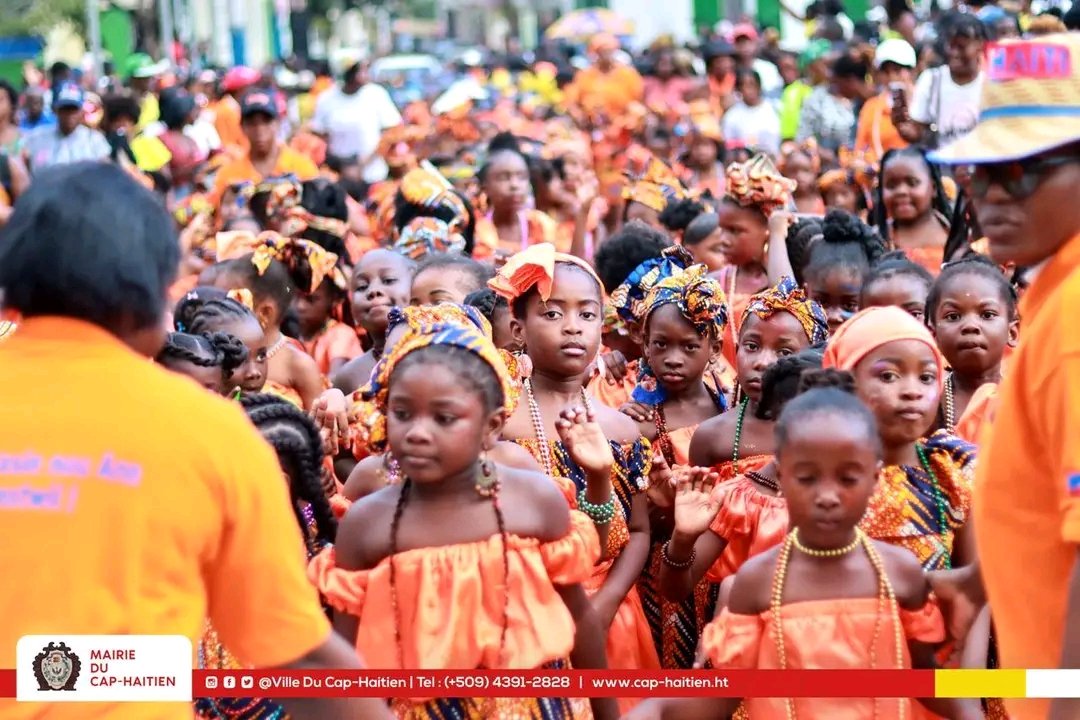
Haïti has a rich and diverse culture, influenced by African, European and indigenous elements. Haitian music, dance, art and cuisine are celebrated around the world.

  • +
    • Post