contact@haitiwonderland.com+509 36184317

Discover

Shopping Cart

Haitian Cuisine: 10 Must-Eat Drinks and Desserts for an Authentic Christmas

Haitian Cuisine: 10 Must-Eat Drinks and Desserts for an Authentic Christmas

Christmas in Haïti is not limited to festivities and traditional songs. It is also an explosion of flavors, with typical desserts and drinks that delight the taste buds and add a unique touch to the celebrations. Discover 10 must-haves of Haitian gastronomy for an authentic and gourmet Christmas.

Haïti
Haïti
Haïti

1. Dous Makòs

A true emblem of Haitian confectionery, dous makòs is a sweet dessert made from condensed milk, sugar and spices. This tricolor fudge, originally from Petit-Goâve, is appreciated for its melting texture and deliciously rich taste.

Present on all tables during the holidays, it is often shared as a sweet that symbolizes conviviality.

See as well

Haïti
Haïti
Haïti

2. Pain Patate

Pain patate is a traditional dessert prepared with sweet potatoes, coconut milk, spices, and sometimes raisins. Its soft texture and warm aromas make it a favorite during Christmas celebrations.

Served warm, this cake is a true ode to sweetness and a must-have for festive evenings in Haiti.

Haïti
Haïti
Haïti

3. Bonbon Syrup

With its intense molasses flavor and slightly crunchy consistency, bonbon syrup is an artisanal treat that recalls the flavors of yesteryear. Prepared with cane sugar, ginger, and spices, this dessert is both simple and rich in flavor.

Its popularity during Christmas reflects Haitians’ attachment to culinary traditions passed down from generation to generation.

Official launch of  Ewo  Beer: Haitian Pride across the World
Official launch of Ewo Beer: Haitian Pride across the World

Official launch of “Ewo” Beer: Haitian Pride across the World

December 1 marked an exceptional moment for the Haitian community and beer lovers around the world, with the official launch of “Ewo” beer by Haitian entrepreneur Jhonson Napoléon. After the success of “Kola Choucoune”, already present in several countries, including the United States and Canada, it is the turn of “Ewo” beer to take the American market by storm. Available in several cities in the United States, this beer embodies the perfect marriage between tradition and innovation, offering consumers a unique taste experience. “Ewo” beer is much more than just an alcoholic beverage. It is a delight that skillfully blends the authentic flavors of Haitian culture with a touch of innovation. In a country where Prestige beer and Barbancourt rum have already conquered palates around the world, “Ewo” beer is proudly added to the list of Haitian taste treasures. Jhonson Napoléon, the man behind this new creation, continues to fly the colors of Haïti across the globe. His commitment to promoting quality Haitian products continues to strengthen the reputation of his country of origin. “Ewo” beer is not just a drink, it is a symbol of Haitian creativity and perseverance that transcends borders. This new step demonstrates the country’s ability to be part of the global trend for quality craft beers. “Ewo” beer is not only a leading local product, but it also stands out on the international scene as the representative of a rich and dynamic culture. The pride that Haitians feel for the success of Jhonson Napoléon and the growing fame of “Ewo” beer is palpable. It is a success story that transcends geographic boundaries and embodies the strength of the Haitian entrepreneurial spirit.

Haïti
Haïti
Haïti

4. Akasan

Akasan is a creamy, slightly sweet drink made from corn flour, milk, and spices like cinnamon and nutmeg. Consumed hot, it is ideal for cool December evenings.

It is often shared with family, creating moments of complicity around this comforting and nutritious drink.

Haïti
Haïti
Haïti

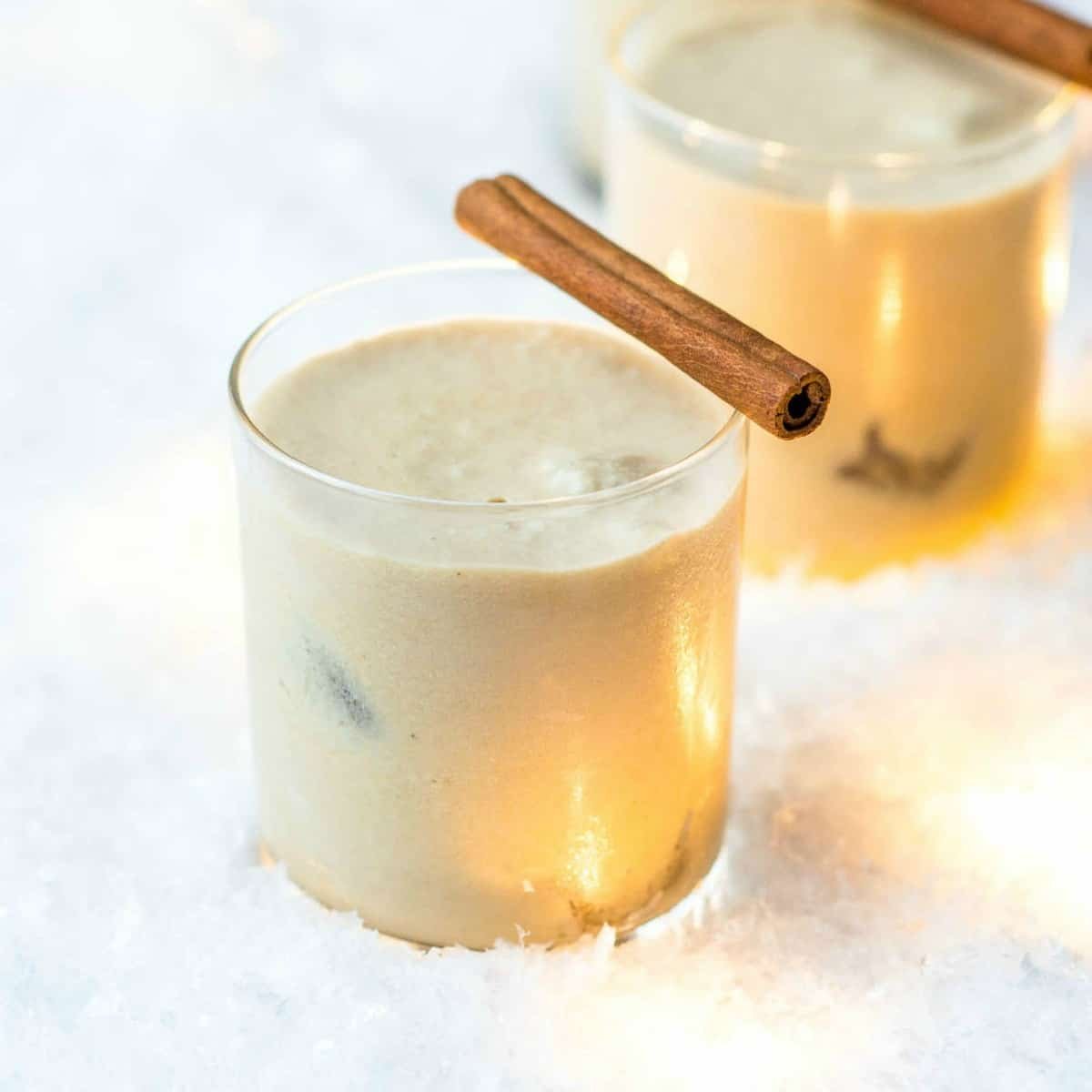
5. Kremas

No Christmas celebration in Haïti is complete without the famous kremas. This creamy blend of condensed milk, coconut milk, rum, and spices is a festive drink par excellence.

Its sweet and slightly alcoholic taste makes it a real treat, appreciated by young adults as well as elders.

Haïti
Haïti
Haïti

6. Konparèt

Originally from the South of Haiti, konparèt is a dense and spicy pastry made with flour, coconut, and ginger. With its strong taste and unique texture, it is perfect to accompany a cup of tea or coffee during the holidays.

Its longevity as a traditional dessert is a testament to its cultural importance and irresistible character.

Haïti
Haïti
Haïti

7. Tablèt Cocoye

Tablèt cocoye is a treat made with grated coconut, sugar, and sometimes spices like vanilla. This crunchy dessert is both simple to prepare and extremely tasty.

Ideal for snacking between meals, it is one of those little sweets that reminds us of childhood and shared moments of happiness.

Haïti
Haïti
Haïti

8. Pistach Tablèt

Similar to the cocoye tablèt, but made with peanuts, the pistach tablèt is an irresistible treat. With its mixture of caramelized sugar and roasted peanuts, it combines crunch and deliciousness.

Very popular during Christmas, it is often offered as a gourmet gift.

Haïti
Haïti
Haïti

9. Chadeque Jam

Chadeque jam, prepared from Haitian grapefruit, is a slightly bitter and sweet treat. Spread on bread or eaten with a spoon, it brings a refined touch to any Christmas meal.

Its artisanal preparation and unique taste make it a true culinary treasure.

Haïti
Haïti
Haïti

10. Bonbon Amidon

Bonbon amidon is a delicate dessert, made from corn starch, milk and sugar. Its melting texture and slightly sweet taste make it a subtle sweetness that appeals to all ages.

This candy, often served during special occasions, is a symbol of sharing and generosity.

An Explosion of Flavors for an Authentic Christmas

Christmas desserts and drinks in Haïti are not simple dishes: they tell stories, transmit traditions and bring people together. Each bite is a celebration of Haitian culture, rich in tastes and authenticity.

This holiday season, indulge in these local sweets and discover all the richness of Haitian cuisine through its must-have desserts and drinks. Share them with your loved ones for a memorable Christmas, marked by generosity and gourmet pleasure.

Share
About the Author
Appolon Guy Alain
Appolon Guy Alain
Appolon Guy Alain

Full Stack Developer, Créatif, expérimenté, passionné des nouvelles technologies et de l’art.

See other articles from Appolon Guy Alain
Leave a comment

Recently Posted

Newsletter

Subscribe to our newsletter to stay informed of all our activities and news on Haiti.

Haïti, a rich and impoverished country

Located in the western part of the island of Hispaniola, Haïti is a land imbued with natural, cultural and historical wealth. Unfortunately, behind the beauty of its landscapes, the richness of its culture and the delicacy of its cuisine lies a complex reality marked by the debt of its independence and the persistent interference of third countries, casting a shadow over its stability. b~The Natural Beauty of Haïti~b Haïti, nicknamed the "Pearl of the Antilles", dazzles with the diversity of its landscapes. From majestic mountains and lush valleys to meandering rivers and sandy beaches, the country offers natural beauty worth celebrating. The famous Citadelle Laferrière mountains and the refreshing waterfalls of Bassin-Bleu are just a few examples of the splendor that characterizes this nation. b~A Rich and Diverse Culture~b Haïti stands out for its vibrant and diverse culture. A heritage of African, French and indigenous influence, Haïtian music, dance and art reflect a unique fusion. Colorful festivals, like Carnival, are celebrations of this cultural richness, attracting visitors from all over the world. b~Delicious Cuisine~b Haïtian cuisine, tasty and spicy, is another aspect worth celebrating. Dishes like griot, sticky rice, and the legendary joumou soup, traditionally prepared to commemorate independence, are all culinary delights that demonstrate the country’s gastronomic ingenuity. b~Heritage Treasures and Paradise Beaches~b Haïti’s heritage treasures, such as the remains of the Sans-Souci Palace and the Citadelle Laferrière, listed as UNESCO World Heritage Sites, are testimonies to the architectural grandeur of Haïti’s past. At the same time, beaches like Labadee and Jacmel offer havens of peace with crystal clear waters, attracting travelers in search of a tropical paradise. b~A Fascinating Story~b The history of Haïti is both fascinating and tragic. It was the first country in the Americas to gain its independence, in 1804, after a courageous slave revolt. However, this independence came with a heavy financial price. France demanded exorbitant compensation, thus laying the foundations for Haïti’s foreign debt. b~The Debt of Independence and Foreign Interference~b Despite these treasures, Haïti struggles with the reality of its independence debt. After gaining its freedom, the country was forced to pay France a considerable sum in compensation for losses associated with the abolition of slavery. This debt has been a major economic burden for Haïti, hindering its development. Additionally, foreign interference continues to create significant challenges. External political and economic interventions have often contributed to the country’s instability, hindering its ability to build a sustainable future for its citizens. b~In conclusion~b Haïti remains a country of multiple riches, but its challenges persist. Despite its natural beauty, rich culture and fascinating history, the nation needs enlightened international support and lasting solutions to overcome the obstacles that stand in its way. Haïti’s wealth lies not only in its enchanting landscapes, but also in the potential of its people to be resilient and prosper despite persistent challenges.

Haiti: The History of the World’s First Free Black Nation

Haiti, the pearl of the Antilles, is a Caribbean island with a rich and complex history. However, its special status as the world’s first free black nation gives it a unique place in the annals of history. This small island was the scene of an extraordinary revolution which resulted in independence, thus marking the beginning of a new era for the black community and the abolition of slavery. Let’s delve into the captivating story of the birth of the first black republic, Haiti. b~The colonial era and slavery~b Haiti’s history dates back to the arrival of Europeans in the 15th century, when Christopher Columbus discovered the island. European settlers, mainly Spanish and French, introduced slavery to exploit the island’s resources, including sugar, coffee and cotton. The indigenous Native American population was decimated, paving the way for the massive importation of African slaves. b~The Haitian Revolution~b On August 14, 1791, Haitian slaves rose up against their oppressors, sparking the Haitian Revolution. Under the leadership of iconic figures such as Toussaint Louverture, Jean-Jacques Dessalines and Henri Christophe, the insurgent slaves inflicted defeats on European armies, demonstrating fierce resistance and a desperate quest for freedom. b~The Declaration of Independence and the creation of the Republic of Haiti~b On January 1, 1804, Haïti proclaimed its independence, becoming the world’s first free black nation. This historic declaration symbolized the end of slavery and the triumph of the will of a people determined to live free. The Republic of Haïti was born in struggle and blood, asserting its autonomy in the face of the colonial powers. b~Post-independence challenges~b However, independence did not mean the end of challenges for Haiti. The country had to face external pressure, reparations imposed by France in exchange for recognition of its independence, as well as internal unrest. Despite these obstacles, Haïti strove to build a free and sovereign nation. The story of Haïti is that of a nation that overcame countless challenges to emerge as a pioneer of freedom for the black population. The Haitian Revolution remains a unique example of resistance, courage and determination, and Haïti continues to carry the torch of independence in the contemporary world. The legacy of this small Caribbean island still resonates today, reminding the world that freedom is a universal right that can be won even in the most difficult circumstances.

Recently Posted

History

History

First black nation to free itself from slavery and gain independence from France in 1804 and influenced other liberation movements around the world, inspiring struggles for freedom and equality.

Natural beauty

Natural beauty

Haïti is blessed with spectacular natural landscapes, including white sand beaches, mountains and rich biodiversity.

Heritage

Heritage

Haïti has a rich historical heritage, including sites like the Citadelle Laferrière and the Sans-Souci Palace, listed as UNESCO World Heritage Sites.

Culture

Culture

Haïti has a rich and diverse culture, influenced by African, European and indigenous elements. Haitian music, dance, art and cuisine are celebrated around the world.

  • +
    • Post