contact@haitiwonderland.com+509 36184317

Discover

Shopping Cart

And if you were Chef Leen, what dish would you choose to showcase Haiti?

And if you were Chef Leen, what dish would you choose to showcase Haiti?

Cheffe Leen! A name that’s been making the rounds on social media in recent weeks! And for good reason: the Haitian chef represented Haïti in the Guinness World Records in an extraordinary culinary competition. This challenge consisted of cooking for eight days non-stop, a bold way to showcase the richness of Haitian cuisine.

It was in France, more precisely at the Anba Le Pont restaurant, located in Saint-Denis, that Leen Excellent embarked on this exceptional adventure. Starting on Monday, April 7, 2025, she cooked non-stop for nine consecutive days, totaling 187 hours of actual cooking time (after deducting statutory breaks). A historic achievement, combining endurance, passion, and cultural pride.

So, if you were Chef Leen, what would be the first dish you would cook to represent Haitian cuisine to the world?

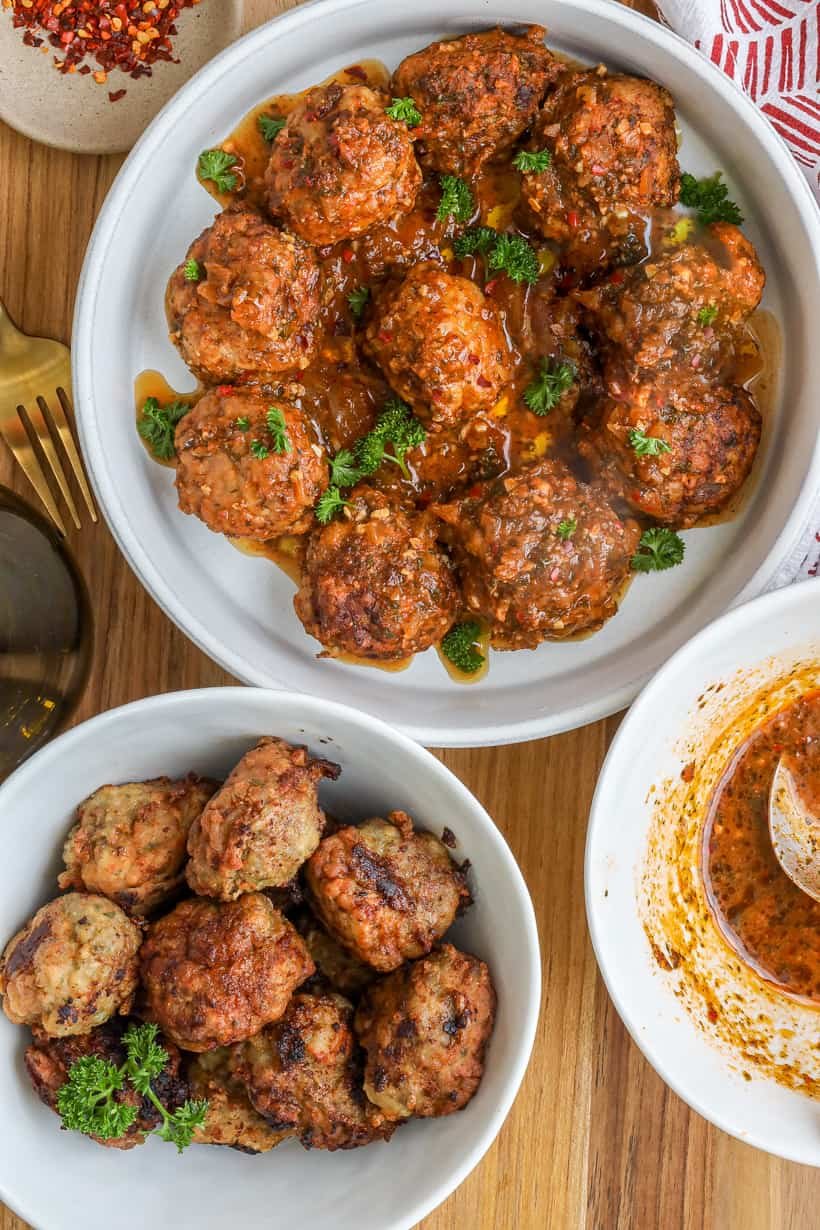
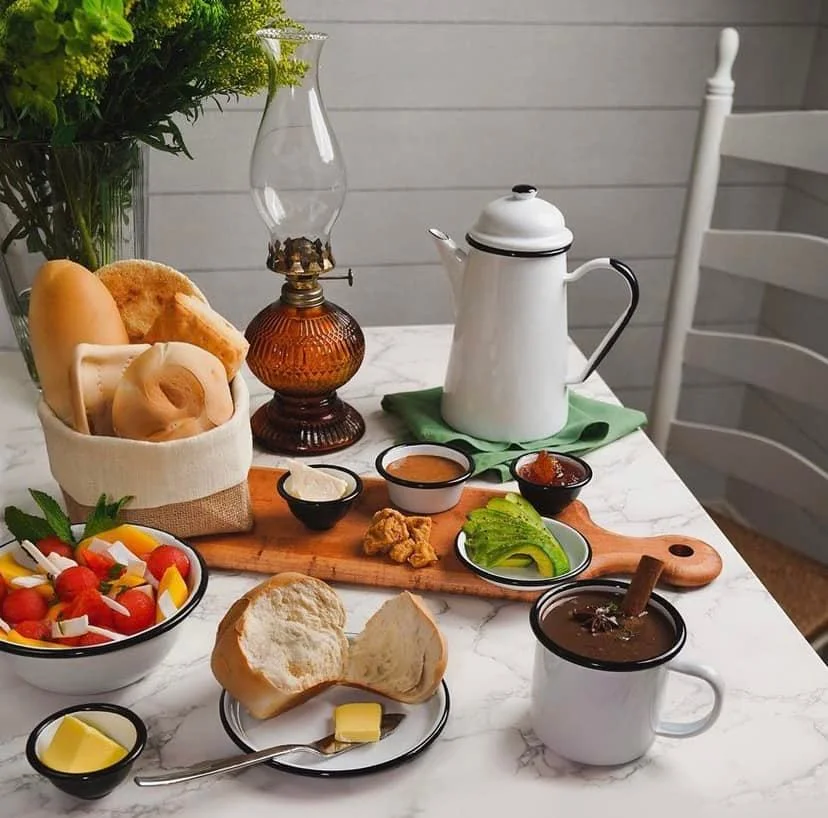
The Haïti Wonderland editorial team asked a few readers this question: some readily answered white rice with pea and vegetable sauce, which they call GOAT. Others opted for a good lalo, a tasty pye kochon stew, a good tchaka, or even the famous morning rice.

Given this diversity, I’ve chosen to present each dish mentioned in the survey over the weeks.

And today we’re starting with tchaka!

Haitian Tchaka Recipe

Ingredients:

500g dried corn
300g red peas or Congo peas
500g pork
1 onion
2 cloves of garlic
1 bouquet garni
1 West Indian chili
2 cloves
Salt and pepper to taste
1 bouillon cube

Preparation:

1. Soaking (the day before):
Soak the corn and red peas separately in water overnight to facilitate cooking.

2. Cooking the peas:
Drain and cook the peas in a large pot with water, salt, a little garlic, and thyme. Cook until tender.

3. Cooking the Corn:
Cook the corn separately in a separate pot with water until tender (approximately 1.5 to 2 hours depending on the type of corn).

4. Preparing the Meat:
Clean the pork (with lemon or vinegar), then boil it with a little salt, garlic, cloves, and spices. Then brown the meat in a little oil until golden brown.

5. Assembly:
Once the peas and corn are thoroughly cooked, combine them in a large pot. Add the browned pork, the whole chili pepper, the chopped onion, the bouillon cube (if desired), and adjust the seasoning.

6. Final Cooking:
Simmer over low heat for approximately 45 minutes to 1 hour, until the mixture becomes smooth and fragrant. You can add water or coconut milk for a richer texture.

Tchaka is more than a dish: it’s a symbol of sharing, tradition, and memory. A dish that, like Chef Leen, represents the strength and pride of our culinary heritage.

See you next week for another recipe from the survey!

Share
About the Author
Jeunes Influenceurs
Jeunes Influenceurs
Leave a comment

Recently Posted

Newsletter

Subscribe to our newsletter to stay informed of all our activities and news on Haiti.

Discover the Hidden Gem of Caracol: A Peaceful Haven in Haiti

Nestled in the enchanting embrace of Haiti’s North East department lies a true marvel – Caracol. This picturesque area is more than just a destination; it’s a sanctuary where tranquility dances in harmony with the gentle whispers of nature. From the chirping of content birds to the warm smiles of its inhabitants, Caracol is a true wonderland waiting to be explored. One of the most captivating aspects of Caracol is its serene ambiance. Here, peace isn’t just a concept; it’s a way of life. Even the birds seem to sing with an extra ounce of joy, as if they’ve found their own slice of paradise amidst the lush greenery. Stepping into Caracol feels like entering a world where time slows down, allowing you to embrace the simple pleasures of life. But what truly sets Caracol apart is its people – kind-hearted souls who find solace in the simplicity of their daily lives. Engaged in activities like fishing and gardening, they embody a deep connection to the land that sustains them. And amidst it all, the industrious spirit of Caracol shines through, with the industrial parc serving as a beacon of progress and opportunity for the community. Yet, amidst the tranquil rhythm of everyday life, Caracol pulsates with the vibrant energy of Haitian culture. Voodoo, an integral part of local life, weaves its mystical threads into the fabric of daily rituals and traditions. And come July, the entire community comes alive with patronal celebrations that draw Haitian diaspora from every corner of the globe. It’s a time of joyous reunions, where cultural immersion meets spirited competitions, from exhilarating running races to thrilling boat races on the sparkling waters. As the sun sets on another day in Caracol, the excitement doesn’t end – it transforms. Carnival season, known as "mardi gras," casts its spell over the land, igniting the imaginations of children who eagerly don disguises and wield whips to make merry mischief. Laughter fills the air as they chase each other, their gleeful shrieks echoing through the streets, creating memories that will last a lifetime. In Caracol, every moment is a celebration, every day a testament to the resilience and warmth of its people. So, whether you’re seeking a tranquil retreat or a cultural adventure, Caracol invites you to discover its hidden wonders and experience the magic for yourself. After all, in this captivating corner of Haiti, every day is a journey into the heart of paradise.

Recently Posted

History

History

First black nation to free itself from slavery and gain independence from France in 1804 and influenced other liberation movements around the world, inspiring struggles for freedom and equality.

Natural beauty

Natural beauty

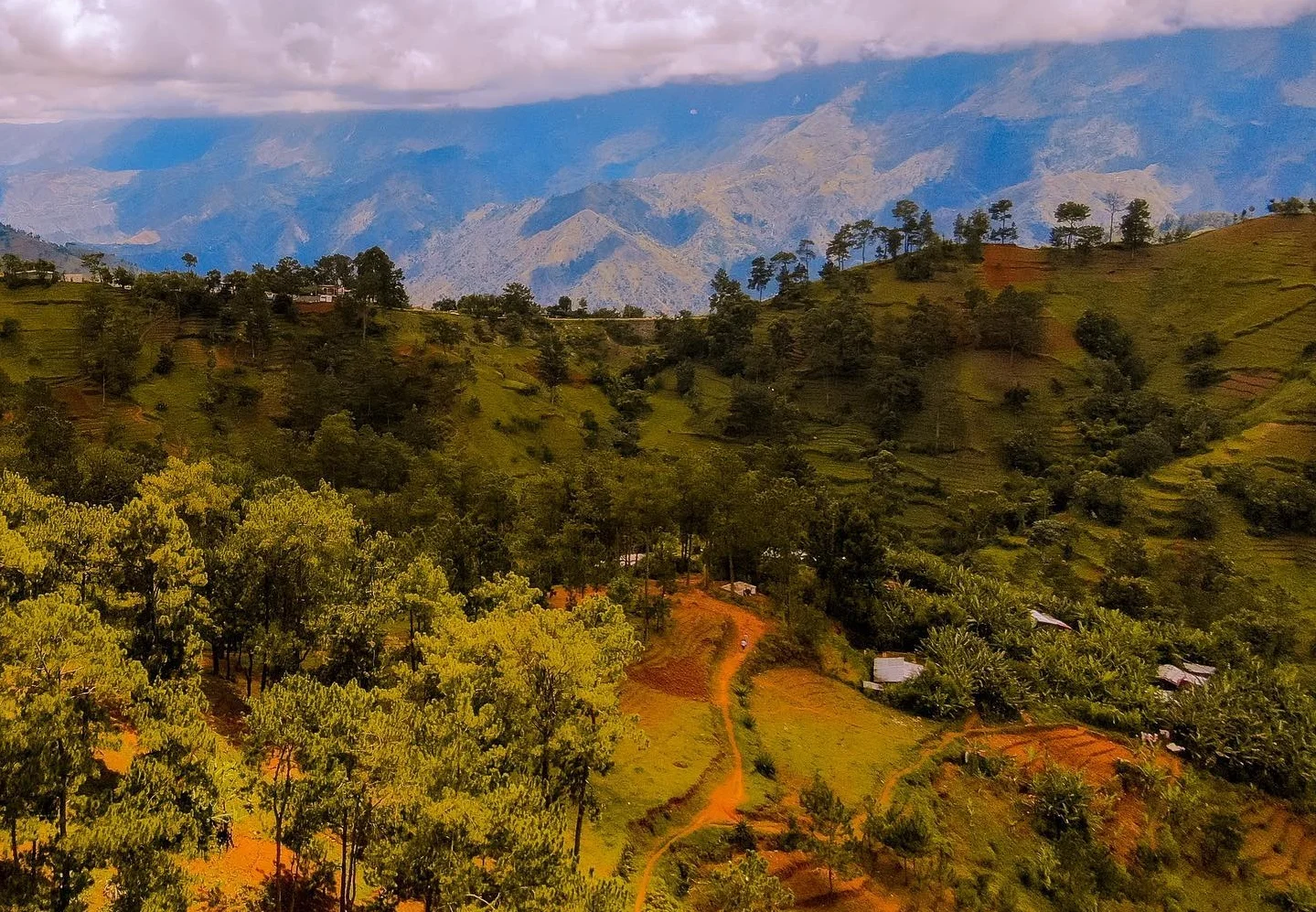
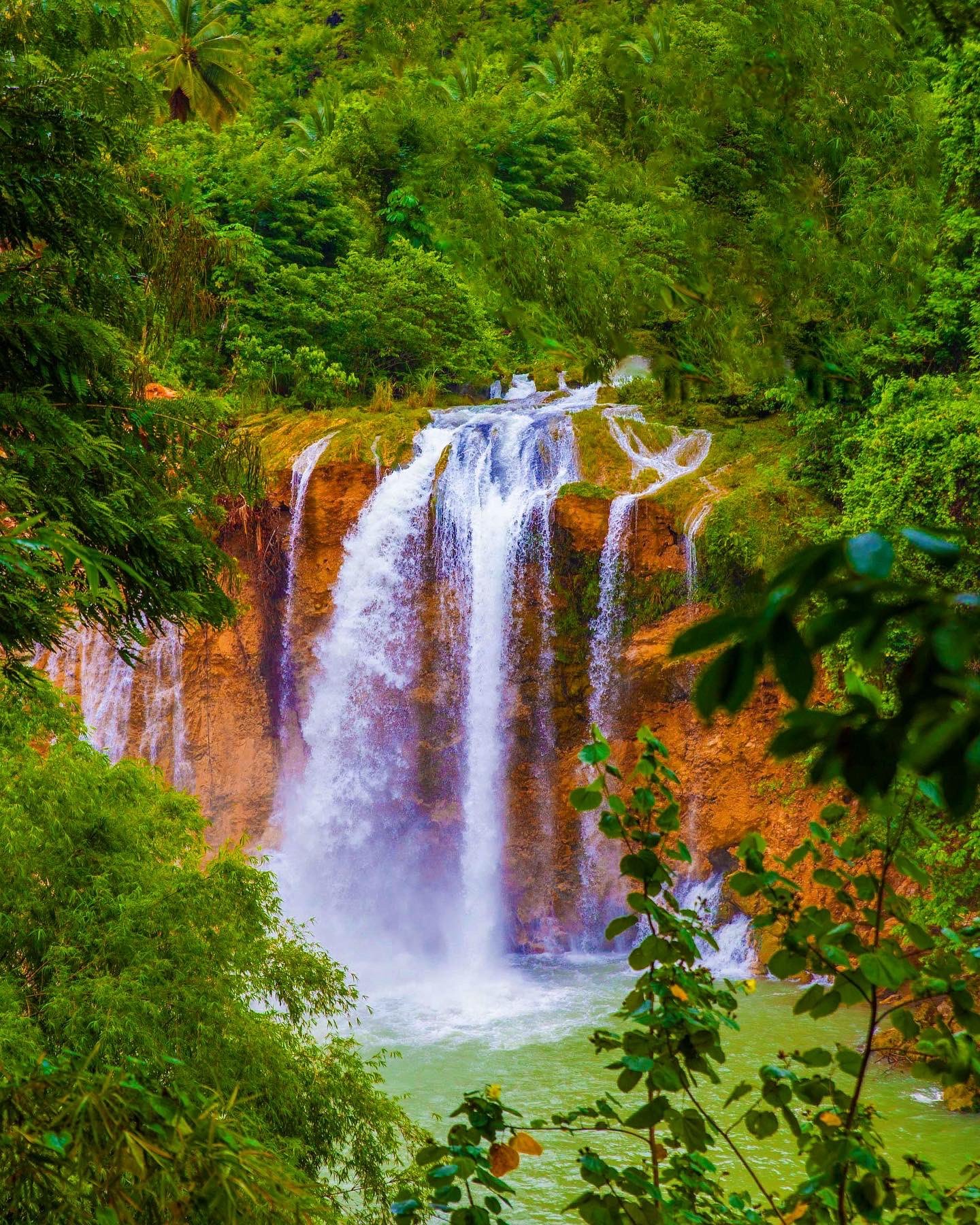
Haïti is blessed with spectacular natural landscapes, including white sand beaches, mountains and rich biodiversity.

Heritage

Heritage

Haïti has a rich historical heritage, including sites like the Citadelle Laferrière and the Sans-Souci Palace, listed as UNESCO World Heritage Sites.

Culture

Culture

Haïti has a rich and diverse culture, influenced by African, European and indigenous elements. Haitian music, dance, art and cuisine are celebrated around the world.

  • +
    • Post