contact@haitiwonderland.com+509 36184317

Discover

Shopping Cart

Crémas: One of Haitians’ Favorite Christmas Drinks

Crémas: One of Haitians’ Favorite Christmas Drinks

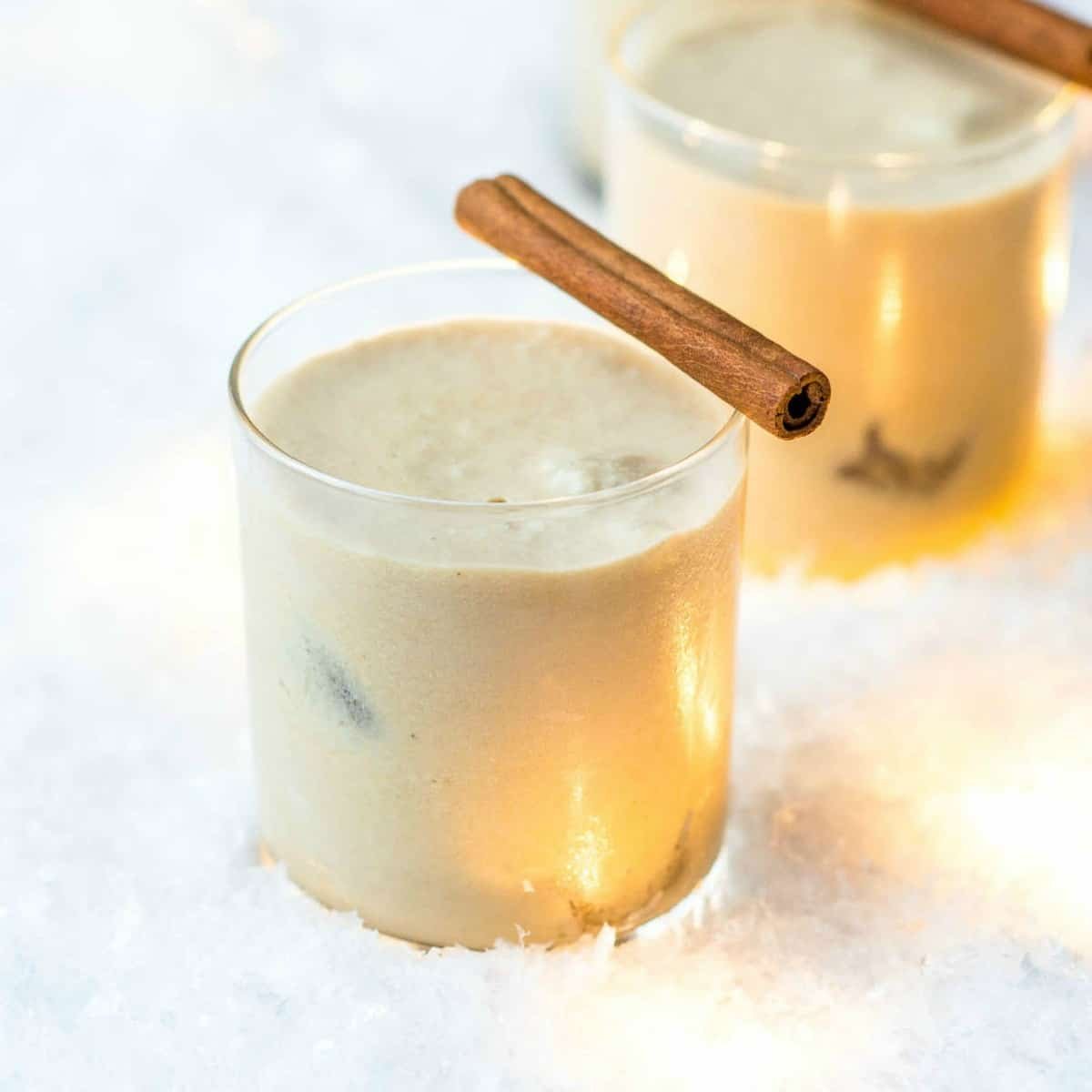
Crémas is one of the most iconic drinks in Haitian culture, especially enjoyed during the Christmas holiday season. This sweet and creamy cocktail has become a staple during family and community celebrations. This article invites you to discover this delicious beverage, its history, its preparation, and the importance it holds for Haitians during Christmas.

Haïti
Haïti
Haïti

A Traditional Drink with Haitian Roots

Crémas is a drink that combines the richness of coconut milk with the warmth of rum, offering a sweet and festive taste experience. Although its origins are difficult to trace precisely, it is widely believed that this drink was influenced by Creole traditions and colonial influences, particularly European and African. Crémas is often served on special occasions, especially at Christmas, where it takes pride of place on festive tables.

For many Haitians, Crémas is not just a drink: it is a symbol of conviviality, generosity and sharing. Its sweet taste and creamy texture bring a moment of comfort during Christmas meals, making each celebration even more special.

See as well

Haïti
Haïti
Haïti

Ingredients and Preparation: A Gourmet and Comforting Blend

The recipe for Crémas is relatively simple, but each family has its own version, sometimes adding secret ingredients to personalize the drink. Here are the basic ingredients needed to prepare Crémas:

- White rum (or sometimes old rum)
- Coconut milk
- Sweetened condensed milk
- Cane sugar
- Vanilla
- Cinnamon
- Nutmeg (optional)
- Cloves (optional)
- Fresh fruits such as lemon or orange zest (optional for a fruity touch)

The preparation begins by combining coconut milk, sweetened condensed milk and cane sugar. The mixture is then flavored with vanilla, cinnamon, and possibly nutmeg or cloves. Rum is added to this base to give the alcoholic touch, and everything is mixed well. Some also like to add a lemon or orange zest for a fruity note. Once well mixed and cooled, Crémas is ready to be enjoyed, often served in decorated glasses to add to the celebration.

Haïti
Haïti
Haïti

Crémas, the Festive Drink by Excellence

At Christmas, Crémas is more than just an alcoholic drink: it becomes a true symbol of joy, sharing and unity. Haitian families gather around large decorated tables to enjoy Crémas, often accompanying their Christmas meals with this sweet and creamy drink.

Crémas is also popular during Christmas Eve parties and community celebrations where music, dancing and conviviality are the order of the day. It is a special time for Haitians to get together and celebrate together in joy and harmony. By offering a glass of Crémas to a guest, it is also a symbolic gesture of welcome and generosity, illustrating the human warmth that characterizes Haitian culture.

Haïti
Haïti
Haïti

Crémas Beyond Christmas: A Year-Round Tradition

Although Crémas is particularly associated with Christmas, this festive drink is not exclusive to this time of year. Haitians enjoy preparing it for special occasions such as weddings, birthdays, baptisms, and other important celebrations.

In the Haitian diaspora, Crémas remains a staple drink during holidays and family reunions. It thus becomes a way to keep traditions alive and pass on Haiti’s culinary heritage, whether in Miami, New York, Montreal, or elsewhere in the world.

Haïti
Haïti
Haïti

Crémas: A Haitian Culinary and Cultural Heritage

Crémas perfectly embodies the spirit of Christmas in Haiti: warm, sweet, festive, and rich in traditions. It is a drink that spans generations, unites families, and symbolizes Haitian hospitality. More than just a drink, Crémas represents an essential part of Haitian cultural identity, passed down from generation to generation with pride and love.

If you are lucky enough to spend Christmas in Haïti or participate in a Haitian celebration, be sure to try this delicious drink. Crémas is one of those simple and delicious pleasures that mark hearts and memories during celebrations, and that will allow you to fully experience the warm spirit of Christmas in Haiti.

Share
About the Author
Appolon Guy Alain
Appolon Guy Alain
Appolon Guy Alain

Full Stack Developer, Créatif, expérimenté, passionné des nouvelles technologies et de l’art.

See other articles from Appolon Guy Alain
Leave a comment

Recently Posted

The Haitian Carnival: A Festival of Colors, Music and Traditions

The Haitian carnival, an emblematic and essential celebration of the country’s festive calendar, is much more than a simple party. It embodies the very essence of Haitian culture, joyfully blending ancestral traditions, intoxicating music and a deep sense of community. Each year, this vibrant celebration transforms the streets into a vibrant and colorful spectacle, attracting thousands of participants and spectators eager to take part in this one-of-a-kind celebration. Haitian carnival has deep roots in the country’s history, dating back to colonial times. It has evolved over the centuries, incorporating elements of African, French and Creole culture to create a distinct and captivating celebration. The carnival period in Haïti traditionally begins in January and culminates with extravagant festivities that take place over several days. One of the most striking features of the Haitian carnival is the profusion of colors. Traditional costumes, called "masks", are elaborate and beautifully designed. They feature vivid patterns and vibrant decorations, creating a vivid picture of Haitian cultural identity. Participants, dressed in these elaborate costumes, parade through the streets to the sound of lively music, creating an electric atmosphere. Music is at the heart of the Haitian carnival. The captivating rhythms of compass, rasin, rara and other local musical genres resonate throughout the city, inviting people to dance to the rhythm of the party. Orchestras parade through the streets, accompanying the dancers and creating a unique symbiosis between the music and the graceful movements of the participants. The Haitian carnival parade is not just about the music and costumes; it also celebrates the richness of street arts. Talented artists create giant sculptures, art installations and theatrical performances that tell deep stories of Haitian history and culture. These artistic expressions contribute to the transmission of values ​​and stories that shape the identity of the Haitian people.

Newsletter

Subscribe to our newsletter to stay informed of all our activities and news on Haiti.

Haiti: Carnival and Rara: Crossed Perspectives on Culture and Haitian Identity

In our tradition, carnival represents an essential cultural activity. Indeed, for the holding of it this year, the State had drawn from the public treasury not only a huge sum but also a strong concentration of law enforcement to ensure the protection and security of carnival-goers in the area. metropolitan. Despite numerous criticisms and concerns expressed by certain media on the one hand, then on the other hand by the democratic opposition. While it is true that in Port au Prince these concerns had had a no less valuable consequence on the progress of this festivity. It is no less true that this was the case in other provincial towns, as proof in the southeast department the authorities did not record anything as an element of accident or incident during the progress of the carnival unlike Port au Prince. Certainly, socio/economic problems are increasingly worrying, nevertheless what makes us what we are today, a free and independent people is none other than our exceptionality. This deeply expresses our intrinsic characteristic in relation to people. In fact, historically we are a people who laugh and cry, smile and irritate, dance and hit the system, sing and fight so well that "grenadya alaso sa ki mouri zafè ya yo" is the most emblematic song of the slaves for the conquest of our freedom. We do not intend to claim that those who expressed their disagreement with the carnival are showing a historical deficit. However, we leave in the shadows a fundamental question: why is carnival taken care of by the State while the rara is like an abandoned child? The rara is not only a simple cultural tradition but, above all, it is the heritage of our valiant warriors who bravely fought the French expeditionary army, the most powerful of the time. While, this mass cultural, she is still marginalized by state authorities. It is emphasized that social cohesion is the dead point of carnival. On the other hand, this is the strong point of rara. As proof, the Thursday of the Dead in our Voudouesque tradition which represents the opening ceremony for the rara bands is the blatant testimony of this social cohesion. And, in fact, there were circles of people who took divergent directions to attend the opening ceremony of their rara bands. For this opening ceremony the atmosphere was a taste of carnival in terms of color. On the side of Croix Hilaire, for the title champion Ratyèfè full force band, the color of his club was very diverse, a long dress of apricot yellow, mauve white, then white scarf. In terms of performance, this band had completely proven its champion skills thanks to its arsenal of musicians who were not in their testing phase. To tell the truth, they performed their note with surgical precision as a doctor-surgeon in his surgical procedure. The synchronization between the musicians, the instruments and then the fans form a whole and harmonize perfectly well. This band not only has the magic of words and verbs, it seems that they also have the magic to thrill even the most reluctant fans. Moreover, his performance for this dead Thursday was a challenge for his rivals this weekend to the extent that their performances were less good. On the symbol side of light, Grap Kenèp was the wonder of the Thursday evening of the dead. His club dressed in the appropriate color for this evening, purple scarf, purple jersey, then white “kolan”. In a symbolic way, this marriage of color represents Baron in Haitian Vodou. Without a doubt, it was the most beautiful symbolic representation of the evening. In terms of performance, returning from the cemetery we felt a very strong warmth of jubilation, elation, and playfulness for a completely balanced performance. As far as Chenn Tamarin is concerned, it was already 2 a.m. when our team met him, it was a less good performance than what we were accustomed to. On the symbolic side it leaves something to be desired. His news was that he had his own media. Petit-Goave/Culture and Society

Recently Posted

History

History

First black nation to free itself from slavery and gain independence from France in 1804 and influenced other liberation movements around the world, inspiring struggles for freedom and equality.

Natural beauty

Natural beauty

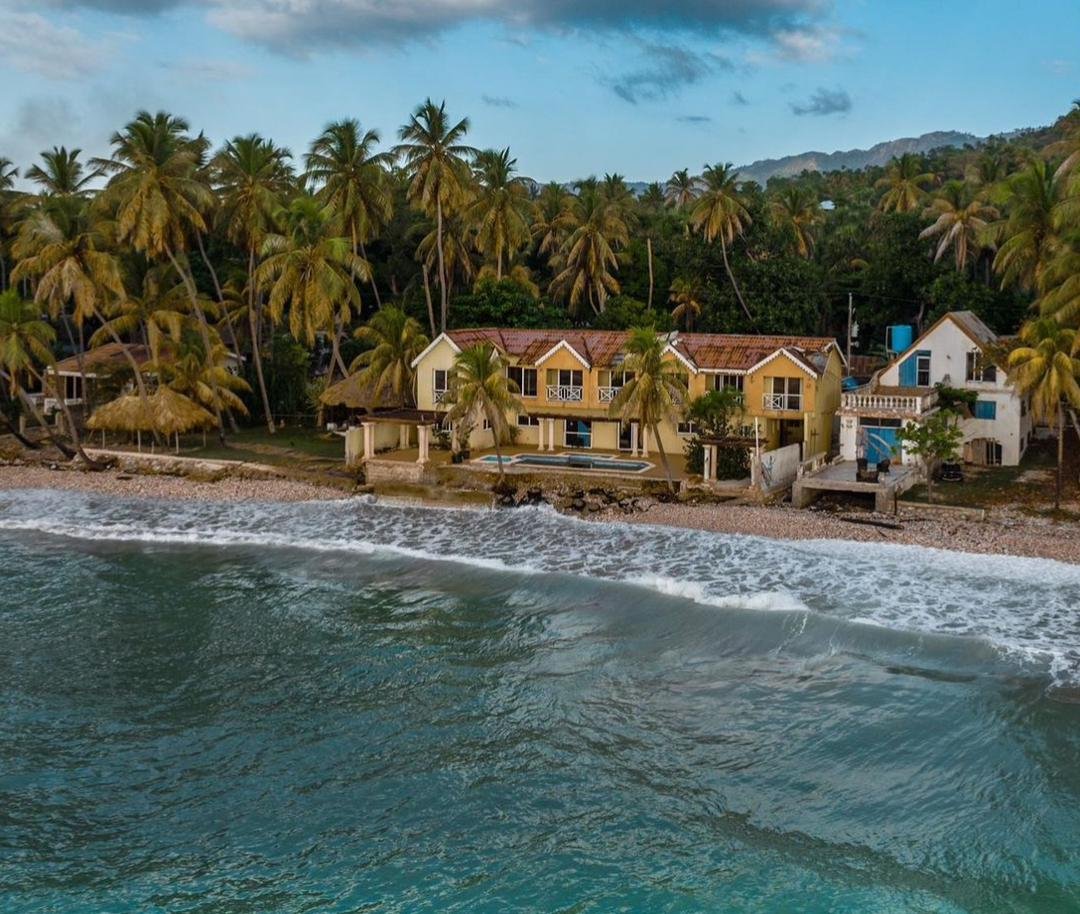
Haïti is blessed with spectacular natural landscapes, including white sand beaches, mountains and rich biodiversity.

Heritage

Heritage

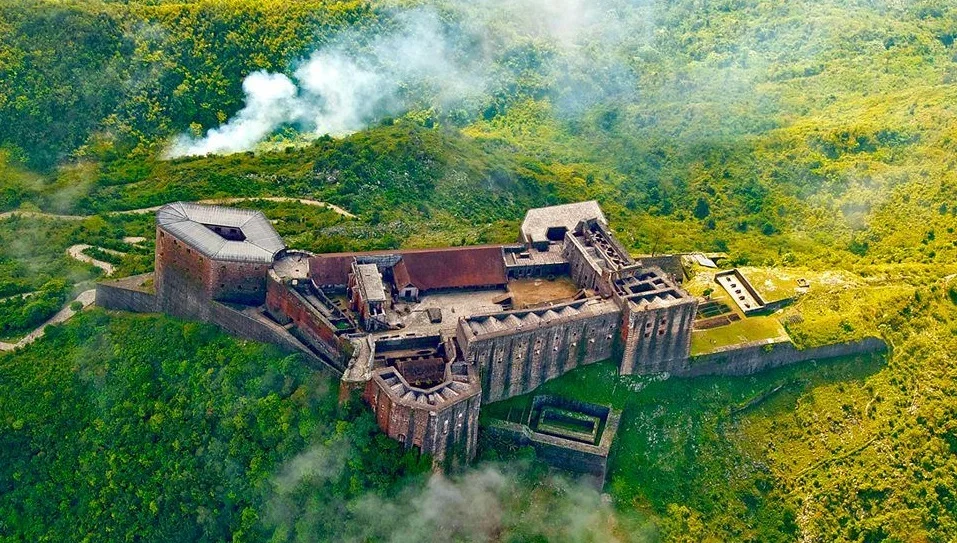
Haïti has a rich historical heritage, including sites like the Citadelle Laferrière and the Sans-Souci Palace, listed as UNESCO World Heritage Sites.

Culture

Culture

Haïti has a rich and diverse culture, influenced by African, European and indigenous elements. Haitian music, dance, art and cuisine are celebrated around the world.

  • +
    • Post