Christmas in Haiti, A Time of Sharing and Generosity
Christmas in Haïti is much more than just a Christian holiday: it is an opportunity to celebrate solidarity, generosity, and unity within families and communities. Haitians embrace this time as a time to gather, share, and reflect on the essential values of humanity. This article explores how Christmas in Haïti embodies these values of sharing and generosity through unique traditions, acts of solidarity, and festive meals.
The Essence of Christmas: A Celebration of Love and Solidarity
In Haiti, Christmas is a time when families come together to celebrate the birth of Christ, but also to express feelings of generosity and solidarity. While the religious celebration takes center stage with Midnight Mass, the true meaning of Christmas lies in the spirit of sharing. This time is an opportunity to remember that Christmas is not only for oneself, but also for others.
Haitians, despite the socio-economic challenges they face, make a point of being generous during the holidays. Thus, Christmas becomes a time of solidarity where everyone, according to their means, participates in the joy of others, in particular by offering meals, clothing or gifts to the most deprived.
Christmas Meals: A Time of Sharing and Conviviality
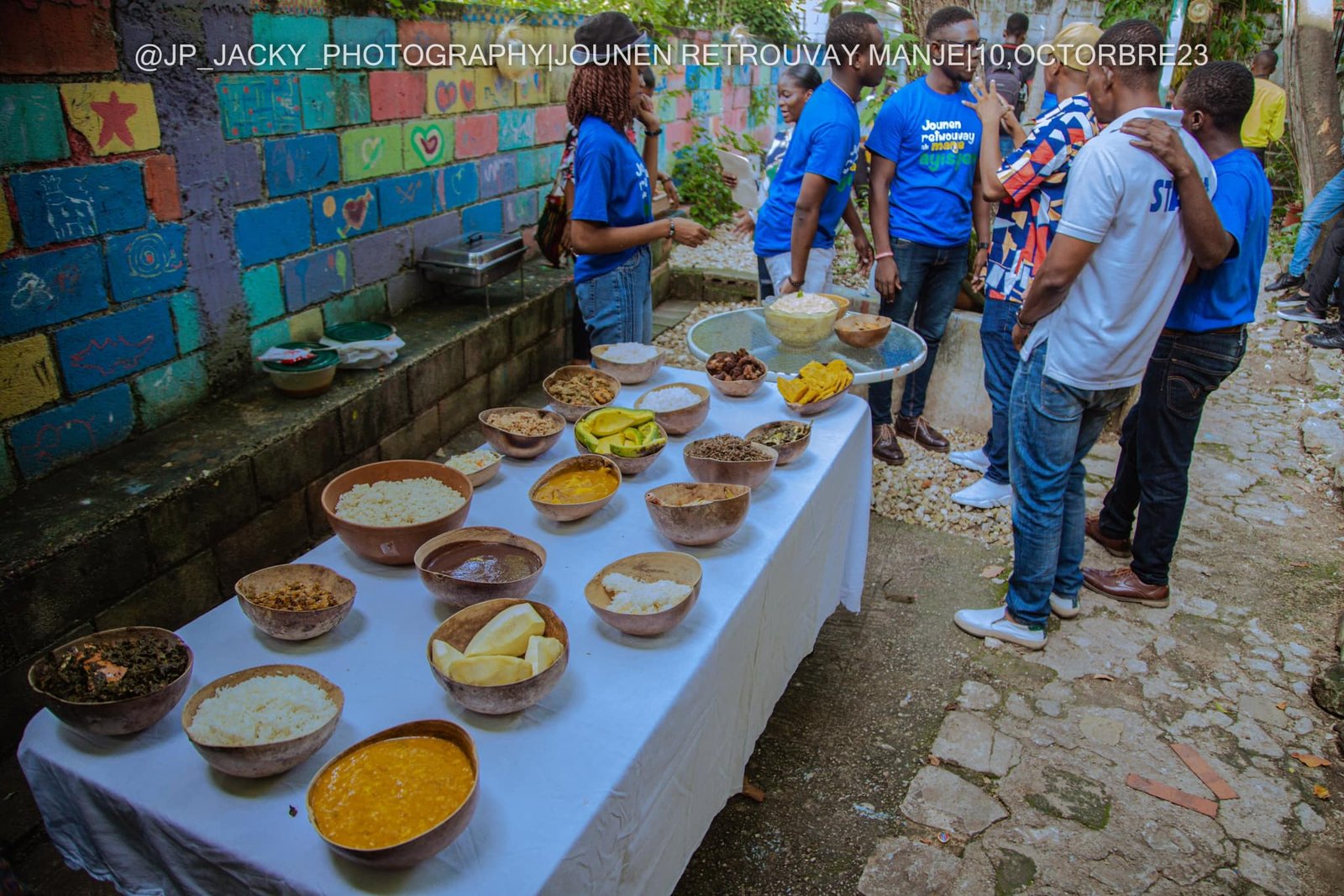
Christmas meals in Haïti are a strong symbol of conviviality and generosity. Tables are filled with delicious food, often shared with neighbors, friends and strangers. Traditional dishes such as griot (fried pork), diri ak pwa (rice and beans), ham soup and pain patate (sweet potato cake) are prepared with care and serve as a link between families and communities.
Haitians love to share their table and meals with others, especially those who cannot afford such feasts. It is also a common tradition to distribute meals in neighborhoods, churches, or charities. In this way, Christmas becomes a collective act of generosity.
Community Solidarity: Helping Those Who Need It
Christmas in Haïti is not only a private or family celebration, it is also a time when the community comes together to help the most vulnerable. Many charities, churches, and community groups organize events to provide meals and donations to people living in precarious situations.
For example, community meals are prepared and shared in social centers, hospitals, or children’s homes. Clothes, toys, and food are distributed on the streets, in villages, and even in isolated areas. Christmas thus becomes an opportunity to support the less privileged, an act of love and kindness.
Haitians, especially during this period, demonstrate an ability to show solidarity, mutual aid and compassion towards those who need it most. This tradition of mutual support is at the heart of Haitian culture.
Music and Christmas Carols: A Moment of Collective Sharing
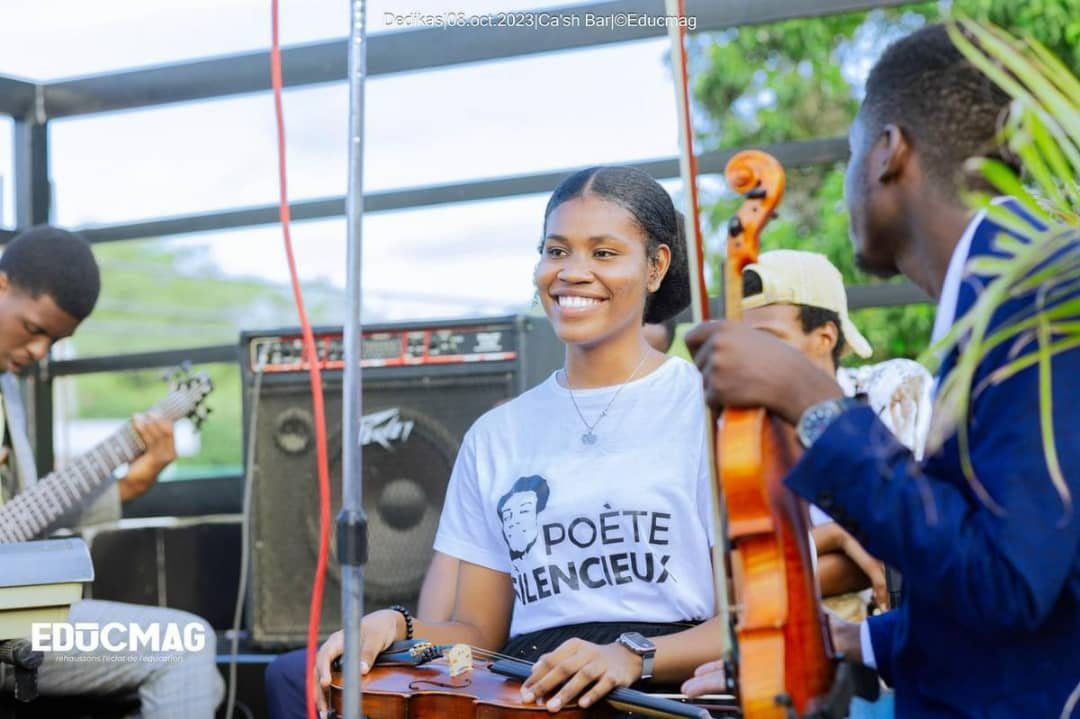
Christmas in Haïti is also a time when music plays a fundamental role. Traditional Christmas carols resonate in churches, homes and streets. Local choirs and music groups perform religious hymns and popular songs that recall the spirit of Christmas, love and sharing. These songs, often accompanied by dancing and music, bring joy and comfort to those who listen to them.
Bonfires, lit in neighborhoods or gardens, also provide a warm setting to gather, discuss and sing. These moments of music and celebration promote conviviality and strengthen community ties. Haitians take advantage of these gatherings to share stories, remember traditions and celebrate life together.
Christmas Gifts: The Symbolic Act of Generosity
Christmas gifts in Haiti, although not as ubiquitous as in the West, remain a strong symbol of generosity. It is above all a time to give what we can to those around us. Parents often offer clothes, toys for children or food products for the elderly. The important thing is not the material value of the gift, but the symbolic act of pleasing and bringing happiness to others.
Gift exchanges are not just for immediate family. Neighbors, friends, and even strangers are invited to participate in this time of sharing. In some rural areas, communities organize to give collective gifts or hold social events where everyone can receive a little something.
Christmas in the Diaspora: Maintaining Traditions and Sharing Culture
Haitian Christmas is also widely celebrated in the diaspora, where Haitians strive to keep the traditions of their homeland alive. In Miami, New York, Montreal, and elsewhere, Haitian communities continue to celebrate Christmas with the same generosity and warmth as in their homeland. Community meals are held, religious services are held, and families gather to share food and gifts.
Haitians in the diaspora also take advantage of Christmas to pass on the values of sharing and generosity to future generations, by introducing them to Haitian culinary traditions, songs, and customs related to this holiday. This helps maintain a strong connection with their culture and share it with their neighbors and friends of other origins.
Christmas in Haiti, A Time of Generosity and Unity
Christmas in Haïti is a time when we celebrate not only the birth of Christ, but also the spirit of solidarity, generosity, and sharing. It is a time when Haitians come together with family, friends, and their community to experience moments of joy, sharing, and mutual support. Whether through festive meals, charitable actions, music, or gift exchanges, Christmas in Haïti embodies the fundamental human values of generosity and unity. Beyond the country’s borders, this tradition is kept alive in the diaspora, allowing Christmas to continue to bring Haitians together around the same ideal of sharing and brotherhood.
Share
About the Author
Appolon Guy Alain
Appolon Guy Alain
Full Stack Developer, Créatif, expérimenté, passionné des nouvelles technologies et de l’art.
First black nation to free itself from slavery and gain independence from France in 1804 and influenced other liberation movements around the world, inspiring struggles for freedom and equality.
Natural beauty
Haïti is blessed with spectacular natural landscapes, including white sand beaches, mountains and rich biodiversity.
Heritage
Haïti has a rich historical heritage, including sites like the Citadelle Laferrière and the Sans-Souci Palace, listed as UNESCO World Heritage Sites.
Culture
Haïti has a rich and diverse culture, influenced by African, European and indigenous elements. Haitian music, dance, art and cuisine are celebrated around the world.