contact@haitiwonderland.com+509 36184317

Discover

Shopping Cart

List of presidents of Haïti until 2024

List of presidents of Haïti until 2024

Since its independence in 1804, Haïti has experienced a series of presidents who have each marked the country’s history in different ways. This article presents a list of Haiti’s presidents, highlighting their background and impact on the nation. This retrospective offers an overview of the political, economic and social challenges that Haïti has faced throughout the decades.

Haïti
Haïti
Haïti

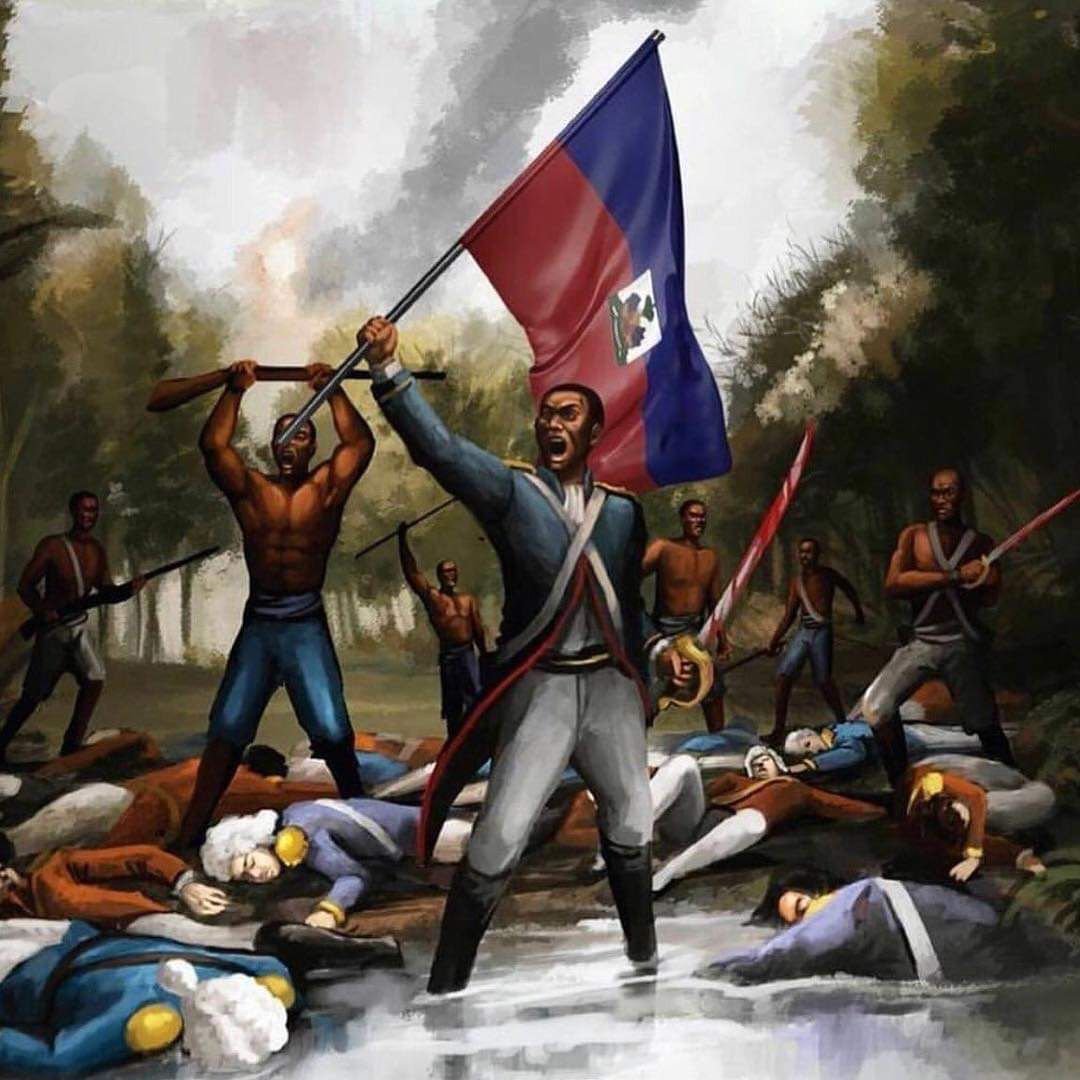
Jean-Jacques Dessalines (1804-1806)

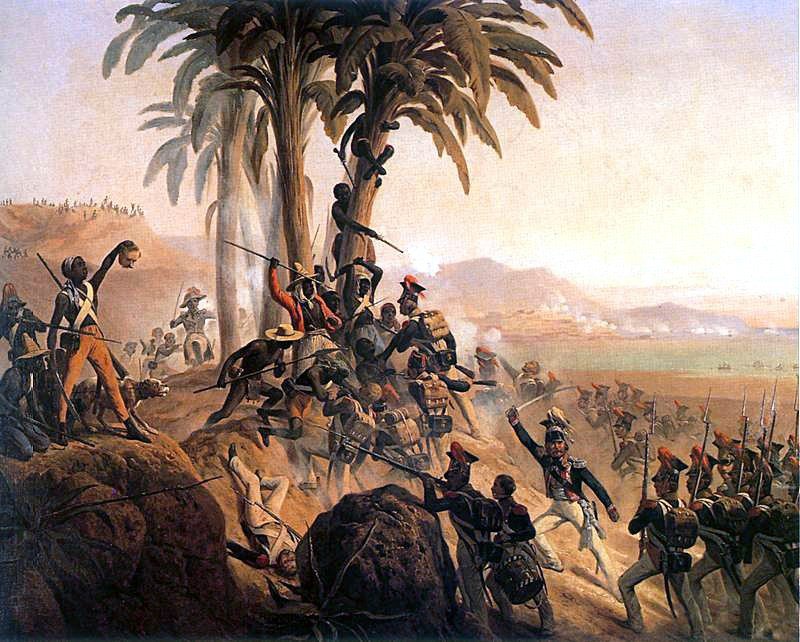
Jean-Jacques Dessalines, one of the leaders of the Haitian revolution, proclaimed the independence of Haïti on January 1, 1804. He crowned himself emperor under the name of Jacques I and attempted to consolidate central authority. His reign was characterized by rigorous policies aimed at eliminating the remnants of French colonial influence, but he was assassinated in 1806 during a revolt led by his former allies.

Haïti
Haïti
Haïti

Henri Christophe (1806-1820)

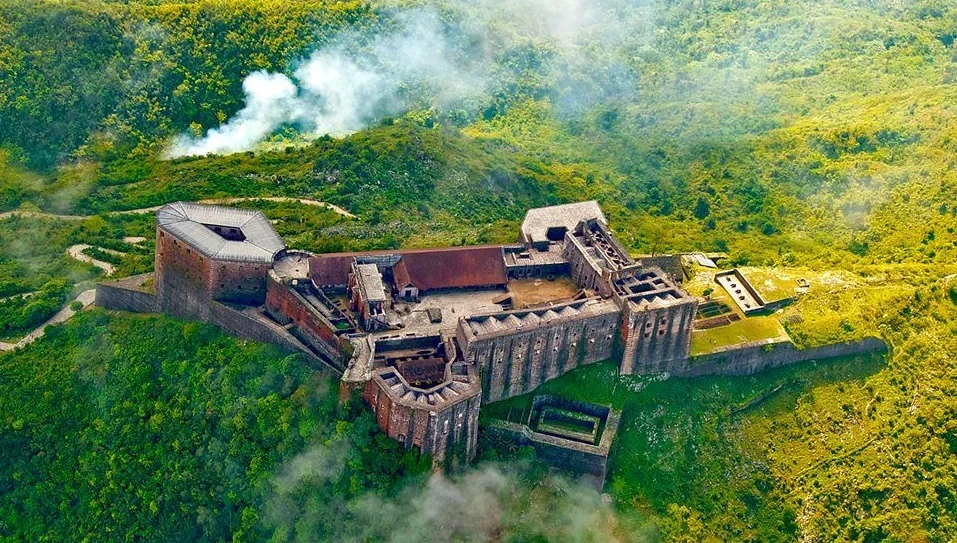
After the death of Dessalines, the country was divided. Henri Christophe, a former revolutionary general, reigned over the north of the country as president and then king under the name of Henri I in 1811. He established an authoritarian regime and ambitious construction projects, such as the Citadelle Laferrière and the Palais Sans-Souci. His reign was marked by efforts to modernize the administration and strengthen the army. He committed suicide in 1820 in the face of a revolt.

Haïti
Haïti
Haïti

Alexandre Sabès Pétion (1807-1818)

Pétion, another hero of independence, becomes president of the republic in the south. He is known for his support for the liberation of slaves and for Simon Bolívar in his fight for independence in South America. Pétion established a more liberal republic compared to the monarchical north and implemented land reforms favoring former slaves.

Haïti
Haïti
Haïti

Jean-Pierre Boyer (1818-1843)

Jean-Pierre Boyer succeeds Pétion and manages to unify the country after the death of Christophe. His reign was marked by relative stability and reforms aimed at modernizing the economy, including encouraging the immigration of free blacks from the United States. However, his tenure was also clouded by social tensions and economic problems, leading to his deposition in 1843.

Haïti
Haïti
Haïti

Charles Rivière Hérard (1843-1844)

Rivière Hérard rose to the presidency after overthrowing Boyer, but his mandate was marked by instability and he was quickly ousted in 1844.

Haïti
Haïti
Haïti

Philippe Guerrier (1844-1845)

Guerrier, a former senator, was elected president after Hérard. His short tenure faced economic and political challenges, and he died in office in 1845.

Haïti
Haïti
Haïti

Jean-Baptiste Riché (1845-1846)

Riché became president in 1845, but he died after only one year in office, having failed to stabilize the country.

Haïti
Haïti
Haïti

Jean-Louis Pierrot (1846-1847)

Pierrot, another soldier, took the presidency in 1846 but was quickly overthrown by a rebellion led by opposing political factions.

Haïti
Haïti
Haïti

Faustin Soulouque (1847-1859)

Soulouque, elected president, crowned himself Emperor Faustin I in 1849. His reign was marked by severe repression and attempts to centralize power. He was finally overthrown by a revolt in 1859.

Haïti
Haïti
Haïti

Fabre Nicolas Geffrard (1859-1867)

Geffrard leads the coup against Soulouque and becomes president. He introduced important reforms but faced growing opposition, leading to his resignation in 1867.

Haïti
Haïti
Haïti

Sylvain Salnave (1867-1869)

Salnave takes power after Geffrard, but his government is marked by violent conflicts. He was overthrown and executed in 1869.

Haïti
Haïti
Haïti

Nissage Saget (1870-1874)

Saget becomes president after Salnave. He managed to maintain relative stability and hold peaceful elections, marking a rare and peaceful transition of power in 1874.

Haïti
Haïti
Haïti

Michel Domingue (1874-1876)

Domingue, elected after Saget, faced economic and political crises, and resigned after only two years.

Haïti
Haïti
Haïti

Théomas Boisrond-Canal (1876-1879)

Boisrond-Canal took power after Domingue but had to resign in 1879 after political unrest.

Haïti
Haïti
Haïti

Felicite Lysius Salomon (1879-1888)

Salomon tried to stabilize and modernize the country, but his mandate was marked by revolts and he was overthrown in 1888.

Haïti
Haïti
Haïti

François Denis Légitime (1888-1889)

Legitimate succeeded Salomon but his reign was brief, marked by internal conflicts which led to his ouster in 1889.

Haïti
Haïti
Haïti

Florvil Hyppolite (1889-1896)

Hyppolite maintained a certain stability and continued modernization efforts until his death in 1896.

Haïti
Haïti
Haïti

Teiresias Simon Sam (1896-1902)

Simon Sam is elected after Hyppolite. His tenure was relatively quiet, but he resigned in 1902 in the face of political pressure.

Haïti
Haïti
Haïti

North Alexis (1902-1908)

Alexis attempted reforms but faced revolts and was overthrown in 1908.

Haïti
Haïti
Haïti

Antoine Simon (1908-1911)

Simon, after Alexis, implemented economic reforms but was deposed by a coup d’état in 1911.

Haïti
Haïti
Haïti

Cincinnatus Leconte (1911-1912)

Leconte, elected president, dies in an explosion at the national palace after only one year in power.

Haïti
Haïti
Haïti

Tancrede Auguste (1912-1913)

Auguste succeeds Leconte but dies after a year in office, leaving the country prey to instability.

Haïti
Haïti
Haïti

Michel Oreste (1913-1914)

Orestes, elected president, is overthrown after a short mandate marked by political unrest.

Haïti
Haïti
Haïti

Orestes Zamor (1914)

Zamor takes the presidency after Orestes but is also overthrown after a few months.

Haïti
Haïti
Haïti

Davilmar Théodore (1914-1915)

Theodore succeeds Zamor but fails to stabilize the country and is deposed after a few months.

Haïti
Haïti
Haïti

Vilbrun Guillaume Sam (1915)

Guillaume Sam, last president before the American occupation, is lynched after a revolt against his regime.

Haïti
Haïti
Haïti

Sudre Dartiguenave (1915-1922)

Dartiguenave was elected under American occupation and his mandate was marked by cooperation with the United States.

Haïti
Haïti
Haïti

Louis Borno (1922-1930)

Borno continues under American occupation, focusing on infrastructure and institutional development.

Haïti
Haïti
Haïti

Louis Eugène Roy (1930)

Roy is appointed provisional president to hold elections, serving only a few months.

Haïti
Haïti
Haïti

Sténio Vincent (1930-1941)

Vincent, elected after Roy, governed during a period of transition after the American occupation and managed to obtain the withdrawal of American troops in 1934.

Haïti
Haïti
Haïti

Elie Lescot (1941-1946)

Lescot rose to the presidency during World War II, but was overthrown in a coup in 1946.

Haïti
Haïti
Haïti

Dumarsais Estimé (1946-1950)

Estimé was elected after Lescot and tried to modernize the country and improve social conditions, but was overthrown by the military in 1950.

Haïti
Haïti
Haïti

Paul Magloire (1950-1956)

Magloire, a soldier, governed with firmness and relative economic prosperity before resigning due to social unrest.

Haïti
Haïti
Haïti

Nemours Pierre-Louis (1956-1957)

Pierre-Louis transitions as interim president, marking a short period of stability.

Haïti
Haïti
Haïti

Franck Sylvain (1957)

Sylvain is elected president but his mandate is short-lived, being quickly replaced by a military council.

Haïti
Haïti
Haïti

Daniel Fignolé (1957)

Fignolé, a charismatic populist, was briefly president before being deposed in a coup.

Haïti
Haïti
Haïti

François Duvalier (1957-1971)

François Duvalier, known as "Papa Doc", established a rigid dictatorship marked by repression, the cult of personality and the use of the Tontons Macoutes militia to maintain his power.

Haïti
Haïti
Haïti

Jean-Claude Duvalier (1971-1986)

Jean-Claude Duvalier, nicknamed "Baby Doc", succeeded his father and continued the authoritarian regime until his flight into exile in 1986 after popular uprisings.

Haïti
Haïti
Haïti

Jean-Bertrand Aristide (1991, 1994-1996, 2001-2004)

Aristide, a priest and populist figure, was elected in 1990 but overthrown in 1991. He returned to power in 1994-1996 and again in 2001-2004, but his last term ended in forced exile.

Haïti
Haïti
Haïti

René Préval (1996-2001, 2006-2011)

René Préval, former prime minister under Aristide, was elected president twice. His first term (1996-2001) was marked by efforts at economic reform and political stabilization. Re-elected in 2006, he must face the devastating consequences of the 2010 earthquake.

Haïti
Haïti
Haïti

Michel Martelly (2011-2016)

Michel Martelly, a former popular singer, became president in 2011. His mandate was characterized by attempts at reconstruction after the 2010 earthquake and political controversies. He left power in 2016 after disputed elections.

Haïti
Haïti
Haïti

Jovenel Moïse (2017-2021)

Jovenel Moïse, a businessman, was elected president in 2017. His mandate was marked by allegations of corruption, popular protests and a persistent political crisis. He was assassinated in July 2021, plunging the country into increased instability.

Haïti
Haïti
Haïti

Edgard Leblanc Son (2024)

On April 30, 2024, in the midst of a security and political crisis, Edgard Leblanc Fils was chosen by the Transitional Council to lead the Presidential Transitional Council in Haiti. This choice is part of efforts to find a national consensus to get the country out of the current impasse.

The history of Haiti’s presidents is one of constant challenges, struggles for stability and repeated attempts at reform. Each leader left a unique mark on the country, helping to shape its destiny. Understanding this history is essential to understanding current political dynamics and the challenges that Haïti continues to face.

Share
About the Author
Haïti Wonderland
Haïti Wonderland
Anonymous

Maybe add a caption on what they did right?

November 18, 2024 - 11:17:17 PM
Micka

CPT has been imposed on the Haitian people by the international community. There has been no elected president since the assassination of President Jovenel Moise.

March 01, 2025 - 11:59:49 AM
Leave a comment

Recently Posted

Newsletter

Subscribe to our newsletter to stay informed of all our activities and news on Haiti.

Plan your trip to Haïti

Haïti, the pearl of the Caribbean nestled west of the island of Hispaniola, offers a captivating combination of natural beauty and rich history. For an unforgettable trip, follow these wise tips to plan your stay. b~Prior Research~b Before you begin your trip, immerse yourself in Haïti’s rich culture, fascinating history, delicious cuisine and top attractions. This prior immersion will allow you to make the most of your stay and connect more easily with locals. b~Ideal time to travel~b Haïti’s mild climate throughout the year makes it an attractive tourist destination at any time. Your choice of period will depend on your preferences. If you’re passionate about cultural festivities, don’t miss the Haïtian Carnival in February, a vibrant celebration leading up to Lent. For lovers of paradise beaches like Labadee, La Côte des Arcadins, and others, summer offers a perfect mix of sun and fun times in crystal clear waters. If spirituality appeals to you, August 15 marks the Feast of the Assumption, a religious celebration marking the Virgin Mary’s ascension into heaven. And also November 1st and 2nd are dedicated to the Day of the Dead. Families go to the cemetery to honor and decorate the graves of their deceased loved ones, creating an atmosphere steeped in memory and tradition. History buffs may choose to visit on national holidays such as National Independence Day on January 1, Flag Day on May 18, and other significant events. b~Choice of Accommodation~b Haïti offers a range of accommodation options, from luxury hotels to family-friendly B&Bs. Adapt your choice according to your budget and preferences, favoring local accommodation for a more authentic experience. b~Unmissable Tourist Sites~b Among the gems to explore, discover the majestic Citadelle Laferrière, listed as a UNESCO world heritage site, the Sans Souci Palace, the La Visite National Park, the Milot Cathedral, Fort Jacques, the Heroes of Vertières, the Bassin Bleu , the Saut-Mathurine Waterfall, the Marie-Jeanne Cave, Kenscoff and Furcy, as well as the Saut d’Eau Waterfall. Also explore the artistic wealth of Haïti through its artisan markets. b~Taste Local Cuisine~b Haïtian cuisine is a symphony of exotic flavors. Be sure to sample local dishes such as griot and pea-sticky rice at local markets for an authentic culinary experience. b~Local Culture~b Haïtian culture, influenced by a rich history, is diverse and vibrant. Respect local customs, be open-minded and willing to learn. The warmth and hospitality of the Haïtians add a unique dimension to your experience. b~Means of Transport~b Opt for modern means of land transport such as Capital Coach Line, Transport Chic, Sans-Souci Tours, Le Transporteur, Grand Nord. For aerial explorers, easily book your flight with Sunrise Airways. Car rental is also an option for those looking for a more private experience. b~Language and Communication~b Although Haïtian Creole is the main language, French is also widely used. Learn a few basic phrases in Creole to facilitate exchanges and enrich your experience. By meticulously planning your trip to Haïti, you open yourself up to discovering the natural beauty, cultural richness, and warm hospitality of this Caribbean gem. Get ready to experience a unique and memorable adventure in Haïti.

The Port-au-Prince Book Fair announces the opening of author registration for its second edition

The Port-au-Prince Book Fair is a literary initiative of the cultural organization Port-au-Prince Book Fair (OCSLP), based on the desire to promote Haitian culture in general, with a particular focus on literature. The organizers of the event have just announced the registration of authors, who will number 20, and those of publishing houses, who will number 5 for the second edition, which will take place on Friday, December 13, 2024, in the premises of the French Institute in Haiti. The registration deadline is Thursday, October 10 of this year. Please note that the first to arrive who have met the required criteria will be eligible to take part in this second edition of the event, according to the organizers’ admission. This rigorous and restricted selection of only 20 authors aims to guarantee an enriching experience for authors and the public, thus promoting authentic exchanges around the works presented. Independent authors and publishing houses interested in registering their authors to participate in this second edition of the fair are invited to submit their application via this link: https://form.jotform.com/louirardjohn8/salon-du-livre-de-port-au-prince. For publishing and distribution houses planning to exhibit on the day of the event, you can register by clicking on this link: https://form.jotform.com/242596699603068. You are requested to contact them at the following address: salondulivre2023@gmail.com in case of difficulties. The Port-au-Prince Book Fair remains faithful to its philosophy, which is to offer a platform to young authors and to promote the richness of Haitian literary production, by supporting new authors who contribute to its growth. This event is a continuation of the first edition, aimed at allowing the emergence of an environment conducive to exchanges, where young authors can meet, share their experiences and engage in dialogue with readers and book professionals. According to the organizers of the event, your participation as a young author will be essential to enrich the fair and offer a diverse experience to visitors. The invitation to join this noble initiative is extended to young authors who have not yet published 5 books. You who are concerned, the ball is now in your court. Do not hesitate to go and make this day, December 13, 2024, an unforgettable day for all book lovers.

Recently Posted

History

History

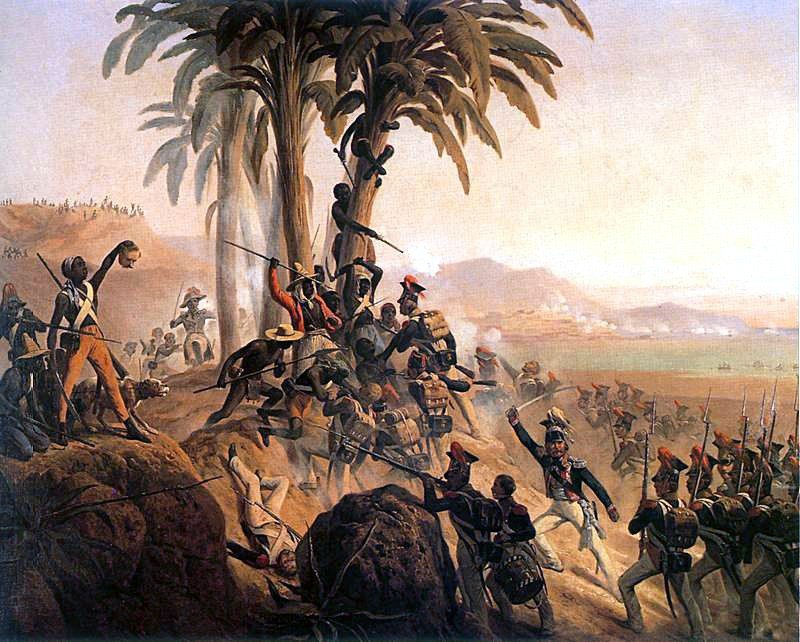
First black nation to free itself from slavery and gain independence from France in 1804 and influenced other liberation movements around the world, inspiring struggles for freedom and equality.

Natural beauty

Natural beauty

Haïti is blessed with spectacular natural landscapes, including white sand beaches, mountains and rich biodiversity.

Heritage

Heritage

Haïti has a rich historical heritage, including sites like the Citadelle Laferrière and the Sans-Souci Palace, listed as UNESCO World Heritage Sites.

Culture

Culture

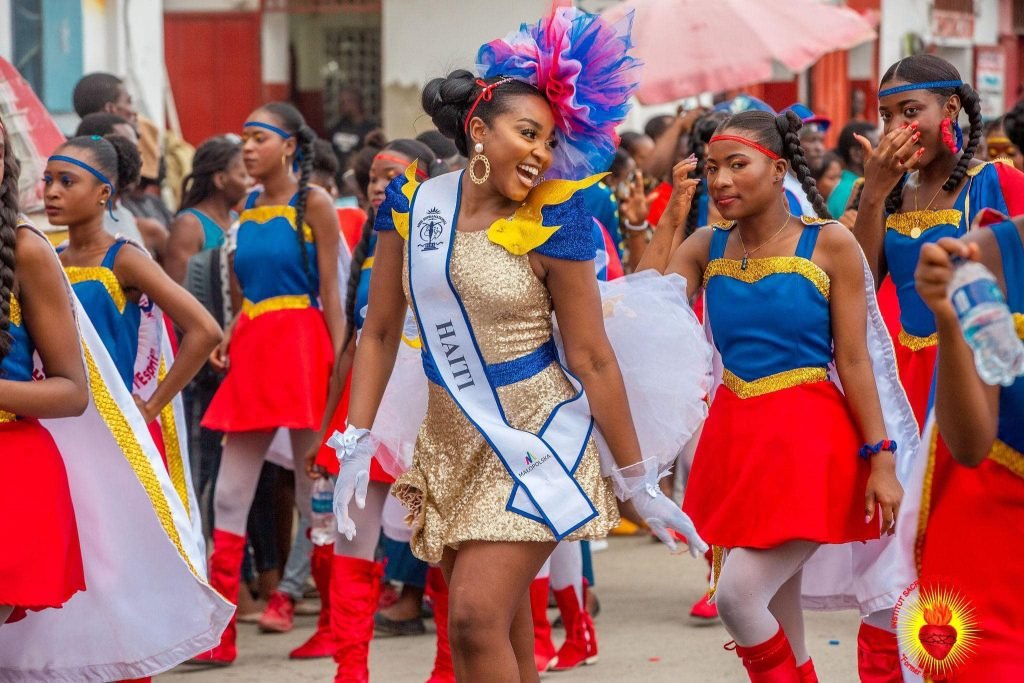
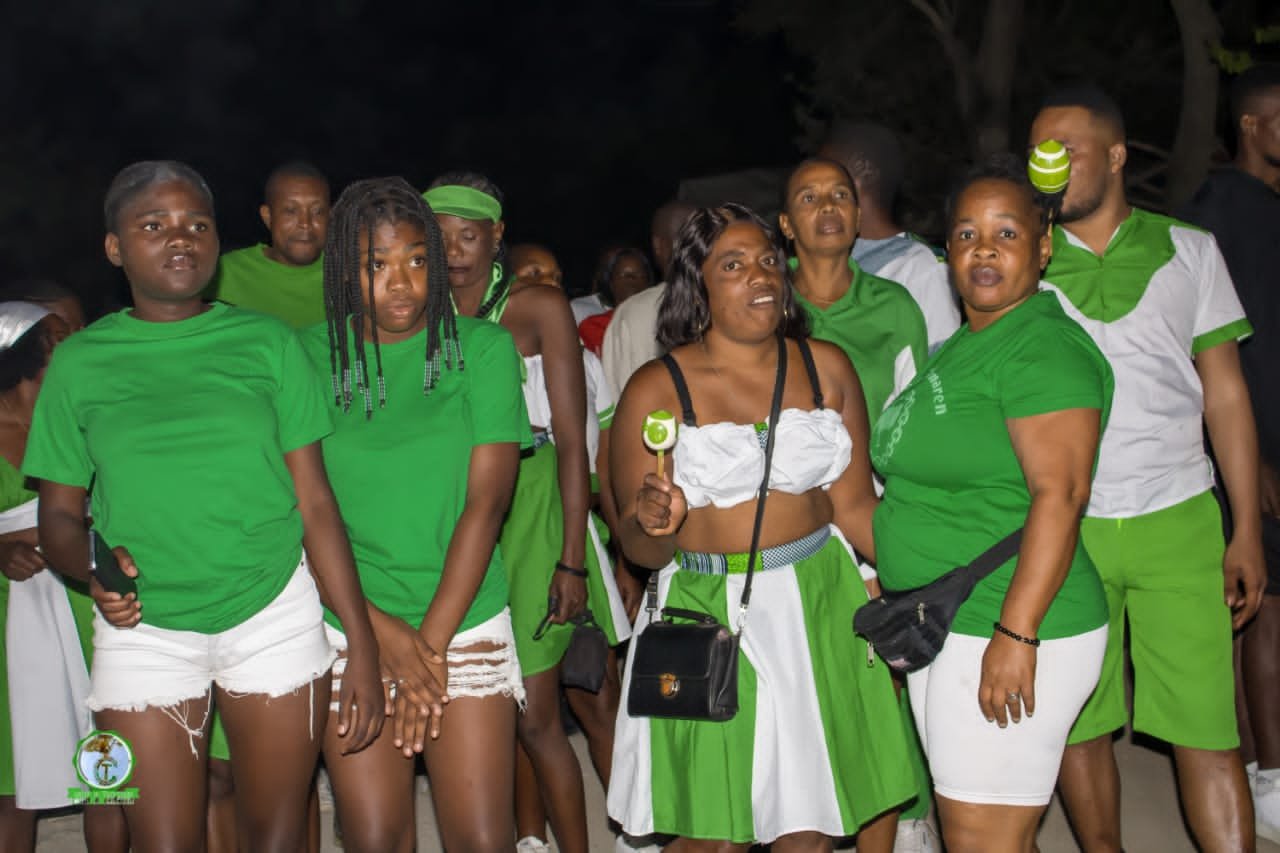
Haïti has a rich and diverse culture, influenced by African, European and indigenous elements. Haitian music, dance, art and cuisine are celebrated around the world.

  • +
    • Post