contact@haitiwonderland.com+509 36184317

Discover

Shopping Cart

La Dessalinienne: National Anthem of Haiti

La Dessalinienne: National Anthem of Haiti

Since its tumultuous birth as the first independent Black republic in 1804, Haïti has been a beacon of resistance, independence, and pride for people around the world. At the heart of its national identity is an anthem of profound power and meaning: La Dessalinienne.

La Dessalinienne
La Dessalinienne
La Dessalinienne

The Story Behind the Anthem

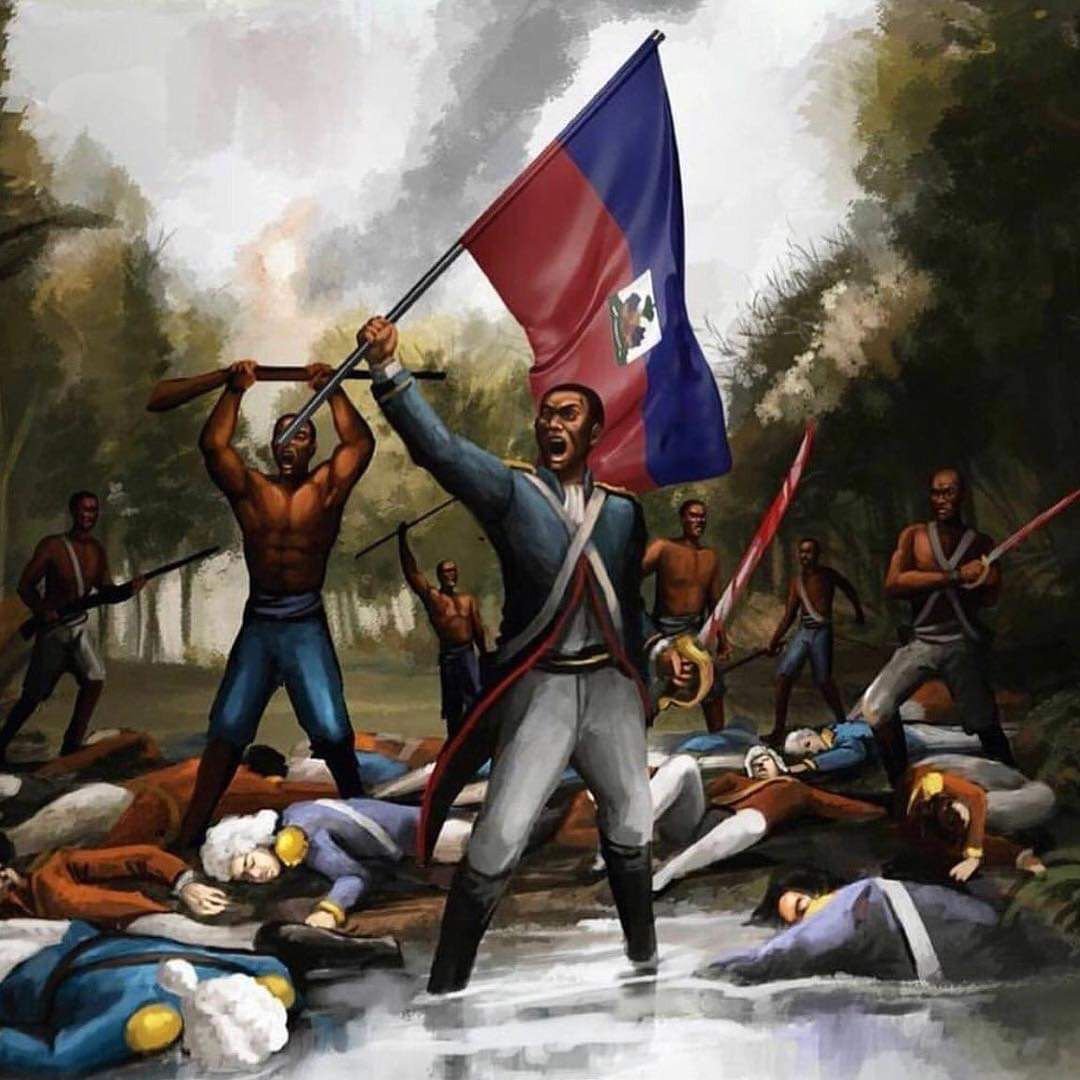
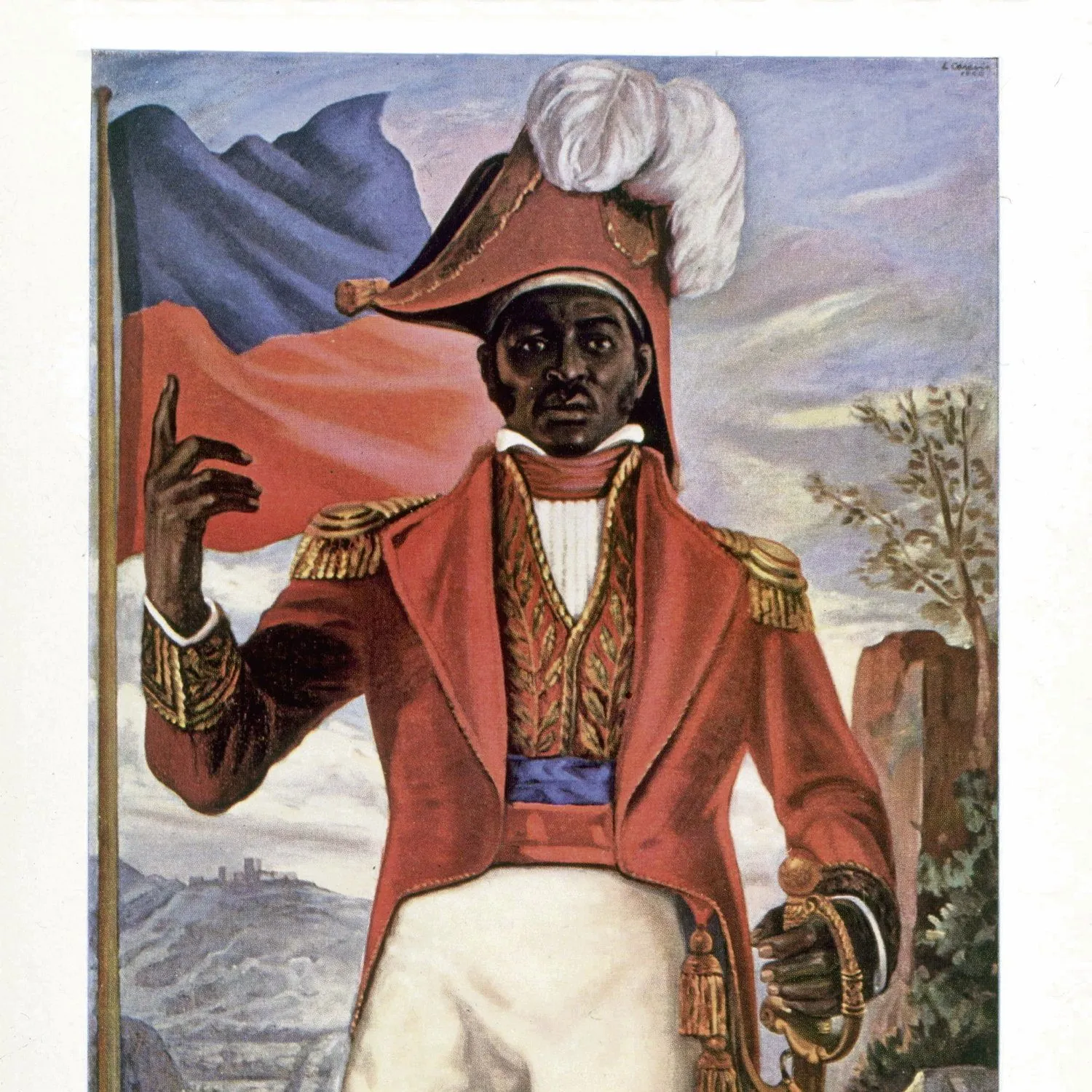
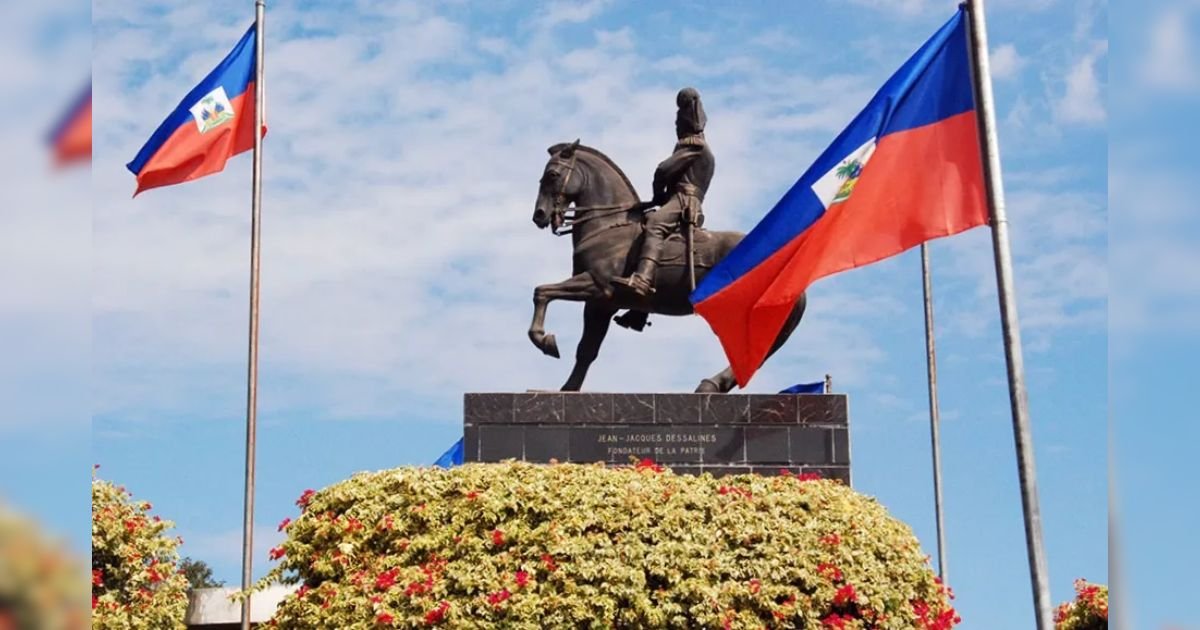
La Dessalinienne takes its name from Jean-Jacques Dessalines, the Haitian revolutionary leader who successfully led the fight against French colonial oppression and proclaimed Haïti as the world’s first independent black republic on January 1, 1804. Written by Justin Lhérisson and composed by Nicolas Geffrard, this anthem is a vibrant tribute to the legacy of Dessalines and the indomitable spirit of the Haitian people.

Discover the history of Haiti: A fascinating story to explore! : https://haitiwonderland.com/haiti/histoire/decouvrez-l-histoire-d-haiti--un-recit-fascinant-a-explorer/81

La Dessalinienne
La Dessalinienne
La Dessalinienne

A Symbol of Resilience and Freedom

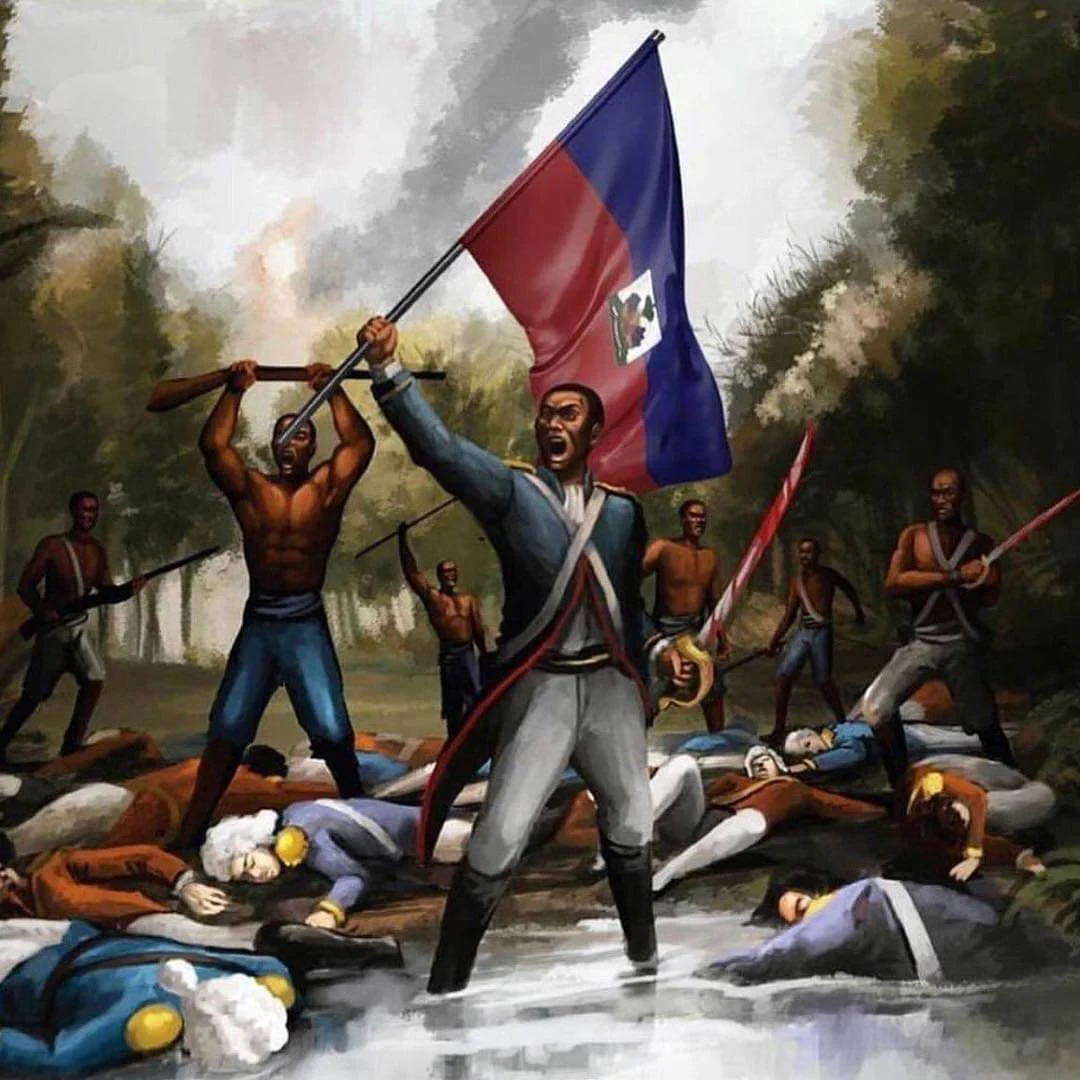
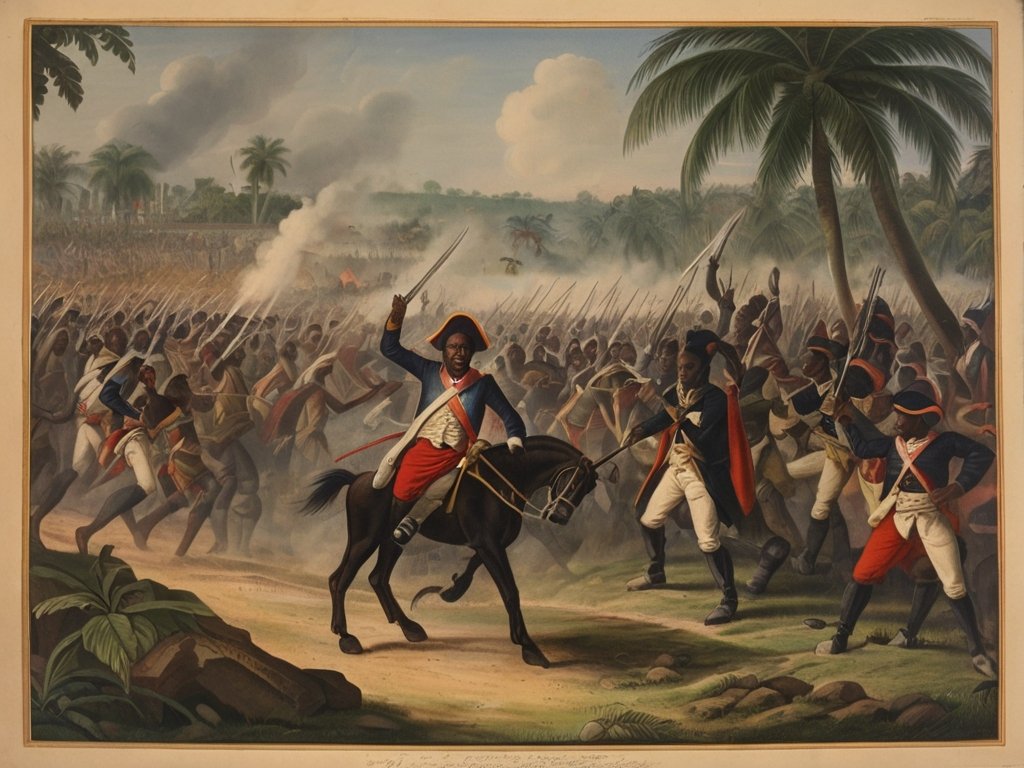
La Dessalinienne is not simply a patriotic song, but a rallying cry for freedom and justice. His poignant words evoke the constant struggle of the Haitian people to overcome challenges, resist oppression and defend their dignity. Every note resonates with the force of the revolutionary spirit that shook the foundations of injustice and slavery.

La Dessalinienne
La Dessalinienne
La Dessalinienne

The Immortal Words


I
For the Country, for the Ancestors Let’s march united, let’s march united
In our ranks there are no traitors. Let us be the sole masters of the soil
Let’s walk united, let’s walk united For the Country, for the Ancestors
Let’s march, let’s march, let’s march united For the Country, for the
Ancestors

II
For the Forefathers, for the Homeland Happy bechons, happy bechons
When the field bears fruit The soul is strengthened Joyful bechons,
happy bechons For the Forefathers, for the Fatherland Bechons, bechons,
happy bechons For the Forefathers, for the Homeland

III
For the Country and for our Fathers Let us form Sons, let us form Sons
Free, strong and prosperous We will always be brothers Let us form
Sons, let us form Sons For the Country and for our Fathers
Let’s train, let’s train, let’s train Sons For the Country and for our
Fathers

IV
For the Forefathers, for the Fatherland O God of the Brave, O God of the Brave
Under your infinite care Take our rights, our life O God of
Preux, O God of the Precious For the Forefathers, for the Fatherland O God, O
God, O God of the Brave, For the Forefathers, for the Fatherland

V
For the Flag, for the Fatherland Dying is beautiful, dying is beautiful
Our past cries out to us: Have a seasoned soul Dying is beautiful,
dying is beautiful For the Flag, for the Fatherland To die, to die,
dying is beautiful For the Flag, for the Fatherland


These words resonate with timeless force, reminding Haitians of their responsibility to defend their homeland and preserve the heritage of their ancestors. They urge unity and solidarity, emphasizing that only by remaining united, the Haitian people can face the challenges that stand in their way.

La Dessalinienne
La Dessalinienne
La Dessalinienne

Across borders

Although La Dessalinienne is the national anthem of Haiti, its message transcends geographic boundaries. It resonates with all those who fight for their freedom and dignity, inspiring liberation movements across the world. Its influence extends far beyond the shores of Haiti, becoming a universal symbol of courage and determination in the face of adversity.
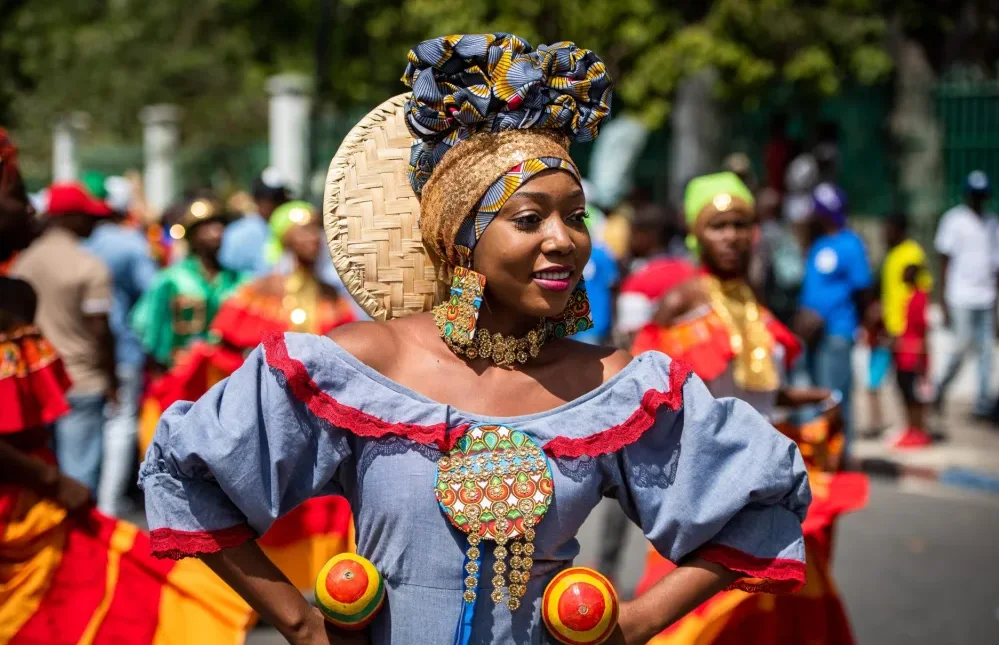
La Dessalinienne remains a pillar of Haitian national identity, a constant reminder of the resilience and determination of the Haitian people to defend their freedom and dignity. As future generations rise to face new challenges, this anthem will continue to resonate as a call for unity, solidarity and justice for all.

Share
About the Author
Appolon Guy Alain
Appolon Guy Alain
Appolon Guy Alain

Full Stack Developer, Créatif, expérimenté, passionné des nouvelles technologies et de l’art.

See other articles from Appolon Guy Alain
Leave a comment

Recently Posted

Newsletter

Subscribe to our newsletter to stay informed of all our activities and news on Haiti.

Haiti: A look back at the First Rara Weekend in Petit-Goave

Haitian culture is a true treasure, woven from the creativity of its artists, its rich heritage and the diversity of its cultural expressions. Among these cultural gems, the rara stands as a true national emblem, uniting Haitians through its captivating rhythms and centuries-old traditions. During the first Rara weekend, this very essence of Haitian culture shone brightly, revealing palpable social cohesion. Despite the absence of law enforcement, tranquility reigned in Petit-Goâve, testifying to the ability of citizens to come together in peace and conviviality. However, media attention was mainly focused on the first plain, leaving a certain imbalance in the coverage of the festivities. Ratyèfè, three-time reigning champion, once again captivated minds with his talent and artistic mastery, offering an unparalleled spectacle. But his rival, Lambi gran dlo, was not to be outdone, displaying a determination to compete for first place. The event was also marked by unfortunate incidents, reminding us that despite the beauty of tradition, tensions can arise. Clashes between fans of different groups tarnished the festive atmosphere, highlighting the need for careful management of celebrations to avoid such excesses. At the heart of this musical competition, where each group aspires to recognition and victory, a complex picture of rivalries and alliances emerges. Chenn tamarin, although appearing asleep in the first moments, shows signs of waking up, ready to shake up the established order. On Sunday evening, Lambi gran dlo honored the memory of one of its loyal supporters, while Grap Kenèp was the scene of violence between fans, recalling the fragility of social cohesion when passion runs wild. In this whirlwind of emotion and competition, it is crucial to keep in mind that it is the journalist who must look to the events, and not the other way around. This is how we draw up the first ranking for this first weekend: 1. Ratyèfè 2. Lambi grand dlo 3. Chenn tamarind Beyond the results, it is the preservation of unity and mutual respect that must remain at the heart of these celebrations, making the rara not only a musical festival, but above all a symbol of the wealth and resilience of the people Haitian.

Christmas in Haiti: Between Magic, Discoveries and Delicacies

The joyful ringing of bells echoes through the streets of Haïti as the holiday season approaches. Christmas is a magical time when the streets light up, families gather and a warm atmosphere invades the island. Between traditions, cultural discoveries and gourmet feasts, Christmas in Haïti promises a unique experience. b~The Magic of Lights and Decorations~b From the beginning of December, Haïti is adorned with sparkling lights and festive decorations. The markets come alive with shimmering garlands, twinkling stars and ornate fir trees. The streets of Port-au-Prince in Jacmel shine with a special magic, inviting locals and visitors to immerse themselves in the festive spirit. b~Haitian Traditions at Christmas~b Christmas in Haïti is celebrated with a unique combination of religious traditions and local customs. Midnight Mass is a deeply rooted tradition, drawing worshipers to churches to celebrate the birth of Jesus in a vibrant atmosphere of song and prayer. A popular tradition is the "Dawn Mass" which takes place at dawn on December 25. The faithful gather to welcome Christmas Day with special fervor, testifying to the deep spirituality that permeates the festivities. The festivities are not limited to churches. Street parades, folk dances and concerts are commonplace, creating a joyful atmosphere throughout the country. Traditional Haitian music, such as direct compass and voodoo, adds a special dimension to these celebrations. b~Cultural Discoveries: Haitian Crafts~b Christmas is also an ideal opportunity to discover unique Haitian crafts. Christmas markets offer a variety of handicrafts, such as wooden sculptures, vivid paintings, wrought iron items and traditional jewelry. These works of art reflect the artistic talent of the Haitian people and provide unique and meaningful gifts. Local markets, such as the Ferrier market in Cap-Haitien and the Jacmel market, are essential places to discover the authenticity of Haitian crafts. These purchases also help support local artists and the community economy. b~Gourmet Feasts: Christmas Cuisine~b Christmas in Haïti is also a gastronomic celebration. Families gather around festive tables laden with traditional culinary delights. “Joumou soup”, a pumpkin soup, is an essential specialty of the holiday season. Pork, lamb and chicken dishes are also common, accompanied by rice and local vegetables. Traditional desserts, such as “Pen patat” and “Tablèt Pistach,” add a sweet touch to the celebration. Tropical fruits, such as mangoes and bananas, are also often present on Christmas tables, recalling the richness of Haitian biodiversity. Christmas in Haïti is a vibrant celebration that blends the magic of lights, religious traditions, local crafts and delicious cuisine. It is a time when joy and generosity are in the spotlight, and when Haitians open their hearts to share the magic of the season with the world.

Recently Posted

History

History

First black nation to free itself from slavery and gain independence from France in 1804 and influenced other liberation movements around the world, inspiring struggles for freedom and equality.

Natural beauty

Natural beauty

Haïti is blessed with spectacular natural landscapes, including white sand beaches, mountains and rich biodiversity.

Heritage

Heritage

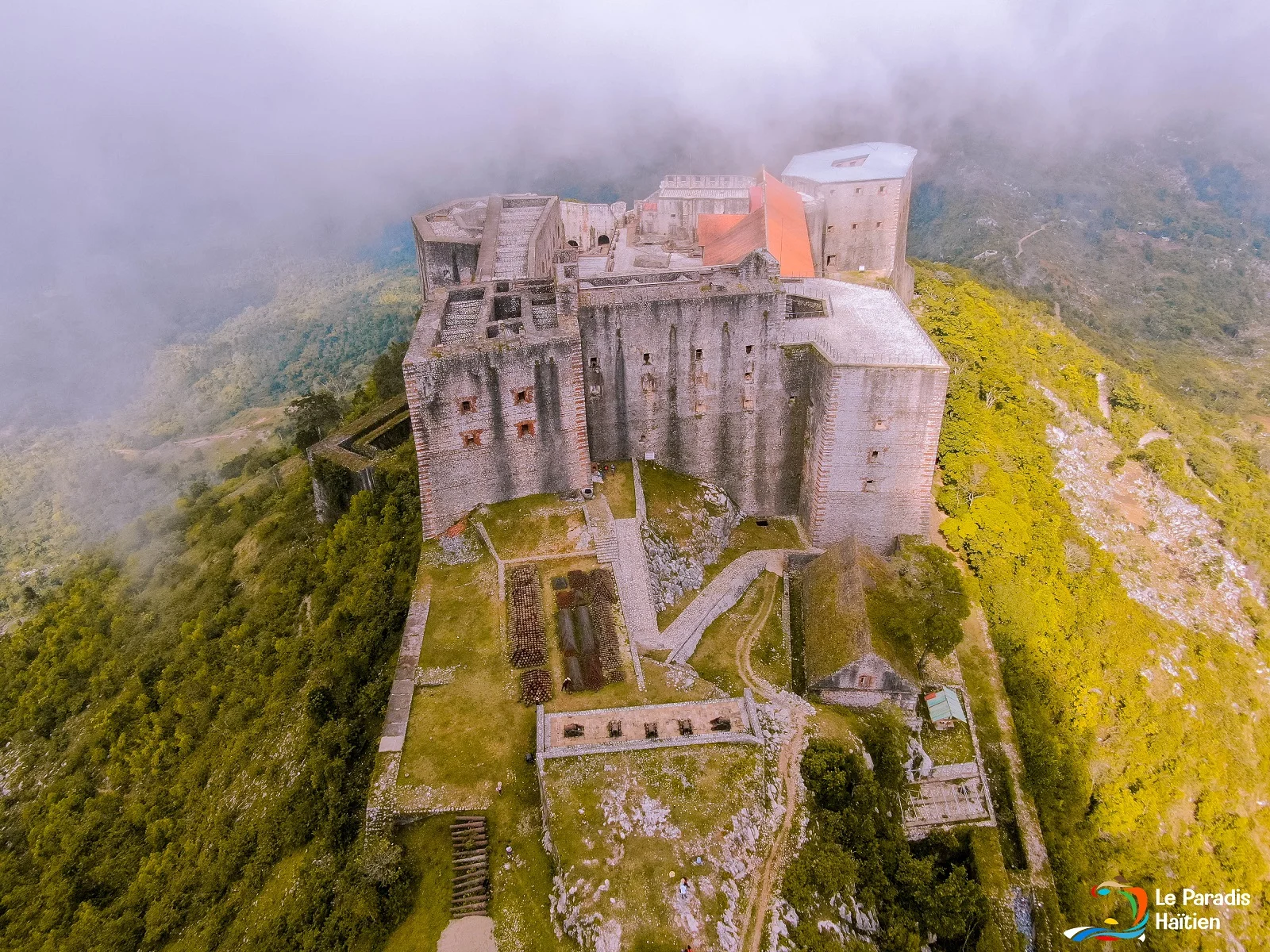
Haïti has a rich historical heritage, including sites like the Citadelle Laferrière and the Sans-Souci Palace, listed as UNESCO World Heritage Sites.

Culture

Culture

Haïti has a rich and diverse culture, influenced by African, European and indigenous elements. Haitian music, dance, art and cuisine are celebrated around the world.
  • +
    • Post