contact@haitiwonderland.com+509 36184317

Discover

Shopping Cart

What is the most popular dish in Haiti?

What is the most popular dish in Haiti?

Haitian cuisine is full of flavors, colors, and aromas that reflect the country’s history and cultural diversity. Among the most iconic dishes, "Diri sòs pwa ak legim" (rice, pea sauce, and vegetables) stands out as a true culinary treasure. This dish is much more than just a meal: it symbolizes the sharing, tradition, and creativity of Haitians. In this article, let’s discover why this dish is so popular and what makes it an icon of Haitian gastronomy.

A pillar of Haitian cuisine

"Diri sòs pwa ak legim" is omnipresent in Haitian homes, on all occasions, whether it is a regular meal or a festive feast. Each component of the dish plays an essential role:
- Diri (rice): Often prepared with spices, butter or oil, rice is a staple food in Haiti.
- Sòs pwa (pea sauce): This sauce is made with peas (red, black or white), simmered with spices like garlic, thyme and cloves. It is rich in flavors and nutrients.
- Legim (vegetables): A mixture of vegetables like cabbage, carrots, spinach and eggplant, cooked with meat (often beef or crab) for a melting texture and a savory taste.

This harmonious marriage offers a perfect balance of protein, fiber and carbohydrates, while delighting the taste buds.

A dish with historical roots

The origins of "Diri sòs pwa ak legim" date back to the colonial era, when basic ingredients such as rice and peas were introduced to the plantations. Over time, Haitians have enriched these simple products with their culinary know-how and the use of local spices.

This dish also reflects the influence of African, European and Amerindian cultures that have shaped Haitian gastronomy.

A symbol of conviviality

In Haiti, sharing a dish of "Diri sòs pwa ak legim" is a mark of hospitality and generosity. Whether during Sunday family meals or special festivities such as Independence Day (January 1), this dish brings together young and old around the table.

In rural communities, preparing the vegetable is often a collective effort, with each member of the family or neighborhood contributing, thus strengthening social ties.

Key figures on the consumption of "Diri sòs pwa ak legim" in Haiti

- Rice: Haïti consumes approximately 450,000 tons of rice per year, much of which is used for this dish.
- Peas: Red and black peas are among the most widely grown legumes in the country, representing approximately 30% of local production.
- Prevalence: Nearly 80% of Haitian households prepare this dish at least once a week.

Regional variations

Each region of Haïti brings a unique touch to this dish:
- In the North, the pea sauce can be enriched with winged peas (Congo peas).
- In the West, the vegetable is often prepared with crab or shrimp, adding a maritime flavor.
- In the South, the rice can be cooked with coconut for a sweet and fragrant note.

These variations show how adaptable this dish is while staying true to its roots.

Did you know?

- "Diri sòs pwa ak legim" is often accompanied by pikliz, a spicy condiment made from marinated vegetables, which adds spice to the meal.
- This dish is sometimes nicknamed "complete meal" because of its high nutritional value.
- The rice used is often imported, which leads some to promote the consumption of local rice to support the Haitian economy.

A dish to discover and celebrate

"Diri sòs pwa ak legim" is much more than just a meal. It is a true celebration of Haiti’s culinary and cultural richness. By tasting this dish, we discover not only unique flavors, but also the history and soul of a proud and creative people.

Have you ever tasted this iconic dish? Share your impressions or recipes in the comments!

Share
About the Author
Appolon Guy Alain
Appolon Guy Alain
Appolon Guy Alain

Full Stack Developer, Créatif, expérimenté, passionné des nouvelles technologies et de l’art.

See other articles from Appolon Guy Alain
Leave a comment

Recently Posted

Haïti Wonderland: How to Rewrite the Narrative of Haïti on the Web?

For the last three decades the internet has transformed the way people live, access information and promote worthy causes. Institutions that embrace this technology lead the way in their respective industries and last, while countries that embrace this technology and wisely implement it enable themselves to thrive and build sustainable economies. After decades of existence, the internet has been shared with mainly two groups of people; those who use it as a tool to build, and those who use it as a tool of destruction. Those who see the internet as a bridge to make a positive impact in the world and those who see it as the comfy bed to never leave, hence, the difference between the consumer and producer. Unfortunately our beloved home, Haiti, has been of the former mindset. Is it a lack of vision, lack of skills and competences or is it lack of hard working individuals? Regardless what it is or had been for decades, now is the time to change the paradigm on all fronts necessary and reshape the future. If the past decades have been ruled by non-production and negative press, now is the time to change the paradigm by producing and using the limitless of the web to sell the beauty, the culture and the greatness of Haïti to the rest of the world. If the past has been ruled with a selective truth and an effort to showcase the worst and by extension create the worst narrative, now, my fellow Haitian, regardless of where you are on this planet, is the time for us to undertake this mission, to take responsibility and recreate the narrative of our mother land. A narrative based on truth and transparency, a narrative that tells the story of who we are and certainly who we are not, a narrative to invite the world to explore and see for themselves. It is our duty. If not now, when? If not you and I, then, who? Our main mission at Haïti Wonderland is to rewrite the narrative of Haïti on the web. Then use the internet to bring Haïti back to the top of the touristic destination map once again. Those are what motivate us, the oxygen that we breath, they are the reason we wake up in the morning and fight. We didn’t choose this path because we know it will be easy but we choose it because: 1. It is a noble cause 2. It is necessary and 3. It must be done. But must importantly we take this path because we know you and every Haitian in this world, who knows the truth about Haïti are tired with what you see when typing Haïti on the web, and at the same time understand that something must change, and it must be done as soon as possible. We know you are ready for this, and together we will change the narrative of Haïti on the web and we will bring Haïti back to the top of the touristic destination map. This is a call of duty to you, regardless of your field of endeavor or where you’re located in this world. This is a call to join (http://haitiwonderland.com) to first see for yourself the movement you’re joining, then create your own account and start creating and sharing. Together we will rewrite the narrative of Haïti on the web. Thank you for joining this worthy cause. Let’s invite the world to discover the true face of Haiti.

Newsletter

Subscribe to our newsletter to stay informed of all our activities and news on Haiti.

Cultural exploration: Discovering the Haitian soul

Cultural exploration offers a fascinating window into the richness and diversity of world heritage. Among destinations that captivate with their history, art and unique identity, Haïti stands out as a cultural gem worth discovering. b~Historical heritage:~b The history of Haïti is marked by the resilience of the Haitian people in the face of slavery, colonization and political challenges. It is the first independent state in Latin America and the only one founded by a successful slave revolt. Haiti’s historical heritage is reflected in its art, music, dance and beliefs. b~Art and Crafts:~b Haitian artistic expression is vibrant and powerful. Naive painting, famous for its bright colors and narrative themes, has its roots in Vodou traditions and local folklore. Haitian artists have gained international fame by capturing the mystical spirit and daily life of the country. b~Music, rhythm of the Haitian soul:~b Music is the pulsating soul of Haiti. From direct compass to voodoo to jazz to rasin, each musical genre has a deeply rooted history in Haitian culture. The iconic band, Boukman Eksperyans, fuses traditional rhythms with modern influences, creating a unique sonic experience that transcends boundaries. b~Dance and movements:~b Dance in Haïti is a celebration of life and spirituality. Voodoo dances, such as Yanvalou and Banda, embody sacred rituals while preserving African heritage. The graceful movements and colorful costumes tell stories from Haitian history, creating a deep connection between past and present. b~Spirituality and Voodoo:~b Vodou, often misunderstood, is an essential component of Haitian culture. It is a syncretic religion that combines African, Native American and Catholic elements. Vodou ceremonies, with their intoxicating dances and mystical rituals, are powerful expressions of Haitian spirituality and are rooted in the quest for connection with ancestors and deities. Exploring the Haitian soul means delving into a world where history, art, music and spirituality intertwine to form a unique cultural web. Haiti, with its diversity and resilience, offers an experience rich in emotions and discoveries. Whether through the bustling streets of Port-au-Prince, the vibrant art galleries or the captivating rhythms, every corner of this Caribbean country reveals a captivating facet of its deep and living soul.

Recently Posted

History

History

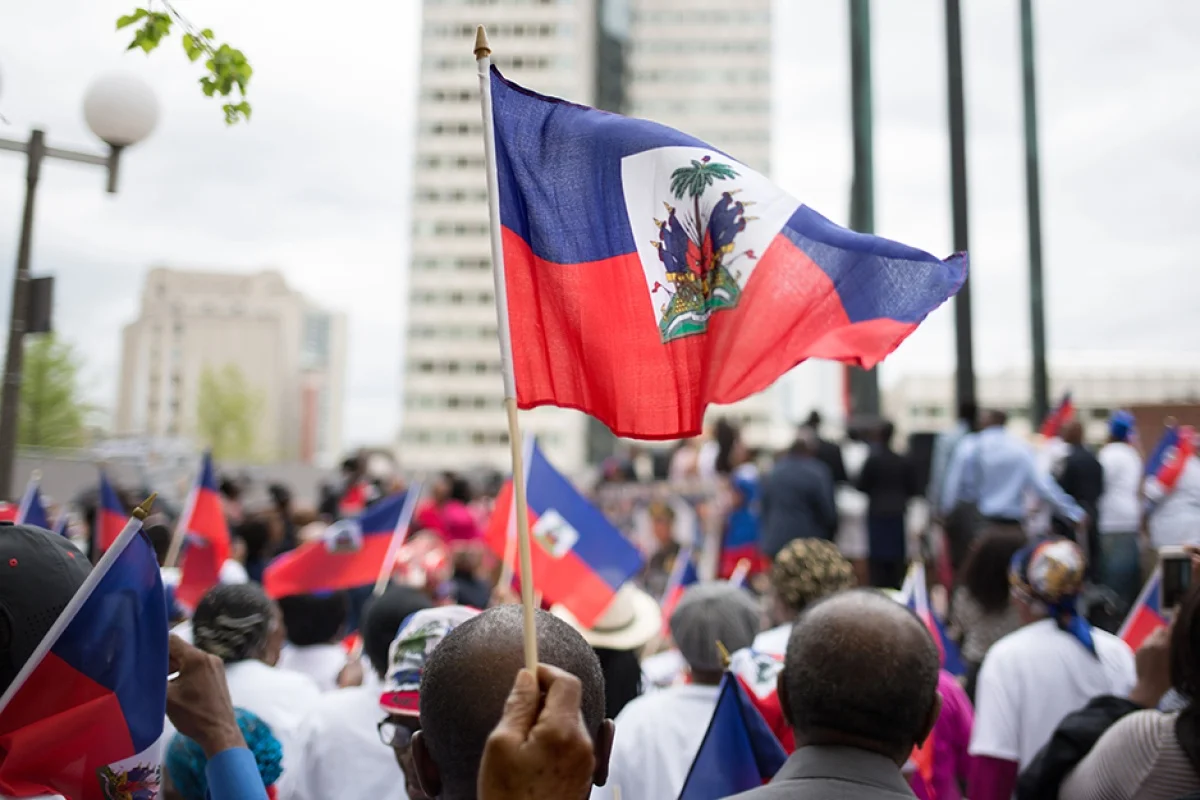
First black nation to free itself from slavery and gain independence from France in 1804 and influenced other liberation movements around the world, inspiring struggles for freedom and equality.

Natural beauty

Natural beauty

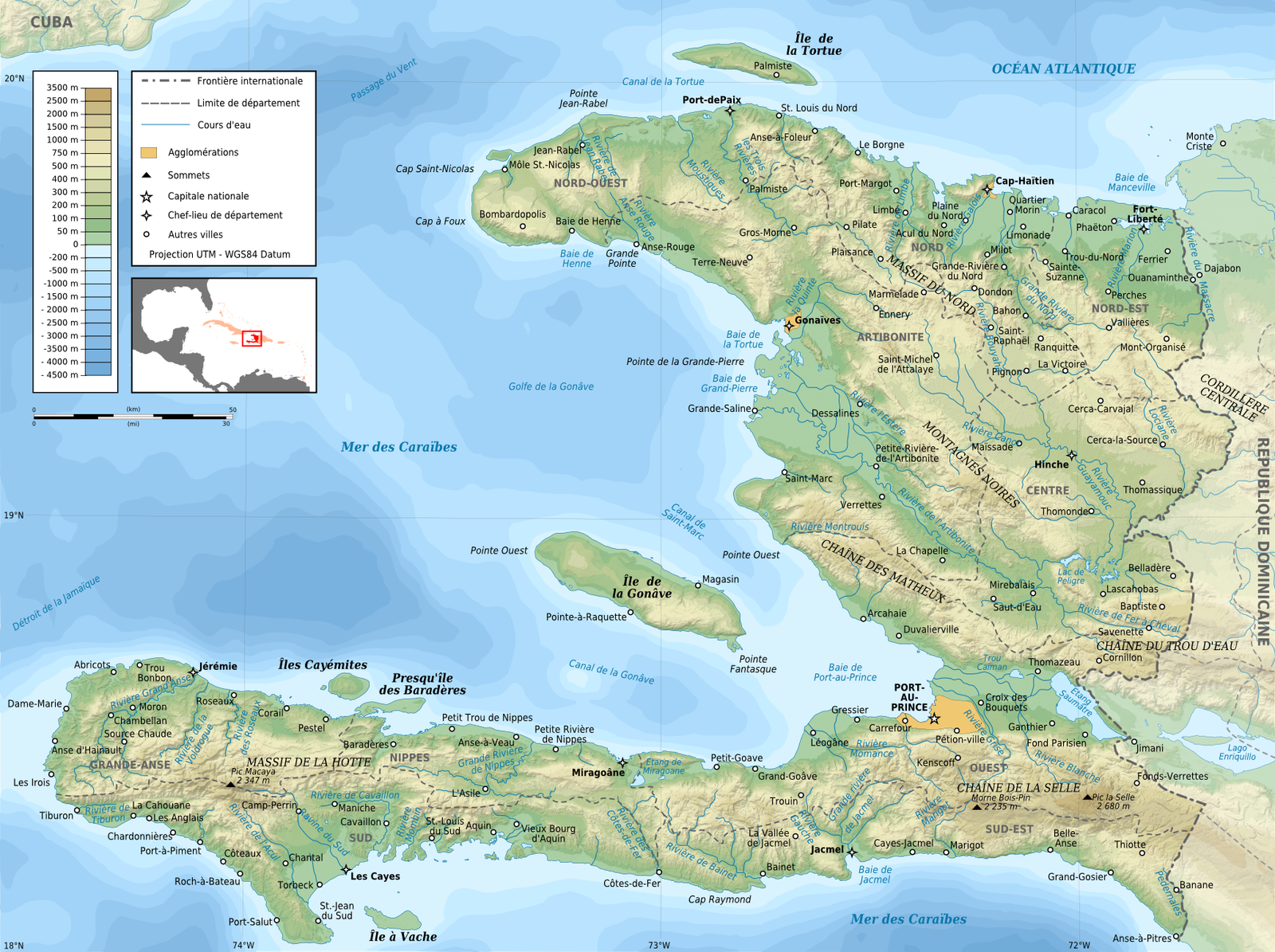
Haïti is blessed with spectacular natural landscapes, including white sand beaches, mountains and rich biodiversity.

Heritage

Heritage

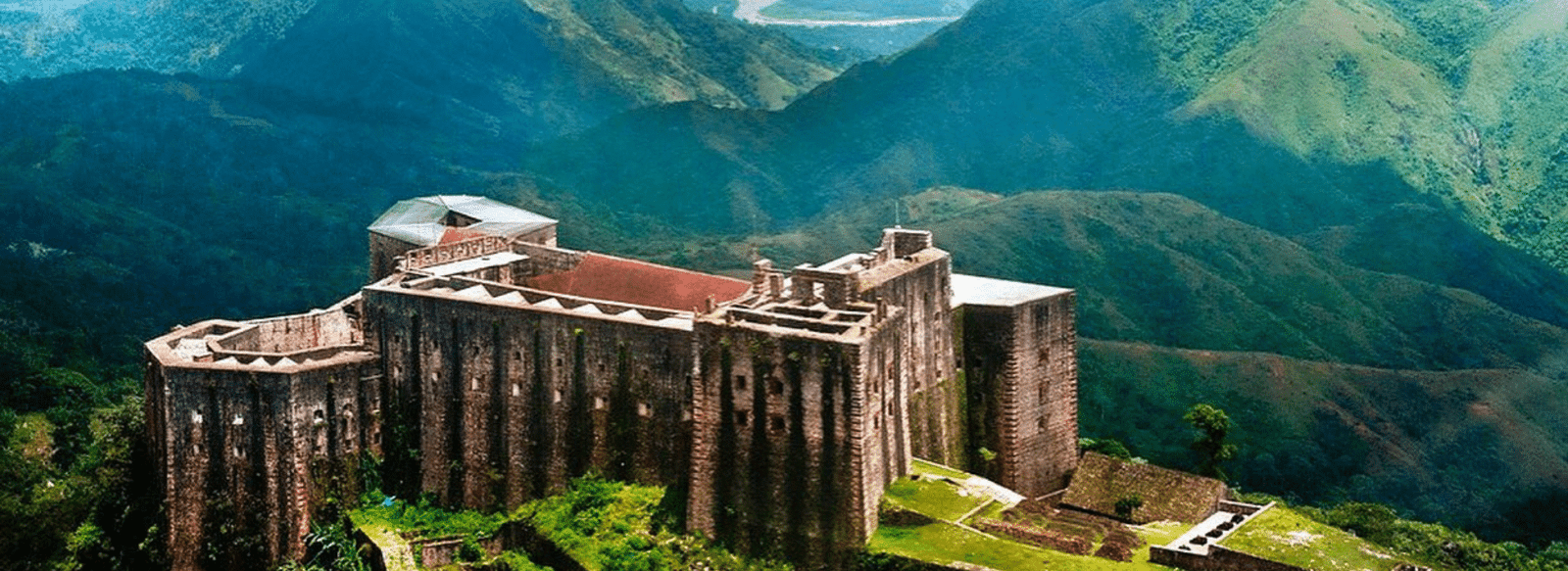
Haïti has a rich historical heritage, including sites like the Citadelle Laferrière and the Sans-Souci Palace, listed as UNESCO World Heritage Sites.

Culture

Culture

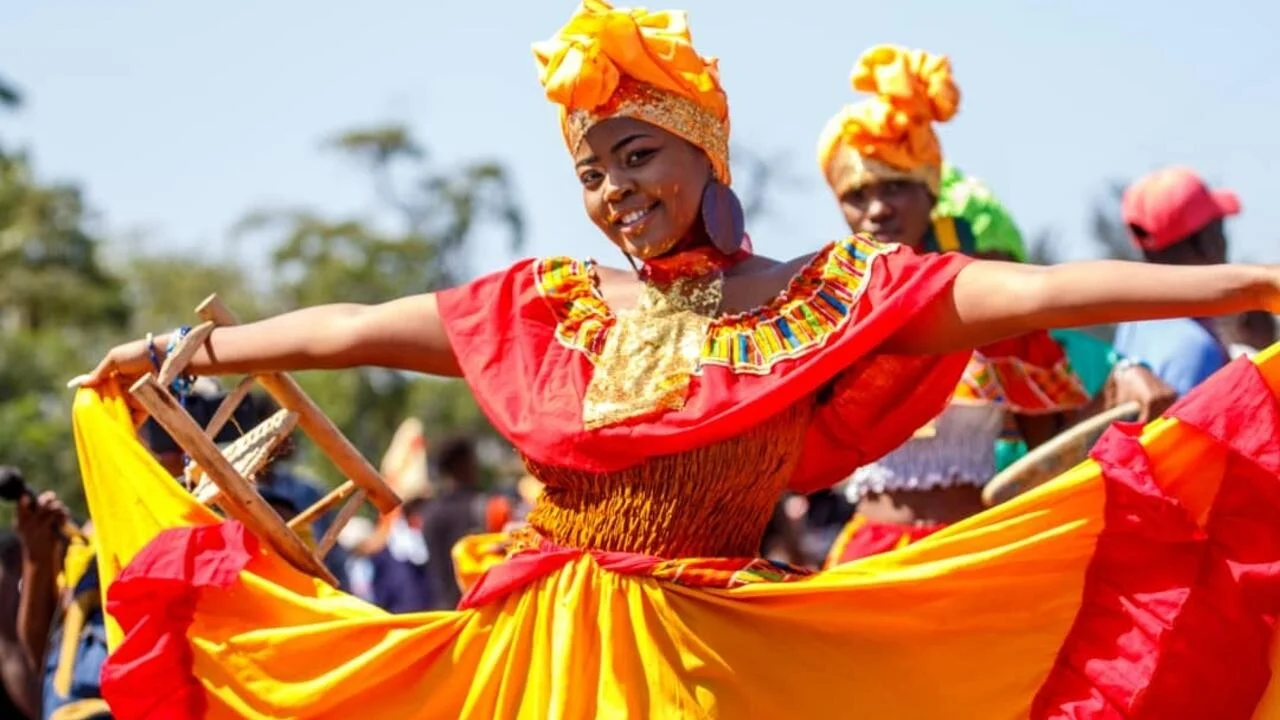
Haïti has a rich and diverse culture, influenced by African, European and indigenous elements. Haitian music, dance, art and cuisine are celebrated around the world.

  • +
    • Post