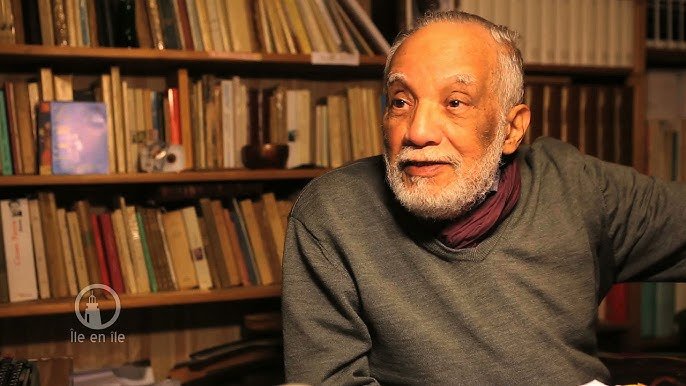
Frankétienne is the stage name of the man who officially bore the name Jean-Pierre Basilic Dantor. He was born in the Artibonite department of Haïti on April 12, 1936. His father, who did not recognize him at birth, was, according to his own account, an American industrialist who had come to do business in Haiti, and his mother was an Artibonite farmer. This makes Frank a similar case to the great Jamaican artist Bob Marley, who had a typical story, in addition to the fact that both men made their country known abroad and left their mark on their land from within through their art. Frank died on Thursday, February 20, 2025, in Delmas, his home town for decades. He was about to celebrate his 89th birthday.
Frankétienne spent very little time in Ravine Sèche (his hometown) after his birth. His mother fled Haitian provincial poverty to settle with the little boy in the famous Bel-Air neighborhood of Port-au-Prince, one of the most vibrant and vibrant of its time. This neighborhood would mark little Frank’s life, and he would be influenced by its creativity and dynamism to this day. Moreover, Frankétienne recounts growing up under the banners of freedom and in unparalleled joy in this neighborhood where Port-au-Prince was born. In Bel-Air, he tells himself, his mulatto skin made him a popular white boy in this very working-class neighborhood, densely populated by blacks.
Frankétienne recounts entering literature through the front door of reading. And this great love of reading came to him in the monumental aftermath of a vast failure. Little Frank, having just arrived from Ravine Sèche, was asked his name by a Catholic nun, and he didn’t know what to answer. He stood in front of a room, taking refuge in a shameful silence to defend himself against this ignorance. This episode would push little Frank toward books, to the point of loving them to the end.
Today, Frankétienne is honored by UNESCO, which has just created a literary prize in his honor for his literary creativity. He is one of the most prolific authors of his time, with more than 30 written works, a considerably diverse body of work consisting of plays, poetry, novels, and essays. Among his most famous works, works that have left their mark on the Haitian imagination, we can cite Dézafi, Pèlentèt, Foukifoura, L’ultravocal, and Les affres d’un défi.
Frankétienne’s life was marked by his immense creative spirit. He was one of the greatest creators of worlds, an unparalleled inventor, pursuing the greatest in history in this field. He is one of the founders of a literary movement called Spiraliste, alongside Jean-Claude Charles and René Philoctète. But far beyond literature, for the man who was Minister of Culture under the presidency of Nesly François Manigat, creation and life are two inseparable sides of the same coin. This is why, alongside this richly literary life, in which he is simultaneously a poet, novelist, playwright, and essayist, he is also a painter, singer, and drummer. With so much, it seems impossible not to leave a mark on his country and his era.
Frank remained a great defender of Haitian culture until the end of his life, elevated to the rank of permanent ambassador of this culture by the Haitian Ministry of Culture and Communication. But Frank wasn’t limited to culture. A graduate of the École Normale Supérieure of the State University of Haiti, he used this pretext to invest in education, notably by creating a school in his eternal neighborhood of Bel-Air. Frank demonstrated how much he loved his country with this feat. Because when you love your country, you don’t steal it, but rather you build schools within it for the education of its children. Moreover, those who love their country defend it and enhance its name. Frank had the courage to use his art to free his country from the ferocious and very costly dictatorship of the Duvalier regime. And the other great proof of his love for his country is the fact that he remained inhabited there until the end, even though he had more than enough means to continue his life in any major country in the world. A straightforward way of saying that when you love your country, you’re even willing to let yourself die in it. We can only salute this man’s courage. Port-au-Prince is the most dangerous city in 2024, according to some foreign experts; you flee a city like that if you have the means. Staying there to die, when you bear the name Frankétienne, is a proof of immeasurable love.
Frankétienne aptly captures the marvelous side of the Haitian sun. He was a man who knew he was equal to the rest of the world and who set out to chase the stars. Frank said he was waiting for his Nobel Prize in Literature, because he rightly felt he was worthy of it, and waited patiently for this title from his residence in Delmas 31, telling himself he was a man who had built enough and left his mark on his time for that. If Bob Dylan, the wonderful American singer of his time, etc., received this Nobel Prize, why not Frank? For both were born men and very early on took possession of their right to become creators. Both took art seriously from the beginning of their youth. If Frank is the product of a small country, he told himself, at least his creation is the equal of that of any man. And nothing less.
This wonderful man strove, despite any false, demeaning tendency of his current country, to be a Man in the immediate lineage of his ancestors. To be a worthy successor in the great pride of Dessalin, Louvertur, and Christophe. And to extend into the great past figures like Louis-Joseph Janvier, Jean Price-Mars, Anténor Firmin, or Demesvar Delorme. Frank is a great symbol of rebellion against the baseness and mediocrity of our current Haiti, Frank has always been. A symbol of a wonderful scandal, stitched together from the wounds of this country brought low from the head. If only in this sense, this man, we must rely on the example of his life when we seek to honor him. His life and the great legacy he left behind should be held up as a model for all children around the world.
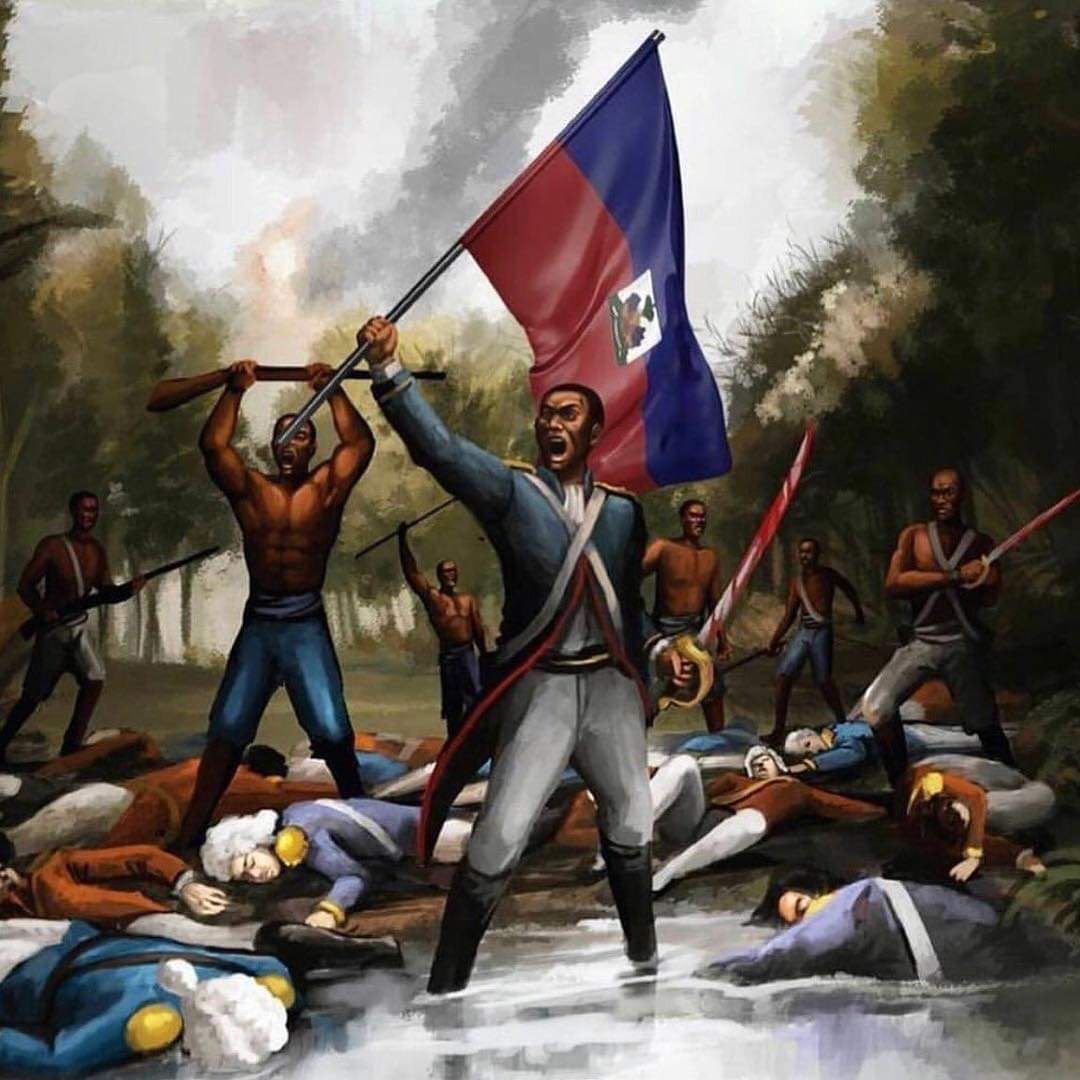
First black nation to free itself from slavery and gain independence from France in 1804 and influenced other liberation movements around the world, inspiring struggles for freedom and equality.
Natural beauty
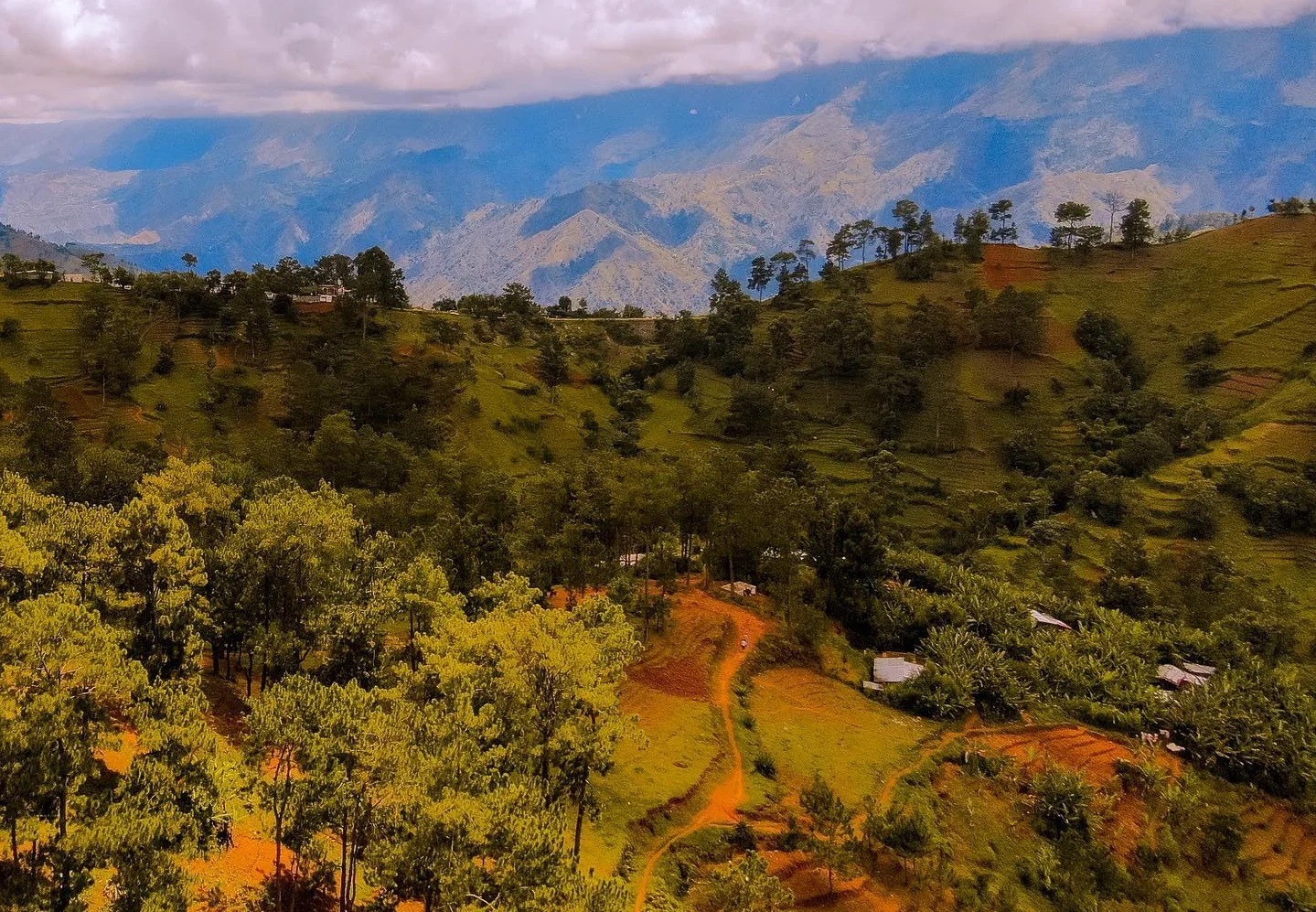
Haïti is blessed with spectacular natural landscapes, including white sand beaches, mountains and rich biodiversity.
Heritage
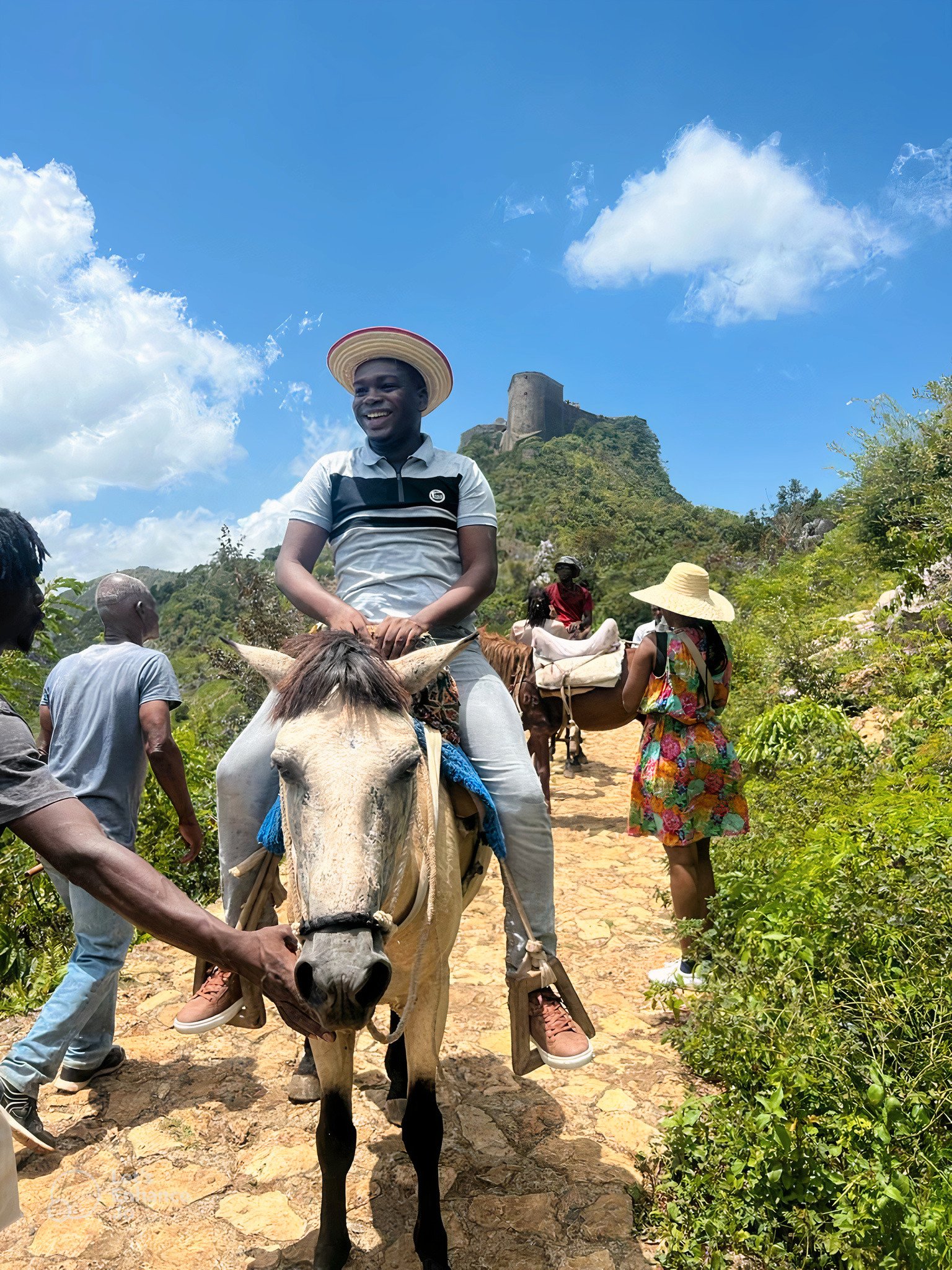
Haïti has a rich historical heritage, including sites like the Citadelle Laferrière and the Sans-Souci Palace, listed as UNESCO World Heritage Sites.
Culture
Haïti has a rich and diverse culture, influenced by African, European and indigenous elements. Haitian music, dance, art and cuisine are celebrated around the world.