contact@haitiwonderland.com+509 36184317

Discover

Shopping Cart

Did you know? Haïti is the first independent black republic

Did you know? Haïti is the first independent black republic

Haïti holds a unique and iconic place in world history as the first independent black republic. This historical fact, inscribed in the annals of the world, is a source of pride for the Haitian people and an inspiration for freedom and equality movements throughout the centuries. Let’s discover together the events that led to this historical feat and its impact on the international scene.

Haïti
Haïti
Haïti

A fight for freedom

The history of Haitian independence begins in the 18th century, when the island, then known as Saint-Domingue, was a French colony prospering thanks to the exploitation of sugar and coffee plantations. This economic model was based on the forced labor of hundreds of thousands of African slaves, subjected to inhumane conditions.

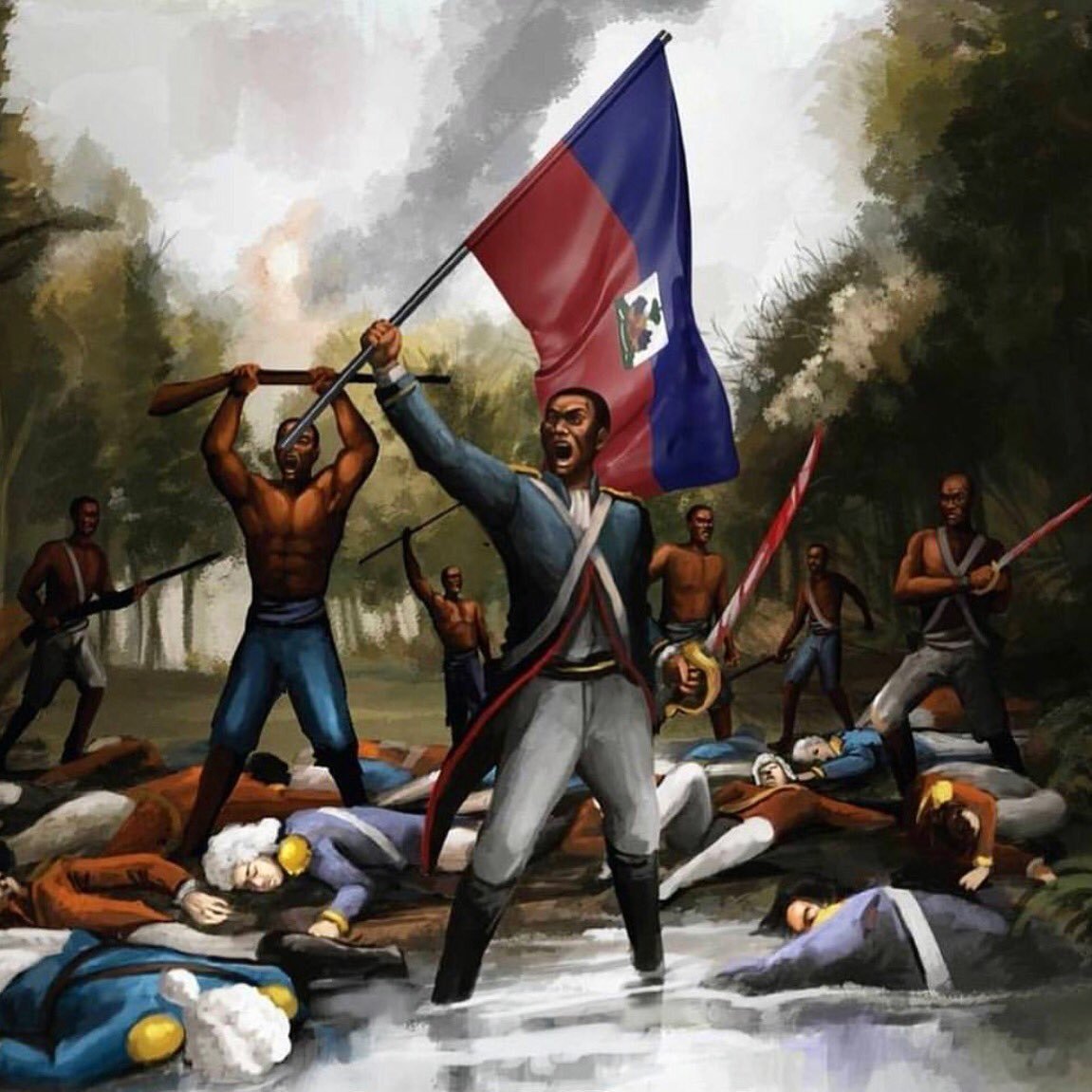
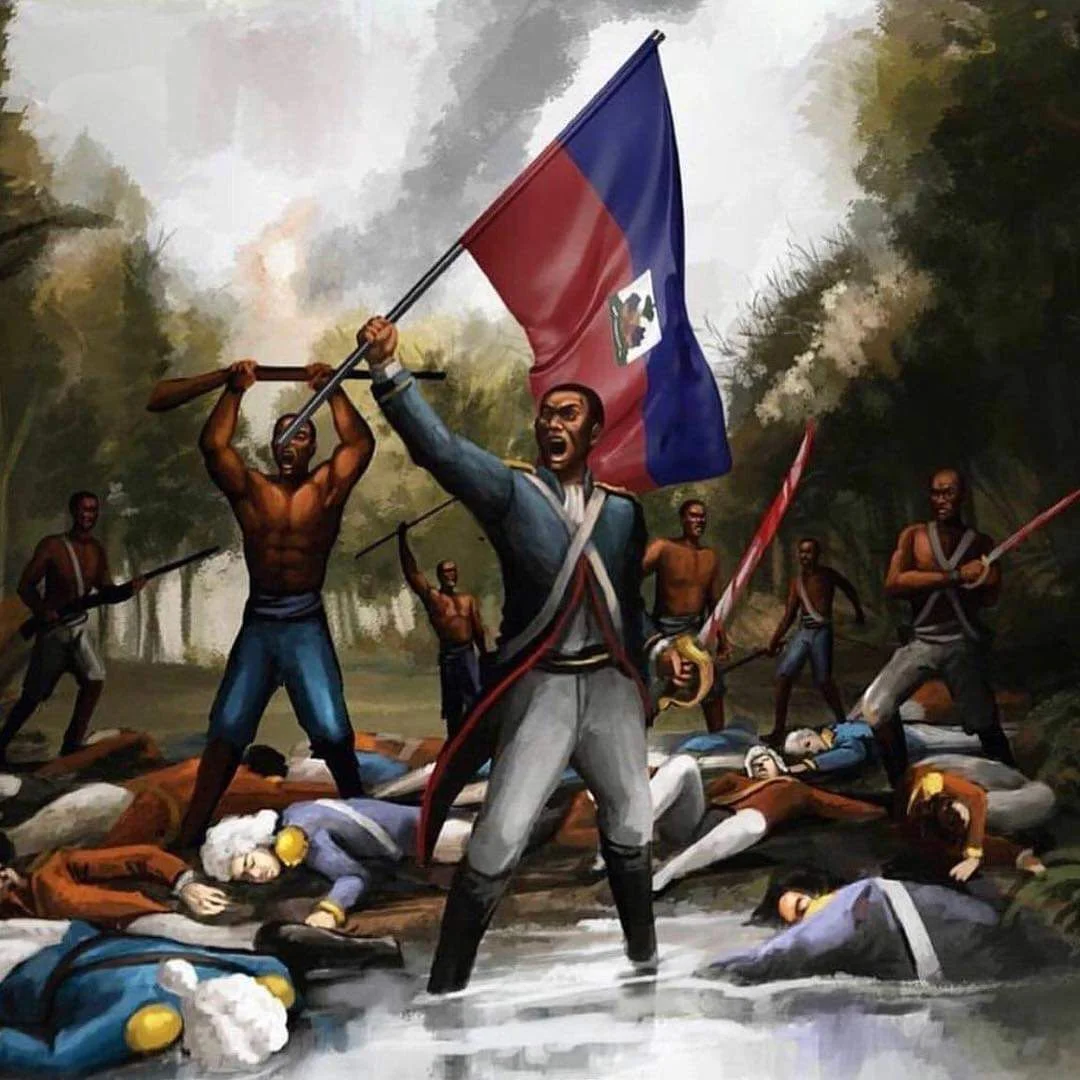
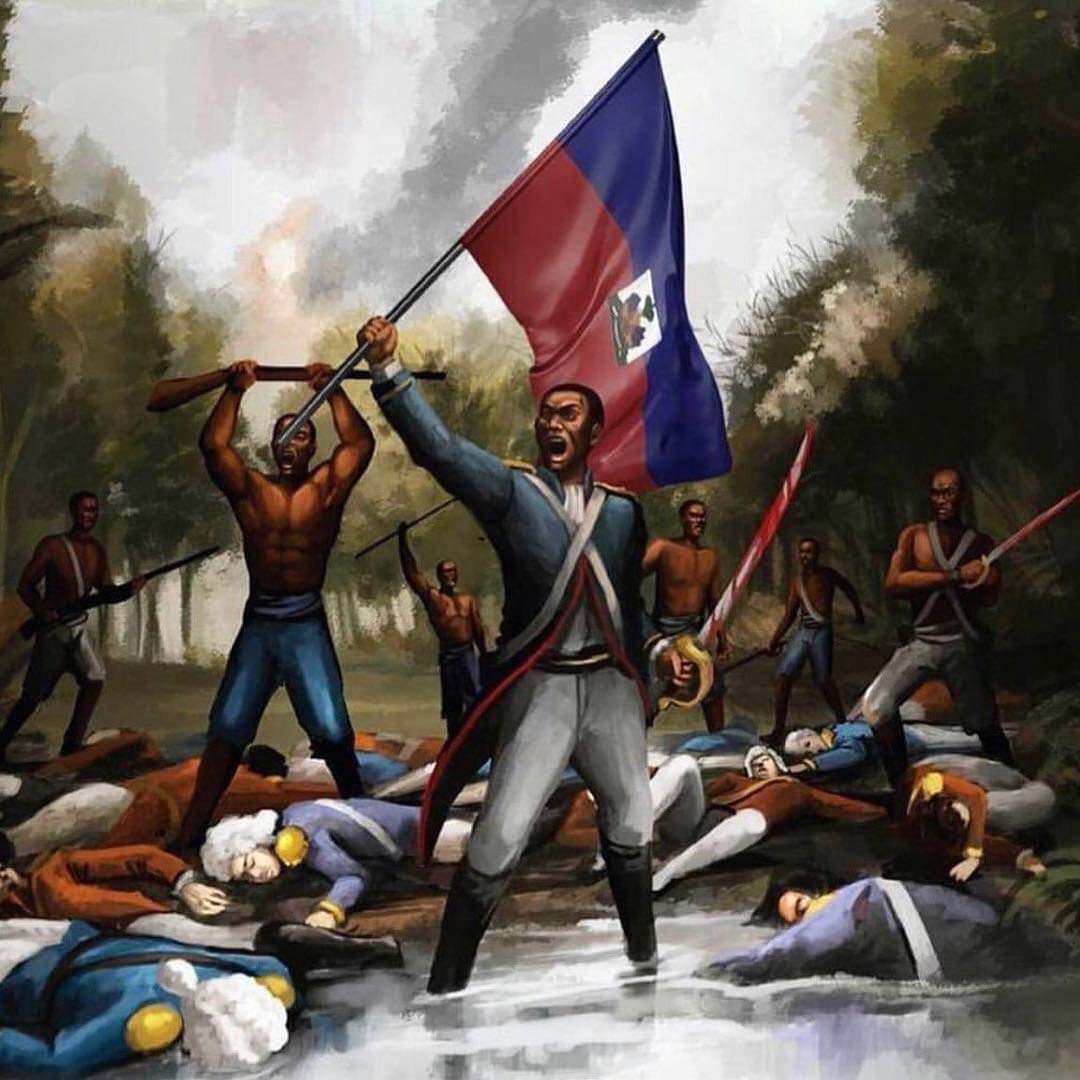
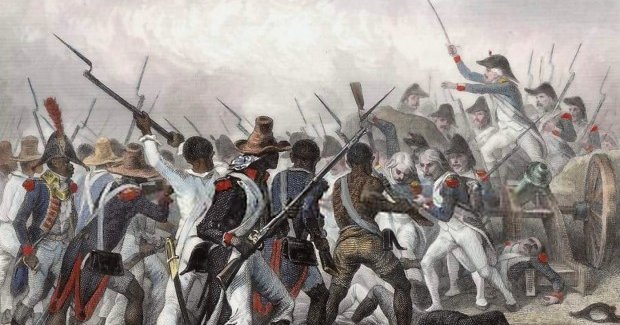
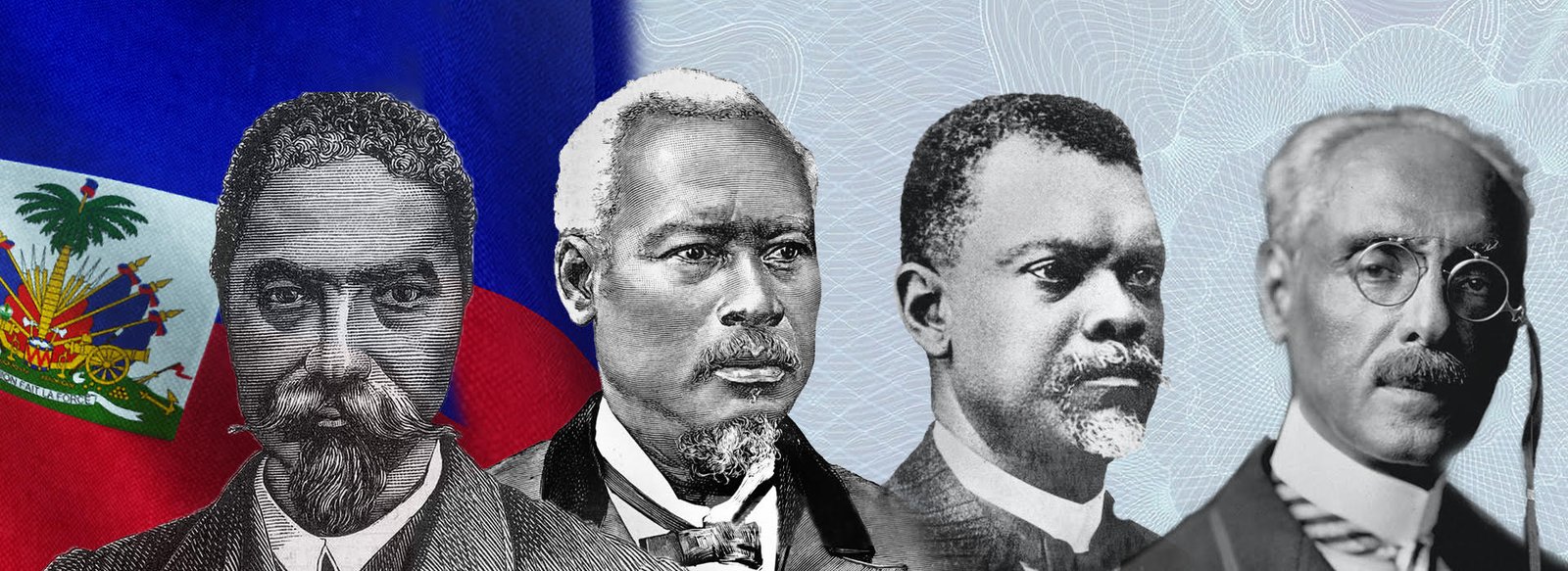
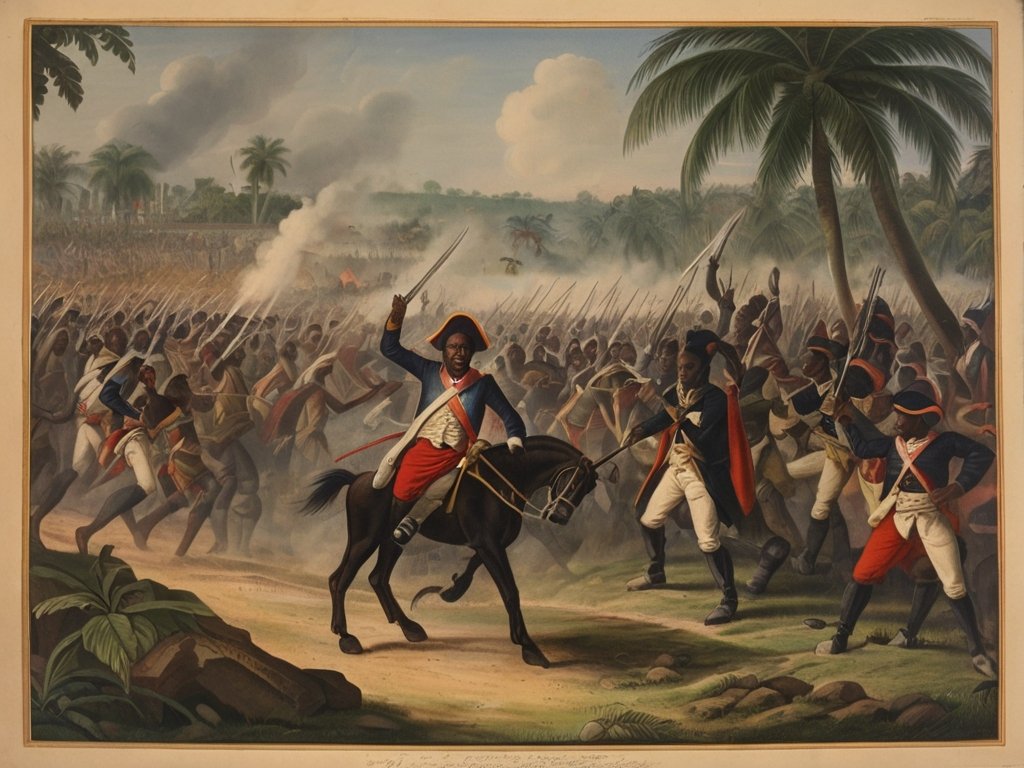
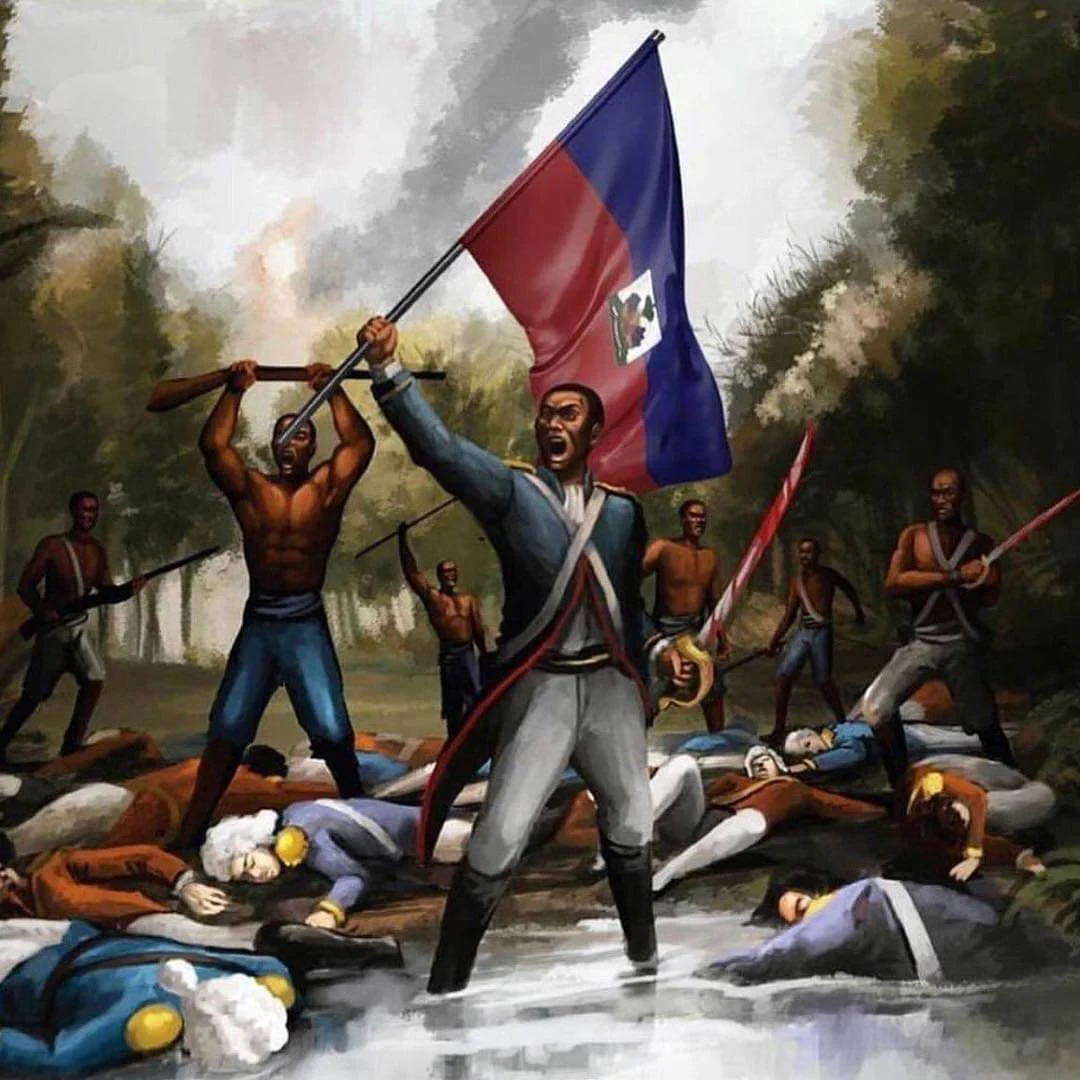
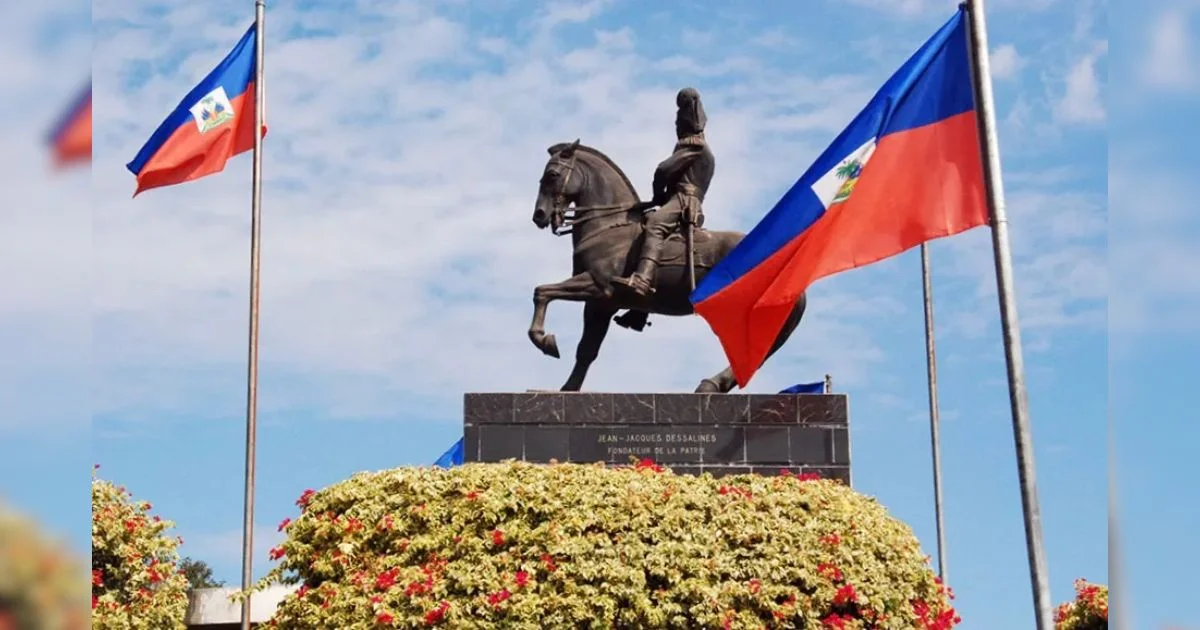
In the face of this oppression, slaves rose up in 1791 to launch the Haitian Revolution, a movement that would last for more than a decade. Led by iconic figures such as Toussaint Louverture, Jean-Jacques Dessalines, and Henri Christophe, slaves and freedmen waged a fierce struggle against the French army.

On January 1, 1804, after a decisive victory over Napoleon Bonaparte at the famous Battle of Vertières, Haïti declared its independence. This declaration marked not only the end of French colonial rule but also the definitive abolition of slavery in Haitian territory.

A Historical Precedent

Haïti became the first nation in the world to establish a republic led by former slaves. This feat inspired other peoples fighting for their freedom, particularly in Latin America and the United States. Haiti’s victory also demonstrated the power of collective resistance in the face of injustice.

Yet the young Republic’s path was not without its challenges. Because of its revolutionary act, Haïti was isolated diplomatically and economically by many nations, including European colonial powers and the United States, who feared that this example of revolt would inspire similar uprisings in their own colonies.

Haïti
Haïti
Haïti

A Global Impact

Haitian independence left a lasting legacy. Here are some key facts and figures that highlight its significance:
- 500,000 slaves freed: The Haitian Revolution ended slavery across the island, making Haïti a universal symbol of freedom.
- 1825: In order to gain official recognition from France, Haïti was forced to pay an exorbitant “debt of independence,” equivalent to $21 billion in today’s dollars. This economic burden impacted the country’s development for centuries.
- A role in other independences: Haïti supported liberation movements around the world, including that of Simon Bolivar, leader of independence in South America, by providing weapons, soldiers and a refuge for his troops.

Haïti
Haïti
Haïti

A source of pride for Haitians

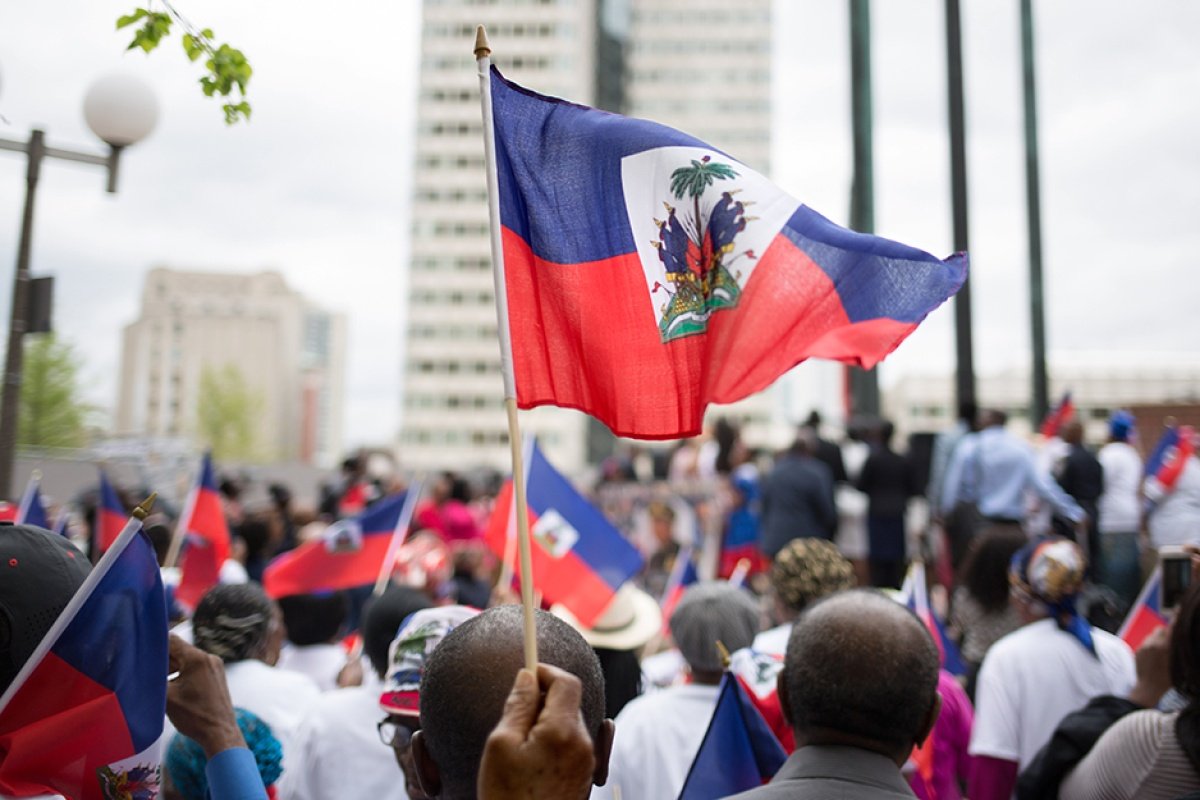
Today, Haiti’s independence is celebrated every year on January 1st, a date that also coincides with the national holiday. This day is marked by festivities, patriotic speeches, and the tasting of the famous soup joumou, a symbol of freedom and equality.

Despite the economic and political challenges the country has faced since its independence, Haïti remains a nation proud of its history and its role in the global struggle for human rights.

Haïti
Haïti
Haïti

A universal message

Haiti’s story is much more than a chapter in world history. It is a poignant reminder of the human capacity to overcome oppression and claim dignity. Haiti, as the first independent black republic, embodies the spirit of freedom, resilience, and courage.

If you would like to learn more about the impact of Haitian independence or share your thoughts, please leave a comment. Let’s celebrate this unique and powerful legacy together!

Vertières, Fort Mazi: Beyond historical truth;

Vertières, Fort Mazi: Beyond historical truth;

If you look up the word vertière in a French dictionary, you will not find it for fear that the world does not know this place represents the Achilles heels of the most powerful European army. What’s more, this one had just successfully won the eastern campaign. French historians of the time erased this geographical location from the radar of history because they did not want to tell the story as it is in the sense of explaining the first great humiliation of the expeditionary army French by bands of slaves who were totally ignorant in the art of waging war, much less in the handling of weapons. However, these illiterate wars routed the Napoleonic army, the most powerful at that time, using the means at hand. This expeditionary army, after having brought Europe to its knees, would experience its first rout by slaves in this geographical location, located in the Northern department of Haiti. Funny story, this city is not on the list of French words even though given its historical importance, it should be at the heart of universal history, far from putting an end to the invincibility of the undefeated army army. So as not to offend the white masters, no political leader has ever asked why vertière does not appear in any French dictionary? However, they celebrate this battle with great fanfare every November 18. What historic hypocrisy among our leaders! After Vertière many other historical places are strangled by historians in order to hide the extremes of atrocities of the French colonists on the slaves. It is in this context of historical strangulation that “Fort Mazi” is not mentioned in school history textbooks. This is located in Petit-Goave, 2nd municipal section, Arnoux locality. We came across this mega fort, during a mobile clinic entirely financed by the Ernest Junior foundation, a charitable foundation which works in the social sector, particularly in the field of art and music. According to residents , the oldest in this locality, this fort was built on at least 20 squares of earth by the settlers. It was a huge military complex divided into compartments, outposts, turtle rooms, rooms for treating colonists, a large Catholic church, and a cemetery. However, we never talk about this fort so much so that it is ignored by history teachers in the town of Petit-Goave. Certainly, the desired disappearance of this fort under the radar of history buries the atrocities, the barbarities, the most inhumane punishments of the colonists on the slaves. Looking closely at reality, everything seems true that it is the largest fort ever built during the period of colonization. Moreover, it probably seems the most fortified in relation to its importance. Remember that Vertière only exists in Haitian school history textbooks while Fort Mazi does not appear, much less in French dictionaries or history books. This explains why this fort was a secret place in which the settlers practiced crimes and atrocities that went beyond human understanding. Is it not a clear desire of historians to hide what this immense fort built on at least 20 tiles of earth really was? Discover the history of Haiti: A fascinating story to explore! : https://haitiwonderland.com/haiti/histoire/decouvrez-l-histoire-d-haiti--un-recit-fascinant-a-explorer/81

Share
About the Author
Appolon Guy Alain
Appolon Guy Alain
Appolon Guy Alain

Full Stack Developer, Créatif, expérimenté, passionné des nouvelles technologies et de l’art.

See other articles from Appolon Guy Alain
Leave a comment

Recently Posted

Newsletter

Subscribe to our newsletter to stay informed of all our activities and news on Haiti.

Timoun se Moun: A poetry competition to promote children’s rights in Haiti

A wounded country. Bent under the weight of a multidimensional crisis. Widespread violence. Hope slammed shut. A sacrificed generation. Children are increasingly threatened. They are increasingly confronted with all forms of vulnerability that hinder their overall development. ACTIF is launching the second edition of the "Timoun se Moun" poetry competition. A citizen initiative in which the organization uses writing as a springboard to build what life deprives Haitian children of. Pain can be turned into gold. For ACTIF (Community Action for Transformation and Formal Integration), poetry is a philosopher’s stone. Not only for this organization, but also for all those who believe that writing can help rekindle the stars. Faced with this urgent need for action, this is "an initiative to raise awareness, denounce, and affirm loud and clear that every child matters, every child deserves protection, hope, and a future," reads the competition’s descriptive document. So what do you intend to do with your human light? Through this competition, participants have the opportunity to engage in an act of resistance, like a cry of conscience to raise the voice of broken childhoods. Open from May 18 to June 18, "Timoun se Moun" is open to all Haitians living in the country and aged 18 and over. Texts must be submitted in Creole. Behind this initiative, ACTIF intends, on the one hand, to affirm our cultural and linguistic identity, and on the other, to enrich our Creole literature, promote it, and encourage creativity in our vernacular. The text must not exceed 500 words. The format chosen is PDF, Times New Roman font, size 12, and 1.5 line spacing. This competition aims to offer a touch of affection to these children who are the first victims of the country’s descent into hell. To evaluate the literary quality and essence of the submitted texts, a jury is composed of Ruthza Paul, Douglas Zamor, and Darly Renois. The former is a physician and winner of the first edition of this competition. The other two work in the fields of sociology, psychology, and literature. In addition to the "Jury Prize: 15,000 HTG + books + certificate" and "Audience Prize: 5,000 HTG + certificate + books" prizes, the best texts will be included in an anthology to be published by Éditions Répérages. It should be noted that there will be one winner for each prize. This initiative reflects ACTIF’s commitment to honoring authors who embrace the cause of underprivileged children while enriching Haiti’s literary heritage. This competition extends a helping hand to all those who believe that through poetry, one can transform one’s life into a masterpiece. At the same time, it offers the opportunity to contribute to ACTIF’s child protection program. Each participant may submit a single text. It must be sent by email to the following address: actifkonkoupwezi@gmail.com. The partial results will be published on June 30, 2025, and the final results on July 18, 2025. For more information, visit ACTIF at the following address: 18 Rue Desdunes, Imp. Thoby, Mahotière 79, Carrefour, Haiti, or contact the organization at the following number: (+509) 38 44 57 57. More than just a contest, ACTIF invites you to say No. No to forgetting. No to passivity. No to violence against children and the violation of their rights.

Recently Posted

History

History

First black nation to free itself from slavery and gain independence from France in 1804 and influenced other liberation movements around the world, inspiring struggles for freedom and equality.

Natural beauty

Natural beauty

Haïti is blessed with spectacular natural landscapes, including white sand beaches, mountains and rich biodiversity.

Heritage

Heritage

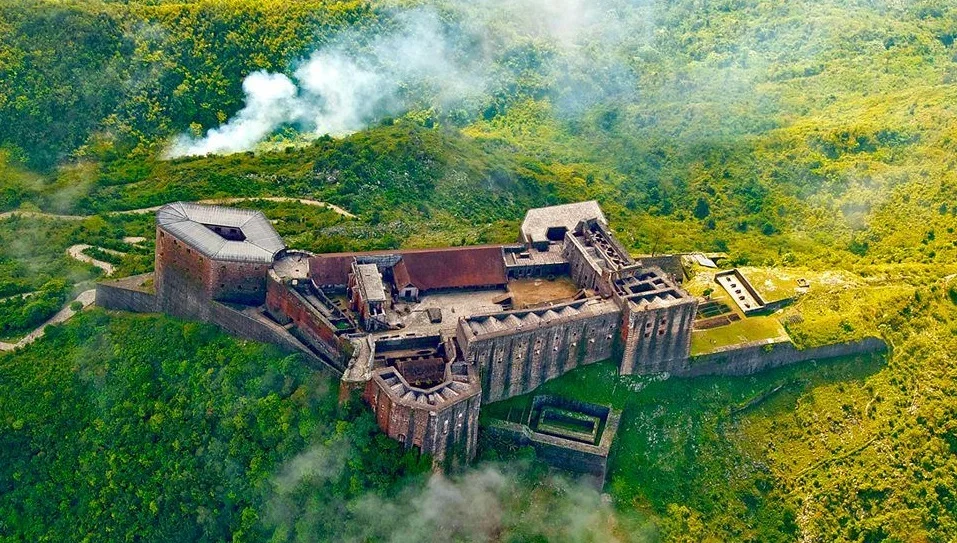
Haïti has a rich historical heritage, including sites like the Citadelle Laferrière and the Sans-Souci Palace, listed as UNESCO World Heritage Sites.

Culture

Culture

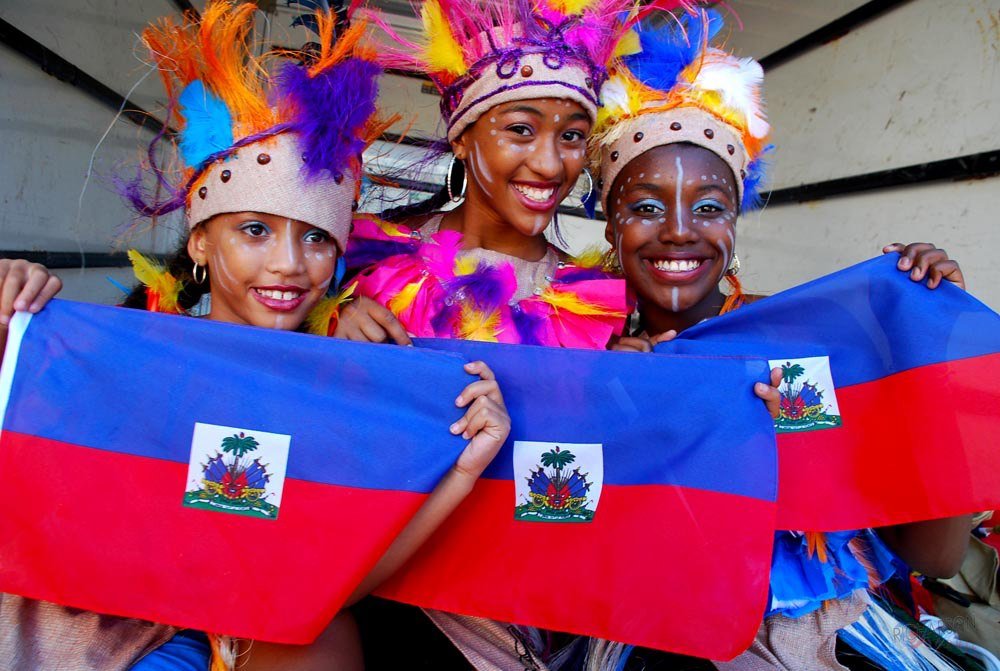
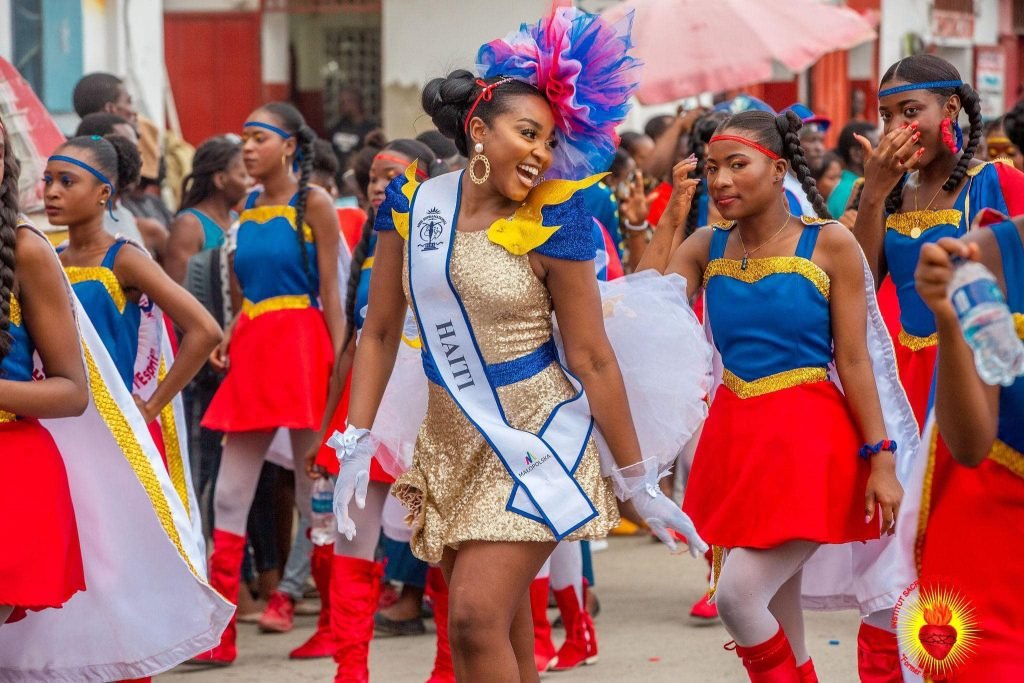
Haïti has a rich and diverse culture, influenced by African, European and indigenous elements. Haitian music, dance, art and cuisine are celebrated around the world.

  • +
    • Post