contact@haitiwonderland.com+509 36184317

Discover

Shopping Cart

Did you know? Haïti is the first independent black republic

Did you know? Haïti is the first independent black republic

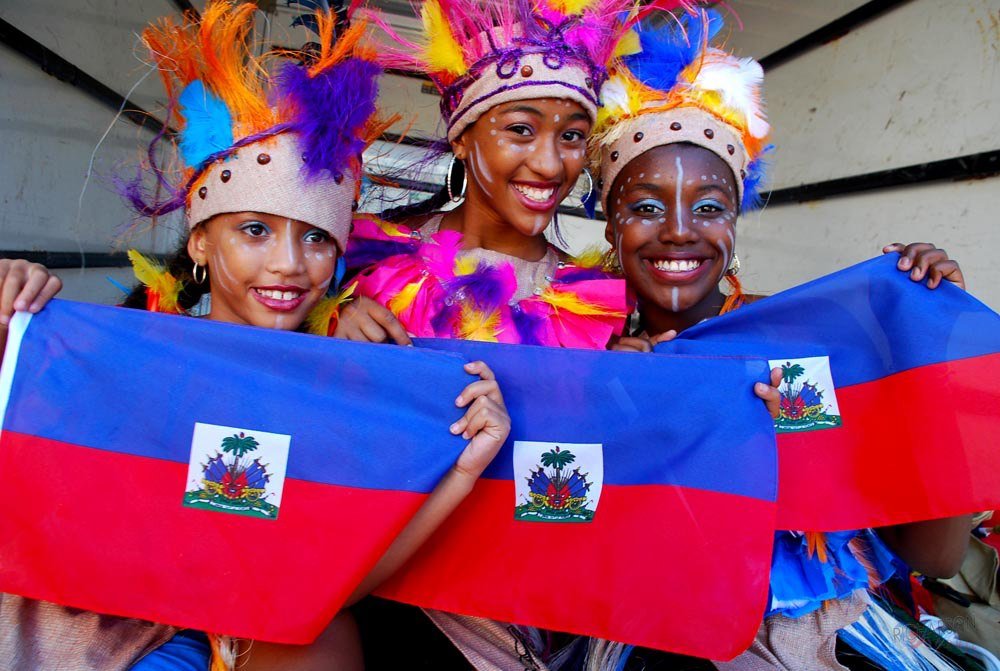
Haïti holds a unique and iconic place in world history as the first independent black republic. This historical fact, inscribed in the annals of the world, is a source of pride for the Haitian people and an inspiration for freedom and equality movements throughout the centuries. Let’s discover together the events that led to this historical feat and its impact on the international scene.

Haïti
Haïti
Haïti

A fight for freedom

The history of Haitian independence begins in the 18th century, when the island, then known as Saint-Domingue, was a French colony prospering thanks to the exploitation of sugar and coffee plantations. This economic model was based on the forced labor of hundreds of thousands of African slaves, subjected to inhumane conditions.


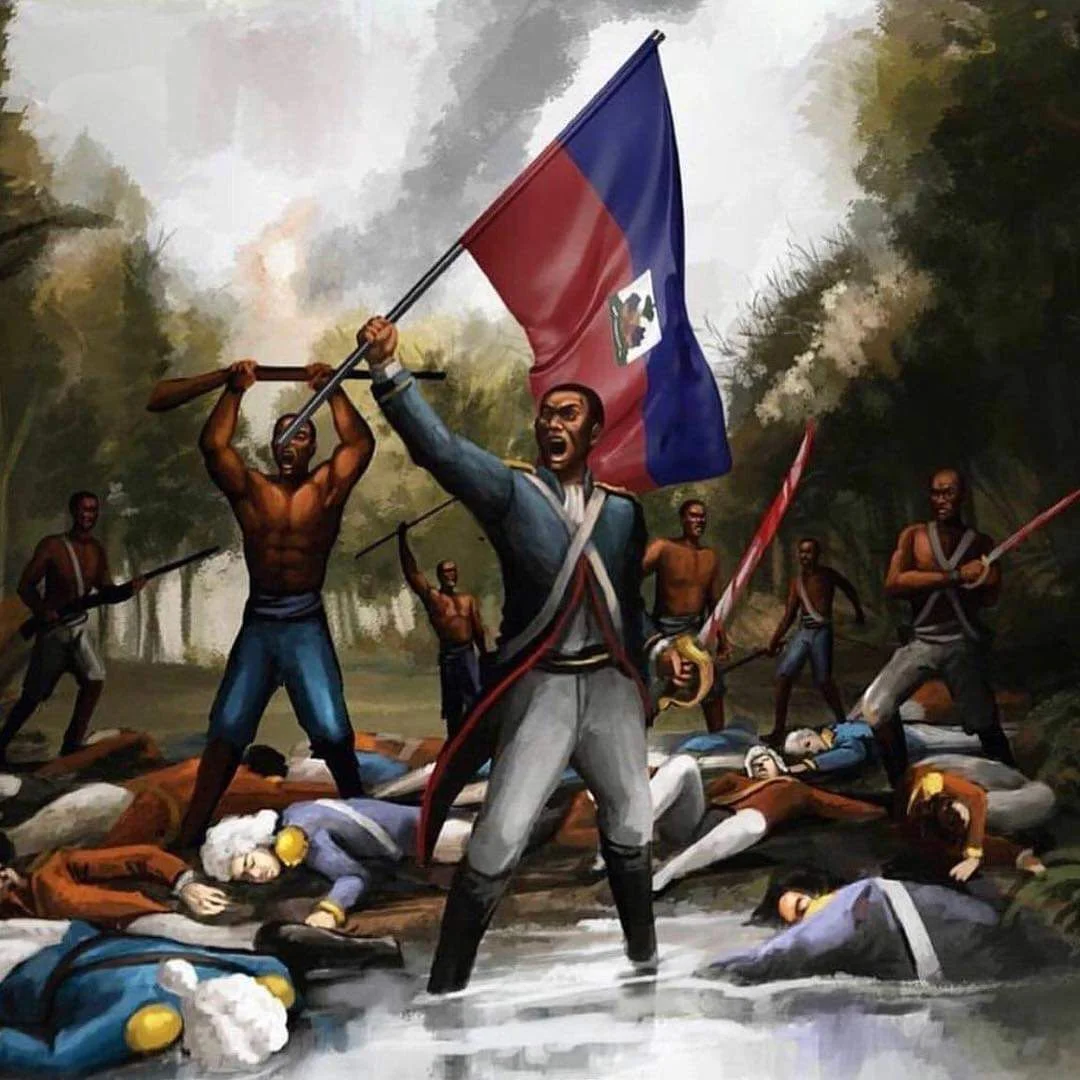
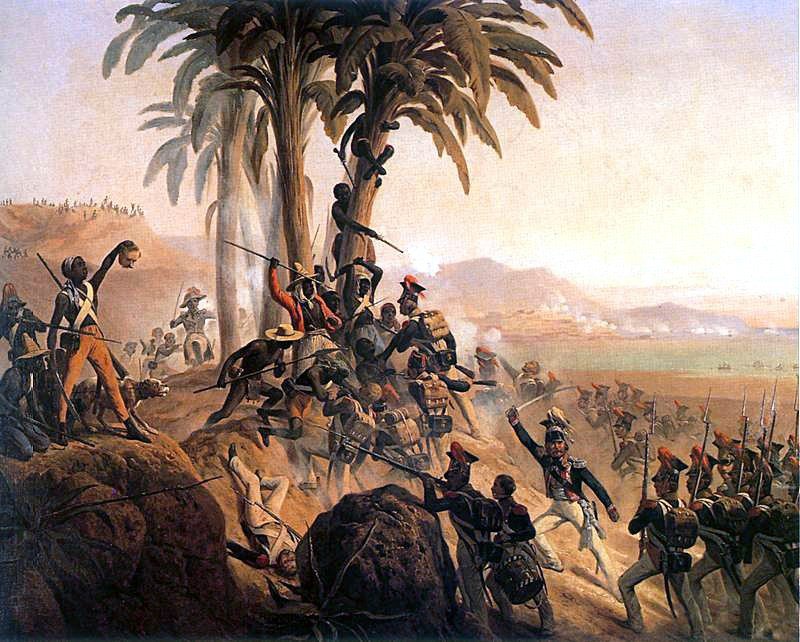
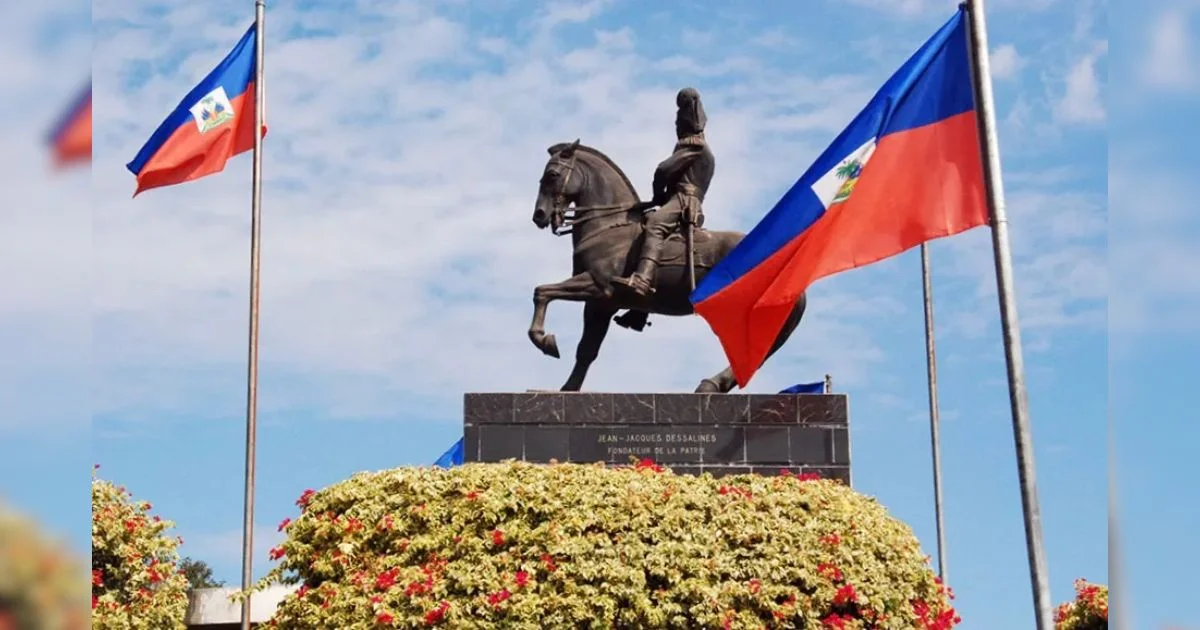
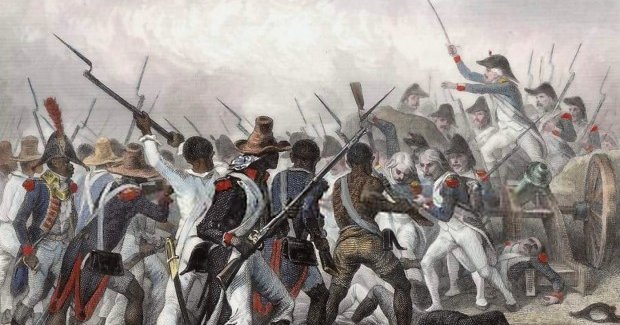
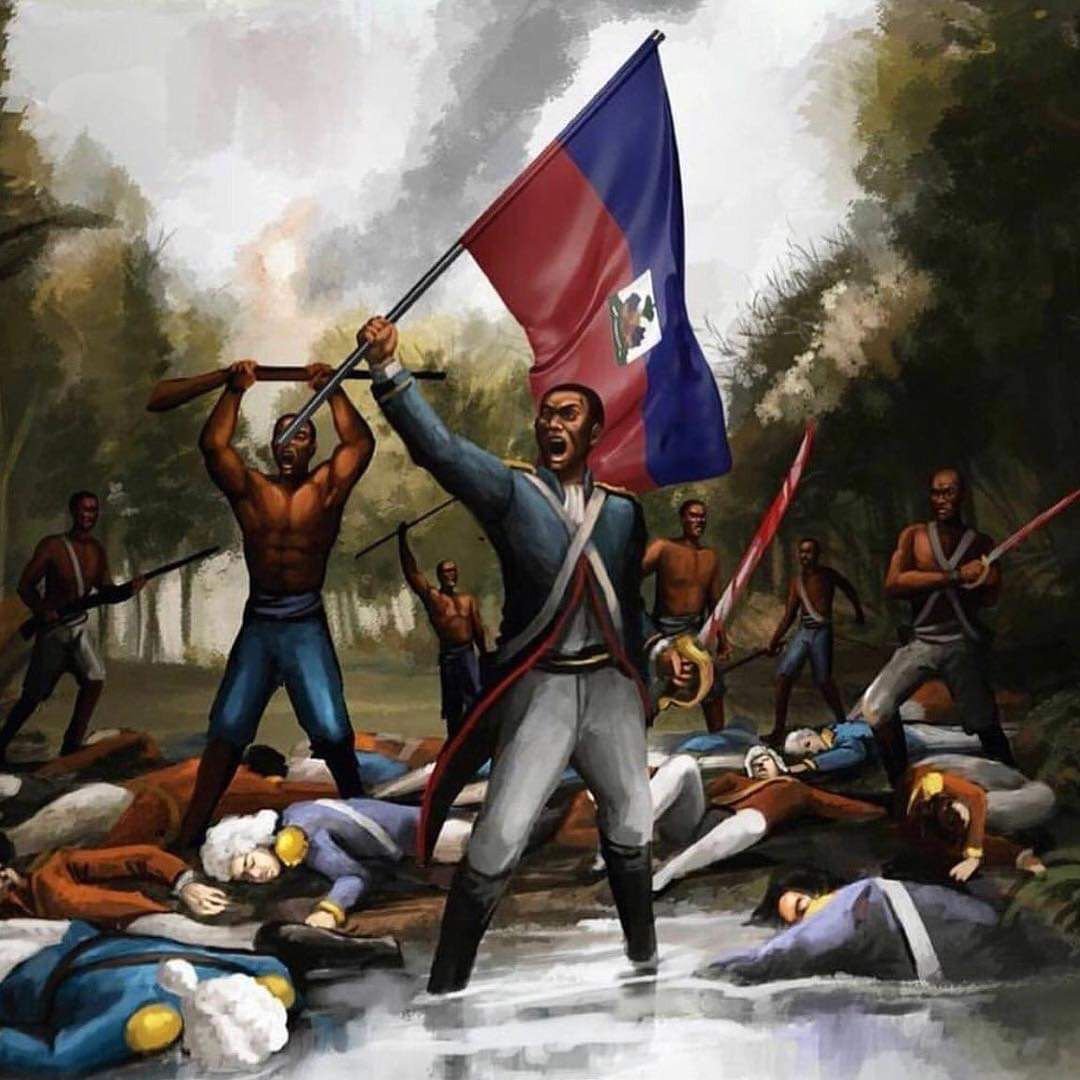
In the face of this oppression, slaves rose up in 1791 to launch the Haitian Revolution, a movement that would last for more than a decade. Led by iconic figures such as Toussaint Louverture, Jean-Jacques Dessalines, and Henri Christophe, slaves and freedmen waged a fierce struggle against the French army.

On January 1, 1804, after a decisive victory over Napoleon Bonaparte at the famous Battle of Vertières, Haïti declared its independence. This declaration marked not only the end of French colonial rule but also the definitive abolition of slavery in Haitian territory.

A Historical Precedent

Haïti became the first nation in the world to establish a republic led by former slaves. This feat inspired other peoples fighting for their freedom, particularly in Latin America and the United States. Haiti’s victory also demonstrated the power of collective resistance in the face of injustice.

Yet the young Republic’s path was not without its challenges. Because of its revolutionary act, Haïti was isolated diplomatically and economically by many nations, including European colonial powers and the United States, who feared that this example of revolt would inspire similar uprisings in their own colonies.

Haïti
Haïti
Haïti

A Global Impact

Haitian independence left a lasting legacy. Here are some key facts and figures that highlight its significance:
- 500,000 slaves freed: The Haitian Revolution ended slavery across the island, making Haïti a universal symbol of freedom.
- 1825: In order to gain official recognition from France, Haïti was forced to pay an exorbitant “debt of independence,” equivalent to $21 billion in today’s dollars. This economic burden impacted the country’s development for centuries.
- A role in other independences: Haïti supported liberation movements around the world, including that of Simon Bolivar, leader of independence in South America, by providing weapons, soldiers and a refuge for his troops.

Haïti
Haïti
Haïti

A source of pride for Haitians

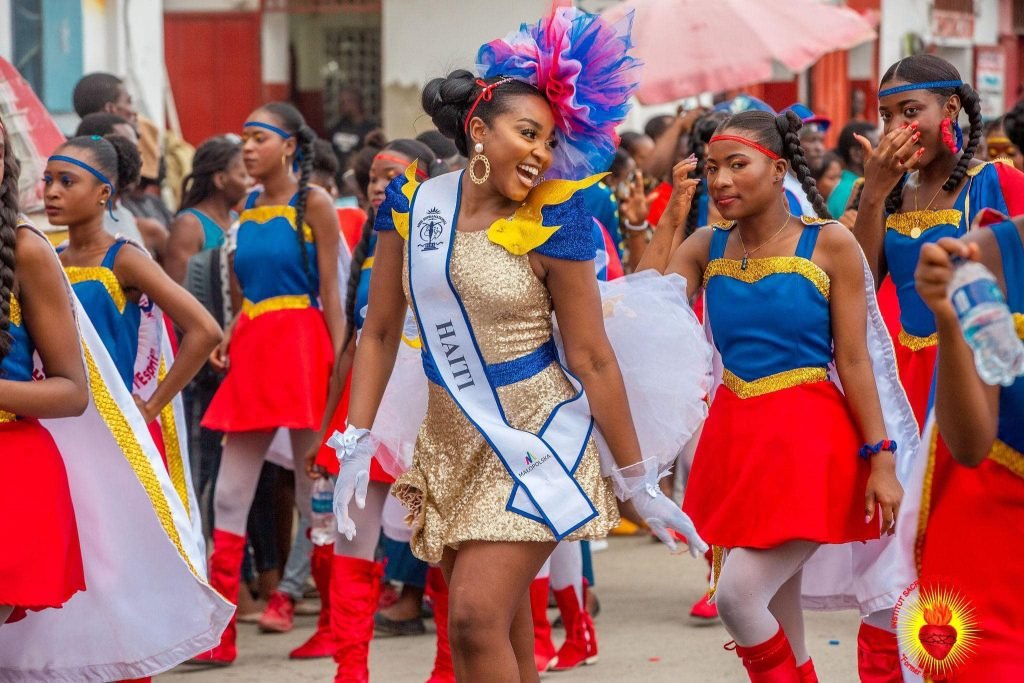
Today, Haiti’s independence is celebrated every year on January 1st, a date that also coincides with the national holiday. This day is marked by festivities, patriotic speeches, and the tasting of the famous soup joumou, a symbol of freedom and equality.

Despite the economic and political challenges the country has faced since its independence, Haïti remains a nation proud of its history and its role in the global struggle for human rights.

Haïti
Haïti
Haïti

A universal message

Haiti’s story is much more than a chapter in world history. It is a poignant reminder of the human capacity to overcome oppression and claim dignity. Haiti, as the first independent black republic, embodies the spirit of freedom, resilience, and courage.

If you would like to learn more about the impact of Haitian independence or share your thoughts, please leave a comment. Let’s celebrate this unique and powerful legacy together!

Share
About the Author
Appolon Guy Alain
Appolon Guy Alain
Appolon Guy Alain

Full Stack Developer, Créatif, expérimenté, passionné des nouvelles technologies et de l’art.

See other articles from Appolon Guy Alain
Leave a comment

Recently Posted

The Monferrier Dorval Chair of Constitutional Law, a gesture from the State University of Haiti, for the preservation of the memory of Professor Dorval

The Monferrier Dorval Chair of Constitutional Law is a high-intellectual-intensity initiative, taken by the State University of Haïti (UEH), through the leadership of its rectorate, in agreement with the leaders of the Faculty of Law and Economics (FDSE). The initiative’s primary goal is to honor and perpetuate the memory of the valiant and brilliant Professor Monferrier Dorval, assassinated in unclear circumstances, about three years ago. And in order to make a scientific contribution to the great debate that has been going on in Haitian society for about ten years about the need to change or not, the constitution of March 29, 1987, amended on May 11, 2011. Shouldn’t we try to apply it preferably? If it needs to be changed, should this change be radical, otherwise what should it have in terms of change within a new mother law for a better institutional organization of Haiti. The chair is scientifically chaired by Professor Henri Marge. Dorléans, (current head of AFPEC), and is vice-chaired by the dean of the faculty of law and economics, Me Eugène Pierre Louis. The Chair is materialized by a set of conferences and debates (15 in total), which take place in the premises of the Office of the Protection of the Citizen OPC, under the name of Wednesday of the Monferrier Dorval Chair. It is in this sense that for the fifth edition of the Wednesday of the chair (which took place this Wednesday, October 9, 2024 at the OPC, in the presence of the protector of the citizen, Me Renan Hédouville), attention was placed on education within the debate surrounding the possible development of a new constitution for Haiti. This 5th meeting took place under the theme of: "Education, Teaching, Research, Science and Technologies". The conference was hosted by three greats of the Haitian intellectual community, including two eminent professors of the UEH, namely, Professor Odonel Pierre Louis, academic director of the École normale supérieure (ENS); the vice rector of the UEH, Professor Jacques Blaise. Their interventions were followed by that of the director of the national institute of vocational training (INFP) Mr. Dikel Delvariste.

Newsletter

Subscribe to our newsletter to stay informed of all our activities and news on Haiti.

Recently Posted

History

History

First black nation to free itself from slavery and gain independence from France in 1804 and influenced other liberation movements around the world, inspiring struggles for freedom and equality.

Natural beauty

Natural beauty

Haïti is blessed with spectacular natural landscapes, including white sand beaches, mountains and rich biodiversity.

Heritage

Heritage

Haïti has a rich historical heritage, including sites like the Citadelle Laferrière and the Sans-Souci Palace, listed as UNESCO World Heritage Sites.

Culture

Culture

Haïti has a rich and diverse culture, influenced by African, European and indigenous elements. Haitian music, dance, art and cuisine are celebrated around the world.

  • +
    • Post