Jean-Jacques Dessalines: The man who challenged slavery in its entirety.
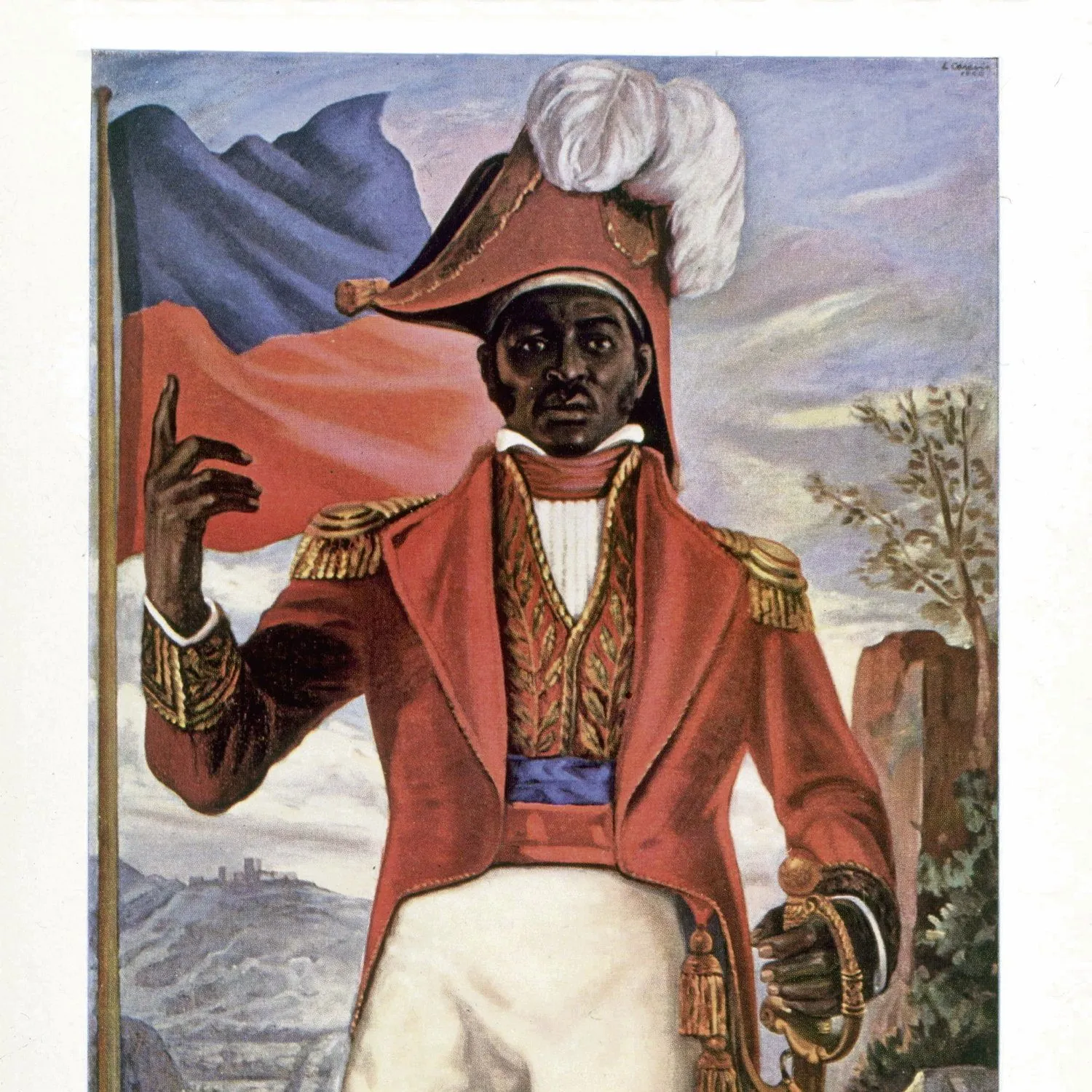
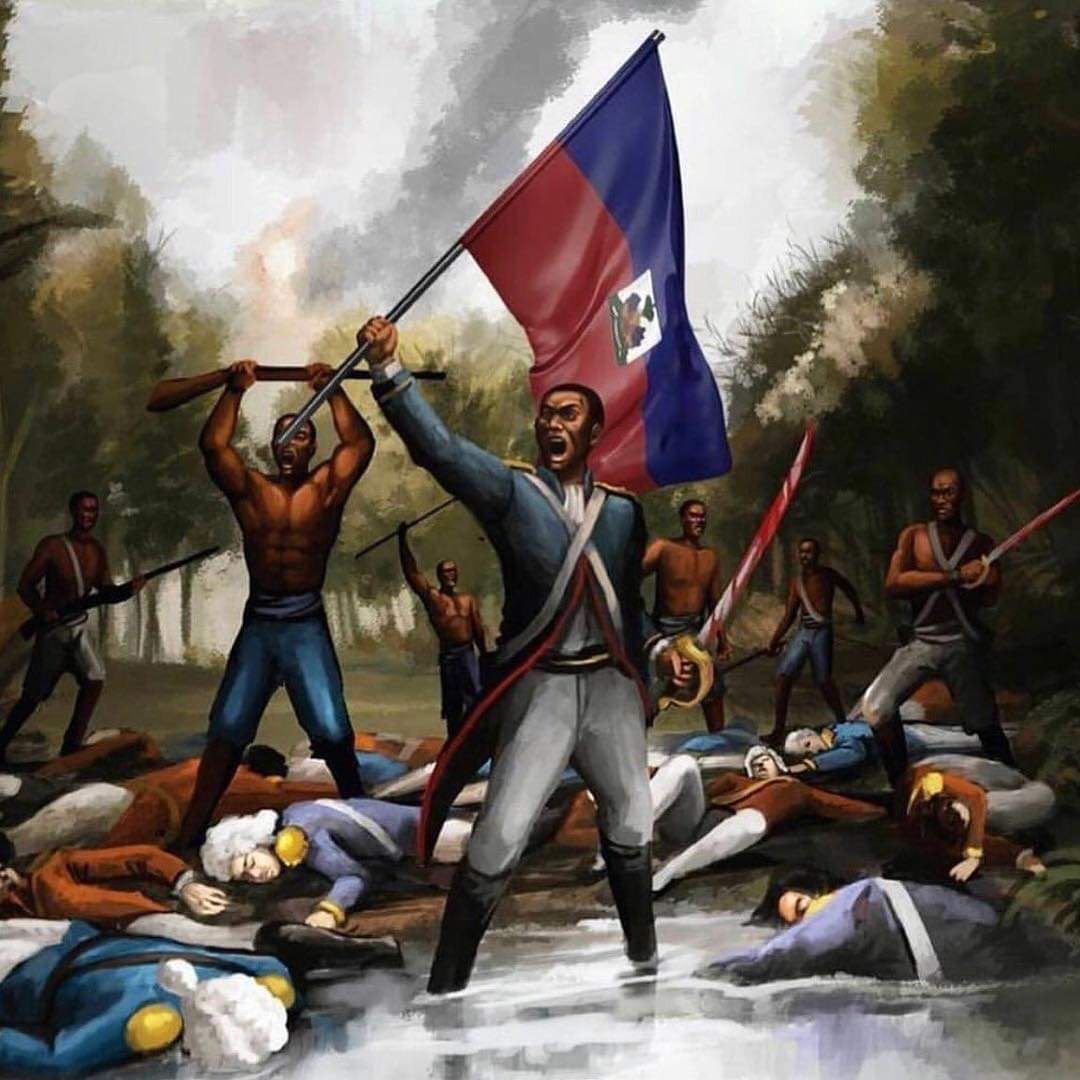
Jean-Jacques Dessalines is an emblematic figure in modern world history for his fruitful involvement in the fight against the slave system. Through his dedication and courage, he embodied the indomitable spirit of an entire black people forcibly deported from the African continent, implanted by this same violent mechanism, in America to suffer, but determined to free themselves from oppression by forging their own destiny despite all the risks and difficulties. Dessalines’ entire life, his entire journey bears the mark of a life inscribed in the fight to free his loved ones. His unfailing determination and passion for freedom made him a living symbol of resistance for all the oppressed nations of the earth, more than two centuries after his death.
We wrongly associate the image of Jean-Jacques Dessalines with chaos. The sole aim is to discredit his immense legacy before the eyes of history. “Koupe tèt, boule Kay” is the preferred expression to use for such purposes against his character, along the way, expressly forgetting the historical context hidden in the back of the “koupe tèt boule Kay” in question, also refusing to register this approach historical in the logic of a just and courageous stand, in the face of a barbaric, slavery system, devoid of morality and humanity.
History records that Dessalines was born around 1758 in Grande-Rivière-du-Nord, in the north of the French colony of Saint-Domingue. Like all black people of his time, a life installed in the midst of systemic violence built against his body and characterized by the most extreme brutality on his body was handed to him at birth. It was born in a context unfavorable to the development of all human life.
From an early age, Dessalines already demonstrated a rebellious spirit and a deep aversion to the injustice of slavery. It is said that his master whipped him much more than the other young slaves. His rebellion regularly manifests itself through acts of defiance towards this so-called master, but also through the incarnation of an intense thirst for freedom for him and his loved ones through his actions.
From this period of his life, Dessalines quickly learned about the harsh reality of slavery, and this knowledge was the foundation of his commitment to the liberation of the Haitian people.
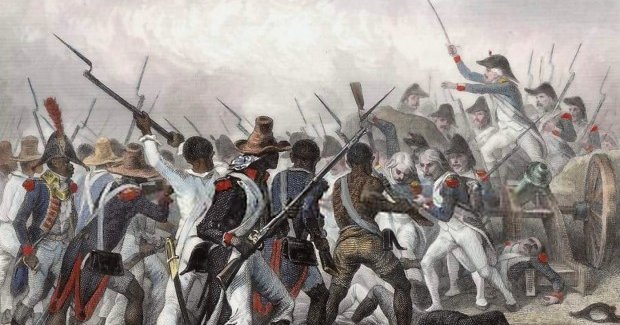
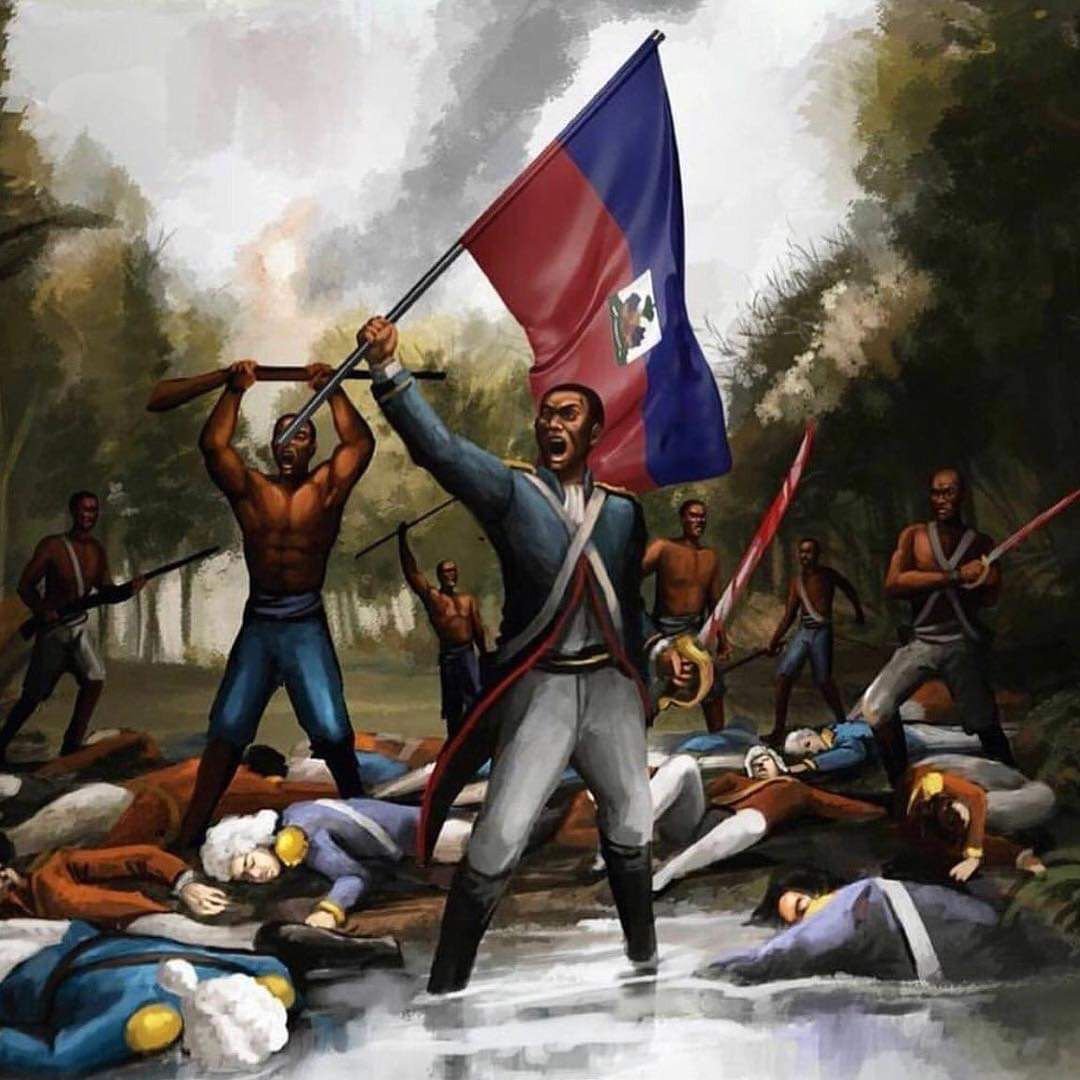
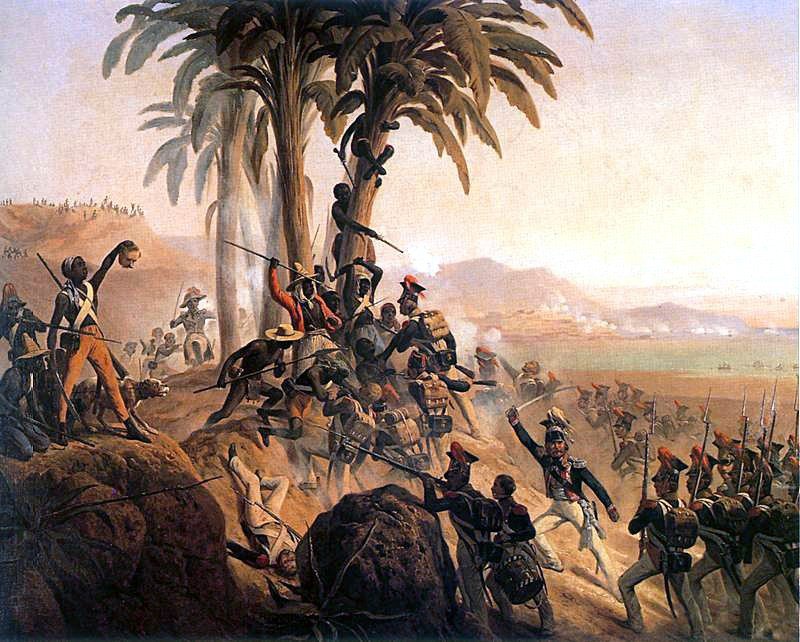
The Haitian Revolution, which began in 1791, offered Dessalines the opportunity to transform his hatred of oppression into concrete action. Without hesitation, he joined the ranks of freedom fighters and quickly distinguished himself by his courage and bravery in the military hierarchy alongside Toussaint Louverture. Very quickly, he was able to climb the ranks and become one of the latter’s main lieutenants, until he put himself in the position of the one capable of succeeding him after his arrest to continue the struggle which would lead to the final victory of the slaves. of Saint-Domingue against the Napoleonic army.
Less strategist than his predecessor at the head of the indigenous army, certainly, but his radicalism and his determination beyond measure on the battlefields were able to inspire his comrades-in-arms in a very short time, leading to January 1, 1804, the day of the independence of Haiti.
Dessalines, father of the Haitian nation
After the arrest and deportation of Toussaint Louverture by the French in 1802, Dessalines succeeded the latter at the head of the native army in a natural way. His keen sense of leadership allowed him to achieve the union of blacks and mulattoes against the white slaveholders of Saint-Domingue, thereby strengthening his army, with the expertise of the mulattoes (who for the most part were trained in France ), alongside the brute force represented by the mass of slaves who made up the bulk of his army. This approach, fortunately, will be rewarded by an unprecedented victory, that of an army made up of slaves who became victors, facing the slave power that was France at the time.
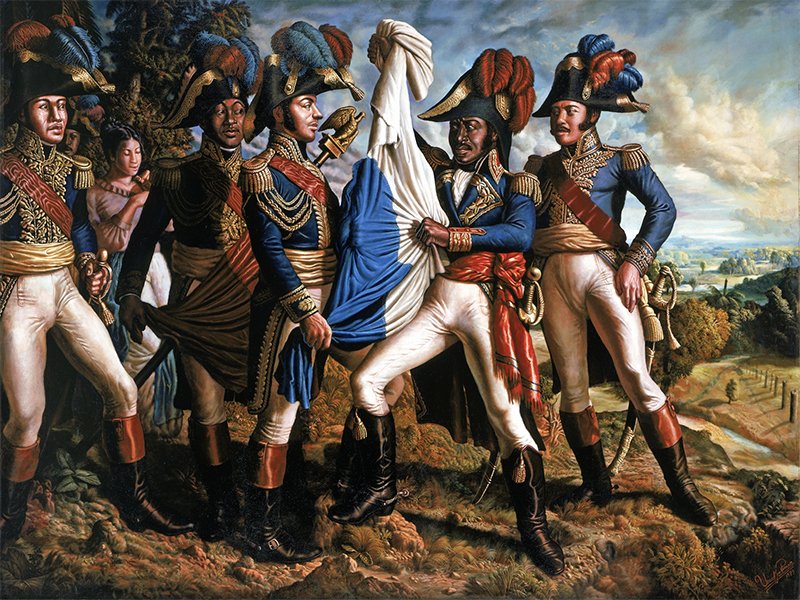
As the first head of state of Haïti (the first independent black nation in the modern world and the first country in the Americas to abolish slavery), Dessalines adopted the title of emperor under the name of Jacques I very soon after his taking office as head of state. Firstly out of pure symbolism, and then with the aim of recognizing herself as the equal of the Emperor of France.
At the head of the young Haitian nation, he strove to rebuild the country ravaged by years of war for independence and to lay the foundations of a free and egalitarian society. In 1805 he established a constitution based on bravery, human dignity and justice. He also established public policies aimed at redistributing land to protect the right of former slaves to access better living conditions. The whole, by registering Haïti as a land of safety against all forms of slavery, and a land of welcome for the oppressed from around the world.
Among other things, Like any good father, Dessalines was committed to the defense of his subjects. The fortification of the national territory to prevent potential aggression from former settlers remains one of the flagship projects which demonstrate to what extent he was a visionary leader.
Despite his successes, Dessalines’ reign was marked by its short duration, internal tensions and power conflicts. His authoritarian style of governance and his efforts to centralize power had earned him many enemies among Haitian elites, including within the indigenous army. On October 17, 1806, Dessalines was assassinated by conspirators, betrayed by some of his closest allies.
His premature death transformed him into a martyr for the cause of Haiti’s freedom and independence. Dessalines’ vision of a free and egalitarian Haïti with the aim of inspiring nations around the world did not die with his death, because in leaving, Dessalines left the example of his life as an inspiring tool for his descendants. In addition, he deserves to be honored for his very decisive role in the fight against the system of absolute shame, that of slavery, and for his essential contribution in the creation of the first black republic in the world. .
If only for these two major achievements, his legacy must be known and endure not only in Haiti, but in any place that claims to be on the side of human rights, throughout the world. His exploits must resonate as a testimony to the power of the human spirit in the face of oppression.
Dessalines, the man who challenged slavery in its entirety, will forever be engraved in history as a champion of human dignity and freedom. Humanity will always owe him a debt of gratitude.
Excelente artículo, he disfrutado cada parte como si lo que leyera se convirtiera en una proyección en mi mente, muy buen trabajo.
September 05, 2024 - 01:28:41 AM
Granados Gabriel
Pardon mais vous oubliez de dire que c'est en août 1793 que l'esclavage avait été aboli par le commissaire Sonthonax, certes de manière opportuniste mais non sans un certain idéal d'égalité issu de la Révolution Française. Vous omettez également de spécifier que Dessalines, ainsi que Christophe avaient trahi Toussaint Louverture, occasionnant sa déportation et ce qui après la défaite de la France, leur offrait opportunément la possibilite de prendre le pouvoir de manière pour le moins autoritaire sur l'île délivrée des colons français.
November 02, 2024 - 07:53:49 PM
Hector perez
El genocidio de Del carnicero del caribe. Solo se comprara con Hitler , mato miles de personas por ser blancas y mulatas e incluso detenidos de guerra , secuestro cientos se niños y mujeres domicanas FUE UN PEDOFILO DEGENERADO QUE VIOLAVA NIÑOS
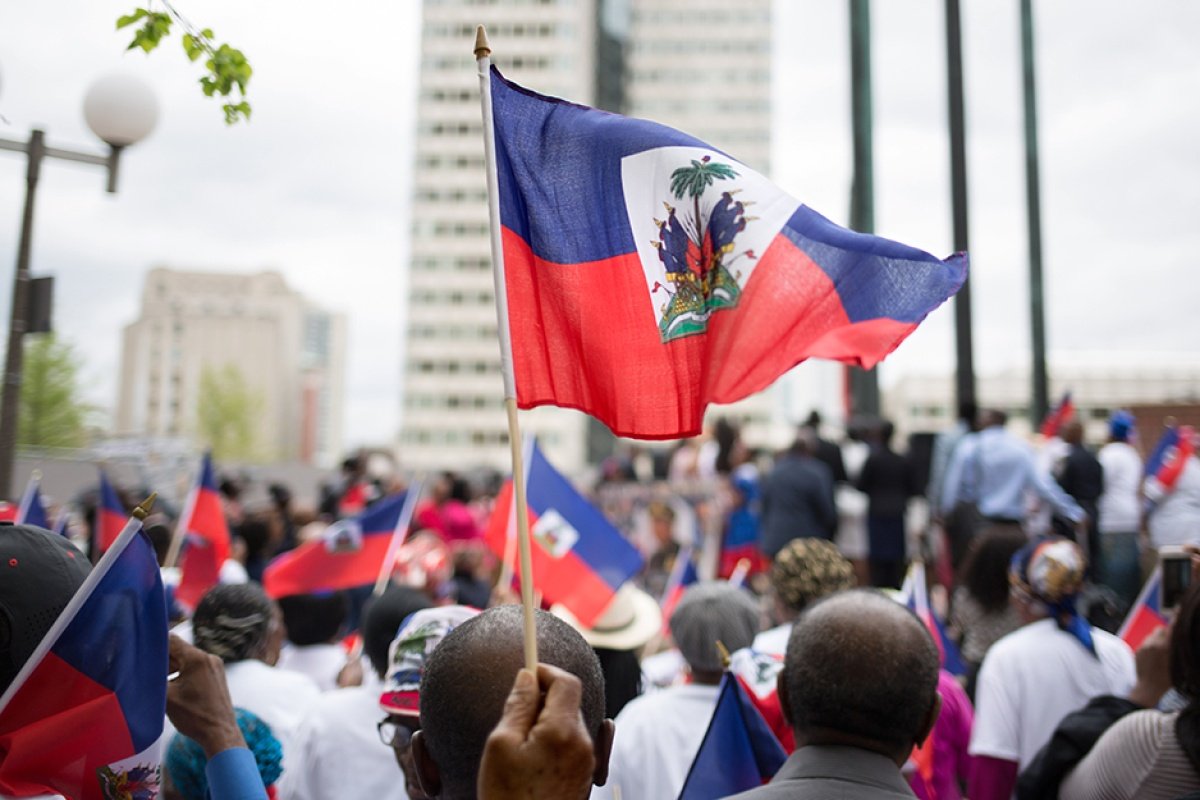
First black nation to free itself from slavery and gain independence from France in 1804 and influenced other liberation movements around the world, inspiring struggles for freedom and equality.
Natural beauty
Haïti is blessed with spectacular natural landscapes, including white sand beaches, mountains and rich biodiversity.
Heritage
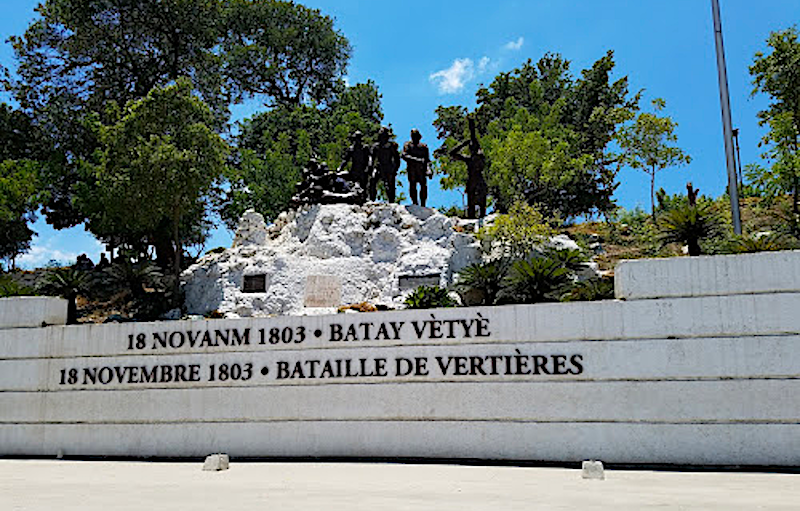
Haïti has a rich historical heritage, including sites like the Citadelle Laferrière and the Sans-Souci Palace, listed as UNESCO World Heritage Sites.
Culture
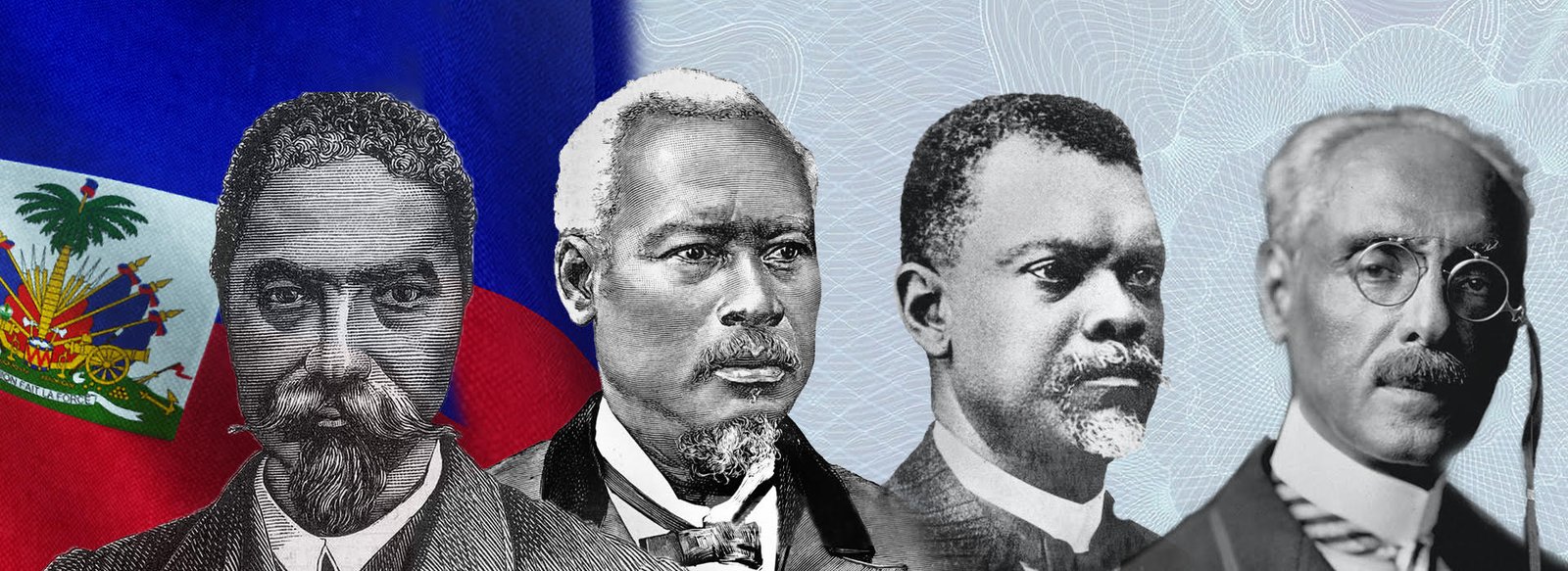
Haïti has a rich and diverse culture, influenced by African, European and indigenous elements. Haitian music, dance, art and cuisine are celebrated around the world.



































Excelente artículo, he disfrutado cada parte como si lo que leyera se convirtiera en una proyección en mi mente, muy buen trabajo.
September 05, 2024 - 01:28:41 AMPardon mais vous oubliez de dire que c'est en août 1793 que l'esclavage avait été aboli par le commissaire Sonthonax, certes de manière opportuniste mais non sans un certain idéal d'égalité issu de la Révolution Française. Vous omettez également de spécifier que Dessalines, ainsi que Christophe avaient trahi Toussaint Louverture, occasionnant sa déportation et ce qui après la défaite de la France, leur offrait opportunément la possibilite de prendre le pouvoir de manière pour le moins autoritaire sur l'île délivrée des colons français.
November 02, 2024 - 07:53:49 PMEl genocidio de Del carnicero del caribe. Solo se comprara con Hitler , mato miles de personas por ser blancas y mulatas e incluso detenidos de guerra , secuestro cientos se niños y mujeres domicanas FUE UN PEDOFILO DEGENERADO QUE VIOLAVA NIÑOS
November 25, 2024 - 12:45:16 PM