contact@haitiwonderland.com+509 36184317

Discover

Shopping Cart

Who is the first president of the Republic of Haiti?

Who is the first president of the Republic of Haiti?

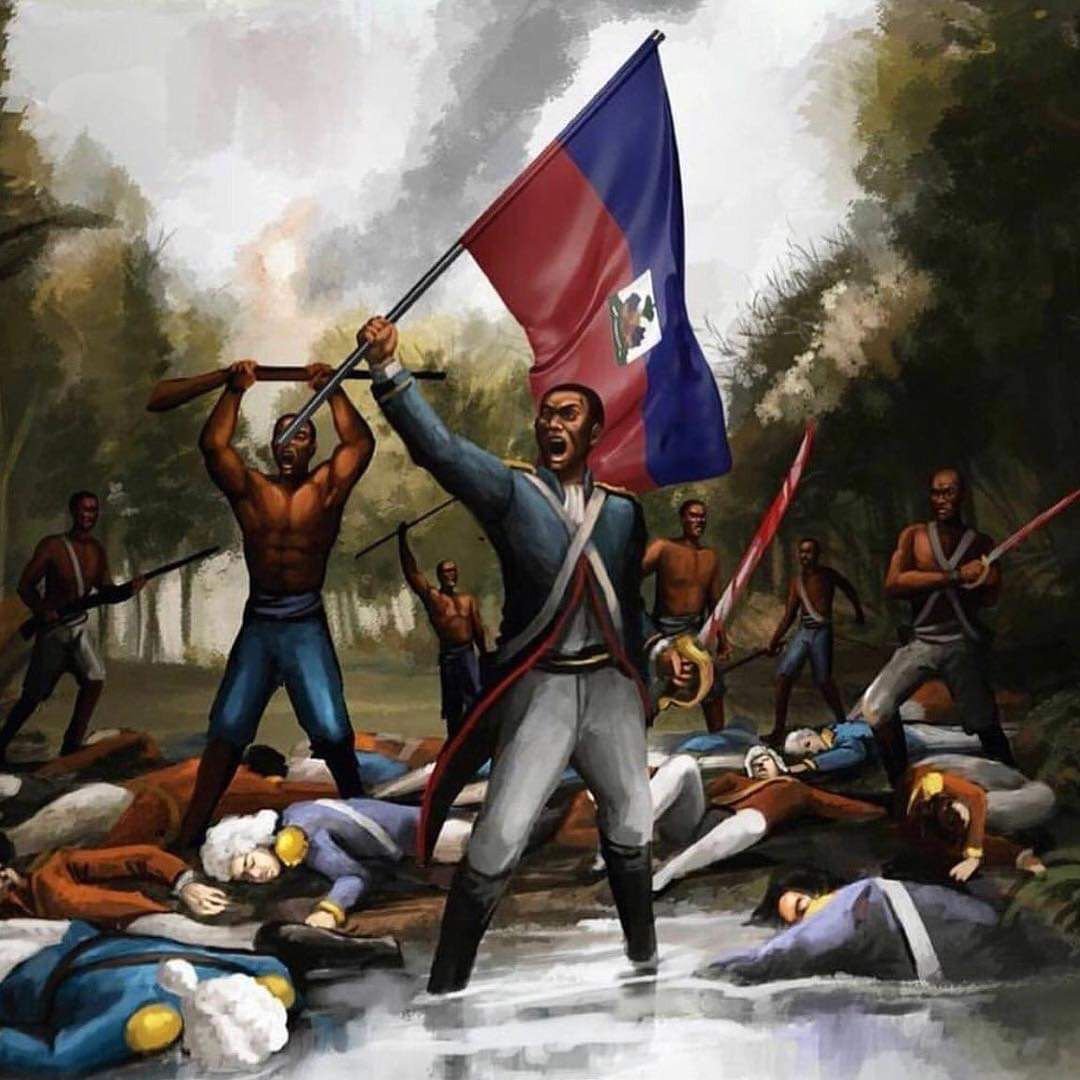
Haiti’s history is marked by founding events, and one of the most significant remains the birth of the Republic of Haïti in 1804. The first president of the Republic of Haiti, a key figure in this history, played a crucial role in the creation of the modern Haitian state. This article invites you to discover the man who marked this major turning point in the history of Haiti: Jean-Jacques Dessalines.

Jean-Jacques Dessalines: The Hero of Independence

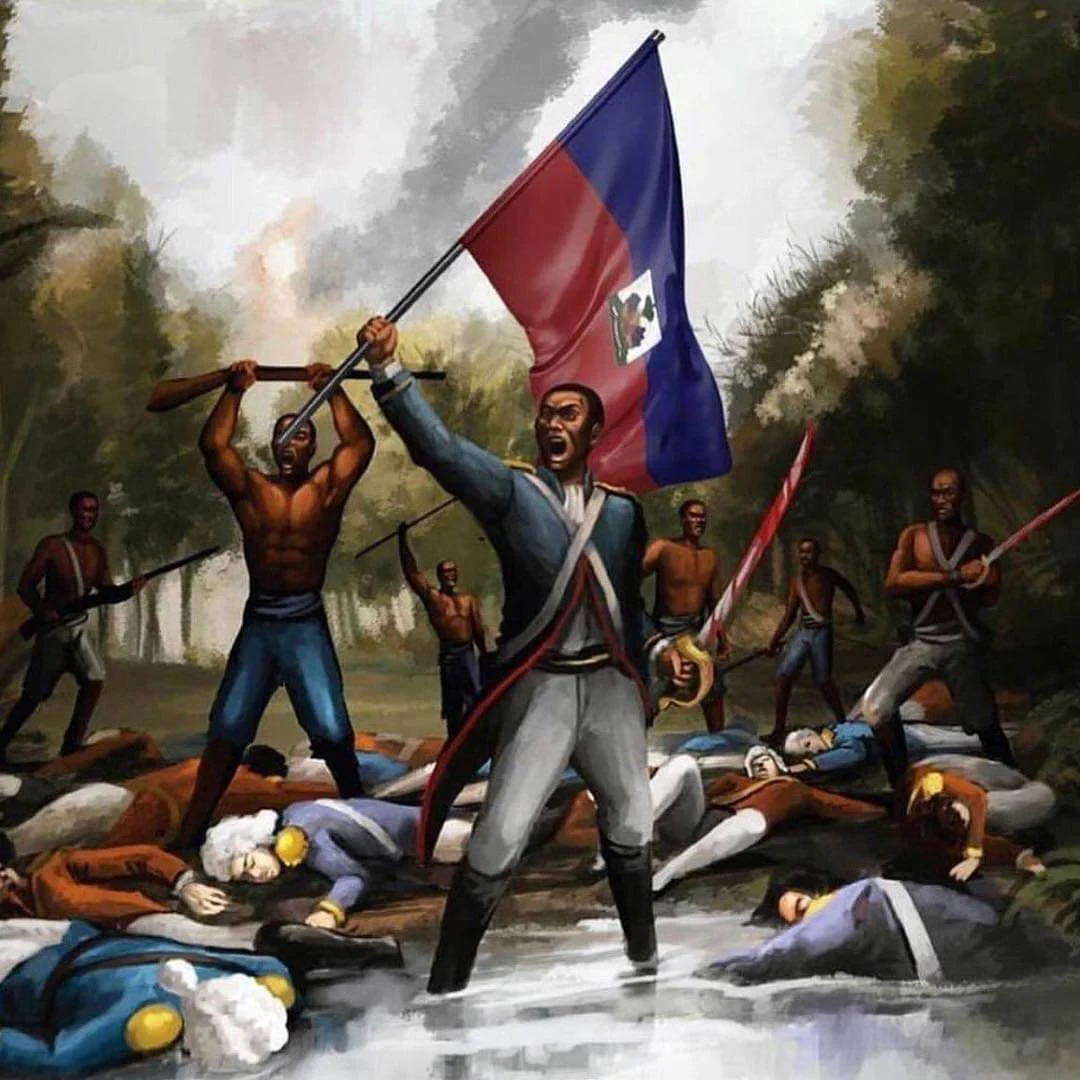
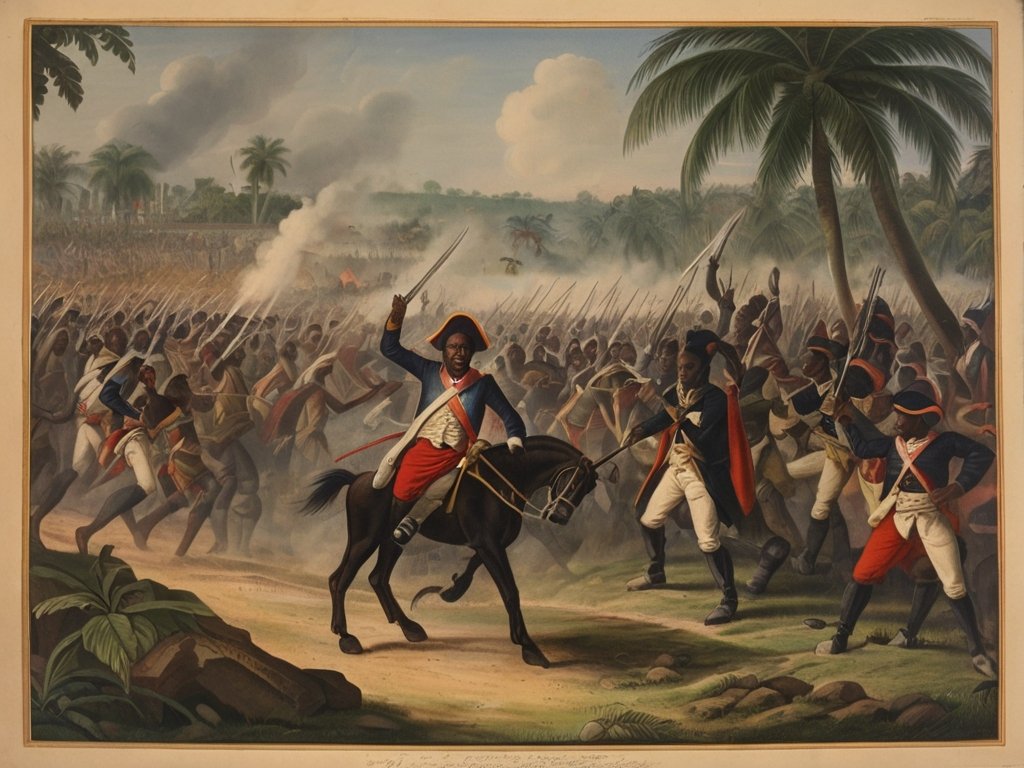
Jean-Jacques Dessalines is one of Haiti’s great national heroes, and his role as the first president of the Republic is intrinsically linked to the country’s struggle for independence. Born on September 20, 1758 in the French colony of Saint-Domingue (present-day Haiti), Dessalines was first a slave before becoming one of the most important generals in the war of liberation against the French colonists.

In 1804, after leading Haitian revolutionary forces to a decisive victory over French troops, Dessalines proclaimed Haiti’s independence, becoming the creator of the world’s first independent black republic. Following this victory, he proclaimed himself Emperor James I and later became the first President of the Republic of Haiti, a title he held from 1804 until his death in 1806.

A Revolutionary Leader and a National Hero

Jean-Jacques Dessalines is often seen as the symbol of Haitian resistance and the fight against colonial oppression. His role was not limited to mere military victory, he embodied the will to create a new free and independent state, far from the French colonial grip. Dessalines not only led the war but also made bold decisions to stabilize the new republic.

One of his first actions as an independence leader was to overthrow the colonial system and guarantee equal rights for all citizens of Haiti, especially for the former slaves who now constituted the majority of the population. He established a centralized government and also worked to establish a national army to defend the newly won independence.

Dessalines’ Contributions and Challenges as President

Dessalines’ first term as president was marked by firm and sometimes controversial decisions. After the declaration of independence, he undertook a series of economic and social reforms, aimed at rebuilding the country devastated by the fighting. He took steps to restore order and reorganize the Haitian administration.

However, his government was also criticized for its authoritarianism, including the proclamation of the Empire of Haïti in 1804 and the autocracy he established under the title of Emperor. The concentration of power and drastic measures to maintain national unity caused internal tensions. Dessalines, although a great liberator, was also an unpopular leader for some segments of Haitian society, leading to his tragic assassination in 1806.

The Legend and Legacy of Dessalines

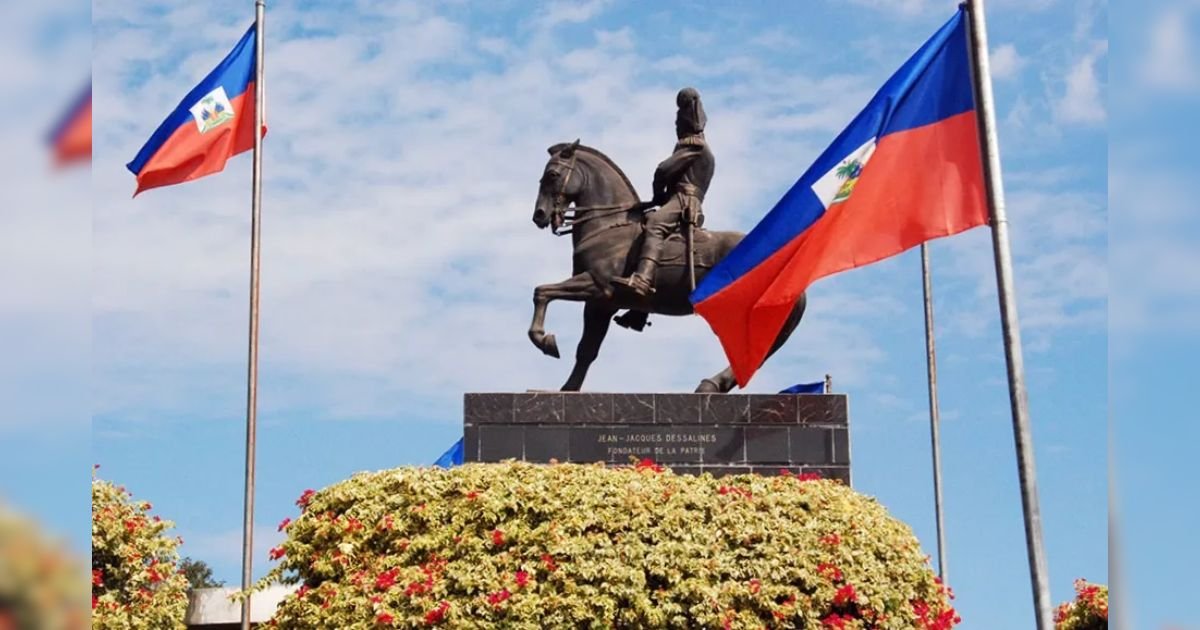
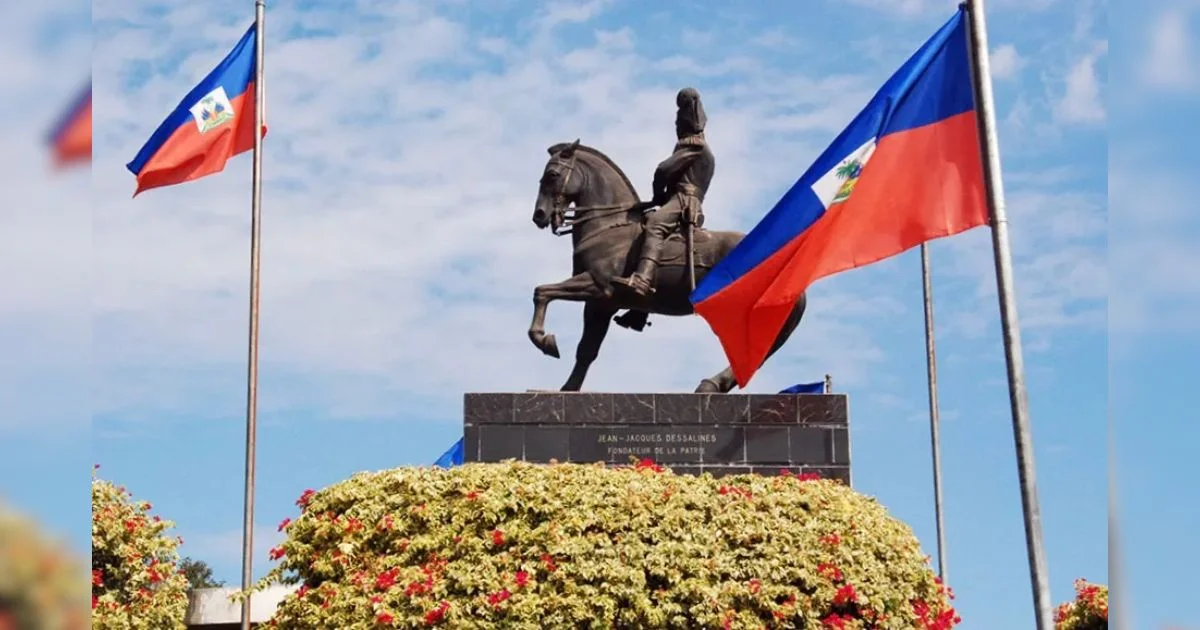
Jean-Jacques Dessalines remains a key figure in Haitian history. To this day, he is celebrated as the founding father of the Haitian nation, and his name is synonymous with freedom and courage. Statues and monuments dedicated to his memory, such as the Jean-Jacques Dessalines Square in Port-au-Prince, serve as reminders of his importance in the country’s history.

Dessalines’ legacy is also embodied in the many national commemorations and celebrations of January 1, Haiti’s Independence Day, when Haitians remember their struggle for freedom.

An Iconic Figure of Haiti’s Independence

The first President of the Republic of Haiti, Jean-Jacques Dessalines, is not only a historical figure of the past, he remains a symbol of the independence and resilience of the Haitian people. His actions as a revolutionary leader and president shaped the Haitian nation as it is today. Through his accomplishments and trials, he laid the foundation for a free and sovereign country.

If you have any other information or anecdotes about Jean-Jacques Dessalines, please share them in the comments to enrich our understanding of this exceptional man.

Share
About the Author
Appolon Guy Alain
Appolon Guy Alain
Appolon Guy Alain

Full Stack Developer, Créatif, expérimenté, passionné des nouvelles technologies et de l’art.

See other articles from Appolon Guy Alain
Leave a comment

Recently Posted

Haïti Wonderland: How to Rewrite the Narrative of Haïti on the Web?

For the last three decades the internet has transformed the way people live, access information and promote worthy causes. Institutions that embrace this technology lead the way in their respective industries and last, while countries that embrace this technology and wisely implement it enable themselves to thrive and build sustainable economies. After decades of existence, the internet has been shared with mainly two groups of people; those who use it as a tool to build, and those who use it as a tool of destruction. Those who see the internet as a bridge to make a positive impact in the world and those who see it as the comfy bed to never leave, hence, the difference between the consumer and producer. Unfortunately our beloved home, Haiti, has been of the former mindset. Is it a lack of vision, lack of skills and competences or is it lack of hard working individuals? Regardless what it is or had been for decades, now is the time to change the paradigm on all fronts necessary and reshape the future. If the past decades have been ruled by non-production and negative press, now is the time to change the paradigm by producing and using the limitless of the web to sell the beauty, the culture and the greatness of Haïti to the rest of the world. If the past has been ruled with a selective truth and an effort to showcase the worst and by extension create the worst narrative, now, my fellow Haitian, regardless of where you are on this planet, is the time for us to undertake this mission, to take responsibility and recreate the narrative of our mother land. A narrative based on truth and transparency, a narrative that tells the story of who we are and certainly who we are not, a narrative to invite the world to explore and see for themselves. It is our duty. If not now, when? If not you and I, then, who? Our main mission at Haïti Wonderland is to rewrite the narrative of Haïti on the web. Then use the internet to bring Haïti back to the top of the touristic destination map once again. Those are what motivate us, the oxygen that we breath, they are the reason we wake up in the morning and fight. We didn’t choose this path because we know it will be easy but we choose it because: 1. It is a noble cause 2. It is necessary and 3. It must be done. But must importantly we take this path because we know you and every Haitian in this world, who knows the truth about Haïti are tired with what you see when typing Haïti on the web, and at the same time understand that something must change, and it must be done as soon as possible. We know you are ready for this, and together we will change the narrative of Haïti on the web and we will bring Haïti back to the top of the touristic destination map. This is a call of duty to you, regardless of your field of endeavor or where you’re located in this world. This is a call to join (http://haitiwonderland.com) to first see for yourself the movement you’re joining, then create your own account and start creating and sharing. Together we will rewrite the narrative of Haïti on the web. Thank you for joining this worthy cause. Let’s invite the world to discover the true face of Haiti.


Newsletter

Subscribe to our newsletter to stay informed of all our activities and news on Haiti.

Haitian rhythms: Exploring musical and dance traditions

Haiti, a land rich in history and cultural diversity, offers a unique musical treasure through its captivating rhythms. Haitian music, deeply rooted in the fusion of different African, European and Caribbean influences, constitutes a vibrant expression of national identity. One of the distinctive elements of Haitian music is its rhythmic diversity, reflecting the many facets of daily life, from religious celebrations to moments of joy and sorrow. Haitian rhythms, carrying contagious energy, are a reflection of the soul of the Haitian people. One of Haiti’s most iconic musical genres is direct compas, which emerged in the 1950s. This catchy rhythm, coupled with captivating melodies, has captured hearts globally. The direct compass embodies the fusion of different musical styles, including jazz, merengue, and elements of traditional Haitian music. Haitian musical traditions are not limited to contemporary sounds. Vodou, an ancestral spiritual practice, also has a major influence on Haitian music. Vodou rhythms, often associated with religious ceremonies, create a deep connection between spirituality and artistic expression. Furthermore, dance is inseparable from Haitian music. The graceful and energetic movements of traditional dances like rasin, combined with captivating rhythms, transport dancers and spectators to a world where bodily expression becomes a living art form. Exploring the musical and dance traditions of Haïti is like diving into a universe where history, culture and spirituality are harmoniously woven together. These rhythms, passed down from generation to generation, are much more than simple notes; they embody the soul of a people and the richness of its diversity. Celebrating these traditions pays homage to Haiti’s exceptional cultural heritage and its invaluable contribution to the global music scene.

Recently Posted

History

History

First black nation to free itself from slavery and gain independence from France in 1804 and influenced other liberation movements around the world, inspiring struggles for freedom and equality.

Natural beauty

Natural beauty

Haïti is blessed with spectacular natural landscapes, including white sand beaches, mountains and rich biodiversity.

Heritage

Heritage

Haïti has a rich historical heritage, including sites like the Citadelle Laferrière and the Sans-Souci Palace, listed as UNESCO World Heritage Sites.

Culture

Culture

Haïti has a rich and diverse culture, influenced by African, European and indigenous elements. Haitian music, dance, art and cuisine are celebrated around the world.

  • +
    • Post