contact@haitiwonderland.com+509 36184317

Discover

Shopping Cart

Flag Day: Celebration of Freedom and National Identity in Haiti

Flag Day: Celebration of Freedom and National Identity in Haiti

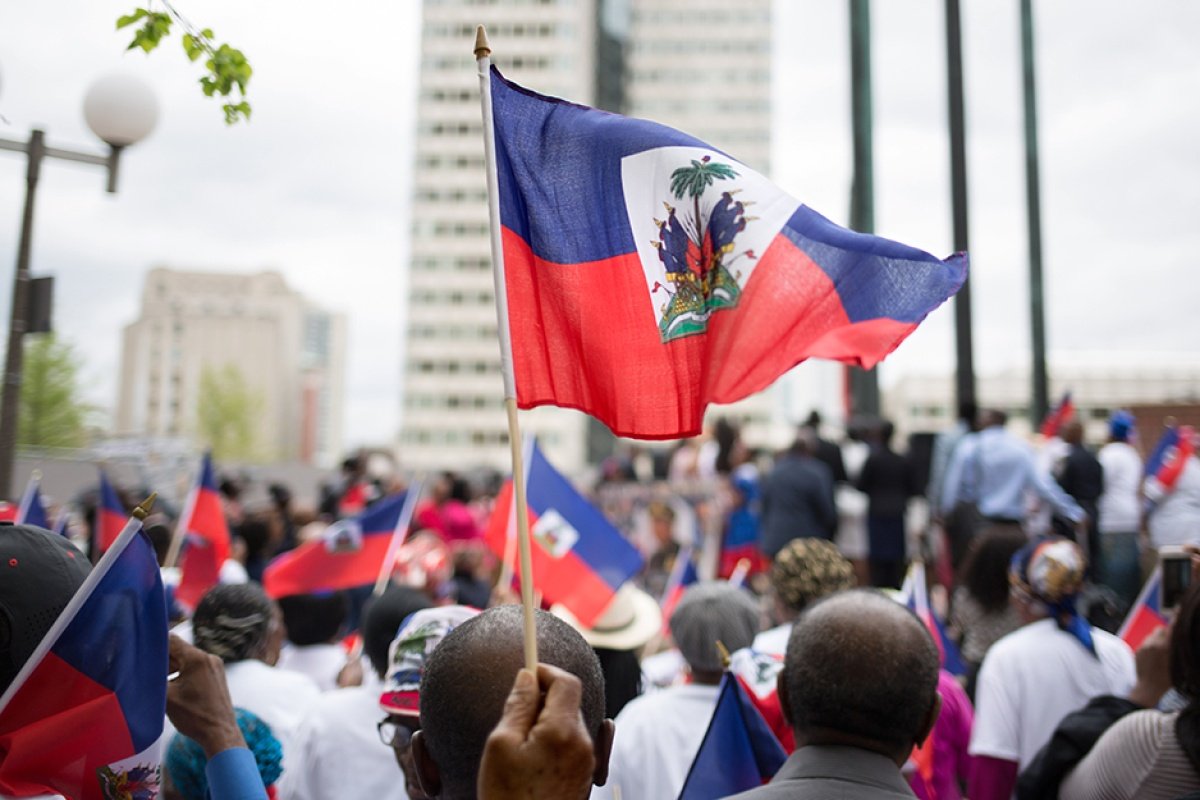
On May 18, Haïti celebrates "Flag Day", a public holiday marking the creation of the Haitian flag in 1803. Displayed for the first time in Arcahaie by Jean-Jacques Dessalines, this national symbol results from the fight for independence against slavery and French domination. Established in 1926 by Timothée Paret, then Minister of Justice under the presidency of Louis Borno, this celebration took on a particular dimension in the midst of American occupation and remains as a tradition. Haitians honor this day with school parades, musical groups in the streets and patriotic songs, recalling the union and solidarity of ancestors. The “Flag Festival” is an opportunity to reflect on the values ​​of freedom and determination which continue to forge the Haitian national identity.

Haitian flag day
Haitian flag day
Haitian flag day

Origin and creation of the Haitian flag

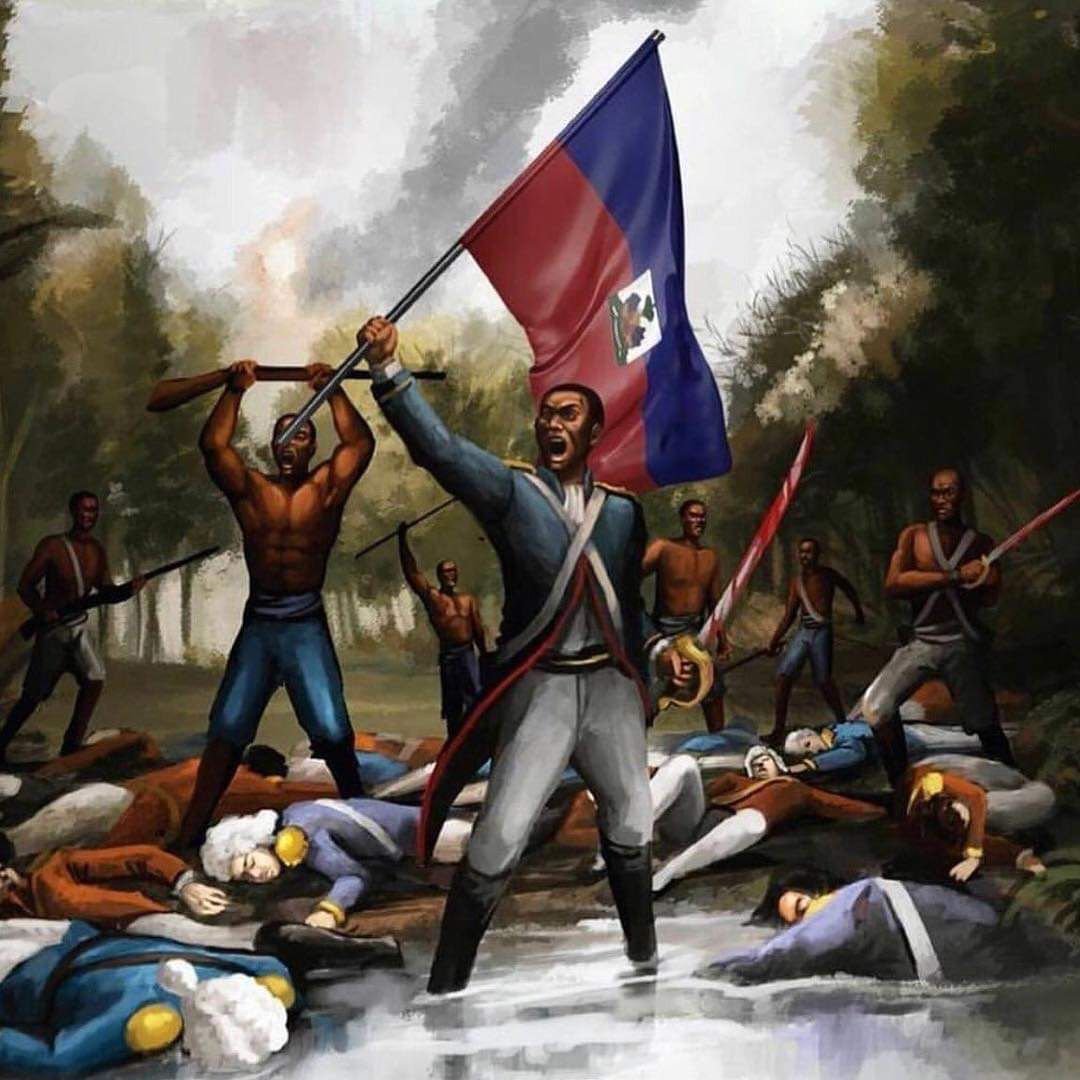
The design of the Haitian flag is attributed to Jean-Jacques Dessalines, one of the leaders of the Haitian revolution. According to historians, Dessalines tore up the French tricolor flag, removing the white band symbolizing loyalty for the French, the white for the Saint-Domingues and reuniting the remaining blue and red bands. This bold gesture gave birth to the two-tone flag, representing the union of blacks and mulattoes in the fight for independence.

Haitian flag day
Haitian flag day
Haitian flag day

Evolution of the Haitian flag

The blue and red of the Haitian flag carry great meaning. Blue represents Haiti’s black population, while red symbolizes Mulattoes. Together, they illustrate the unity and solidarity of the country’s different ethnic groups in the quest for freedom.
The flag has undergone several modifications over the years. Around the 1790s The French flag flew over Saint-Domingue until February 1803, when Jean-Jacques Dessalines and Alexandre Pétion, leaders of the black and mulatto insurgents, decided to break with France. In May 1803, Dessalines created the first Haitian flag by removing the white stripe from the French flag to symbolize the union of blacks and mulattoes in the fight for freedom. After the victory over the French in November 1803, Haïti declared its independence on January 1, 1804 and adopted a horizontal two-color flag, confirmed by the Constitution of 1843 later in article 192. Dessalines proclaimed himself emperor in October 1804 and established a flag black and red in 1805. After his assassination in 1806, Alexandre Pétion redesigned the flag in blue and red with the arms of the Republic. Henri Christophe, who became king in 1811, modified the flag for his kingdom. In 1822, Jean-Pierre Boyer annexed the Spanish part of the island, known today as the Dominican Republic, which, a few months earlier, on November 30, 1821, proclaimed its independence from Spain under the name "Republica del Haïti espanol" "Republic of Spanish Haiti" and at the same time, its union with Gran Colombia. The flag of the Spanish Republic of Haïti was raised in the first weeks of 1822 but it was the flag of Gran Colombia at the time. In 1847, Faustin Soulouque was elected president and in 1849, proclaimed himself emperor under the name of Faustin I (1849-1859). In his Constitution of 1849, he adopted the blue and red flag but replaced the coat of arms with a crest. The Empire of Faustin I ended on January 15, 1859 and the arms of the Republic returned to their initial place, in the center of the flag. In 1964, François Duvalier established a black and red flag, but after his departure in 1986, Haïti readopted the blue and red flag which was ratified a year later, on March 29, 1987, during the plebiscite on the 1987 Constitution.

18 Mai Haïti
18 Mai Haïti
18 Mai Haïti

May 18: celebration of freedom and identity of Haitians

Today, in Haiti, May 18 is celebrated as “Flag Day,” a public holiday that embodies national pride and recognition of the heritage left by ancestors. Established in 1926 by Timothée Paret, then Minister of Justice under the presidency of Louis Borno, this celebration is of particular importance. It was established in full occupation of the country by the American army, thus marking a powerful symbolic act of resistance and patriotism.
The “Flag Festival” commemorates the creation of the Haitian bicolor on May 18, 1803, during the Congress of Arcahaie. On this occasion, Jean-Jacques Dessalines, one of the leaders of the struggle for independence, made the historic decision to remove the white stripe from the French flag, a gesture symbolizing the union of blacks and mulattoes in their fight for freedom. Afterwards, he ordered Catherine Flon to sew the two remaining strips, blue and red, to form the new Haitian flag, carrying the motto “Liberty or Death”.
Every year, on this date, Haitians gather to honor this symbol of their independence and their struggle for freedom. Parades of schools and various musical groups fill the streets, singing anthems such as the Hymn to Youth and other songs that reflect Haitian pride and nationalist spirit. Parades, speeches and ceremonies are organized across the country to recall the importance of national unity and the sacrifices made by ancestors to achieve independence. Public and private institutions as well as local, national and even Haitian communities abroad actively participate in these celebrations, demonstrating their attachment to this symbol.

Discover the history of Haiti: A fascinating story to explore! : https://haitiwonderland.com/haiti/histoire/decouvrez-l-histoire-d-haiti--un-recit-fascinant-a-explorer/81

This day is much more than just a historical commemoration. It represents a moment of reflection on the values ​​of freedom, solidarity and determination which have forged the Haitian nation. It is also an opportunity for each Haitian to renew their commitment to their country and to show their gratitude for this heritage transmitted by the ancestors. By celebrating May 18, Haitians honor their past while affirming their hope and determination for a better future.

Haitian Creole is our identity, it deserves to be valued: History, Origin and Evolution

Haitian Creole is our identity, it deserves to be valued: History, Origin and Evolution

The Haitian Creole, born in the 17th century during the French colonization on the island of Hispaniola, is not only a communication tool; it is an essential part of the Haitian identity. Despite being recognized as an official language in 1987, French is still considered an elite language, creating a social divide. In the educational system, where French is the language of instruction, Creole is often neglected, which affects the ability of students to understand what they are learning, especially for children from rural areas. It has a unique grammatical structure that facilitates learning, and serves as a means of cultural expression in literature, music, and other arts. The advancement of technology will allow Creole to gain more visibility in social media, but the stigmatization of the language still exists. Therefore, it is important for Creole to be valued in education and other sectors, to allow the new generation to grow up with pride for their heritage. The Haitian Creole language, which is the first language for the majority of people in Haiti, is not only a means of communication, but it is also a reflection of the cultural wealth and history of the people. In a country full of diversity, Creole and its origin, its evolution and its place in society, is a testimony of resistance and adaptation.

Share
About the Author
Jarule Laguerre
Jarule Laguerre
Jarule Laguerre

    laguerrejarule916@gmail.com

    See other articles from Jarule Laguerre
    Kenia Jean

    Bon travail

    October 31, 2024 - 07:46:52 AM
    Leave a comment

    Recently Posted

    Haiti: Carnival and Rara: Crossed Perspectives on Culture and Haitian Identity

    In our tradition, carnival represents an essential cultural activity. Indeed, for the holding of it this year, the State had drawn from the public treasury not only a huge sum but also a strong concentration of law enforcement to ensure the protection and security of carnival-goers in the area. metropolitan. Despite numerous criticisms and concerns expressed by certain media on the one hand, then on the other hand by the democratic opposition. While it is true that in Port au Prince these concerns had had a no less valuable consequence on the progress of this festivity. It is no less true that this was the case in other provincial towns, as proof in the southeast department the authorities did not record anything as an element of accident or incident during the progress of the carnival unlike Port au Prince. Certainly, socio/economic problems are increasingly worrying, nevertheless what makes us what we are today, a free and independent people is none other than our exceptionality. This deeply expresses our intrinsic characteristic in relation to people. In fact, historically we are a people who laugh and cry, smile and irritate, dance and hit the system, sing and fight so well that "grenadya alaso sa ki mouri zafè ya yo" is the most emblematic song of the slaves for the conquest of our freedom. We do not intend to claim that those who expressed their disagreement with the carnival are showing a historical deficit. However, we leave in the shadows a fundamental question: why is carnival taken care of by the State while the rara is like an abandoned child? The rara is not only a simple cultural tradition but, above all, it is the heritage of our valiant warriors who bravely fought the French expeditionary army, the most powerful of the time. While, this mass cultural, she is still marginalized by state authorities. It is emphasized that social cohesion is the dead point of carnival. On the other hand, this is the strong point of rara. As proof, the Thursday of the Dead in our Voudouesque tradition which represents the opening ceremony for the rara bands is the blatant testimony of this social cohesion. And, in fact, there were circles of people who took divergent directions to attend the opening ceremony of their rara bands. For this opening ceremony the atmosphere was a taste of carnival in terms of color. On the side of Croix Hilaire, for the title champion Ratyèfè full force band, the color of his club was very diverse, a long dress of apricot yellow, mauve white, then white scarf. In terms of performance, this band had completely proven its champion skills thanks to its arsenal of musicians who were not in their testing phase. To tell the truth, they performed their note with surgical precision as a doctor-surgeon in his surgical procedure. The synchronization between the musicians, the instruments and then the fans form a whole and harmonize perfectly well. This band not only has the magic of words and verbs, it seems that they also have the magic to thrill even the most reluctant fans. Moreover, his performance for this dead Thursday was a challenge for his rivals this weekend to the extent that their performances were less good. On the symbol side of light, Grap Kenèp was the wonder of the Thursday evening of the dead. His club dressed in the appropriate color for this evening, purple scarf, purple jersey, then white “kolan”. In a symbolic way, this marriage of color represents Baron in Haitian Vodou. Without a doubt, it was the most beautiful symbolic representation of the evening. In terms of performance, returning from the cemetery we felt a very strong warmth of jubilation, elation, and playfulness for a completely balanced performance. As far as Chenn Tamarin is concerned, it was already 2 a.m. when our team met him, it was a less good performance than what we were accustomed to. On the symbolic side it leaves something to be desired. His news was that he had his own media. Petit-Goave/Culture and Society

    Haiti: Is buying votes to be elected a form of corruption or political strategy?

    The democratic political system requires the active participation of citizens in the management of the city. Everyone freely expresses their opinion for harmonious management of society. Generally the choices are made from the organization of free and honest elections. However, sometimes candidates use diverted means to achieve their ends. Can we consider this act as a form of corruption or a political strategy? In a democratic society, the organization of elections at regular intervals is an imperative. Managers are generally elected by the majority of voters, which ensures them a certain legitimacy within the framework of government management. Today, more and more, around the world, the elections are controlled by economic power. This sector gives a lot of silver to candidates who often buy the media services in order to have certain visibility through mass communication means (radio, VAT, Internet, etc.) and do without constraints Many very expensive trips, which require enormous capital. By the way, the possibility that a candidate with low financial means of being elected is increasingly reduced in Western societies. Despite everything, it is illegal to buy the votes of the voters. It is an act of corruption that should lead to criminal sanctions. No society can tolerate this practice which could hamper the degeneration of the democratic system and, consequently, of the electorate system. Civil society and human rights organizations must be vigilant in order to avoid these harmful drifts in the democratic system. In fact, the temptation to bribe the voters in order to access elective positions must be denounced as an act of corruption. In doing so, will lead to political dissenting between duty, and law, because citizens are called upon to freely choose the leaders of the city. Ultimately, the organization of the elections must be the fruit of consensus between the various groups of the social system. Managers must be chosen according to their ability to provide adequate answers to the problems of the company. They can still benefit from powerful financial means from other partners. But, giving voters directly money is a condemnable detective act which reduces the autonomy of action and thinking of voters. In this sense, the latter’s vote must reflect the desire to choose or build a fair, fair and favorable company.

    Newsletter

    Subscribe to our newsletter to stay informed of all our activities and news on Haiti.

    Exploring Cayes-Jacmel, Haiti: Discovering a tourist and cultural treasure.

    Nestled in the splendid mountains of the southeastern region of Haiti, the picturesque commune of Cayes-Jacmel emerges as a rare pearl, offering an incomparable tourist and cultural experience. With its lush green landscapes, rich cultural heritage and exciting activities, this destination promises an unforgettable journey for travelers seeking authenticity and natural beauty. As soon as you arrive in Cayes-Jacmel, you will be captivated by the splendor of its landscapes. The plains and hills that dominate the terrain offer a breathtaking spectacle, ideal for picturesque hikes and leisurely walks. The town is also full of crystal clear waterways, perfect for a refreshing break or a relaxing fishing session. Explore the hidden trails and let yourself be enchanted by the thriving biodiversity of the region, where nature reigns supreme. Without forgetting the magnificent beaches of Kabic like "Ti Mouillage", where the fine sand and turquoise waters invite relaxation and water sports. Cayes-Jacmel is steeped in rich history and vibrant culture, reflected in its majestic temples and churches. With more than thirty-two temples of all faiths, including Baptist churches, Churches of God and Catholic churches, the town is a symbol of religious diversity and tolerance. Immerse yourself in the region’s fascinating past by visiting the magistrate’s court and police station, witnesses to its political and legal legacy. Experience the excitement of local life by participating in the lively festivals and cultural events of Cayes-Jacmel. Immerse yourself in the haunting rhythms of Haitian music during community celebrations, and discover traditional crafts at local markets. Don’t miss the town’s annual festival, where dance, gastronomy and the arts combine to create a festive and warm atmosphere. Whether you’re a sports lover, adventure enthusiast, or simply looking for relaxation, Cayes-Jacmel has something to offer every traveler. Play football or basketball on the local pitches, or dance the night away at one of the town’s lively nightclubs. For an authentic experience, join a fishing excursion with the locals, or explore the region’s hidden gems on an exciting jeep tour. With its breathtaking natural beauty, rich cultural heritage and captivating activities, Cayes-Jacmel emerges as an incomparable tourist and cultural destination in Haiti. Whether you are looking for adventure, relaxation or cultural discoveries, this picturesque town promises you an unforgettable experience, imbued with the very essence of Haitian life. Embark on a journey to the heart of the magic of Cayes-Jacmel and let yourself be enchanted by its charm.

    Recently Posted

    History

    History

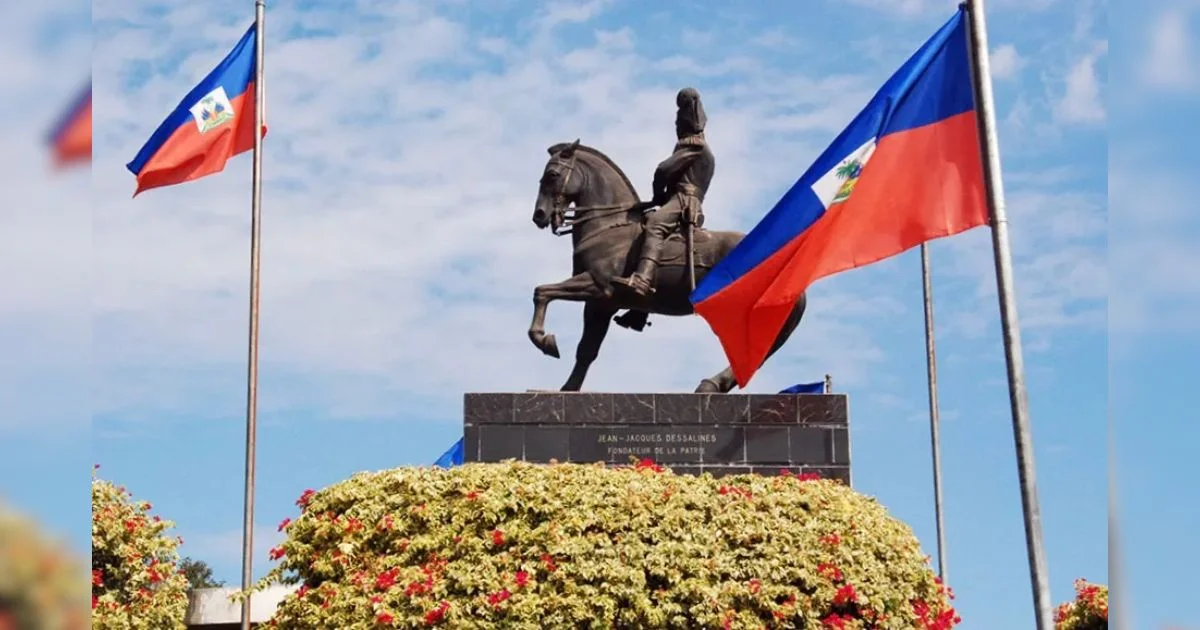
    First black nation to free itself from slavery and gain independence from France in 1804 and influenced other liberation movements around the world, inspiring struggles for freedom and equality.

    Natural beauty

    Natural beauty

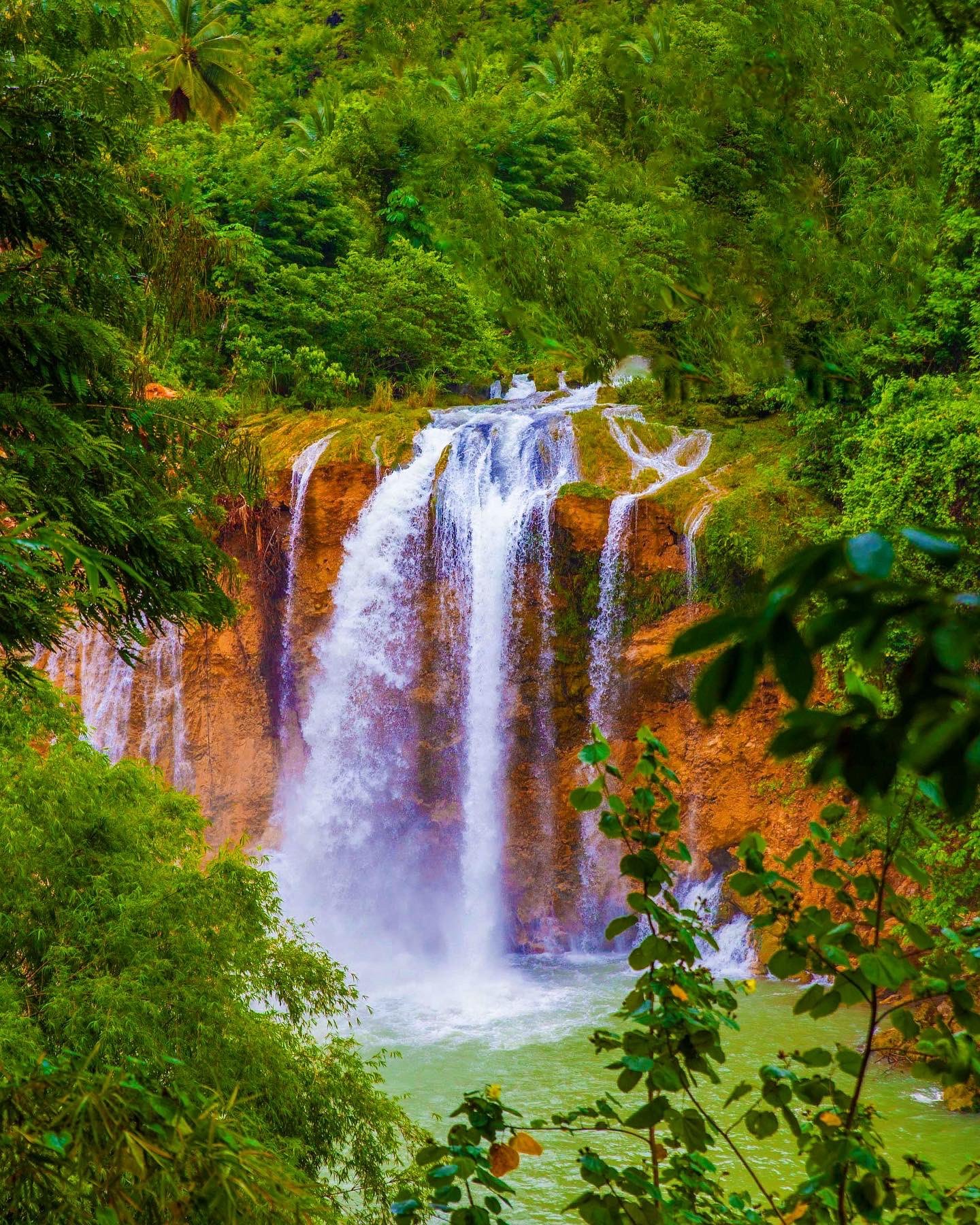
    Haïti is blessed with spectacular natural landscapes, including white sand beaches, mountains and rich biodiversity.

    Heritage

    Heritage

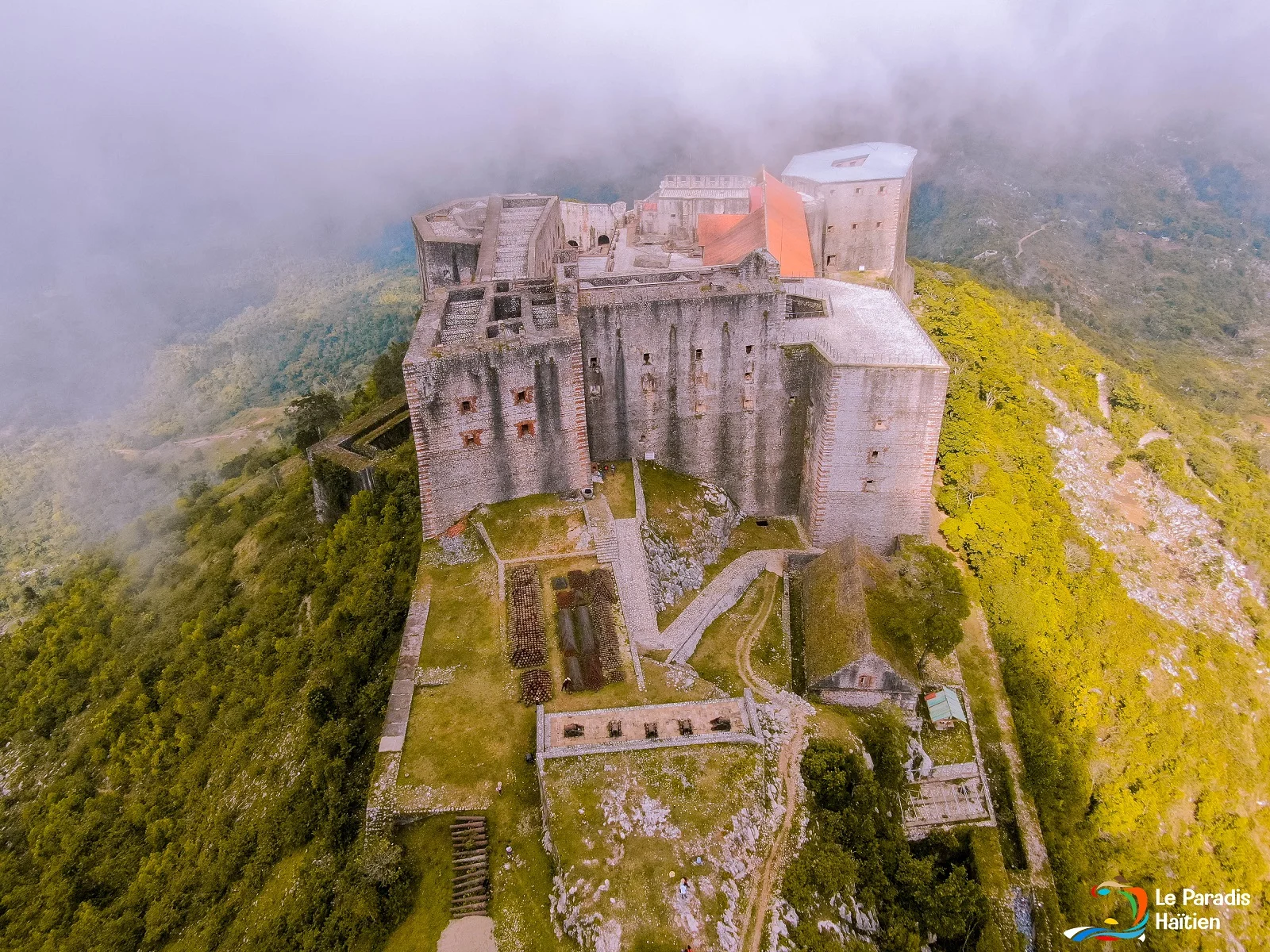
    Haïti has a rich historical heritage, including sites like the Citadelle Laferrière and the Sans-Souci Palace, listed as UNESCO World Heritage Sites.

    Culture

    Culture

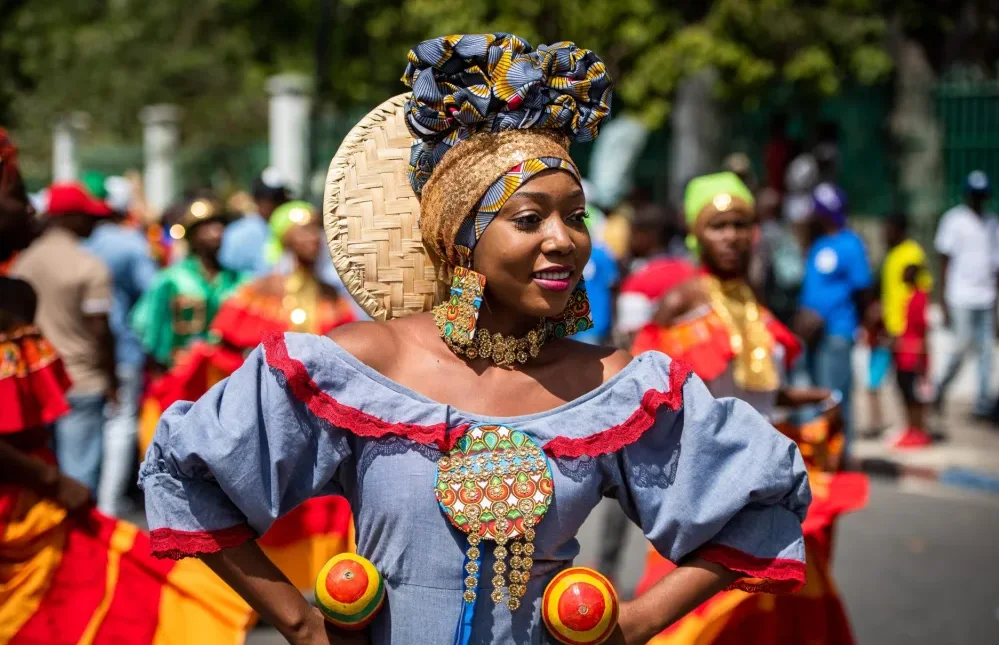
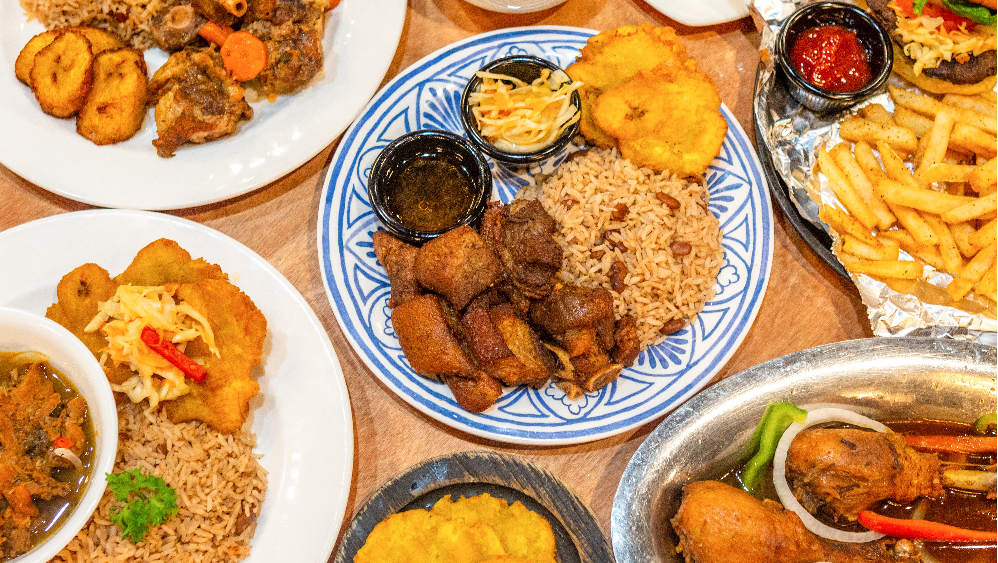
    Haïti has a rich and diverse culture, influenced by African, European and indigenous elements. Haitian music, dance, art and cuisine are celebrated around the world.

    • +
      • Post