November 18 in Haiti: Commemoration of the Battle of Vertières
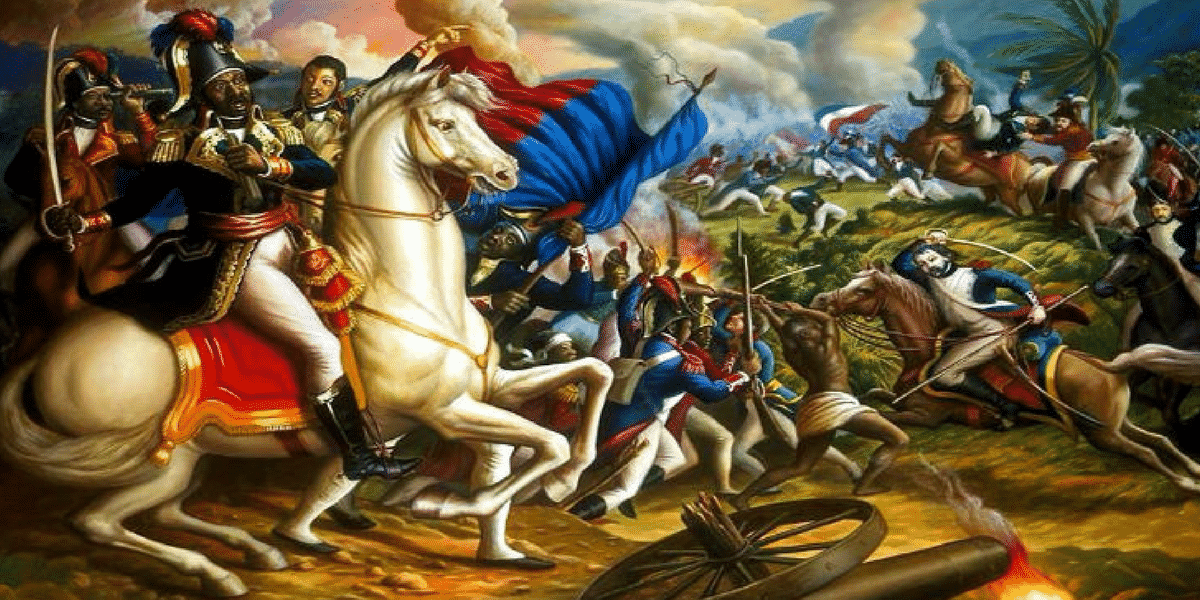
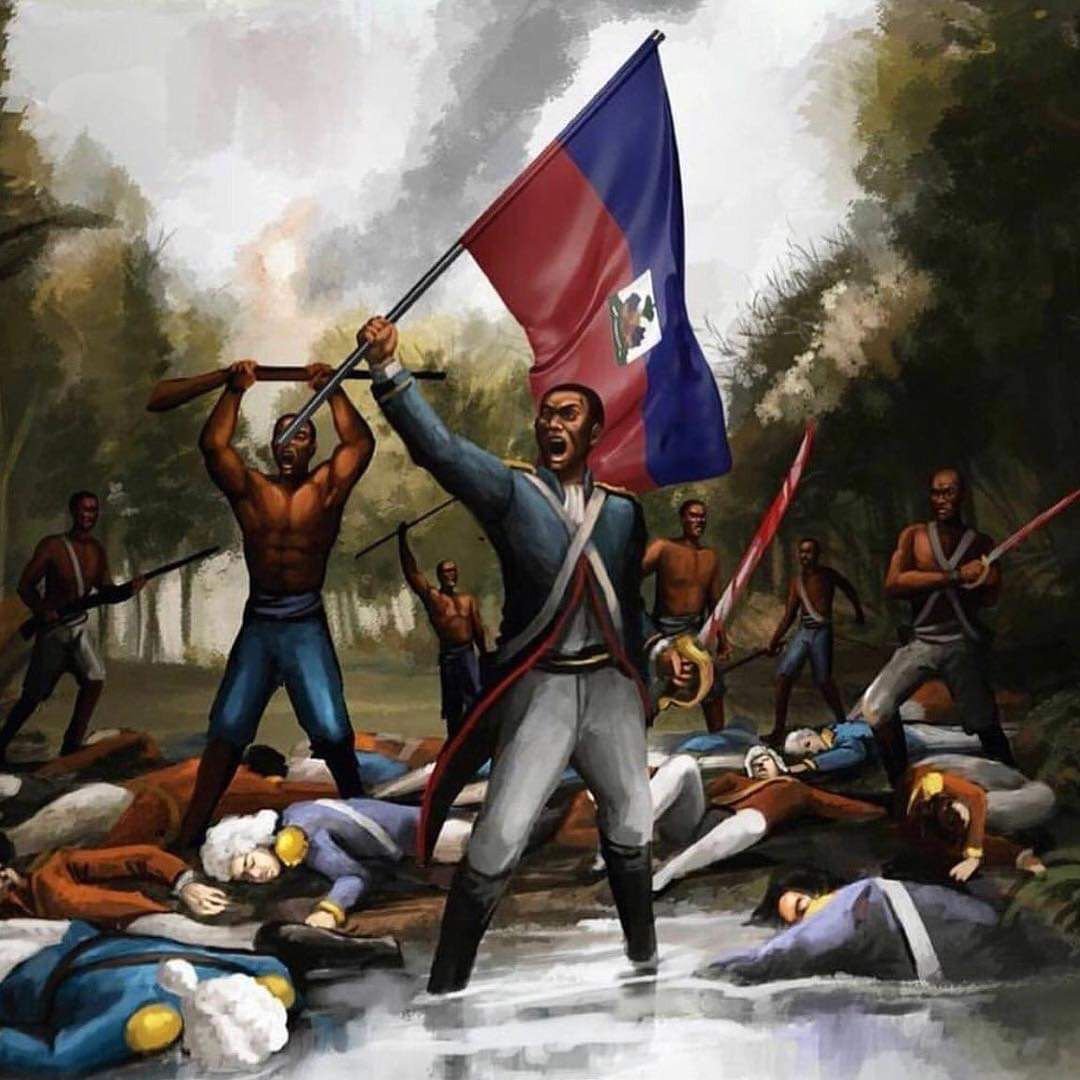
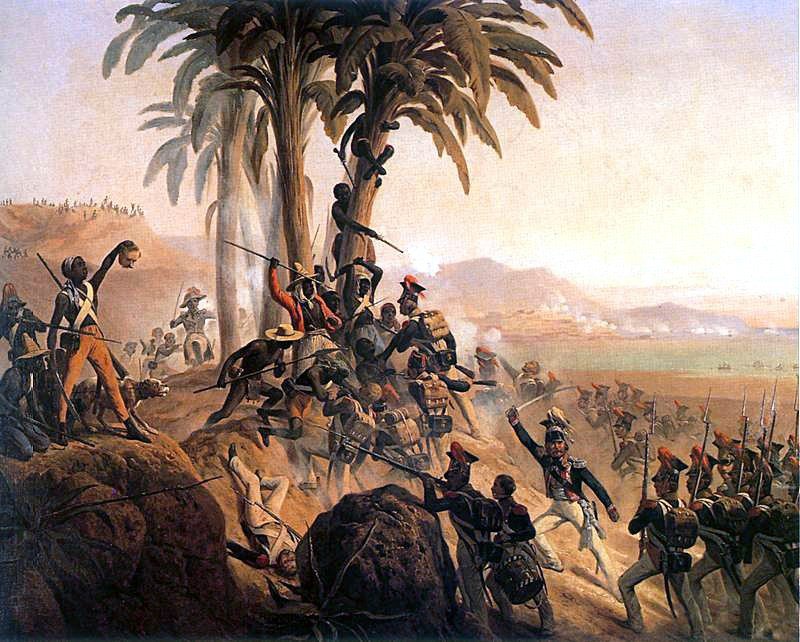
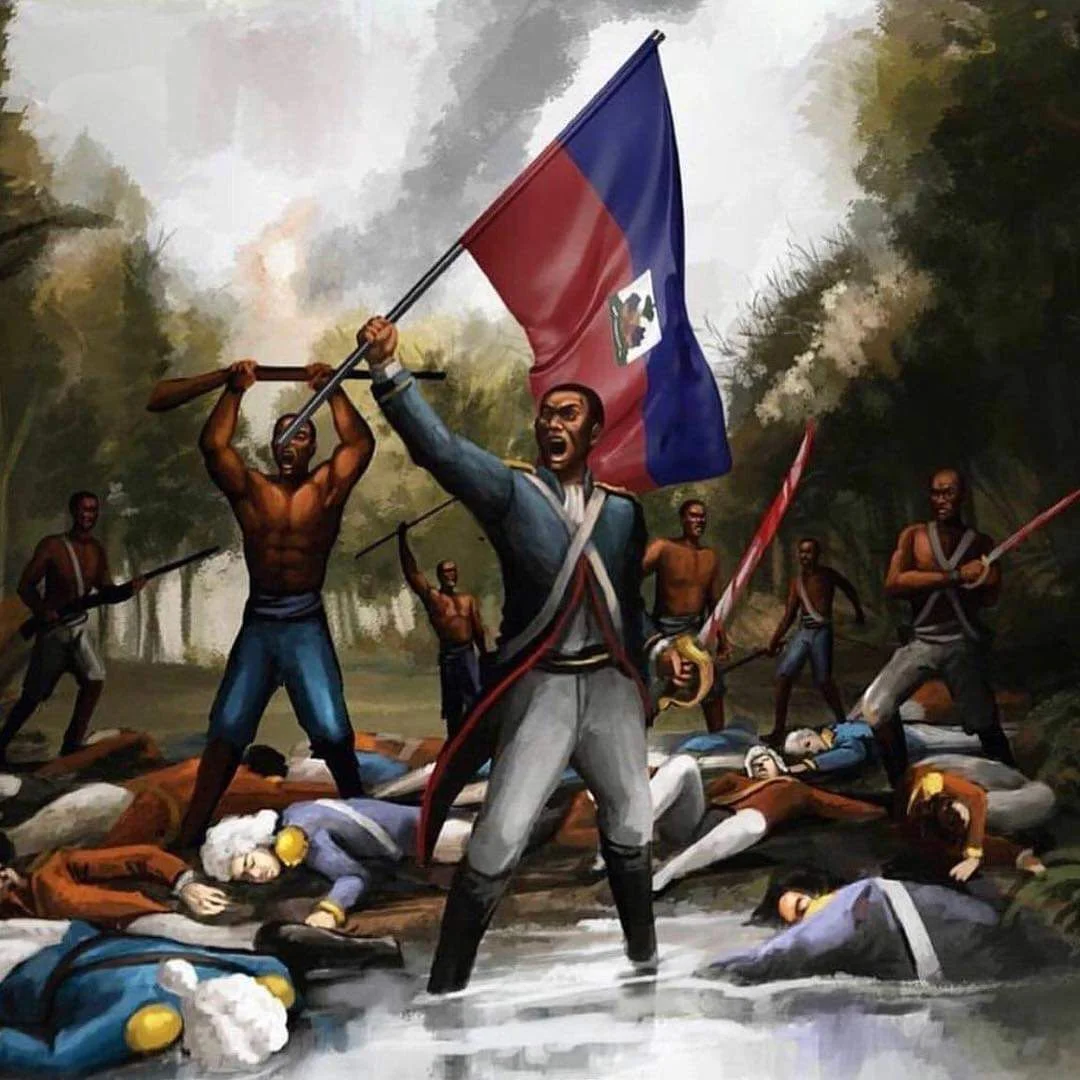
Every year, on November 18, Haïti celebrates one of the most significant events in its history: the Battle of Vertières. This date, a symbol of courage and determination, recalls the decisive victory of Haitian troops over French colonial forces in 1803, thus paving the way for the independence of Haiti, proclaimed on January 1, 1804.
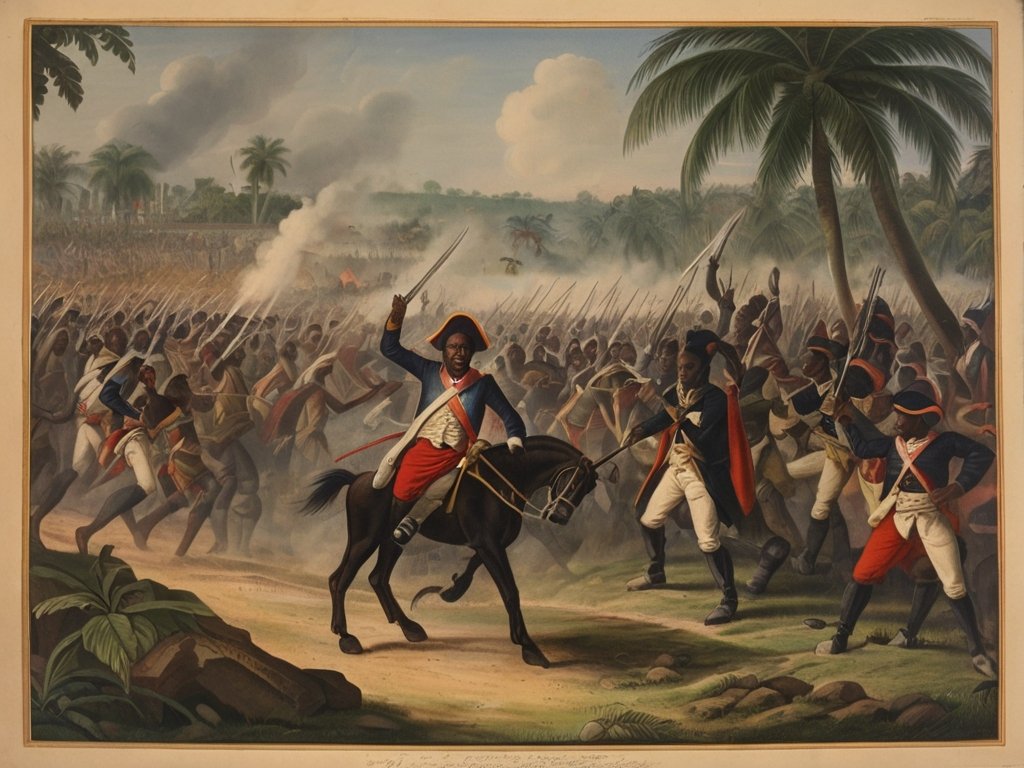
The Battle of Vertières was part of the Haitian Revolution, a years-long revolt led by African slaves and their descendants against French colonial oppression. After the abolition of slavery in 1793 by the commissioners of the French Republic, conflicts between the different power groups continued, notably with the reestablishment of slavery by Napoleon Bonaparte in 1802.
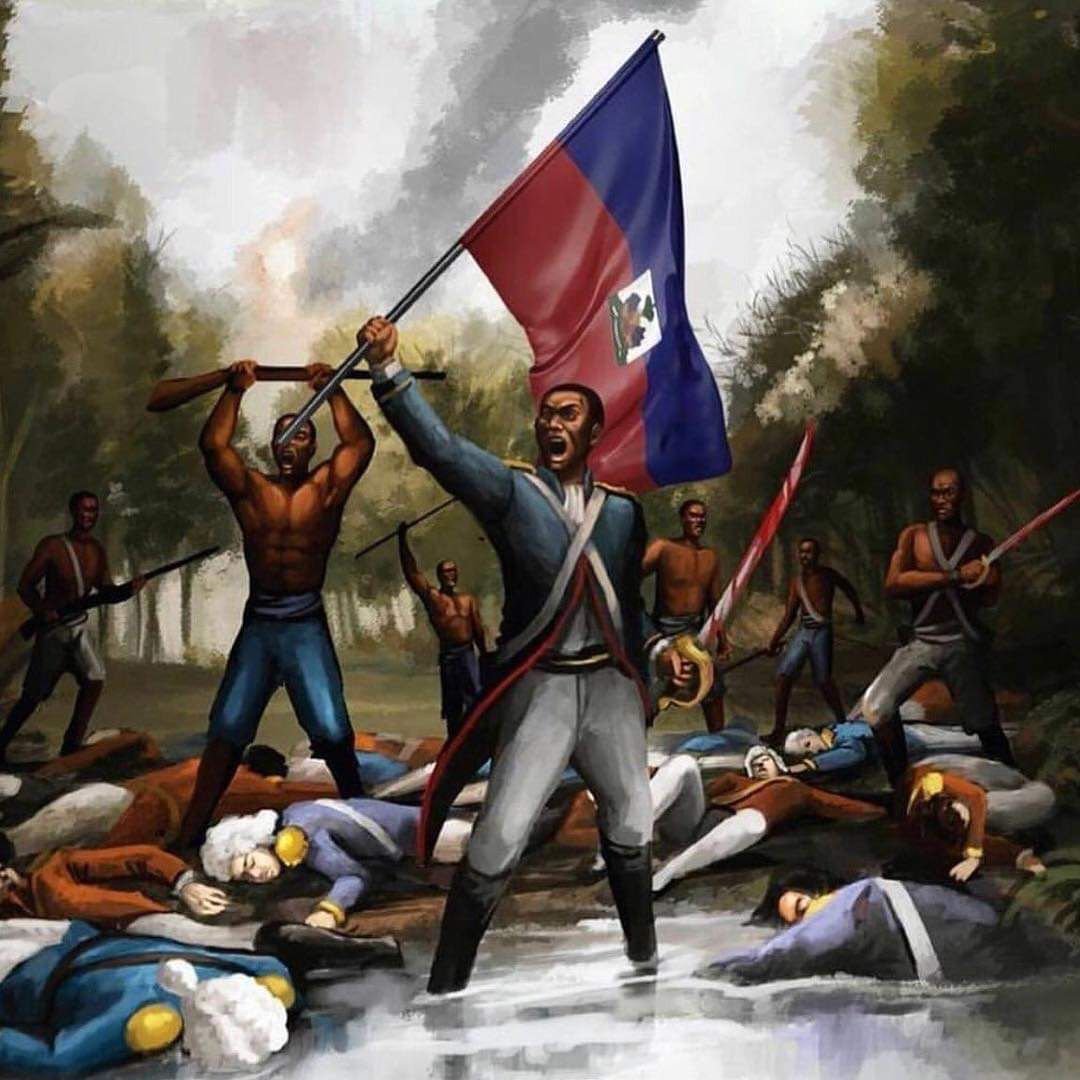
Led by Jean-Jacques Dessalines, Haitian forces fought valiantly against French troops, led by General Rochambeau, during the Battle of Vertières. On November 18, 1803, the Haitians inflicted a decisive defeat on the French, marking the end of the colonial era and the beginning of the world’s first free black republic.
The victory at Vertières is more than just a battle won; it represents the end of colonial oppression and the emancipation of a people. It is the symbol of the fight for freedom and equality, fundamental values which have inspired other independence movements around the world.
For Haiti, Vertières is a moment of national pride and commemoration of the bravery of ancestors who sacrificed their lives for freedom. This battle not only changed the destiny of the Haitian nation, but it also had a profound impact on world history by demonstrating that slaves could free themselves and rule their own country.
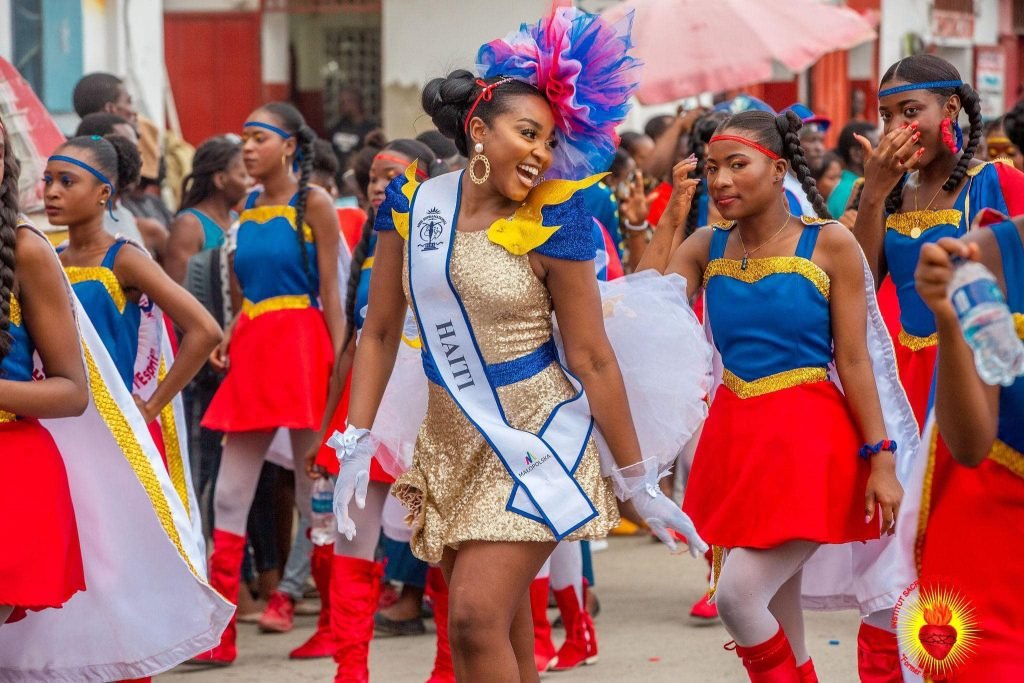
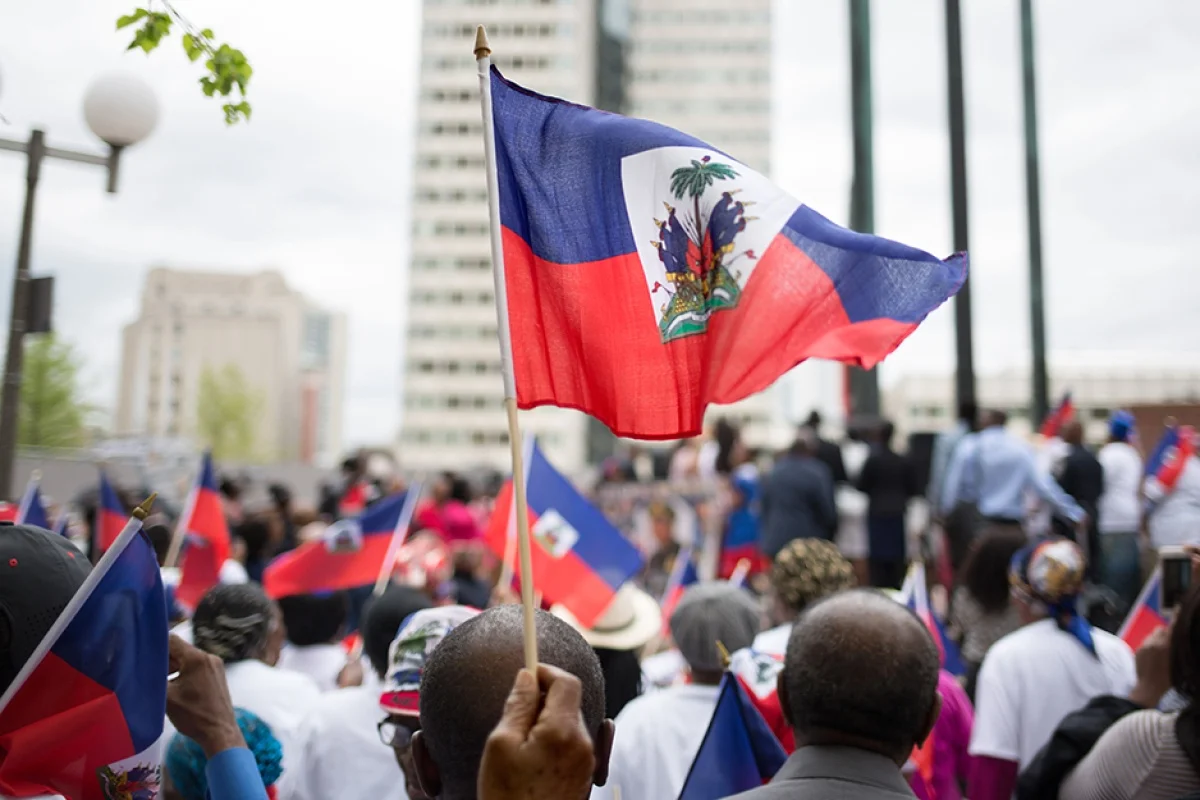
On November 18, the commemoration of the Battle of Vertières is marked by various activities throughout the country. Official ceremonies, military parades, patriotic speeches and cultural events are organized to honor the heroes of the Haitian revolution. Schools, institutions and families actively participate in these celebrations, recalling the importance of this day in national history.
The towns of Cap-Haitien and Vertières, where the battle took place, became centers of commemoration, attracting thousands of visitors and dignitaries. These events help to strengthen the feeling of national unity and pass on to younger generations the legacy of courage and resilience of their ancestors.
Over the decades, the commemoration of the Battle of Vertières has taken on varied dimensions, sometimes tinged with reflections on the current state of the nation. Haitians take advantage of this day to not only celebrate the past, but also to reflect on current and future challenges. Political discourses and social analyzes of this day often address questions of freedom, social justice and national development, inspired by the heroism of Vertières’ fighters.
The Battle of Vertières on November 18, 1803 remains a pillar of Haitian identity and a powerful reminder of human potential to overcome adversity. By commemorating this victory, Haïti honors its ancestors, strengthens its national identity and remembers the importance of freedom and justice. It is a day of reflection, celebration and renewal of dedication to the ideals that guided the nation to independence.
Share
About the Author
Appolon Guy Alain
Appolon Guy Alain
Full Stack Developer, Créatif, expérimenté, passionné des nouvelles technologies et de l’art.
First black nation to free itself from slavery and gain independence from France in 1804 and influenced other liberation movements around the world, inspiring struggles for freedom and equality.
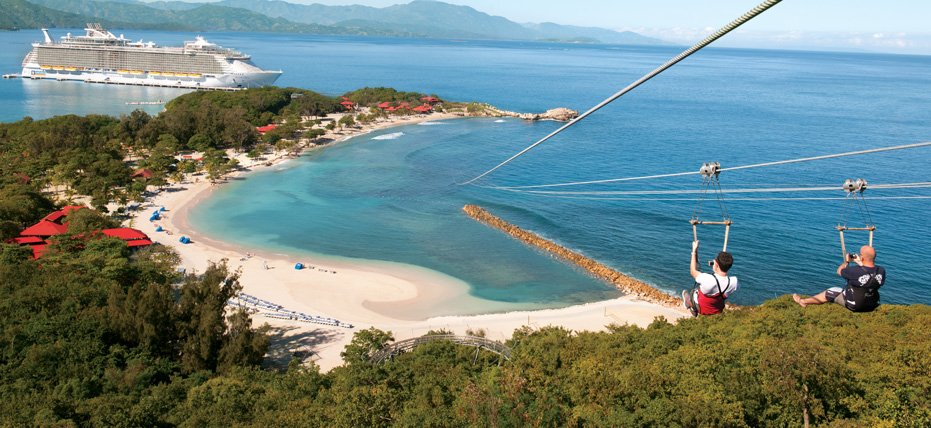
Natural beauty
Haïti is blessed with spectacular natural landscapes, including white sand beaches, mountains and rich biodiversity.
Heritage
Haïti has a rich historical heritage, including sites like the Citadelle Laferrière and the Sans-Souci Palace, listed as UNESCO World Heritage Sites.
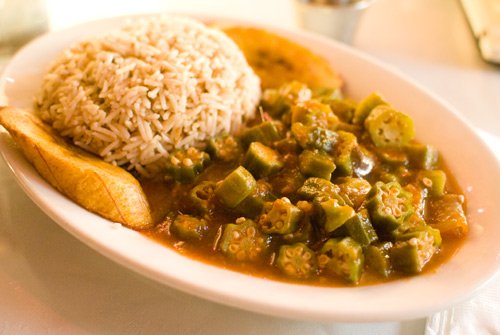
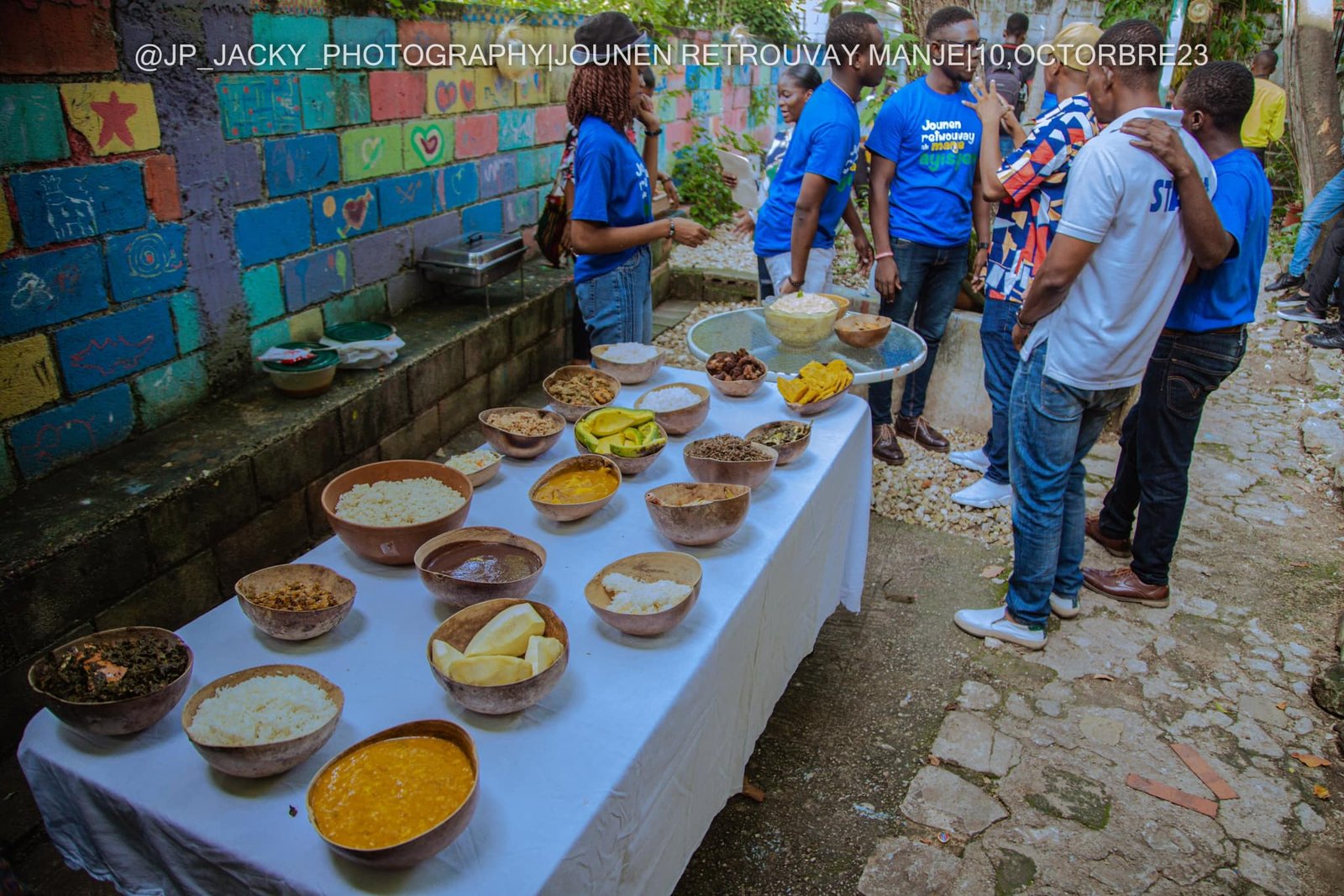
Culture
Haïti has a rich and diverse culture, influenced by African, European and indigenous elements. Haitian music, dance, art and cuisine are celebrated around the world.






























I’m always surprised, but yet not at what Haitian people can accomplish. Thank you for enlighten me.
November 17, 2024 - 02:16:11 PMUsa
November 17, 2025 - 03:34:40 PM