The Impact of Haitian Heroes at the Battle of Savannah
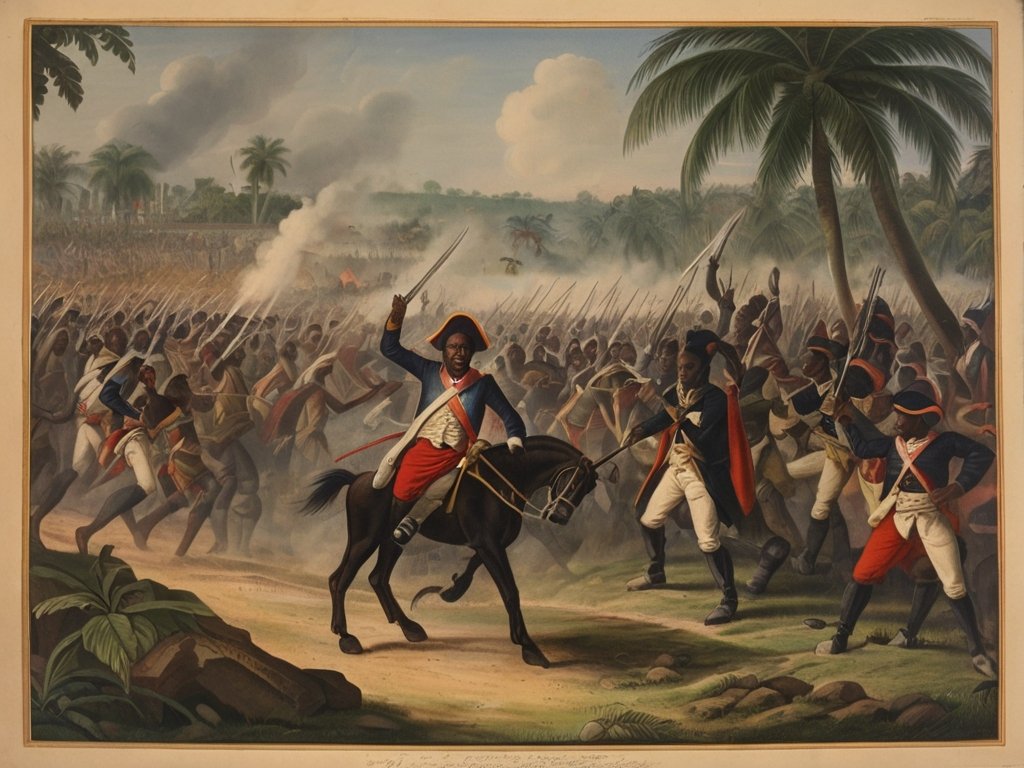
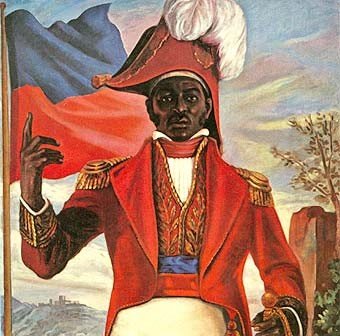
The Battle of Savannah, which took place in October 1779, is recognized as a crucial turning point in the American Revolution. This major conflict, where American and French forces fought against the British, was also marked by the remarkable participation of Haitian soldiers. Among them, the future king of the northern part of Haiti, Henri Christophe, who was wounded by a bullet during this battle. Their contribution was decisive, highlighting the international solidarity in the quest for freedom and independence that characterized this era.
Haïti and the USA, the differences between the struggles of Independence
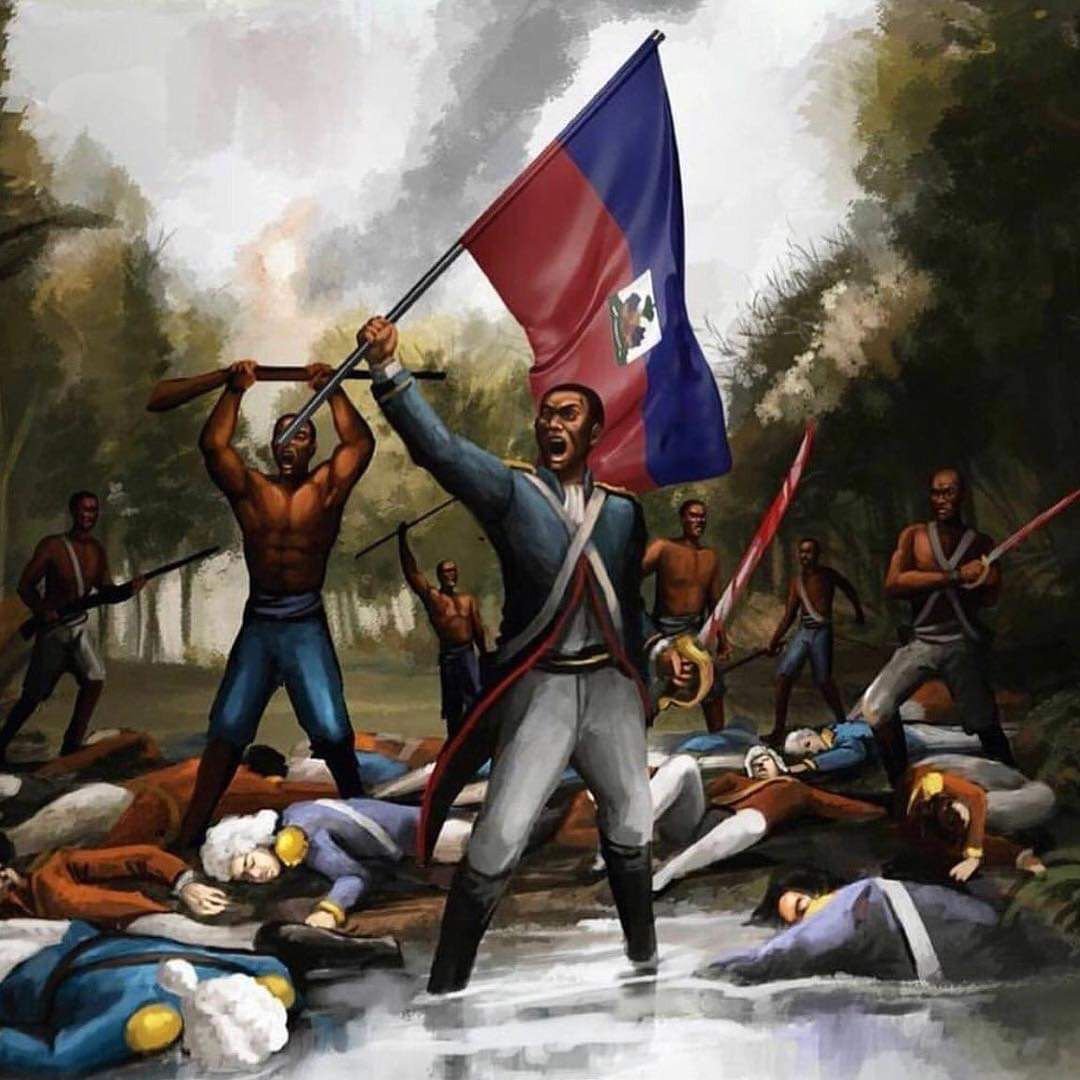
It is interesting to compare the American War of Independence and the Haitian Revolution to understand their specificities. The American War of Independence, which took place from 1775 to 1783, aimed to break ties with Great Britain in order to obtain autonomy for the American colonies. This conflict, although deeply anti-colonial, did not focus on issues of slavery or racism. In other words, the aim of this conflictual approach was much more economic than humanist. On the other hand, the Haitian Revolution, which took place from 1791 to 1804, was a radical struggle against slavery, racism and colonial domination, integrating a broader and more inclusive dimension. It is the first and most complete revolutionary approach of modern times, based on the right of all men to live freely. While the American War of Independence ended British rule, the Haitian Revolution, in its quest for humanity and universality, aimed for total liberation and racial equality, representing a turning point in the struggle for human rights around the world.
The first inhabitants of America were called Native Americans. The Protestant Irish who fled persecution by the Anglican Church of English royalty can only be considered America’s first immigrants. All the other peoples who have united to form this giant country and world power are part of this same migratory logic. In other words, Haitians in Florida, Latinos in Los Angeles, and Arabs in Michigan are just a few examples of the many immigrant groups that enrich the country. They represent an integral part of a great migratory tradition.
Moreover, America, as a land of immigrants, is a true microcosm of global diversity. It is often described as "the world in a nutshell." A cosmopolitan city like New York perfectly illustrates this reality by reflecting the multiple communities that make up the American social fabric. This diversity is not only a characteristic, but also an essential force that enriches American society, demonstrating the importance of inclusion and diversity in the nation-building of the country.
The contributions of immigrants in the construction of the United States
The contributions of immigrants to the edifice of America are vast and significant. They have played crucial roles in the economic, cultural and social development of the country. Whether it is building infrastructure, enriching culture or innovating in various fields, immigrants have shaped modern America. Their courage and determination are the foundation of today’s rich, strong, and diverse American society, which celebrates its shared history of inclusion.
Racism and Xenophobia, an Anomaly in an Immigrant Society
Racism and xenophobia appear as anomalies in a society based on immigration. Indeed, America is essentially made up of immigrants, whose influence is omnipresent in national institutions and symbols. For example, Karine Jean-Pierre, the current White House spokesperson under Joe Biden, is of Haitian origin. Barack Obama, a major figure in the recent history of American politics, had a Kenyan immigrant as his father. Kamala Harris, who is about to conquer the American presidency, is of Indian and Jamaican origin. These examples, among many others, illustrate the diversity and cultural openness that enrich America. This reality clearly demonstrates that racial prejudice and xenophobia, such as those expressed by some important figures of the Republican Party, with Donald Trump at their head, are not only in contradiction with the founding values of America, but also with the reality of its social composition. The participation of Haitian heroes in the Battle of Savannah is a major historical fact that underlines the importance of the Haitian contribution to this rich social composition.
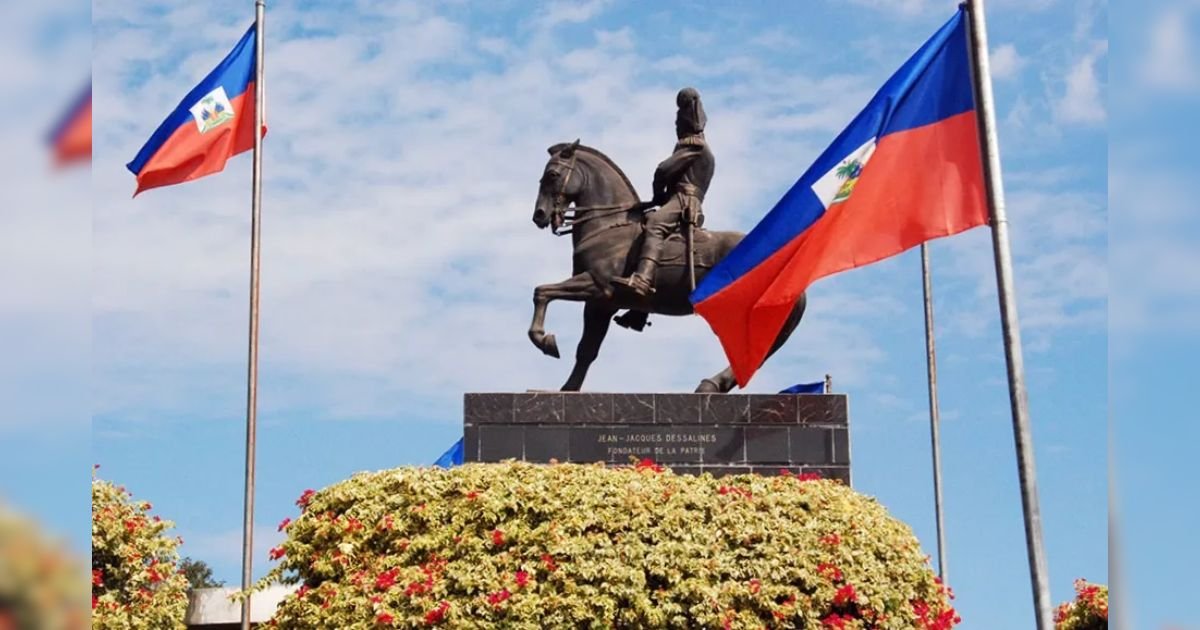
First black nation to free itself from slavery and gain independence from France in 1804 and influenced other liberation movements around the world, inspiring struggles for freedom and equality.
Natural beauty
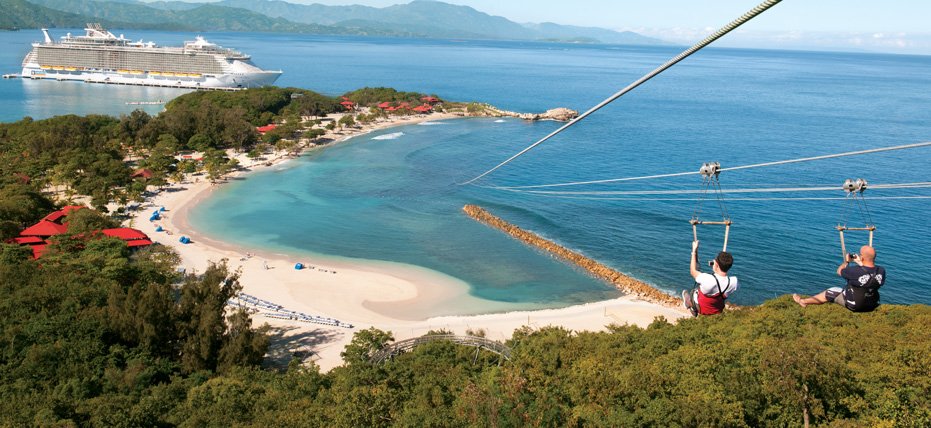
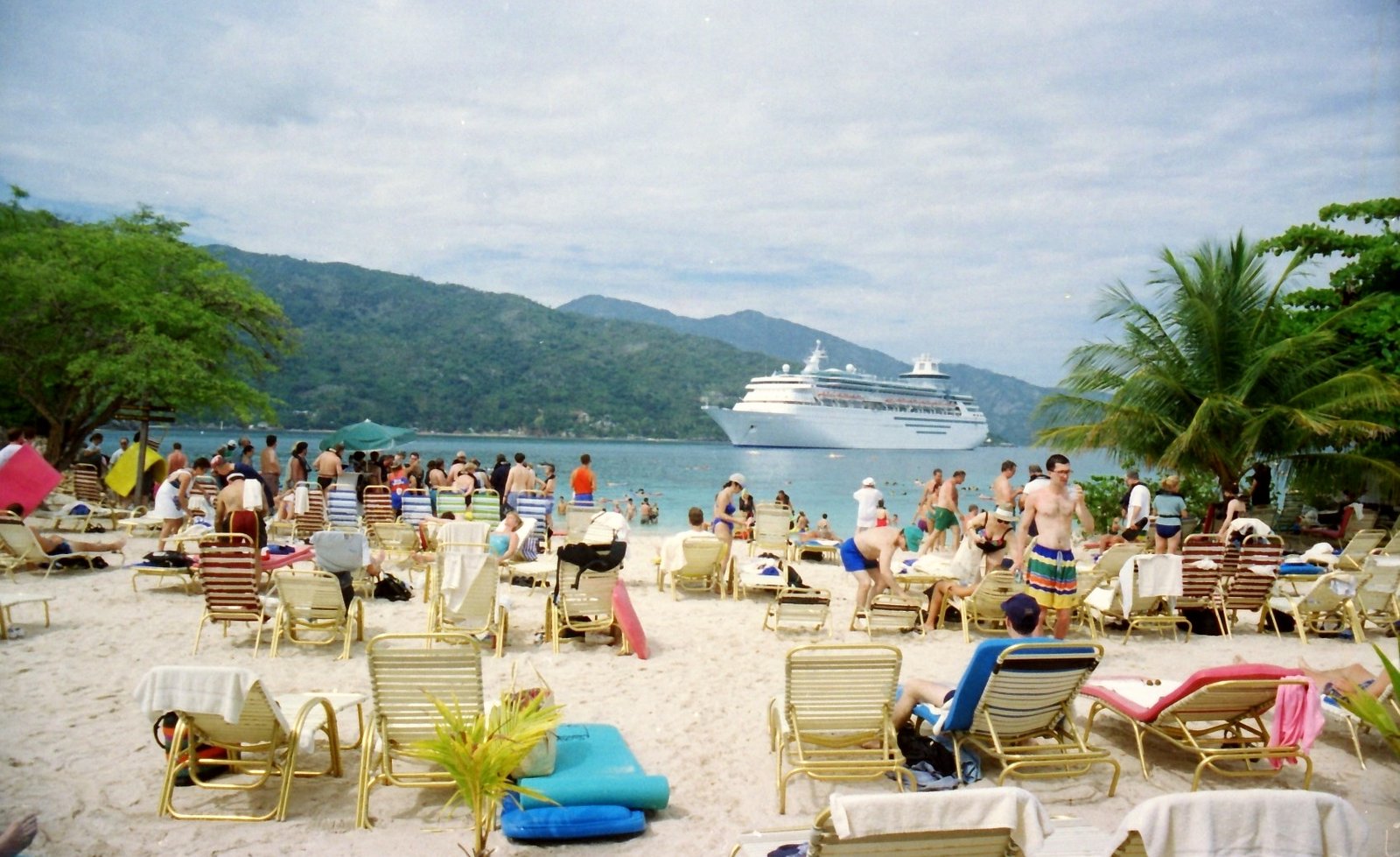
Haïti is blessed with spectacular natural landscapes, including white sand beaches, mountains and rich biodiversity.
Heritage
Haïti has a rich historical heritage, including sites like the Citadelle Laferrière and the Sans-Souci Palace, listed as UNESCO World Heritage Sites.
Culture
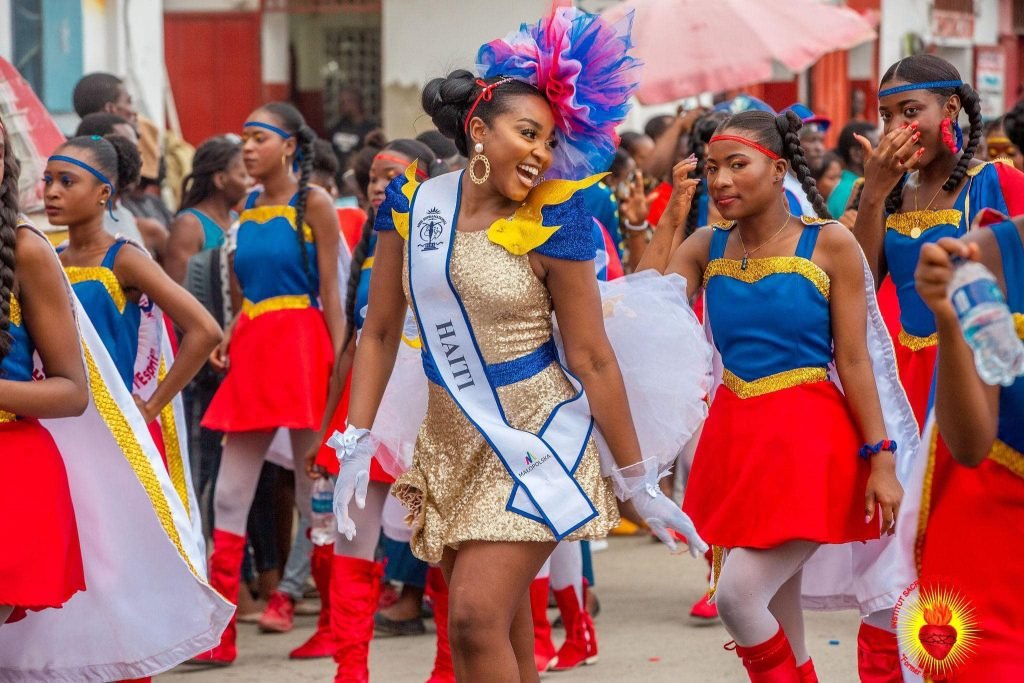
Haïti has a rich and diverse culture, influenced by African, European and indigenous elements. Haitian music, dance, art and cuisine are celebrated around the world.