Haïti et son Rôle Pionnier dans l’Abolition de l’Esclavage Mondial
For centuries, the institution of slavery has darkened human history, leaving behind a legacy of pain, oppression and the struggle for freedom. However, in this dark tale, one nation stands out for its courage and determination to break the chains of oppression: Haiti. Located in the Caribbean, Haïti played a pioneering role in the abolition of slavery, laying the foundation for the fight for freedom and equality around the world.
The history of slavery in Haïti dates back to the arrival of Europeans on the island, which was then called Santo Domingo, in the 15th century. French colonists quickly established an economy based on sugar and coffee production, cruelly exploiting millions of African slaves deported to work on plantations. However, this brutal system engendered fierce resistance from slaves, whose fight for freedom ultimately led to one of the most significant revolutions in history.
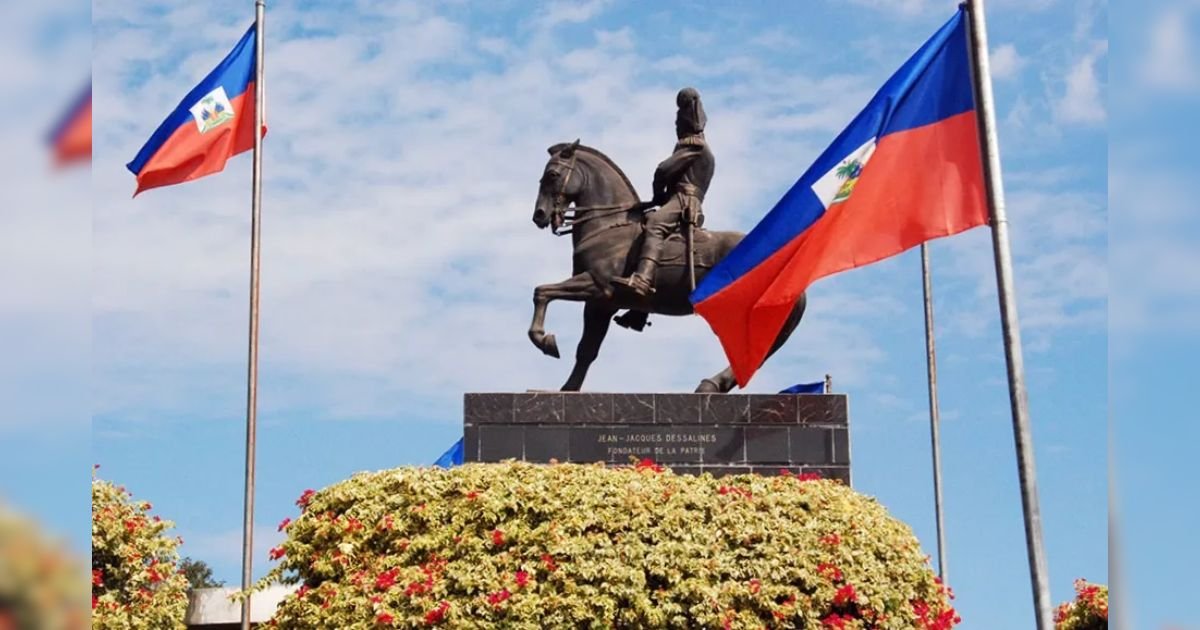
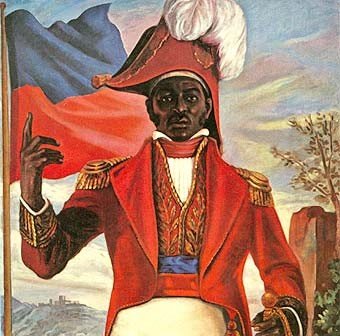
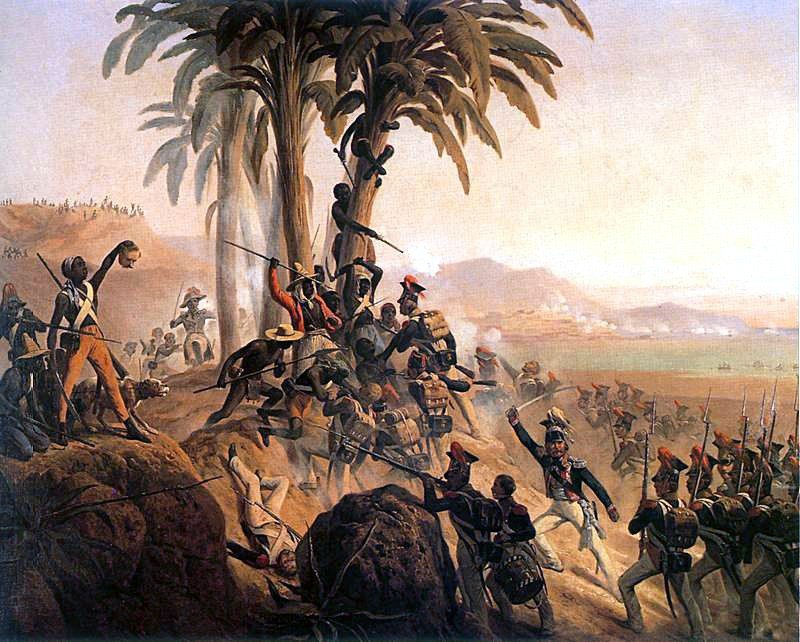
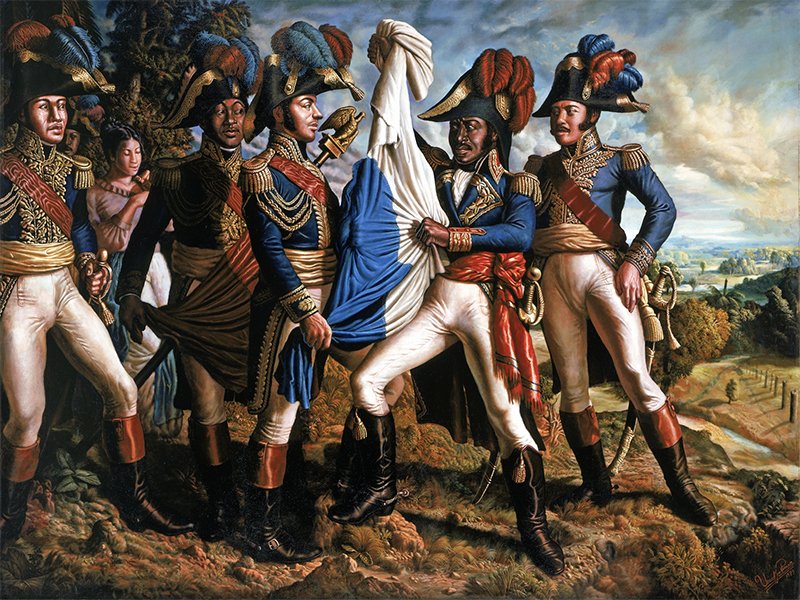
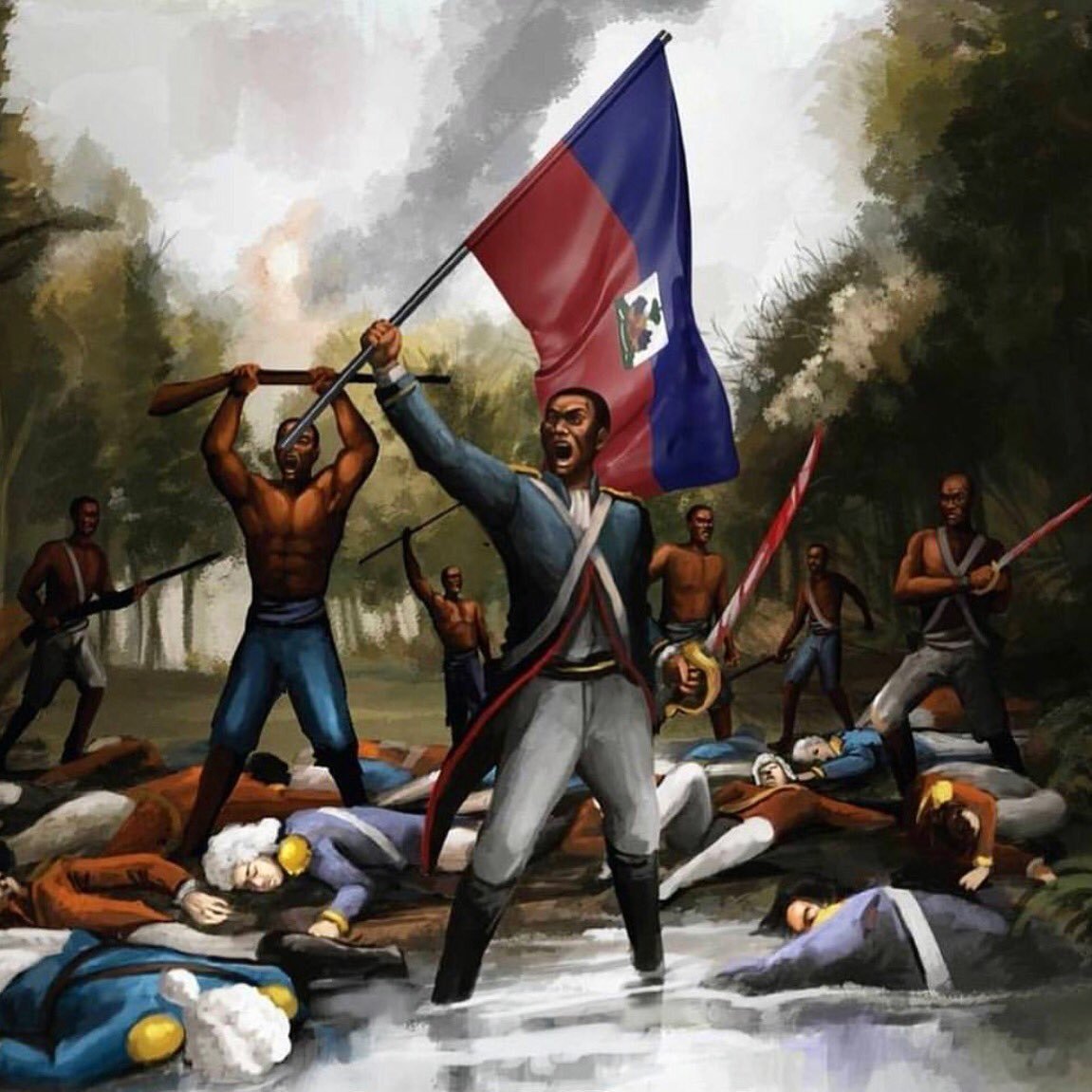
In 1791, under the leadership of iconic figures such as Toussaint Louverture, Jean-Jacques Dessalines and Henri Christophe, Haitian slaves rose up against their oppressors in an unprecedented rebellion. This revolt resulted in a war of independence that lasted more than a decade, but ultimately resulted in the proclamation of Haiti’s independence in 1804, making that country the first post-colonial nation ruled by people from slavery.
The impact of the Haitian Revolution on the abolition of slavery worldwide cannot be overstated. By breaking the chains of oppression and proclaiming their independence, Haitians have sent a powerful message to all oppressed peoples around the world: freedom is possible, and it is worth the struggle. The example of Haïti inspired other movements for the abolition of slavery in the Americas and beyond, thus helping to shake the very foundations of the institution of slavery.
Haiti’s participation in the fight against slavery was not limited to its territory; it also extended to external actions where Haitian men were sent or actively participated in movements for the abolition of slavery in other regions of the world.
For example, Haitian President Alexandre Pétion supported Simón Bolívar, the leader of the South American revolution, by providing him with weapons, money and even men, which contributed to the liberation of several countries in America Latin of colonial domination.
Haïti also provided support for independence movements in Central America. Haitian fighters, led by General Jean-Pierre Boyer, helped Venezuelan patriots fight against Spanish rule, contributing to the liberation of that region.
The Haitian government financially and diplomatically supported movements for the abolition of slavery in countries such as Venezuela, Colombia and Mexico, contributing to the gradual eradication of this institution throughout the region.
Although Haïti did not directly participate in the American Civil War, many Haitians and descendants of Haitians played crucial roles in the abolitionist movement in the United States. Figures who were of Haitian origin or of Haitian ancestry, were important voices in the fight against slavery and for equal rights in the United States.
The legacy of the Haitian Revolution remains a symbol of resistance and courage for future generations. Today, as the world continues to struggle against injustice and oppression in various forms, Haiti’s history reminds us that the fight for freedom is a universal fight, one that transcends borders and times.
Haiti’s participation in the abolition of slavery throughout the world remains a crucial chapter in the history of humanity. Through their courage and determination, Haitians have paved the way for a future where freedom and equality are inalienable rights for all.






























I love this article. Thank you and congratulations to Moise Francois. You got it right, bro.
November 12, 2025 - 04:40:53 AMInvocation Maçonnique de Vertières
June 16, 2026 - 11:38:22 PMAppel des Grandes Forces de Lumière, de Sagesse et de Victoire
pour les Fils d’Haïti
Au Nom du Grand Architecte de l’Univers,
Source éternelle de Lumière, d’Harmonie et de Perfection,
Nous ouvrons ce moment sacré sous le signe de la Lumière.
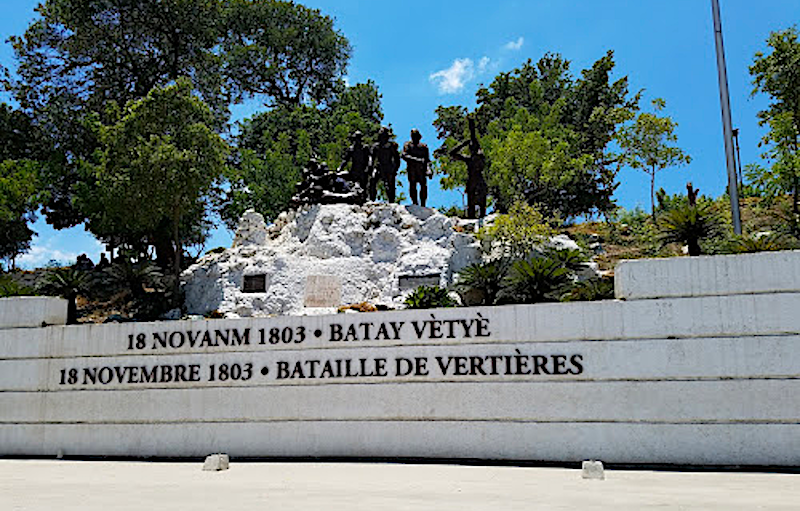
Que la mémoire de Vertières soit élevée comme une colonne éternelle,
car c’est sur cette terre que le courage humain a taillé une pierre dans le Temple de la Liberté.
Nous appelons symboliquement les Grandes Forces de l’Esprit,
les Énergies de Sagesse, de Force et de Beauté,
afin qu’elles inspirent les fils d’Haïti qui portent aujourd’hui l’honneur de la Nation.
Nous invoquons la Lumière de Salomon,
symbole de sagesse et de discernement,
afin que les joueurs gardent l’intelligence dans chaque décision,
la maîtrise dans chaque action et la vision dans chaque mouvement.
Nous invoquons l’Esprit d’Hiram Abiff,
Maître bâtisseur du Temple, symbole de fidélité et de persévérance,
afin que l’équipe soit unie comme une œuvre parfaite,
que chaque joueur soit une pierre solide dans l’édifice collectif.
Nous invoquons la Force d’Hercule,
symbole du courage face aux épreuves,
afin que leur volonté demeure ferme devant tous les défis.
Nous invoquons la Sagesse d’Athéna,
symbole de stratégie et d’intelligence,
afin que leurs choix soient précis, que leur esprit reste calme et concentré.
Nous invoquons l’Esprit de Mars,
symbole de courage et de détermination dans le combat,
afin qu’ils affrontent chaque adversaire avec discipline, respect et force intérieure.
Nous invoquons la Lumière d’Apollon,
symbole de clarté, d’excellence et d’harmonie,
afin que leur talent rayonne et que leur travail soit reconnu.
Nous appelons également la mémoire des grands bâtisseurs d’Haïti :
1
Toussaint Louverture,
la vision du stratège.
Jean-Jacques Dessalines,
la force de la liberté.
Henri Christophe,
la discipline du bâtisseur.
Capois-La-Mort,
le courage qui avance même devant l’impossible.
Que leurs noms soient des colonnes de mémoire.
Que la peur soit transformée en courage.
Que la pression soit transformée en maîtrise.
Que l’obstacle soit transformé en occasion de grandeur.
Que les joueurs entrent sur le terrain comme des artisans de leur destinée,
portant dans leur cœur : la dignité d’Haïti, la mémoire de Vertières, et la volonté d’excellence.
Que les trois grandes colonnes symboliques :
SAGESSE FORCE BEAUTÉ
soient avec eux.
Que leur union construise un Temple de victoire,
non seulement par le résultat,
mais par l’honneur, l’effort et la grandeur de leur engagement.
Que la Lumière guide leurs pas.
Que la Force soutienne leurs actions.
Que l’Harmonie unisse leurs cœurs.
Pour Haïti.
Pour Vertières.
Pour la Fraternité humaine.
Que la Lumière soit.