contact@haitiwonderland.com+509 36184317

Discover

Shopping Cart

What does October 17th represent for Haiti?

What does October 17th represent for Haiti?

Why is October 17th etched in the hearts of Haitians? The brutal assassination of Jean-Jacques Dessalines reveals the dark secrets of the young republic. The story you need to know.

October 17th occupies a tragic but fundamental place in Haitian history. This date marks the assassination of Jean-Jacques Dessalines, the founding father of the Haitian nation and first emperor under the name of Jacques I.

Who Was Jean-Jacques Dessalines?

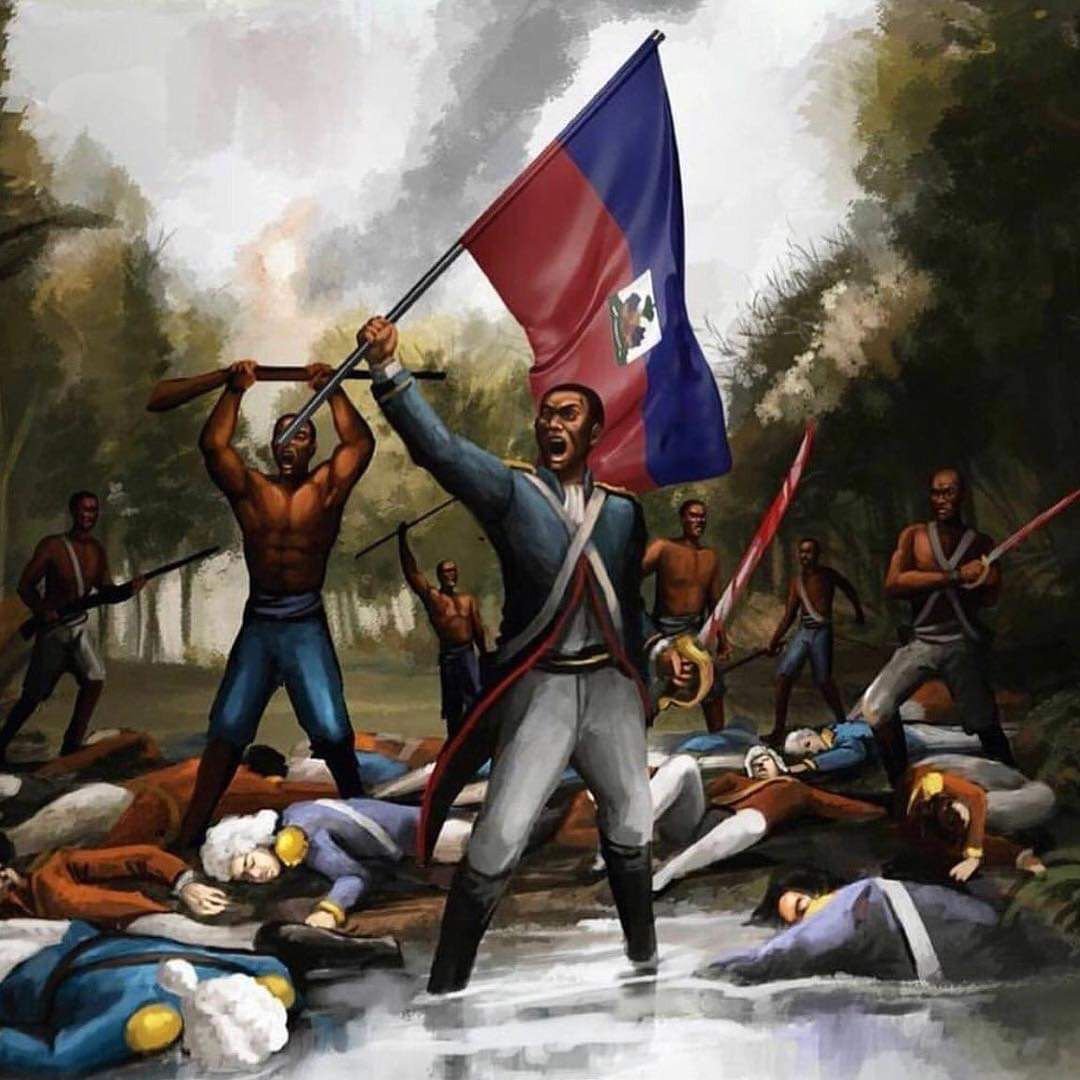
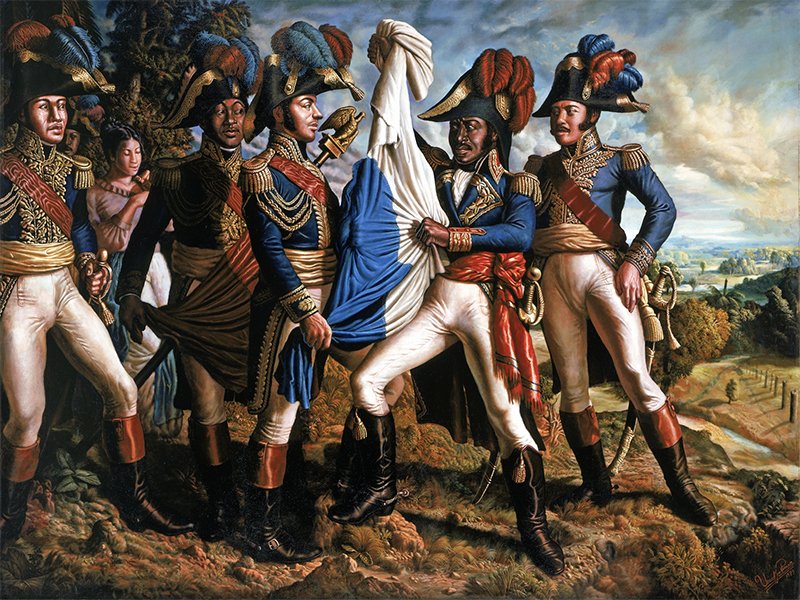
Jean-Jacques Dessalines remains one of the most iconic figures in Haitian history. Born a slave around 1758, he rose to become the military leader who consolidated Haiti’s independence in 1804, making the country the world’s first free Black republic and the first nation in the Americas to permanently abolish slavery.

Dessalines was renowned for:

- His exceptional military bravery in the fight against French colonial forces
- His decisive role in the Battle of Vertières in November 1803
- His historic proclamation of Haitian independence on January 1, 1804
- His vision of a sovereign and independent Black nation

The Circumstances of the Assassination

On October 17, 1806, Dessalines was ambushed at Pont-Rouge, near Port-au-Prince, while en route to suppress a revolt in the south. His assassination was the result of a plot orchestrated by other Haitian generals, notably Alexandre Pétion and Henri Christophe, who opposed his authoritarian style of governance and radical agrarian policies.

This internal betrayal revealed the deep tensions that already existed in the young nation, barely two years after its independence. Dessalines’ body was mutilated and abandoned in a public square, a brutal symbol of the end of an era.

Dessalines’ Legacy for Modern Haiti

Despite the controversies surrounding his authoritarian reign, Dessalines remains a powerful symbol for the Haitian people:

A national hero: He is considered the true architect of Haitian independence, the one who had the courage to definitively break with colonial France.

The national anthem: "La Dessalinienne," Haiti’s national anthem, adopted in 1904, bears his name and honors his memory.

A symbol of resistance: Dessalines embodies resistance against oppression and the struggle for the dignity of Black people, a message that still resonates today.

A complex figure: Historians continue to debate his legacy, between his brutal methods and his vision of a sovereign and independent Haiti.

How Haïti Commemorates October 17

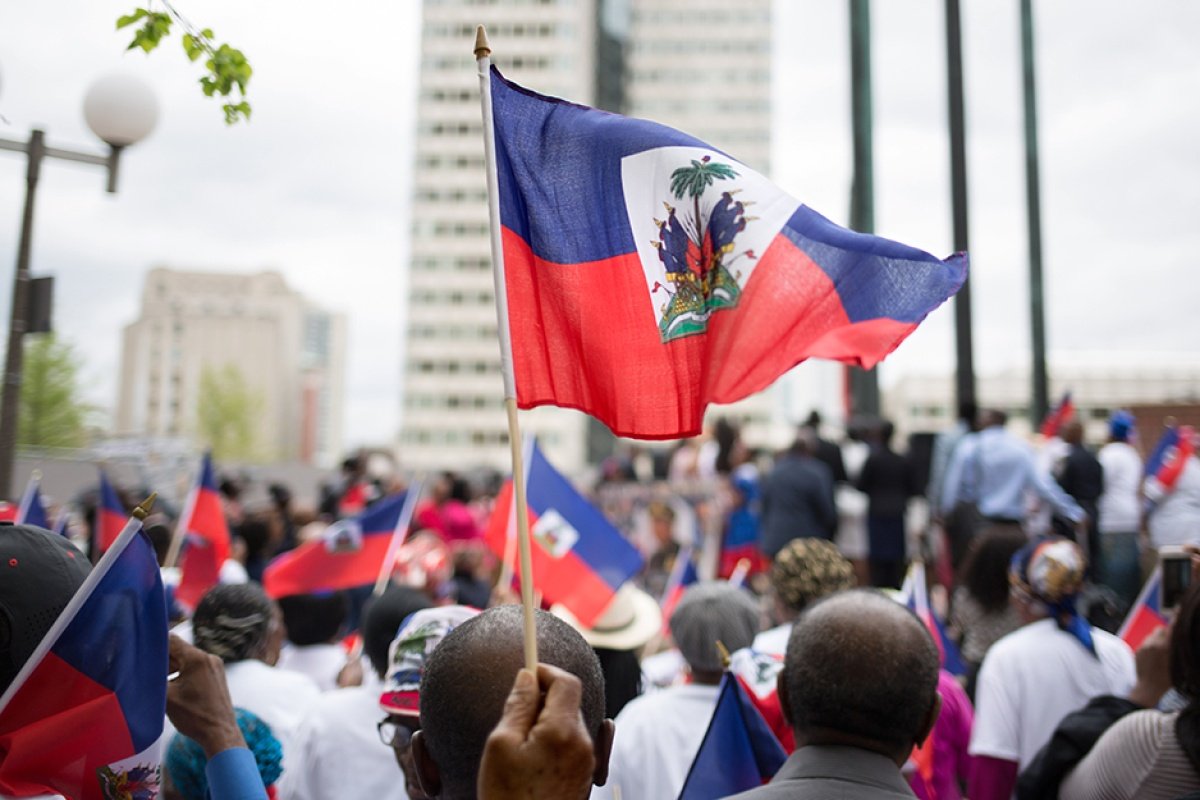
Every year, October 17th is an opportunity for Haitians to reflect on their national history. Official ceremonies are held at Pont-Rouge, the site of the assassination, where wreaths are laid. Historical debates, lectures, and educational programs remind new generations of Dessalines’ sacrifice.

This commemoration also invites a broader reflection on the internal divisions that have marked Haïti since its early days of independence, a theme that unfortunately remains relevant today.

Why October 17th Remains Important Today

More than two centuries after his death, Dessalines remains a central figure of Haitian identity. October 17 reminds Haitians of:

- The price of independence and freedom
- The dangers of national division
- The importance of unity in building a strong country
- The need to preserve Haitian sovereignty

In a context where Haïti continues to face numerous political, economic, and social challenges, the memory of Dessalines serves as a reminder that the nation has already overcome extraordinary hardships and possesses within itself the resources to rebuild.

Haïti / Fort Saint-Joseph: Historical Vestige of the Resistance

Haïti / Fort Saint-Joseph: Historical Vestige of the Resistance

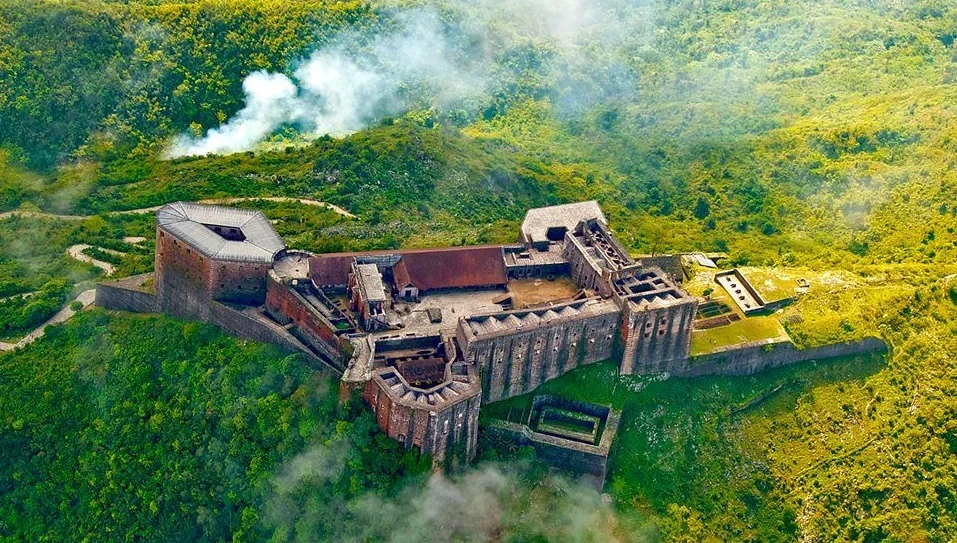
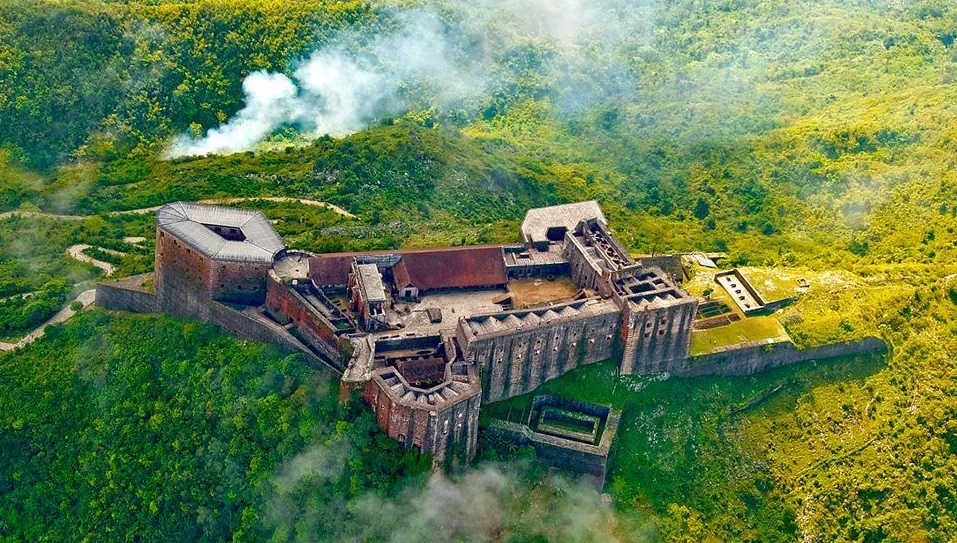
Located in the Bay of Cap-Haitien, Fort Saint-Joseph stands like a silent guardian of Haiti’s tumultuous history. Built in two stages, in 1748 and 1774, this defensive work was once a crucial element of the city’s protection system against French colonial assaults. Alongside other forts such as Picolet and Magny, its mission was to control maritime passages and defend Haitian sovereignty. However, its history is not limited to its defensive function. In 1802, then under the control of General Henry Christophe, the fort became the scene of a heroic act of resistance. Faced with the French expeditionary army, Christophe ordered the destruction of the powder magazine and the entrance gate to the fort, thus rendering it temporarily unusable. This courageous gesture, although tactical, left indelible scars on the very structure of the fort, testifying to the fierce clashes between French colonial forces and Haitian resistance fighters. These historic marks, still visible today, offer a window into the country’s tumultuous past. They allow visitors and historians to interpret the fierce struggles that forged Haitian identity. Fort Saint-Joseph, as a witness to the resistance and the struggle for freedom, embodies the indomitable spirit of the Haitian people. Recognizing its historical significance, the Haitian government officially classified Fort Saint-Joseph as national heritage in 1995. This recognition paved the way for restoration efforts aimed at preserving this precious vestige of Haitian military heritage. Thanks to collaboration between the public sector and local private funding, the fort has recently been restored and enhanced. Thus, Fort Saint-Joseph remains much more than a simple stone structure. It is a living symbol of the resilience and determination of the Haitian people, reminding all visitors that Haiti’s history is deeply rooted in the struggle for freedom and human dignity. To virtually discover this jewel of Haitian history, you can visit the following link: https://haitiwonderland.com/haiti-virtual-reality-ht/monuments-histoire/haiti--fort-saint-joseph--visite- virtual/11

A Date Etched in Collective Memory

October 17, 1806, marks a tragic turning point in Haiti’s history, the abrupt end of its founder’s dream. But this date also symbolizes the resilience of a people who, despite hardship, continue to rise up and fight for their future. By remembering Dessalines, Haitians honor not only a man, but the very idea of ​​freedom and dignity for which he fought throughout his life.

Share
About the Author
Appolon Guy Alain
Appolon Guy Alain
Appolon Guy Alain

Full Stack Developer, Créatif, expérimenté, passionné des nouvelles technologies et de l’art.

See other articles from Appolon Guy Alain
Leave a comment

Recently Posted

Newsletter

Subscribe to our newsletter to stay informed of all our activities and news on Haiti.

Christmas in Haiti: Between Magic, Discoveries and Delicacies

The joyful ringing of bells echoes through the streets of Haïti as the holiday season approaches. Christmas is a magical time when the streets light up, families gather and a warm atmosphere invades the island. Between traditions, cultural discoveries and gourmet feasts, Christmas in Haïti promises a unique experience. b~The Magic of Lights and Decorations~b From the beginning of December, Haïti is adorned with sparkling lights and festive decorations. The markets come alive with shimmering garlands, twinkling stars and ornate fir trees. The streets of Port-au-Prince in Jacmel shine with a special magic, inviting locals and visitors to immerse themselves in the festive spirit. b~Haitian Traditions at Christmas~b Christmas in Haïti is celebrated with a unique combination of religious traditions and local customs. Midnight Mass is a deeply rooted tradition, drawing worshipers to churches to celebrate the birth of Jesus in a vibrant atmosphere of song and prayer. A popular tradition is the "Dawn Mass" which takes place at dawn on December 25. The faithful gather to welcome Christmas Day with special fervor, testifying to the deep spirituality that permeates the festivities. The festivities are not limited to churches. Street parades, folk dances and concerts are commonplace, creating a joyful atmosphere throughout the country. Traditional Haitian music, such as direct compass and voodoo, adds a special dimension to these celebrations. b~Cultural Discoveries: Haitian Crafts~b Christmas is also an ideal opportunity to discover unique Haitian crafts. Christmas markets offer a variety of handicrafts, such as wooden sculptures, vivid paintings, wrought iron items and traditional jewelry. These works of art reflect the artistic talent of the Haitian people and provide unique and meaningful gifts. Local markets, such as the Ferrier market in Cap-Haitien and the Jacmel market, are essential places to discover the authenticity of Haitian crafts. These purchases also help support local artists and the community economy. b~Gourmet Feasts: Christmas Cuisine~b Christmas in Haïti is also a gastronomic celebration. Families gather around festive tables laden with traditional culinary delights. “Joumou soup”, a pumpkin soup, is an essential specialty of the holiday season. Pork, lamb and chicken dishes are also common, accompanied by rice and local vegetables. Traditional desserts, such as “Pen patat” and “Tablèt Pistach,” add a sweet touch to the celebration. Tropical fruits, such as mangoes and bananas, are also often present on Christmas tables, recalling the richness of Haitian biodiversity. Christmas in Haïti is a vibrant celebration that blends the magic of lights, religious traditions, local crafts and delicious cuisine. It is a time when joy and generosity are in the spotlight, and when Haitians open their hearts to share the magic of the season with the world.


Recently Posted

History

History

First black nation to free itself from slavery and gain independence from France in 1804 and influenced other liberation movements around the world, inspiring struggles for freedom and equality.

Natural beauty

Natural beauty

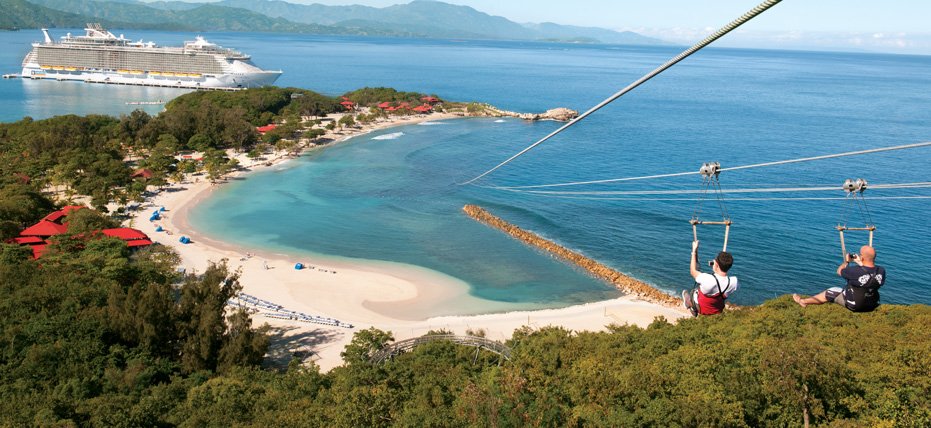
Haïti is blessed with spectacular natural landscapes, including white sand beaches, mountains and rich biodiversity.

Heritage

Heritage

Haïti has a rich historical heritage, including sites like the Citadelle Laferrière and the Sans-Souci Palace, listed as UNESCO World Heritage Sites.

Culture

Culture

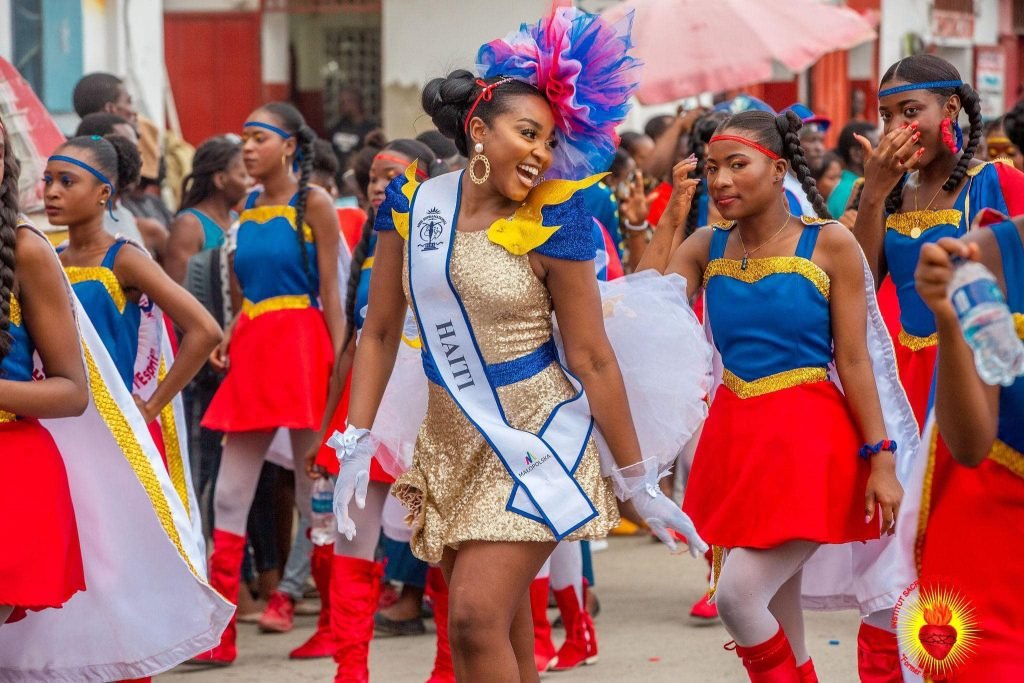
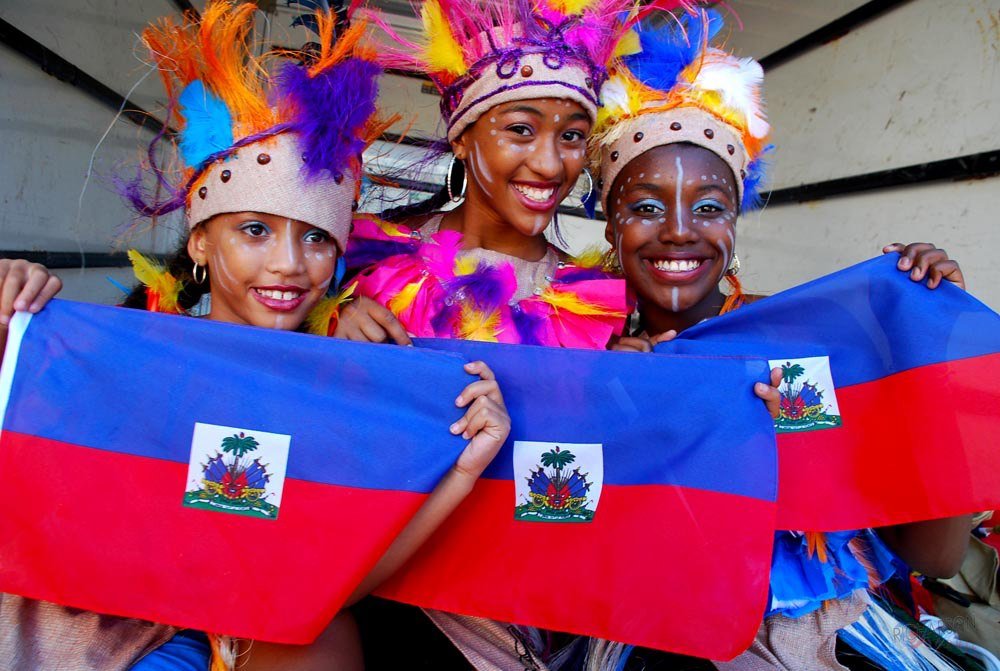
Haïti has a rich and diverse culture, influenced by African, European and indigenous elements. Haitian music, dance, art and cuisine are celebrated around the world.

  • +
    • Post