contact@haitiwonderland.com+509 36184317

Discover

Shopping Cart

Haiti: Symbol of Freedom

Haiti: Symbol of Freedom

Haiti, a Caribbean island country, is much more than just a tourist destination. It embodies a symbol of resistance, freedom and the struggle for emancipation, a historical example for the whole world. In this article, we will explore why Haïti is considered a true symbol of freedom, by highlighting its history, culture and its essential role in the fight against oppression.

Read the article in :

French : Haïti : Symbole de Liberté

Spanish : Haití: símbolo de libertad

Creole : Ayiti: Senbòl Libète

Reference page : Haiti: Symbol of Freedom

Other version : Haïti : Symbole de Liberté

Haïti
Haïti
Haïti

Haiti’s History: A Model of Resistance

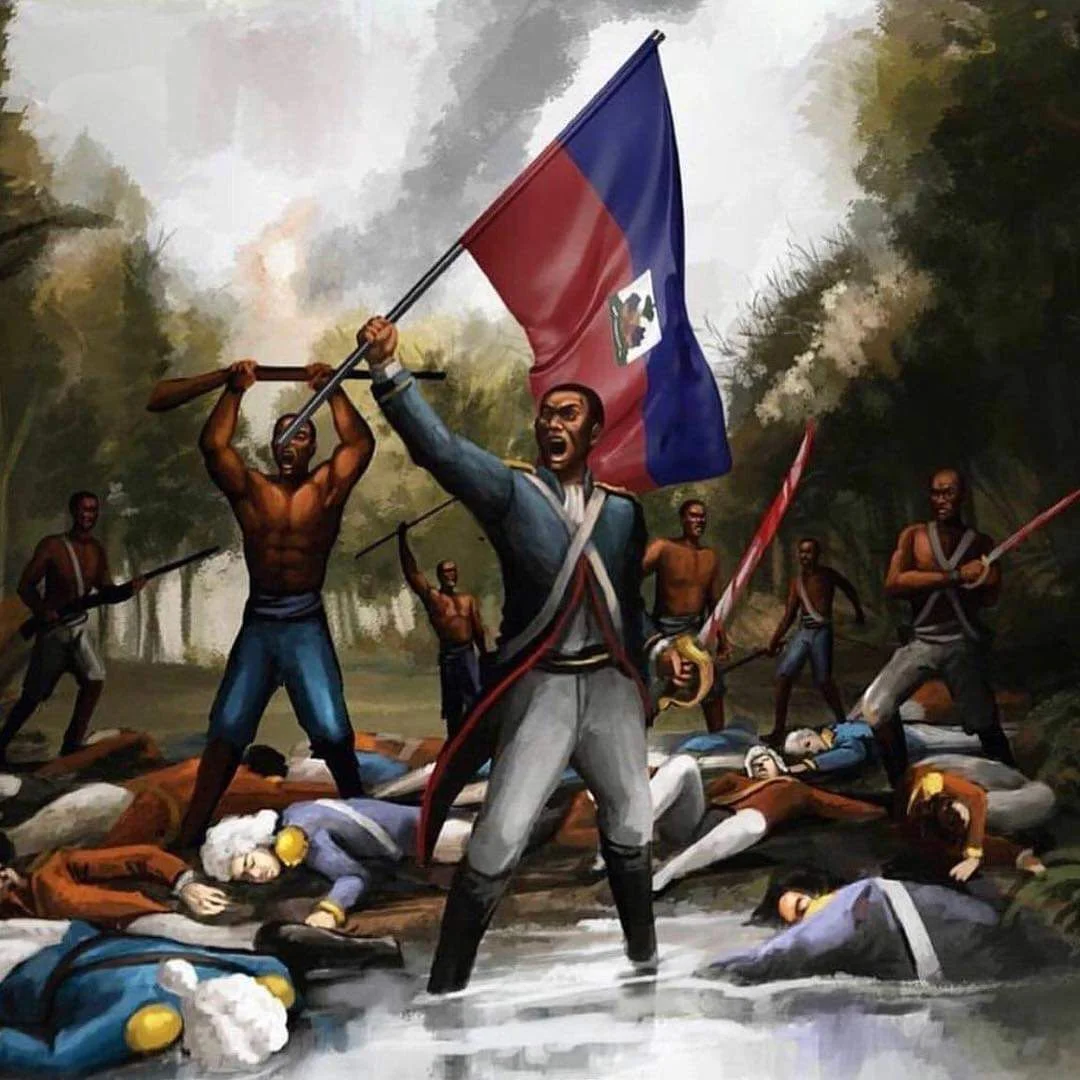
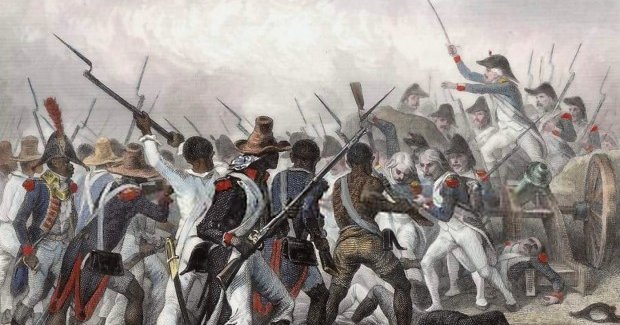
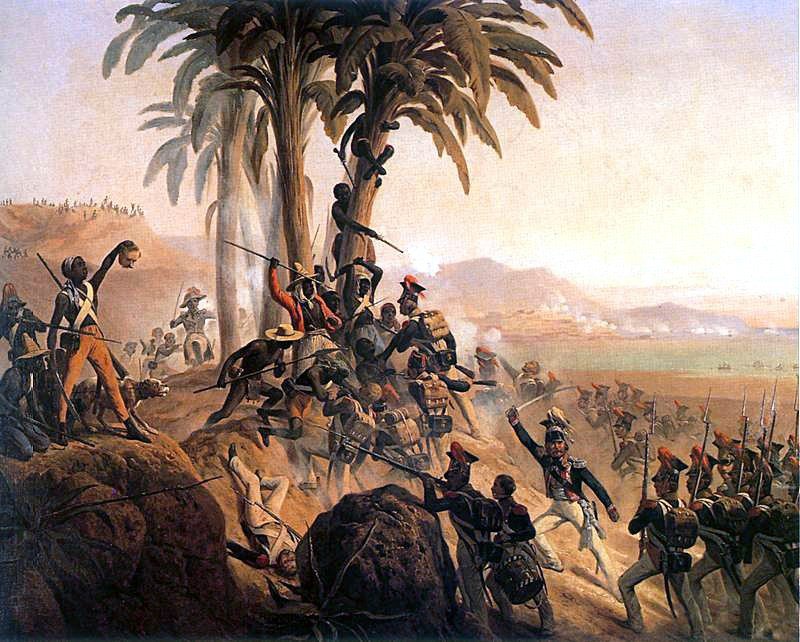
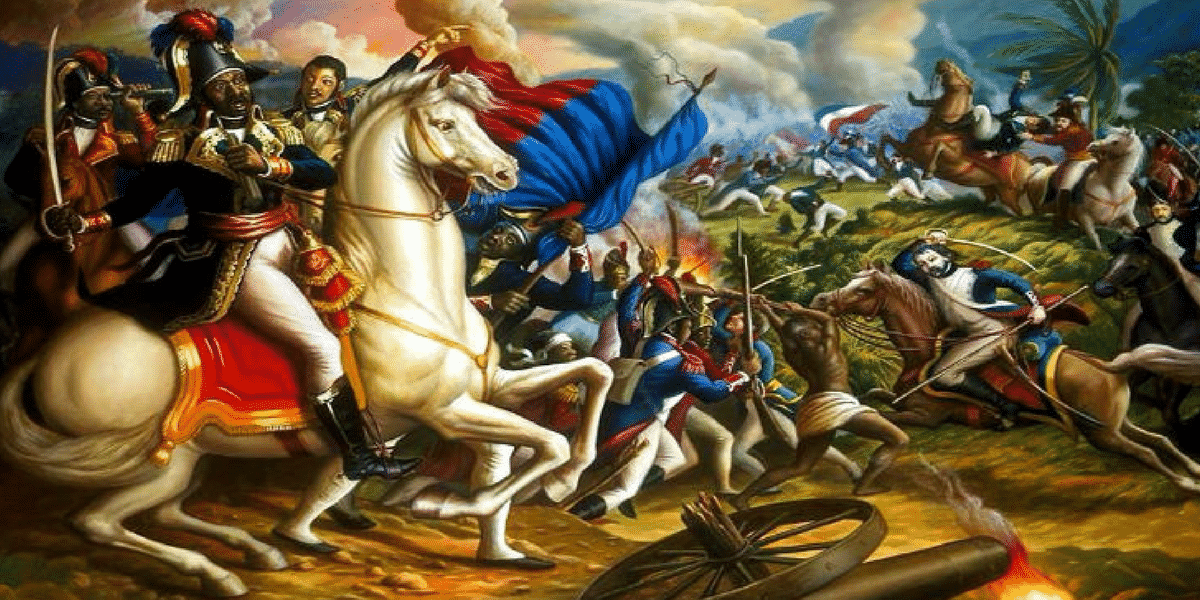
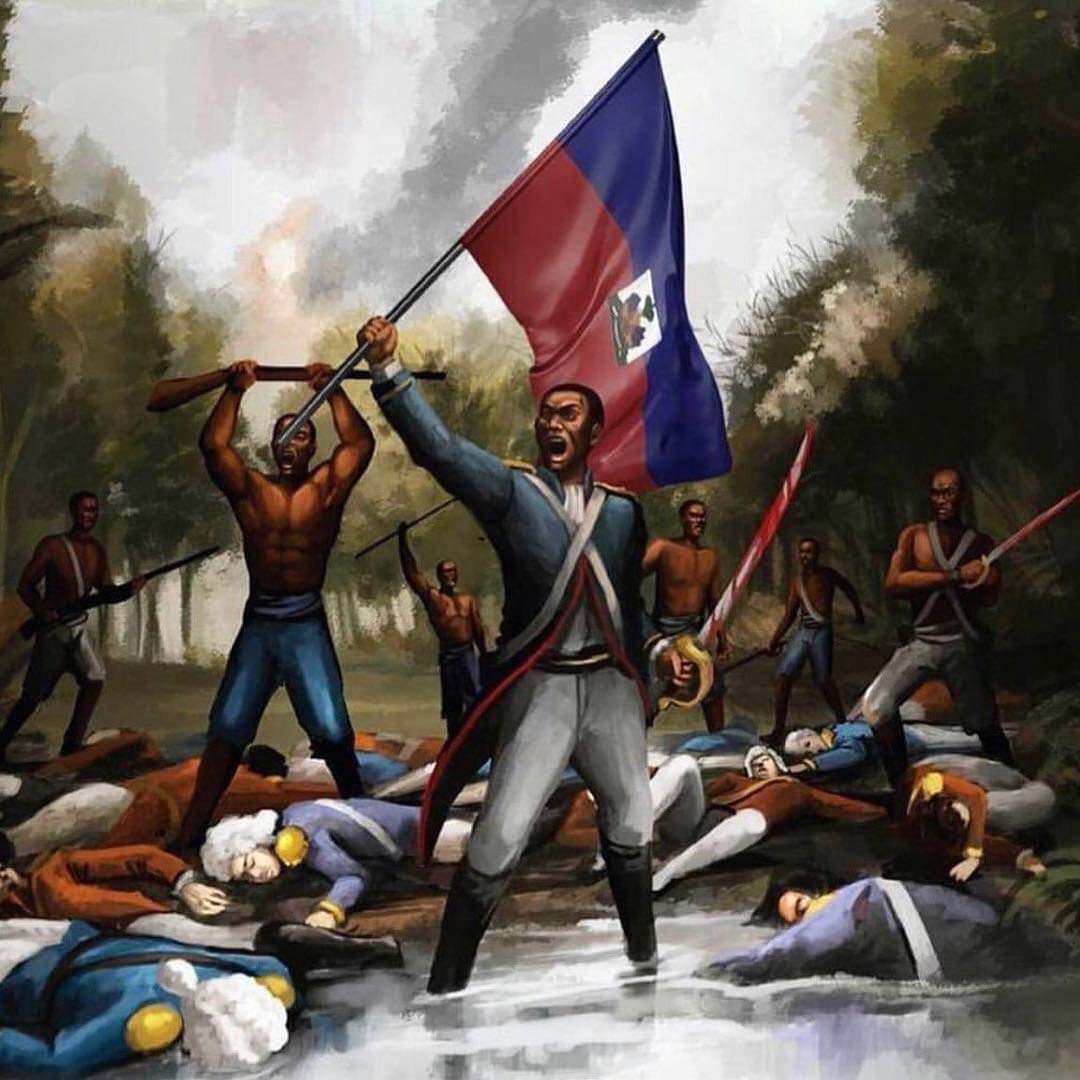
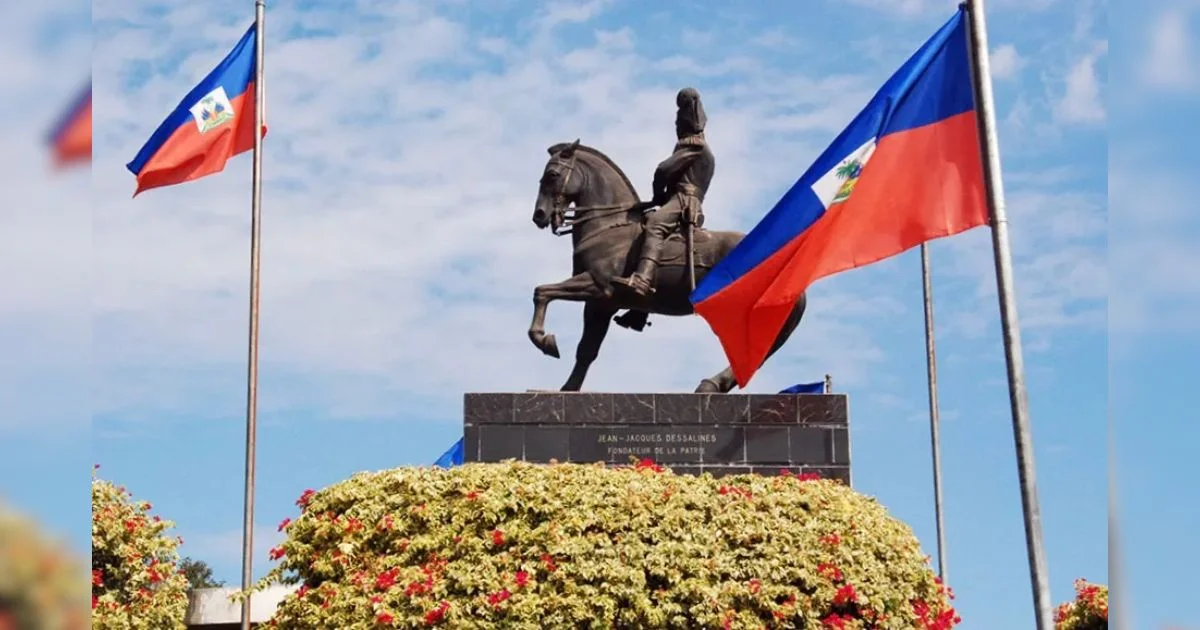
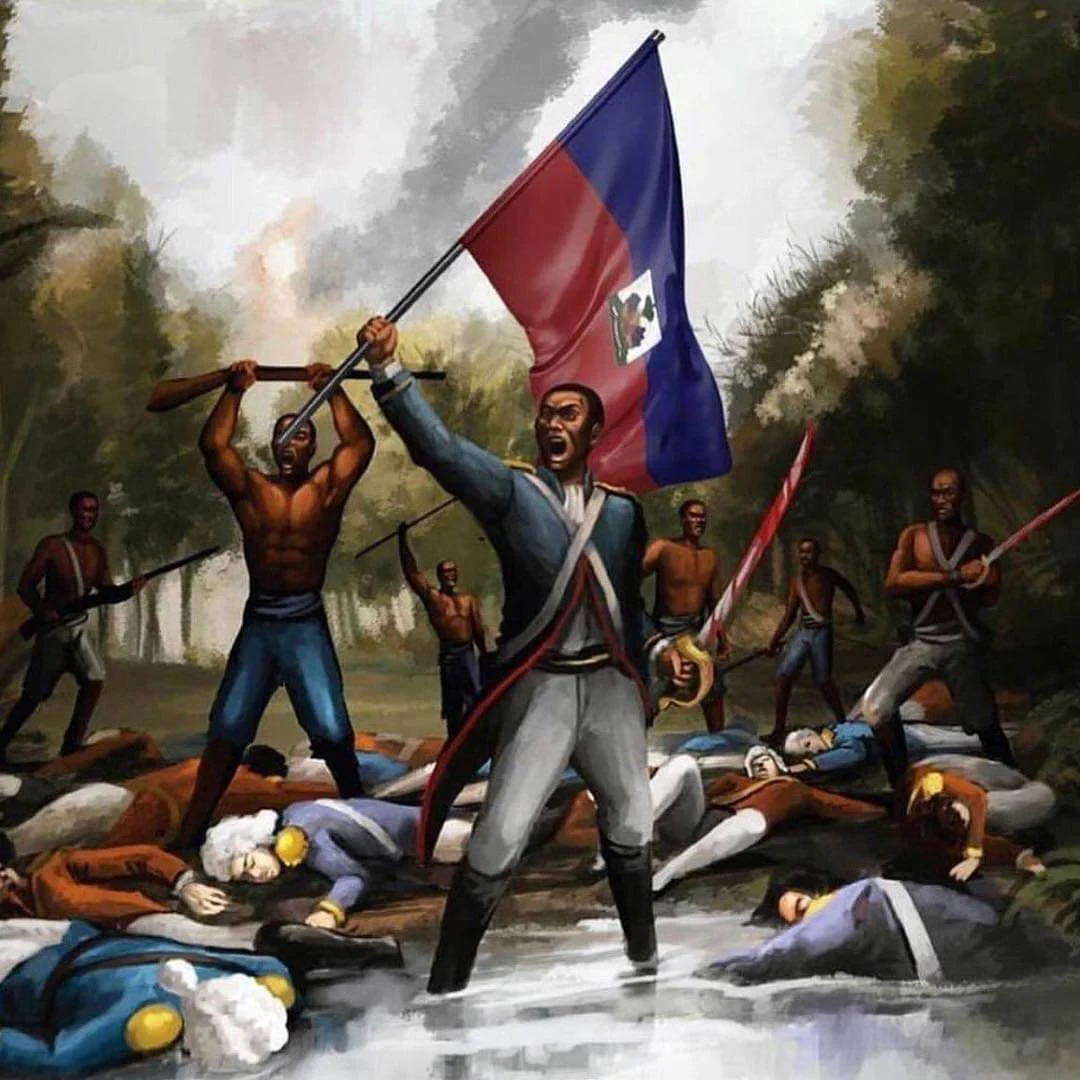
Haiti’s history is marked by a major historical event: the Haitian Revolution. In 1804, Haïti became the first country in the world to gain its independence by overthrowing a colonial empire, that of France. Haiti’s slaves, led by iconic leaders such as Toussaint Louverture, Jean-Jacques Dessalines, and Henri Christophe, waged a titanic fight against the French colonists and triumphed, achieving an unprecedented feat in modern history.

This revolution, one of the greatest victories against slavery, was a turning point for all colonized nations. It inspired revolts and liberation movements around the world. Haiti’s victory remains a model of courage and hope for all oppressed peoples.

Haïti
Haïti
Haïti

Haiti: The First Country to Abolish Slavery

On January 1, 1804, Haïti declared its independence, marking the end of slavery in the French colony of Saint-Domingue. It was the first country to abolish slavery, offering a strong message of freedom and justice. Indeed, after centuries of exploitation and oppression, Haïti became the beacon of black peoples and a model for the abolition of slavery throughout the world.

This founding act of Haitian independence resonated far beyond the country’s borders. It was a moral and political victory against the injustices of the colonial system. The Haitian Republic is thus seen as a historical example of resistance and the conquest of human rights.

Haïti
Haïti
Haïti

An Act of Liberation that Resonated Around the World

The Haitian Revolution did not only have a local impact. It had profound global repercussions. In 1804, Haïti launched the abolition of slavery and inspired liberation movements in other colonies. Slaves and oppressed people in the United States, Brazil, the Caribbean, and Latin America found a model in the Haitian struggle. Haiti’s victory sent a powerful message: freedom is not a privilege, but an inalienable right for all human beings.

The Haitian Revolution had a particular impact on the United States. At the time, the American nation, although already independent, continued to maintain slavery, particularly in the South. The Haitian success demonstrated that a people, even if deprived of basic rights, could overthrow oppression. Haiti’s victory sowed the seeds of revolt among American slaves and helped fuel abolitionist ideas.

Haïti
Haïti
Haïti

The Legacy of the Haitian Revolution and the Abandonment of Slavery

The abolition of slavery in Haïti marked a turning point in human history. By overthrowing a system that had persisted for centuries, Haïti helped shape global debates about human rights, equality, and justice.

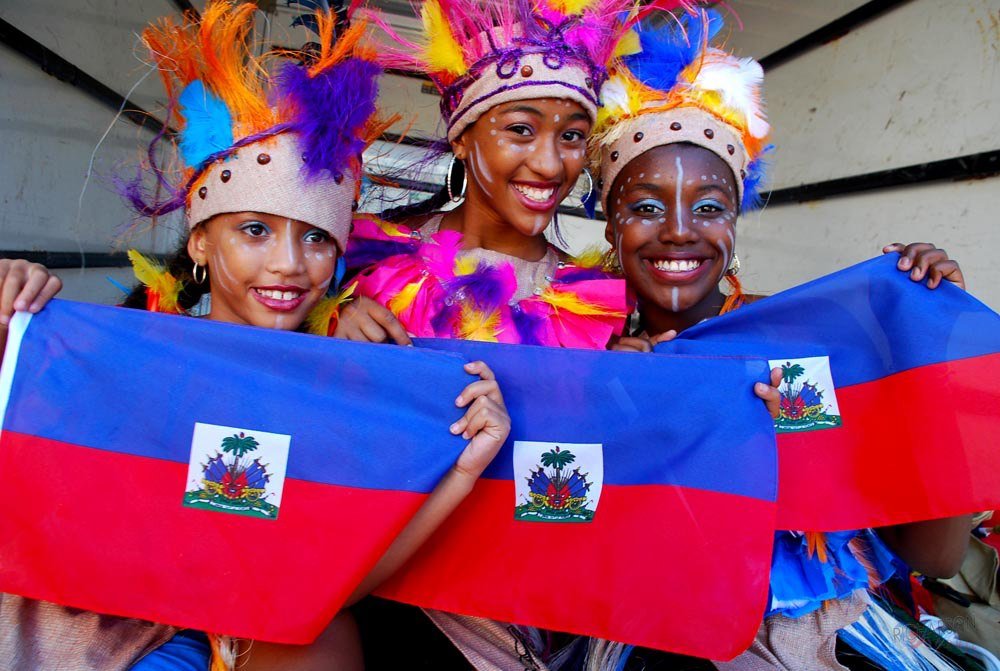
Moreover, Haitian culture itself is a celebration of this liberation. The island’s music, dance, and religion bear the marks of the struggle for freedom. The symbols and rituals of the Haitian Revolution, such as the Haitian flag and the January 1 celebrations, perpetuate the spirit of resistance and victory against slavery. Haitians transformed their suffering into art, resilience, and culture, making their heritage a living testament to their relentless quest for freedom.

Haïti
Haïti
Haïti

Modern Challenges: Haïti Today

Despite this historic victory, Haïti has not been spared economic and political challenges. Despite its status as a symbol of freedom, the country has faced years of dictatorship, political instability, and natural disasters. The devastating earthquake of 2010, as well as periods of political and economic violence, have marked the nation’s recent history.

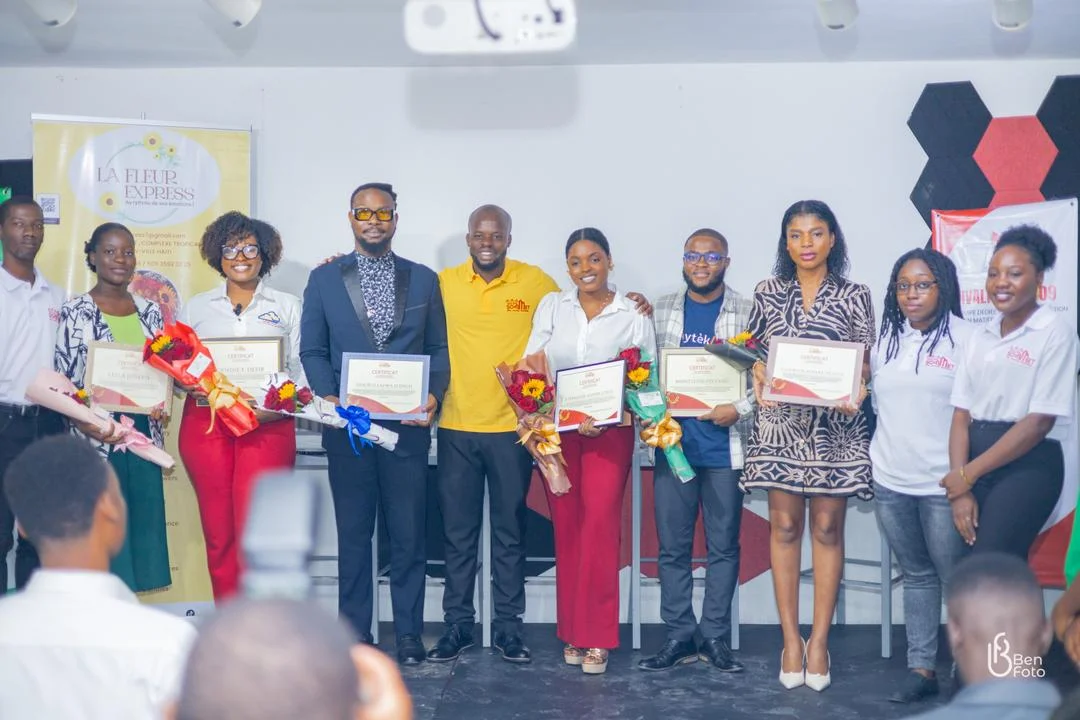
However, Haïti remains a beacon of hope. Haitians continue to fight for their rights, for peace, and for the reconstruction of their country. The many social movements and local initiatives testify to the resilience of the Haitian people and their commitment to their ideals of freedom and justice.

Haïti
Haïti
Haïti

Haiti, a Rich and Diverse Cultural Center

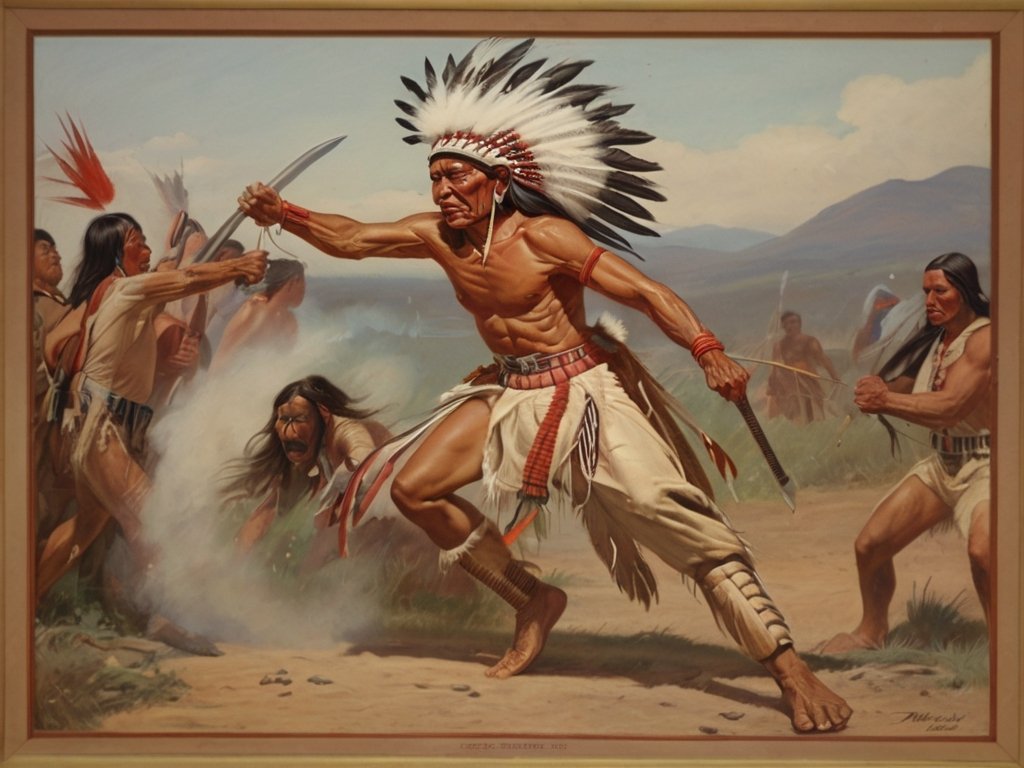
Haitian culture is one of the elements that enrich the country’s identity. It is a unique blend of African, French and indigenous influences, giving birth to a form of expression that embodies the spirit of freedom and resistance. Haitian music, dance, art and cuisine reflect this rich cultural diversity.

Rara, this traditional festive music, Vodou Dances, symbols of spiritual resistance, and Haitian visual arts, which convey messages of struggle and identity, are an integral part of the cultural heritage that continues to inspire the world. Haïti is thus a living symbol of creativity and resilience.

Haïti
Haïti
Haïti

Haitians: Guardians of Freedom

Haitians themselves are the true reflection of this symbol of freedom. Since independence, the Haitian people have demonstrated courage and determination in the face of adversity. Their struggles continue to embody the spirit of freedom and the search for social justice.

Figures like Toussaint Louverture, considered one of the greatest generals and revolutionary leaders in history, remain inspiring role models for many generations around the world. Louverture, even in his darkest moments, never stopped fighting for the equality and independence of his people. These are the values ​​that continue to inspire Haitians today, whether they live at home or abroad.

Haïti
Haïti
Haïti

Why Haïti Remains a Symbol of Freedom in the Modern World

Haïti continues to embody a symbol of freedom not only for the people of the Caribbean, but for the entire world. At a time when many countries still face social injustice and human rights violations, Haïti remains a beacon of hope, proving that freedom is a right for all, regardless of origin or social condition.

In the modern context, Haiti’s history reminds the world that the struggle for freedom is a never-ending battle. The values ​​of human dignity, justice and respect for individual rights are as relevant today as they were in 1804, when the country first made its voice heard on the international stage.

Haïti remains a living symbol of freedom. Its history, its struggle for independence and its rich and diverse culture make this country an example of hope and courage. The Haitian nation, despite its contemporary challenges, continues to represent the ideals of justice, resistance and human dignity, not only for current generations, but also for future generations around the world.

Haïti teaches us that freedom is an endless quest, but that it remains, above all, a collective conquest and a universal duty.

Share
About the Author
Appolon Guy Alain
Appolon Guy Alain
Appolon Guy Alain

Full Stack Developer, Créatif, expérimenté, passionné des nouvelles technologies et de l’art.

See other articles from Appolon Guy Alain
Leave a comment

Recently Posted

The literary and philosophical club of Galette-Chambon reveals its second edition: a journey to the heart of books

In an atmosphere of madness, at the Auditorium Saint Jean Marie Vianney de Galette-Chambon, where the laughs broke out, the music resounded, and the talents were dismented, started the second edition of the reading competition, around the theme "Ann Li pou n chanje peyi n ». This initiative, organized by the literary and philosophical club of Galette Chambon (CLPGACH) on Friday 06 October 2024, was marked by an overflowing passion within the public. The spectators came for several reasons: to support the applicants and live their presentations. The works, as "thus spoke of the uncle", "the vocation of the elite" of Jean Price Mars, "the ten black men" of Etzer vilary and "the courage to live in Haïti in the 21st century" of Hérold Toussaint, present innovative arguments linked to the societal context. They intertwine with folklore, Haitian culture, sociology and anthropology. These books are given to the applicants for a period of 15 days. Back, they come with their summaries and, after each presentation, in turn, reveal new perspectives on burning questions and delicate themes from works, while taking into account the concepts learned in public speaking. In this arena where the verve and the verb clash as well as logic, conviction, precision and clarity, it is a question of "saying all in a few words". The judgments are based on three criteria: the methodology concerning the substance and the form of the work; The eloquence which concerns verbal and non -verbal discourse (micro management, good pronunciation, etc.); And finally, an essential criterion: understanding. This is to assess whether the applicant has controlled the work. Questions can be asked without ignoring the context in which he lives. In addition, assistants have the opportunity to vote for the applicant who charmed them the most. This vote is precious at a higher level. Note that this vote can be made not only face -to -face but also online on our Facebook page CLPGACH. In addition, the public has always changed well through this trip to the universe of regional authors. The latter weave the frame and make vital the very repertoire of the competition vital, made up of impactful works such as "the price of irresponsibility" of Montuma Murat, "the return to citizen responsibility" written by Jean Jacquesson Thelucier and "Courage to live in Haïti in the 21st century "Professor Hérold Toussaint, to name a few. Although they died, some writers still live at the heart of our situation through their inheritance. Among them, it is necessary to quote: "the vocation of the elite" of Doctor Jean Price Mars, "the ten black men" of Etzer Villaire and "the Governor of the dew" by Jacques Roumain, as well as so many others . For this literary event to be moving and meets expectations for this second edition, many sacrifices are necessary on the part of the staff as well as the public which never leaves us alone. In this sense, we would like to thank them and call all those wishing to support this event. Indeed, if this competition is a solution found to advance together towards a common goal, its success depends on everyone’s commitment. About two years ago, the security climate in the area was not conducive to the completion of the competition. Although it is not yet ideal today, it is time to triumph over obscurantism and fight the dictatorship of ambient ignorance.

A Call for Online Media Awareness to improve the image of Haïti on the internet

A simple Google search for "Haïti" will leave you with a bitter taste, as you will mostly discover degrading images that fail to pay homage to Haïti’s natural beauty, rich history, and vibrant culture. This reality stems from a multitude of online media outlets that, in their relentless quest for visibility and profit, disseminate images that do not reflect the true essence of Haïti. It is time to challenge this trend and raise awareness among Haïtian online media of the profound impact of their editorial choices on the image of their own country. b~The Consequences of the Dissemination of Degrading Images:~b Sharing degrading images of Haïti contributes to perpetuating prejudices and reinforcing negative stereotypes associated with the country. This can have serious consequences for tourism, foreign investment, and even the national pride of Haïtians. Furthermore, it creates a distortion of reality, masking the many positive and inspiring aspects of Haïti. b~A Call for Editorial Responsibility:~b It is imperative that Haïtian online media take editorial responsibility in ensuring that the images and stories they broadcast reflect the diversity and richness of Haïti. Rather than focusing only on the negative aspects, they should highlight the successes, positive initiatives, and exceptional contributions of Haïtians to global society. b~Promote a Balanced Image:~b Haïti’s diversity, both culturally and socially, deserves to be celebrated. Haïtian online media have the opportunity to play a key role in promoting a more balanced image of the country by highlighting its successes, its innovations and its rich history. This will not only help educate the global public, but also inspire pride and confidence in Haïtians themselves. It is time for Haïtian online media to realize their power as opinion shapers and actively contribute to transforming Haïti’s image. By choosing to share balanced and positive stories, they can play a vital role in building a more accurate and respectful perception of this remarkable country. It is a call for editorial responsibility, sensitivity and national pride, in order to restore Haïti to its rightful place on the world stage.

Newsletter

Subscribe to our newsletter to stay informed of all our activities and news on Haiti.

Haïti, a rich and impoverished country

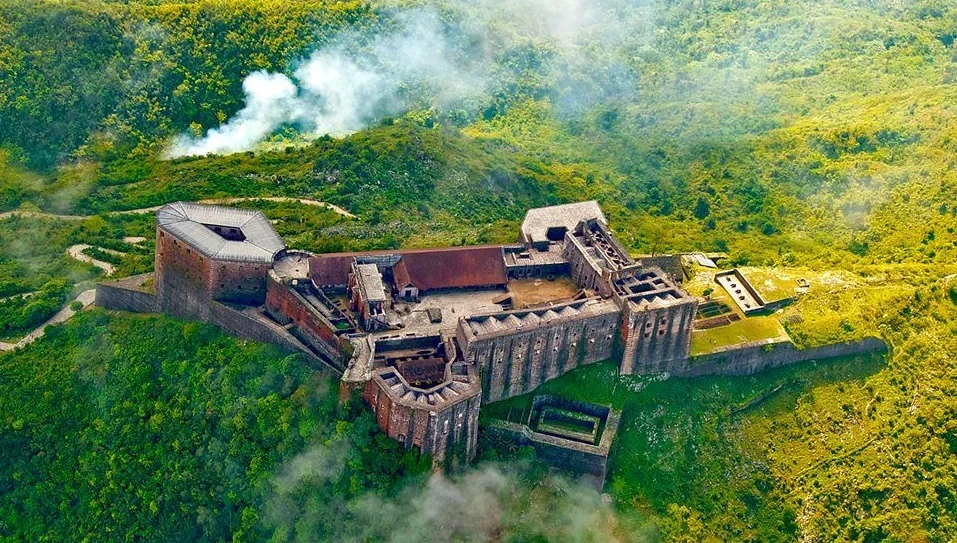
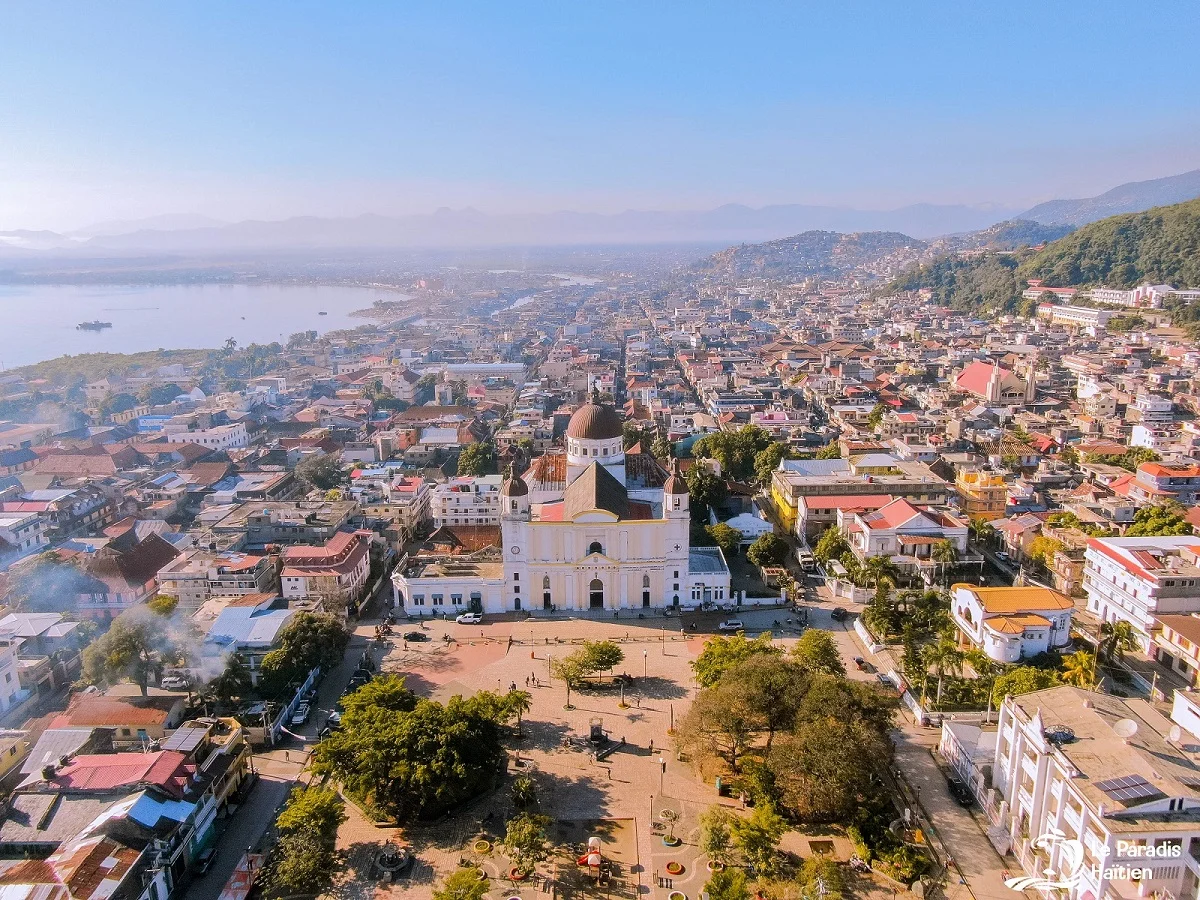
Located in the western part of the island of Hispaniola, Haïti is a land imbued with natural, cultural and historical wealth. Unfortunately, behind the beauty of its landscapes, the richness of its culture and the delicacy of its cuisine lies a complex reality marked by the debt of its independence and the persistent interference of third countries, casting a shadow over its stability. b~The Natural Beauty of Haïti~b Haïti, nicknamed the "Pearl of the Antilles", dazzles with the diversity of its landscapes. From majestic mountains and lush valleys to meandering rivers and sandy beaches, the country offers natural beauty worth celebrating. The famous Citadelle Laferrière mountains and the refreshing waterfalls of Bassin-Bleu are just a few examples of the splendor that characterizes this nation. b~A Rich and Diverse Culture~b Haïti stands out for its vibrant and diverse culture. A heritage of African, French and indigenous influence, Haïtian music, dance and art reflect a unique fusion. Colorful festivals, like Carnival, are celebrations of this cultural richness, attracting visitors from all over the world. b~Delicious Cuisine~b Haïtian cuisine, tasty and spicy, is another aspect worth celebrating. Dishes like griot, sticky rice, and the legendary joumou soup, traditionally prepared to commemorate independence, are all culinary delights that demonstrate the country’s gastronomic ingenuity. b~Heritage Treasures and Paradise Beaches~b Haïti’s heritage treasures, such as the remains of the Sans-Souci Palace and the Citadelle Laferrière, listed as UNESCO World Heritage Sites, are testimonies to the architectural grandeur of Haïti’s past. At the same time, beaches like Labadee and Jacmel offer havens of peace with crystal clear waters, attracting travelers in search of a tropical paradise. b~A Fascinating Story~b The history of Haïti is both fascinating and tragic. It was the first country in the Americas to gain its independence, in 1804, after a courageous slave revolt. However, this independence came with a heavy financial price. France demanded exorbitant compensation, thus laying the foundations for Haïti’s foreign debt. b~The Debt of Independence and Foreign Interference~b Despite these treasures, Haïti struggles with the reality of its independence debt. After gaining its freedom, the country was forced to pay France a considerable sum in compensation for losses associated with the abolition of slavery. This debt has been a major economic burden for Haïti, hindering its development. Additionally, foreign interference continues to create significant challenges. External political and economic interventions have often contributed to the country’s instability, hindering its ability to build a sustainable future for its citizens. b~In conclusion~b Haïti remains a country of multiple riches, but its challenges persist. Despite its natural beauty, rich culture and fascinating history, the nation needs enlightened international support and lasting solutions to overcome the obstacles that stand in its way. Haïti’s wealth lies not only in its enchanting landscapes, but also in the potential of its people to be resilient and prosper despite persistent challenges.

Recently Posted

History

History

First black nation to free itself from slavery and gain independence from France in 1804 and influenced other liberation movements around the world, inspiring struggles for freedom and equality.

Natural beauty

Natural beauty

Haïti is blessed with spectacular natural landscapes, including white sand beaches, mountains and rich biodiversity.

Heritage

Heritage

Haïti has a rich historical heritage, including sites like the Citadelle Laferrière and the Sans-Souci Palace, listed as UNESCO World Heritage Sites.

Culture

Culture

Haïti has a rich and diverse culture, influenced by African, European and indigenous elements. Haitian music, dance, art and cuisine are celebrated around the world.

  • +
    • Post