contact@haitiwonderland.com+509 36184317

Discover

Shopping Cart

Haiti: The First Free Black Republic in the World

Haiti: The First Free Black Republic in the World

Haiti, a Caribbean island of great historical significance, is known for being the world’s first free black republic. His tumultuous journey, punctuated by revolts, struggles for freedom and independence, left an indelible mark in the annals of world history.

Haïti
Haïti
Haïti

Birth of the Haitian Revolution

During the 18th century, Haiti, then known as Santo Domingo, was the pearl of the Antilles. Its vast sugar plantations and rich exports of coffee and cotton were fueled by an economic system based on slavery. The slaves, torn from their lands of origin and transported by force, suffered inhumane conditions under the yoke of European colonists.

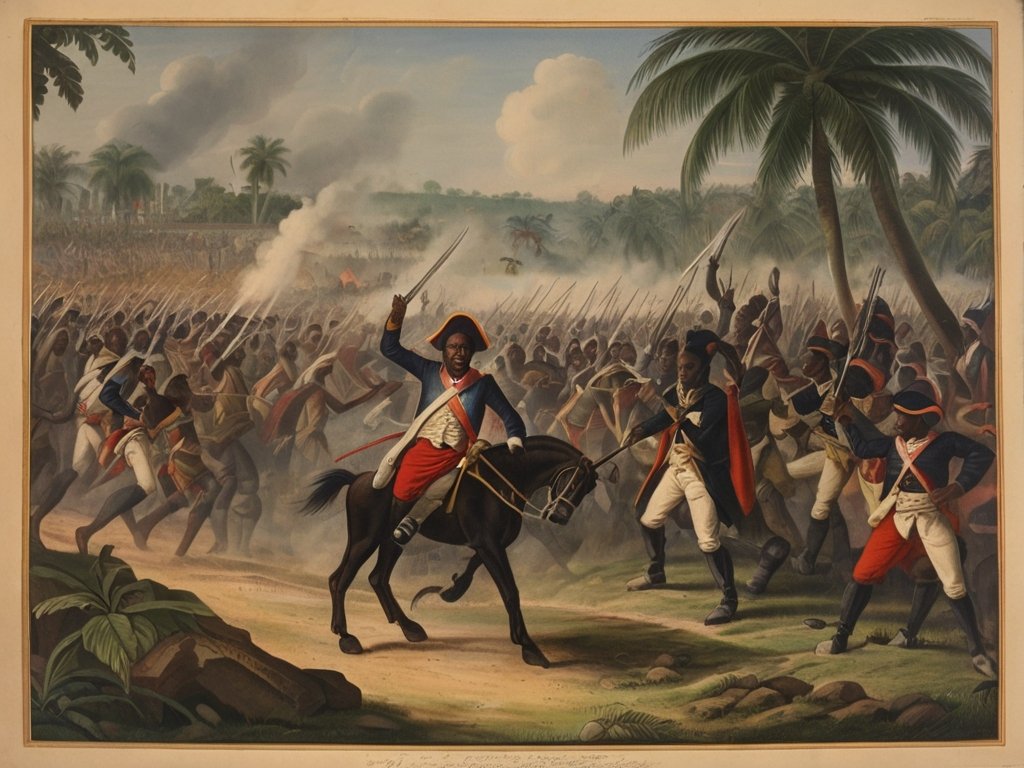
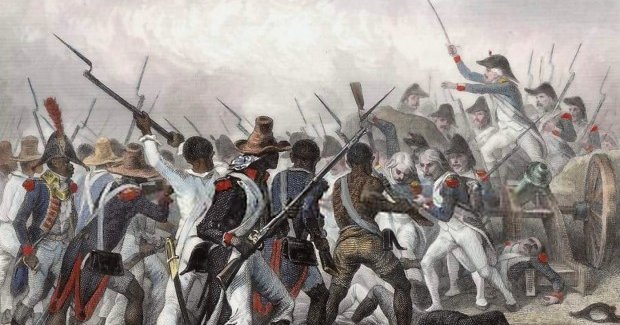
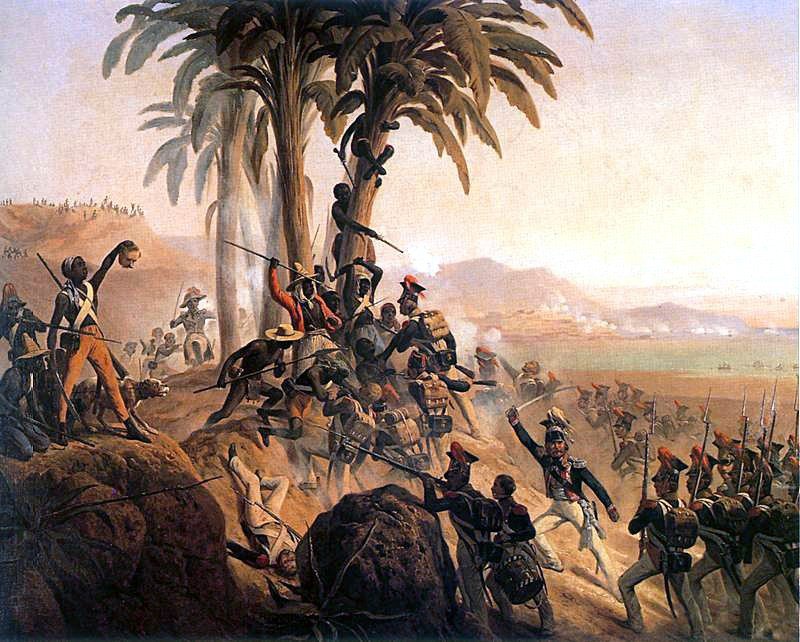
However, this oppression did not stifle Haitians’ desire for freedom. Inspired by the ideals of the French Revolution and galvanized by their own aspirations for independence, Haitian slaves rose up. The Haitian Revolution, led by iconic figures such as Toussaint Louverture, Jean-Jacques Dessalines and Henri Christophe, broke out in 1791 and ultimately resulted in the abolition of slavery in 1804.

Haïti
Haïti
Haïti

Independence and the Creation of the First Black Republic

On January 1, 1804, Haïti proclaimed its independence, becoming the first nation to be founded by former slaves. This declaration of independence sent shockwaves across the world, challenging the established colonial order and inspiring other liberation movements in the Americas and beyond.

The creation of the first black republic was much more than a simple military victory. It was a powerful symbol of resistance and human dignity, affirming that all people, regardless of their past, had the right to freedom and self-determination.

Haïti
Haïti
Haïti

Obstacles and Heritage

However, the path to stability and prosperity for Haïti has not been without obstacles. External pressures and foreign interference hampered the development of the newly independent nation. Furthermore, the burden of decades of colonial exploitation and the compensation owed to France, now worth more than $28 billion, have left deep economic and social scars that continue to be felt today. .

Despite these challenges, the legacy of the Haitian Revolution remains a beacon of hope and resilience. Haïti paved the way for other liberation movements around the world, inspiring generations of oppressed people to fight for their rights and dignity. His story reminds us that even in the face of the greatest adversity, human will can triumph and that freedom is an inalienable right.

Haïti remains a living symbol of courage, struggle and freedom. As the world’s first free black republic, its history continues to inspire and remind the world of the power of human resistance and the quest for justice.

Haitian Creole is our identity, it deserves to be valued: History, Origin and Evolution

Haitian Creole is our identity, it deserves to be valued: History, Origin and Evolution

The Haitian Creole, born in the 17th century during the French colonization on the island of Hispaniola, is not only a communication tool; it is an essential part of the Haitian identity. Despite being recognized as an official language in 1987, French is still considered an elite language, creating a social divide. In the educational system, where French is the language of instruction, Creole is often neglected, which affects the ability of students to understand what they are learning, especially for children from rural areas. It has a unique grammatical structure that facilitates learning, and serves as a means of cultural expression in literature, music, and other arts. The advancement of technology will allow Creole to gain more visibility in social media, but the stigmatization of the language still exists. Therefore, it is important for Creole to be valued in education and other sectors, to allow the new generation to grow up with pride for their heritage. The Haitian Creole language, which is the first language for the majority of people in Haiti, is not only a means of communication, but it is also a reflection of the cultural wealth and history of the people. In a country full of diversity, Creole and its origin, its evolution and its place in society, is a testimony of resistance and adaptation.

Share
About the Author
Appolon Guy Alain
Appolon Guy Alain
Appolon Guy Alain

Full Stack Developer, Créatif, expérimenté, passionné des nouvelles technologies et de l’art.

See other articles from Appolon Guy Alain
Leave a comment

Recently Posted

Haiti: The Rara season in Petit-Goâve: A celebration of life, unity and resilience

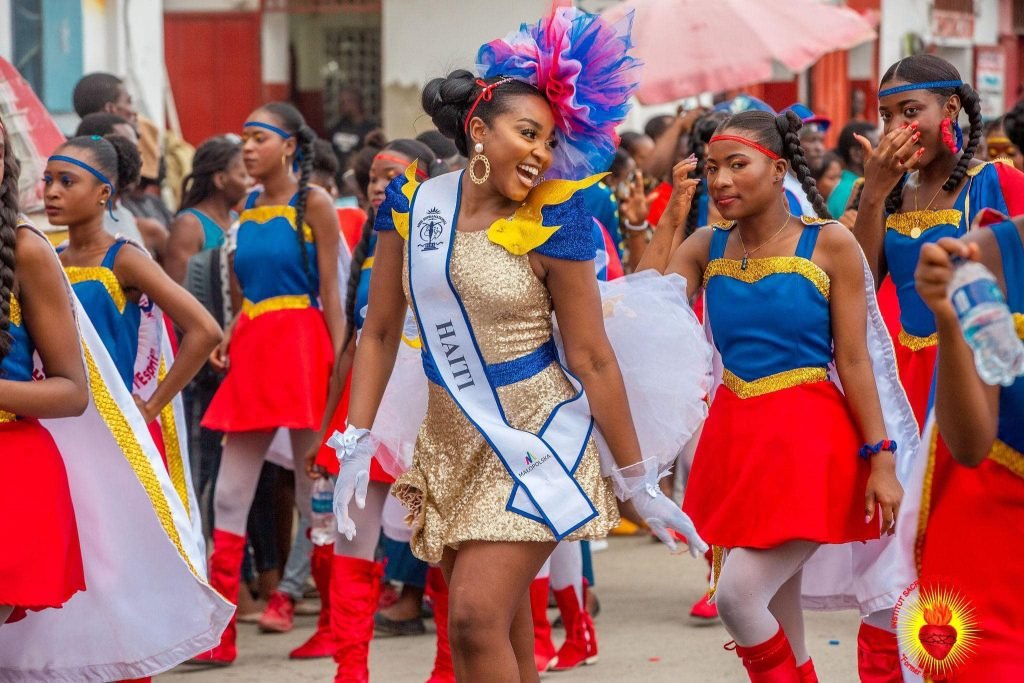
As the new season of Rara looms on the horizon, certain groups such as Saint Jacques Majeur, Ratyèfè, Florida Band, Lambi Grand, and Grap Kenèp are already preparing to light up the streets of Petit-Goâve with their flamboyant costumes and their captivating melodies. For these groups, the future looks bright, promising a season full of passion and success. However, other rara bands are still hesitant about which direction to take. Despite these uncertainties, optimism reigns regarding the success of this new season for all rara groups in the commune of Petit-Goâve. Rara, anchored in the Vodou tradition, is much more than a simple artistic manifestation. It embodies the very essence of Haitian culture, highlighting questions of memory, tradition and identity. This increasingly popular form of artistic expression attracts a large audience and arouses unprecedented enthusiasm. Groups like Ratyèfè, Grap Kenèp, Florida Band and Chenn Tamaren, recognized for their ability to delight their fans, play a crucial role in the continued growth of rara in the town. The rara season traditionally begins on Dead Thursday and ends on the night of Easter Sunday or quasimodo Monday. To mark the beginning of this sacred period, groups organize opening ceremonies, honoring the spirits of the deceased in rituals steeped in spirituality. These ceremonies, often held in cemeteries or in the "Bitasyons" of groups, symbolize the deep link between the rara and Vodou traditions.

Newsletter

Subscribe to our newsletter to stay informed of all our activities and news on Haiti.

Haiti: seaside resorts

Haiti, often recognized for its rich history, vibrant culture and mountainous landscape, is also blessed with a stunning coastline lined with picturesque beaches. Haitian beach resorts offer a unique experience where white sand meets the crystal clear waters of the Caribbean Sea. These beach destinations are emerging as hidden gems, ready to be discovered by travelers hungry for sun and adventure. A Rich and Cultural History Haiti’s resorts don’t just offer breathtaking scenery; they are also steeped in rich history and culture. Visitors can explore historic sites such as the Citadelle Laferrière, a majestic fortress built in the early 19th century, or the Palais Sans-Souci, a former royal residence dating back to the colonial era. Additionally, Haitian music, dance and cuisine bring a lively and colorful touch to the seaside experience, giving visitors an authentic insight into local culture. Heavenly Beaches Haiti’s beaches are some of the most beautiful in the Caribbean, offering miles of pristine white sand bordered by sparkling turquoise waters. Destinations such as Jacmel, Labadee and Île-à-Vache offer tranquil retreats where visitors can relax in the tropical sun or indulge in a host of water activities, such as snorkeling, sailing and boating. kayak. Whether you’re looking for excitement or tranquility, Haiti’s beaches offer something for everyone. An Emerging Ecotourism Haïti is also becoming a popular destination for ecotourism enthusiasts. With its unique biodiversity and unspoilt landscapes, the country offers unique opportunities for bird watching, jungle hiking and discovering spectacular natural sites such as the Saut-d’Eau waterfalls and caves. Environmentally conscious travelers will find in Haïti a perfect balance between adventure and nature conservation. Haiti’s resorts offer much more than spectacular beaches. They offer immersion in a vibrant culture, fascinating history and preserved nature. By choosing to visit Haiti, travelers have the opportunity to discover a jewel of the Caribbean, while contributing to the economic development and well-being of this extraordinary country.

Recently Posted

History

History

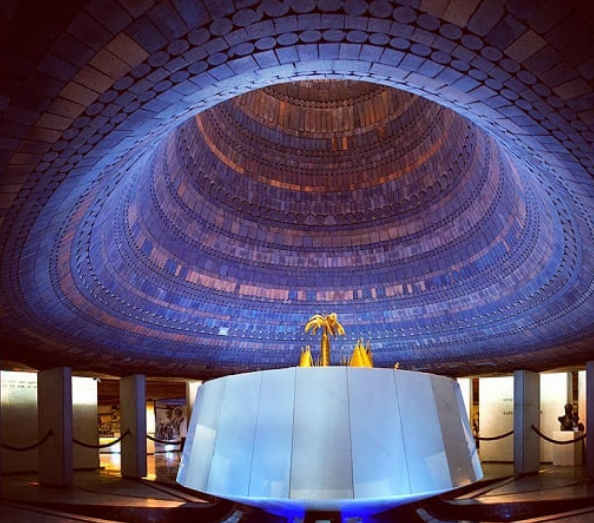
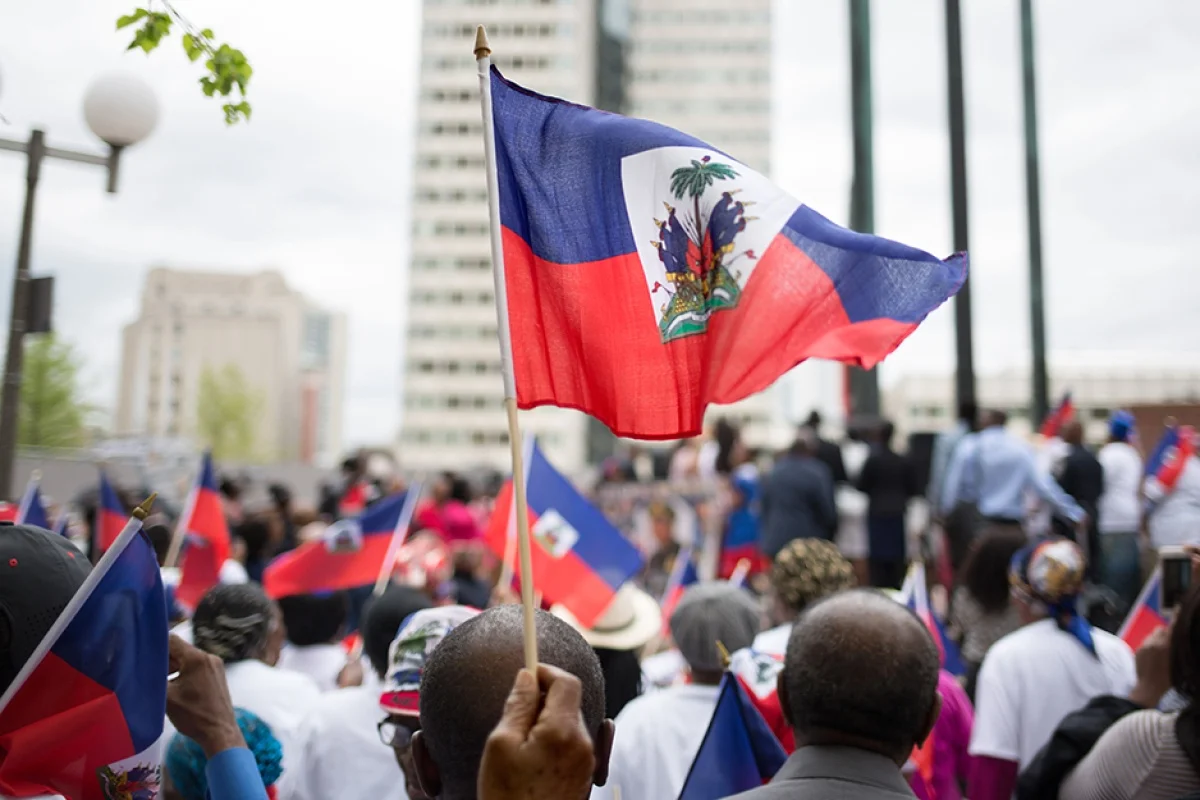
First black nation to free itself from slavery and gain independence from France in 1804 and influenced other liberation movements around the world, inspiring struggles for freedom and equality.

Natural beauty

Natural beauty

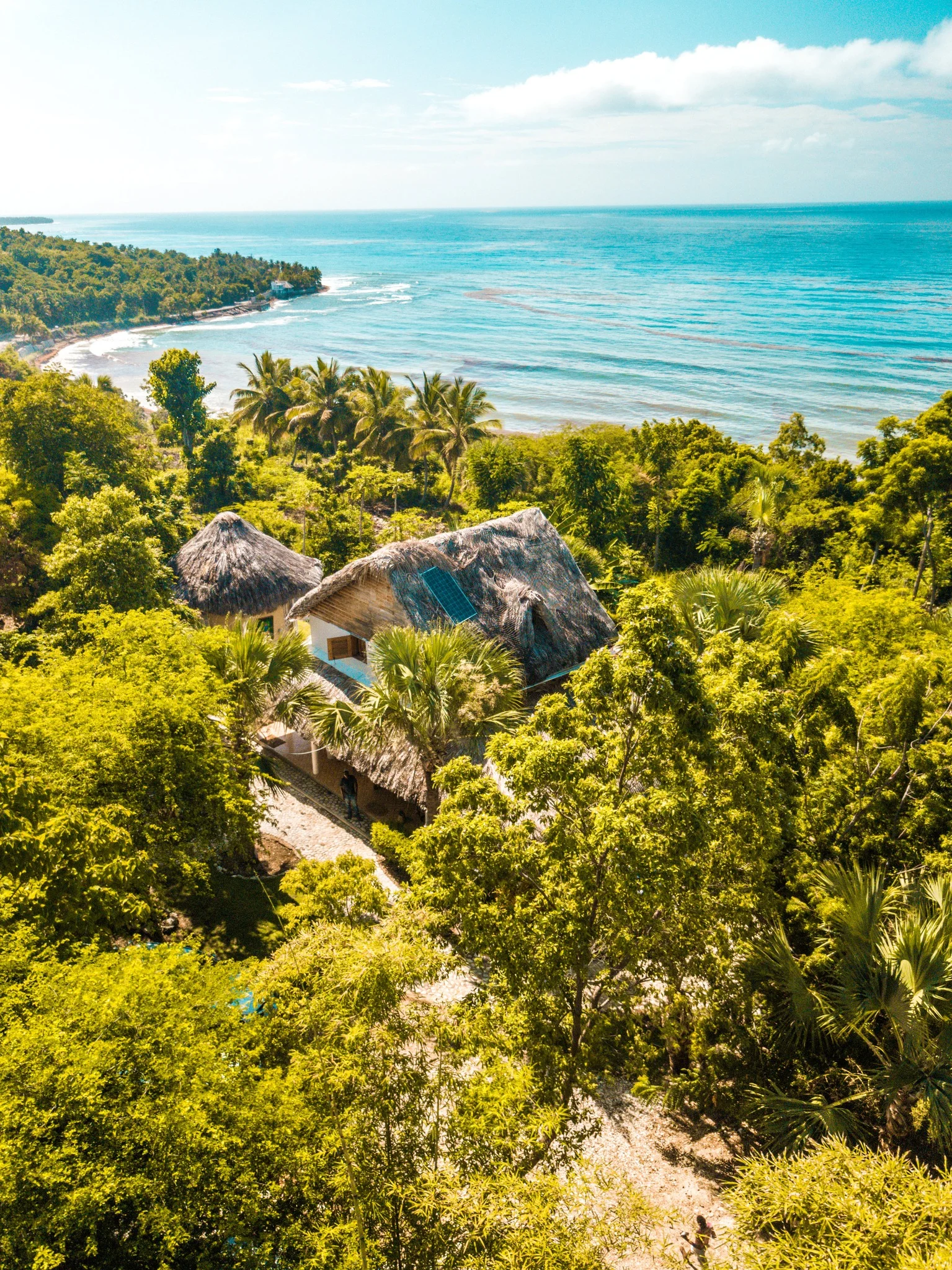
Haïti is blessed with spectacular natural landscapes, including white sand beaches, mountains and rich biodiversity.

Heritage

Heritage

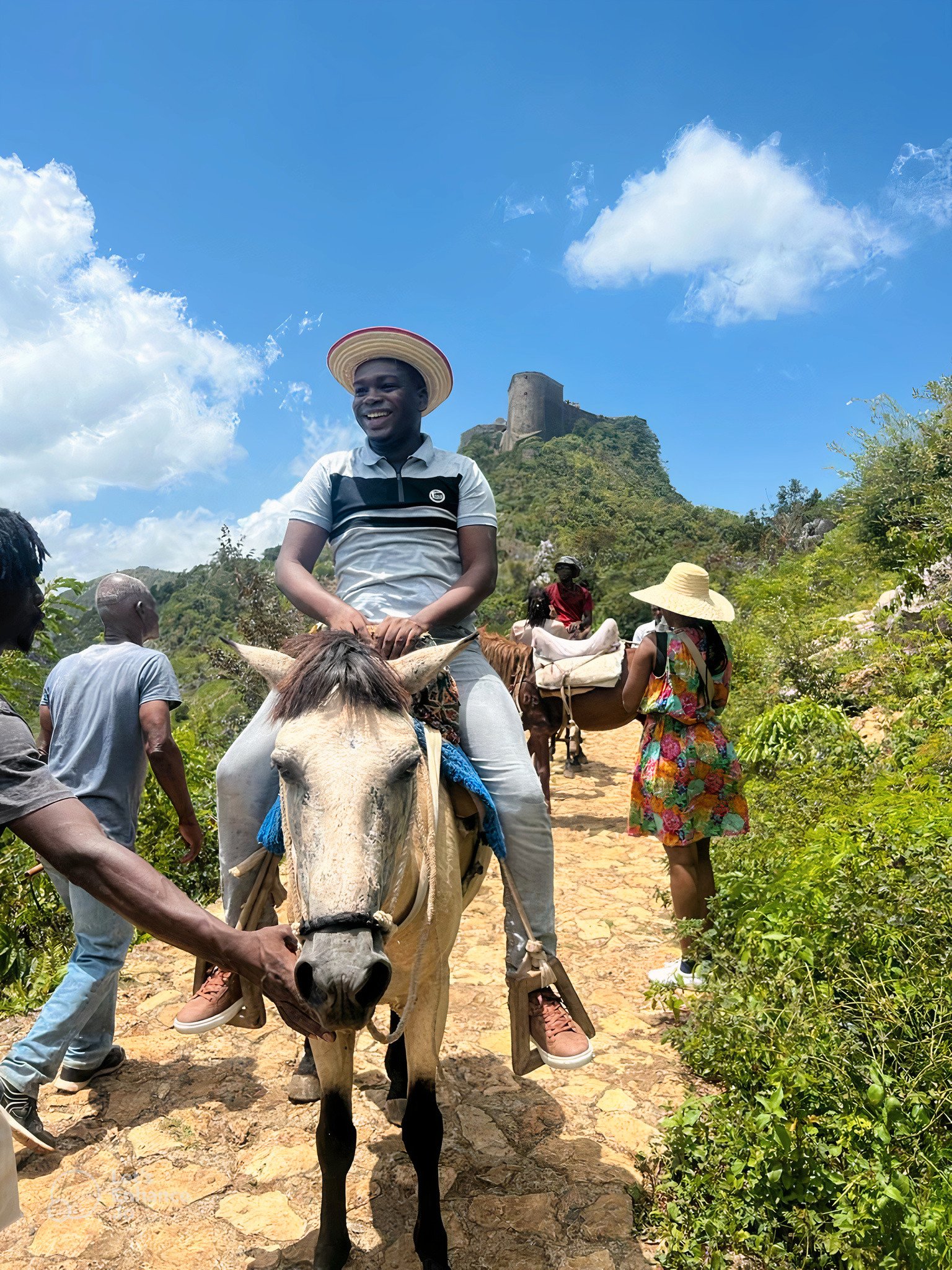
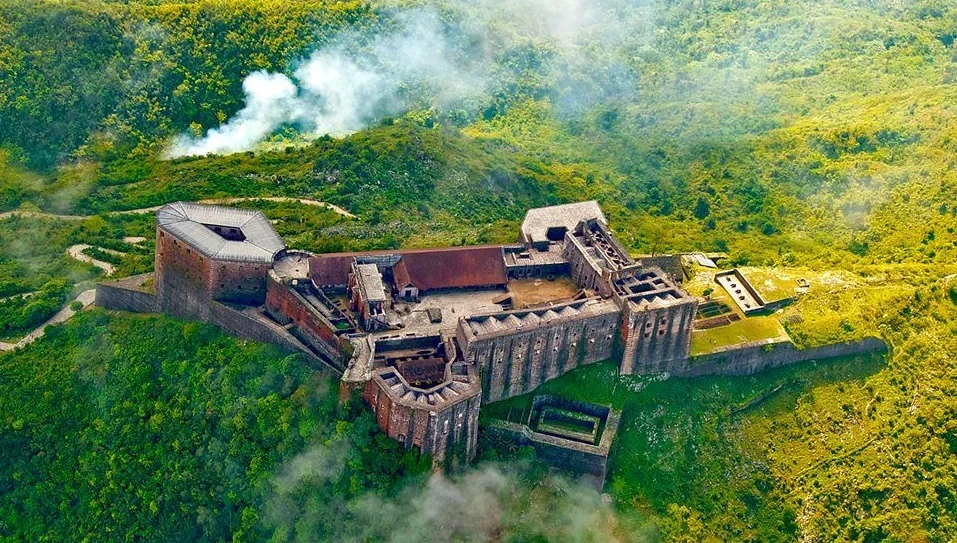
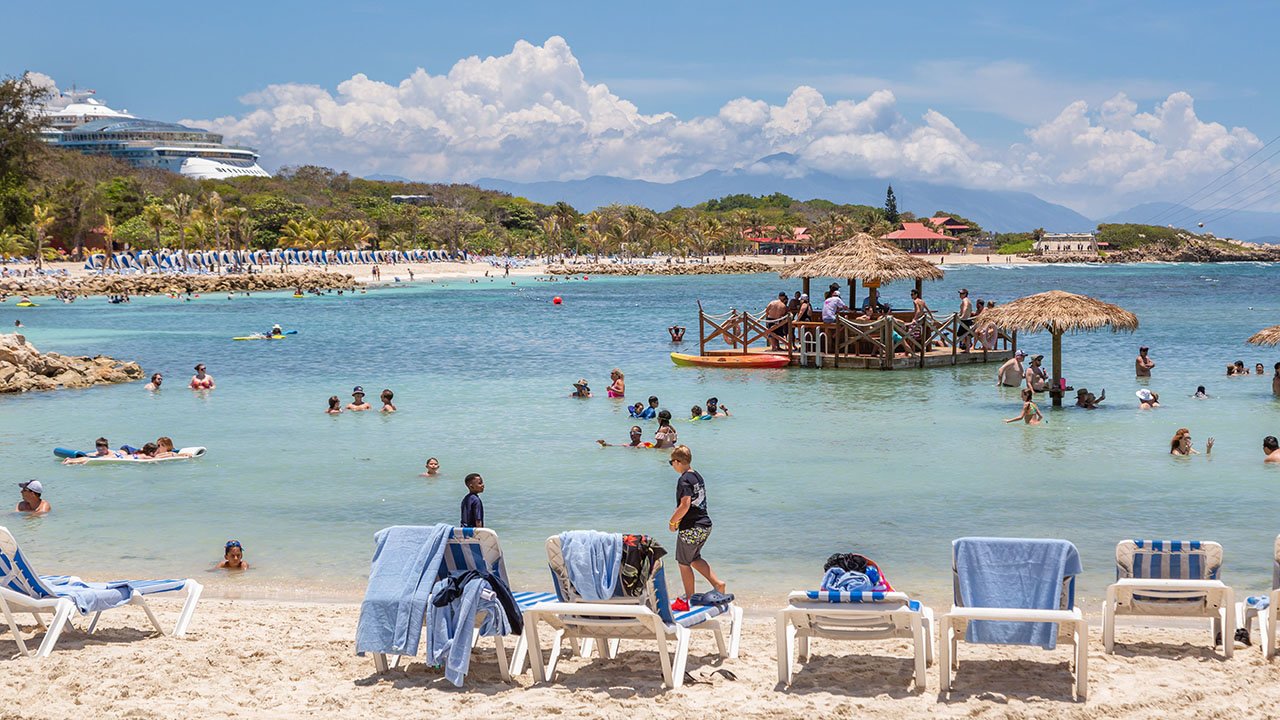
Haïti has a rich historical heritage, including sites like the Citadelle Laferrière and the Sans-Souci Palace, listed as UNESCO World Heritage Sites.

Culture

Culture

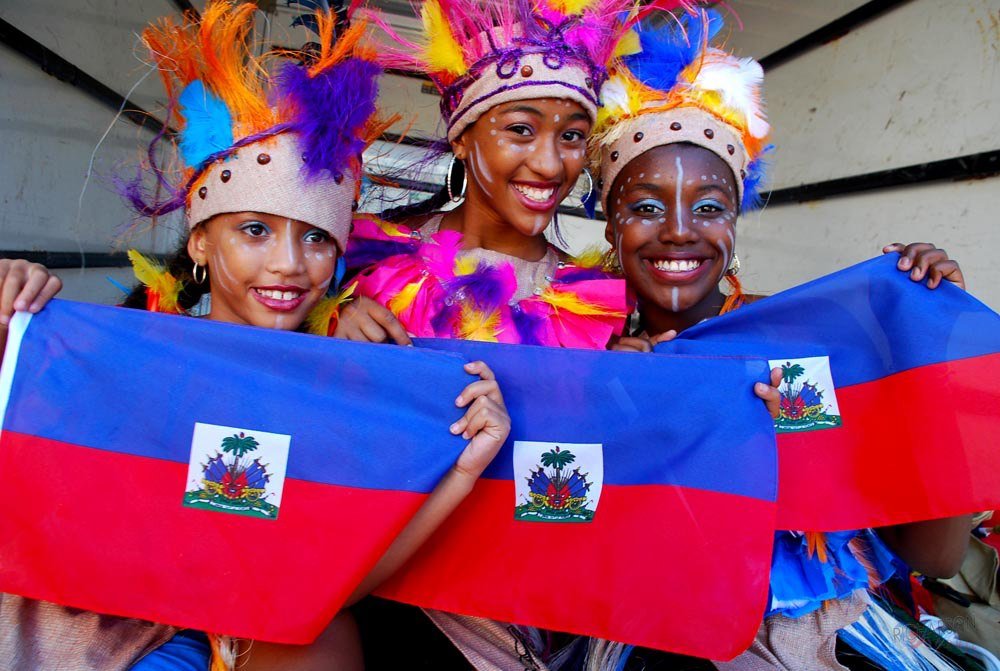
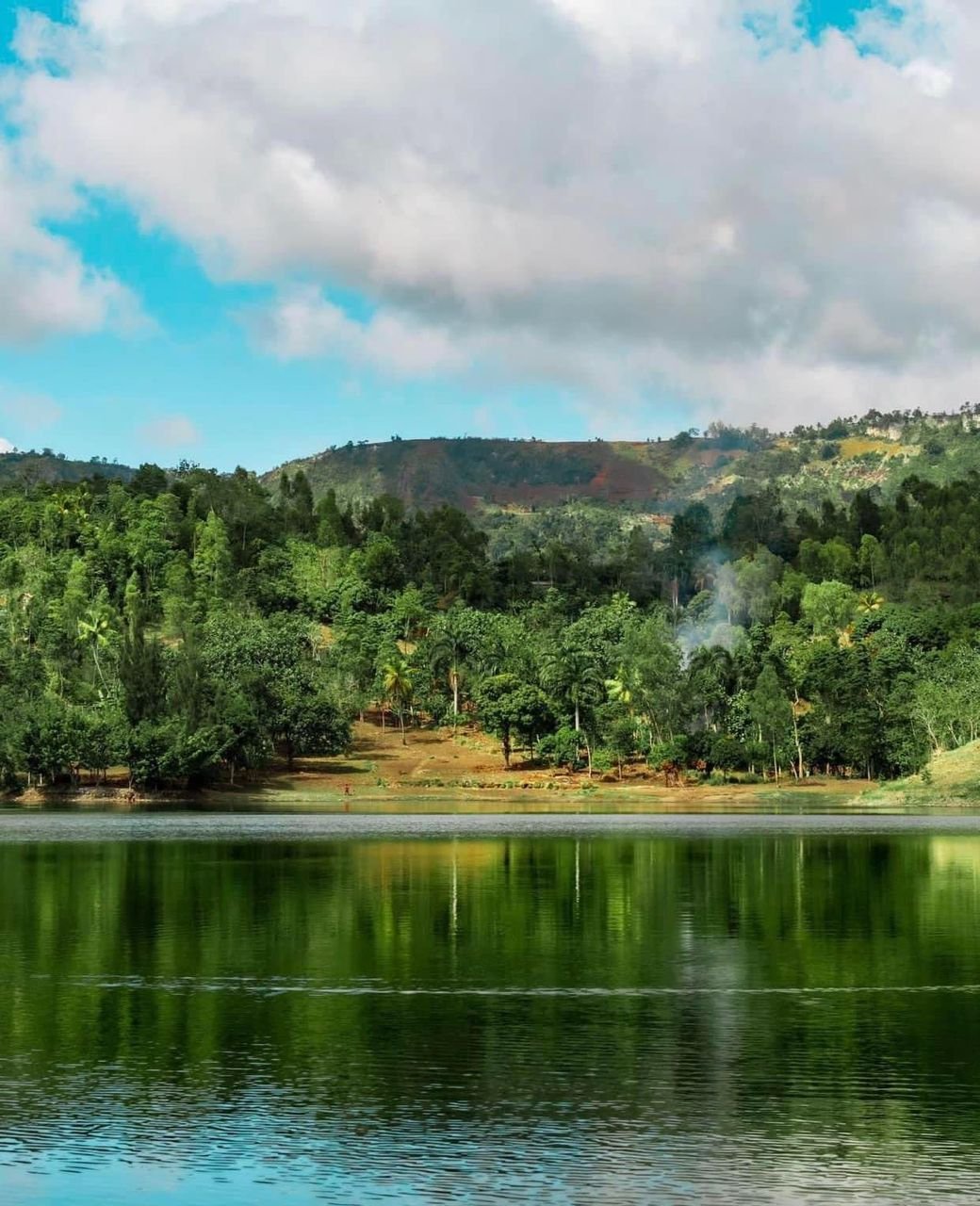
Haïti has a rich and diverse culture, influenced by African, European and indigenous elements. Haitian music, dance, art and cuisine are celebrated around the world.

  • +
    • Post