contact@haitiwonderland.com+509 36184317

Discover

Shopping Cart

What are the departments of Haiti?

What are the departments of Haiti?

Haiti, a country rich in history and culture, is divided into several administrative departments that structure its territory and reflect its geographical and cultural diversity. Each department has unique characteristics, contributing to the wealth of the nation. Discover the 10 departments of Haiti, their characteristics, and their role in the life of the country.

Haïti
Haïti
Haïti

An overview of the administrative organization of Haiti

The country is divided into 10 departments, themselves subdivided into districts, communes and communal sections. This organization aims to facilitate territorial management and decentralization.

- Total area of ​​Haiti: 27,750 km².
- Population: Approximately 12 million inhabitants, unevenly distributed between the departments.

Each department is a unique entity, characterized by its geography, economy and culture.

Haïti
Haïti
Haïti

List of the 10 departments of Haïti and their capitals

Here are the Haitian departments, accompanied by their capitals:

1. Artibonite
- Capital: Gonaïves.
- Special feature: Known as the agricultural granary of Haïti thanks to its vast fertile plains.
- Area: 4,984 km², the largest department in the country.

2. Centre
- Capital: Hinche.
- Special feature: Renowned for its mountainous landscapes and water resources, including Lake Péligre.

3. Grand’Anse
- Capital: Jérémie.
- Special feature: Famous for its beaches and literary heritage, being the birthplace of many Haitian poets.

4. Nippes
- Capital: Miragoâne.
- Special feature: Created in 2003, it is one of the newest and least populated departments in Haiti.

5. North
- Capital: Cap-Haïtien.
- Special feature: Home to the famous Citadelle Laferrière, a UNESCO World Heritage Site.

6. Northeast
- Capital: Fort-Liberté.
- Special feature: A department in full economic development thanks to its proximity to the Dominican Republic.

7. North-West
- Capital: Port-de-Paix.
- Special feature: Known for the islet of Tortue, which played a historical role in the pirate era.

8. West
- Capital: Port-au-Prince.
- Special feature: The most populated department, home to the national capital and the main political and economic institutions.

9. South
- Capital: Les Cayes.
- Special feature: Known for its heavenly beaches and annual carnival.

10. South-East
- Capital: Jacmel.
- Special feature: Renowned for its artistic and cultural scene, as well as its colorful carnival.

Haïti
Haïti
Haïti

Key figures on Haitian departments

- Largest department: Artibonite, with 4,984 km².
- Smallest department: North-East, with 1,805 km².
- Most populated department: West, with more than 4 million inhabitants.
- Least populated department: Nippes, with a lower density due to its rurality.

These departments reflect the geographical diversity of Haiti, between mountains, plains, coasts and forests.

Haïti
Haïti
Haïti

The importance of departments in daily life

Departments play a crucial role in organizing Haiti’s administrative, economic and social life:

- Administration: Each department is headed by a departmental delegate representing the central government.
- Economy: Natural resources and economic activities vary from one department to another (agriculture, tourism, fishing, crafts).
- Culture: Each region has its own traditions, music and festivities that enrich the national heritage.

This territorial structure is essential to meet local needs and strengthen community development.

A heritage to discover

Haiti’s departments, with their natural and cultural riches, are an invitation to explore the country in all its facets.

Have you ever visited a Haitian department? Share your experiences and impressions in the comments! Let yourself be inspired by this mosaic of regions that makes Haïti beautiful and strong.

Share
About the Author
Appolon Guy Alain
Appolon Guy Alain
Appolon Guy Alain

Full Stack Developer, Créatif, expérimenté, passionné des nouvelles technologies et de l’art.

See other articles from Appolon Guy Alain
Leave a comment

Recently Posted

Haïti / Ganthier: I Let You In, an Ode to Modern Relationships by Igens VIL

The Meaning of the Essence of Love The commune of President Boniface Alexandre and Martial CELESTIN produces a talented artist. Yes, Ganthier stands out as one of its best representatives on the international scene. "I Let You In" is a title that lays bare the complexity of heterogeneous relationships around the world. This opus, both provocative and touching, awakens the mind, body and soul. I am deeply moved by the way in which the artist Igens VIL, a true emblematic figure of Ganthier, evokes intense emotions and provokes reflection on the issues of contemporary romantic relationships. Each verse of this composition, co-written with Dayvin Kaponda, contains profound messages about tolerance towards others, our aspirations and ambitions, the true foundations of authentic love. It is the very essence of life. Despite the tumults of daily life and the inevitable misunderstandings in human relationships, he reminds us that “in my life, there is always a me; I have tried everything. Even if it means taking a step back, I am ready to do it. And if it means, I will get down on my knees”. The singer, who spent a large part of his adolescence in Galette-Chambon, the first communal section of the commune of Ganthier, is now active in the French music industry. He eloquently and skillfully addresses the complex triangle of sentimental relationships: sacrifice, tolerance and communication. This remarkable work deserves to be heard everywhere; it inspires faith, reflection and action. Gensbe, known as Igens VIL, deserves awards for this song. Guitarist, singer, composer and academic in France, he embodies a rare mix of talents for a young Haitian engaged in these demanding fields that require time, sacrifice and a lot of energy. Today, Gensbe is at his peak and never gives up. More songs are in the works for you, dear listeners. Subscribe to Gensbe on YouTube and other platforms. He is without a doubt one of the best Haitian artists among the big international names. I’ll let you in.

Newsletter

Subscribe to our newsletter to stay informed of all our activities and news on Haiti.

Haitian rhythms: Exploring musical and dance traditions

Haiti, a land rich in history and cultural diversity, offers a unique musical treasure through its captivating rhythms. Haitian music, deeply rooted in the fusion of different African, European and Caribbean influences, constitutes a vibrant expression of national identity. One of the distinctive elements of Haitian music is its rhythmic diversity, reflecting the many facets of daily life, from religious celebrations to moments of joy and sorrow. Haitian rhythms, carrying contagious energy, are a reflection of the soul of the Haitian people. One of Haiti’s most iconic musical genres is direct compas, which emerged in the 1950s. This catchy rhythm, coupled with captivating melodies, has captured hearts globally. The direct compass embodies the fusion of different musical styles, including jazz, merengue, and elements of traditional Haitian music. Haitian musical traditions are not limited to contemporary sounds. Vodou, an ancestral spiritual practice, also has a major influence on Haitian music. Vodou rhythms, often associated with religious ceremonies, create a deep connection between spirituality and artistic expression. Furthermore, dance is inseparable from Haitian music. The graceful and energetic movements of traditional dances like rasin, combined with captivating rhythms, transport dancers and spectators to a world where bodily expression becomes a living art form. Exploring the musical and dance traditions of Haïti is like diving into a universe where history, culture and spirituality are harmoniously woven together. These rhythms, passed down from generation to generation, are much more than simple notes; they embody the soul of a people and the richness of its diversity. Celebrating these traditions pays homage to Haiti’s exceptional cultural heritage and its invaluable contribution to the global music scene.

Recently Posted

History

History

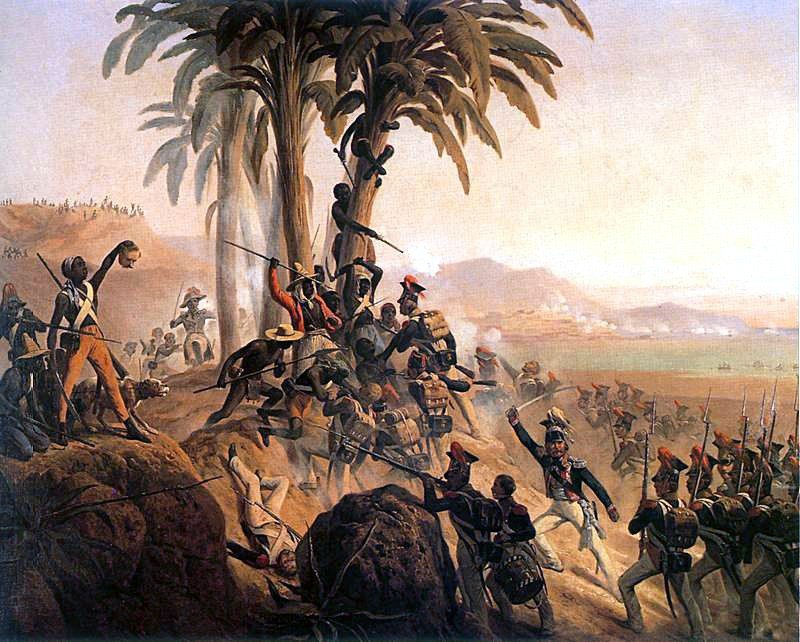
First black nation to free itself from slavery and gain independence from France in 1804 and influenced other liberation movements around the world, inspiring struggles for freedom and equality.

Natural beauty

Natural beauty

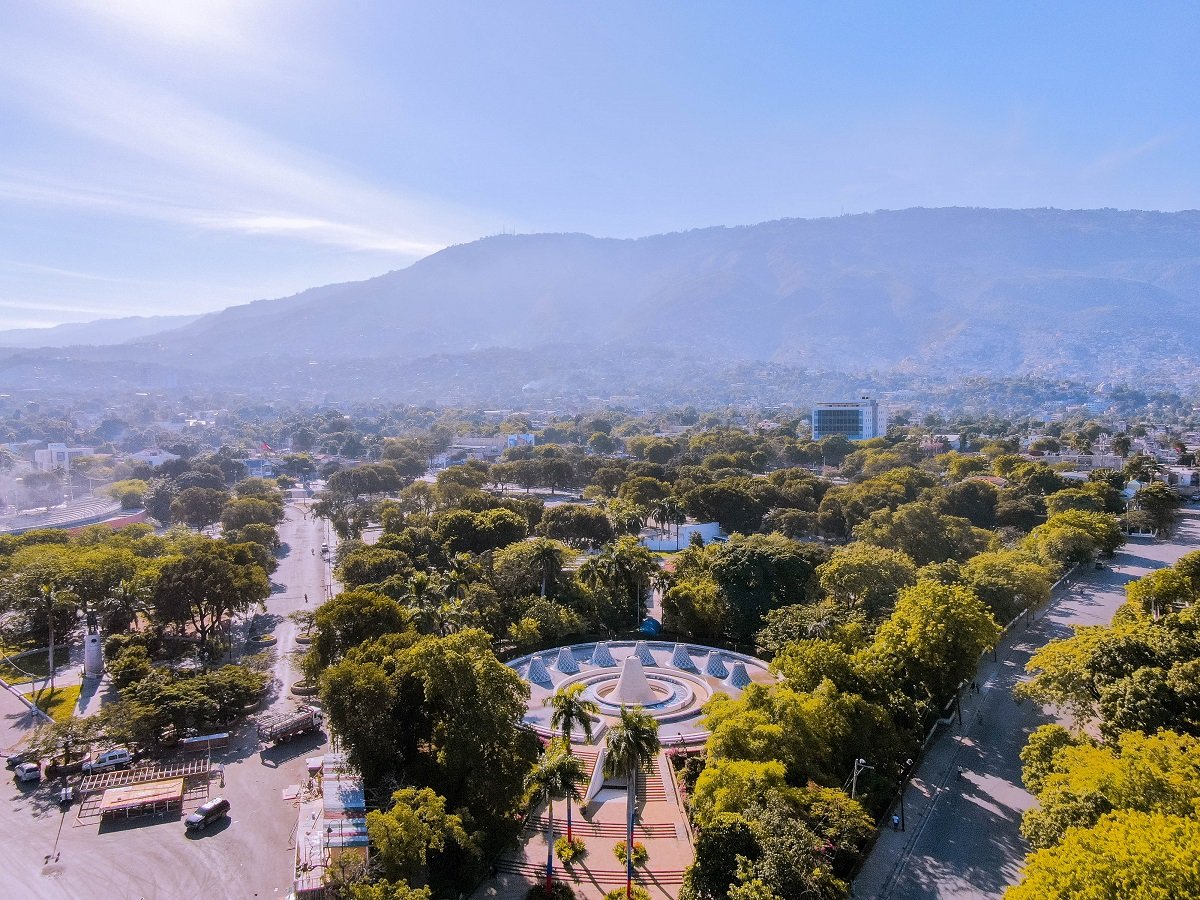
Haïti is blessed with spectacular natural landscapes, including white sand beaches, mountains and rich biodiversity.

Heritage

Heritage

Haïti has a rich historical heritage, including sites like the Citadelle Laferrière and the Sans-Souci Palace, listed as UNESCO World Heritage Sites.

Culture

Culture

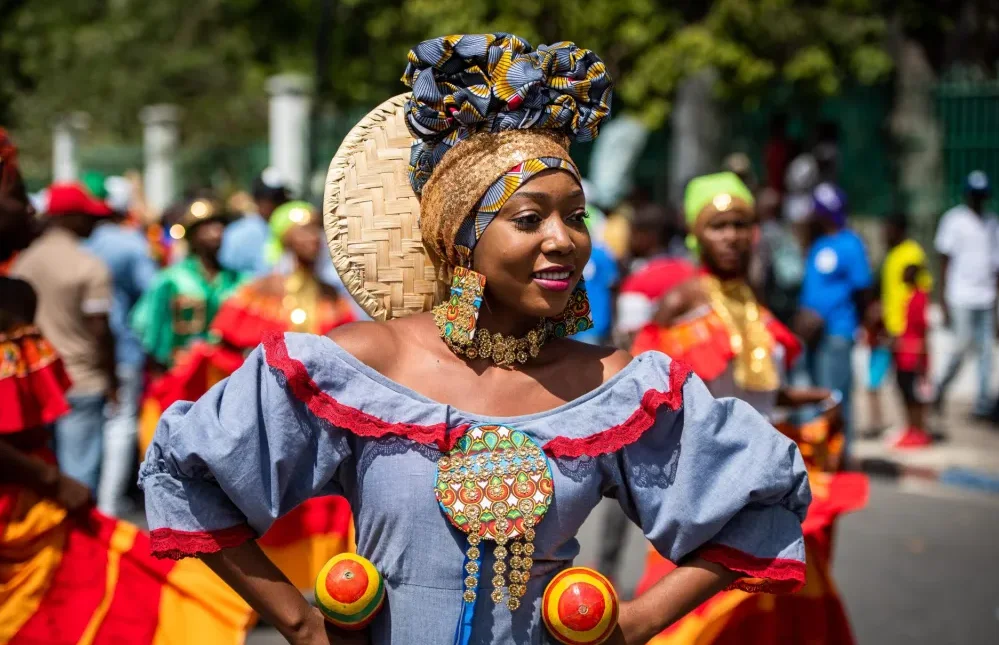
Haïti has a rich and diverse culture, influenced by African, European and indigenous elements. Haitian music, dance, art and cuisine are celebrated around the world.

  • +
    • Post