contact@haitiwonderland.com+509 36184317

Discover

Shopping Cart

What is the primary language of Haiti?

What is the primary language of Haiti?

Haiti, with its unique history and vibrant culture, is a country where language plays a central role in national identity. Haiti’s primary language is Haitian Creole, a rich and expressive language that reflects the country’s cultural mix. Although French is also an official language, Creole is spoken by almost the entire population and is a fundamental part of daily life. In this article, we will explore the origins, uses, and importance of Creole in Haiti.

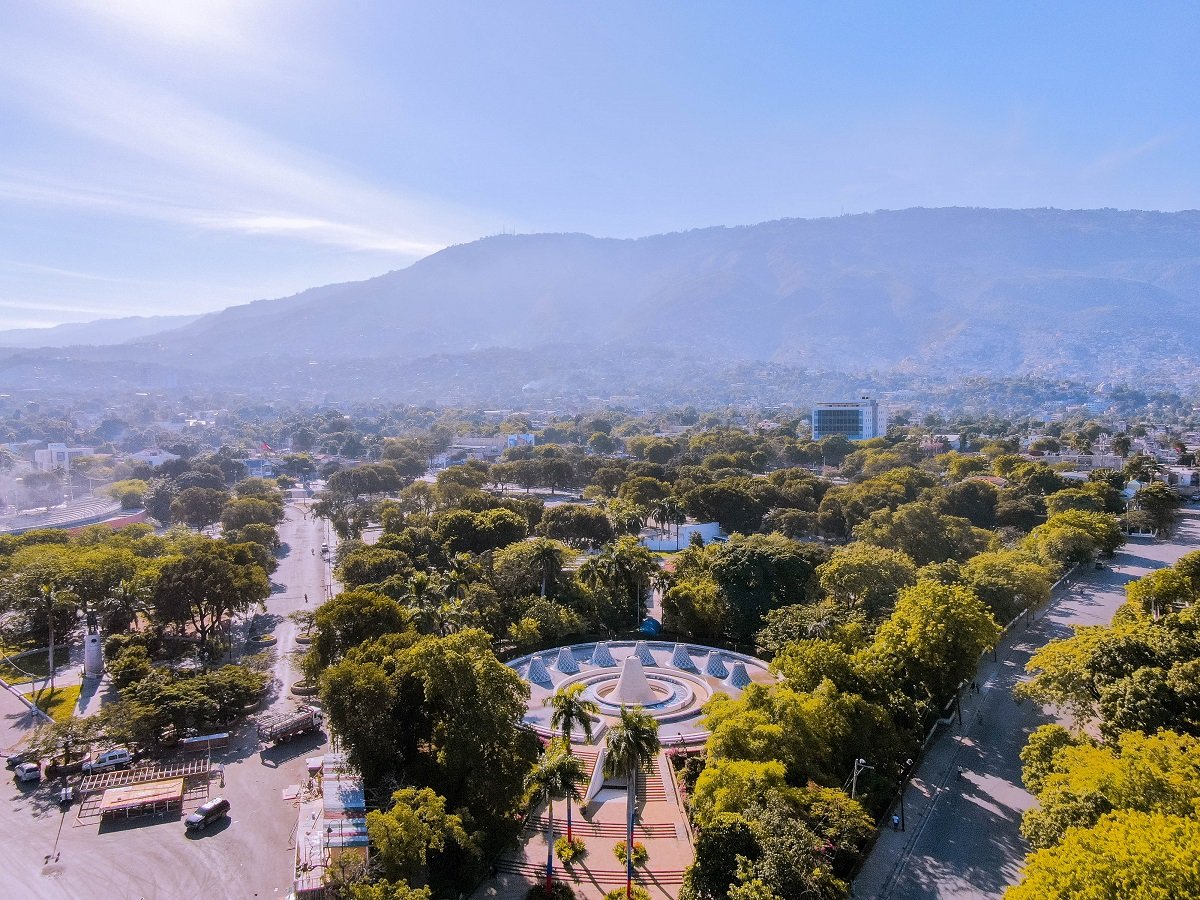
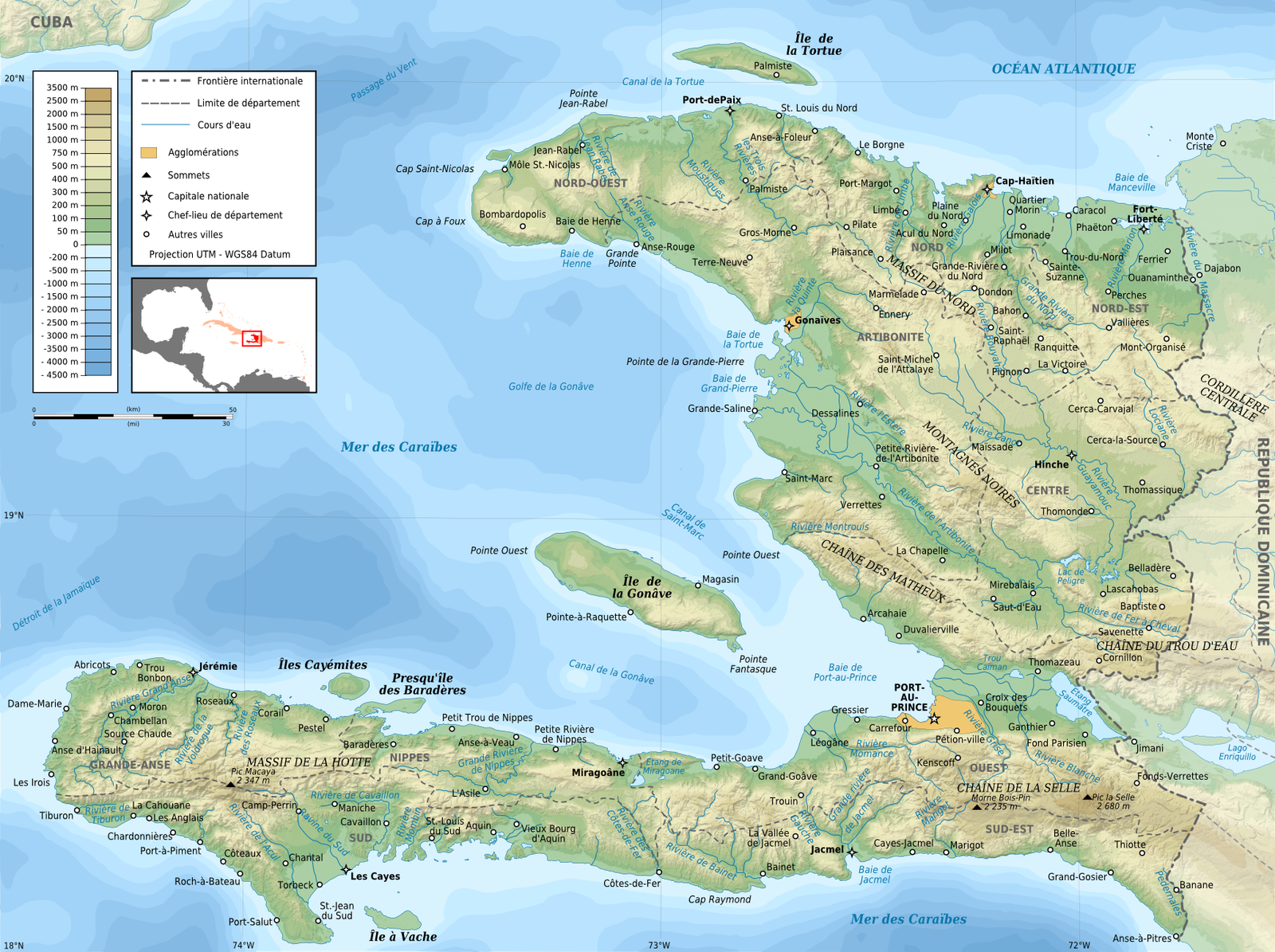
Haïti
Haïti
Haïti

The Origins of Haitian Creole

Haitian Creole originated during the colonial period in the 17th and 18th centuries, when enslaved African populations were forced to communicate with their French colonists and each other, despite their different original languages. Creole developed from French, while incorporating African, Spanish, Taíno, and English influences.

Today, it is considered one of the most developed creoles, with a well-defined grammatical structure and a rich vocabulary that reflects multiple cultural influences.

A symbol of national identity

In 1987, with the adoption of the Constitution, Haitian Creole was recognized as an official language alongside French. This recognition marked a historic turning point, affirming the central role of Creole in Haitian culture and identity.

Creole is much more than just a means of communication:
- It is the common bond between all Haitians, regardless of their social class or region.
- It is used in songs, proverbs and oral stories, which are pillars of Haitian culture.
- It symbolizes the resilience and creativity of the Haitian people in the face of historical challenges.

Creole and French: A Complex Coexistence

In Haiti, approximately 95% of the population speaks Creole, making it the most widely used language in everyday life. However, French remains widely used in official spheres, such as administration, education, and business.

This situation creates a linguistic divide:
- A minority, approximately 10% of the population, fully masters French, often used as a status symbol.
- Creole, although omnipresent, is sometimes perceived as a less prestigious language, a perception that is changing with promotion and standardization efforts.

Education in Creole: A Major Challenge

One of the challenges Haïti faces is the integration of Creole into the education system. Historically, education was primarily provided in French, which excluded a large portion of the population.

In recent decades, initiatives have emerged to:
- Introduce instruction in Creole from the earliest years of schooling.
- Train teachers capable of transmitting knowledge in this language.
- Develop textbooks and educational resources in Creole.

These efforts aim to reduce the illiteracy rate, which is still high, and to increase access to education for all.

Haitian Creole in the World

With a large diaspora in the United States, Canada, France and other countries, Haitian Creole is exported beyond national borders.

Initiatives to promote the language include:
- The production of literature, music and films in Creole.
- The recognition of Creole as an official language in regions such as Florida and Massachusetts, where many Haitian communities live.
- International Creole Languages ​​Day, celebrated every year on October 28, which highlights the importance of Creole languages ​​in the world.

Did you know? Key figures on Haitian Creole

- Number of speakers: Approximately 11 million, in Haïti and in the diaspora.
- Alphabet: Uses a standardized spelling since 1979, composed of 32 letters.
- Literature: Authors such as Frankétienne have written major works in Creole, contributing to its promotion.

Haïti
Haïti
Haïti

A language that unites

Haitian Creole is much more than a main language: it is the soul of Haiti, unifying a people rich in cultural and historical diversity. Its recognition and promotion are essential to preserve national identity and offer opportunities to all Haitians.

What are your experiences with Haitian Creole? ​​Share your stories and thoughts in the comments!

Share
About the Author
Appolon Guy Alain
Appolon Guy Alain
Appolon Guy Alain

Full Stack Developer, Créatif, expérimenté, passionné des nouvelles technologies et de l’art.

See other articles from Appolon Guy Alain
Leave a comment

Recently Posted

Newsletter

Subscribe to our newsletter to stay informed of all our activities and news on Haiti.

Haïti et son Rôle Pionnier dans l’Abolition de l’Esclavage Mondial

For centuries, the institution of slavery has darkened human history, leaving behind a legacy of pain, oppression and the struggle for freedom. However, in this dark tale, one nation stands out for its courage and determination to break the chains of oppression: Haiti. Located in the Caribbean, Haïti played a pioneering role in the abolition of slavery, laying the foundation for the fight for freedom and equality around the world. The history of slavery in Haïti dates back to the arrival of Europeans on the island, which was then called Santo Domingo, in the 15th century. French colonists quickly established an economy based on sugar and coffee production, cruelly exploiting millions of African slaves deported to work on plantations. However, this brutal system engendered fierce resistance from slaves, whose fight for freedom ultimately led to one of the most significant revolutions in history. In 1791, under the leadership of iconic figures such as Toussaint Louverture, Jean-Jacques Dessalines and Henri Christophe, Haitian slaves rose up against their oppressors in an unprecedented rebellion. This revolt resulted in a war of independence that lasted more than a decade, but ultimately resulted in the proclamation of Haiti’s independence in 1804, making that country the first post-colonial nation ruled by people from slavery. The impact of the Haitian Revolution on the abolition of slavery worldwide cannot be overstated. By breaking the chains of oppression and proclaiming their independence, Haitians have sent a powerful message to all oppressed peoples around the world: freedom is possible, and it is worth the struggle. The example of Haïti inspired other movements for the abolition of slavery in the Americas and beyond, thus helping to shake the very foundations of the institution of slavery. Haiti’s participation in the fight against slavery was not limited to its territory; it also extended to external actions where Haitian men were sent or actively participated in movements for the abolition of slavery in other regions of the world. For example, Haitian President Alexandre Pétion supported Simón Bolívar, the leader of the South American revolution, by providing him with weapons, money and even men, which contributed to the liberation of several countries in America Latin of colonial domination. Haïti also provided support for independence movements in Central America. Haitian fighters, led by General Jean-Pierre Boyer, helped Venezuelan patriots fight against Spanish rule, contributing to the liberation of that region. The Haitian government financially and diplomatically supported movements for the abolition of slavery in countries such as Venezuela, Colombia and Mexico, contributing to the gradual eradication of this institution throughout the region. Although Haïti did not directly participate in the American Civil War, many Haitians and descendants of Haitians played crucial roles in the abolitionist movement in the United States. Figures who were of Haitian origin or of Haitian ancestry, were important voices in the fight against slavery and for equal rights in the United States. The legacy of the Haitian Revolution remains a symbol of resistance and courage for future generations. Today, as the world continues to struggle against injustice and oppression in various forms, Haiti’s history reminds us that the fight for freedom is a universal fight, one that transcends borders and times. Haiti’s participation in the abolition of slavery throughout the world remains a crucial chapter in the history of humanity. Through their courage and determination, Haitians have paved the way for a future where freedom and equality are inalienable rights for all.

Haiti: Appolon Guy Alain, among the best Haitian developers

In the vast world of IT development in Haiti, there are figures who stand out for their talent, dedication and vision. Among them, Appolon Guy Alain emerges as one of the best developers in the country, recognized for his ingenuity and creativity. With a strong background in the field of software development, Apolon has managed to rise to the top of its field. Its reputation extends well beyond Haitian borders, attracting the attention and respect of many companies abroad. It is not only his technical expertise that sets him apart, but also his ability to combine art and technology in a unique way. Discover some of Guy Alain Appolon’s achievements by clicking on the following link: https://haitiwonderland.com/haiti/personnalite/le-webmaster-haitien--guy-alain-appolon-une-reference-incontestee/79 What makes Apolon unique is its versatility. As a full-stack developer, he excels in all phases of a project, from design to implementation to user interface development. His ability to merge his talents as a painter, professional musician and computer graphic designer allows him to create attractive interfaces that captivate users at first glance. The Haïti Wonderland website (www.haitiwonderland.com) is a shining example, captivating visitors with its attractive and intuitive design. Read also: https://haitiwonderland.com/haiti/personnalite/expert-en-seo-et-uiux-design--decouvrez-le-developpeur-haitien-appolon-guy-alain/65

Recently Posted

History

History

First black nation to free itself from slavery and gain independence from France in 1804 and influenced other liberation movements around the world, inspiring struggles for freedom and equality.

Natural beauty

Natural beauty

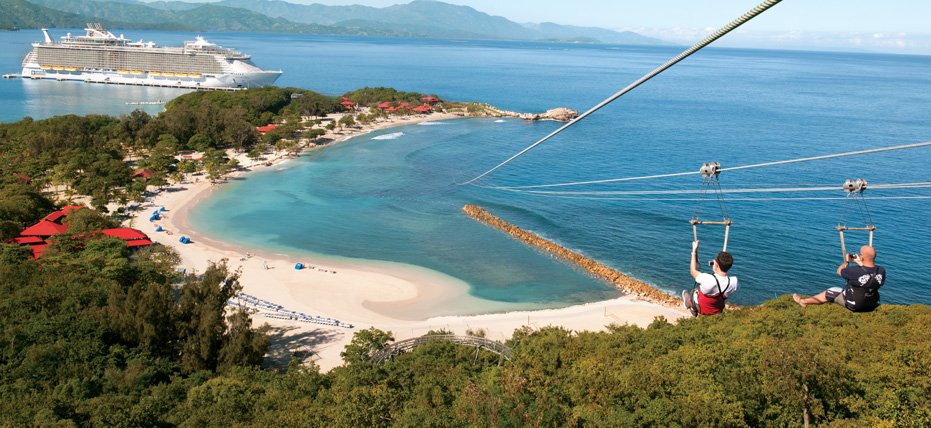
Haïti is blessed with spectacular natural landscapes, including white sand beaches, mountains and rich biodiversity.

Heritage

Heritage

Haïti has a rich historical heritage, including sites like the Citadelle Laferrière and the Sans-Souci Palace, listed as UNESCO World Heritage Sites.

Culture

Culture

Haïti has a rich and diverse culture, influenced by African, European and indigenous elements. Haitian music, dance, art and cuisine are celebrated around the world.

  • +
    • Post