contact@haitiwonderland.com+509 36184317

Discover

Shopping Cart

What does Haïti mean? Origin and meaning of the word

What does Haïti mean? Origin and meaning of the word

The name "Haiti" is much more than just a word; it carries within it the history, culture and identity of a people. But what does this term really mean and what is its origin? Let’s discover together the richness of this word that resonates through the centuries.

Native American origin

The word "Haiti" finds its roots in the language of the Taino, the indigenous people who inhabited the island before the arrival of the Europeans.

- Meaning: In the Taino language, "Ayiti" means "land of high mountains".
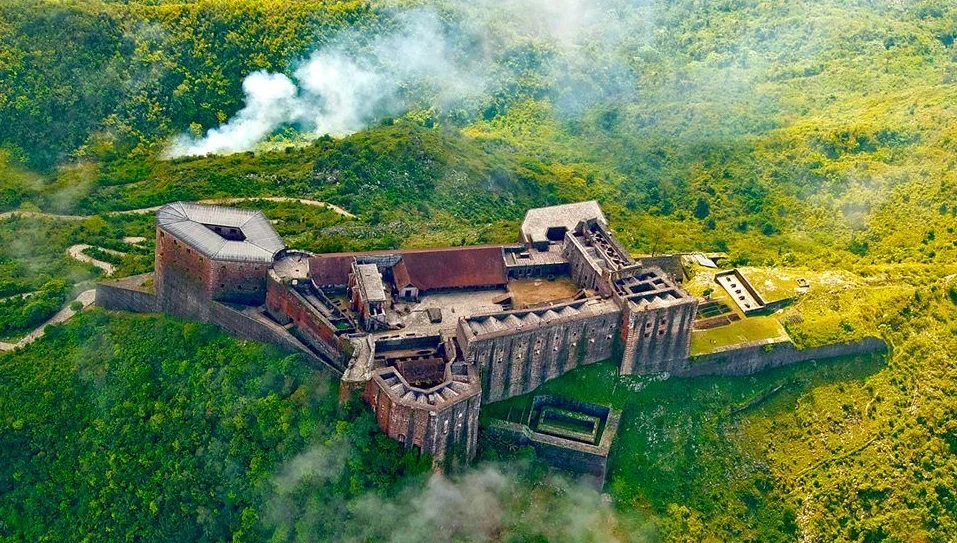
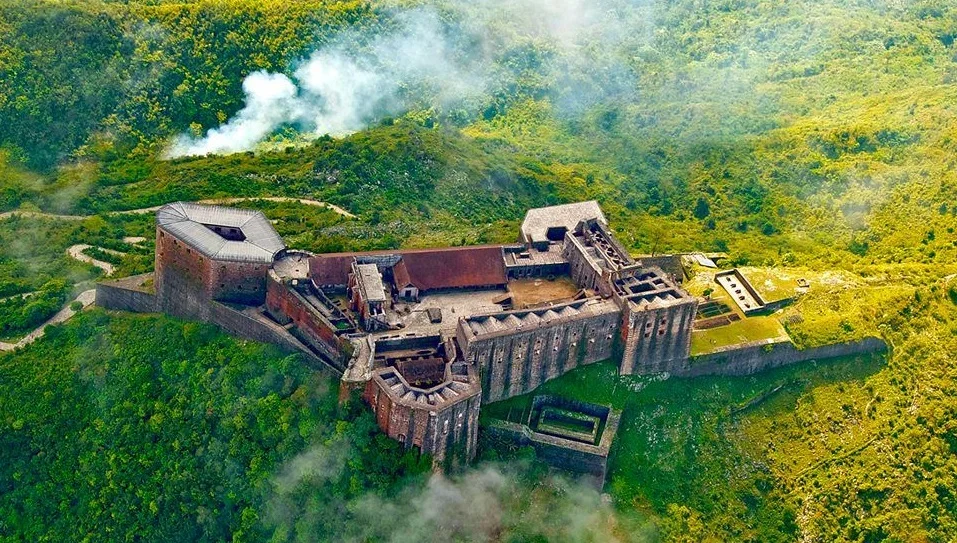
- Geographic description: This name reflects the topography of the island, marked by majestic mountain ranges, such as the Massif de la Selle and the Massif du Nord.

The Tainos, the first inhabitants of the island, used this term to designate their entire territory, highlighting the natural beauty and impressive reliefs of this land.

The colonial era and the return to roots

When Christopher Columbus arrived in 1492, the island was renamed "Hispaniola" by the Spanish, then divided into two colonies: Saint-Domingue (French) and Santo Domingo (Spanish).

- Name change: After the Haitian revolution and the proclamation of independence in 1804, the founders of the nation decided to restore the name "Haiti".
- Symbolism: This choice represented a return to the origins and a desire to break with the colonial past by honoring the first inhabitants of the island.

Thus, by taking back this ancestral name, Haïti affirmed its unique identity and cultural heritage.

A Deep Meaning

Beyond its geographical significance, “Haiti” has become a symbol of freedom and resilience.

- Freedom: As the first independent black republic, the name “Haiti” evokes the fight against oppression and the aspiration for human dignity.
- National Pride: Today, it represents a source of pride for Haitians and a reminder of their unique history.

The mountains, evoked in the name, are also a symbol of strength and protection, a metaphor for resilience in the face of challenges.

Haïti in the World

The name “Haiti” is recognized around the world, not only for its revolutionary history, but also for its rich culture and breathtaking landscapes.

- Natural Heritage: The mountains, so dear to the Taínos, continue to be a treasure for the country, attracting hikers and nature lovers.
- Cultural Identity: The word “Haiti” is synonymous with cultural richness, with its unique traditions, music, cuisine, and art.

Every time the name is pronounced, it carries with it an emotional and historical charge that transcends borders.

A Legacy to Pass on

“Haiti” is not just a name; it is a story, a symbol, an identity. It recalls the struggles, victories, and deep roots of a proud and resilient people.

Knowing the origin and meaning of this word helps us better understand the richness of Haitian history and the importance of preserving this heritage for future generations.

What are your thoughts on the name “Haiti” and what it represents? Share your thoughts and learn more about this unique nation!

Share
About the Author
Appolon Guy Alain
Appolon Guy Alain
Appolon Guy Alain

Full Stack Developer, Créatif, expérimenté, passionné des nouvelles technologies et de l’art.

See other articles from Appolon Guy Alain
Leave a comment

Recently Posted

Haïti et son Rôle Pionnier dans l’Abolition de l’Esclavage Mondial

For centuries, the institution of slavery has darkened human history, leaving behind a legacy of pain, oppression and the struggle for freedom. However, in this dark tale, one nation stands out for its courage and determination to break the chains of oppression: Haiti. Located in the Caribbean, Haïti played a pioneering role in the abolition of slavery, laying the foundation for the fight for freedom and equality around the world. The history of slavery in Haïti dates back to the arrival of Europeans on the island, which was then called Santo Domingo, in the 15th century. French colonists quickly established an economy based on sugar and coffee production, cruelly exploiting millions of African slaves deported to work on plantations. However, this brutal system engendered fierce resistance from slaves, whose fight for freedom ultimately led to one of the most significant revolutions in history. In 1791, under the leadership of iconic figures such as Toussaint Louverture, Jean-Jacques Dessalines and Henri Christophe, Haitian slaves rose up against their oppressors in an unprecedented rebellion. This revolt resulted in a war of independence that lasted more than a decade, but ultimately resulted in the proclamation of Haiti’s independence in 1804, making that country the first post-colonial nation ruled by people from slavery. The impact of the Haitian Revolution on the abolition of slavery worldwide cannot be overstated. By breaking the chains of oppression and proclaiming their independence, Haitians have sent a powerful message to all oppressed peoples around the world: freedom is possible, and it is worth the struggle. The example of Haïti inspired other movements for the abolition of slavery in the Americas and beyond, thus helping to shake the very foundations of the institution of slavery. Haiti’s participation in the fight against slavery was not limited to its territory; it also extended to external actions where Haitian men were sent or actively participated in movements for the abolition of slavery in other regions of the world. For example, Haitian President Alexandre Pétion supported Simón Bolívar, the leader of the South American revolution, by providing him with weapons, money and even men, which contributed to the liberation of several countries in America Latin of colonial domination. Haïti also provided support for independence movements in Central America. Haitian fighters, led by General Jean-Pierre Boyer, helped Venezuelan patriots fight against Spanish rule, contributing to the liberation of that region. The Haitian government financially and diplomatically supported movements for the abolition of slavery in countries such as Venezuela, Colombia and Mexico, contributing to the gradual eradication of this institution throughout the region. Although Haïti did not directly participate in the American Civil War, many Haitians and descendants of Haitians played crucial roles in the abolitionist movement in the United States. Figures who were of Haitian origin or of Haitian ancestry, were important voices in the fight against slavery and for equal rights in the United States. The legacy of the Haitian Revolution remains a symbol of resistance and courage for future generations. Today, as the world continues to struggle against injustice and oppression in various forms, Haiti’s history reminds us that the fight for freedom is a universal fight, one that transcends borders and times. Haiti’s participation in the abolition of slavery throughout the world remains a crucial chapter in the history of humanity. Through their courage and determination, Haitians have paved the way for a future where freedom and equality are inalienable rights for all.

Newsletter

Subscribe to our newsletter to stay informed of all our activities and news on Haiti.

Official launch of “Ewo” Beer: Haitian Pride across the World

December 1 marked an exceptional moment for the Haitian community and beer lovers around the world, with the official launch of “Ewo” beer by Haitian entrepreneur Jhonson Napoléon. After the success of “Kola Choucoune”, already present in several countries, including the United States and Canada, it is the turn of “Ewo” beer to take the American market by storm. Available in several cities in the United States, this beer embodies the perfect marriage between tradition and innovation, offering consumers a unique taste experience. “Ewo” beer is much more than just an alcoholic beverage. It is a delight that skillfully blends the authentic flavors of Haitian culture with a touch of innovation. In a country where Prestige beer and Barbancourt rum have already conquered palates around the world, “Ewo” beer is proudly added to the list of Haitian taste treasures. Jhonson Napoléon, the man behind this new creation, continues to fly the colors of Haïti across the globe. His commitment to promoting quality Haitian products continues to strengthen the reputation of his country of origin. “Ewo” beer is not just a drink, it is a symbol of Haitian creativity and perseverance that transcends borders. This new step demonstrates the country’s ability to be part of the global trend for quality craft beers. “Ewo” beer is not only a leading local product, but it also stands out on the international scene as the representative of a rich and dynamic culture. The pride that Haitians feel for the success of Jhonson Napoléon and the growing fame of “Ewo” beer is palpable. It is a success story that transcends geographic boundaries and embodies the strength of the Haitian entrepreneurial spirit.

Recently Posted

History

History

First black nation to free itself from slavery and gain independence from France in 1804 and influenced other liberation movements around the world, inspiring struggles for freedom and equality.

Natural beauty

Natural beauty

Haïti is blessed with spectacular natural landscapes, including white sand beaches, mountains and rich biodiversity.

Heritage

Heritage

Haïti has a rich historical heritage, including sites like the Citadelle Laferrière and the Sans-Souci Palace, listed as UNESCO World Heritage Sites.

Culture

Culture

Haïti has a rich and diverse culture, influenced by African, European and indigenous elements. Haitian music, dance, art and cuisine are celebrated around the world.

  • +
    • Post