contact@haitiwonderland.com+509 36184317

Discover

Shopping Cart

What is the emblem of Haiti?



What is the emblem of Haiti?

The national emblem of Haïti is a powerful symbol of the country’s identity, history, and values. It embodies the struggle for independence and the fundamental principles that unite Haitians. This article explores in depth the national emblem of Haiti, its elements, meaning, and importance to the Haitian nation.

The National Emblem of Haiti: Coat of Arms

The national emblem of Haïti consists of the country’s coat of arms, an important and distinctive symbol. This coat of arms was adopted in 1807 and is featured on the flag and official documents of the Republic of Haiti. The emblem is divided into several symbolic elements that reflect the country’s history, culture, and fundamental values.

Haïti
Haïti
Haïti

The Elements of the Emblem of Haiti

The emblem of Haïti is rich in symbolism. At the center of the coat of arms is a palm tree (symbol of freedom), with cannons and flags representing the defense of the nation. A Haitian flag flies around the palm tree, evoking the struggle for independence.

Two crossed arrows, accompanied by laurel branches, symbolize the military victory and the honor of the Haitian people in their quest for freedom. On the bottom of the coat of arms, a banner bears the national motto: "L’Union fait la force", a principle that reaffirms the importance of national solidarity.

The blue and red colors that appear on the emblem symbolize unity and freedom. The blue represents the descendants of slaves who fought for independence, while the red represents the brotherhood between all Haitians.

The Meaning of the Coat of Arms

The coat of arms of Haïti has a deep and historical meaning. The palm tree, at the center of the emblem, symbolizes the freedom acquired after the Haitian revolution. It also represents the perseverance of the Haitian people in the face of adversity.

The cannons and flags on the sides are reminders of the heroic fight of the Haitians for their independence. These symbols embody the defense of the country and the spirit of resistance that allowed Haïti to become the first country to abolish slavery and found an independent black republic.

The laurel branches are a reference to military victory, but also to peace, honor and integrity. They are a sign of triumph and the dignity regained by the Haitian people after centuries of oppression.

Haïti
Haïti
Haïti

The Emblem as a Symbol of National Pride

The emblem of Haïti plays a central role in the construction of national identity. It is a constant reminder of the sacrifices and struggles that allowed Haïti to obtain its independence. Each element of the emblem is a symbol of Haitian pride and the sovereignty of the country.

Haitians both inside and outside the country view this emblem as a source of dignity and resilience. It is worn with pride during national celebrations and events where the unity and solidarity of the Haitian people are highlighted.

A Living Emblem of Haitian History

The national emblem of Haïti is much more than a simple design: it is a living testimony to the country’s history. It recalls not only the war of independence, but also the slave revolt and the victory over colonial oppression. As such, it represents the ideals of liberty, equality, and fraternity that have shaped Haiti.

Haitians continue to reclaim their emblem and bring it to life, whether it is seen flying in the streets during protests or finding it in art, music, and discussions about the nation. The emblem is a testament to the continuity of Haiti’s history and soul across generations.

Haïti
Haïti
Haïti

The Emblem of Haiti: A Universal Symbol

Although specific to Haiti, the national emblem also has a universal dimension. It embodies the principles of the struggle for freedom, human dignity, and solidarity. These values ​​resonate throughout the world, especially in Haitian communities in the diaspora, where the symbol continues to serve as a rallying point and collective pride.

The emblem of Haïti is therefore much more than a decorative element. It embodies the heritage, culture, and strength of the Haitian people, and it is a powerful vector of national identity, inspiring respect and solidarity on a global scale.

Share
About the Author
Appolon Guy Alain
Appolon Guy Alain
Appolon Guy Alain

Full Stack Developer, Créatif, expérimenté, passionné des nouvelles technologies et de l’art.

See other articles from Appolon Guy Alain
Leave a comment

Recently Posted

Newsletter

Subscribe to our newsletter to stay informed of all our activities and news on Haiti.

Haïti / Ganthier: I Let You In, an Ode to Modern Relationships by Igens VIL

The Meaning of the Essence of Love The commune of President Boniface Alexandre and Martial CELESTIN produces a talented artist. Yes, Ganthier stands out as one of its best representatives on the international scene. "I Let You In" is a title that lays bare the complexity of heterogeneous relationships around the world. This opus, both provocative and touching, awakens the mind, body and soul. I am deeply moved by the way in which the artist Igens VIL, a true emblematic figure of Ganthier, evokes intense emotions and provokes reflection on the issues of contemporary romantic relationships. Each verse of this composition, co-written with Dayvin Kaponda, contains profound messages about tolerance towards others, our aspirations and ambitions, the true foundations of authentic love. It is the very essence of life. Despite the tumults of daily life and the inevitable misunderstandings in human relationships, he reminds us that “in my life, there is always a me; I have tried everything. Even if it means taking a step back, I am ready to do it. And if it means, I will get down on my knees”. The singer, who spent a large part of his adolescence in Galette-Chambon, the first communal section of the commune of Ganthier, is now active in the French music industry. He eloquently and skillfully addresses the complex triangle of sentimental relationships: sacrifice, tolerance and communication. This remarkable work deserves to be heard everywhere; it inspires faith, reflection and action. Gensbe, known as Igens VIL, deserves awards for this song. Guitarist, singer, composer and academic in France, he embodies a rare mix of talents for a young Haitian engaged in these demanding fields that require time, sacrifice and a lot of energy. Today, Gensbe is at his peak and never gives up. More songs are in the works for you, dear listeners. Subscribe to Gensbe on YouTube and other platforms. He is without a doubt one of the best Haitian artists among the big international names. I’ll let you in.

Vertières, Fort Mazi: Beyond historical truth;

If you look up the word vertière in a French dictionary, you will not find it for fear that the world does not know this place represents the Achilles heels of the most powerful European army. What’s more, this one had just successfully won the eastern campaign. French historians of the time erased this geographical location from the radar of history because they did not want to tell the story as it is in the sense of explaining the first great humiliation of the expeditionary army French by bands of slaves who were totally ignorant in the art of waging war, much less in the handling of weapons. However, these illiterate wars routed the Napoleonic army, the most powerful at that time, using the means at hand. This expeditionary army, after having brought Europe to its knees, would experience its first rout by slaves in this geographical location, located in the Northern department of Haiti. Funny story, this city is not on the list of French words even though given its historical importance, it should be at the heart of universal history, far from putting an end to the invincibility of the undefeated army army. So as not to offend the white masters, no political leader has ever asked why vertière does not appear in any French dictionary? However, they celebrate this battle with great fanfare every November 18. What historic hypocrisy among our leaders! After Vertière many other historical places are strangled by historians in order to hide the extremes of atrocities of the French colonists on the slaves. It is in this context of historical strangulation that “Fort Mazi” is not mentioned in school history textbooks. This is located in Petit-Goave, 2nd municipal section, Arnoux locality. We came across this mega fort, during a mobile clinic entirely financed by the Ernest Junior foundation, a charitable foundation which works in the social sector, particularly in the field of art and music. According to residents , the oldest in this locality, this fort was built on at least 20 squares of earth by the settlers. It was a huge military complex divided into compartments, outposts, turtle rooms, rooms for treating colonists, a large Catholic church, and a cemetery. However, we never talk about this fort so much so that it is ignored by history teachers in the town of Petit-Goave. Certainly, the desired disappearance of this fort under the radar of history buries the atrocities, the barbarities, the most inhumane punishments of the colonists on the slaves. Looking closely at reality, everything seems true that it is the largest fort ever built during the period of colonization. Moreover, it probably seems the most fortified in relation to its importance. Remember that Vertière only exists in Haitian school history textbooks while Fort Mazi does not appear, much less in French dictionaries or history books. This explains why this fort was a secret place in which the settlers practiced crimes and atrocities that went beyond human understanding. Is it not a clear desire of historians to hide what this immense fort built on at least 20 tiles of earth really was? Discover the history of Haiti: A fascinating story to explore! : https://haitiwonderland.com/haiti/histoire/decouvrez-l-histoire-d-haiti--un-recit-fascinant-a-explorer/81

Recently Posted

History

History

First black nation to free itself from slavery and gain independence from France in 1804 and influenced other liberation movements around the world, inspiring struggles for freedom and equality.

Natural beauty

Natural beauty

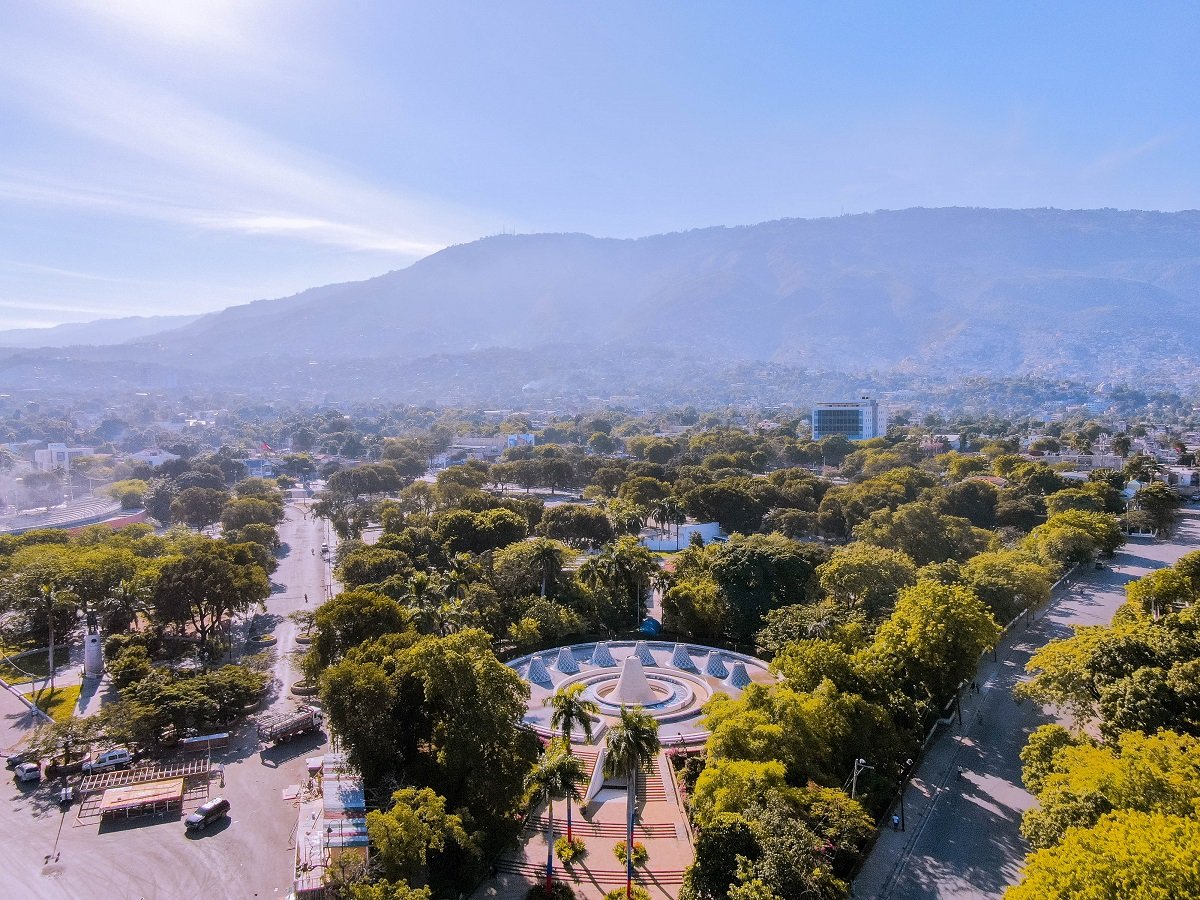
Haïti is blessed with spectacular natural landscapes, including white sand beaches, mountains and rich biodiversity.

Heritage

Heritage

Haïti has a rich historical heritage, including sites like the Citadelle Laferrière and the Sans-Souci Palace, listed as UNESCO World Heritage Sites.

Culture

Culture

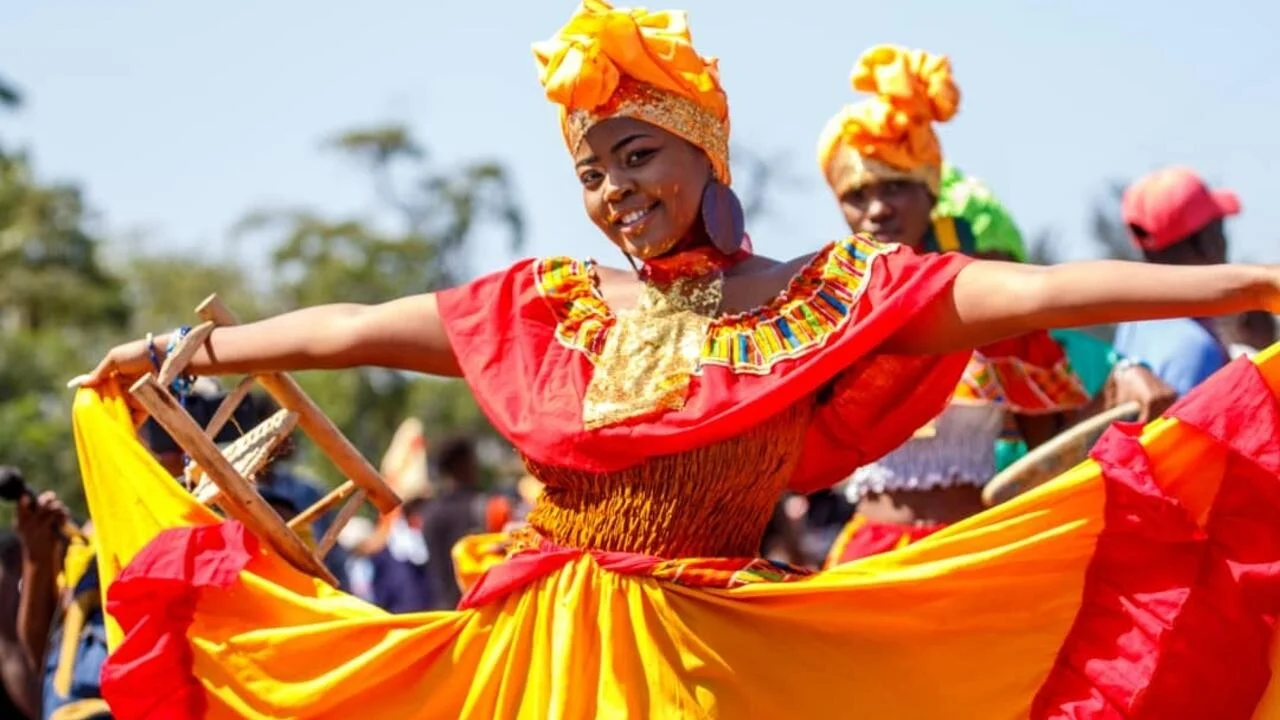
Haïti has a rich and diverse culture, influenced by African, European and indigenous elements. Haitian music, dance, art and cuisine are celebrated around the world.

  • +
    • Post