contact@haitiwonderland.com+509 36184317

Discover

Shopping Cart

What is the name of Haiti’s largest river?



What is the name of Haiti’s largest river?

Haiti’s largest river is called the Artibonite. This majestic waterway, which crosses the country from one end to the other, is a key element in the geography, economy and daily life of Haitians. With its crucial role in agriculture, its historical importance and its impact on the local ecosystem, the Artibonite deserves special attention. This article explores the many facets of this iconic river.

The Artibonite: A River of Exceptional Magnitude

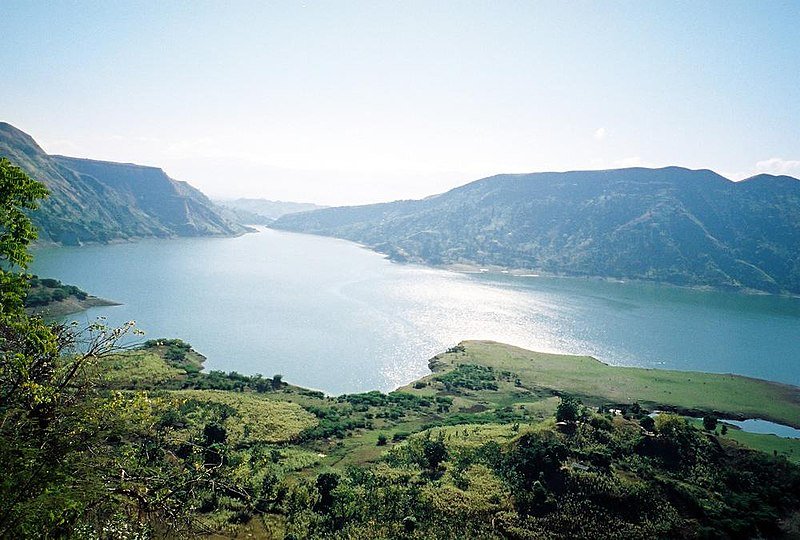
The Artibonite is Haiti’s longest river, with a length of approximately 320 kilometers. It rises in the mountains of the Dominican Republic, crosses the Haitian border and winds through the fertile valley that bears its name before emptying into the Gulf of Gonâve.

This river is a true artery of life for the region it irrigates. The Artibonite Valley is often referred to as the country’s “rice bowl,” due to the vast rice fields that depend on it. About 80% of Haiti’s rice production comes from this region, making the Artibonite a pillar of national food security.

A key role in agriculture and the economy

The Artibonite River is Haiti’s main irrigation system. Through irrigation projects such as the Péligre Dam, built in the 1950s, it provides water to thousands of hectares of arable land. In addition to rice, the region also produces corn, vegetables, and fruits, contributing to the local and national economy.

However, challenges abound. Soil erosion, caused by deforestation and poor land management, threatens the river’s ability to support agriculture. Reforestation and sustainable watershed management efforts are needed to preserve this vital ecosystem.

A historical and cultural heritage

The Artibonite is not only a natural resource; it is also deeply rooted in Haitian history and culture. The region around the river played a strategic role during the Haitian Revolution, hosting crucial battles that led to the country’s independence in 1804.

In addition, the river inspires many Haitian artists, writers, and musicians, who celebrate its beauty and importance in their works. It is often seen as a symbol of resilience and life for the Haitian people.

Some key figures about the Artibonite

- Total length: approximately 320 km, much of which flows through Haiti.
- Watershed area: approximately 9,500 km², covering a region rich in biodiversity.
- Rice production: The Artibonite Valley accounts for approximately 80% of Haiti’s rice production, feeding millions of people.
- Péligre Dam: Built on the river, it generates a significant portion of the country’s electricity while providing irrigation.

An ecosystem to preserve

The Artibonite is home to unique biodiversity, but it faces growing environmental challenges. Pollution, uncontrolled sand mining, and deforestation are affecting water quality and aquatic life. Conservation and environmental education initiatives are crucial to ensure the river continues to support life in Haiti.

Local and international organizations are working to raise awareness among communities about the importance of protecting the river. These efforts include planting trees, building dikes, and promoting sustainable agricultural practices.

The Artibonite, a national treasure

The Artibonite River is much more than just a body of water: it is an agricultural engine, a source of energy, and a historical symbol for Haiti. Its protection is essential not only for the communities that directly depend on it, but also for the future of the entire country.

Whether for its economic role, its rich history, or its natural beauty, the Artibonite is a river that Haïti can be proud of. If you have had the opportunity to visit the region or discover the river, do not hesitate to share your experiences in the comments!

Share
About the Author
Haïti Wonderland
Haïti Wonderland
Leave a comment

Recently Posted

Newsletter

Subscribe to our newsletter to stay informed of all our activities and news on Haiti.

Haiti: the Island of Lovers

The ideal place for vacations, honeymoons, excursions, sightseeing tours and much more. This paradise island, located in the south of Haiti, near Île-à-Vache, offers a picturesque setting which makes it a destination of choice. A stone’s throw from Île à Vache, a 128 km² island bathed by the crystal clear waters of the Caribbean Sea, Île des Amoureux is a true gem to explore in Haiti. Just 5.50 nautical miles from the coastal town of Les Cayes, this island is easily accessible. Travelers can reach the town of Les Cayes by car or opt for charter flights arriving at the regional airport. From the port of Les Cayes, a short 20-minute boat trip will take you to this enchanting destination. The fascinating history of Île à Vache adds an extra dimension to your experience. Once a refuge for pirates and buccaneers, this island was nicknamed "Treasure Island". Today, it continues to charm visitors with its authentic ambiance, pristine beaches and crystal clear waters. Whether you’re looking for beach relaxation, underwater adventures, a romantic getaway, an exotic adventure or cultural discoveries, Lovers’ Island has it all. Dive into the clear waters to explore colorful coral reefs, hike through lush vegetation, or soak up the bustling atmosphere of local markets. For couples looking for romance, there’s nothing like a sunset stroll on the beach, followed by a candlelit dinner under the stars. Lovers’ Island is much more than just a vacation destination, it is a true haven of peace where adventure and relaxation meet. Whether you are a lover of relaxation or an adventurer at heart, this island will seduce you with its authentic charm and breathtaking landscapes. Embark on an unforgettable getaway and discover all that Haïti has to offer on this island paradise.

Recently Posted

History

History

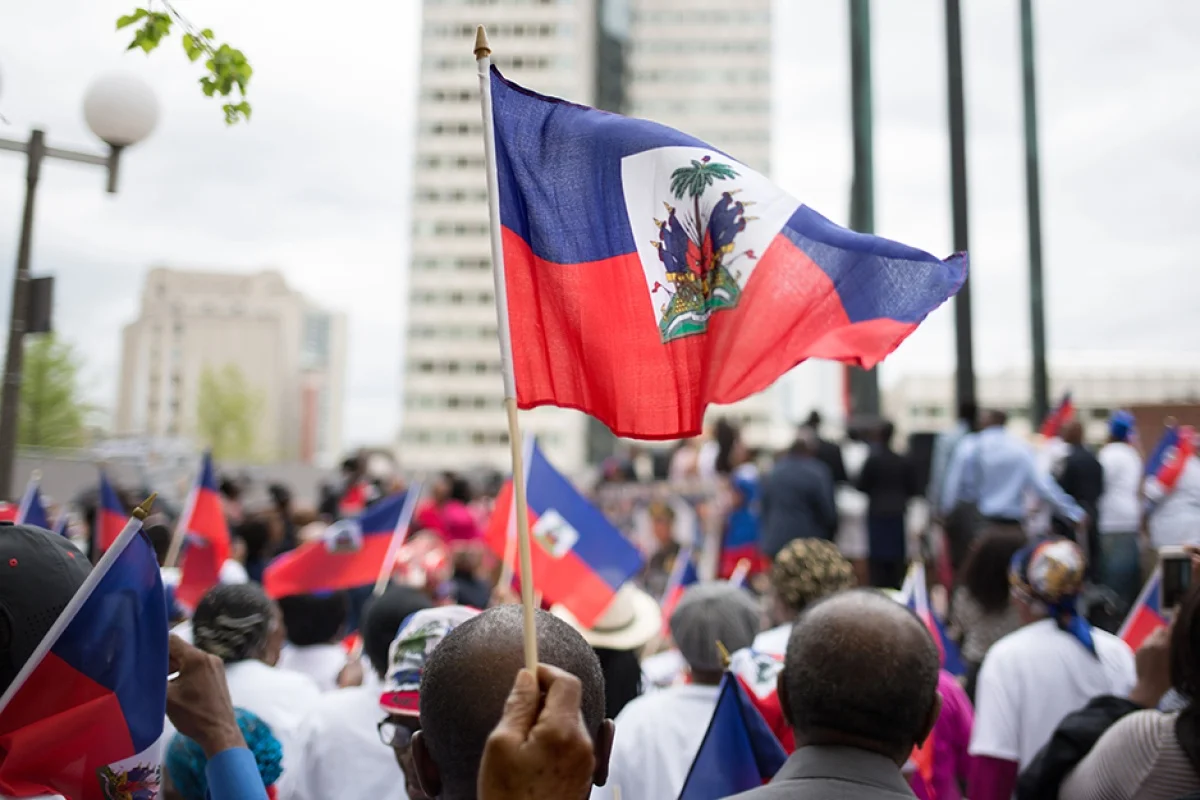
First black nation to free itself from slavery and gain independence from France in 1804 and influenced other liberation movements around the world, inspiring struggles for freedom and equality.

Natural beauty

Natural beauty

Haïti is blessed with spectacular natural landscapes, including white sand beaches, mountains and rich biodiversity.

Heritage

Heritage

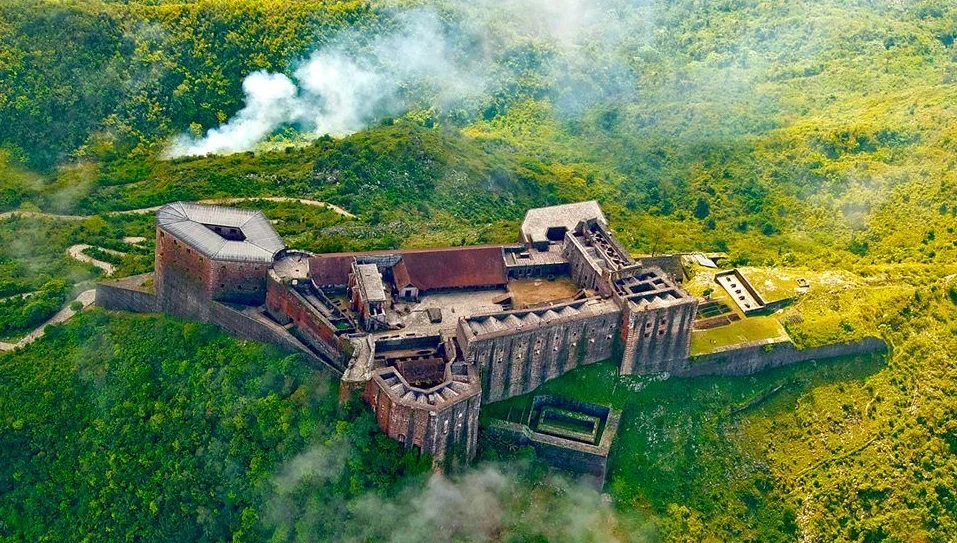
Haïti has a rich historical heritage, including sites like the Citadelle Laferrière and the Sans-Souci Palace, listed as UNESCO World Heritage Sites.

Culture

Culture

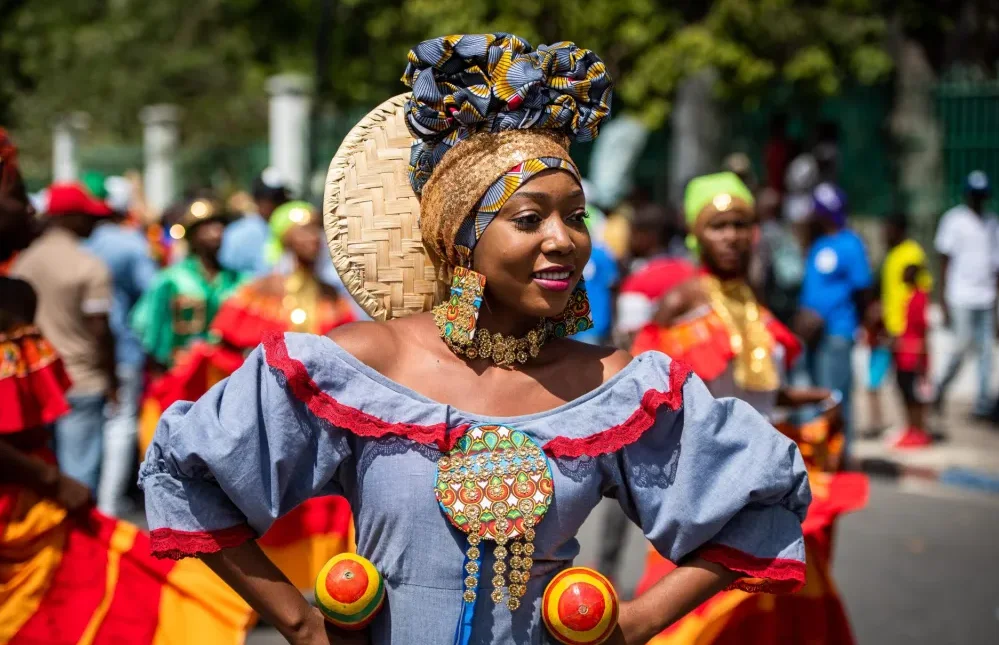
Haïti has a rich and diverse culture, influenced by African, European and indigenous elements. Haitian music, dance, art and cuisine are celebrated around the world.

  • +
    • Post