contact@haitiwonderland.com+509 36184317

Discover

Shopping Cart

Article 2 of the Haitian Constitution: The National Colors, a Symbol of Identity

Article 2 of the Haitian Constitution: The National Colors, a Symbol of Identity

Article 2 of the Haitian Constitution of 1987, amended in 2011, establishes that the national colors are blue and red. These two colors are not simply aesthetic choices; they embody the history, culture, and aspirations of the Haitian people.

Let’s dive into the deeper meanings and key facts associated with these emblematic colors.

ARTICLE 2: The national colors are: blue and red.

Haïti
Haïti
Haïti

1. Blue: Unity and Hope

Blue represents the unity of the Haitian people, a reminder that all social classes contributed to the birth of the nation.

- Key figure: Approximately 95% of the Haitian population is of African descent, and blue reflects their common struggle for freedom.
- Historical fact: Blue was retained from the old French flag, but reinterpreted to symbolize national unity in the Haitian context.

The blue on the flag is also an invitation to hope and solidarity between citizens, whatever their differences.

Haïti
Haïti
Haïti

2. Red: courage and sacrifice

Red, for its part, embodies the blood shed by the heroes of the Haitian Revolution, a tribute to the courage and sacrifices made for independence.

- Key figure: The Haitian Revolution cost the lives of approximately 100,000 fighters, but allowed the liberation of more than 500,000 slaves.
- Concrete example: The Battle of Vertières, in 1803, was a brilliant demonstration of bravery, crowned by victory against the Napoleonic army.

Red is therefore a constant reminder of the price of freedom and the importance of protecting this heritage.

Haïti
Haïti
Haïti

3. A history marked by the evolution of the flag

Since its creation, the blue and red flag has undergone changes, while remaining a symbol of national pride.

- Notable fact: The original flag of 1803 was blue and red, but horizontal. Designed by Jean-Jacques Dessalines, it expressed the rejection of colonial powers.
- Key figure: The current version, with the addition of the national emblem in the center, was officially adopted in 1986.

These modifications reflect the adaptation of the nation through the ages, while maintaining its fundamental values.

Haïti
Haïti
Haïti

4. A source of inspiration for the world

The Haitian flag is one of the first in the world to symbolize the resistance and victory of the oppressed against the colonizers.

- Concrete example: During the Bandung Conference in 1955, the Haitian flag inspired several African nations in their quest for independence.
- Key figure: Haïti is one of the few nations whose flag is celebrated each year on May 18, during Flag Day.

This shows how powerful symbols blue and red are, not only for Haiti, but for all those who fight for freedom.

Haïti
Haïti
Haïti

A symbol of unity and resilience

The blue and red colors of Article 2 of the Haitian Constitution are not just hues. They embody the national identity, courage and hope of a people proud of their history and resilient in the face of challenges.

By wearing these colors, each Haitian also carries a message of solidarity, freedom and unity that transcends generations. Blue and red are not just symbols, they are the soul of the Haitian nation.

Share
About the Author
Appolon Guy Alain
Appolon Guy Alain
Appolon Guy Alain

Full Stack Developer, Créatif, expérimenté, passionné des nouvelles technologies et de l’art.

See other articles from Appolon Guy Alain
Anpil lanmou pou ou gran fre kontinye travay pou mete peyiw an vale 🇭🇹🫶

Thanks

September 11, 2025 - 08:43:57 PM
Leave a comment

Recently Posted

Haitian rhythms: Exploring musical and dance traditions

Haiti, a land rich in history and cultural diversity, offers a unique musical treasure through its captivating rhythms. Haitian music, deeply rooted in the fusion of different African, European and Caribbean influences, constitutes a vibrant expression of national identity. One of the distinctive elements of Haitian music is its rhythmic diversity, reflecting the many facets of daily life, from religious celebrations to moments of joy and sorrow. Haitian rhythms, carrying contagious energy, are a reflection of the soul of the Haitian people. One of Haiti’s most iconic musical genres is direct compas, which emerged in the 1950s. This catchy rhythm, coupled with captivating melodies, has captured hearts globally. The direct compass embodies the fusion of different musical styles, including jazz, merengue, and elements of traditional Haitian music. Haitian musical traditions are not limited to contemporary sounds. Vodou, an ancestral spiritual practice, also has a major influence on Haitian music. Vodou rhythms, often associated with religious ceremonies, create a deep connection between spirituality and artistic expression. Furthermore, dance is inseparable from Haitian music. The graceful and energetic movements of traditional dances like rasin, combined with captivating rhythms, transport dancers and spectators to a world where bodily expression becomes a living art form. Exploring the musical and dance traditions of Haïti is like diving into a universe where history, culture and spirituality are harmoniously woven together. These rhythms, passed down from generation to generation, are much more than simple notes; they embody the soul of a people and the richness of its diversity. Celebrating these traditions pays homage to Haiti’s exceptional cultural heritage and its invaluable contribution to the global music scene.

Newsletter

Subscribe to our newsletter to stay informed of all our activities and news on Haiti.

Timoun se Moun: A poetry competition to promote children’s rights in Haiti

A wounded country. Bent under the weight of a multidimensional crisis. Widespread violence. Hope slammed shut. A sacrificed generation. Children are increasingly threatened. They are increasingly confronted with all forms of vulnerability that hinder their overall development. ACTIF is launching the second edition of the "Timoun se Moun" poetry competition. A citizen initiative in which the organization uses writing as a springboard to build what life deprives Haitian children of. Pain can be turned into gold. For ACTIF (Community Action for Transformation and Formal Integration), poetry is a philosopher’s stone. Not only for this organization, but also for all those who believe that writing can help rekindle the stars. Faced with this urgent need for action, this is "an initiative to raise awareness, denounce, and affirm loud and clear that every child matters, every child deserves protection, hope, and a future," reads the competition’s descriptive document. So what do you intend to do with your human light? Through this competition, participants have the opportunity to engage in an act of resistance, like a cry of conscience to raise the voice of broken childhoods. Open from May 18 to June 18, "Timoun se Moun" is open to all Haitians living in the country and aged 18 and over. Texts must be submitted in Creole. Behind this initiative, ACTIF intends, on the one hand, to affirm our cultural and linguistic identity, and on the other, to enrich our Creole literature, promote it, and encourage creativity in our vernacular. The text must not exceed 500 words. The format chosen is PDF, Times New Roman font, size 12, and 1.5 line spacing. This competition aims to offer a touch of affection to these children who are the first victims of the country’s descent into hell. To evaluate the literary quality and essence of the submitted texts, a jury is composed of Ruthza Paul, Douglas Zamor, and Darly Renois. The former is a physician and winner of the first edition of this competition. The other two work in the fields of sociology, psychology, and literature. In addition to the "Jury Prize: 15,000 HTG + books + certificate" and "Audience Prize: 5,000 HTG + certificate + books" prizes, the best texts will be included in an anthology to be published by Éditions Répérages. It should be noted that there will be one winner for each prize. This initiative reflects ACTIF’s commitment to honoring authors who embrace the cause of underprivileged children while enriching Haiti’s literary heritage. This competition extends a helping hand to all those who believe that through poetry, one can transform one’s life into a masterpiece. At the same time, it offers the opportunity to contribute to ACTIF’s child protection program. Each participant may submit a single text. It must be sent by email to the following address: actifkonkoupwezi@gmail.com. The partial results will be published on June 30, 2025, and the final results on July 18, 2025. For more information, visit ACTIF at the following address: 18 Rue Desdunes, Imp. Thoby, Mahotière 79, Carrefour, Haiti, or contact the organization at the following number: (+509) 38 44 57 57. More than just a contest, ACTIF invites you to say No. No to forgetting. No to passivity. No to violence against children and the violation of their rights.

Recently Posted

History

History

First black nation to free itself from slavery and gain independence from France in 1804 and influenced other liberation movements around the world, inspiring struggles for freedom and equality.

Natural beauty

Natural beauty

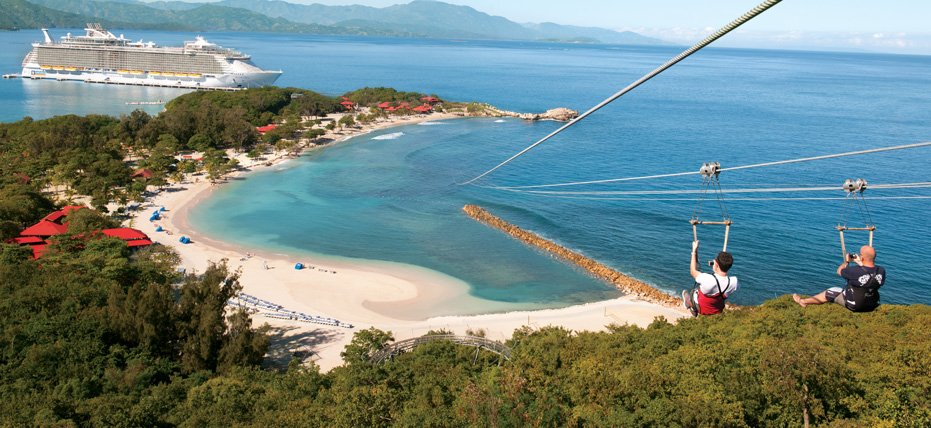
Haïti is blessed with spectacular natural landscapes, including white sand beaches, mountains and rich biodiversity.

Heritage

Heritage

Haïti has a rich historical heritage, including sites like the Citadelle Laferrière and the Sans-Souci Palace, listed as UNESCO World Heritage Sites.

Culture

Culture

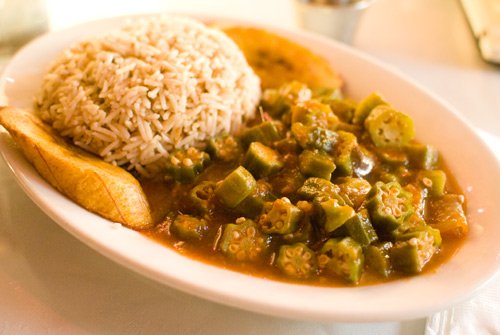
Haïti has a rich and diverse culture, influenced by African, European and indigenous elements. Haitian music, dance, art and cuisine are celebrated around the world.

  • +
    • Post