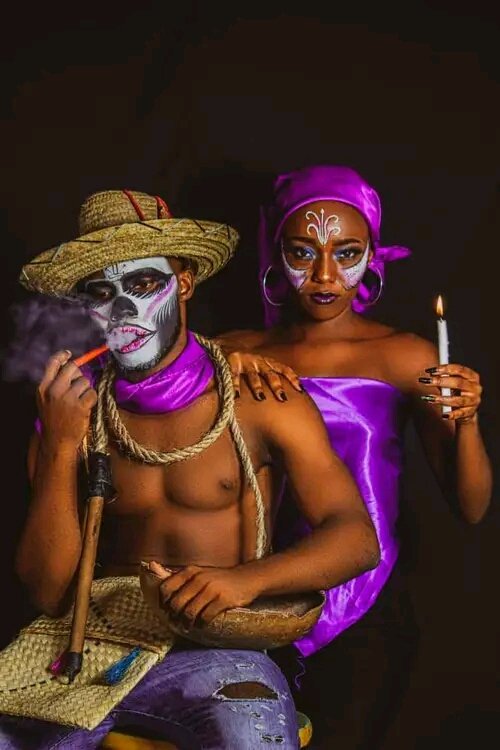
Pap Jazz 2025, a Celebration of Haiti’s Great Musical Richness
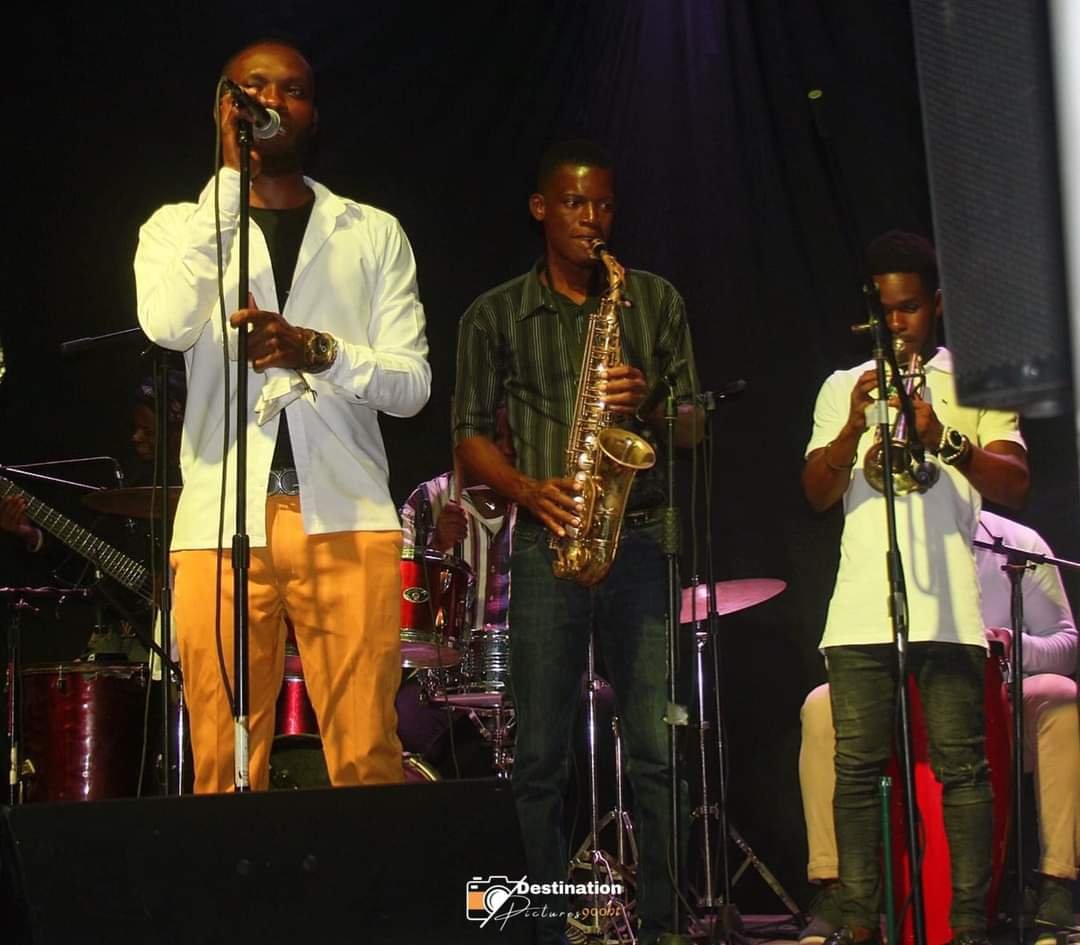
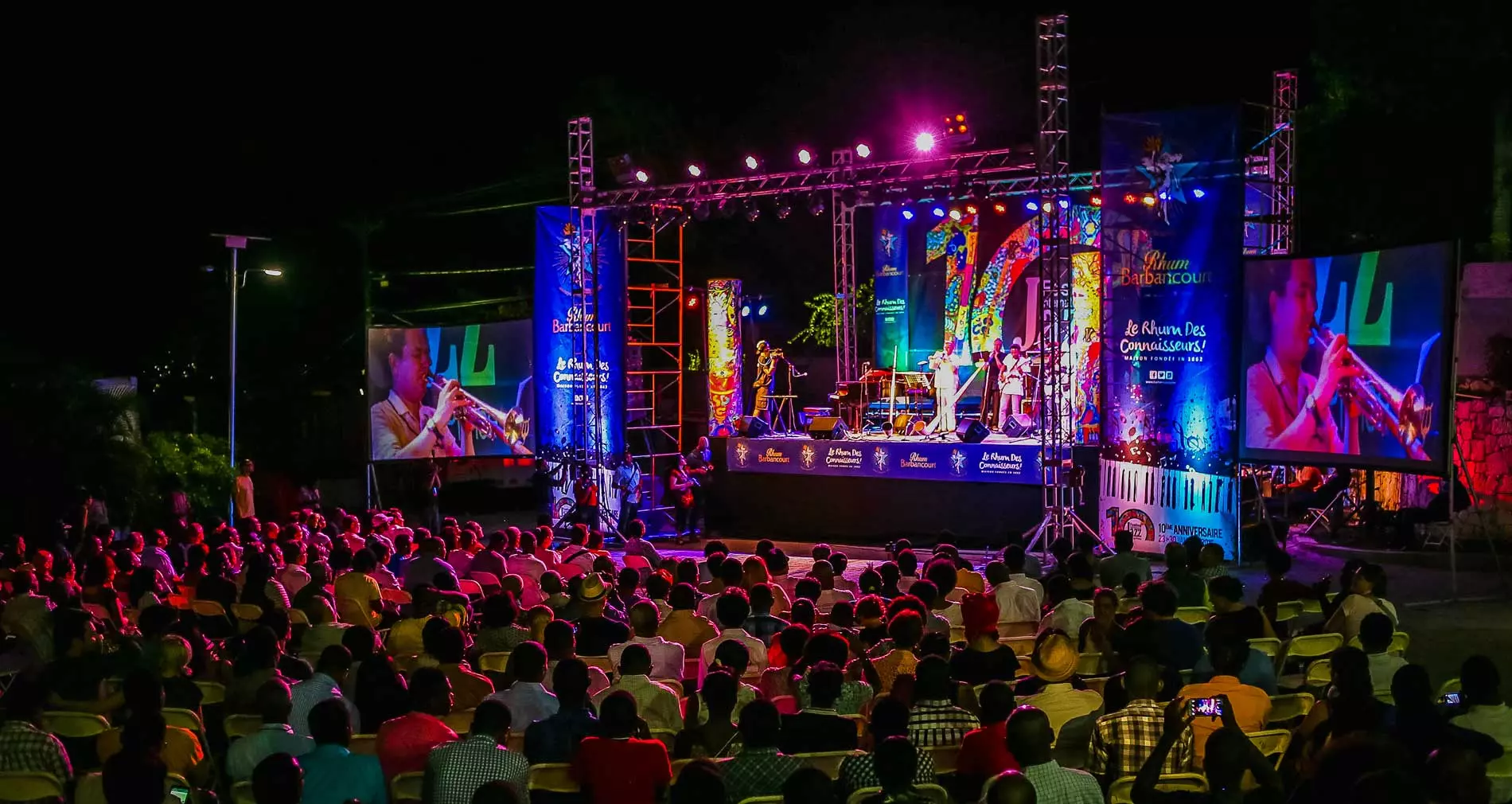
On Sunday, April 6, 2025, the Karibe Convention Center in Juvenat transformed into a true cultural temple to close the 18th edition of the Port-au-Prince International Jazz Festival (PAPJAZZ). This year, the festival took place under the evocative theme "PAP JAZZ it UP", and it was held in three sites primarily located in the Pétion-Ville commune. The festival took place entirely at these wonderful musical venues: a reference was made to the Latin Quarter, the Haiti-Brazil Cultural Center, and the Karibe Hotel. Due to the deteriorating situation in downtown Port-au-Prince in recent times, the French Institute site had to be abandoned by the festival organizers. Nevertheless, we can absolutely call this 18th edition of Pap Jazz a success. Indeed, this festival, now a major event of the Haitian year, was especially marked this year by the great resilience and determination of the organizers who were able to adapt to the country’s rhythm in order to satisfy their loyal festival-goers. Despite the difficult context, these festival-goers did not miss the opportunity to escape their harsh daily lives through music. It’s also important to note that this 18th edition of Pap Jazz took place after two postponements, at the very beginning of this year, with the last one occurring in March due to insecurity. In this regard, it is appropriate to call the monumental achievement of the Haïti Jazz Foundation and their partners an exceptional feat, as they were not discouraged and showed remarkable tenacity, while adapting to offer Port-au-Prince and its surroundings this moment of growth, beyond the city’s great sorrow, through music.
This year, the Pap Jazz organizers particularly emphasized that the festival should be extraordinary. Given the difficult situation the country has been facing for some time, Joelle Widmaier, the festival’s artistic director, emphasized at the press conference from the start that they were aware of this situation. That is why this year, in addition to workshops and artist performances, initiatives such as "Jazz pour Timoun" (Jazz for Children), "Jazz pour les enfants déplacés à cause de la violence dans les camps" (Jazz for children displaced due to violence in camps), and "Mur de l’engagement" (Wall of Commitment) were introduced. The last initiative aimed to encourage festival-goers to make a commitment to the well-being of their country, through a written message that would later be shared on social media.
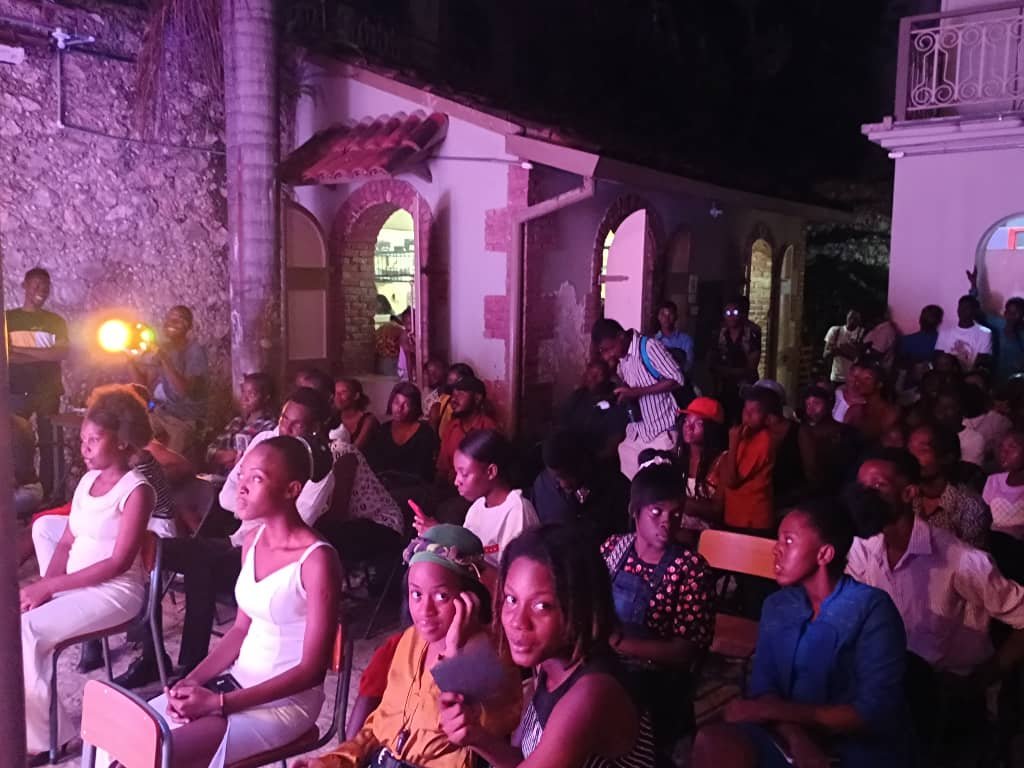
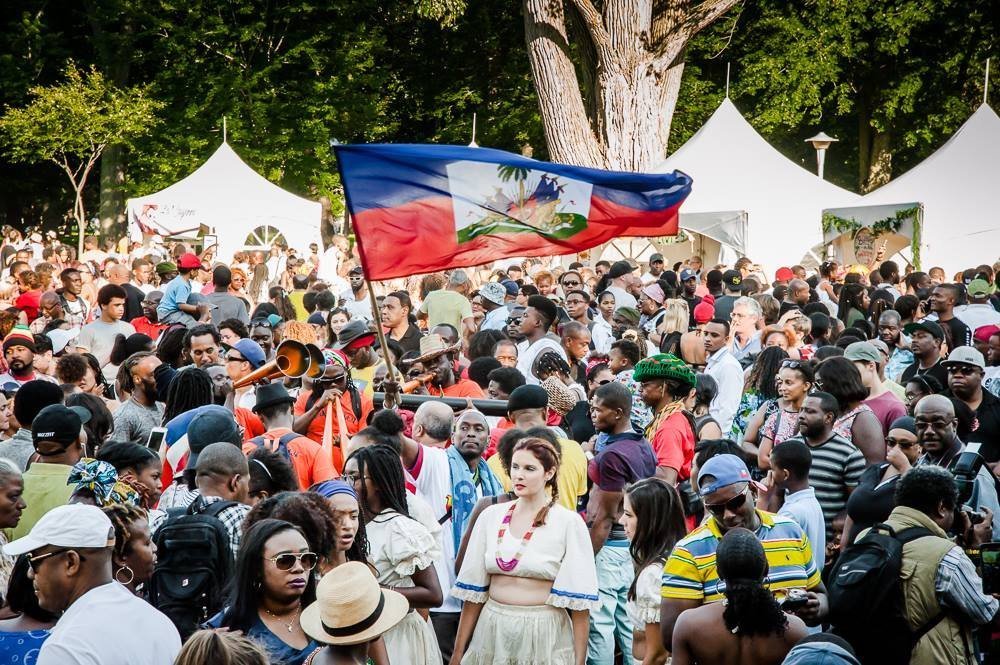
Throughout the various events that made up the festival, the observation was the same: there was an audience with a bitter thirst to live in a better country, who made the effort to go out and experience this beautiful music festival. Whether it was at the Karibe events, those in the Latin Quarter (where the after parties were held), or at the Haiti-Brazil Cultural Center, where the workshops took place, this amazing audience, with its thirst for a better Haiti, was clearly visible on their faces. And just that seemed to be a worthy reason for everyone to feel satisfied.
Due to the difficulties in bringing in foreign artists, as was always the case in previous editions, particularly because of the halt in services at Toussaint Louverture Airport, which can no longer receive flights from North America due to insecurity, the festival organizers made the winning decision to focus on local artists to fill the program this year. This was a good way to invest where the need is great. The absence of foreign musicians was not felt as much, as our musicians and artists gave their all to meet the satisfaction of the thousands of festival-goers who courageously traveled to experience this extraordinary artistic event.
In summary, artists such as Glaude Carré and his band behind his concept of Jazz desounen, Alexa Cherelus, Fameuse Maude who charmed the broken hearts of the Haitian people during her performance at Karibe with the famous song "Mpa ka ri" by Beethoven Obas, Ti sax, Kolo & Co, Kabysh, Welele, Ti Tanbou, Joël Widmaier himself, the great Kéké Bélizaire, young Leyla Alima, Clyde Duverné, Therly Job, Ami Jazz band, Aeson Fanfan, Norman Ineran Pierre, Ely Charles, Tiga, Alexis Lucson Mensrau, Elizer Guerismé, poet Ricardo Boucher, Badio, and the excellent Syto Cavé are, among others, names to remember, as they intelligently brought together their know-how and immense talent to offer this wonderful festival to an audience in desperate need of space for personal fulfillment.
First black nation to free itself from slavery and gain independence from France in 1804 and influenced other liberation movements around the world, inspiring struggles for freedom and equality.
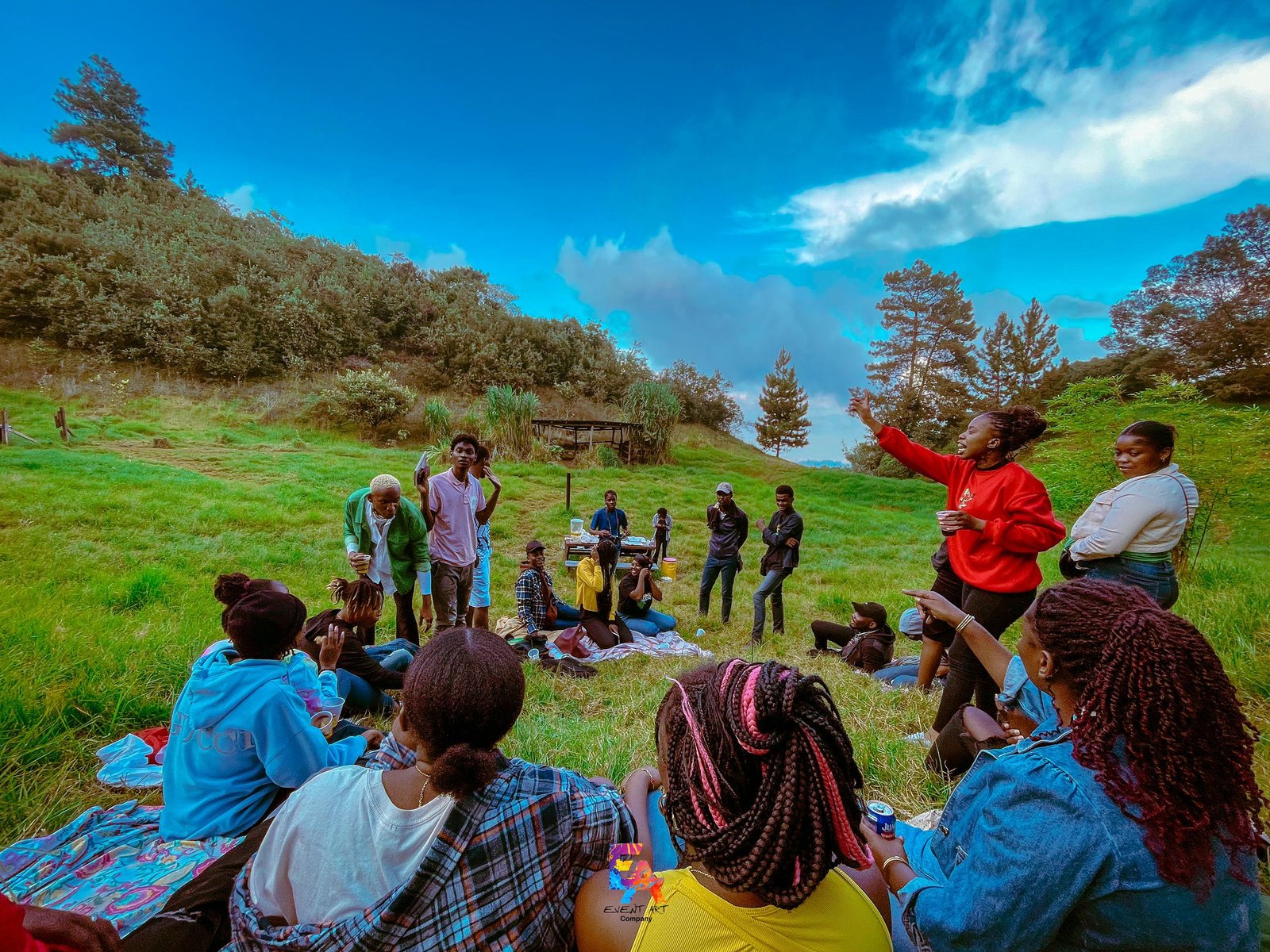
Natural beauty
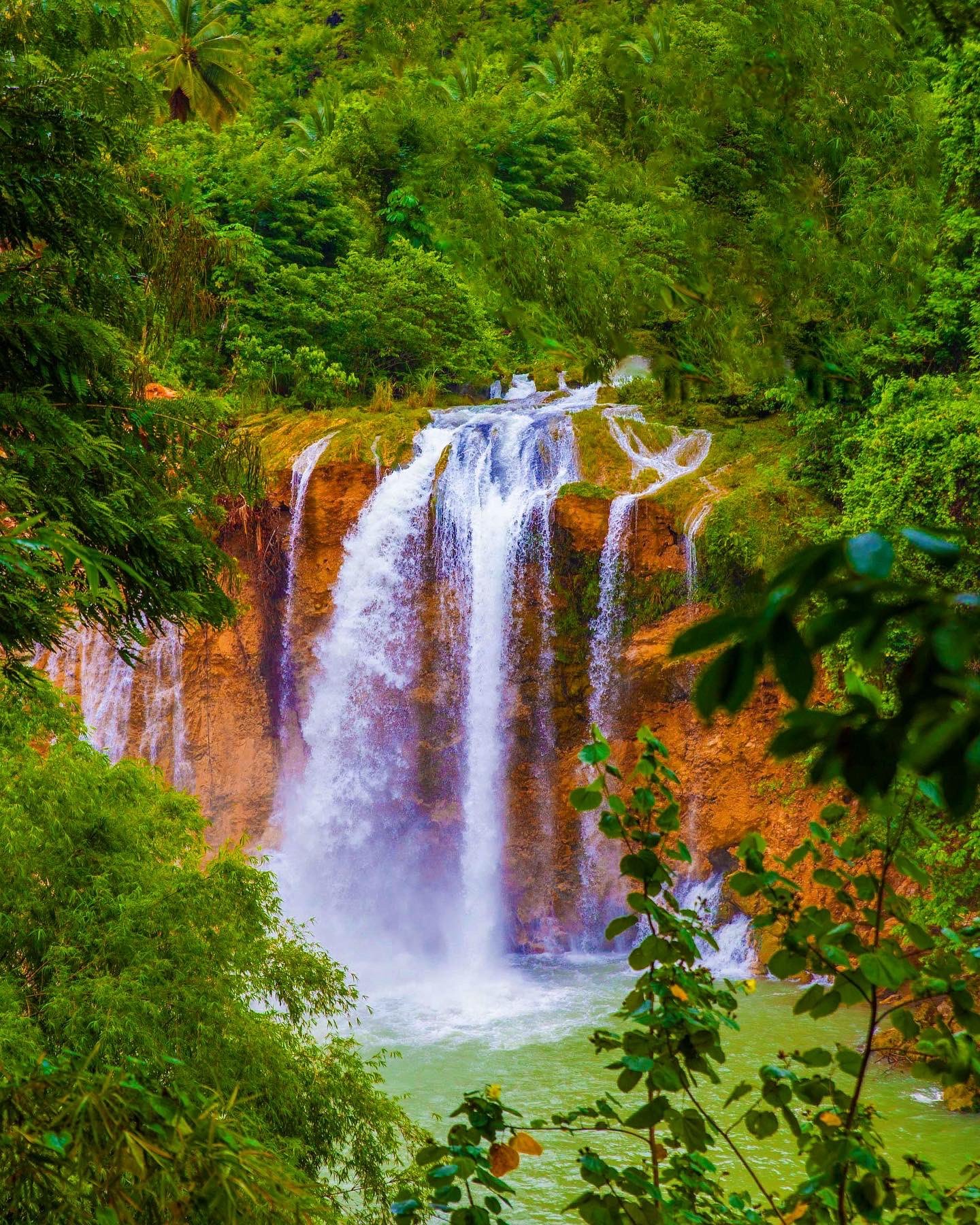
Haïti is blessed with spectacular natural landscapes, including white sand beaches, mountains and rich biodiversity.
Heritage
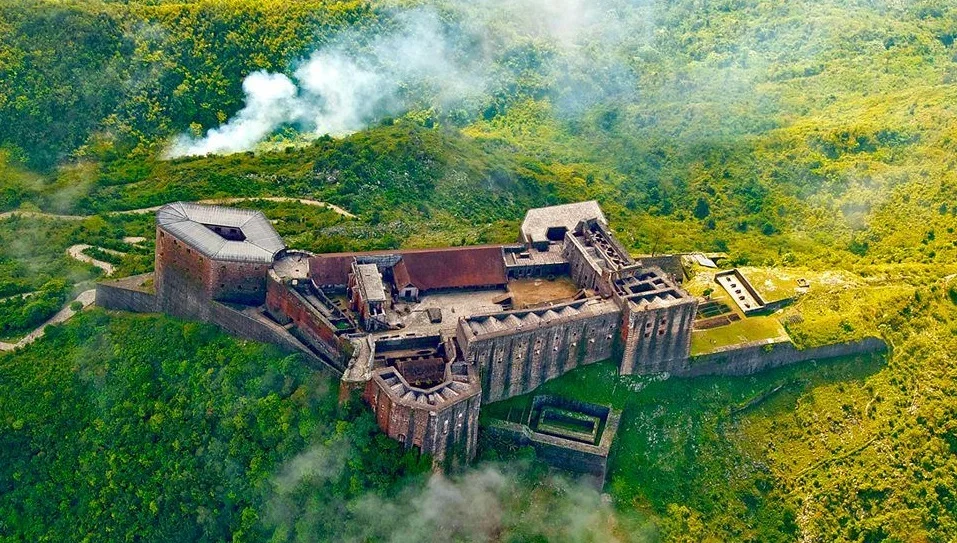
Haïti has a rich historical heritage, including sites like the Citadelle Laferrière and the Sans-Souci Palace, listed as UNESCO World Heritage Sites.
Culture
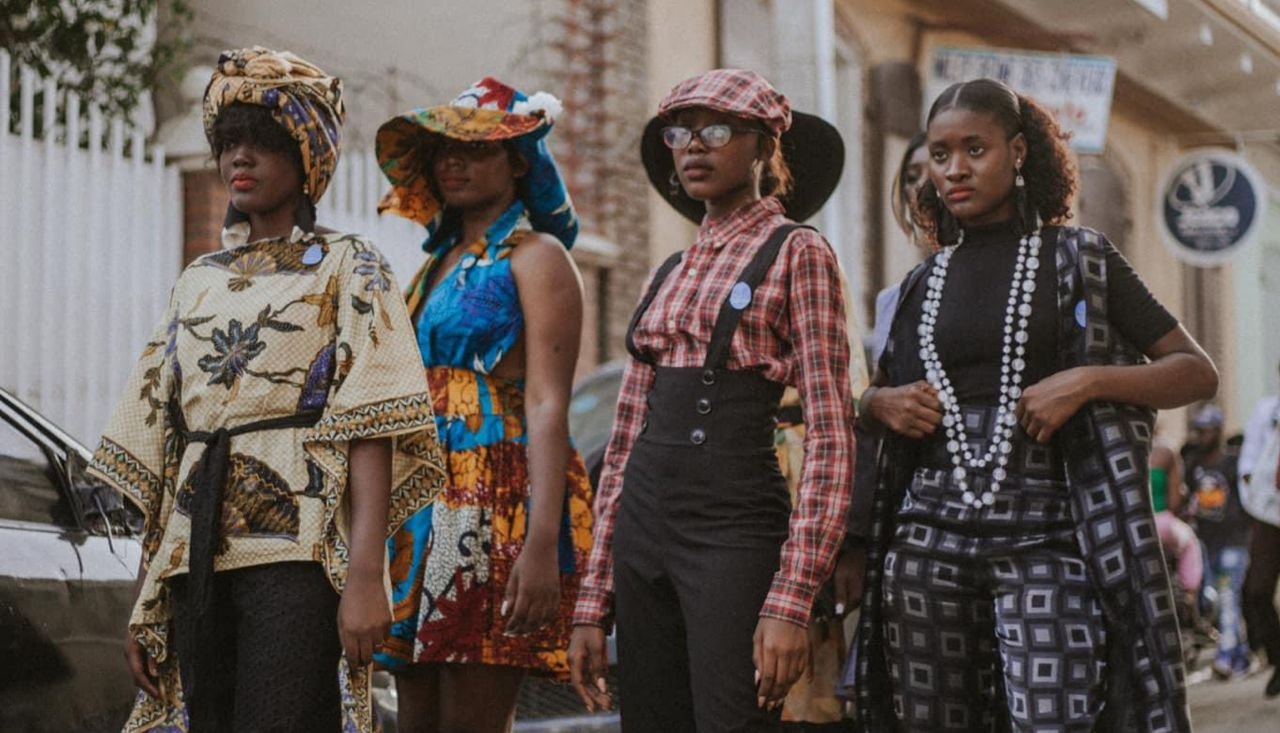
Haïti has a rich and diverse culture, influenced by African, European and indigenous elements. Haitian music, dance, art and cuisine are celebrated around the world.