contact@haitiwonderland.com+509 36184317

Discover

Shopping Cart

The festival Haïti Monde: When Culture Becomes an Act of Reparation

The festival Haïti Monde: When Culture Becomes an Act of Reparation

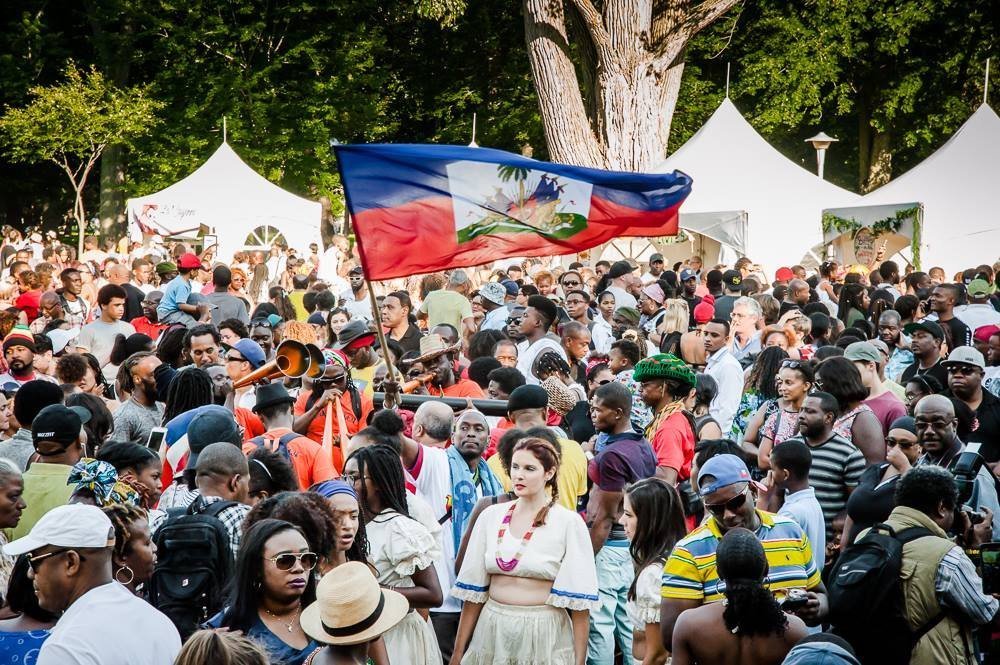
The Haïti Monde Festival is a major cultural event dedicated to promoting Haitian thought, memory, and creativity in the heart of Paris. Led for several years by Haitian intellectual Chadrac Charles and his team, it aims to be a space for expression, transmission, and reflection. In 2025, this fourth edition is organized around a theme that is more relevant than ever: “Repairing the World,” and will take place from June 25 to July 11 in the French capital. Gaël Octavia, winner of the 2025 Goncourt Prize for the short story, will be the guest of honor. Alongside her, other friends of the Haitian cause and powerful voices from the Haitian literary scene will be gathered. Among them: geographer Jean-Marie Théodat, Louis-Philippe Dalembert, Rocé, Mélissa Laveaux, Marie-Yemta Moussanang, Makenzy Orcel, Françoise Vergès, Lyonel Trouillot, Nicolas Idier, Nathania Périclès, Vladimir Delva, Sandra Dessalines, Claude Saturne, Kébert Bastien, Jude Joseph... and many others. A tribute will also be paid to Frankétienne and Anthony Phelps, two giants of Haitian literature who passed away this year.


Haïti
Haïti
Haïti

A Torn World

The world bears wounds across the whole expanse of its body; the wars declared and imposed by the powerful are becoming more and more frequent, and the voices of the weakest have never been so diminished since the end of World War II. This tendency to dominate by force is a serious blow to the reign of humanity. In addition to countless catastrophes, we are also facing a growing climate crisis. Hence the urgent need for healing. In this sense, the festival serves as a reminder and a way to amplify Haiti’s voice alongside the most vulnerable.

See as well

Haiti, the Country That Dared to Say No

This edition follows in a long tradition: that of a country that, as early as 1804, dared to overthrow an unjust global order. Haiti, the first Black republic in the world, not only conquered its own freedom but also stood alongside historical figures like Simón Bolívar in the liberation of Latin America in the early 19th century.
Even though the country is no longer the military force it was at the dawn of its independence, it remains an essential voice in the concert of nations, one that continues to say no to injustice for itself and for others. It is in this spirit that Haïti Monde rises, like a poetic cry against silence.

Poetry as a Universal Language

The organizers remain firm: poetic language is central to all Haitian expression. Because beyond facts, it is poetry that touches, crosses, and unites.
“It is a universal language capable of reaching any part of humanity,” says Chadrac Charles.
And it is indeed with words infused with poetry that he has set the tone of the festival:
“The world has cracked. Oceans are lined with corpses, and mountains are strewn with prayers without echo… We will say Haïti she who demands, in her fractured bones, the possibility of a repaired world…”

Haïti
Haïti
Haïti

To Reason in Paris, to Speak to the World

This year, as Haitian civil society reexamines the issue of the independence ransom, the festival’s resonance in the French capital takes on particular meaning. It is a responsible act of speech: to speak of Haïti beyond chaos, to honor its memory, and above all, to call for historical justice.
The bicentenary of the 1825 ordinance through which France demanded Haïti pay an exorbitant indemnity as the price of its freedom will be highlighted throughout the festival. This moment, described as a “builder of misfortune,” will be explored from various perspectives.
Can it be overcome without reparations? Can it be repaired without restitution?
To repair with words, to dream despite the ruins.
In a world still plagued by inequalities and domination, this edition of Haïti Monde will stand as a manifesto for justice, centered on the idea of reparation through culture.

To Write, to Speak, to Listen: these are the weapons of peaceful resistance that will be showcased by the organizing team.
“To repair the world is to believe that literature, fragile and stubborn, can still carry the voices of the damned, the dreams of the enslaved, the hopes of wanderers standing in the night...”
According to Chadrac Charles and he is absolutely right.

Share
About the Author
Moise Francois
Moise Francois
Moise Francois

Journalist editor, poet and apprentice lawyer.

See other articles from Moise Francois
Leave a comment

Recently Posted

Newsletter

Subscribe to our newsletter to stay informed of all our activities and news on Haiti.

Haiti: Discovering Lake Péligre

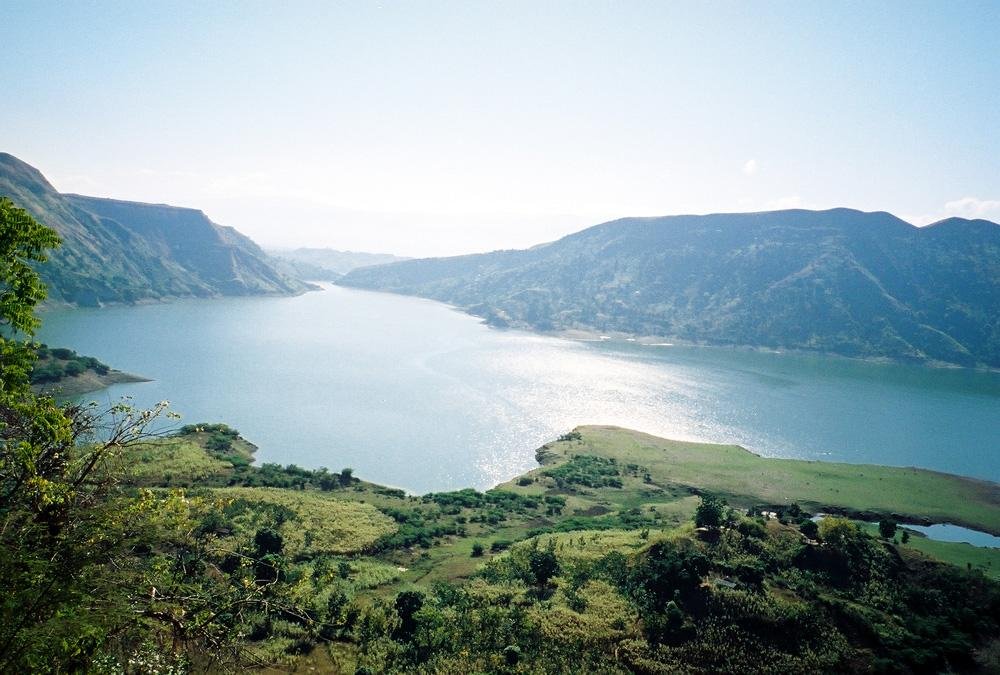
At the heart of the majestic Haitian topography, lies a natural gem of breathtaking beauty: Lake Péligre. Nestled in the mountains of Haiti’s central region, this artificial lake is a wonder for local residents and amazed visitors alike. From its historical creation to its contemporary ecological importance, let’s explore together the riches of Lake Péligre. Origin and History: Lac de Péligre is the result of an ambitious engineering project undertaken in the 1950s. At that time, the Haitian government, in collaboration with international partners, undertook the construction of the Péligre Dam on the Artibonite River. The main goal was to provide large-scale electricity to Haïti while regulating river flooding to protect agricultural land downstream. Ecology and Biodiversity: Beyond its usefulness as a source of hydraulic energy, Lake Péligre is home to rich ecological diversity. The calm waters of the lake provide vital habitat for a variety of native fish species, supporting local fishing communities. In addition, the surrounding forests and hills that border the lake are home to diverse flora and fauna, contributing to the preservation of the regional ecosystem. Tourism and Leisure: For outdoor enthusiasts and nature enthusiasts, Lake Péligre offers a multitude of leisure opportunities. Visitors can enjoy peaceful boat rides on the tranquil waters of the lake, offering panoramic views of the surrounding mountains. Additionally, hiking trails winding through lush forests allow hikers to explore the area’s natural beauty. Lake Péligre represents much more than a simple artificial body of water. It is a living testament to human ingenuity and the natural beauty of Haiti. As an emerging tourism destination, it offers visitors an immersive experience in nature, while highlighting the crucial importance of environmental conservation. By preserving this natural treasure, we also preserve the sustainable future of our planet.

Discover the Hidden Gem of Caracol: A Peaceful Haven in Haiti

Nestled in the enchanting embrace of Haiti’s North East department lies a true marvel – Caracol. This picturesque area is more than just a destination; it’s a sanctuary where tranquility dances in harmony with the gentle whispers of nature. From the chirping of content birds to the warm smiles of its inhabitants, Caracol is a true wonderland waiting to be explored. One of the most captivating aspects of Caracol is its serene ambiance. Here, peace isn’t just a concept; it’s a way of life. Even the birds seem to sing with an extra ounce of joy, as if they’ve found their own slice of paradise amidst the lush greenery. Stepping into Caracol feels like entering a world where time slows down, allowing you to embrace the simple pleasures of life. But what truly sets Caracol apart is its people – kind-hearted souls who find solace in the simplicity of their daily lives. Engaged in activities like fishing and gardening, they embody a deep connection to the land that sustains them. And amidst it all, the industrious spirit of Caracol shines through, with the industrial parc serving as a beacon of progress and opportunity for the community. Yet, amidst the tranquil rhythm of everyday life, Caracol pulsates with the vibrant energy of Haitian culture. Voodoo, an integral part of local life, weaves its mystical threads into the fabric of daily rituals and traditions. And come July, the entire community comes alive with patronal celebrations that draw Haitian diaspora from every corner of the globe. It’s a time of joyous reunions, where cultural immersion meets spirited competitions, from exhilarating running races to thrilling boat races on the sparkling waters. As the sun sets on another day in Caracol, the excitement doesn’t end – it transforms. Carnival season, known as "mardi gras," casts its spell over the land, igniting the imaginations of children who eagerly don disguises and wield whips to make merry mischief. Laughter fills the air as they chase each other, their gleeful shrieks echoing through the streets, creating memories that will last a lifetime. In Caracol, every moment is a celebration, every day a testament to the resilience and warmth of its people. So, whether you’re seeking a tranquil retreat or a cultural adventure, Caracol invites you to discover its hidden wonders and experience the magic for yourself. After all, in this captivating corner of Haiti, every day is a journey into the heart of paradise.

Recently Posted

History

History

First black nation to free itself from slavery and gain independence from France in 1804 and influenced other liberation movements around the world, inspiring struggles for freedom and equality.

Natural beauty

Natural beauty

Haïti is blessed with spectacular natural landscapes, including white sand beaches, mountains and rich biodiversity.

Heritage

Heritage

Haïti has a rich historical heritage, including sites like the Citadelle Laferrière and the Sans-Souci Palace, listed as UNESCO World Heritage Sites.

Culture

Culture

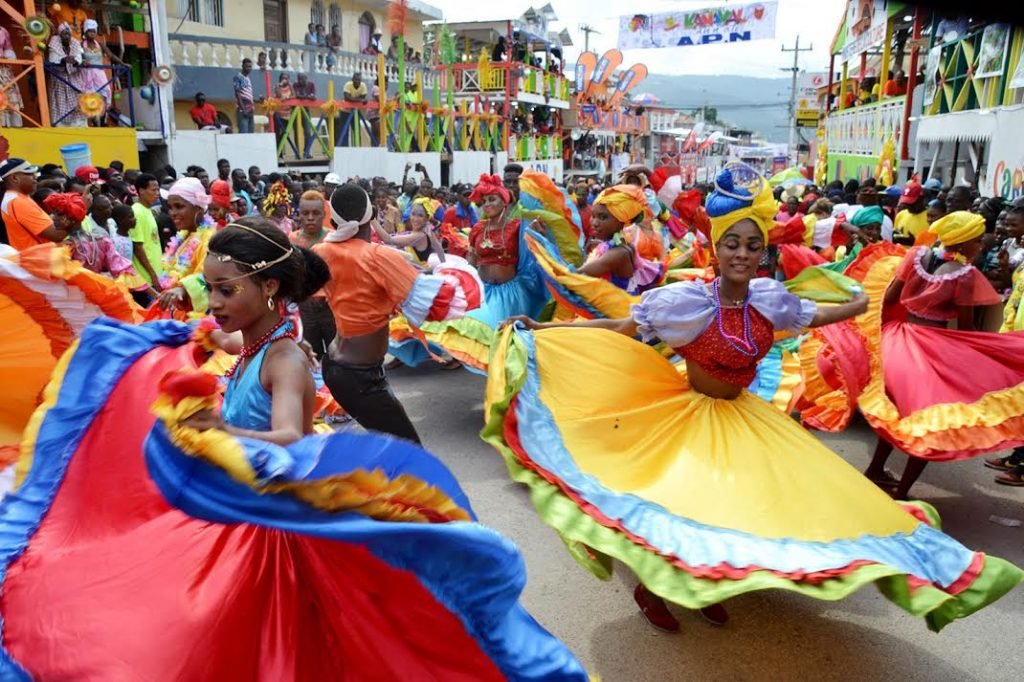
Haïti has a rich and diverse culture, influenced by African, European and indigenous elements. Haitian music, dance, art and cuisine are celebrated around the world.

  • +
    • Post