Haiti, a multifaceted island, is renowned for its picturesque landscapes, rich culture and vibrant festivals. Haitian festivals are much more than just celebrations; they represent the very soul of the nation, embodying its history, its traditions and its community spirit. Let’s dive into this journey, through some of Haiti’s most iconic festivals.
The Haitian Carnival is one of the most anticipated and spectacular cultural events in the country. Taking place primarily in major cities like Port-au-Prince, Jacmel and Cap-Haitien, Carnival is an explosion of color, music, dance and traditions that attracts thousands of local participants and tourists each year. Celebrated just before Lent, Carnival is not only a celebration, but also a profound expression of Haitian identity and history.
Haitian Carnival has its roots in African, European and indigenous traditions, fused over the centuries to create a unique celebration. Introduced by French colonists in the 18th century, carnival evolved to incorporate elements of African culture brought by slaves, as well as indigenous rituals. Today, Carnival is a symbol of the resilience and creativity of the Haitian people, a manifestation of joy and freedom.
The heart of the Haitian Carnival is its spectacular parades. The streets are filled with beautifully decorated floats, groups of dancers in elaborate costumes and musicians playing wild rhythms. Each city and each carnival group, or “band,” brings its own style and theme, making each parade unique.
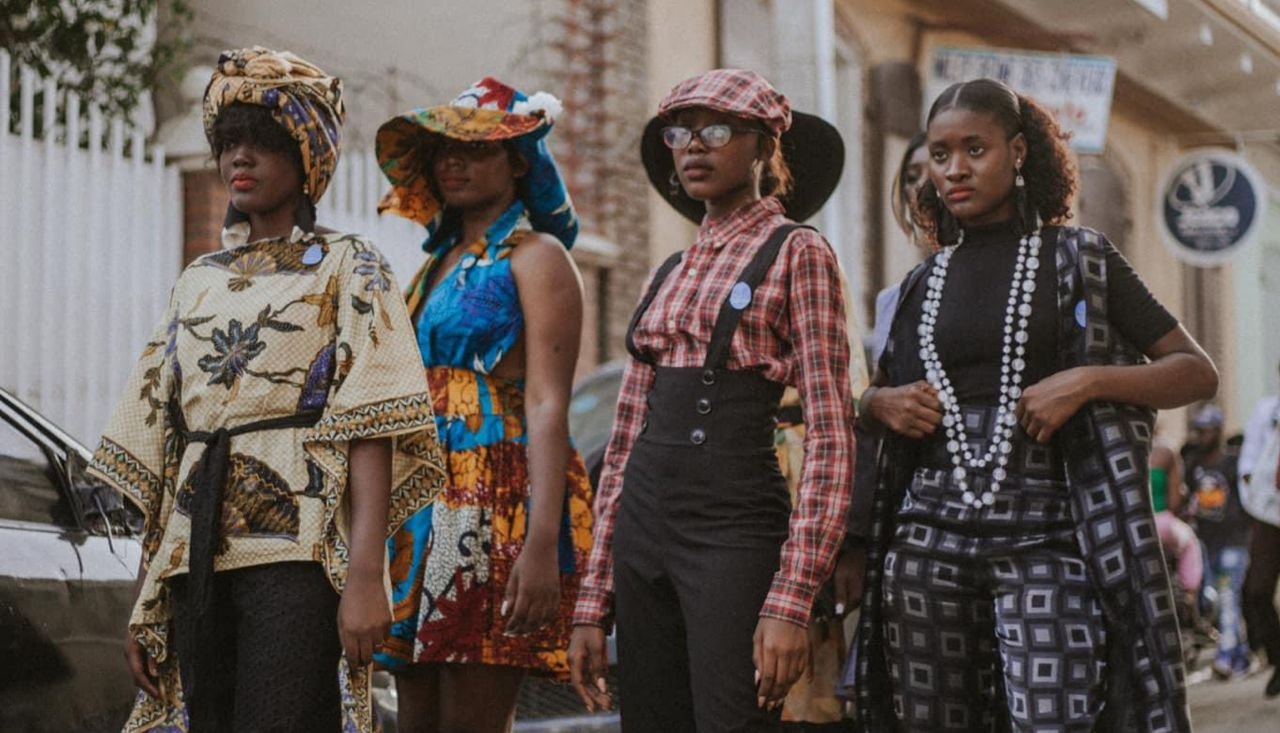
The costumes are often carefully made, using local and recycled materials, and are decorated with beads, feathers and sequins. Masks, often inspired by local mythology and historical figures, are an essential part of disguises. These costumes tell stories, transmit political and social messages, and celebrate the cultural diversity of Haiti.
The Rara Festival is one of the most authentic and vibrant cultural events in Haiti. Anchored in the history and spirituality of the country, Rara is a tradition that mixes music, dance, religion and social protest. Taking place mainly during Lent, between Ash Wednesday and Easter Sunday, the Rara is a festival which invades the streets of villages and towns with its colorful processions and captivating rhythms.
Rara draws its origins from African traditions brought by slaves to Haïti and fused with indigenous and European influences. This celebration is closely linked to Voodoo, a religion practiced by a large part of the Haitian population. Rara processions are often led by voodoo priests, and the songs and dances are filled with religious and spiritual symbolism.
Rara is also a form of resistance and protest. Historically, slaves used these festivities to communicate and organize revolts against the colonists. Today, the Rara continues to be a means for the Haitian people to express their social and political demands.
The Rara is deeply spiritual, with voodoo rituals integrated into the celebrations. Before beginning a procession, Rara groups may perform ceremonies to invoke the spirits and ask for their protection. Participants believe that these spirits accompany them throughout the party, guiding and protecting the group.
In addition to its spiritual dimension, the Rara plays a crucial role in social cohesion and political resistance. It is a space where communities can come together, express solidarity and affirm their cultural identity. The messages conveyed through songs and dances can denounce injustices, celebrate victories and recall past struggles.
- Port-au-Prince International Jazz Festival (PapJazz)
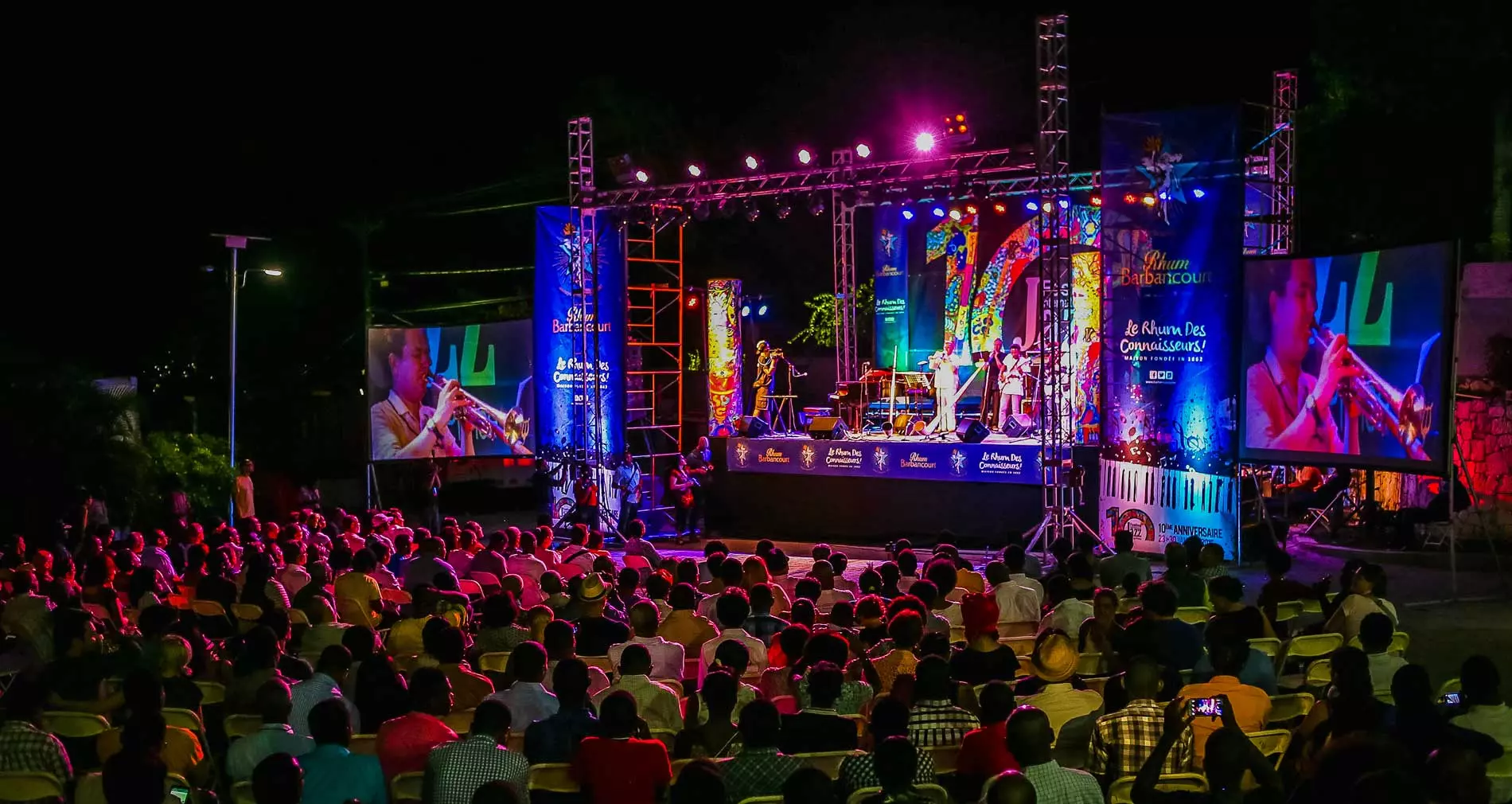
The Port-au-Prince International Jazz Festival, commonly known as PapJazz, is a flagship event on the Haitian cultural calendar. Since its inception in 2007, this annual festival has attracted world-renowned jazz artists as well as local talent, transforming the Haitian capital into a vibrant hub of music, culture and creativity.
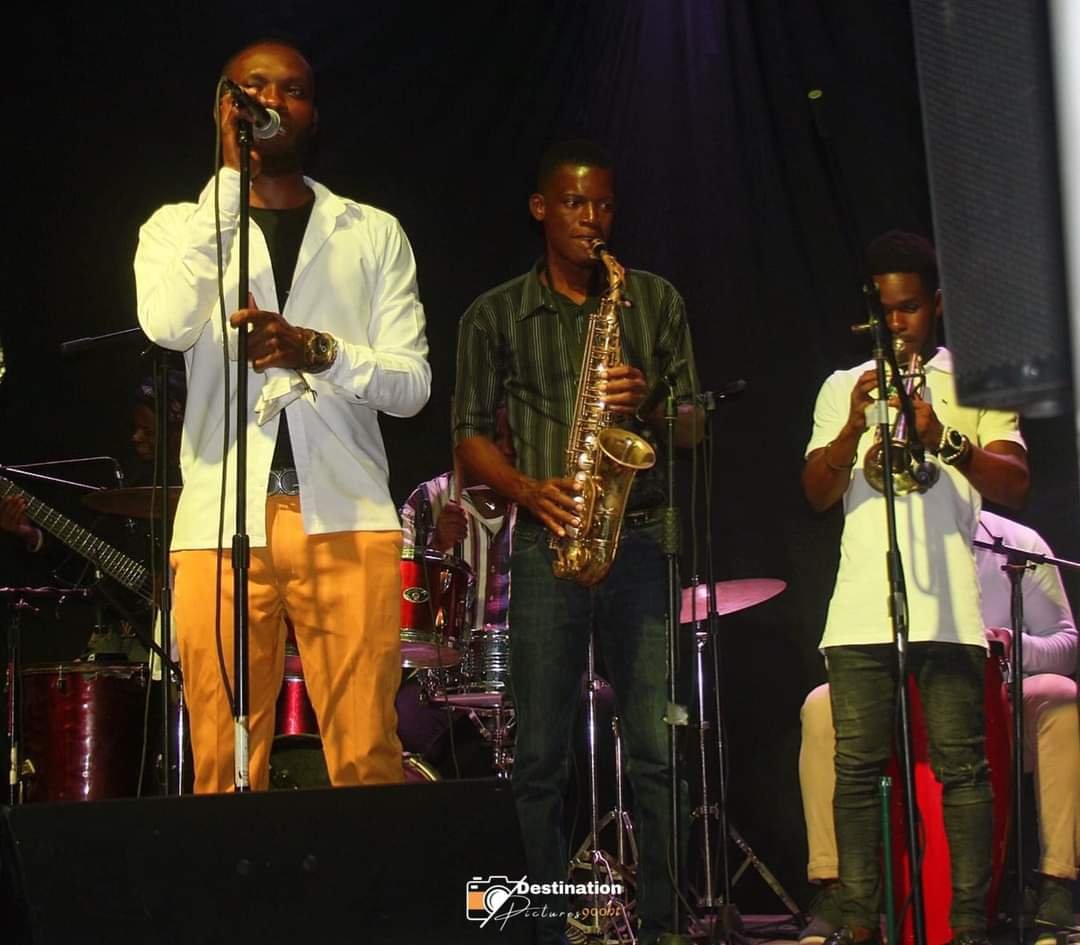
PapJazz stands out for its ability to bring together musicians from diverse backgrounds, thus providing a unique platform for cultural exchange. Each year, leading jazz artists from North America, Europe, Africa and the Caribbean perform alongside Haitian musicians. This musical fusion allows us to discover new sounds and new collaborations, enriching both the artists and the public.
PapJazz is not limited to musical performances; the festival is also a place for the transmission of knowledge and training. Workshops and masterclasses are organized by world-renowned musicians, allowing young Haitian talents to benefit from their expertise. These educational sessions cover various aspects of jazz music, from improvisation to composition to instrumental technique.
Flag Day, celebrated on May 18, is one of Haiti’s most important and symbolic national holidays. This day commemorates the creation of the Haitian flag in 1803, a key moment in the country’s history which marks the unity and determination of the Haitian people in their struggle for independence. It is an opportunity to celebrate Haitian culture, history and identity with parades, speeches, ceremonies and festivities throughout the country.
The creation of the Haitian flag dates back to May 18, 1803, during the Congress of Arcahaie. The leaders of the Haitian revolution, notably Jean-Jacques Dessalines, decided to create a distinct flag to symbolize their break with France. Dessalines would have taken the French tricolor, removed the white stripe to represent the rejection of white settlers, and unified the blue and red stripes to symbolize the unity of blacks and mulattoes. This flag became a powerful symbol of the struggle for independence, which was officially proclaimed on January 1, 1804.
Flag Day is much more than just a celebration; it is a poignant reminder of the history, resilience and unity of the Haitian people. By commemorating the creation of the flag, Haitians celebrate not only their independence, but also their identity and culture. This day of national pride is an opportunity to pay tribute to the sacrifices of ancestors, promote national unity and transmit patriotic values to younger generations.
Flag Day is an invitation to celebrate and reflect on the importance of unity and solidarity to build a better future for Haiti. Whether in Haïti or abroad, this day offers all Haitians the opportunity to remember and celebrate their rich cultural and historical heritage.
Haïti en Folie is a multicultural festival that highlights the richness and diversity of Haitian culture through various arts such as music, cinema, literature, dance and gastronomy. Organized mainly in Montreal, this festival attracts each year a large audience made up of the Haitian diaspora as well as many other enthusiasts of culture and diversity.
Created in 2007 by the Fabienne Colas Foundation, Haïti en Folie’s mission is to promote and celebrate Haitian culture through artistic and cultural events. The festival generally takes place in July and offers a rich and diverse program that highlights Haitian talents of yesterday and today.
Haitian gastronomy plays an important role in the festival. Food stalls offer a variety of traditional Haitian dishes, such as griot (marinated and fried pork), rice stuck with peas, pea bananas, and many other culinary delights. Cooking workshops are also held for those who want to learn how to prepare authentic Haitian dishes.
The Haitian Compas Festival is one of the largest Haitian musical events in the world, celebrating compas, Haiti’s iconic musical genre. This festival, which is held each year in Miami, Florida, attracts thousands of fans of Haitian music and culture from around the world. Since its creation in 1998, the festival has become an unmissable event for compass enthusiasts and a symbol of Haitian pride and unity.
The compas (or konpa), created by the famous musician Nemours Jean-Baptiste in the 1950s, is a musical genre that combines traditional Haitian rhythms with influences of meringue, jazz and Latin music. Characterized by catchy melodies, syncopated rhythms and often romantic or festive lyrics, the compass has become a central element of Haitian musical culture.
The festival brings together an impressive selection of compass artists each year, ranging from genre legends to promising new talents. Famous groups such as Tabou Combo, T-Vice, Djakout #1 and Carimi have all participated in the festival, delivering electrifying performances that captivate the audience.
Concerts are often accompanied by dance performances, where spectators can see and participate in traditional Haitian dances. The performances are a celebration of Haitian music, dance and culture, creating a festive and community atmosphere.
The Haitian Compas Festival is more than just a musical event; it is a celebration of Haitian identity and culture. The festival attracts not only Haitians from the diaspora, but also lovers of Caribbean music and culture from around the world. This event is an opportunity to bring together the Haitian community and share the richness of its culture with a wider audience.
SumFest, an essential reference for lovers of captivating sounds and thrilling rhythms. Every summer, the Côte des Arcadins in Haïti transforms into a party and gathering place for thousands of fans who come to celebrate the richness of Haitian musical culture.
SumFest traditionally takes place in summer, the ideal time to enjoy the natural beauty of Haitian beaches and the festive atmosphere that reigns on the Côte des Arcadins. This region, renowned for its picturesque landscapes and crystal clear waters, offers an idyllic setting for this festival which combines music, dance and conviviality. Festival-goers can enjoy musical performances while enjoying the relaxing atmosphere of the Caribbean Sea.
SumFest stands out for its eclectic programming, which highlights the most popular artists and DJs on the Haitian music scene. Headliners include renowned groups and artists such as Tony Mix, T-Vice, Maestro, K-Zino, Djakout #1, and Kai. These artists, each with their unique style, bring a musical diversity that reflects the richness of Haitian culture.
SumFest is also a place to meet and share for Haitians in the diaspora and music lovers from around the world. This festival offers a unique opportunity to discover or rediscover the richness of Haitian music in a friendly and festive setting. Participants can meet, exchange and celebrate together, creating unforgettable memories.
For those who wish to live an exceptional musical experience and discover the richness of Haitian culture, SumFest is the unmissable event of the summer. Whether you are a music enthusiast, an enthusiastic dancer or simply curious about Haitian culture, SumFest promises an unforgettable experience, rich in emotions and discoveries.
Haitian festivals are windows open to the soul of the country, reflecting its resilience, its joie de vivre and its cultural richness. Whether it is Carnival, the Port-au-Prince International Jazz Festival, the Rara Festival or the Flag Festival, each celebration offers a unique and immersive experience. By participating in these festivals, visitors can not only appreciate the beauty of Haitian traditions, but also understand and feel the deep connection of Haitians to their history and culture.
Embark on this journey in images and let yourself be enchanted by the magic of Haitian festivals!
First black nation to free itself from slavery and gain independence from France in 1804 and influenced other liberation movements around the world, inspiring struggles for freedom and equality.
Natural beauty
Haïti is blessed with spectacular natural landscapes, including white sand beaches, mountains and rich biodiversity.
Heritage
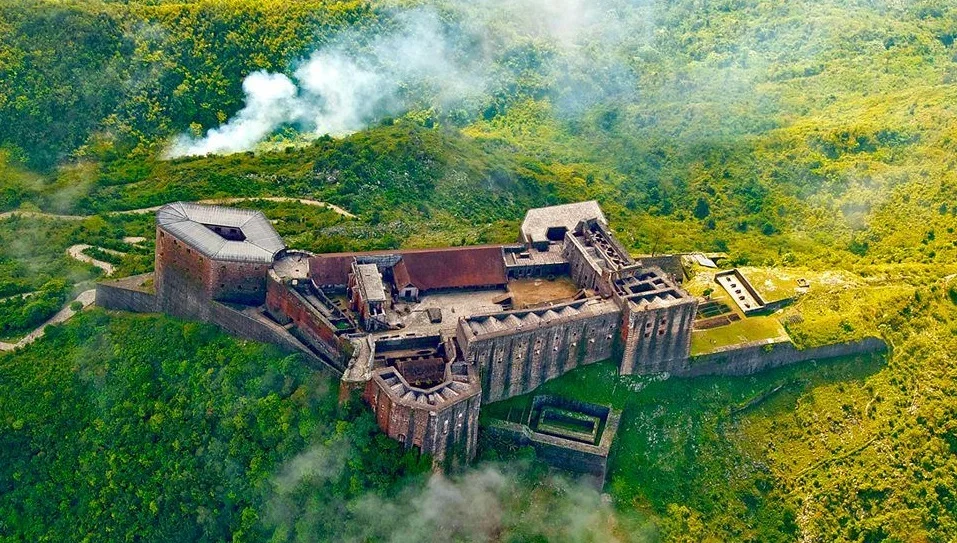
Haïti has a rich historical heritage, including sites like the Citadelle Laferrière and the Sans-Souci Palace, listed as UNESCO World Heritage Sites.
Culture
Haïti has a rich and diverse culture, influenced by African, European and indigenous elements. Haitian music, dance, art and cuisine are celebrated around the world.