contact@haitiwonderland.com+509 36184317

Discover

Shopping Cart

The beaches of Petit-goave: Coastal escapes in Haiti.

The beaches of Petit-goave: Coastal escapes in Haiti.

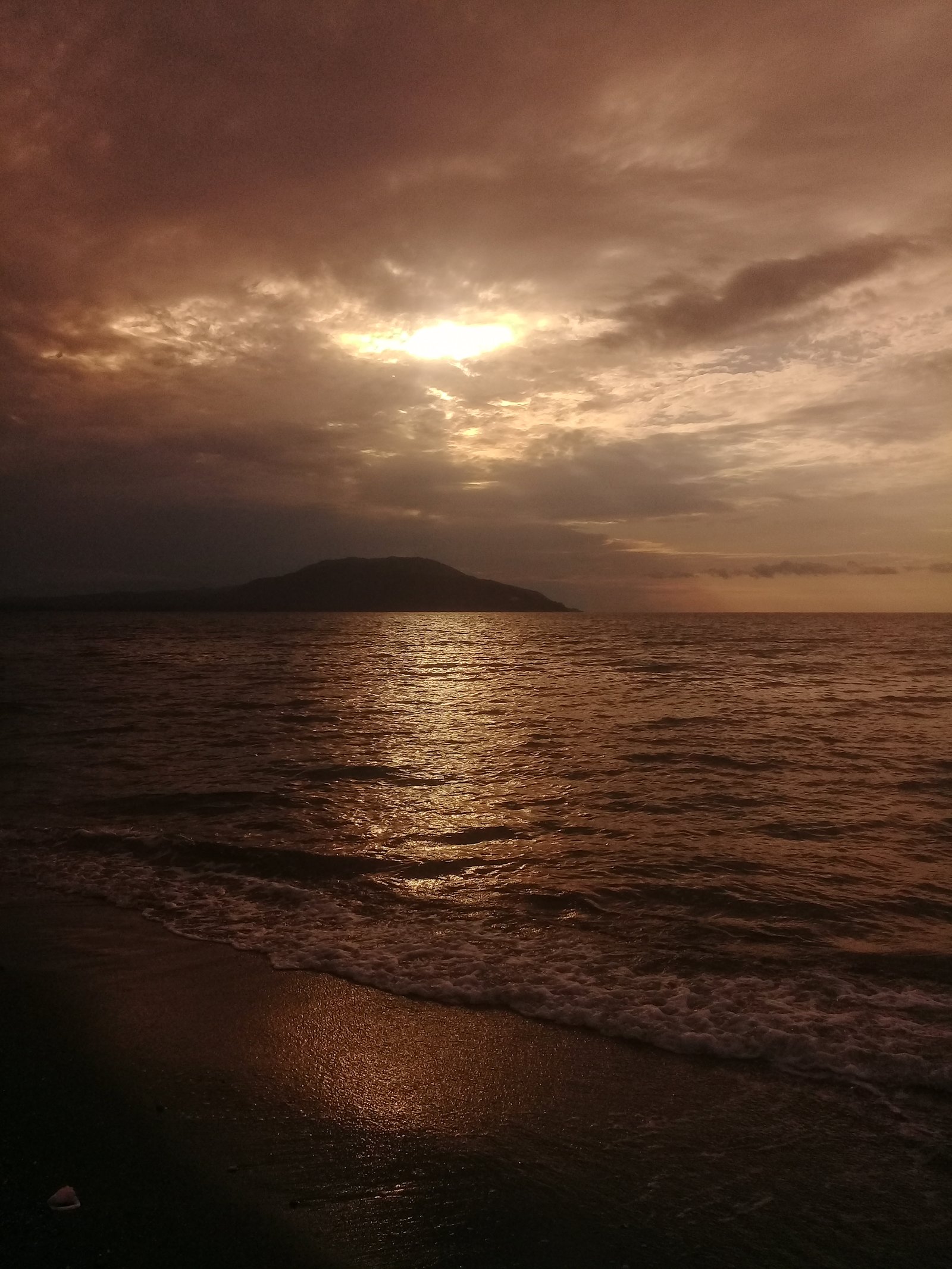
The beaches of Petit-Goâve, Haiti, offer tranquil destinations to relax and enjoy the sand and sea. The beach of "Ti sab blanch" is perfect for swimming and family picnics, while Balanier and Cocoyer Beach offer preserved and less crowded landscapes. These beaches are true hidden treasures to discover along the southwest coast of Haiti, inviting visitors to preserve these natural environments during their visit.

The beaches of Petit-Goâve are true coastal escapes in Haiti. Nestled along the southwest coast of the island, in the West department of the Republic of Haiti, the town of Petit-Goâve is home to natural treasures that are often overlooked: its magnificent beaches. These coastal gems offer locals and visitors spaces for relaxation and leisure where fine sand meets the crystal clear waters of the sea.

Summary

Ti sab blanch
Ti sab blanch
Ti sab blanch

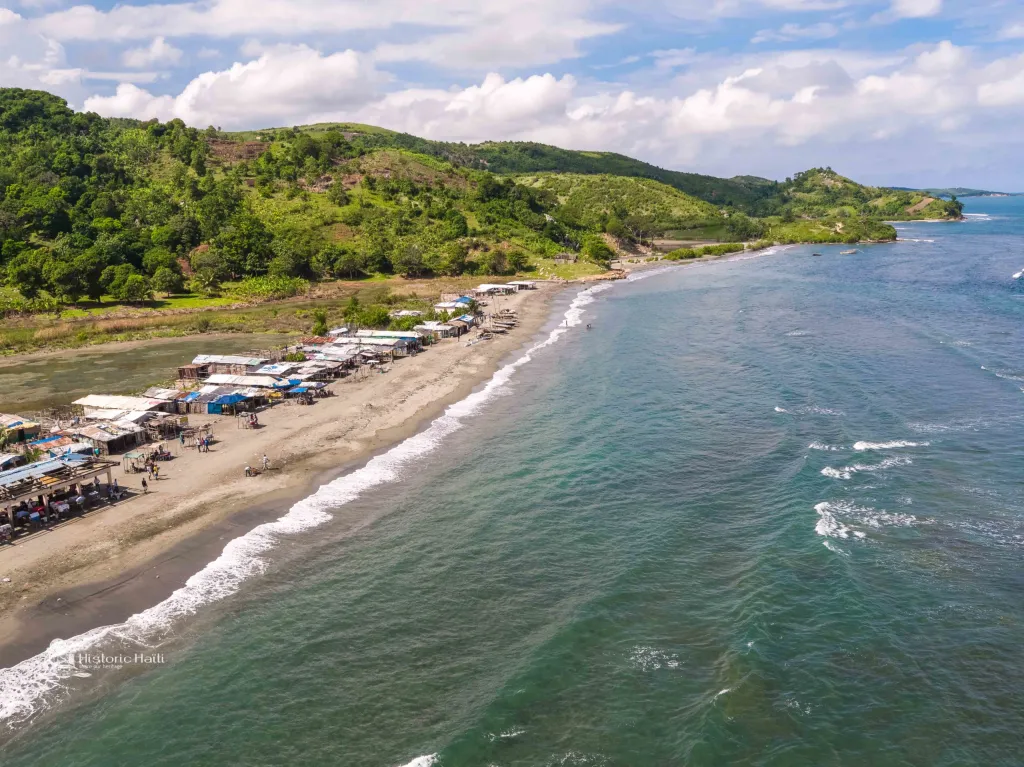
The beach of “Ti sab blanch” stands out as one of the destinations in the region. Just a few kilometers from the city center, this heavenly stretch of sand attracts sea lovers with its calm, swimmable waters. Petit-Goâvian families often meet there for relaxing days, taking advantage of the shaded areas for friendly picnics.

See as well

Cocoyer beach
Cocoyer beach
Cocoyer beach

Not far from there, about 15 minutes by rowboat, the beaches of Balanier and Cocoyer beach offer a more peaceful and preserved atmosphere. Less frequented than other tourist beaches in Haiti, Balanier and Cocoyer beach seduce with their preserved coastal landscapes, where the blue of the bay meets the green of the surrounding hills. These are ideal places to escape and recharge your batteries to the sound of the waves.

plages de Petit-goave

These beaches, although magnificent, often remain off the beaten track of Haitian tourism. Yet they are well worth discovering for those looking for an authentic and natural escape outside of the more well-known destinations. It is worth remembering, however, that the preservation of these coastal environments is essential. Visitors are encouraged to respect the cleanliness of the beaches and to preserve the local fauna and flora during their stay.

By exploring these coastal escapes, visitors have the opportunity to discover the natural and cultural wealth of Haïti while contributing to its preservation. The beaches of Petit-Goâve offer much more than just a place to relax: they are an invitation to immerse yourself in the beauty and authenticity of the southwest coast of this Caribbean island.

Share
About the Author
Jarule Laguerre
Jarule Laguerre
Jarule Laguerre

    laguerrejarule916@gmail.com

    See other articles from Jarule Laguerre
    Jane

    J'adore

    April 13, 2024 - 04:22:33 AM
    Leave a comment

    Recently Posted

    The Haitian Carnival: A Festival of Colors, Music and Traditions

    The Haitian carnival, an emblematic and essential celebration of the country’s festive calendar, is much more than a simple party. It embodies the very essence of Haitian culture, joyfully blending ancestral traditions, intoxicating music and a deep sense of community. Each year, this vibrant celebration transforms the streets into a vibrant and colorful spectacle, attracting thousands of participants and spectators eager to take part in this one-of-a-kind celebration. Haitian carnival has deep roots in the country’s history, dating back to colonial times. It has evolved over the centuries, incorporating elements of African, French and Creole culture to create a distinct and captivating celebration. The carnival period in Haïti traditionally begins in January and culminates with extravagant festivities that take place over several days. One of the most striking features of the Haitian carnival is the profusion of colors. Traditional costumes, called "masks", are elaborate and beautifully designed. They feature vivid patterns and vibrant decorations, creating a vivid picture of Haitian cultural identity. Participants, dressed in these elaborate costumes, parade through the streets to the sound of lively music, creating an electric atmosphere. Music is at the heart of the Haitian carnival. The captivating rhythms of compass, rasin, rara and other local musical genres resonate throughout the city, inviting people to dance to the rhythm of the party. Orchestras parade through the streets, accompanying the dancers and creating a unique symbiosis between the music and the graceful movements of the participants. The Haitian carnival parade is not just about the music and costumes; it also celebrates the richness of street arts. Talented artists create giant sculptures, art installations and theatrical performances that tell deep stories of Haitian history and culture. These artistic expressions contribute to the transmission of values ​​and stories that shape the identity of the Haitian people.

    Newsletter

    Subscribe to our newsletter to stay informed of all our activities and news on Haiti.

    Recently Posted

    History

    History

    First black nation to free itself from slavery and gain independence from France in 1804 and influenced other liberation movements around the world, inspiring struggles for freedom and equality.

    Natural beauty

    Natural beauty

    Haïti is blessed with spectacular natural landscapes, including white sand beaches, mountains and rich biodiversity.

    Heritage

    Heritage

    Haïti has a rich historical heritage, including sites like the Citadelle Laferrière and the Sans-Souci Palace, listed as UNESCO World Heritage Sites.

    Culture

    Culture

    Haïti has a rich and diverse culture, influenced by African, European and indigenous elements. Haitian music, dance, art and cuisine are celebrated around the world.

    • +
      • Post